
REVIEW · WORKSHOPS
Otsu-e Folk Art Workshop & Local Culture Walk Near Kyoto
Otsu-e is not a polished court art made for palaces. It is lively, simple folk painting, born about 400 years ago in this lakeside town. This tour lets you meet that tradition through Misato Takahashi, an Otsu native whose father, Wado Takahashi, came from the Otsu-e master family of Takahashi Shozan. You finish by painting your own Otsu-e piece.
I like two things right away: the walk takes you into old Otsu shops and streets, and the workshop gives you a souvenir you made yourself. The mochi, retro snack, pickled cucumber, tea, and sweets add a tasty local thread. The main consideration is that the tour costs $104.51 before the short train fare, so it offers its best value if you care about personal instruction and local culture, not just sightseeing.
In This Review
- Key points to know before booking
- Why Otsu-e makes this tour different
- Starting near Otsu Station and the old Tokaido Road
- Old shops, dried food, sake, and pickles
- Festival floats and an old Otsu merchant house
- Otsu-e no Mise and the Takahashi family connection
- Painting at Ichie Wado Seminar House
- What the $104.51 price includes
- Who will enjoy this half-day in Otsu
- Timing, meeting details, and cancellation
- Should you book the Otsu-e workshop?
- FAQ
- How long does the Otsu-e workshop and culture walk last?
- How do I reach Otsu from Kyoto?
- What will I paint during the workshop?
- Is lunch included?
- Is this a private tour?
- Where does the tour start and finish?
Key points to know before booking
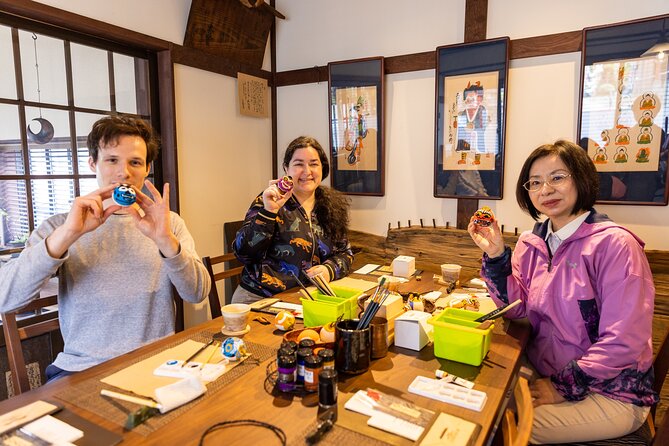
- Paint your own Otsu-e: Choose between a Lucky Oni Bell and Three Wise Monkeys design, then take your work home.
- Meet Misato Takahashi: Your English-speaking guide is an Otsu native with a family connection to the town’s Otsu-e tradition.
- Taste the town as you walk: The route includes Japanese sweets, a retro snack, and a seasonal pickle for the workshop.
- See working local history: Visit an old merchant house, a 365-year-old sake brewery, and a display of an Otsu Festival float.
- Easy from Kyoto: Otsu is about a 10-minute train ride from Kyoto Station, with the JR fare listed as JPY 200 per adult.
- Private and small-scale: Only your group takes part, with group discounts available.
Why Otsu-e makes this tour different
Many cultural activities near Kyoto focus on famous temples, formal tea rooms, or highly refined crafts. This one takes you to Otsu, a nearby city with its own visual language and everyday traditions.
Otsu-e began as accessible religious and folk art. Its subjects include figures such as oni, or demons, and the Three Wise Monkeys. The images are direct and easy to read, which is part of their charm. You do not need art training to understand the appeal.
The family connection matters here. Misato’s father, Wado Takahashi, came from the Takahashi Shozan line, described as an Otsu-e master family. The workshop venue, Ichie Wado, carries that family link into the present. You are not simply copying a random Japanese design. You are learning about a local form that Misato is working to keep alive.
That personal connection also shapes the walking tour. The stops are not famous sights in the usual Kyoto sense. They are old shops, a shopping arcade, a preserved merchant house, and small places tied to Otsu’s food and festival life. I like this approach because it gives you a look at how a town works, rather than another quick round of major monuments.
More workshops and classes in Kyoto:
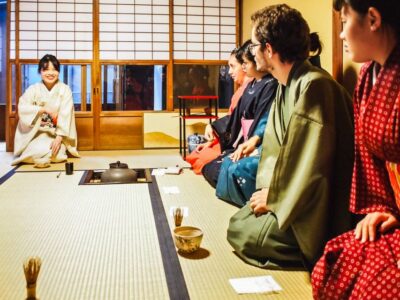
- Kyoto: 45-Minute Tea Ceremony Lesson Experience
★ 4.3 · 2,378 reviews - Kyoto : Chopsticks Making Workshop in Gion with Engraving Option
★ 5.0 · 958 reviews - Kyoto: Samurai Sword Class by Experts in Traditional Arts
★ 4.9 · 657 reviews
Starting near Otsu Station and the old Tokaido Road
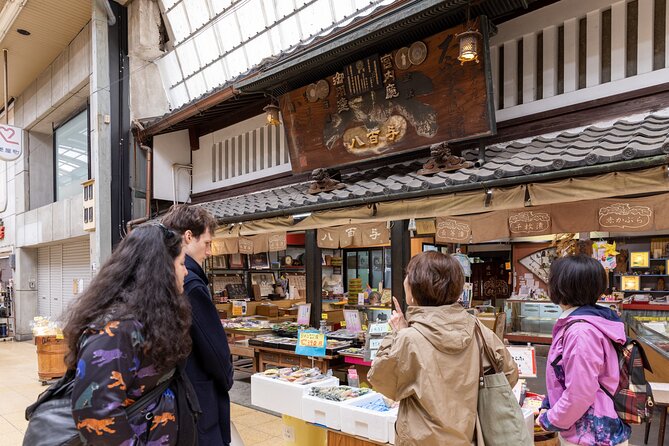
The route includes Otsu Station, with the north ticket gate identified as the meeting point for the walk. Otsu is close enough to Kyoto for an easy half-day outing, yet the change of pace is noticeable. The JR trip from Kyoto is listed at JPY 200 per adult, and a valid JR Pass covers it.
There is one practical detail to check before you go. The tour information also lists Ichie Wado Seminar House as the start and end address, at 4-17 Kozekicho, Otsu. Because the station and seminar house both appear in the meeting information, confirm the exact starting instructions after booking. The tour finishes at Ichie Wado, where the painting session takes place.
Early in the walk, you see the ginkgo trees near Kekaiji Temple in Kyomachi 3-chome. These trees once served as a landmark for boats on Lake Biwa. That small detail shows how local history can be read through ordinary street features. The trees are not just pretty. They hint at Otsu’s former connection to water traffic and the lake.
The route then reaches Mochihyo, a Japanese sweets shop facing the old Tokaido Road. You pick up sweets here for later, before the painting class. The stop lasts about 10 minutes, so this is a quick taste of the neighborhood rather than a long food tour.
Old shops, dried food, sake, and pickles
At Senmaruya on Nakamachi Street, you stop at a long-running dried food shop. Dried foods are basic building blocks of Japanese cooking, so this stop offers a useful glimpse into the pantry behind everyday meals. You also pick up a retro snack, which gives the walk a more playful side.
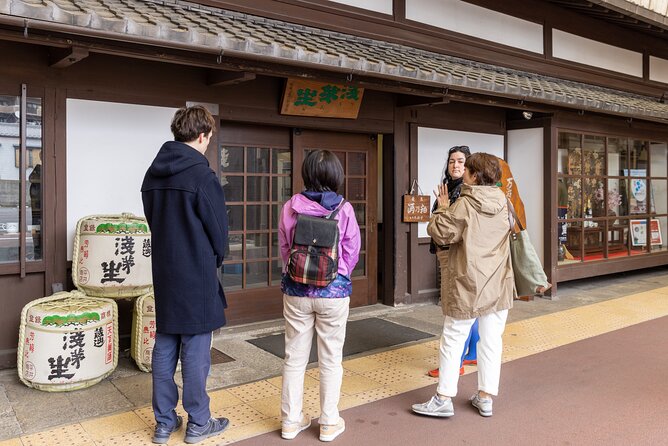
Next comes Hirai Shoten in the Maruya-cho shopping arcade. It is a sake brewery with 365 years of history and sells its own local sake brand. The supplied details do not indicate a tasting, so think of this as a chance to see a historic local producer and browse its products, rather than a promised drinking session.
The food stops are a strong part of the tour because they connect culture to daily life. You are not only hearing about Otsu’s past. You are handling foods people actually buy, store, serve, and enjoy. The pace also leaves room for conversation with Misato, who can explain the local setting in English.
At Yaoyo, a long-established pickle shop in the Hishiya-cho shopping arcade, you learn about one part of the Japanese diet and choose a seasonal pickle for later. Pickles can be a small thing to build a tour around, but they are a practical way to see how Japanese meals balance rice, vegetables, and preserved flavors.
One especially useful tip is to save room for the pickled cucumber. Feedback about the experience singled it out as a favorite, along with the mochi. You will not receive a full lunch, and lunch is not included, but the route does provide several small tastes.
Festival floats and an old Otsu merchant house
The Otsu Festival Hikiyama Exhibition Pavilion displays one of the actual floats pulled during the Otsu Festival. The stop is in the Maruya-cho shopping arcade and lasts about 10 minutes.
A hikiyama is a large festival float, so even a short visit can make the town’s annual celebration easier to picture. The pavilion adds scale and visual interest to a route that otherwise focuses on shops and narrow streets. Admission is included.
The Otsu Hyakuchokan offers a different view of local life. This preserved Otsu Machiya merchant house shows the kind of home and workplace once common in the old town. Your guide leads the house tour, which lasts about 20 minutes.
I would pay attention to how the building combines business and home life. Traditional merchant houses are valuable because they show more than architecture. They reveal how families sold goods, received customers, and organized their private space. The stop is brief, but it gives the walking portion a clear historical anchor.
The route does require a moderate level of physical fitness. You will be walking through streets and shopping arcades for much of the first two hours, then spending time at the workshop. The supplied information does not give a total walking distance or promise step-free access, so ask if mobility is a concern.
More walking tours in Kyoto:
- Kyoto Geisha Walking Tour: Gion District & Hidden Gems
★ 4.7 · 3,273 reviews - Kyoto: Gion Magical Night Walking Tour with Geisha Trivia
★ 4.9 · 2,393 reviews - Kyoto: Gion Geisha District Walking Tour – Stories of Geisha
★ 4.7 · 2,187 reviews - Night Walk in Gion: Kyoto’s Geisha District
★ 4.5 · 2,003 reviews
Otsu-e no Mise and the Takahashi family connection
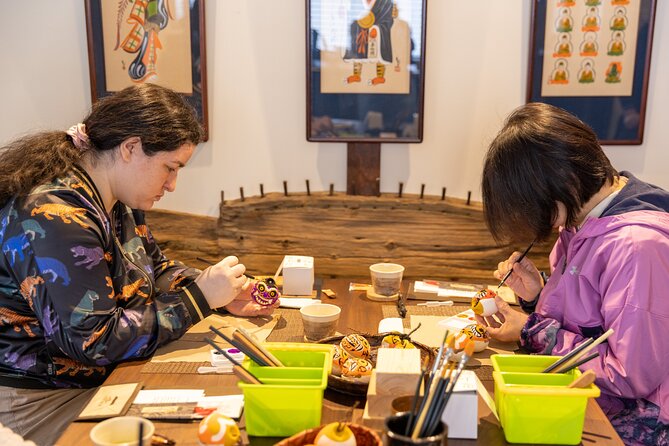
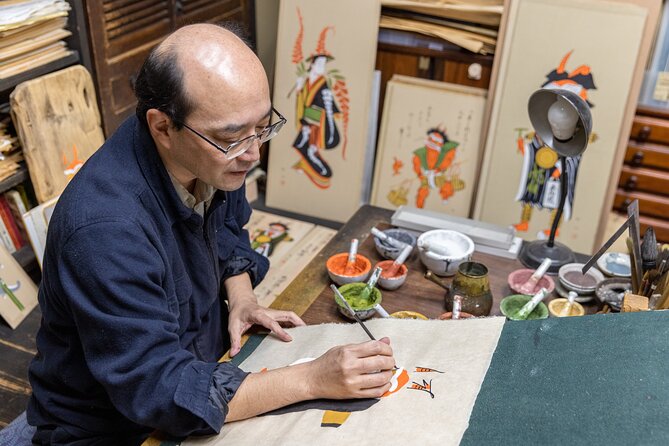
At Otsu-e no Mise on the road leading to Miidera, you visit an Otsu-e folk art shop and workshop. It is succeeded by the fifth Takahashi Shozan, tying the visit directly to the artistic line associated with Misato’s family.
This is an important stop even though it is listed as only about 20 minutes. It gives you a setting for the art before you try it yourself. Look at the paintings’ simple lines and expressive characters. Otsu-e works because the image communicates quickly, often with humor or a clear moral idea.
The visit also helps explain why the later class is more than a generic craft activity. You are seeing examples in a place connected to the tradition, then applying some of the same ideas with guidance. The result may not look like a master’s work, of course, but that is not the point. The value comes from understanding the design and leaving with something personal.
If shopping for art is important to you, allow a little attention here. The supplied details confirm a folk art shop and workshop, but they do not list prices or specific pieces for sale. Your original workshop piece is included as a souvenir.
Painting at Ichie Wado Seminar House
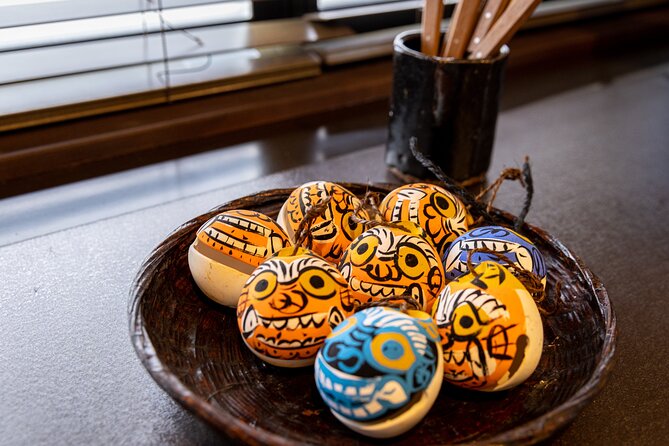
The final 90 minutes take place at Ichie Wado Seminar House in front of Nagara Jinja Shrine. This is the heart of the experience.
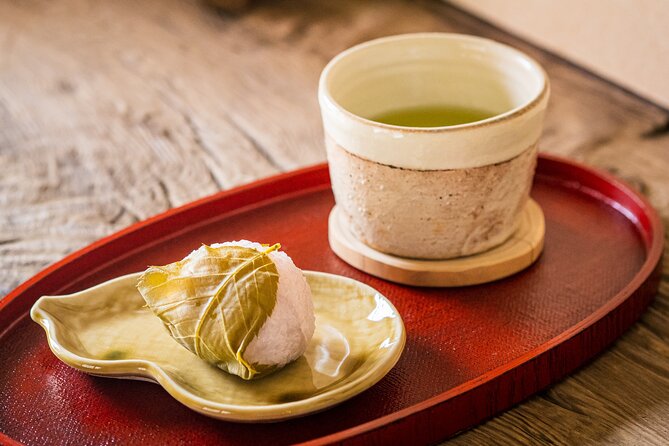
You watch a presentation on Otsu-e history and features, then work on either a Lucky Oni Bell or Three Wise Monkeys painting. Welcome tea and sweets are served during the session, and your local snacks and pickle become part of the experience.
The Lucky Oni Bell is a particularly good choice if you want a cheerful Japanese object with a protective theme. The Three Wise Monkeys design is a familiar image, but making it in the Otsu-e style gives it a local connection. The tour data does not specify how much choice you have in colors or layout, so you should expect a guided workshop rather than a completely open art class.
You do not need to be an artist. The designs are folk art, and the point is to learn the visual features and enjoy the process. Misato’s role is important here. As an English-speaking guide with a strong personal interest in Japanese culture, she can explain why the images look the way they do while helping you through the practical steps.
The class is also where the tour’s food stops come together. You have picked up sweets at Mochihyo, a snack at Senmaruya, and a seasonal pickle at Yaoyo. Instead of receiving a standard refreshment package, you have gathered small tastes from the town and can enjoy them at the workshop.
What the $104.51 price includes
At $104.51 per person, this is not the cheapest way to spend a morning near Kyoto. The price makes more sense when you count the private guide, the 90-minute art session, admission to the Otsu Hyakuchokan and festival float pavilion, welcome tea and sweets, local snacks, the pickle, and the original Otsu-e souvenir.
The private format is the biggest value factor. Only your group participates, so Misato can adjust the pace and respond to your interests. One piece of feedback specifically praised her flexibility when the group showed interest in certain topics. That matters if you prefer conversation and questions over a fixed script.
Group discounts may improve the price for families or friends booking together. The tour does not include lunch or the train from Kyoto. At JPY 200 each way, the train fare is modest, but you should still include it in your budget.
I would book this for the cultural access, not for the number of sights. You can see more places in three and a half hours with a standard city tour, but you will not get the same connection to one local art form or make a family-linked Otsu-e souvenir.
Who will enjoy this half-day in Otsu
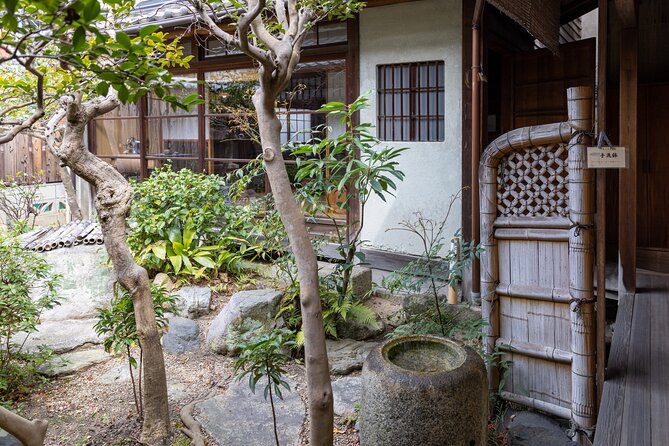
This suits you if you want a slower, more personal outing after time in central Kyoto. It works especially well for adults interested in folk art, Japanese food traditions, local festivals, or historic town buildings.
Families may like the oni bell and Three Wise Monkeys because the designs are approachable and the activity has a clear result. The private format also helps if different members of your group want to ask questions or move at a gentler pace.
Art lovers should appreciate the link to the Takahashi Shozan family. Food-minded visitors will enjoy the small-shop visits, though you should not confuse the snacks with a full meal. The tour is also a good fit if you have already seen Kyoto’s main temples and want a nearby place with a different feel.
It may not suit you if you want a packed sightseeing schedule, a long sake tasting, or a substantial lunch. The walk is focused on local culture, and some stops are short. You need to be comfortable with moderate walking and a three-and-a-half-hour activity.
Timing, meeting details, and cancellation
The experience lasts about three hours and 30 minutes. It is near public transportation, and the Kyoto to Otsu JR trip takes about 10 minutes, with the listed fare of JPY 200 per adult.
The data names both the north ticket gate at Otsu Station and Ichie Wado Seminar House as meeting information. Confirm which point applies to your booking. The tour ends at Ichie Wado, so you will finish at the workshop venue rather than at the station.
Confirmation is normally sent at booking. If you book within five days of the date, confirmation may arrive within 48 hours and depends on availability. Free cancellation is available up to 24 hours before the start time. Changes or cancellations inside that 24-hour window are not accepted for a refund.
Should you book the Otsu-e workshop?
Book it if you want a private, hands-on look at Otsu, especially if the idea of painting a Lucky Oni Bell or Three Wise Monkeys appeals to you. The combination of old shops, festival objects, a merchant house, local food, and a family-linked art lesson gives the outing a clear sense of place.
Skip it if your priority is a low-cost walk, a full meal, or a long list of major attractions. At $104.51, the tour asks you to pay for time with a local guide and a personal craft session. For the right visitor, that is the point. It is an easy trip from Kyoto that trades famous sights for food, stories, and a small piece of Otsu you make yourself.
FAQ
How long does the Otsu-e workshop and culture walk last?
The experience lasts approximately three hours and 30 minutes.
How do I reach Otsu from Kyoto?
The listed transportation is JR from Kyoto to Otsu. The trip takes about 10 minutes, and the fare is JPY 200 per adult. A valid JR Pass covers this fare.
What will I paint during the workshop?
You can paint an Otsu-e Lucky Oni Bell or Three Wise Monkeys design. The finished original Otsu-e piece is included as a souvenir.
Is lunch included?
No. Lunch is not included, though the tour includes Japanese sweets, a local snack, a seasonal pickle, welcome tea, and sweets.
Is this a private tour?
Yes. Only your group participates, and group discounts are available.
Where does the tour start and finish?
The tour information identifies the north ticket gate of Otsu Station for the walking start and Ichie Wado Seminar House as the workshop venue and end point. Since both locations appear in the meeting details, confirm the exact starting point after booking.
Recently added around Kyoto
- Higashiyama | Kyoto: Sakura Season Private Rickshaw Tour★ 5.0 · 3 reviews
- Kyoto Kimono Rental CHAMATSU|Kimono/Yukata Rental FamilyPlan★ 5.0 · 3 reviews
- Kyoto: Half-Day Private Guided Tour to the Old Town of Gion★ 4.4 · 3 reviews
- Nara Private Customizable Half Day Tour★ 5.0 · 3 reviews
- Kansai Region Hiking Adventure in Nara Kobe Kyoto and More★ 5.0 · 3 reviews
- Full Day Nara Deer, Temple, Shrine, Activities & Tea Ceremony★ 5.0 · 3 reviews
- Nara: Essential Private Tour with Deer Park and Temples★ 5.0 · 3 reviews
- Hiking Tour for Sacred Sites in Kyoto with a Guide★ 5.0 · 3 reviews
Workshops, compared.
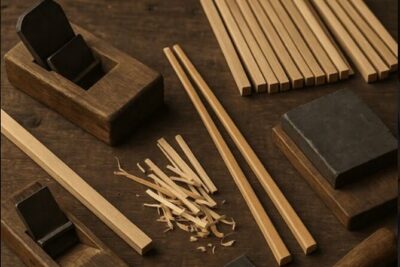
Chopsticks Making Workshop in Gion with Engraving Option
Read our review →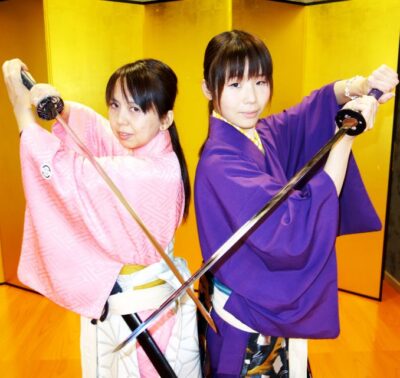
Samurai Sword Class by Experts in Traditional Arts
Read our review →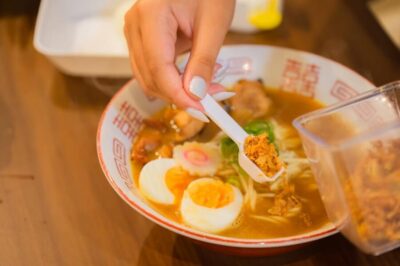
Ramen Cooking Class at a Ramen Factory with Souvenir
Read our review →
Ninja 1-hour Hands-on Lesson by Japanese master in Kyoto -Entry
Read our review →
The Original Small-Group Sushi Making Class in Kyoto
Read our review →
Japanese Washoku Bento Small Group Cooking Class
Read our review →Browse the lists this tour appears in