
REVIEW · KIYOMIZU-DERA TEMPLE TOURS
Origami Workshop Near Kiyomizu Dera Temple in Kyoto
The best part of this Kyoto activity is its hands-on simplicity. Near Kiyomizu Dera, you sit down with Japanese paper, learn a few classic folds, and leave with something you made yourself. No experience is needed, and the instructors teach in English with care and patience. I like the private group format and the chance to choose your own paper colors and patterns. The one-hour length also fits neatly into a busy sightseeing day.
I also like that this is more than a quick craft for children. The crane carries ideas of peace and good fortune, while the samurai helmet makes a fine photo prop and a fun project for younger children. The main consideration is time: at about one hour, this is an introduction rather than a full study of origami, and the small number of published reviews means you should keep expectations sensible.
In This Review
- Key points to know before you book
- A quiet craft stop near Kiyomizu Dera
- Your first steps with Japanese paper
- Folding cranes, frogs, and samurai helmets
- Why the private format helps beginners
- A souvenir that takes almost no suitcase space
- Is $19.51 a fair price for one hour?
- How to fit the class into your Kyoto day
- What the teaching style means for you
- Who will enjoy this most?
- Booking, cancellation, and practical limits
- Should you book this Kyoto origami class?
- FAQ
- Where does the origami workshop begin?
- How long does the activity last?
- Is the class taught in English?
- Do I need previous origami experience?
- What origami figures can I make?
- Can I cancel for a full refund?
Key points to know before you book
- Near Kiyomizu Dera: The class begins at Cafe362 on Ichinenzaka, a useful location for pairing with Higashiyama sightseeing.
- English instruction: A staff member introduces the tools and paper before guiding you through each fold.
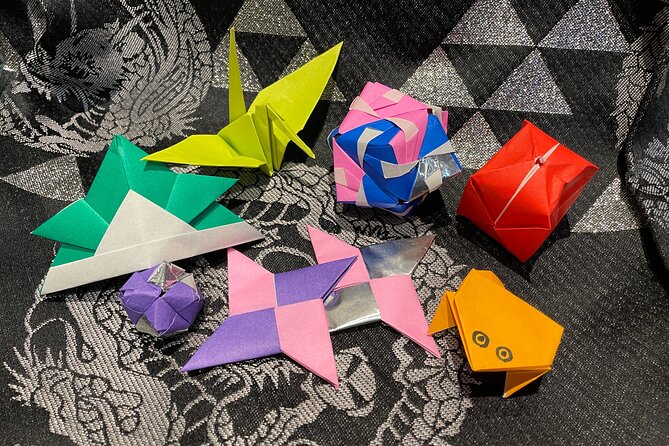
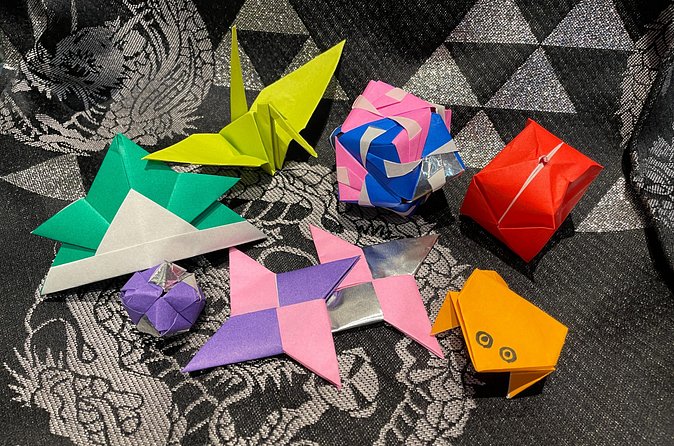
- Classic Japanese designs: You may make cranes, frogs, samurai helmets, and seasonal figures.
- Private participation: Only your own group takes part in the activity.
- A ready-to-pack souvenir: Your finished pieces go home in a mini envelope made from traditional paper.
- Simple cancellation terms: You can receive a full refund if you cancel at least 24 hours before the start time.
A quiet craft stop near Kiyomizu Dera
Kyoto’s Higashiyama district can fill your senses quickly. There are temple gates, narrow lanes, shops, food stalls, and plenty of uphill walking around Kiyomizu Dera. An origami class gives you a calm hour in the middle of that sightseeing program.
The meeting point is 一念坂 362 Cafe, also written as Cafe362, at 362-3 Masuyacho in Higashiyama Ward. The activity begins and ends there. Since the location is near public transportation and close to one of Kyoto’s best-known sightseeing areas, you can place the class before or after a visit to Kiyomizu Dera without building an entire day around it.
That location matters. You are not being sent far outside the city for a craft lesson. Instead, you can use the workshop as a short cultural stop during a walk through eastern Kyoto. Be sure to allow enough time to find the cafe, since the surrounding Higashiyama streets can be busy and confusing, particularly when you are following a map on foot.
More visits to Kiyomizu-dera:
- Kyoto: Tea Ceremony in a Traditional Tea House in Kiyomizu
★ 4.9 · 3,519 reviews - Kyoto: Nijo Castle, Kiyomizu & Fushimi Inari Guided Tour
★ 4.7 · 700 reviews - Kyoto: Nijo, Kinkaku-ji, Arashiyama, Kiyomizu & Fushimi Inari
★ 5.0 · 699 reviews
Your first steps with Japanese paper

The class begins with a staff member introducing the basic tools and the different types of traditional origami paper. This opening is useful for complete beginners because it gives you a little context before the folding starts.
You then choose your favorite colors and patterns. That choice adds a personal touch to a simple activity. Two people can follow the same instructions and still end up with very different-looking cranes or helmets because they selected different paper.
The supplied details do not name the instructors, but the class is taught in English. The teaching style is meant to be step by step, so you do not need to arrive knowing the standard folds or symbols. A five-star review specifically praised the female instructors for being patient and talented teachers. That is important here because origami can feel frustrating when one fold goes wrong and the next several steps no longer line up.
I would still expect to slow down and pay attention. Origami uses small, exact folds. The lesson is presented as relaxing, but it is not entirely effortless. Younger children may need help keeping paper edges aligned, especially when making more detailed shapes.
Folding cranes, frogs, and samurai helmets
The main projects include several familiar Japanese designs. The crane is the most traditional choice. In Japan, it is linked with peace and good fortune, so it carries more meaning than a simple paper bird. Making one gives you a small connection to a widely recognized part of Japanese culture.
The samurai helmet offers a different mood. It is playful, easy to recognize, and especially appealing to children. It can also make a good photo prop once it is finished. Frogs and other figures add variety, while seasonal themes may be available depending on the class and the time of year.
The activity does not promise a fixed list of every figure in every session. You can expect classic designs such as cranes and helmets, with other figures and seasonal subjects also part of the workshop offering. If one specific design matters most to you, ask the staff at the beginning what can be completed during your hour.
The step-by-step teaching is the key feature. You are not simply handed paper and told to copy a finished model. The instructor guides you through each stage, which makes the class suitable for a first attempt. You can focus on the next fold instead of trying to guess the entire process.
Why the private format helps beginners
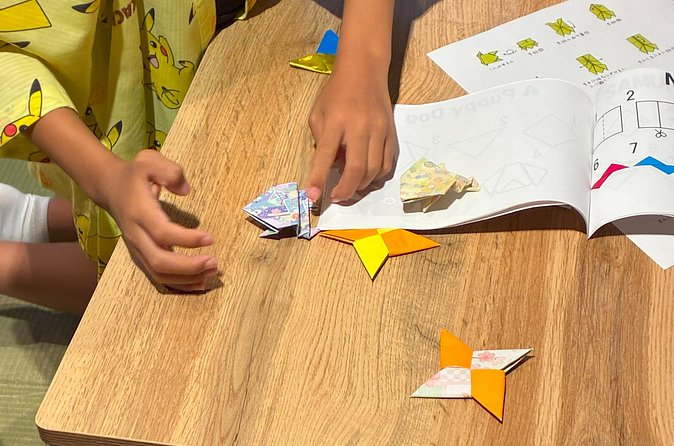
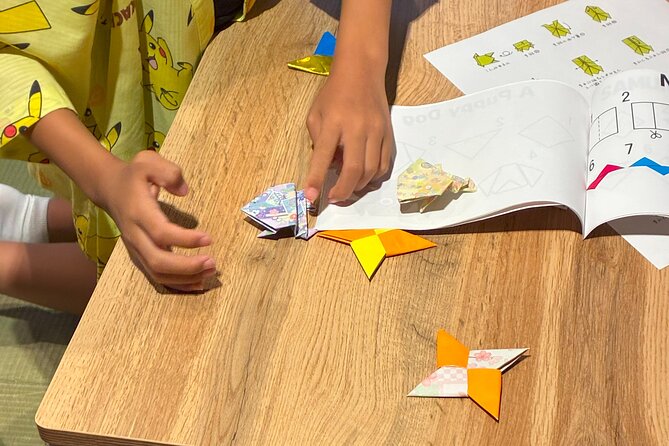
Only your group participates in this private activity. That can make a real difference if you are shy about asking for help or if one person in your group works more slowly than the others.
A private class also suits families. Children can ask questions without feeling they are holding up a larger room, and adults can take part rather than just watching. The experience is specifically recommended for families with children, but it is not limited to them. Couples, friends, and solo visitors who want a short creative activity can also fit comfortably into the format.
The description refers to small class sizes, while the additional information specifies that only your group will participate. Together, those details suggest a personal lesson rather than a large demonstration. Still, the exact size of your group is not stated, so I would not assume one-on-one teaching.
The private setup does not guarantee that every fold will be easy. It does mean you have a better chance to receive direct help when a corner slips or a shape begins to look uneven. That personal attention is the part of the experience most strongly supported by the available feedback.
More Kyoto temples worth a morning:
- Kyoto: Tea Ceremony Ju-An at Jotokuji Temple
★ 4.9 · 3,207 reviews - Arashiyama Bamboo, Temple, Monkeys, or Secret Sake Brewery
★ 4.8 · 886 reviews - Kyoto: Arashiyama Bamboo Forest, Monkeys, Matcha & Temple Tour
★ 5.0 · 759 reviews - Kyoto: Ninnaji Temple Entry Ticket
★ 4.2 · 650 reviews
A souvenir that takes almost no suitcase space
At the end, you take your origami creations home in a mini envelope made from beautiful traditional paper. This is a small but thoughtful touch. Paper souvenirs are light, flat, and easy to pack, so you do not have to find room for another bulky purchase.
The envelope also helps protect your work during the rest of your day. You can keep it as a reminder of Kyoto or share the finished pieces with friends. The meaning is greater because you made them yourself, even if the folds are not perfect.
I would not judge the class by whether your crane looks like a shop display. Handmade work has its own appeal. The real value is learning a few basic skills and leaving with physical reminders of the hour. If you want a polished, professional souvenir with no effort, a shop purchase would be easier. If you want a memory tied to your own hands, this workshop makes more sense.
Is $19.51 a fair price for one hour?
At $19.51 per person, the price is modest for a private cultural activity in Kyoto. You receive Japanese origami paper, English instruction, access to the class, and a traditional-paper envelope for your finished work.
The price is strongest when you value participation rather than admission to a major attraction. You are paying for guidance, materials, and a short cultural lesson. It is not a full-day tour, a temple visit, or a museum ticket, so you should compare it with other one-hour activities rather than with larger Kyoto excursions.
For a family, the total cost will rise with each participant, but the private format may justify that extra cost if your children need patient help. For a solo visitor, the price is still reasonable, though the value depends on how much you enjoy making things. Someone who dislikes crafts may find the hour less rewarding than a food stop or extra temple time.
The activity includes Japanese origami paper, but no other inclusions are specified. Do not assume that transportation, food, drinks, or admission to Kiyomizu Dera are part of the price. You should plan and pay for those separately.
How to fit the class into your Kyoto day

The workshop lasts about one hour, and it ends back at the same meeting point. That makes planning simple. You can schedule it before exploring Kiyomizu Dera, after visiting the temple, or between other stops in Higashiyama.
If you put it before temple sightseeing, you begin the area with a quiet indoor activity and carry your paper creations with you afterward. If you put it after Kiyomizu Dera, the class can provide a slower finish following the crowds and hills around the temple.
The best choice depends on your energy and schedule. Families may prefer the class when children still have patience for careful folding. Adults who want a break from walking may appreciate it after a morning of temples. Since the activity returns to the starting point, you do not need to arrange a separate pickup.
The meeting point address is specific: 一念坂 362 Cafe362-3 Masuyacho, Higashiyama Ward, Kyoto, postal code 605-0826. Keep the address available on your phone. The ticket is mobile, and confirmation arrives at booking, so you can manage the reservation without printing paperwork.
What the teaching style means for you

The strongest practical detail is the patient instruction. Origami is easy to recognize but harder to perform than it first appears. A crane can involve several folds that must be neat and well placed. One unclear step can affect the whole figure.
The positive feedback describes the instructors as first class, patient, and talented. I would place real weight on that point because the teacher makes or breaks a short workshop. Friendly help turns a mistake into part of the fun. Rushed instruction would make the same activity feel like a race.
The class is in English, which removes a major barrier for international visitors. You still need to watch the demonstration and follow the sequence, but you are not relying only on silent gestures or diagrams.
No experience is required. That makes this a good first origami lesson, not a specialist session for people who already know advanced techniques. The supplied information does not promise advanced instruction, special certification, or a long course. Book it for an enjoyable introduction and a few useful folds, not for mastery of the art.
Who will enjoy this most?
I would recommend this activity to families looking for something gentle and creative near Kiyomizu Dera. Children can make recognizable figures, especially the samurai helmet, while adults can help with the smaller folds or make their own designs.
It also suits couples and friends who want a shared memory that does not involve another meal or another temple entrance. The finished paper figures give you something tangible to keep, and the private format lets your group set its own pace within the one-hour session.
Solo visitors can enjoy it too, particularly if they like crafts or want a break from sightseeing. The main question is personal preference. If you would rather spend every available minute outdoors, this class may feel like a detour. If you enjoy learning by doing, one hour is an easy commitment.
The small number of published ratings should also shape your expectations. The score is five out of five from four reviews, and the detailed praise centers on patient, talented instructors. That is encouraging, but it is not a large body of feedback. I would treat the score as a good sign rather than a guarantee of a perfect experience for every group.
Booking, cancellation, and practical limits
You receive confirmation when you book, and the ticket is mobile. The activity is near public transportation, and most people can participate according to the supplied information.
Free cancellation is available if you cancel at least 24 hours before the local start time. Canceling later, or making changes within that 24-hour window, does not qualify for a refund. Keep that deadline in mind if your Kyoto schedule is still shifting.
The activity ends where it starts, and no transportation is included in the information provided. You should also remember that the class price does not mention temple admission or any food and drink at the cafe.
Should you book this Kyoto origami class?
Book it if you want a short, affordable cultural activity with direct English instruction, especially if you are staying around Higashiyama or visiting Kiyomizu Dera. The private group format, patient teaching, paper choices, and take-home envelope give the hour more substance than a simple craft demonstration.
I would be most likely to choose it for a family, a first-time origami maker, or anyone who wants a quiet change of pace during a busy Kyoto day. Skip it if you want advanced origami, a longer workshop, or a major sightseeing experience. At $19.51, it offers fair value for a personal one-hour lesson and a handmade souvenir, as long as you enjoy the process as much as the finished crane.
FAQ
Where does the origami workshop begin?
The workshop begins at 一念坂 362 Cafe362-3 Masuyacho, Higashiyama Ward, Kyoto, 605-0826, Japan.
How long does the activity last?
The workshop lasts approximately one hour.
Is the class taught in English?
Yes. The workshop provides hands-on origami instruction in English.
Do I need previous origami experience?
No. The class is designed for beginners, and step-by-step guidance is provided.
What origami figures can I make?
The activity includes classic designs such as cranes and samurai helmets. Frogs, other figures, and seasonal themes may also be included.
Can I cancel for a full refund?
Yes, if you cancel at least 24 hours before the experience start time. Cancellations or changes made less than 24 hours before the start time are not refunded.
More Workshops in Kyoto
- Kyoto: 45-Minute Tea Ceremony Lesson Experience
★ 4.3 · 2,378 reviews - Kyoto : Chopsticks Making Workshop in Gion with Engraving Option
★ 5.0 · 958 reviews - Kyoto: Samurai Sword Class by Experts in Traditional Arts
★ 4.9 · 657 reviews - Kyoto: Ramen Cooking Class at a Ramen Factory with Souvenir
★ 4.9 · 532 reviews
Recently added around Kyoto
- Higashiyama | Kyoto: Sakura Season Private Rickshaw Tour★ 5.0 · 3 reviews
- Kyoto Kimono Rental CHAMATSU|Kimono/Yukata Rental FamilyPlan★ 5.0 · 3 reviews
- Nara Private Customizable Half Day Tour★ 5.0 · 3 reviews
- Kyoto: Half-Day Private Guided Tour to the Old Town of Gion★ 4.4 · 3 reviews
- Kansai Region Hiking Adventure in Nara Kobe Kyoto and More★ 5.0 · 3 reviews
- Full Day Nara Deer, Temple, Shrine, Activities & Tea Ceremony★ 5.0 · 3 reviews
- Nara: Essential Private Tour with Deer Park and Temples★ 5.0 · 3 reviews
- Hiking Tour for Sacred Sites in Kyoto with a Guide★ 5.0 · 3 reviews
Kiyomizu-dera Temple Tours, compared.
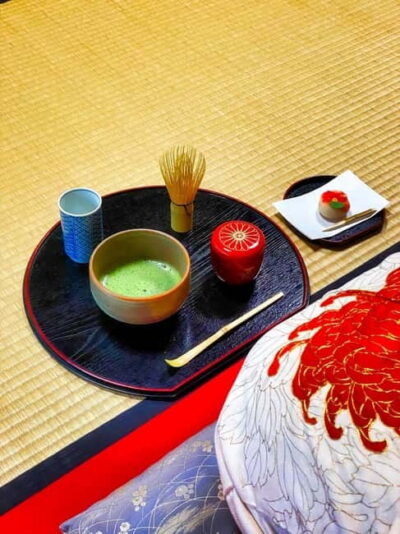
Tea Ceremony in a Traditional Tea House in Kiyomizu
Read our review →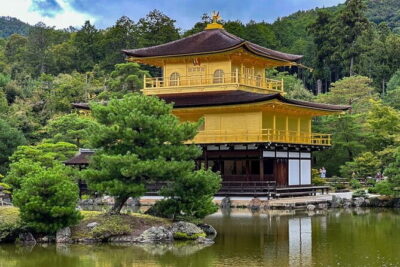
Nijo, Kinkaku-ji, Arashiyama, Kiyomizu & Fushimi Inari
Read our review →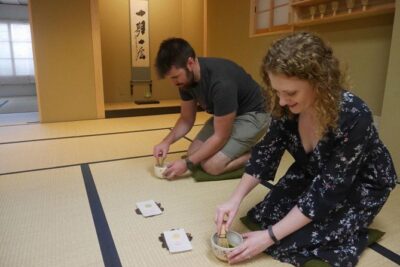
Kyoto Tea Ceremony & Kiyomizu-dera Temple Walking Tour
Read our review →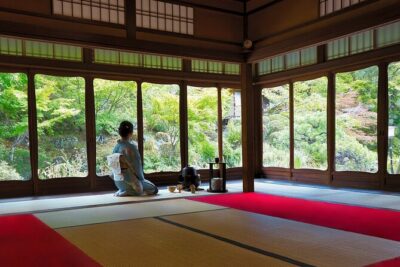
Kyoto Kiyomizu Tea Ceremony with Scenic Garden Views
Read our review →
Kimono/Yukata Rental 5 Minute from Kiyomizu-dera
Read our review →
Kiyomizu Temple and Backstreets of Gion, Half Day Group Tour
Read our review →
Best of Kyoto: Red Gates of Fushimi Inari & Kiyomizu Temple
Read our review →
Kyoto kiyomizu Temple : Maiko and Samurai Couple Photoshoot
Read our review →Browse the lists this tour appears in