
REVIEW · KYOTO KIMONO RENTALS
Men’s Kimono Lesson and Shopping in Kyoto
Kyoto has plenty of places where you can rent a kimono for a few hours. This experience takes a more useful approach: Shogo teaches you how to put on a men’s kimono yourself, then helps you understand what you are seeing in a working kimono shop. I like the small maximum of four people and the chance to ask direct questions. I also like that the lesson works for curious beginners, not only people planning to buy.
The main consideration is simple: the shopping portion may test your self-control. You receive personal help if you want a kimono, but the experience is held in a real shop, so you will see many appealing pieces. The price is $65.15 per person for about two hours, and that covers instruction rather than a kimono purchase.
In This Review
- Key Points for a Better Kimono Experience
- Why This Is More Than a Kimono Rental
- Inside the Kyoto Men’s Kimono Shop
- What You Learn During the Two-Hour Lesson
- Understanding the Kimono, Not Just Wearing It
- The Shopping Portion: Helpful, Personal, and Optional
- What Makes the Guide a Good Fit
- Price, Timing, and Who Gets the Best Value
- Practical Tips Before You Book
- Should You Book This Kimono Lesson?
- FAQ
- Where does the men’s kimono lesson take place?
- How long does the activity last?
- How much does the experience cost?
- Who teaches the lesson?
- How many people can join?
- Can I attend if I do not want to buy a kimono?
- Can a woman join the experience?
- What is the cancellation policy?
Key Points for a Better Kimono Experience
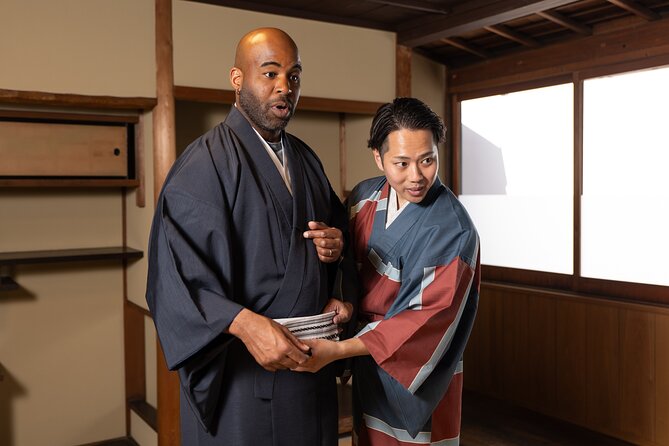
- Shogo leads the lesson: The instructor is the creator of Let’s Ask Shogo, a YouTube channel with more than 1.8 million subscribers.
- You practice the dressing process: The lesson covers the juban, kimono, and related steps rather than simply putting on a costume for a photograph.
- The setting is an actual men’s kimono store: You learn in a shop run by a company with more than 20 years of experience.
- The group is capped at four people: That gives you a better chance to receive hands-on correction and ask detailed questions.
- Shopping advice is optional: You can learn without planning to buy, or ask for help choosing a kimono, haori, size, and color.
- A female companion can attend: One female companion may watch free, and Shogo’s wife, Harumi, can dress or teach women for an additional fee.
Why This Is More Than a Kimono Rental
A rental usually gives you the finished look. This Kyoto lesson is about understanding how the clothing works and why the pieces are worn together. That difference matters if you are interested in Japanese culture, Japanese history, martial arts, theater, or traditional dress.
Shogo has worn kimono daily for nearly ten years. That long practice gives the lesson a useful starting point. You are not only being shown where to tie something. You can ask why a layer is used, how a piece should sit, and what makes a complete men’s outfit look right.
I like this format because it treats kimono as clothing with rules and purpose, not as a costume. You learn enough to handle the garment with more care and confidence. The lesson also gives you a better eye for details you may notice later in Kyoto shops, museums, festivals, or formal events.
The experience is especially useful for beginners who feel intimidated by the clothing. Japanese kimono can look simple at first glance, but the wrapping, folding, layering, and tying require a little practice. Having an instructor guide you step by step helps remove the guesswork.
More kimono and yukata rentals:
- Kimono Tea Ceremony at Kyoto Maikoya, NISHIKI
★ 5.0 · 911 reviews - Kyoto: Kimono Rental with Hairstyling and Accessories
★ 4.8 · 653 reviews - Kyoto: Kimono Tea Ceremony at Orizuruya Gion
★ 4.9 · 618 reviews
Inside the Kyoto Men’s Kimono Shop
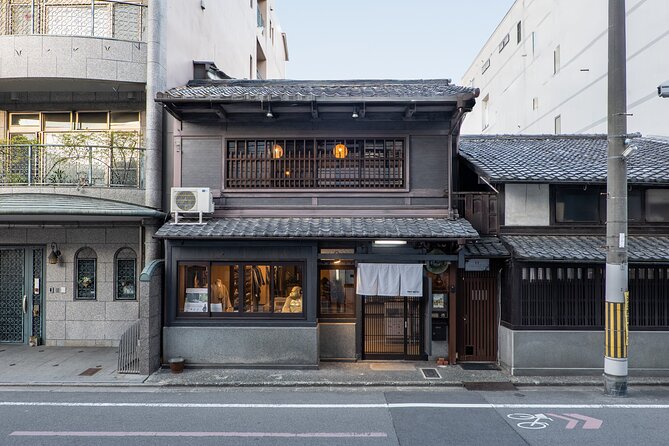
The meeting point is at 432 Iwatoyamachō, Shimogyo Ward, in central Kyoto. The activity begins and ends there, so you do not need to manage a transfer between a lesson space and a shop. The location is near public transportation, which makes it practical to fit into a day of sightseeing.
The shop itself is an important part of the experience. This is not a temporary dressing studio arranged only for tourists. It is a real men’s kimono store operated by a company with more than two decades of experience.
That setting changes what you can learn. Instead of seeing a small selection of garments chosen for quick rentals, you can look at different kimono and haori pieces and ask how they relate to one another. The shop owner also helps with choices such as size and color.
The room is air-conditioned, a useful detail during Kyoto’s hot and humid months. You will spend roughly two hours handling layers of fabric and working through the dressing process, so a comfortable indoor setting is welcome.
The maximum group size is four people. That is small enough for the instructor to watch how you are tying and folding, then offer corrections. If you are attending with a friend, you can also learn together without the feel of a large class.
What You Learn During the Two-Hour Lesson
The lesson covers the proper procedure for putting on men’s kimono. The first stages include the juban, an undergarment worn beneath the kimono. From there, you work through the kimono itself and the related ties and layers.
The exact pace can vary depending on your questions and experience. If you already own kimono or have studied Japanese clothing, you may spend more time discussing history, etiquette, or specific garments. If you are new to the subject, Shogo can focus on the basic sequence and help you repeat it until it makes sense.
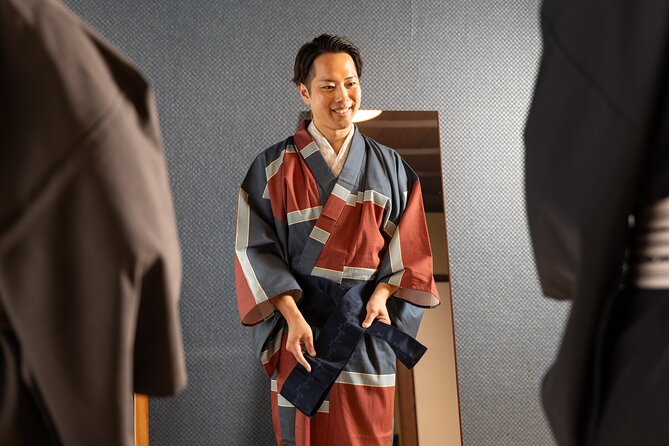
The value is in doing the work yourself. You are not simply dressed by an assistant and sent out for photographs. The goal is to leave knowing how to put on a kimono with less help. One person who attended the lesson was able to wear one independently afterward, which is a good measure of what the class aims to provide.
Shogo also explains the cultural meaning behind the pieces. These explanations make the lesson more than a clothing demonstration. You begin to understand why the layers matter, how an outfit is assembled, and why small details affect the final appearance.
Expect a friendly teaching style rather than a stiff lecture. Shogo’s public videos are known for explaining Japanese culture to an international audience, and the lesson carries that same approachable spirit. He is patient and willing to adjust the session to your interests.
That flexibility is helpful, but it also means this is not a tightly scripted sightseeing tour. You will get the most from it if you ask questions and take part actively. If you prefer to sit back while someone else dresses you, a standard rental may be a better match.
Understanding the Kimono, Not Just Wearing It
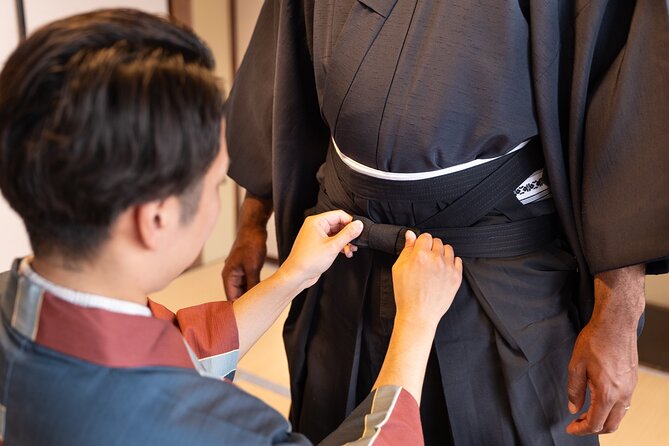
A useful lesson should answer more than how to tie a garment. It should help you understand what you are wearing. This experience gives you a chance to ask about the role of each part and how traditional clothing fits into Japanese life.
Shogo’s nearly ten years of daily kimono wear are relevant here. He can explain practical points that may not be obvious from a short demonstration. You can ask about fit, movement, folding, and the difference between simply getting dressed and wearing the clothing correctly.
The experience also suits people with a specific interest in Japan. A budoka, or martial arts practitioner, may enjoy discussing links between clothing, custom, and discipline. Someone studying Japanese history can use the session to give physical form to subjects that otherwise remain on a page.
You do not need that background. The lesson is designed for beginners, and clear examples are part of the teaching. I would book it if you want context and a practical skill, even if you have no plan to buy anything.
The emphasis on learning is one of the strongest reasons to choose this activity. You can leave with a better understanding of traditional dress instead of only a set of photographs. That makes the experience useful after you leave Kyoto.
More shopping streets in Kyoto:
- Nishiki Market Brunch Walking Tour (7 Tastings + Brunch)
★ 5.0 · 1,355 reviews - Kyoto Nishiki Market Food and Culture Walking Tour
★ 5.0 · 412 reviews - Kyoto: Nishiki Market Tea Ceremony with Koto Performance
★ 4.8 · 294 reviews - Kyoto: Nishiki Market Brunch Walking Tour-7 Tastings+Brunch
★ 4.8 · 197 reviews
The Shopping Portion: Helpful, Personal, and Optional
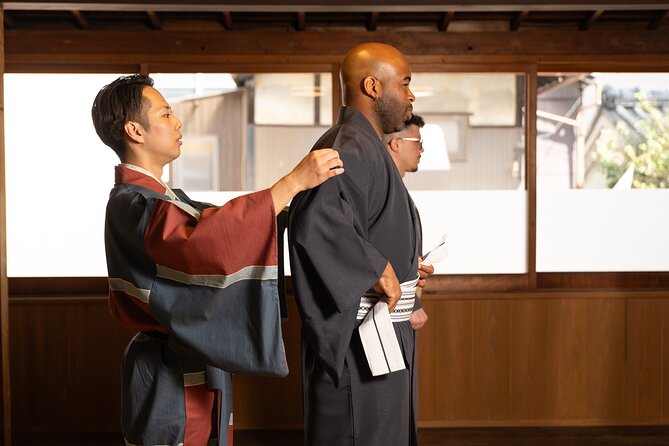
After the lesson, you can look at kimono and related items in the store. This is a good chance to connect what you have just learned with actual garments. Instead of choosing a color from a limited rental rack, you can compare pieces and ask why one might suit your size, existing clothing, or intended use.
The shop owner helps with sizing and color selection. This is practical support because buying traditional clothing can be confusing if you do not know the terminology or proportions. You can ask for help choosing a full kimono set, or look for a single piece such as a haori to wear with a kimono you already own.
One participant left with a new haori to pair with an existing kimono. That points to a useful advantage of the shop visit: you do not have to start from scratch. You might find something that works with clothing you already have, though the available choices and prices will depend on the shop’s stock.
You should also set your budget before you arrive. The lesson costs $65.15 per person, but any garment you purchase is an additional expense. The experience is still worthwhile if you do not buy anything, and the instructor can explain the clothing without turning the session into a sales pitch.
That distinction matters. You are being shown a shop, so browsing is part of the experience, but buying is not required. Tell Shogo at the start if your goal is education only. The lesson can then focus on how to wear and understand kimono rather than on assembling an outfit.
What Makes the Guide a Good Fit
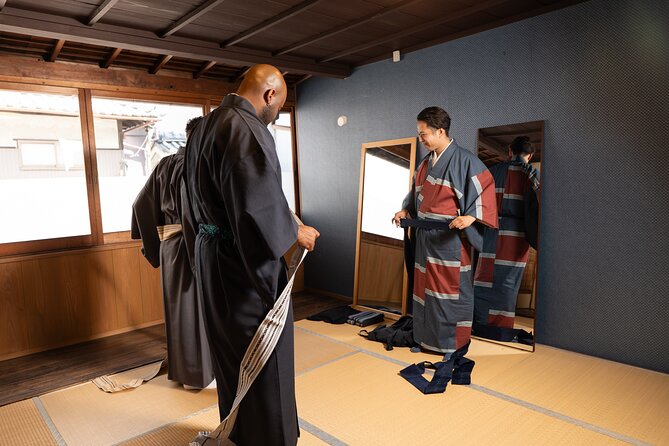
Shogo is the face behind Let’s Ask Shogo, a popular YouTube channel with more than 1.8 million subscribers. His role here is not just promotional. He acts as the teacher, helping you work through the clothing and answering questions in person.
The strongest part of his approach is patience. Kimono dressing involves small movements that can feel awkward the first time. A patient instructor lets you try, corrects the problem, and shows you how to repeat the step without making you feel rushed.
He also adapts to the person in front of him. A complete beginner may need a slow explanation of every layer. Someone already familiar with kimono may want to ask about history, formal use, or shopping. The small group makes that adjustment possible.
Harumi, Shogo’s wife, may also be available to dress or teach women for an additional fee. One female companion can watch free per booking. This is useful if you are traveling with a female partner or friend who wants to be involved, although the standard lesson focuses on men’s kimono.
Price, Timing, and Who Gets the Best Value
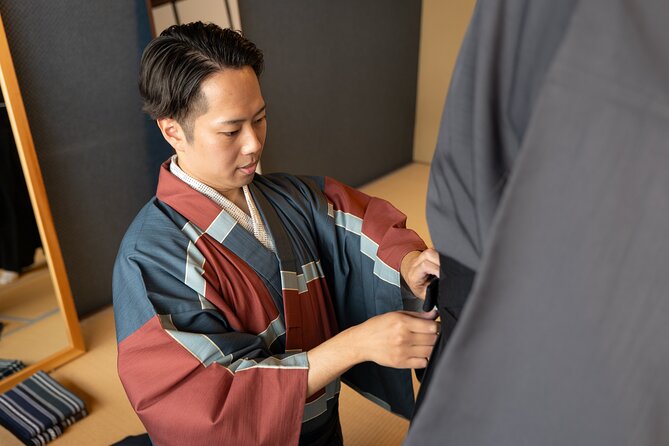
At $65.15 per person, this is not the cheapest way to put on a kimono in Kyoto. A basic rental may cost less, especially if your only goal is to wear traditional clothing for an hour and take pictures.
The value improves if you care about the method. You receive about two hours of instruction, access to a real men’s kimono shop, cultural explanation, and personal advice from an instructor who wears kimono daily. You also have a chance to learn a skill you can use again.
I would consider the price fair for someone who wants more than a quick costume experience. It is also a sensible first step before buying a kimono. A lesson can help you avoid choosing a piece you do not know how to wear or care for.
The experience is best for:
- First-time kimono wearers who want to dress themselves
- Visitors interested in Japanese culture and traditional clothing
- People who already own kimono and want better technique
- Martial arts practitioners and students of Japanese history
- Anyone considering a purchase and wanting personal advice
- Couples or friends where one person wants to learn and the other wants to watch
It may be less suitable if you want a large group activity, a fast photo stop, or a broad tour of Kyoto. The focus stays on kimono, and the activity returns to the same shop where it began.
Practical Tips Before You Book
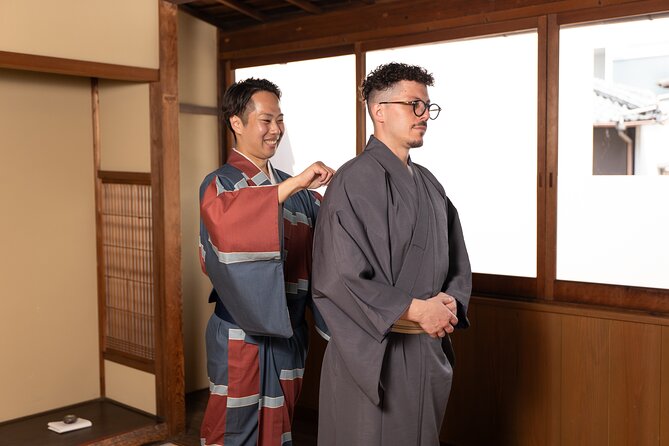
Plan to arrive at the Iwatoyamachō meeting point with enough time to find the shop. The activity is near public transportation, but Kyoto’s central streets can still take a little attention, especially if you are navigating from a busy station.
Wear clothing that will not make the dressing process uncomfortable. The provided information does not specify a dress code, so you should confirm any clothing questions after booking if you have concerns.
Think about your goal before the lesson starts. If you want to learn only, say so clearly. If you hope to buy, decide whether you want a full outfit or one piece, such as a haori. This will help you use the shop time well.
The experience accepts mobile tickets, and confirmation is sent within 48 hours, subject to availability. It is usually booked well ahead, with an average booking time of 57 days in advance, so reserve early if your Kyoto dates are fixed.
Most people can participate, and the group maximum is four. Free cancellation is available up to 24 hours before the start time. Cancellations or changes made inside that 24-hour window are not accepted for a refund, with cut-off times based on Kyoto local time.
Should You Book This Kimono Lesson?
Book it if you want to understand men’s kimono, learn to put it on yourself, and ask real questions in a working Kyoto shop. The combination of hands-on practice, cultural explanation, a small group, and optional buying advice gives you more substance than a simple rental.
Skip it if you only want a quick dressed-up photo session or if shopping would tempt you beyond your budget. You can still attend without buying, but the store setting means you should be ready to browse.
For most culture-minded visitors, this is a smart two-hour use of time. Shogo’s patient teaching, the owner’s practical help, and the chance to handle traditional clothing properly make the experience feel useful long after your Kyoto visit ends.
FAQ
Where does the men’s kimono lesson take place?
It takes place at 432 Iwatoyamachō, Shimogyo Ward, Kyoto, 600-8445, Japan, inside a real men’s kimono store.
How long does the activity last?
The lesson and shopping experience lasts approximately two hours.
How much does the experience cost?
The listed price is $65.15 per person. Any kimono or other clothing you choose to purchase costs extra.
Who teaches the lesson?
Shogo leads the experience. He is the creator of the Let’s Ask Shogo YouTube channel and has worn kimono daily for nearly ten years.
How many people can join?
The activity has a maximum of four participants.
Can I attend if I do not want to buy a kimono?
Yes. The lesson is suitable for people who only want to learn about men’s kimono, and purchasing is optional.
Can a woman join the experience?
One female companion can watch free per booking. For an additional fee, Shogo’s wife, Harumi, can dress or teach women.
What is the cancellation policy?
You can cancel up to 24 hours before the start time for a full refund. Cancellations and changes made less than 24 hours before the start time are not accepted for a refund.
More Workshops in Kyoto
- Kyoto: 45-Minute Tea Ceremony Lesson Experience
★ 4.3 · 2,378 reviews - Kyoto : Chopsticks Making Workshop in Gion with Engraving Option
★ 5.0 · 958 reviews - Kyoto: Samurai Sword Class by Experts in Traditional Arts
★ 4.9 · 657 reviews - Kyoto: Ramen Cooking Class at a Ramen Factory with Souvenir
★ 4.9 · 532 reviews
Recently added around Kyoto
- Higashiyama | Kyoto: Sakura Season Private Rickshaw Tour★ 5.0 · 3 reviews
- Kyoto Kimono Rental CHAMATSU|Kimono/Yukata Rental FamilyPlan★ 5.0 · 3 reviews
- Kyoto: Half-Day Private Guided Tour to the Old Town of Gion★ 4.4 · 3 reviews
- Nara Private Customizable Half Day Tour★ 5.0 · 3 reviews
- Kansai Region Hiking Adventure in Nara Kobe Kyoto and More★ 5.0 · 3 reviews
- Full Day Nara Deer, Temple, Shrine, Activities & Tea Ceremony★ 5.0 · 3 reviews
- Nara: Essential Private Tour with Deer Park and Temples★ 5.0 · 3 reviews
- Hiking Tour for Sacred Sites in Kyoto with a Guide★ 5.0 · 3 reviews
Kyoto Kimono Rentals, compared.
KYOTO Tea Ceremony with kimono near by Imamiya Jinjya Shrine
Read our review →
Kimono and Tea Ceremony Experience at Cultural Asset
Read our review →
Family-Friendly Kimono & Yukata Experience at WARGO
Read our review →Browse the lists this tour appears in