
REVIEW · KYOTO MATCHA EXPERIENCES
Kyoto tea town for matcha lovers
Uji is the place to go when you want matcha with context, not just another green dessert. This five-hour walking tour brings you through historic streets, tea shops, shrines, tea fields, and a traditional tea house, with guide Terumi explaining how tea fits into Japanese food and culture.
I like the hands-on side, especially grinding tea leaves into your own matcha and taking part in a real tea ceremony. I also like the small group size, limited to seven people, which gives Terumi room to answer questions and adjust the pace.
The main drawback is the price, $157.65 per person, and the amount of walking in potentially hot weather. If you visit in June or another warm month, bring water, wear comfortable shoes, and expect the day to feel active rather than leisurely.
In This Review
- Key points about the Uji matcha tour
- Why Uji makes a better matcha day than a quick tea stop
- Starting at Uji Shrine and getting your bearings
- Tsuen Main Branch and Uji’s old tea trade
- From tea fields to the matcha-making workshop
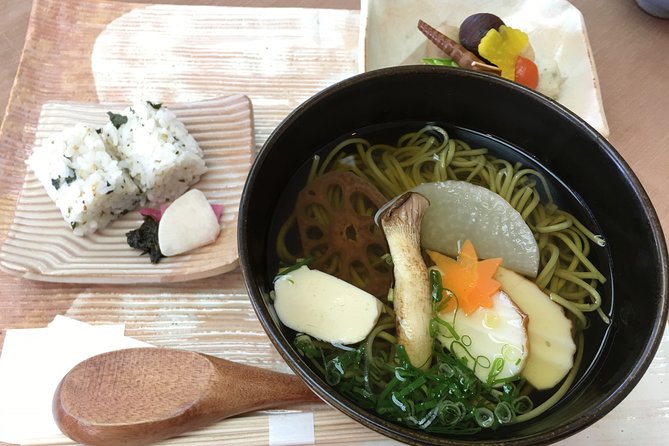
- Lunch built around tea dishes
- The traditional tea ceremony
- How Terumi shapes the experience
- Is $157.65 a fair price?
- Weather, walking, and the best kind of participant
- Timing, meeting point, and cancellation terms
- Should you book this Uji matcha experience?
- FAQ
- Where does the tour begin?
- What time does the tour start?
- How long does the experience last?
- Where does the tour end?
- How much does the tour cost?
- What is the maximum group size?
- Is Uji Shrine included?
- Can I visit a historic tea shop?
- Is a tea ceremony included?
- Can I cancel for a full refund?
Key points about the Uji matcha tour
- Make your own matcha: Use a traditional stone mill before preparing and drinking the powder.
- Meet Uji’s tea culture up close: Visit tea shops, tea fields, local merchants, and a historic tea farm.
- Taste more than sweets: Try specialty teas, matcha treats, matcha rice cake skewers, and tea-based dishes at lunch.
- Take part in a tea ceremony: Learn the movements and meaning behind tea preparation in a traditional tea house.
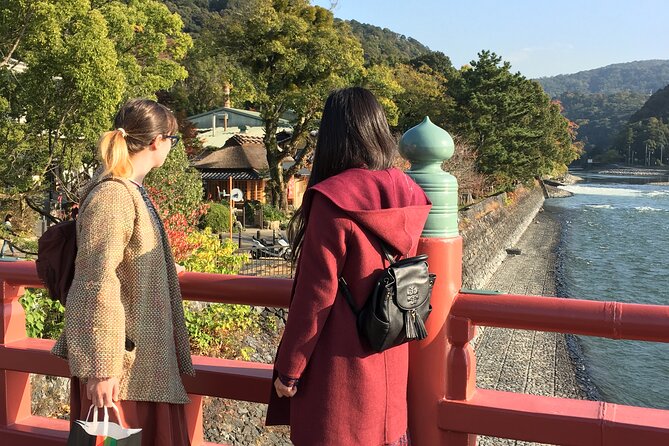
- See more than the tea district: The route includes Uji Shrine and other important local sights.
- Travel in a small group: A maximum of seven people makes conversation and questions easier.
Why Uji makes a better matcha day than a quick tea stop
Many visitors come to Uji for a cup of matcha or a box of sweets, then move on. This tour is designed to slow that process down. You do not just consume matcha. You follow it through the town, from historic tea businesses and fields to grinding, tasting, cooking, and ceremonial preparation.
That wider view is the real reason to consider the tour. Uji is known as a tea center, but tea is only one part of the visit. The walking route also brings you to shrines and older parts of town, so you get a sense of Uji as a living community rather than a single tourist street.
I especially like that the experience connects everyday tea with formal ceremony. You can taste matcha in a rice cake skewer, learn about production, and then sit down for a careful tea ritual. Those moments show how the same ingredient can be casual, culinary, agricultural, and deeply traditional.
The tour begins at Uji Station at 9:30 a.m. and lasts roughly five to five and a half hours. It ends back at the meeting point, which is useful if you plan to continue exploring Uji on your own afterward.
More matcha tastings and workshops:
- World Heritage Kyoto & Nara Uji Authentic Matcha Experience
★ 5.0 · 1,573 reviews - Matcha Grinding Experience and Walking Tour in Uji Kyoto
★ 5.0 · 26 reviews - Slow Cycling Tour at Uji’s Matcha Green Tea Fields and Heritage
★ 5.0 · 25 reviews
Starting at Uji Shrine and getting your bearings
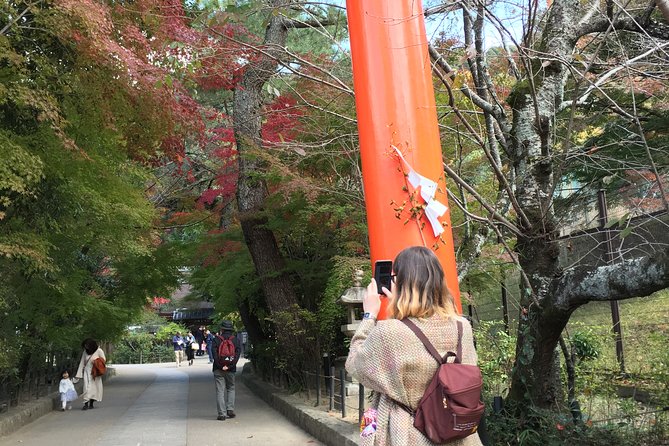
The first listed stop is Uji Shrine, where you spend about 20 minutes. Admission is free. This early visit gives the day a useful opening because it places the tea story within Uji’s broader religious and cultural setting.
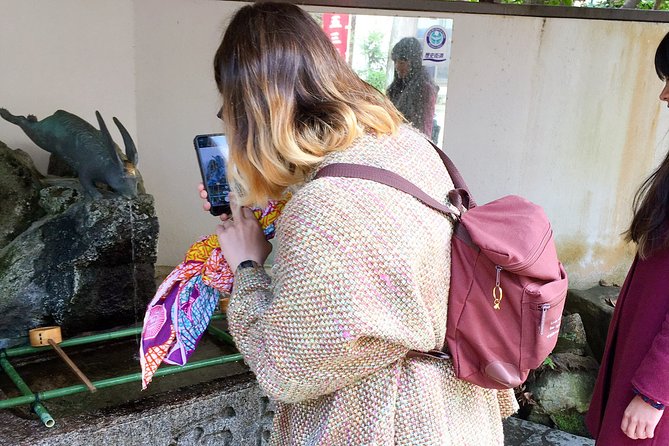
The shrine is associated with Uji’s celebrated local waters, an important detail in a town where water quality has long mattered to tea production and preparation. Your guide can help connect the shrine, the town, and the role of water in making good tea.
Do not expect a long temple visit here. Twenty minutes is enough for a short introduction, a look around, and some photographs. The limited stop also helps keep the focus on the day’s main subject, Uji tea.
The route is near public transportation, but you should still plan for steady walking. A moderate level of fitness is recommended. Comfortable shoes matter more than dressy clothes, especially if the day is warm.
Tsuen Main Branch and Uji’s old tea trade
The next listed stop is Tsuen Main Branch, where the tour spends about 10 minutes. This is one of Uji’s oldest tea shops, with more than 850 years of history connected to the business.
The stop is brief, but it gives you a clear sense of how long tea has been part of Uji’s identity. You can taste matcha rice cake skewers made with matcha powder, a useful reminder that Uji tea is not limited to a bowl of whisked tea.
This is also the kind of place where having a guide can make a difference. A tea shop can be easy to enter, browse, and leave without understanding what you are seeing. Terumi provides background and can answer questions about the products, preparation, and local customs.
The tour also visits other historic stores and local merchants. The exact order may vary, but the overall purpose is clear: to show you different stages and uses of tea rather than sending you through a line of identical souvenir shops.
From tea fields to the matcha-making workshop
A major part of the day is the chance to see tea fields and learn about matcha production. The experience includes a visit connected with one of Uji’s oldest tea farms, giving you a view of tea beyond polished shop counters and packaged sweets.
The most memorable hands-on step is grinding your own matcha with a stone mill. This takes patience. You turn the mill and produce the fine powder used for the drink, rather than simply receiving a prepared bowl.
That small task changes how you think about matcha. It gives you a better feel for the labor behind the powder and explains why the texture, color, and preparation matter. It is also a good activity for families and for anyone who likes learning by doing.
You may taste several types of tea during the day. The experience is not limited to one ceremonial cup. It introduces you to different teas and lets you compare flavors in a more informed way.
I would keep your expectations practical. This is a walking tour with educational and food elements, not a full agricultural workday. You see tea fields and learn about production, but the emphasis remains on understanding Uji through several connected stops.
A completely different side of Uji:
- Uji: Green Tea Tour with Byodoin and Koshoji Temple Visits
★ 4.8 · 72 reviews - Uji: UNESCO Heritage & Tea Ceremony Walking Tour
★ 4.6 · 54 reviews - Uji and Wazuka Matcha Farm Half Day Private Guided Tour
★ 5.0 · 21 reviews - Uji Tea Ceremony and UNESCO Heritage Walking Tour
★ 5.0 · 20 reviews
Lunch built around tea dishes
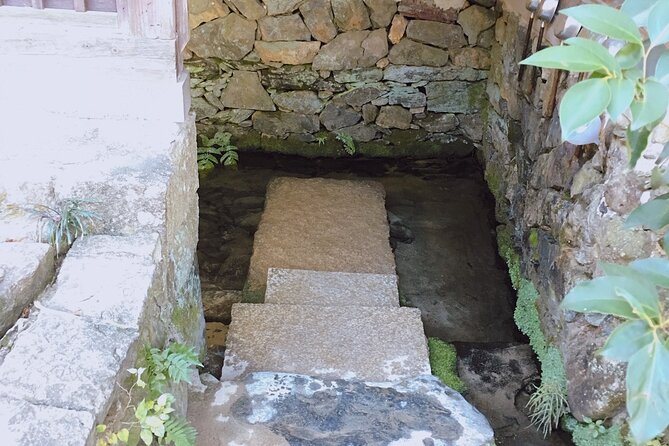
Lunch is planned at a famous tea house, where you enjoy tea dishes. This is one of the tour’s more unusual features. Many tea-focused outings stop at sweets, but a meal gives you another way to understand how tea can shape local cooking.
The exact dishes are not specified, so you should not book this expecting a particular menu. The useful point is that lunch is part of the experience and centers on tea-based food rather than being an unrelated break.
The meal also helps the five-hour schedule feel more balanced. You spend the morning walking, tasting, and learning, then have time to sit down before the tea ceremony. Since the tour is active, lunch is more than a culinary extra. It gives you a proper pause.
If you have strong dietary needs, ask about them before booking. The available information does not specify dietary accommodations or menu choices.
The traditional tea ceremony
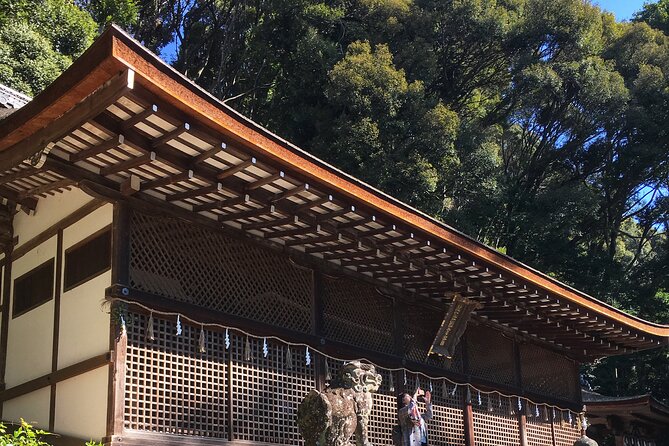
The tea ceremony is the day’s central cultural experience. After lunch, you visit a traditional tea house for an authentic Japanese tea ceremony.
This is different from simply ordering matcha in a café. The ceremony places attention on the room, the utensils, the preparation, and the way the tea is served. You also get a chance to learn how the ceremony works rather than watching a performance with no explanation.
The experience includes instruction in practicing the ceremony, so you are not only an observer. The pace is more deliberate than the earlier tastings and shop visits. That contrast is helpful: you first encounter matcha as a product and food, then see it as a carefully structured cultural practice.
Terumi’s role is especially important here. She is described as patient, friendly, and willing to answer questions. She has also helped with photographs and adjusted the pace for her group. Those details matter during a ceremony, where a rushed guide or unclear instructions could make the experience uncomfortable.
The ceremony may be the strongest reason to choose this tour over a standard Uji food walk. If you already know a great deal about tea, you may find parts of the introduction familiar. If you are curious but inexperienced, the combination of explanation and participation should make the ritual easier to understand.
How Terumi shapes the experience

Guide quality can make or break a small cultural tour. Here, Terumi is the named guide, and the experience is built around conversation. She explains tea, temples, pottery, Japanese customs, and local history, while leaving room for questions and curiosity.
The small group limit of seven is a practical advantage. You are less likely to be lost at the back of a crowd, and there is more opportunity to ask about a tea tool, a shrine detail, or a food you have just tasted.
The tour also appears flexible in a useful, human way. Terumi has been described as walking at the group’s pace, taking photographs, and helping with translation at a tea shop even after the scheduled tour had ended. That does not guarantee extra time on every departure, but it suggests a guide who pays attention to the people in front of her.
For me, this is one of the strongest parts of the booking. You are not merely following a fixed route with a list of facts. You are getting a local interpreter for a town where tea, religion, food, and traditional crafts overlap.
Is $157.65 a fair price?
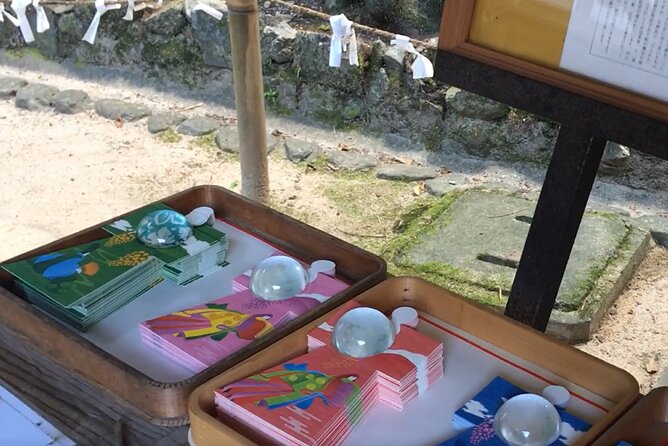
At $157.65 per person, this is not a cheap way to see Uji. You can visit Uji Shrine and walk around the tea shops independently for far less. If your goal is simply to buy matcha or take a few photographs, I would save your money and explore on your own.
The price makes more sense when you count what is included in the day’s structure: a guide for about five hours, tea tastings, matcha treats, a tea-focused lunch, a tea field visit, a matcha-making activity, shrine visits, historic tea shops, and a traditional tea ceremony.
You are also paying for interpretation. Tea culture can be difficult to understand from signs and shop displays alone. Terumi helps explain what you are tasting, why the ceremony matters, and how Uji’s tea identity developed.
The small group adds value. With no more than seven people, the tour can feel closer to a private introduction than a large scheduled outing. That is particularly useful for families, first-time visitors to Japan, and anyone who wants to ask many questions.
Still, I would call it good value only if you are genuinely interested in matcha and Japanese tea culture. The tour is too expensive for a casual stop, but reasonable for a full cultural day built around a subject you care about.
Weather, walking, and the best kind of participant
The tour requires good weather and may be canceled if conditions are poor. If that happens, you can receive a full refund or choose another date or experience.
Weather also affects comfort even when the tour runs. One June visit was described as hot for walking, and the schedule includes time outdoors between shops, shrines, and tea-related sites. Wear light, comfortable clothing and shoes suited to several hours on foot.
The tour is best for:
- Matcha fans who want more than sweets and souvenirs
- Families looking for a hands-on cultural activity
- Curious first-time visitors who want explanations in English
- People interested in Japanese food, pottery, shrines, and customs as well as tea
- Small groups who prefer conversation to a large bus tour
It may not suit you if you dislike walking, have little interest in tea, or want a completely free morning. The schedule has a clear theme, and matcha appears throughout the day.
Timing, meeting point, and cancellation terms
Meet at Uji Station at 9:30 a.m. The tour ends back at the same meeting point after roughly five to five and a half hours. Since the meeting point is near public transportation, it is practical for a day trip from another part of the Kyoto area, although the information provided does not state exact train directions or travel times.
Confirmation is sent at booking. The group maximum is seven people, and a moderate physical fitness level is recommended.
You can cancel for a full refund up to 24 hours before the start time. Changes or cancellations made less than 24 hours ahead are not accepted for a refund. The cut-off follows local time, so check the clock in Japan when making changes.
The tour also requires a minimum number of participants. If that minimum is not reached, you will be offered another date or experience, or a full refund.
Should you book this Uji matcha experience?
Book it if matcha is one of your main reasons for visiting Japan, or if you want a thoughtful introduction to tea culture without having to organize several separate stops. The best parts are the stone-mill matcha activity, the tea-focused lunch, the tea fields, and the traditional ceremony.
I would also recommend it to families and small groups. The hands-on elements keep the day from becoming a long series of explanations, and the seven-person limit gives Terumi room to make the experience personal.
Skip it if you only want a quick look at Uji or if $157.65 feels too high for a guided walking day. Uji is easy to visit independently, and you can buy tea and sweets without booking a full itinerary.
For the right person, though, this is a strong use of a half day. You leave with more than matcha in a shopping bag. You understand how tea is grown, prepared, eaten, served, and woven into the life of Uji.
FAQ
Where does the tour begin?
The tour begins at Uji Station in Uji, Japan.
What time does the tour start?
The start time is 9:30 a.m.
How long does the experience last?
The tour lasts approximately five to five and a half hours.
Where does the tour end?
The activity ends back at the meeting point at Uji Station.
How much does the tour cost?
The listed price is $157.65 per person.
What is the maximum group size?
The tour has a maximum of seven participants.
Is Uji Shrine included?
Yes. Uji Shrine is a scheduled stop, with about 20 minutes there and no admission charge.
Can I visit a historic tea shop?
Yes. The tour includes Tsuen Main Branch, a tea shop with more than 850 years of history, as well as other local tea shops and merchants.
Is a tea ceremony included?
Yes. After lunch, you take part in an authentic Japanese tea ceremony at a traditional tea house.
Can I cancel for a full refund?
Yes. You can cancel at least 24 hours before the start time for a full refund. Cancellations made less than 24 hours before the start time are not refunded.
Recently added around Uji
- Uji Walking Tour – Byodo-in temple and Tea Ceremony from Kyoto★ 3.5 · 3 reviews
- Kyoto: Uji Matcha Tea Museum Entry Ticket★ 5.0 · 5 reviews
- Utilising upcycled Matcha! Creating matcha incense (Uji, Kyoto)★ 5.0 · 6 reviews
- Kyoto Hidden Riverside Zen Mediation and Uji Matcha Experience★ 5.0 · 9 reviews
- Cycling Tour at Uji’s Matcha Green Tea Fields and Heritage★ 5.0 · 10 reviews
- Uji: Private immersion into Kyoto’s tea and reglious culture★ 5.0 · 17 reviews
- Kyoto Early Bird Tour in Uji and Fushimi Inari★ 5.0 · 18 reviews
- Uji Tea Ceremony and UNESCO Heritage Walking Tour★ 5.0 · 20 reviews
Kyoto Matcha Experiences, compared.
World Heritage Kyoto & Nara Uji Authentic Matcha Experience
Read our review →
Arashiyama Bamboo Forest, Monkeys, Matcha & Temple Tour
Read our review →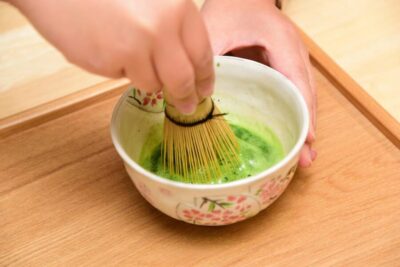
Tea Museum Tickets and Matcha Grinding Experience
Read our review →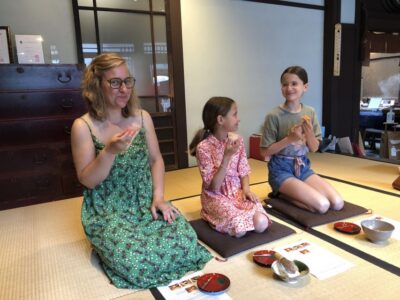
Tea Ceremony Meditation – Make Matcha with Tea Master
Read our review →Arashiyama Bamboo, Matcha, Monkeys & Temple Tour
Read our review →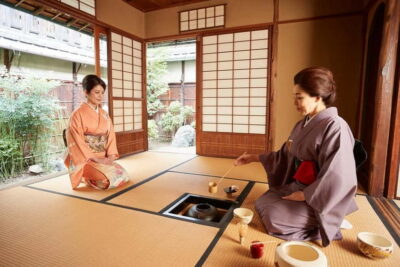
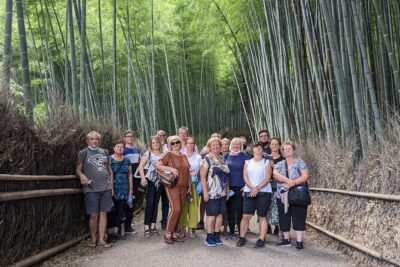
Arashiyama Bamboo, Temple, Matcha, Monkeys & secret spots
Read our review →
Browse the lists this tour appears in