
REVIEW · KYOTO SUSHI EXPERIENCES
Kyoto Sushi Making Experience with a Professional Sushi Chef
Kyoto’s best food lessons do more than hand you a recipe, and this one puts you beside a professional Taisho sushi chef. You watch his knife work, learn to shape nigiri and roll sushi, then eat the pieces you made yourself.
I like the small group, limited to seven, and the thoughtful change of pace from sushi counter to sake tasting to matcha on tatami mats. The main drawback is dietary flexibility: vegetarian, vegan, and gluten-free requests cannot be accommodated, and allergy-free meals cannot be guaranteed.
In This Review
- Key points to know before booking
- Meeting your guide near Karasuma Oike
- Entering the sushi restaurant and meeting the Taisho chef
- Making nine nigiri and your own sushi roll
- Tempura, two drinks, and a practical sake lesson
- Matcha and wagashi in a Kyoto-style garden
- What the $161 price includes
- Who will enjoy this, and who should skip it
- How this compares with an ordinary sushi dinner
- Should you book the Kyoto sushi-making experience?
- FAQ
- How long does the sushi-making experience last?
- Where is the meeting point?
- What language is the experience conducted in?
- How many people are in the group?
- What food and drinks are included?
- Can children or people with dietary restrictions join?
Key points to know before booking
- Nine nigiri and sushi rolls: You make a substantial amount of sushi, not just one practice piece.
- A professional Japanese chef: The chef demonstrates knife skills and guides you through the hands-on work.
- English support: Guides such as Ayu, Ayuri, and Yuka have translated chef demonstrations and explained customs for international participants.
- Sake and tempura included: The meal goes beyond sushi, with two drinks, sake tasting, pairing advice, and freshly made tempura.
- A calm matcha finish: You whisk your own tea in a Kyoto-style garden and enjoy wagashi, or traditional Japanese sweets.
- A strict start time: Arrive early near Karasuma Oike Station Exit 5. Late arrivals cannot join, reschedule, or receive a refund.
Meeting your guide near Karasuma Oike
Your 210-minute experience begins near Karasuma Oike Station Exit 5, at DIESEL Kyoto. This central starting point makes sense for a food walk because you first visit a local shop for Japanese sweets before moving into the cooking portion.
I would arrive with time to spare. The tour starts on time, and the late-arrival rule is firm. If you are coming from another part of Kyoto, allow extra time to find Exit 5 and orient yourself around the meeting point. A rushed arrival would be a poor start to a class that depends on careful instruction.
The first stop is a local sweets shop. Your guide introduces you to wagashi, the traditional sweets that return at the end of the activity with your matcha. This small detail gives the evening a useful thread: you choose sweets early, then later enjoy them in a tea setting rather than simply being handed a dessert at the finish.
Guides who have led this experience include Ayu, Ayuri, and Yuka. Their role matters because the sushi chefs may speak mainly Japanese. English translation lets you follow the explanations, ask questions, and keep your attention on the food instead of trying to decode every instruction.
More sushi counters and classes:
- Sushi Making in Kyoto! Same-day bookings welcome!
★ 5.0 · 713 reviews - The Original Small-Group Sushi Making Class in Kyoto
★ 5.0 · 436 reviews - Kyoto: Small-Group Authentic Sushi Making Workshop
★ 5.0 · 137 reviews
Entering the sushi restaurant and meeting the Taisho chef
After the sweets stop, you enter an authentic sushi restaurant and meet the professional Taisho chef. Taisho is a traditional title for the head chef in a sushi setting, so this is not a basic classroom run by a general cooking instructor.
The chef first demonstrates the craft. Watch the way he handles the knife and forms nigiri with quick, controlled movements. You also get context about sushi, including its history and modern changes, rather than only learning a series of hand motions.
One especially appealing part of the experience is the chance to look closely at the chef’s knives. That kind of small interaction can make the craft feel less distant. You are not simply watching a performance from across a counter. You can ask questions through your guide and see the tools that support decades of training.
The translation is a major practical benefit. Ayu and Ayuri have been praised for explaining Japanese customs and food culture clearly while interpreting the chef’s instructions. The guide also takes tour photos, so you can concentrate on shaping sushi instead of constantly reaching for your phone.
Making nine nigiri and your own sushi roll
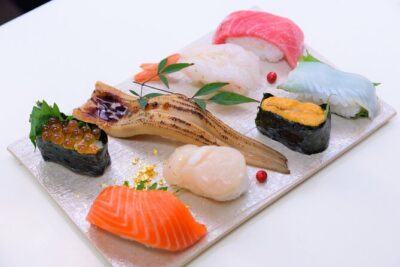
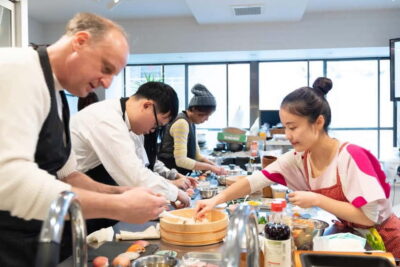
The hands-on section is the heart of the class. You make nine nigiri sushi and sushi rolls under the chef’s direction. The exact fillings and fish are not specified, so you should not book this expecting a particular seafood menu. What you can count on is a proper practice session with several pieces to shape and eat.
Nigiri looks simple, but it is a neat little exercise in pressure and proportion. You learn how to work with the rice, place the topping, and form a piece that holds together without being crushed. The chef’s demonstration gives you a clear model, while the guide helps translate each step.
The roll offers a different challenge. It is a useful skill to take home because it depends on even filling, controlled pressure, and a clean cut. You will probably notice that making a roll look tidy is harder than eating one.
All cooking levels are welcome. That makes the activity suitable for beginners who want close guidance, while people with some kitchen experience still get the benefit of observing a trained sushi chef. This is not presented as professional certification or advanced knife training, so I would approach it as a cultural food lesson with real hands-on work.
Children aged four and older may join, but an adult must supervise them when knives are involved or when a step could be unsafe. Families should also consider the pace of a 210-minute activity. Younger children may enjoy shaping sushi and drinking matcha, but the full session requires attention.
Once your sushi is ready, you eat what you made. That is more satisfying than taking home a box prepared by someone else. You see the food at every stage, and small imperfections become part of the story. A slightly uneven roll still tastes good when you made it with your own hands.
Tempura, two drinks, and a practical sake lesson
The meal includes tempura prepared by the chef. This adds hot, crisp food to a menu that otherwise centers on rice and raw or prepared seafood. It also lets you compare the chef’s work with what you produced yourself.
Two drinks are included, along with sake tasting. The sake portion is not just a series of samples. Your guide and chef explain pairing ideas, showing how sake can work with different sushi bites. If you are new to sake, this is a useful introduction because you can taste it alongside food rather than judging it in isolation.
The available information does not list the specific sake labels or the amount served. You should therefore think of this as a guided tasting included with dinner, not a dedicated sake tour. If you do not drink alcohol, check the arrangements before booking because the experience is built around sake tasting and includes two drinks.
I like the structure here. Sushi making can become a little repetitive if the whole class stays at the rice counter. Tempura and sake break up the lesson and turn it into a complete meal. You also get pairing advice that you can use at future sushi dinners.
A completely different side of Kyoto:
- PERFECT KYOTO 1-Day Bus Tour
★ 5.0 · 13,518 reviews - Kyoto: Fushimi Inari, Kinkakuji, Bamboo Grove 1 Day Bus Tour
★ 4.8 · 4,316 reviews - Kyoto: Tea Ceremony in a Traditional Tea House in Kiyomizu
★ 4.9 · 3,519 reviews - Kyoto Geisha Walking Tour: Gion District & Hidden Gems
★ 4.7 · 3,273 reviews
Matcha and wagashi in a Kyoto-style garden
The final section moves away from knives and seafood. In a quiet Kyoto-style garden, your guide teaches you how to whisk matcha and enjoy it with the wagashi selected near the start.
You will likely sit on tatami mats for this part. One guide has led the tea activity in a traditional setting, explaining Japanese customs as you prepare the drink. The calm finish gives the session a clear rhythm: introduction and sweets, chef demonstration, hands-on sushi, tempura and sake, then tea.
Matcha preparation is simple in equipment but precise in motion. You whisk the powdered tea yourself rather than receiving a finished cup. It is a small task, yet it helps you understand the care built into Japanese hospitality and tea service.
This ending also makes the experience feel broader than a cooking class. You leave with food knowledge, a few practical sushi skills, and a better sense of how several Japanese eating traditions fit together. The activity does not claim to be a full tea ceremony, so book it for a hands-on matcha lesson rather than a long formal ceremony.
What the $161 price includes
At $161 per person, this is a premium food activity. The value depends on how much you want from one evening. You are paying for 3.5 hours of instruction and hosting, a professional chef, nine nigiri, sushi rolls, tempura, two drinks, sake tasting, wagashi, matcha, and photos.
A cheaper sushi class may teach rolling only and leave you to arrange the rest of the meal. This experience combines instruction with a substantial dinner and several cultural elements. You do not need to plan a separate sushi restaurant, sake tasting, or tea activity that night.
The small group helps justify the cost. With no more than seven participants, the chef and guide have a better chance to watch your technique and answer questions. It is not a private class, but it is far more personal than a large demonstration.
I would choose it for a special Kyoto evening, a couple who wants an activity beyond sightseeing, or a food-focused visitor who values direct contact with local professionals. If your main aim is simply to eat excellent sushi, spending $161 on a restaurant meal may suit you better. The point here is participation, translation, and cultural context.
Who will enjoy this, and who should skip it
This experience fits first-time sushi makers, curious food lovers, and visitors who want an organized introduction to Japanese cuisine. You do not need prior cooking experience. The English-speaking guide makes it accessible even when the chef’s main communication is in Japanese.
It also works well for families with children aged four or older, provided an adult takes responsibility during knife work. Couples and small groups may appreciate the photos, since the guide can record parts of the class while you focus on cooking.
The activity is not suitable for wheelchair users. It is also not suitable for vegans or vegetarians. Gluten-free needs cannot be handled, and the kitchens are not described as allergy-free. If you have a serious allergy, I would not rely on possible substitutions. The provider may try to adjust some ingredients, but no safe meal can be promised.
The group format is another consideration. You may share the restaurant and teaching time with other participants. That is part of why the price is below a private chef experience, but you will not control every minute of the session.
Weather can also affect the booking. The activity may be canceled in unsafe conditions. For flexibility, you can cancel up to 24 hours ahead for a full refund, and the reserve-now, pay-later option lets you hold a place without paying immediately.
How this compares with an ordinary sushi dinner
A restaurant meal gives you the finished product. This activity shows you the work behind it. You watch the knife handling, try to form nigiri, roll your own sushi, and then taste the results beside professionally made tempura.
That difference matters most if you enjoy learning through your hands. Sushi has a reputation for simplicity, but the class reveals how much control goes into a neat piece. You also gain a better sense of why presentation, rice texture, and portion size matter.
The cultural sections make this more than a restaurant replacement. The opening wagashi stop and closing matcha lesson frame the meal with traditions you might otherwise miss. The sake pairing discussion adds another layer without turning the evening into a technical lecture.
Still, you should keep your expectations realistic. You will not become a sushi master in one session. The chef’s skill comes from decades of practice, and your first roll may not look like his. That is exactly why close instruction and a small group matter.
Should you book the Kyoto sushi-making experience?
I would book this if you want a polished, food-centered Kyoto activity with genuine instruction rather than a quick photo opportunity. The combination of a Taisho chef, English translation, hands-on sushi, tempura, sake, matcha, and wagashi gives you a full evening with plenty to do.
The strongest reason to choose it is the access to the chef. Guides such as Ayu, Ayuri, and Yuka make the language gap manageable, explain local customs, and help you stay involved. The most important reason to skip it is dietary: this is not a safe choice for vegans, vegetarians, or people who need guaranteed allergy-free or gluten-free food.
Arrive early, wear a patient attitude, and expect to eat what you make rather than produce restaurant-perfect sushi. For food lovers who can eat the menu and want a memorable Kyoto night, the $161 cost is reasonable for the amount of food, teaching, and cultural activity included.
FAQ
How long does the sushi-making experience last?
The experience lasts 210 minutes, or 3.5 hours.
Where is the meeting point?
Meet near Karasuma Oike Station Exit 5, at DIESEL Kyoto.
What language is the experience conducted in?
The activity is conducted in English. The guide translates the chef’s explanations when needed.
How many people are in the group?
It is a small-group experience limited to seven participants.
What food and drinks are included?
You make nine nigiri sushi and sushi rolls, and receive tempura, two drinks, sake tasting, Japanese sweets, and a matcha experience.
Can children or people with dietary restrictions join?
Participants must be at least four years old. Children need adult supervision during knife work. Vegetarian, vegan, and gluten-free requests cannot be accommodated, and allergy-free meals cannot be guaranteed.
Recently added around Kyoto
- Higashiyama | Kyoto: Sakura Season Private Rickshaw Tour★ 5.0 · 3 reviews
- Kyoto Kimono Rental CHAMATSU|Kimono/Yukata Rental FamilyPlan★ 5.0 · 3 reviews
- Kyoto: Half-Day Private Guided Tour to the Old Town of Gion★ 4.4 · 3 reviews
- Nara Private Customizable Half Day Tour★ 5.0 · 3 reviews
- Kansai Region Hiking Adventure in Nara Kobe Kyoto and More★ 5.0 · 3 reviews
- Full Day Nara Deer, Temple, Shrine, Activities & Tea Ceremony★ 5.0 · 3 reviews
- Nara: Essential Private Tour with Deer Park and Temples★ 5.0 · 3 reviews
- Hiking Tour for Sacred Sites in Kyoto with a Guide★ 5.0 · 3 reviews
Kyoto Sushi Experiences, compared.
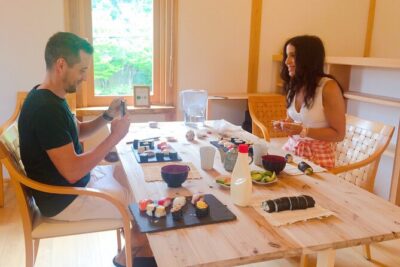
The Original Small-Group Sushi Making Class in Kyoto
Read our review →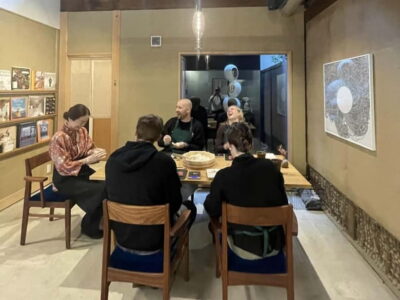
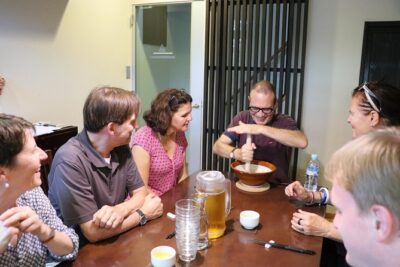
Sushi – Authentic Japanese Cooking Class – the best souvenir from Kyoto!
Read our review →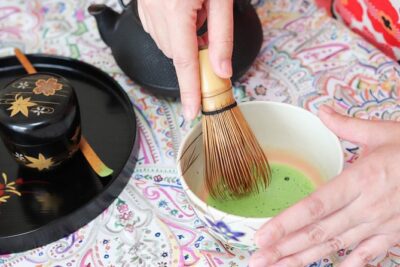
Private Kyoto Sushi Cooking Class & Tea Ceremony with Emika
Read our review →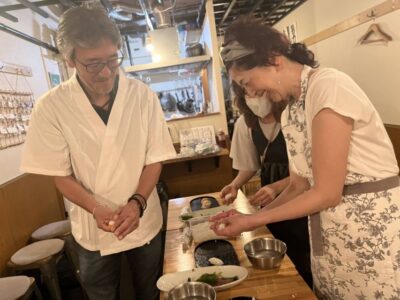
Enjoy Sushi & Market Tour! Best for Family & Couple!
Read our review →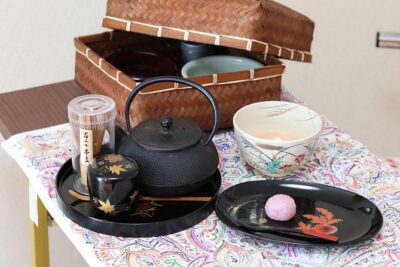
Sushi or Traditional Japanese Cuisine in a Kyoto Home with Emika
Read our review →Browse the lists this tour appears in