
REVIEW · KYOTO SUSHI EXPERIENCES
Kyoto: Sushi Making Experience in Kawaramachi
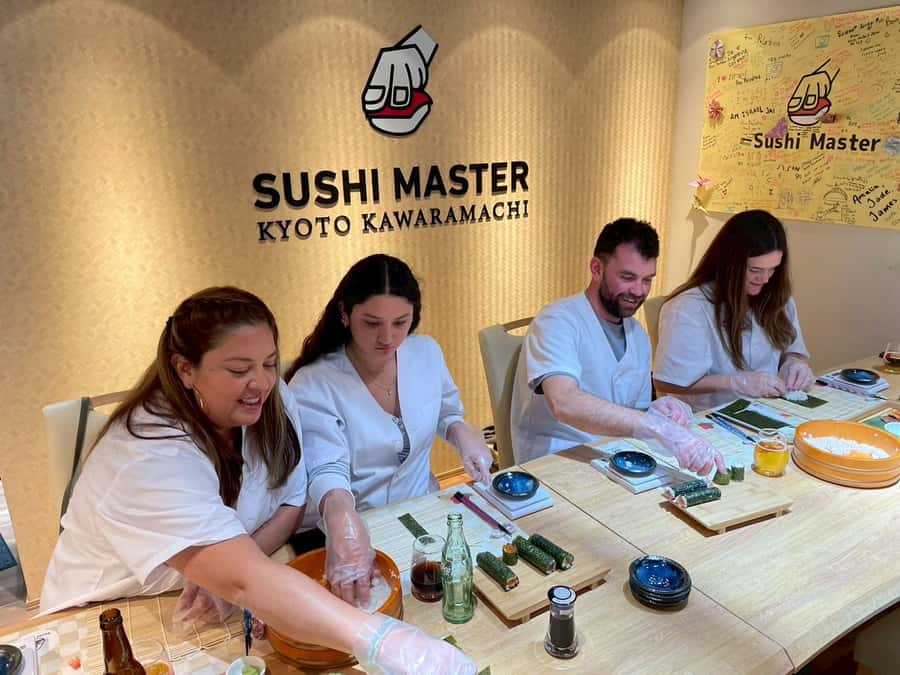
The best part of this Kyoto activity is that you do not simply watch a chef work. You shape and prepare your own sushi, then sit down to eat what you made. The class covers 12 pieces of sushi, with a choice between nigiri and gunkan-maki or the rounder temari style.
I like the short 90-minute format, which fits neatly into a day of sightseeing, and I like the central location, only a five-minute walk from Kyoto Kawaramachi Station. The main drawback is the limited food policy: only shellfish allergies can be accommodated, and there are no special dishes for vegetarian, vegan, or halal diets.
In This Review
- Key points at a glance
- Making sushi in the middle of Kawaramachi
- Your 90-minute sushi lesson
- Choosing between nigiri and temari sushi
- What makes the hands-on part worthwhile
- Food restrictions need careful checking
- Is $40 a fair price?
- Who will enjoy this class most?
- Planning the class around your Kyoto day
- What you should know before booking
- Should you book the Kawaramachi sushi experience?
- FAQ
- How long does the sushi-making experience last?
- Where does the class take place?
- Which sushi courses are available?
- Is the class taught in English?
- Is food included in the price?
- Can the class accommodate food allergies or special diets?
- Is hotel pickup and drop-off available?
Key points at a glance
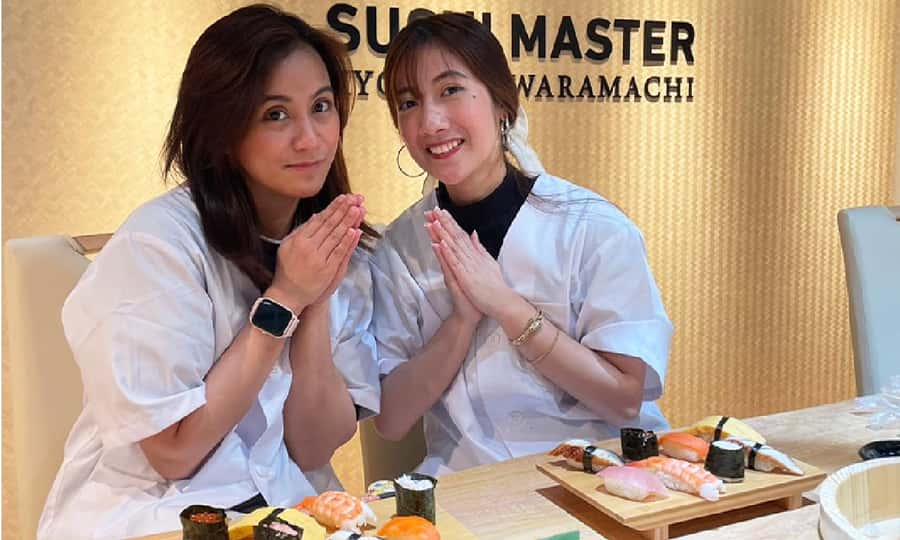
- Two sushi courses: Make nine pieces of nigiri with three gunkan-maki, or 10 pieces of temari sushi with two gunkan-maki.
- A 90-minute lesson: The session combines a short talk on Japanese cuisine and sushi with hands-on preparation and a meal.
- English-speaking staff: Japanese staff lead the class in fluent English, making the instructions easier to follow.
- A central Kyoto base: The meeting point is about five minutes from Kyoto Kawaramachi Station on the Hankyu Kyoto Line.
- Your meal is included: You eat the sushi you prepare, and drinks can be ordered separately.
- Dietary limits matter: Octopus and squid can be substituted for shellfish, but vegetarian, vegan, and halal menus are not available.
Making sushi in the middle of Kawaramachi
Kawaramachi is one of the easiest places in Kyoto to fit a food activity into your day. The class sits about five minutes from Kyoto Kawaramachi Station on the Hankyu Kyoto Line, putting you close to shops and the busy central shopping area.
That location matters. You do not need to set aside a full morning or afternoon for transport, and you can pair the class with shopping or other stops in central Kyoto. I would place it between sightseeing plans rather than at the end of a long cross-city trip.
You should check the exact meeting point attached to your selected course when booking, since the meeting point can vary by option. Hotel pickup and drop-off are not offered, so you need to make your own way there.
More sushi counters and classes:
- Sushi Making in Kyoto! Same-day bookings welcome!
★ 5.0 · 713 reviews - The Original Small-Group Sushi Making Class in Kyoto
★ 5.0 · 436 reviews - Kyoto: Small-Group Authentic Sushi Making Workshop
★ 5.0 · 137 reviews
Your 90-minute sushi lesson
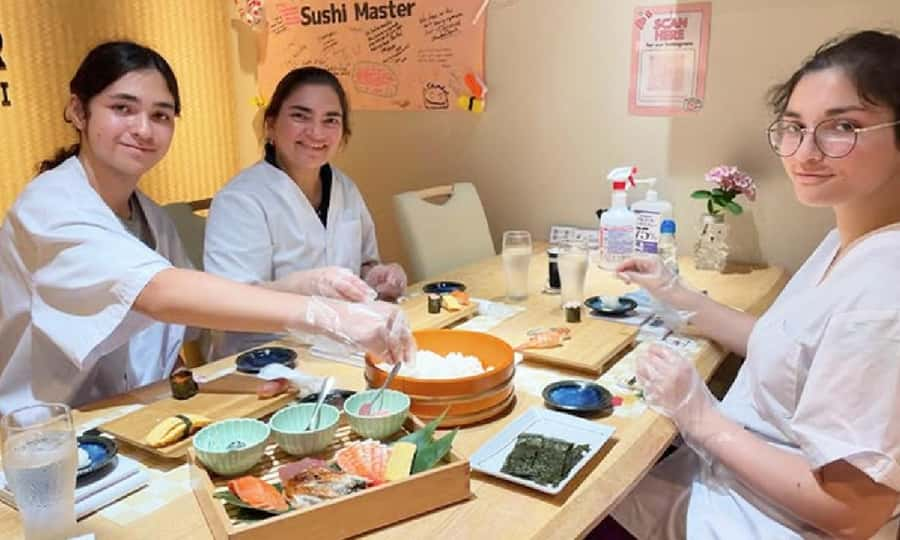
The class follows a simple three-part rhythm. First comes an introduction to Japanese cuisine and the history of sushi. Next, the staff guide you through the preparation. Finally, you eat the sushi you have made.
That structure gives the activity more substance than a quick food demonstration. You learn why sushi became an important part of Japanese cooking before putting the lesson into practice. The talk is not described as a long lecture, which is good news if you want to keep your hands busy and your schedule moving.
The staff speak English fluently, so you can ask questions and follow the instructions without having to rely on gestures alone. I would still expect some hands-on work to require patience. Sushi looks simple on the plate, but shaping rice and arranging toppings takes a bit of care.
The class is designed for all skill levels. That makes it a reasonable pick if you have never made sushi before, while also giving experienced home cooks a chance to practice a familiar dish with Japanese guidance.
Choosing between nigiri and temari sushi
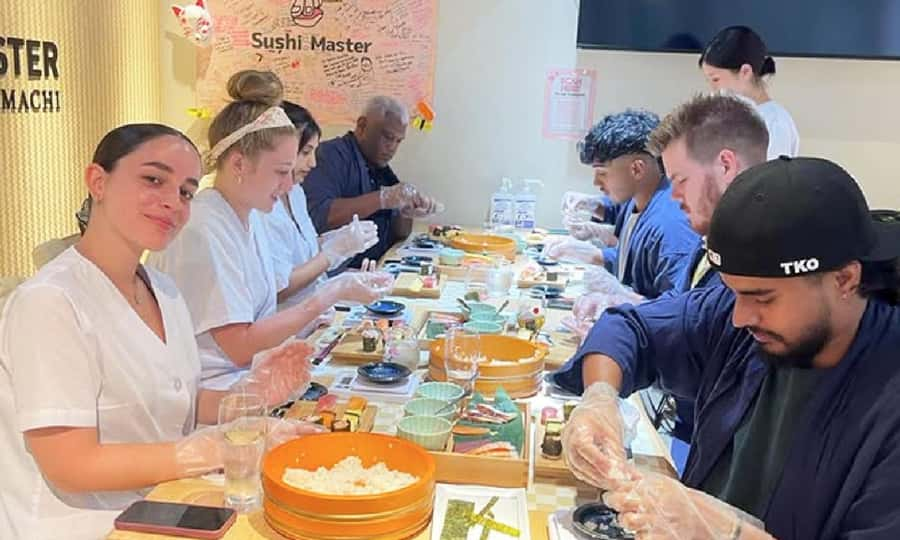
You choose between two courses, and the choice changes the feel of the class.
The Sushi Making Experience Course includes nine pieces of nigiri sushi and three pieces of gunkan-maki. Nigiri is the familiar style with a shaped portion of rice topped with an ingredient. Gunkan-maki is a compact, wrapped style designed to hold a softer topping.
The Temari Sushi Making Course includes 10 pieces of temari sushi and two pieces of gunkan-maki. Temari sushi is shaped into small round portions, giving your finished plate a different look from the more elongated nigiri pieces.
Both choices give you 12 pieces in total. That is enough food to make the result feel like a proper meal rather than a token sample, though your appetite and the drink you order will affect how filling it feels.
If you want to practice the classic sushi form most people recognize, choose nigiri. If you like the idea of making small, rounded pieces, temari sushi offers a more distinctive shape. Since the exact ingredients are not specified, you should not choose based on a particular fish or topping unless the provider confirms it beforehand.
What makes the hands-on part worthwhile
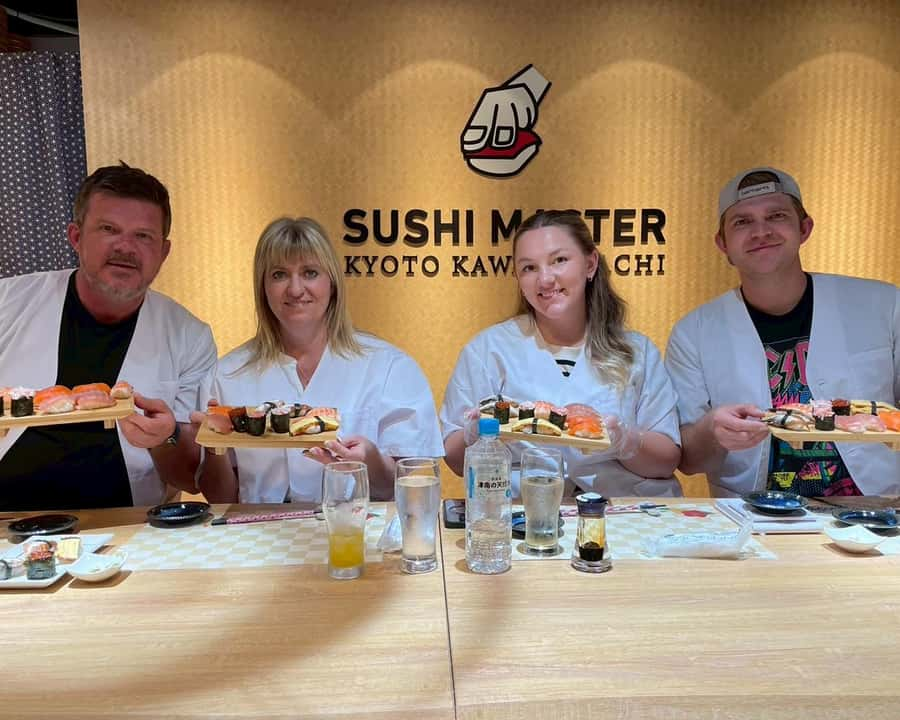
A sushi lesson works best when you get to handle the food instead of watching someone else do everything. Here, the ingredients are included, staff guide you through the techniques, and you eat the finished sushi at the end.
I like that the meal is tied directly to your effort. You are not preparing a few pieces and then receiving a separate restaurant plate. The sushi you make becomes the center of the meal, which gives the class a clear sense of purpose.
The activity also gives you a practical look at how much care goes into a food that often arrives looking effortless. Small differences in shape and size are part of the fun. You do not need professional-level results for the session to work, since the point is learning the process and sharing the meal afterward.
A special gift is included, too. The exact souvenir is not specified, so treat it as a small keepsake rather than a major part of the value. It gives you something physical to take home after the meal and helps mark the activity as more than just another restaurant stop.
A completely different side of Kyoto:
- PERFECT KYOTO 1-Day Bus Tour
★ 5.0 · 13,518 reviews - Kyoto: Fushimi Inari, Kinkakuji, Bamboo Grove 1 Day Bus Tour
★ 4.8 · 4,316 reviews - Kyoto: Tea Ceremony in a Traditional Tea House in Kiyomizu
★ 4.9 · 3,519 reviews - Kyoto Geisha Walking Tour: Gion District & Hidden Gems
★ 4.7 · 3,273 reviews
Food restrictions need careful checking
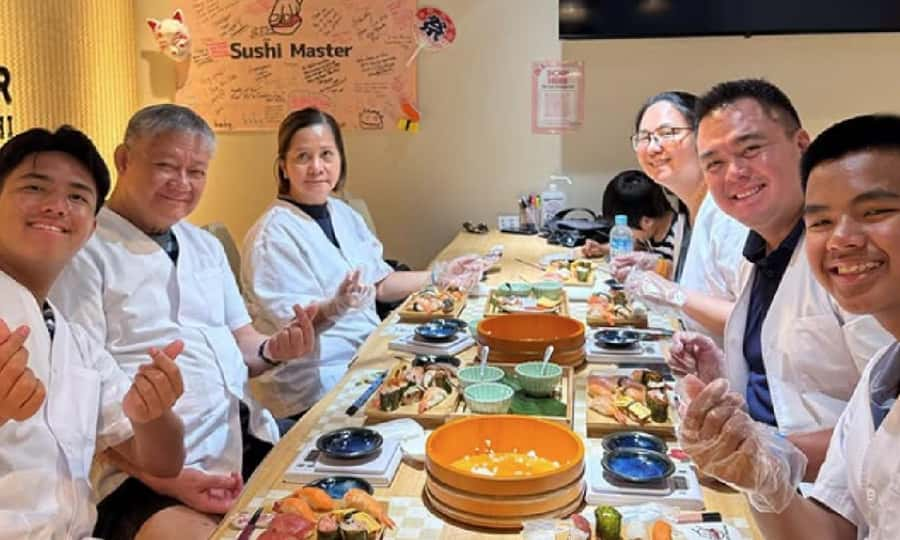
This is the most important practical issue before you book. The class accommodates shellfish allergies, with octopus and squid available as substitutes. The food policy does not extend to vegetarian, vegan, or halal diets.
If you have a shellfish allergy, tell the provider in advance and confirm how the substitutions will work for your selected course. Do not assume every ingredient can be changed. The information specifically names octopus and squid as substitutions, so other dietary requests may not be possible.
If you are vegetarian, vegan, or looking for halal food, this class is not a suitable choice based on the stated policy. You should not book hoping that staff can create a separate menu on the day.
Drinks are not included in the price, but you can order soft drinks and alcohol during the class. That gives you the option of adding a beverage, though it also means your final cost will be higher than the advertised amount if you choose one.
Is $40 a fair price?
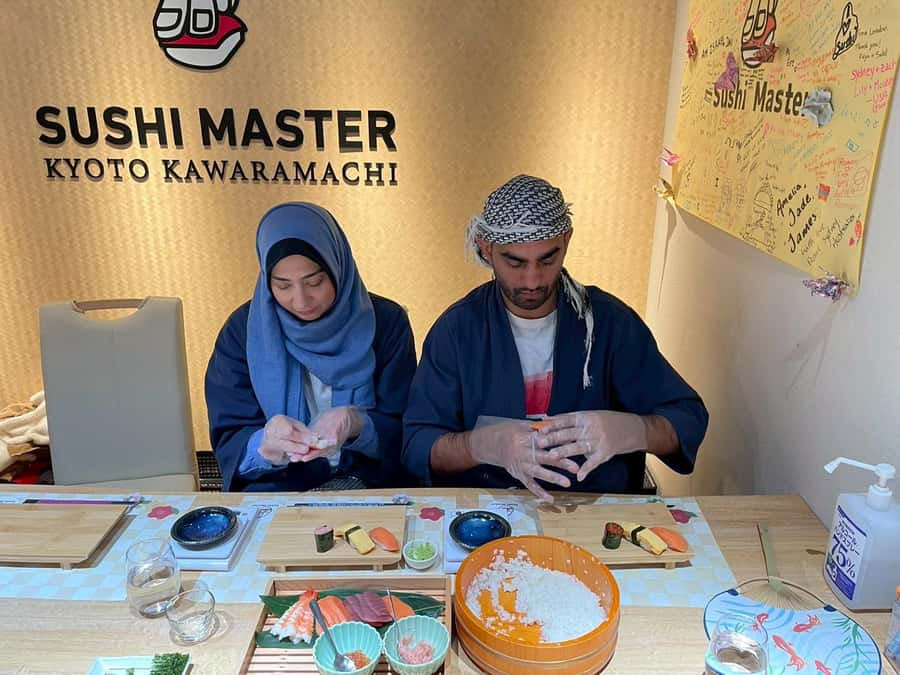
At $40 per person, the value comes from several pieces working together: instruction, ingredients, a 12-piece sushi meal, an English-speaking class, and a special gift.
I see this as a reasonable price for a short, organized food activity in central Kyoto. You are paying for more than the raw ingredients. The staff explain the background of sushi, guide you through the making process, and provide a ready-made structure that is easy to add to a sightseeing day.
The central location also helps the value. A class near Kyoto Kawaramachi Station saves time and makes it easier to combine the activity with shopping. If you had to travel far for the lesson, 90 minutes would feel less convenient.
Still, the price will make less sense if you only want to eat sushi. A restaurant meal may be simpler, and drinks cost extra here. This class earns its price through participation, instruction, and the satisfaction of eating your own work.
The current rating is 4.8 from 13 reviews. That is a strong score, but the sample is small, so I would treat it as encouraging rather than a guarantee that every session will be identical.
Who will enjoy this class most?
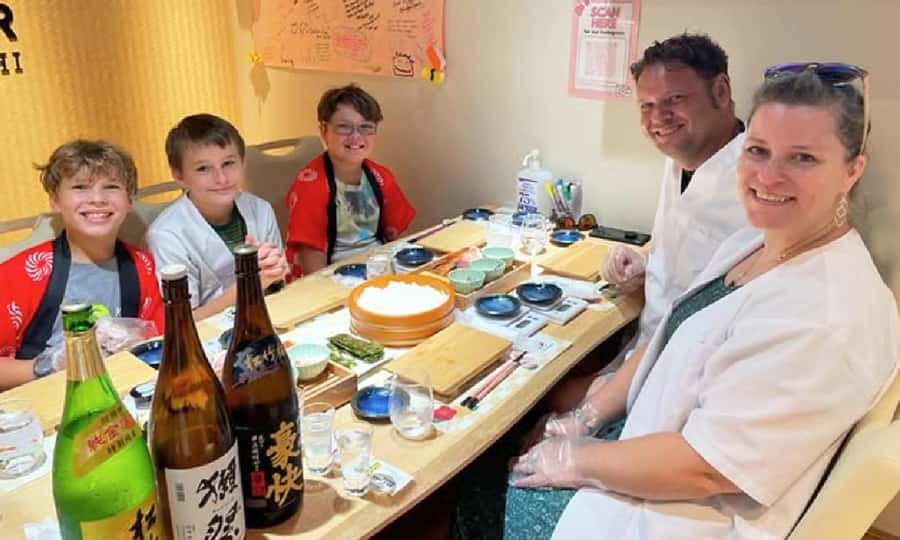
I would recommend this activity to first-time sushi makers, couples, families, and small groups who want a shared food experience in Kyoto. The all-skill-level format keeps the class approachable, and the 90-minute duration prevents it from taking over your day.
It also suits people who want a break from temple visits and formal sightseeing. Making food gives you a different way to connect with Japan, and the introduction to Japanese cuisine adds useful context without requiring a full cooking course.
The activity may be especially appealing if you are staying near central Kyoto or already plan to visit Kawaramachi. You can reach the class on foot from the station, then continue with shopping or other plans nearby.
I would be more cautious if you are seeking a long, technical cooking workshop. The session is only 90 minutes and includes a history talk, preparation, and eating, so the instruction has to move at a sensible pace.
It is also not a good choice for a group with mixed dietary needs if some people require vegetarian, vegan, or halal food. The limited substitution policy could make the meal uncomfortable for anyone who cannot eat the standard ingredients.
Planning the class around your Kyoto day
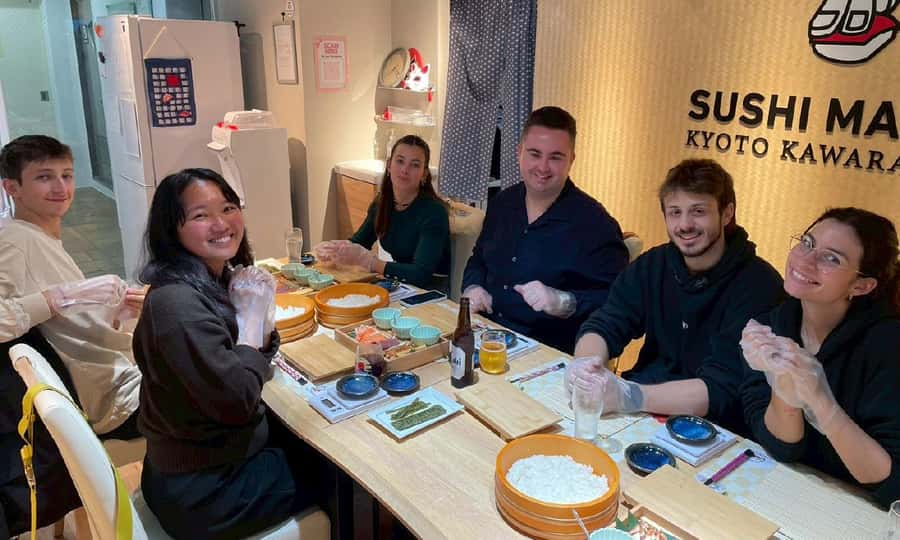
Because the class lasts 90 minutes, it can fit into a morning, afternoon, or early evening plan. The best arrangement depends on the time slot available when you book, but the central location gives you useful flexibility.
Allow enough time to reach the meeting point without rushing. The advertised walk from Kyoto Kawaramachi Station is about five minutes, but you still need time to find the correct option-specific meeting point.
I would avoid scheduling a major ticketed attraction immediately afterward unless you leave a buffer. Food classes can run on a steady timetable, but you may want time to finish your meal, collect your gift, and move on without hurrying.
Since pickup is not available, this is a self-arrival activity. That is a minor inconvenience if you are staying elsewhere in Kyoto, but it also keeps the class straightforward and lets you control your own transport.
The area has convenient shops, so you can treat the lesson as part of a wider Kawaramachi outing. This is one of those activities that works best when you use its location rather than traveling across town just for the class.
What you should know before booking
The class is offered in English, which is a major help during a practical lesson. You can expect Japanese staff to lead the session, explain the food and techniques, and guide you through the preparation.
The ingredients and sushi meal are included. Drinks are separate, with soft drinks and alcohol available to order during the class.
The activity ends back at the meeting point. Since the class has no hotel transportation, plan to continue your day from there.
You can reserve now and pay later, which may help if your Kyoto schedule is still taking shape. Cancellation is allowed up to 24 hours in advance for a full refund, according to the stated terms. Check the conditions attached to your booking in case the selected option has different details.
Most important, read the course name carefully. Nigiri and temari sushi are not the same preparation, even though both courses include gunkan-maki. Selecting the right option will help you get the style of sushi you actually want to make.
Should you book the Kawaramachi sushi experience?
You should book it if you want a short, central Kyoto activity where you learn a little about sushi, make 12 pieces, eat your own work, and take home a small gift. The fluent English support and easy station access make it a practical choice for first-time participants.
I would skip it if you need vegetarian, vegan, or halal food, or if your main goal is simply a large sushi dinner. For everyone else, $40 is a fair price for a hands-on meal rather than a passive tasting.
Choose the nigiri course for classic sushi shapes, or choose temari for round pieces with a different look. Confirm the meeting point and allergy arrangements before you go, then enjoy the rare Kyoto pleasure of making your own dinner.
FAQ
How long does the sushi-making experience last?
The session lasts 90 minutes. It includes an introduction to Japanese cuisine and sushi, hands-on preparation, and time to eat the sushi you make.
Where does the class take place?
The class is in the Kawaramachi area of Kyoto, about a five-minute walk from Kyoto Kawaramachi Station on the Hankyu Kyoto Line.
Which sushi courses are available?
You can choose the Sushi Making Experience Course, with nine pieces of nigiri sushi and three pieces of gunkan-maki, or the Temari Sushi Making Course, with 10 pieces of temari sushi and two pieces of gunkan-maki.
Is the class taught in English?
Yes. The staff speak English fluently, and English is the listed language for the experience.
Is food included in the price?
Yes. Sushi ingredients and the sushi meal are included. Drinks are not included, but you can order soft drinks and alcohol during the class.
Can the class accommodate food allergies or special diets?
Only shellfish allergies are accommodated. Octopus and squid can be substituted. The class does not offer special dishes for vegetarian, vegan, or halal diets.
Is hotel pickup and drop-off available?
No. You need to travel directly to the class meeting point. The activity ends back at the meeting point.
Recently added around Kyoto
- Higashiyama | Kyoto: Sakura Season Private Rickshaw Tour★ 5.0 · 3 reviews
- Kyoto Kimono Rental CHAMATSU|Kimono/Yukata Rental FamilyPlan★ 5.0 · 3 reviews
- Kyoto: Half-Day Private Guided Tour to the Old Town of Gion★ 4.4 · 3 reviews
- Nara Private Customizable Half Day Tour★ 5.0 · 3 reviews
- Full Day Nara Deer, Temple, Shrine, Activities & Tea Ceremony★ 5.0 · 3 reviews
- Nara: Essential Private Tour with Deer Park and Temples★ 5.0 · 3 reviews
- Kansai Region Hiking Adventure in Nara Kobe Kyoto and More★ 5.0 · 3 reviews
- Hiking Tour for Sacred Sites in Kyoto with a Guide★ 5.0 · 3 reviews
Kyoto Sushi Experiences, compared.
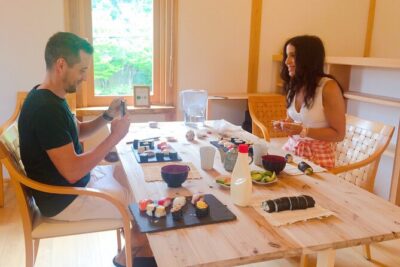
The Original Small-Group Sushi Making Class in Kyoto
Read our review →
Sushi – Authentic Japanese Cooking Class – the best souvenir from Kyoto!
Read our review →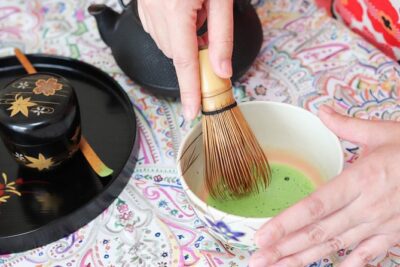
Private Kyoto Sushi Cooking Class & Tea Ceremony with Emika
Read our review →
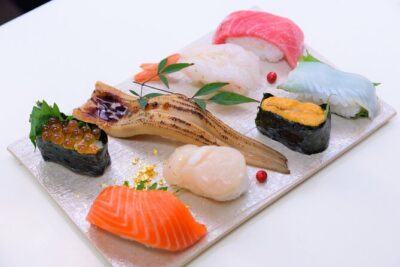
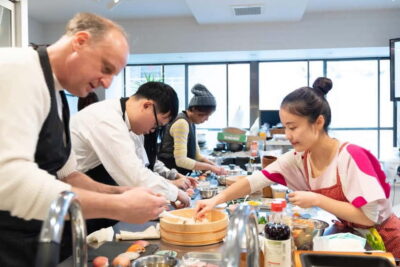
Enjoy Sushi & Market Tour! Best for Family & Couple!
Read our review →
Sushi or Traditional Japanese Cuisine in a Kyoto Home with Emika
Read our review →Browse the lists this tour appears in