
REVIEW · WORKSHOPS
Kyoto: Stone Seal Carving Workshop with Calligrapher
In a quiet Kyoto workshop, you turn a small piece of stone into a personal Japanese seal. You choose a character, learn how its lines work, and carefully carve it by hand. At the end, your seal marks a postcard beside your name and the date in Japanese.
I like the personal design choice. You can use your name, a favorite word, or ask Marin to help create a suitable character design. I also like the patient teaching. Marin is a Japanese calligrapher and former high school teacher, so beginners get clear guidance rather than being left to guess.
The main drawback is that carving takes patience and precision. Several parts of the process are quiet, careful work, and your finished seal may show small handmade imperfections. That is part of its charm, but this is not the right pick if you want a quick, effortless souvenir.
In This Review
- Key Points Before You Book
- Choosing a Character That Means Something
- Learning From Marin, a Calligrapher and Teacher
- The Quiet Work of Carving Stone
- A Postcard That Completes the Experience
- What the $77 Price Includes
- Who Will Enjoy This Kyoto Activity
- Timing, Meeting Point, and Flexible Plans
- Why the Best Part Is the Finished Imperfection
- Should You Book the Stone Seal Workshop?
- FAQ
- How long does the Kyoto stone seal workshop last?
- How much does the workshop cost?
- Is the workshop taught in English?
- Do I need previous carving or calligraphy experience?
- Can I carve my name instead of a Japanese word?
- What do I take home?
- How many people can join the workshop?
Key Points Before You Book
- You carve your own original stone seal instead of buying a ready-made souvenir.
- Marin teaches in English, with careful guidance for first-time carvers.
- You can use your name or a favorite word, with help translating names into Japanese characters.
- The experience is limited to eight people, so the teaching can stay personal.
- Your postcard includes the seal, your name in Japanese, and the date, giving you an immediate keepsake.
- The workshop costs $77 per person and lasts about 90 minutes to 2 hours.
Choosing a Character That Means Something
The workshop begins with the most important decision: what should your seal say? You may choose a Japanese character connected to a favorite idea, or you can work with Marin to create your name in Japanese.
For some names, the best result may use katakana. One participant specifically created a katakana name stamp, while another received help translating both a first and last name. You can also choose a kanji style that suits your taste. This choice gives the activity more meaning than simply copying a symbol from a template.
I recommend thinking about your choice before arriving, but do not feel you need to settle it in advance. The activity allows you to ask for help, and Marin can guide you through the character selection and design. If you choose a word, consider something short. A simple character or compact name will be easier to carve clearly on a small stone.
This part also gives you a useful glimpse into how Japanese writing works. A character is not just a picture. The shape, balance, and order of its lines matter. You begin to see why calligraphy values controlled movement and careful spacing.
More workshops and classes in Kyoto:
- Kyoto: 45-Minute Tea Ceremony Lesson Experience
★ 4.3 · 2,378 reviews - Kyoto : Chopsticks Making Workshop in Gion with Engraving Option
★ 5.0 · 958 reviews - Kyoto: Samurai Sword Class by Experts in Traditional Arts
★ 4.9 · 657 reviews
Learning From Marin, a Calligrapher and Teacher
Marin leads the workshop in English and brings experience as both a Japanese calligrapher and a high school teacher. That background matters here. Stone carving can feel intimidating at first, but the instruction is designed for beginners and proceeds carefully.
You learn how to transfer or follow the chosen character and how to use the carving tools. The task calls for control rather than strength. You work slowly, making small marks and checking the shape as it develops.
The teaching style is one of the strongest reasons to book this activity. You are not expected to arrive with artistic training, Japanese language skills, or previous carving experience. Marin helps with the character design, explains the process clearly, and gives you time to finish your work.
Small groups also help. With a maximum of eight participants, you have a better chance of receiving individual attention than you would in a large craft class. The exact group size can vary, but the limit keeps the room from feeling like an assembly line.
The Quiet Work of Carving Stone
The hands-on portion is enjoyable, but it is also the part that requires the most patience. You hold the stone, follow the design, and make repeated small cuts. The work is precise, and a rushed hand can alter the character.
Several strong ratings for this activity point to the same practical truth: the carving is fun because it is challenging. You get a real sense of achievement when the design finally reads clearly, but you should allow yourself time to learn the feel of the tools.
This is not a performance where the instructor completes the difficult part for you. The point is to make your own seal. Marin is there to guide and correct, but your hands do the work. That makes the final piece more personal, even if the edges are not perfectly smooth.
I would compare the process to slow handwriting rather than ordinary souvenir shopping. You need focus, and the calm pace may be especially welcome after a busy day in Kyoto. One participant described the experience as soothing, while others noted that precision and patience were essential.
The activity lasts from 90 minutes to 2 hours. That range gives you a useful clue: the finish time can depend on your character, your pace, and how much help you need. A short name may move along more quickly than a more complex design.
A Postcard That Completes the Experience
When the stone is finished, you stamp it onto a postcard. Marin writes your name in Japanese and adds the date beside the seal.
This final step gives the workshop a clear sense of completion. You leave with more than a stone object in a box. The postcard shows the mark you made and records when you made it in Kyoto. It is easy to pack and easy to display, while the seal itself remains the main handmade souvenir.
The postcard also provides a helpful first test of the seal. You see how the carved design transfers to paper and whether the character has the balance you wanted. Since a seal is meant to leave a mark, this is the moment when the work becomes visible in its finished form.
The included special box protects the stone on the way home. That is a small but practical touch. A hand-carved stone is heavier and more vulnerable to knocks than a flat postcard, so having a box makes it easier to carry safely.
A completely different side of Kyoto:
- PERFECT KYOTO 1-Day Bus Tour
★ 5.0 · 13,518 reviews - Kyoto: Fushimi Inari, Kinkakuji, Bamboo Grove 1 Day Bus Tour
★ 4.8 · 4,316 reviews - Kyoto: Tea Ceremony in a Traditional Tea House in Kiyomizu
★ 4.9 · 3,519 reviews - Kyoto Geisha Walking Tour: Gion District & Hidden Gems
★ 4.7 · 3,273 reviews
What the $77 Price Includes
At $77 per person, this is not the cheapest small craft activity in Kyoto. The price makes more sense when you count what is included: the stone, carving instruction, calligrapher guidance, the postcard, the Japanese name writing, and a box for taking the seal home.
You are also paying for time with an instructor who can help shape a name or word into an appropriate Japanese design. That is more useful than trying to choose characters on your own, especially if you cannot read Japanese.
The value depends on how much you want to participate. If you only want a finished souvenir, buying a seal will cost less and take less time. If you want to understand the process and make the item yourself, the workshop offers a stronger memory for the money.
The small group limit improves the value. Personal instruction is important in a task where a tiny change can affect the final character. You are not simply watching a demonstration. You are receiving support while making your own piece.
Who Will Enjoy This Kyoto Activity
This workshop suits you if you prefer hands-on culture to sightseeing from behind a camera. It works well for solo visitors, couples, families with older children, and small groups of friends who want a quieter activity.
It is also a good choice if you have already seen several temples and need a change of pace. The workshop gives you a closer look at Japanese writing, calligraphy, and traditional seal use through a task you can complete yourself.
Language should not be a major obstacle. The instructor speaks English, and beginners are welcome. You can ask for assistance with your name or character choice, so you do not need to know Japanese before booking.
The activity may be less suitable if you dislike detailed manual work. Carving requires concentration, and you should not expect every finished seal to look like a factory-made object. The handmade quality is the point, but it also means the result depends on your patience and control.
Wheelchair access is available. Since the session can last up to two hours, consider your comfort with sitting and working carefully for that length of time. The provided information does not specify the exact seating or worktable arrangement, so you may want to confirm any particular setup needs before booking.
Timing, Meeting Point, and Flexible Plans
The workshop runs for 90 minutes to 2 hours, with start times based on availability. Check the schedule carefully when planning it alongside temples, meals, or transport. The longer end of the time range leaves room for a slower carving pace and additional help.
At the meeting point, look for a signboard in front of the entrance. The information provided does not give a detailed landmark or transport route, so allow enough time to locate the entrance rather than arriving at the last minute.
The booking terms are useful for a Kyoto schedule that may change. You can cancel up to 24 hours in advance for a full refund, and the reserve-now, pay-later option lets you hold a place without paying immediately. These policies do not change the quality of the workshop, but they make it easier to fit into a trip with uncertain plans.
Why the Best Part Is the Finished Imperfection
A purchased souvenir tells you where you went. A hand-carved seal also tells you what you did.
Your character may have uneven lines. The impression on the postcard may not be perfectly balanced. Those small flaws give the item a connection to your own time and effort. You can tell someone at home what the character means, explain how slowly you had to carve it, and show the postcard as proof.
The activity also gives you a modest lesson in Japanese visual culture. Seals have long been used as personal marks, and the workshop connects that idea with calligraphy and character design. You do not need a long lecture to understand the appeal. You see the mark develop under your own hand.
That combination of craft and context makes the experience more satisfying than a standard souvenir stop. You learn enough to understand what you are doing, then spend enough time doing it for the result to feel like yours.
Should You Book the Stone Seal Workshop?
Book this if you want a personal Kyoto souvenir and enjoy careful creative work. The best reasons are the English guidance from Marin, the chance to create a name or meaningful word, and the postcard that records your seal and the date.
At $77, the workshop asks more than a quick souvenir purchase, but it includes instruction, materials, a protective box, and a finished postcard. The price is fair if you value the process as much as the object.
Skip it if you want a fast activity or dislike fine, repetitive work. For everyone else, this is a thoughtful way to spend part of a Kyoto day, especially if you want to bring home something you made rather than something you simply bought.
FAQ
How long does the Kyoto stone seal workshop last?
The activity lasts between 90 minutes and 2 hours. The exact length can depend on the carving process and your pace.
How much does the workshop cost?
The price is $77 per person.
Is the workshop taught in English?
Yes. The instructor provides guidance in English.
Do I need previous carving or calligraphy experience?
No. Beginners are welcome, and the process is taught carefully and kindly.
Can I carve my name instead of a Japanese word?
Yes. You can choose your name or a favorite word. The calligrapher can help translate your name into Japanese characters and create a suitable design.
What do I take home?
You take home your carved stone seal in a special box. You also receive a postcard stamped with your seal, with your name written in Japanese and the date beside it.
How many people can join the workshop?
The group is limited to eight participants.
Recently added around Kyoto
- Higashiyama | Kyoto: Sakura Season Private Rickshaw Tour★ 5.0 · 3 reviews
- Kyoto Kimono Rental CHAMATSU|Kimono/Yukata Rental FamilyPlan★ 5.0 · 3 reviews
- Kyoto: Half-Day Private Guided Tour to the Old Town of Gion★ 4.4 · 3 reviews
- Nara Private Customizable Half Day Tour★ 5.0 · 3 reviews
- Kansai Region Hiking Adventure in Nara Kobe Kyoto and More★ 5.0 · 3 reviews
- Full Day Nara Deer, Temple, Shrine, Activities & Tea Ceremony★ 5.0 · 3 reviews
- Nara: Essential Private Tour with Deer Park and Temples★ 5.0 · 3 reviews
- Hiking Tour for Sacred Sites in Kyoto with a Guide★ 5.0 · 3 reviews
Workshops, compared.
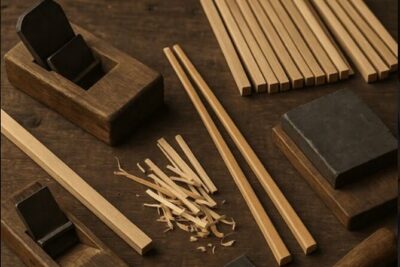
Chopsticks Making Workshop in Gion with Engraving Option
Read our review →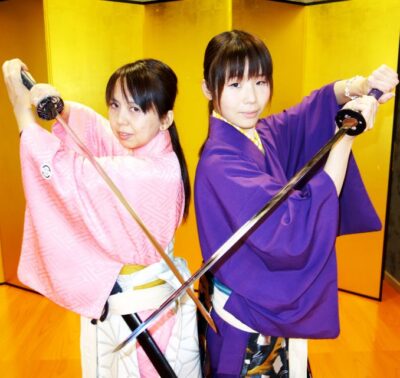
Samurai Sword Class by Experts in Traditional Arts
Read our review →
Ramen Cooking Class at a Ramen Factory with Souvenir
Read our review →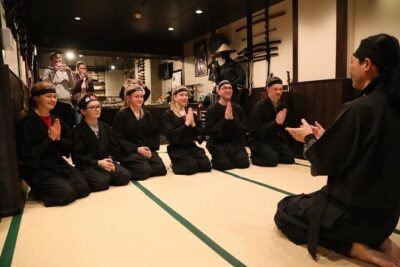
Ninja 1-hour Hands-on Lesson by Japanese master in Kyoto -Entry
Read our review →
The Original Small-Group Sushi Making Class in Kyoto
Read our review →
Japanese Washoku Bento Small Group Cooking Class
Read our review →Browse the lists this tour appears in