
REVIEW · WORKSHOPS
Kyoto: Mindfulness Origami Workshop, Limited 6/8–6/10
Kyoto’s Mindfulness Origami Workshop turns a simple sheet of paper into a quiet hour of concentration. At GojoParadiso, a professional instructor shows you traditional folds, including the familiar crane, while encouraging you to enjoy each step rather than chase perfect results. It is a pleasant way to experience Japanese culture without spending half a day in a museum.
I especially like the small-group format, limited to 10 people, and the choice between colored paper and Japanese-designed paper. I also like that the class suits children and adults, includes supplies, and lets you take your finished pieces home. The main consideration is time: at one hour and $29 per person, this is a short creative activity, not a full cultural lesson or an advanced origami course.
In This Review
- Key points at a glance
- A quiet Kyoto activity with a hands-on payoff
- What happens during the one-hour class
- Why the instructor matters
- Paper choices and the souvenir you make
- GojoParadiso and the setting near Kiyamizu Gojo
- Is $29 a fair price for one hour?
- Who will enjoy this workshop most?
- What this activity does not offer
- Practical tips for a smoother visit
- Should you book the Kyoto origami workshop?
- FAQ
- Where does the origami workshop take place?
- How long is the workshop?
- How much does the experience cost?
- How far is GojoParadiso from Kiyomizu Gojo Station?
- Is the workshop available in English?
- How many people can join the class?
- Are origami supplies included?
- Can children take part?
- Can I take my origami creations home?
- Is cancellation free?
Key points at a glance
- Fold beside the Takase River: GojoParadiso is on Kiyamachi Street, about five minutes from Keihan Kiyomizu Gojo Station.
- Learn from a professional instructor: Instruction is available in English and Japanese, with patient help when a fold becomes confusing.
- Use origami as quiet concentration: The class focuses on the rhythm of folding, not on getting every crease perfect.
- Choose your paper: Colored sheets and traditional Japanese-designed paper give your creations different looks.
- Take home your work: Your origami becomes a small, handmade Kyoto souvenir.
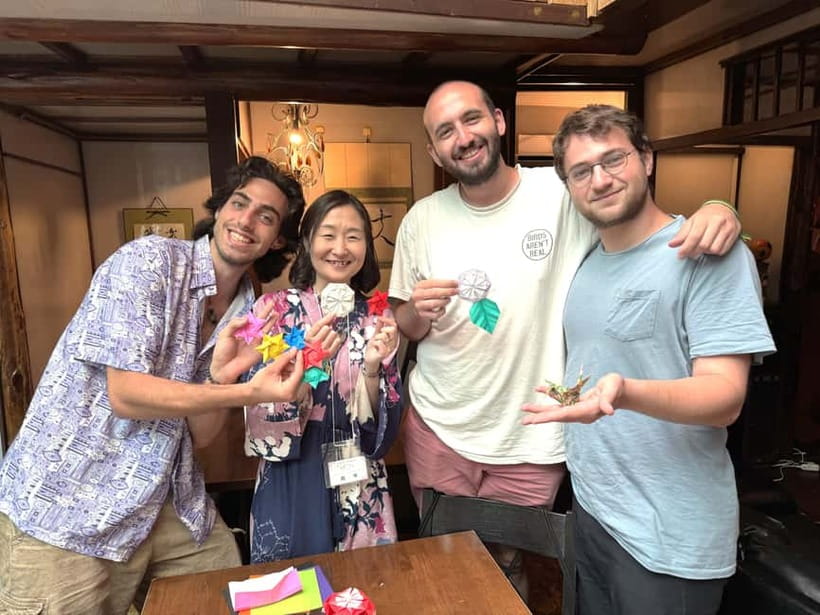
- Finish with a group photo: You get a commemorative picture with the completed pieces.
A quiet Kyoto activity with a hands-on payoff
Many Kyoto activities ask you to look, listen, and follow a guide. This one asks you to use your hands. That difference matters. Folding paper gives you something simple to focus on, and the repeated movements can make the hour feel calmer than a packed sightseeing stop.
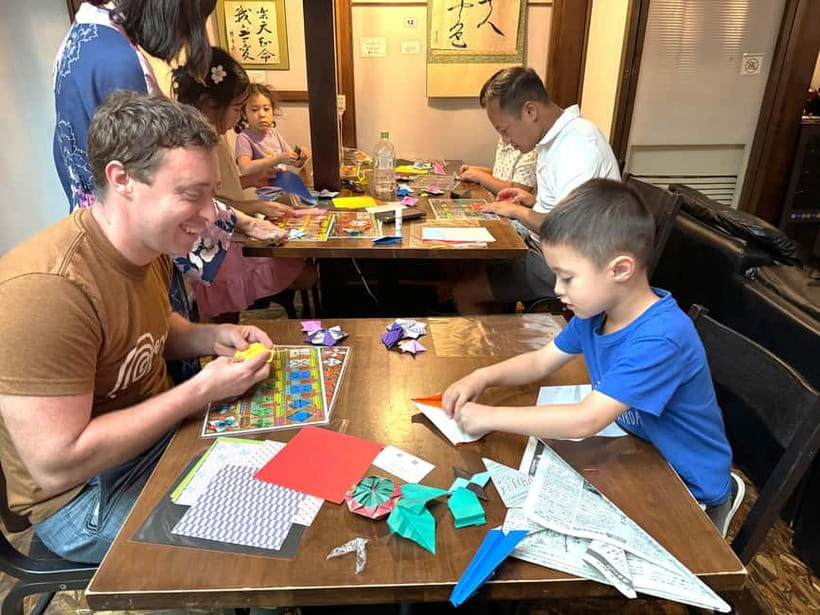
The workshop begins with basic origami techniques and traditional designs. You might start with straightforward folds before moving toward a crane or other playful figures. The instructor demonstrates each stage, then gives you time to copy it. If you get stuck, the class is set up for direct help rather than leaving you to puzzle over a diagram alone.
I like the practical result. You do not just hear about Japanese paper arts and then walk away. You make something yourself, display it during the session, pose for a group photo, and take the finished piece with you. It is a modest souvenir, but it carries more personal meaning than another shop-bought trinket.
The mindfulness theme is also useful for families and mixed-age groups. Children can enjoy the making and the finished figure. Adults can treat the folding as a break from phones, maps, and busy sightseeing schedules. The instructor’s role is not only to show the technique but also to keep the mood patient and relaxed.
More workshops and classes in Kyoto:
- Kyoto: 45-Minute Tea Ceremony Lesson Experience
★ 4.3 · 2,378 reviews - Kyoto : Chopsticks Making Workshop in Gion with Engraving Option
★ 5.0 · 958 reviews - Kyoto: Samurai Sword Class by Experts in Traditional Arts
★ 4.9 · 657 reviews
What happens during the one-hour class
The exact order can vary, but the activity is built around a clear sequence. You meet at GojoParadiso, settle in, receive the paper and other supplies, and learn the first folds from the instructor.
The opening section introduces origami basics. You learn how to align corners, press clean creases, and follow a series of steps without rushing. These small skills are more important than they sound. A slightly crooked first fold can affect the rest of a figure, so the class gives you a chance to slow down and pay attention.
Next comes the traditional design work. Cranes are specifically included among the designs you may learn. The crane is a familiar symbol in Japanese culture, but the value here is practical: it gives you a recognizable project with enough steps to make the finished figure feel earned.
You may also work on fun designs that invite interaction after they are complete. The activity description leaves the exact selection open, which is sensible because the instructor may adjust the projects for the group. If children are present, the pace and designs may differ from a class made up of experienced adults.
The mindfulness element runs through the folding rather than appearing as a separate lecture. You focus on the movement of the paper, the sound of each crease, and the next step in front of you. The aim is not technical perfection. If your crane has a slightly uneven wing, it still represents an hour spent making something with care.
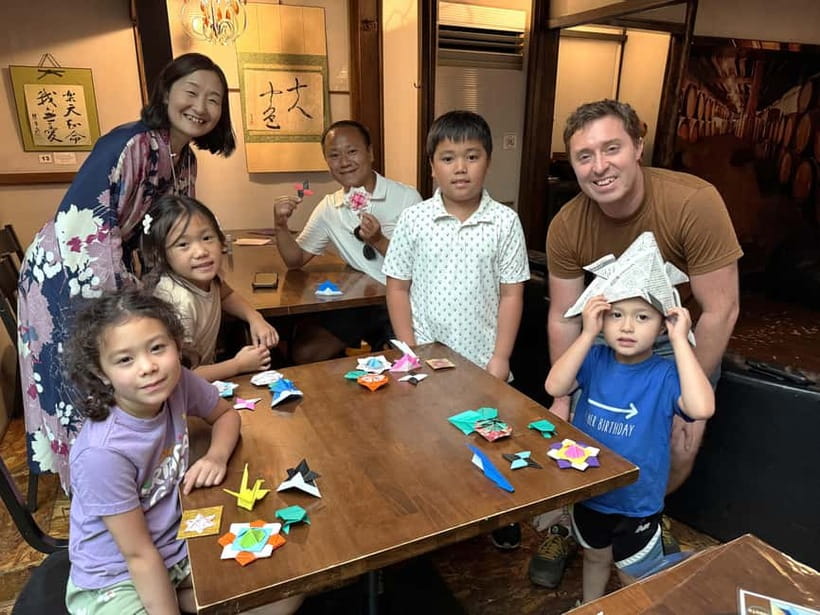
At the end, you can display the finished figures and join a group photo. You then take your origami creations with you. Since supplies are included, you do not need to bring paper or tools.
Why the instructor matters
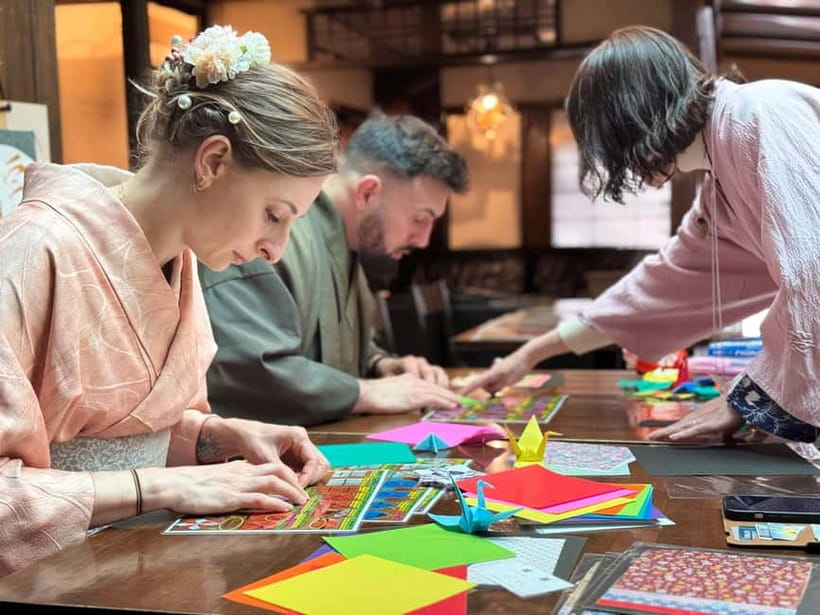
Origami instructions can look simple until you reach the third or fourth fold. A diagram may show the shape but not the pressure, direction, or order needed to get there. A professional instructor can spot the problem quickly and show you how to correct it.
The strongest praise for this class centers on the teacher’s kindness, patience, and clear explanations. One participant specifically described learning several origami skills with help whenever a step became difficult. That is a useful detail for beginners: you should expect guidance, not a test of your folding ability.
The class is offered in English and Japanese. That makes it easier for international visitors to follow the demonstrations and ask for help. Language availability does not mean every explanation will be long or highly technical, but the workshop is designed to welcome an international audience.
I would still approach the class with modest expectations. You are not signing up for a master class in advanced origami. You are learning basic techniques and traditional designs in a friendly setting. For most people, that is the right level for a one-hour activity.
Paper choices and the souvenir you make
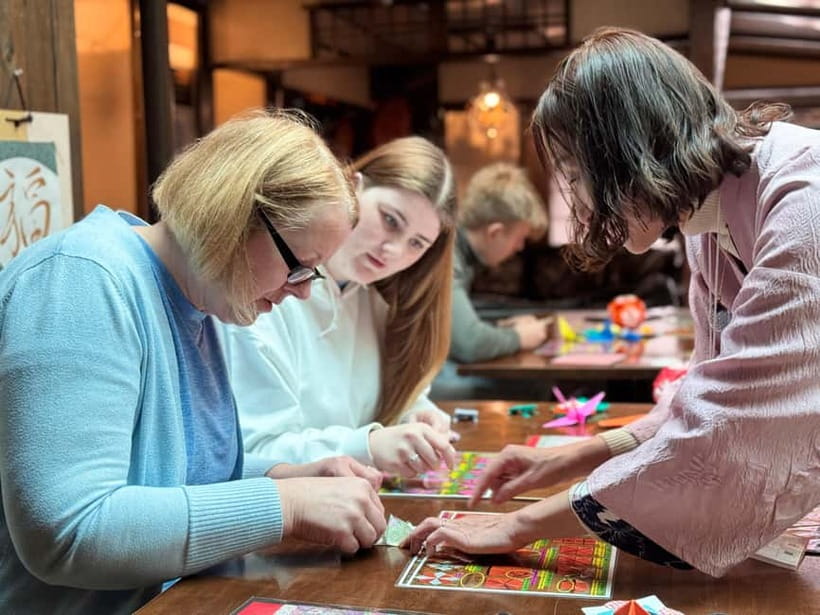
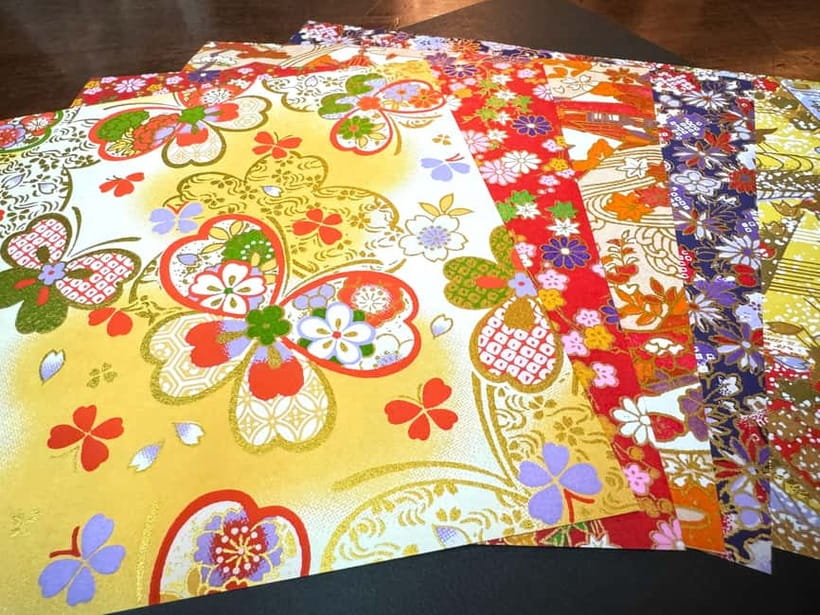
The paper is part of the pleasure. You can choose colored paper or paper with traditional Japanese designs, so your finished crane or other figure can feel either bright and playful or more closely tied to Japanese visual style.
This choice also helps family groups. Children may prefer strong colors, while adults may enjoy selecting a patterned sheet. Since the design and paper become your own small keepsake, the choice gives the activity a personal touch.
Do not expect a large souvenir. Origami is compact by nature, which makes it easy to pack, but it also means the final object is delicate. Place it somewhere in your luggage where it will not be crushed. The workshop provides the materials for use during class, and you can take your finished work home.
The group photo adds another record of the activity. You get a picture of the people and their completed pieces, rather than only a paper figure that may not survive a long trip in perfect shape.
A completely different side of Kyoto:
- PERFECT KYOTO 1-Day Bus Tour
★ 5.0 · 13,518 reviews - Kyoto: Fushimi Inari, Kinkakuji, Bamboo Grove 1 Day Bus Tour
★ 4.8 · 4,316 reviews - Kyoto: Tea Ceremony in a Traditional Tea House in Kiyomizu
★ 4.9 · 3,519 reviews - Kyoto Geisha Walking Tour: Gion District & Hidden Gems
★ 4.7 · 3,273 reviews
GojoParadiso and the setting near Kiyamizu Gojo
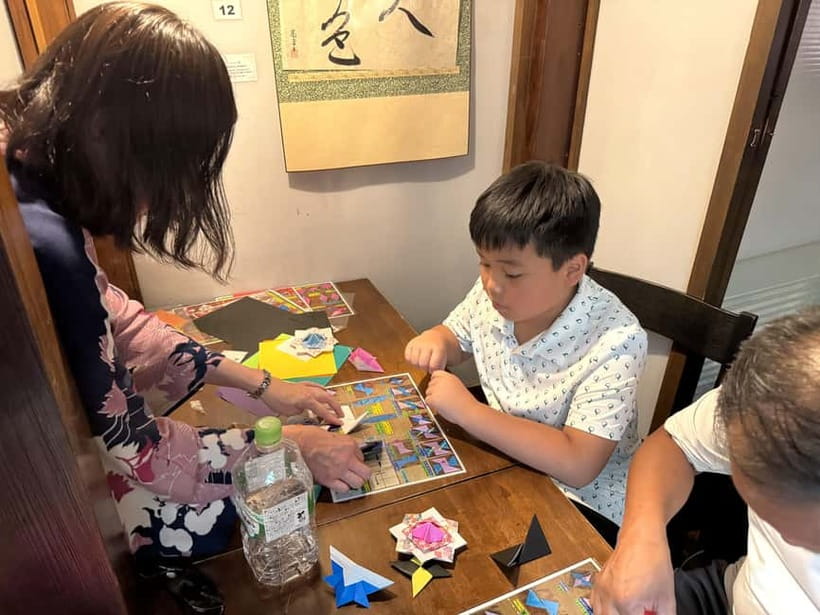
GojoParadiso is on Kiyamachi Street along the Takase River. The meeting point is about a five-minute walk from Keihan Kiyomizu Gojo Station and about 10 minutes from Keihan Shichijo Station. It is listed as 386 meters from Kiyomizu Gojo Station.
That location makes the workshop easy to pair with other Kyoto plans in the same part of town. You do not need to arrange a special transfer or travel far outside the central sightseeing area. Check the route before you leave, since a short station walk can still take longer if you are carrying luggage or navigating unfamiliar streets.
The setting also helps the class feel connected to Kyoto rather than placed in a generic conference room. The activity takes place near the Takase River and on Kiyamachi Street, giving you a recognizable local setting before and after the folding.
The meeting point is wheelchair accessible, an important practical advantage. The supplied details do not describe the full accessibility of every route or restroom, so if you have specific mobility needs, confirm those points before booking.
Is $29 a fair price for one hour?
At $29 per person, the workshop is not the cheapest way to fill an hour in Kyoto. You are paying for an instructor-led activity, origami supplies, a small group, and the chance to learn a traditional craft with personal assistance.
The value improves if you want an organized cultural activity with no equipment to buy or prepare. It can also be a good use of a rainy hour, a slower afternoon, or a break between larger sightseeing plans. The included supplies and take-home creations mean the cost covers more than simply watching a demonstration.
The value is weaker if you already fold origami confidently or want a long, detailed study of Japanese paper arts. A one-hour class can introduce the basics, but it cannot cover a large range of designs or advanced methods.
The flexible booking terms help reduce the risk. You can reserve now and pay later, and cancellation is free up to 24 hours in advance for a full refund. That is useful when your Kyoto schedule depends on weather, train timing, or a busy family itinerary.
Who will enjoy this workshop most?

I would recommend this activity to families, couples, solo visitors, and first-time origami makers who want a calm hands-on experience. It is especially well suited to people who prefer doing something creative over listening to another guided explanation.
It also works well for a mixed group. One person can be completely new to folding while another has some experience. The instructor can offer help along the way, and the focus on process means nobody needs to produce a flawless figure.
Children are welcome, but adults should consider the child’s ability to concentrate for an hour. The class is gentle rather than high-energy. A child who enjoys drawing, crafts, or building may take to it quickly. A child who needs constant movement may find the slow folding harder.
Solo visitors can also feel comfortable here. The small group and shared project provide an easy social setting without requiring conversation. You can concentrate quietly, ask questions, and still leave with a personal souvenir.
What this activity does not offer
This is not a full-day craft workshop, a temple tour, or a broad introduction to Japanese culture. The cultural experience comes through the act of folding, the traditional designs, the paper choices, and the instructor’s guidance.
You should also not book it expecting a private lesson. The group is limited to 10 participants, which is small enough for help but still means the instructor’s attention is shared. If the class fills with families and beginners, the pace may be set for the group rather than tailored entirely to you.
The short duration is both a strength and a limit. One hour fits neatly into a Kyoto schedule, but it leaves little room for long stories, many complex designs, or extended free practice. I see this as an introduction and a pleasant pause, not a complete course.
Practical tips for a smoother visit
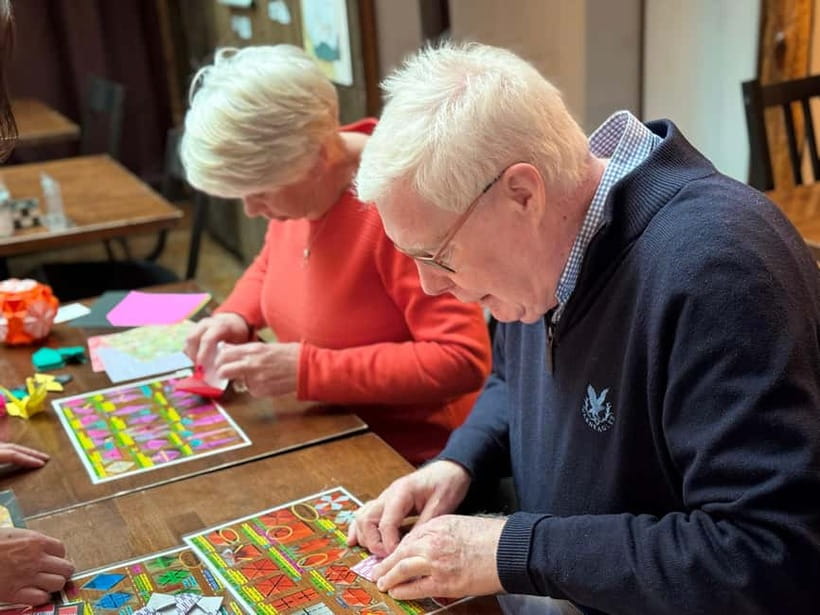
Arrive with enough time to find GojoParadiso on Kiyamachi Street. The station walks are short, but Kyoto streets can be unfamiliar, and the meeting point is more useful when you locate it without rushing.
Wear or bring a mindset suited to careful handwork. You do not need special clothing or equipment, but you will get more from the class if you are ready to slow down and follow one step at a time.
If you are booking for children, explain that the goal is to enjoy the folding rather than make a perfect crane. That matches the workshop’s mindfulness approach and can prevent frustration when a crease goes wrong.
Consider pairing the activity with nearby plans before or after class. Since the workshop lasts only one hour, it can fit into a larger day without taking over your schedule. The location near Kiyamizu Gojo and Shichijo makes that flexibility one of its better features.
Should you book the Kyoto origami workshop?
Book it if you want a short, calm, hands-on taste of Japanese culture and like the idea of leaving with something you made. The patient instruction, English and Japanese support, small group, included supplies, and take-home figures give the $29 price a reasonable purpose.
Skip it if you want advanced origami, a long cultural lecture, or a major sightseeing attraction. For beginners, families, and anyone needing a quiet hour in Kyoto, this is a thoughtful choice. Go in ready to concentrate, accept imperfect folds, and enjoy the making.
FAQ
Where does the origami workshop take place?
It takes place at GojoParadiso along the Takase River on Kiyamachi Street in Kyoto.
How long is the workshop?
The workshop lasts one hour.
How much does the experience cost?
The listed price is $29 per person.
How far is GojoParadiso from Kiyomizu Gojo Station?
GojoParadiso is about a five-minute walk from Keihan Kiyomizu Gojo Station and is listed as 386 meters from the station.
Is the workshop available in English?
Yes. The instructor languages are English and Japanese.
How many people can join the class?
The activity is a small group limited to 10 participants.
Are origami supplies included?
Yes. Origami supplies for use during the class are included.
Can children take part?
Yes. The workshop is designed for children and adults.
Can I take my origami creations home?
Yes. You can take your completed origami pieces with you as souvenirs.
Is cancellation free?
You can cancel up to 24 hours in advance for a full refund. You can also reserve now and pay later.
Recently added around Kyoto
- Higashiyama | Kyoto: Sakura Season Private Rickshaw Tour★ 5.0 · 3 reviews
- Kyoto Kimono Rental CHAMATSU|Kimono/Yukata Rental FamilyPlan★ 5.0 · 3 reviews
- Kyoto: Half-Day Private Guided Tour to the Old Town of Gion★ 4.4 · 3 reviews
- Nara Private Customizable Half Day Tour★ 5.0 · 3 reviews
- Kansai Region Hiking Adventure in Nara Kobe Kyoto and More★ 5.0 · 3 reviews
- Full Day Nara Deer, Temple, Shrine, Activities & Tea Ceremony★ 5.0 · 3 reviews
- Nara: Essential Private Tour with Deer Park and Temples★ 5.0 · 3 reviews
- Hiking Tour for Sacred Sites in Kyoto with a Guide★ 5.0 · 3 reviews
Workshops, compared.
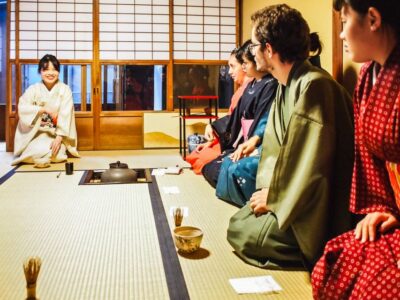

Chopsticks Making Workshop in Gion with Engraving Option
Read our review →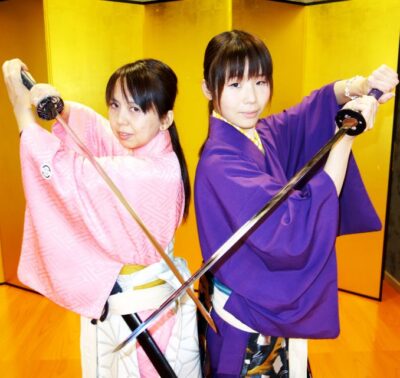
Samurai Sword Class by Experts in Traditional Arts
Read our review →
Ramen Cooking Class at a Ramen Factory with Souvenir
Read our review →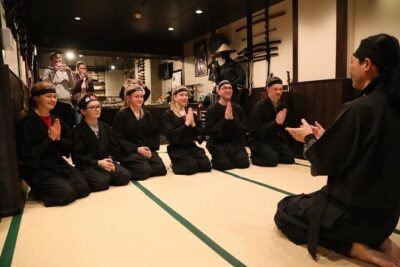
Ninja 1-hour Hands-on Lesson by Japanese master in Kyoto -Entry
Read our review →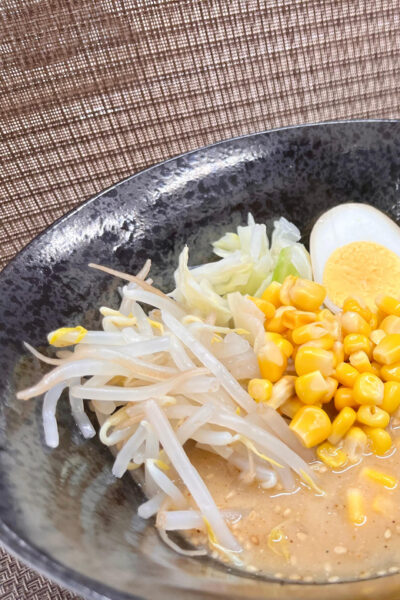
The Original Small-Group Sushi Making Class in Kyoto
Read our review →
Japanese Washoku Bento Small Group Cooking Class
Read our review →Browse the lists this tour appears in