
REVIEW · KYOTO MATCHA EXPERIENCES
Kyoto Matcha Green Tea Tour
Uji is where Kyoto’s matcha story becomes real. Instead of only drinking a bowl of green tea in the city, you’ll walk through the town that produces it, visit local tea shops, watch matcha being prepared, and sample several tea-based treats. The route also includes Byodoin Temple, the UNESCO-listed landmark printed on Japan’s 10-yen coin.
I like the way this tour combines food with place. Lunch is included, and so are matcha tastings, wagashi sweets, and matcha ice cream, so you get more than a single formal tea ceremony. I also like the small maximum group of 10, which should make translation and questions easier.
The main drawback is the price: at $221 per person, this is a serious spend for just over three hours. Transportation and hotel pickup are not included, and the experience is not suitable for vegans or people requiring gluten-free food.
In This Review
- Key points at a glance
- Why Uji makes a better tea stop than a city cafe
- Meeting at Uji Station at 11 a.m.
- Tasting matcha, hojicha, sweets, and ice cream
- Local tea shops and shopping time
- Uji Shrine and the quieter side of town
- Crossing Amagasetsuri Bridge by the Uji River
- Masuda Chaho and the final cup
- Byodoin Temple and the famous 10-yen view
- Is $221 a fair price for three hours?
- Who will get the most from this tour?
- Practical details before you book
- Should you book the Kyoto Matcha Green Tea Tour?
- FAQ
- Where does the Kyoto Matcha Green Tea Tour start?
- Where does the tour end?
- How long does the tour last?
- Is lunch included?
- What food and drink are included?
- Is transportation included?
- Is Byodoin Temple included?
- Is the tour suitable for vegetarians?
- Is the tour suitable for vegans or people avoiding gluten?
- What happens if bad weather cancels the tour?
Key points at a glance
- Uji is the focus: You explore Kyoto’s best-known tea town rather than staying in central Kyoto.
- Several tea tastes are included: Matcha, hojicha, sweets, and matcha ice cream give you a broader sense of Japanese tea culture.
- Lunch is part of the plan: You do not need to find a restaurant during the tour.
- Tea making is demonstrated: You can watch how matcha is crafted instead of only ordering a finished drink.
- Byodoin Temple adds a major cultural sight: The tour ends near one of Japan’s best-known Buddhist temples.
- The group is capped at 10: This suits you if you want help with translation and room for questions.
Why Uji makes a better tea stop than a city cafe
Uji sits south of Kyoto and is closely tied to high-quality Japanese green tea. The town gives the drink a sense of place. You are not simply hearing that matcha is important in Japan. You are seeing the tea shops, tasting local products, and walking through the streets where tea is sold as both an everyday drink and a prized specialty.
That matters because matcha can taste very different depending on how it is prepared and what you eat with it. A guided tasting gives you a chance to compare flavors rather than deciding that all green tea tastes the same. The included hojicha, a roasted green tea, should also offer a useful contrast to matcha’s more familiar grassy character.
The experience is built for people who want cultural context without spending a full day on a formal tea course. In a little over three hours, you see several sides of Uji: tea production and retail, local food, Shinto sites, the Uji River area, and Byodoin Temple.
You should expect a food-focused walk rather than a strenuous hike. A moderate level of fitness is requested, and you will be on your feet while moving between the station, shops, shrines, and temple area.
More matcha tastings and workshops:
- World Heritage Kyoto & Nara Uji Authentic Matcha Experience
★ 5.0 · 1,573 reviews - Matcha Grinding Experience and Walking Tour in Uji Kyoto
★ 5.0 · 26 reviews - Slow Cycling Tour at Uji’s Matcha Green Tea Fields and Heritage
★ 5.0 · 25 reviews
Meeting at Uji Station at 11 a.m.
The tour starts at Uji Station at 11 a.m. This is useful if you are staying in Kyoto and want a morning to reach the area without rushing. Since hotel pickup is not provided, you need to arrange your own transport to the station, and the cost of getting there is separate from the $221 tour price.
Starting at a station also gives the tour a practical shape. You meet in a clear public place, then begin in the town itself instead of being dropped at a restaurant or tea room. The end point is near Byodoin Temple and the shopping streets around it, so you can continue exploring after the guided portion.
The timing works well for lunch. You begin late enough to avoid an early start, but not so late that the meal feels like an afterthought. Bring a mobile ticket and wear comfortable shoes. The published timing is approximately three hours and 15 minutes, though the listed sightseeing portion is also described as about three hours, so allow a little flexibility.
Tasting matcha, hojicha, sweets, and ice cream
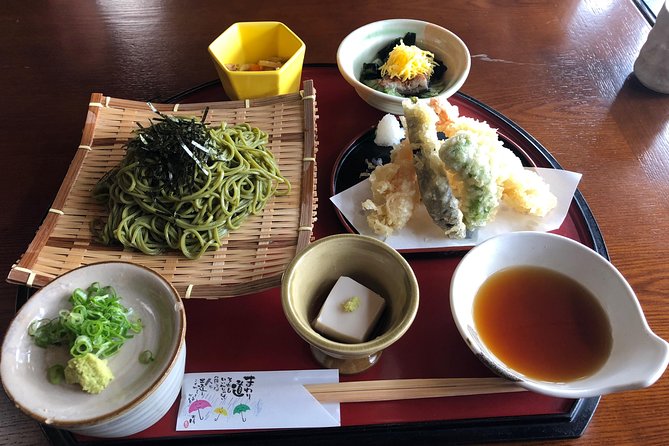
The food is one of the strongest reasons to consider this experience. Matcha tasting is included, along with wagashi sweets and matcha ice cream. Lunch is served at a restaurant, and a tea experience is included as part of the meal plan.
I like this mix because it avoids making tea feel too solemn. You can learn about a traditional drink, then see how its flavor works in a sweet or frozen dessert. If you are new to matcha, the ice cream and wagashi may be an easier entry point than a strong unsweetened cup.
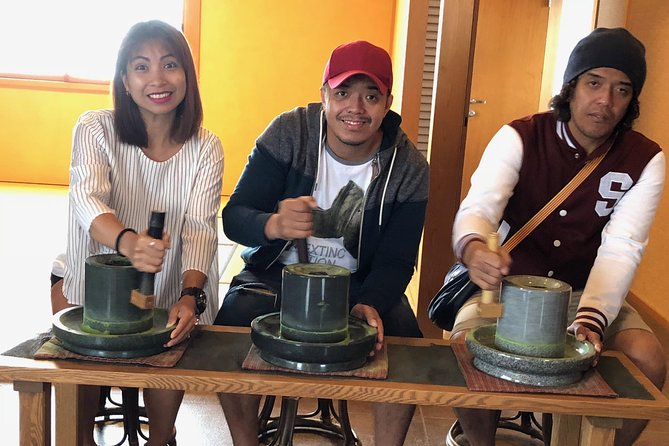
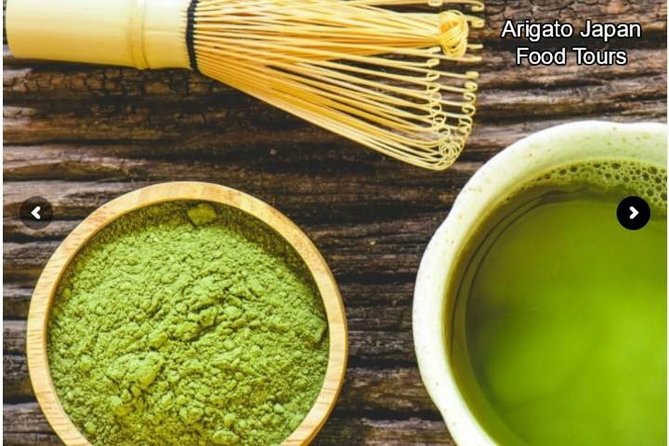
The tea tasting is also more useful when paired with the demonstration. You watch matcha being made, then taste the result. That connection helps you notice the preparation itself, not just the color of the drink. The experience is meant to show how to craft the perfect cup, so pay attention to the method and ask questions while the guide is translating.
Diet is an important consideration. The tour is vegetarian-friendly, but it is not recommended for vegans or people following a gluten-free diet. The supplied details do not promise a full menu breakdown, so you should contact the provider before booking if you have an allergy or strict dietary requirement.
Local tea shops and shopping time
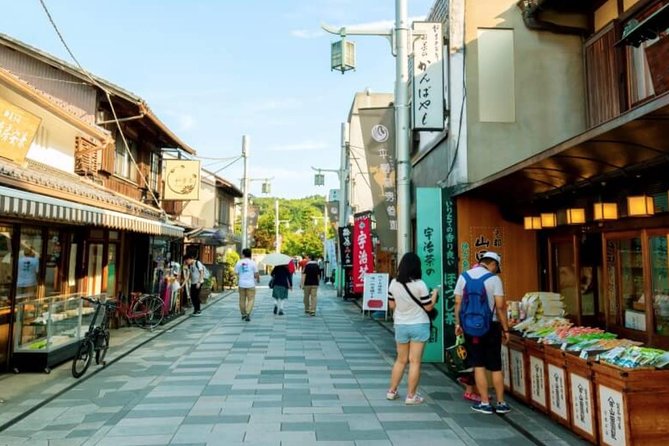
Uji’s tea shops are not just souvenir stops. They are where you can compare packaged tea, sweets, and other products tied to the town’s main specialty. The guided shopping time is useful if you want help understanding what you are buying, especially when labels and preparation instructions are unfamiliar.
The guide can also help with translation. That can make a real difference in a small shop, where you may want to ask about the difference between matcha and hojicha, how to prepare a product, or how long it will keep. You are still free to decide what, if anything, you want to purchase.
The shopping portion is a good fit if you want a practical souvenir rather than a generic Kyoto trinket. Tea is easy to pack, and Uji gives it a clear connection to the place you visited. Still, remember that shopping costs are not included. The tour fee covers the stated tastings, lunch, and tea activities, not personal purchases.
A completely different side of Uji:
- Uji: Green Tea Tour with Byodoin and Koshoji Temple Visits
★ 4.8 · 72 reviews - Uji: UNESCO Heritage & Tea Ceremony Walking Tour
★ 4.6 · 54 reviews - Uji and Wazuka Matcha Farm Half Day Private Guided Tour
★ 5.0 · 21 reviews - Uji Tea Ceremony and UNESCO Heritage Walking Tour
★ 5.0 · 20 reviews
Uji Shrine and the quieter side of town
Uji Shrine adds a Shinto dimension to the day. It is a historic shrine in a peaceful setting and is often visited with nearby Ujigami Shrine. The supplied route specifically names Uji Shrine, while the broader description refers to the area’s cultural and spiritual importance.
This stop gives the tour a needed change of pace. Tea shops and food can make any walking tour feel commercial, while a shrine offers a quieter look at local religious tradition. You can take in the setting, observe the architecture, and better understand that Uji is more than a tea brand.
The details provided do not promise an extended guided visit inside the shrine, so you should not book this tour expecting a long religious lecture. Think of it as one part of a compact town walk, with tea, food, and major sightseeing sharing the schedule.
Crossing Amagasetsuri Bridge by the Uji River
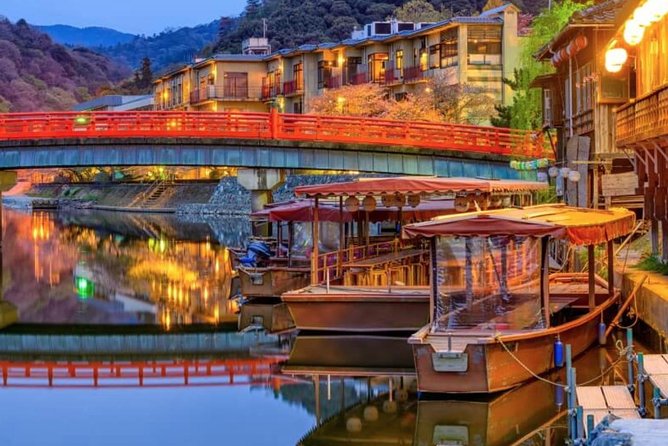
Amagasetsuri Bridge is described as a wooden suspension bridge with views of the Uji River and the tea shops nearby. The bridge adds a scenic walking section to a tour that could otherwise spend most of its time indoors at restaurants and tea shops.
The river setting is especially welcome after tasting several foods. You get a chance to walk, take photographs, and see Uji from a different angle. The bridge also gives the route a traditional feel, linking the town’s natural surroundings with its older streets and tea businesses.
You should be comfortable crossing a wooden suspension bridge and walking at a moderate pace. No special equipment is listed, but sensible shoes are a good idea. Weather can affect the experience, since the tour requires good conditions and may be changed or canceled if the weather is poor.
Masuda Chaho and the final cup
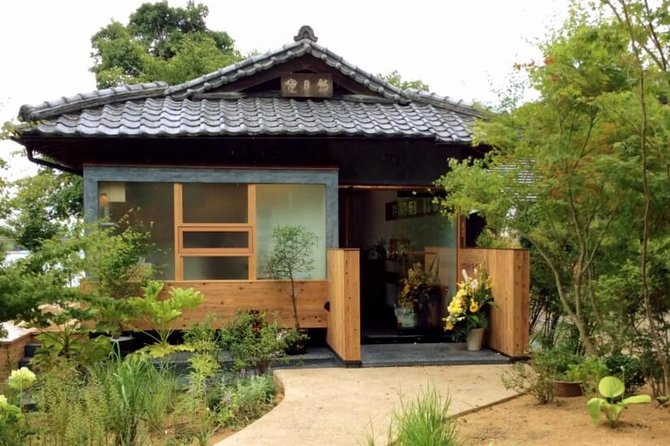
Masuda Chaho is a tea shop where you can finish with a cup of premium Uji matcha or hojicha. This final tasting gives you one more chance to compare the two styles, and it provides a calm ending before you move into the Byodoin shopping area.
The stop makes sense as a conclusion because you have already seen tea preparation, sampled tea with food, and visited shops. Here, you can simply enjoy a final cup and think about what you liked best. If you want to bring tea home, this is also a natural point to ask questions before making a purchase.
The shop atmosphere is described as relaxing, but the exact serving style and available products can change. Restaurant schedules, public holidays, weather, and other unforeseen issues may lead to substitutions. The provider does not promise that every named stop will operate exactly the same way on every date.
Byodoin Temple and the famous 10-yen view
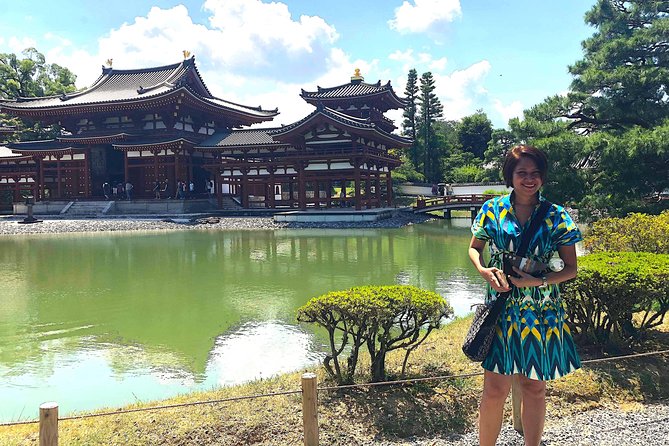
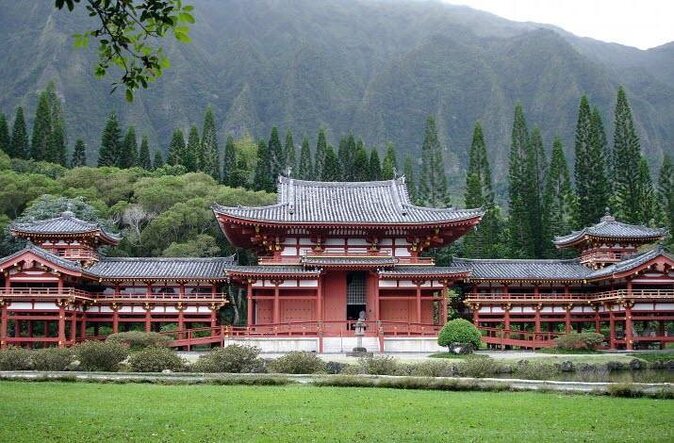
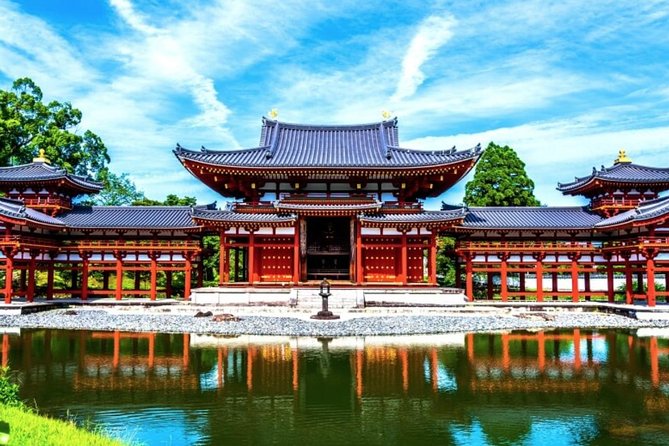
Byodoin Temple is the tour’s major historical sight. The temple is a UNESCO World Heritage Site and one of the most recognizable places in Uji. Its Phoenix Hall appears on the Japanese 10-yen coin, giving you a fun visual detail to look for when you arrive.
The temple visit is listed as a short stop, about five minutes, so keep your expectations realistic. You will see an important landmark, but this is not a full temple tour with extensive time for every building, garden, or museum area. The schedule gives priority to tea and food, with Byodoin serving as the cultural high point near the end.
Admission is listed as free in the supplied details, but the short timing and wording around admission mean you should confirm what is covered if entering specific paid areas matters to you. The tour ends at Byodoin Temple, with shopping streets nearby, so you can stay on your own afterward if you want more time.
Is $221 a fair price for three hours?
At $221 per person, this tour is not a bargain walking tour. The price is easier to justify if you would otherwise pay separately for a tea tasting, lunch, several sweets, a local guide, and help navigating shops in Uji.
The value comes from the combination. You get a local tea experience, matcha making, tastings, wagashi, matcha ice cream, restaurant lunch, shopping time, shrine and bridge visits, and a stop at Byodoin Temple. You also avoid the work of researching which tea shops to visit and how to manage the food stops.
Still, the tour is not ideal if you are already comfortable traveling independently in Japan. Uji can be visited without a guide, and you may spend less by choosing your own tea shop and restaurant. The guided format earns its keep mainly through translation, organization, and the chance to sample several things within a short window.
The maximum group size is 10, which helps protect the quality of the experience. It is not a private tour, but it is small enough that the guide should be able to keep the group together and respond to questions. A solo visitor is asked to email the provider, so solo bookings may need extra confirmation.
Who will get the most from this tour?
I would recommend this experience to you if matcha is a central reason for visiting Japan, or if you want an easy introduction to Japanese tea culture without committing to a full-day excursion. It also suits food-focused visitors who like to learn through tasting.
Families can consider it, since the experience is family-friendly and children must be accompanied by an adult. Passport information is required for children aged 10 and above, so prepare a copy if that applies to your group.
The tour is less suitable for you if you need vegan or gluten-free food, dislike shopping stops, or want a long, detailed temple visit. It also may not fit if your schedule is tight, since the tour begins at 11 a.m. and ends near Byodoin rather than returning you to your hotel.
You should also keep an eye on the minimum group requirement. If the minimum is not met, the provider may offer another date or experience, or a full refund.
Practical details before you book
Confirmation is provided at booking, and the experience uses a mobile ticket. You need to reach Uji Station on your own for the 11 a.m. start. Public transportation is nearby, but transportation costs are not included.
Children need adult supervision. The minimum drinking age is listed as 21, though the supplied details do not specify an alcoholic drink as part of the tour. If this rule concerns your group, ask the provider for clarification before booking.
Weather and scheduling can affect the route. Restaurants may close, holidays may alter opening times, and other unexpected changes can lead to substitutions. If poor weather cancels the tour, you can receive a different date or a full refund.
Cancellation is flexible up to 24 hours before the start time. Cancel at least 24 hours ahead for a full refund. Changes or cancellations inside that window are not accepted for a refund.
Should you book the Kyoto Matcha Green Tea Tour?
Book it if you want Uji explained through tea, food, and local sites in one compact outing. The included lunch and broad range of tastings make it more useful than a single-cup tea stop, while the small group and translation support can remove much of the uncertainty that comes with shopping and ordering in an unfamiliar place.
Skip it if $221 feels too high for a short tour, or if you need vegan or gluten-free meals. I would also choose another option if Byodoin Temple is your main goal and you want plenty of time inside the temple grounds.
For matcha fans, families, and first-time visitors to Uji, the mix is appealing: learn how tea is made, taste it several ways, walk by the river, see a shrine, and finish near one of Japan’s most famous temples. Just treat the temple visit as a brief part of a tea-and-food tour, not the main event.
FAQ
Where does the Kyoto Matcha Green Tea Tour start?
The tour starts at Uji Station in Uji, Kyoto. The meeting time is 11 a.m.
Where does the tour end?
The tour ends at Byodoin Temple, near the shopping streets in the Byodoin area.
How long does the tour last?
The approximate duration is 3 hours and 15 minutes. The sightseeing portion is also listed as about three hours.
Is lunch included?
Yes. A set lunch at a restaurant is included.
What food and drink are included?
The experience includes matcha tasting, a tea experience, wagashi sweets, and matcha ice cream. Lunch is also included.
Is transportation included?
No. Hotel pickup and drop-off are not included, and transportation costs are separate.
Is Byodoin Temple included?
Yes. The route includes a visit to Byodoin Temple, a UNESCO World Heritage Site. The listed visit time is about five minutes.
Is the tour suitable for vegetarians?
Yes. The experience is vegetarian-friendly.
Is the tour suitable for vegans or people avoiding gluten?
No. It is not recommended for vegans or people requiring gluten-free food.
What happens if bad weather cancels the tour?
If poor weather causes a cancellation, you will be offered a different date or a full refund. Free cancellation is also available when you cancel at least 24 hours before the start time.
Recently added around Uji
- Uji Walking Tour – Byodo-in temple and Tea Ceremony from Kyoto★ 3.5 · 3 reviews
- Kyoto: Uji Matcha Tea Museum Entry Ticket★ 5.0 · 5 reviews
- Utilising upcycled Matcha! Creating matcha incense (Uji, Kyoto)★ 5.0 · 6 reviews
- Kyoto Hidden Riverside Zen Mediation and Uji Matcha Experience★ 5.0 · 9 reviews
- Cycling Tour at Uji’s Matcha Green Tea Fields and Heritage★ 5.0 · 10 reviews
- Uji: Private immersion into Kyoto’s tea and reglious culture★ 5.0 · 17 reviews
- Kyoto Early Bird Tour in Uji and Fushimi Inari★ 5.0 · 18 reviews
- Uji Tea Ceremony and UNESCO Heritage Walking Tour★ 5.0 · 20 reviews
Kyoto Matcha Experiences, compared.
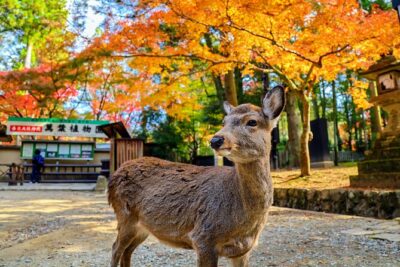
World Heritage Kyoto & Nara Uji Authentic Matcha Experience
Read our review →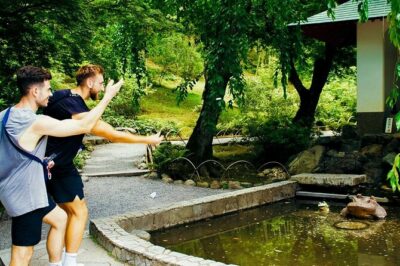
Arashiyama Bamboo Forest, Monkeys, Matcha & Temple Tour
Read our review →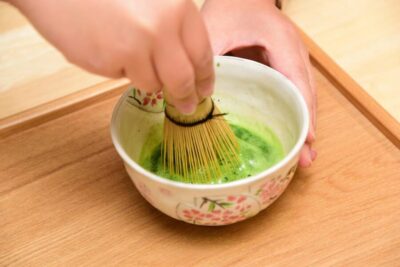
Tea Museum Tickets and Matcha Grinding Experience
Read our review →
Tea Ceremony Meditation – Make Matcha with Tea Master
Read our review →Arashiyama Bamboo, Matcha, Monkeys & Temple Tour
Read our review →
Arashiyama Bamboo, Temple, Matcha, Monkeys & secret spots
Read our review →
Browse the lists this tour appears in