
REVIEW · WORKSHOPS
Kyoto: Make Your Own “Daruma” Craft & Painting Workshop
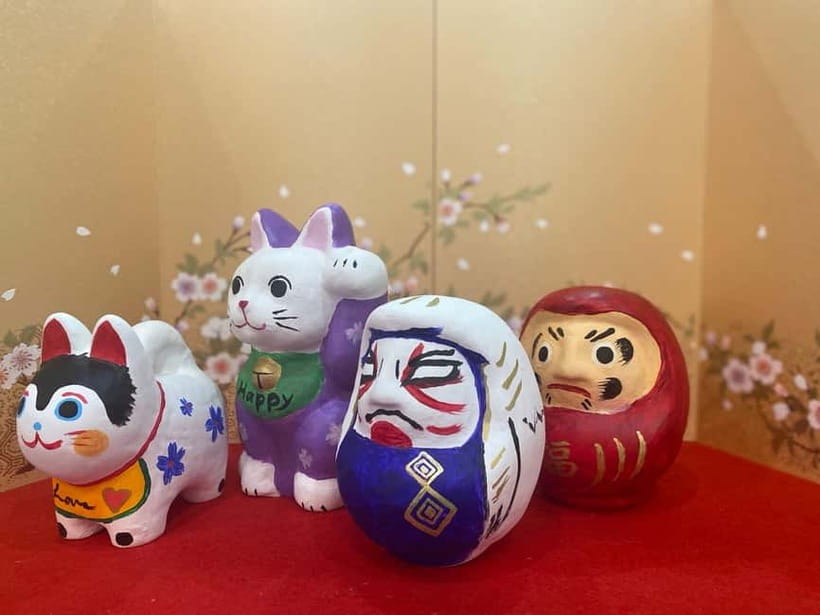
Kyoto has plenty of temples to visit, but this small workshop gives you something many sightseeing stops cannot: a souvenir made by your own hands. You choose a papier-mâché daruma, beckoning cat, dog, or Kitsune fox, then paint it in your own style with help from local craft artist May.
I like the calm, personal setting and the freedom to work without someone hovering over your shoulder. I also like the sensible $25 price, which covers materials, a drink, and a traditional Japanese sweet. The main consideration is that this is a creative activity, not a formal temple tour, so you should book it for hands-on time rather than an hour-by-hour history lesson.
In This Review
- Key points at a glance
- Why a two-hour craft class belongs in a Kyoto itinerary
- Entering the boutique workshop with May
- Choosing between a daruma, cat, dog, and Kitsune
- Painting your papier-mâché keepsake
- Tea, sweets, and a slower pace
- A useful rainy-day break from temples
- Why the small group makes a difference
- What the $25 price really covers
- Who should book this workshop
- Practical details before you reserve
- Should you book the Kyoto daruma painting workshop?
- FAQ
- How long does the Kyoto craft workshop last?
- How much does the activity cost?
- What can I paint during the workshop?
- Are the craft materials included?
- Is a drink included?
- Is Japanese confectionery included?
- Is the workshop taught in English?
- Do I need previous art experience?
- How many people can join the workshop?
- Is the activity wheelchair accessible?
Key points at a glance
- Choose your own figure: Paint a daruma, lucky cat, dog, or Kitsune fox in a style that feels personal.
- Smallest of small groups: With no more than four participants, the workshop feels closer to private instruction than a busy class.
- May lets you work your own way: She offers help and suggestions, while leaving room for your own ideas.
- Tea and a Japanese sweet are included: The complimentary refreshment adds a pleasant pause while your paint dries.
- A good rainy-day plan: The indoor workshop gives you a creative alternative when Kyoto’s weather turns wet.
- Easy for beginners and families: No previous art skill is needed, and the activity suits adults and children.
Why a two-hour craft class belongs in a Kyoto itinerary
Kyoto can become a parade of gates, gardens, shoes-off interiors, and crowded photo spots. Those sights matter, but after several days of looking, you may want to make something instead.
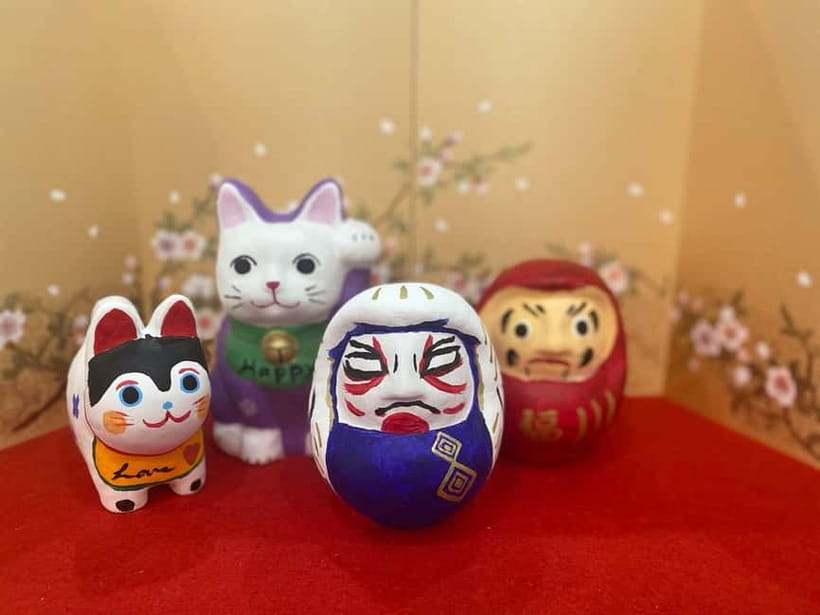
That is the useful role of this workshop. You spend two hours in a renovated boutique craft shop, working at your own pace and learning about the meaning behind traditional Japanese figures. The result is not a mass-produced magnet. It is an object with your fingerprints, color choices, and small imperfections still visible.
I especially like this kind of activity for a middle day in Kyoto. It gives your feet a rest without wasting an afternoon, and it leaves you with a memory that does not disappear into your camera roll.
The class is taught in English, so you can ask questions and follow the instructions without needing prior knowledge of Japanese craft. The tone is relaxed rather than academic. You will learn about the symbolism of your chosen shape while spending most of the time painting.
More workshops and classes in Kyoto:
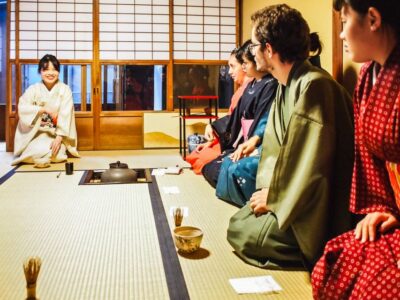
- Kyoto: 45-Minute Tea Ceremony Lesson Experience
★ 4.3 · 2,378 reviews - Kyoto : Chopsticks Making Workshop in Gion with Engraving Option
★ 5.0 · 958 reviews - Kyoto: Samurai Sword Class by Experts in Traditional Arts
★ 4.9 · 657 reviews
Entering the boutique workshop with May
The meeting point is simple: enter the workshop when you arrive, and your host will greet you. This matters in Kyoto, where many experiences meet beside a station or at the entrance to a large attraction. Here, the workshop itself is the destination.
The setting is a small shop with handmade goods, including silk kimono crafts, bags, lacquer boxes, and other one-of-a-kind pieces. The shop is part studio, part retail space, so you may find yourself browsing after the class. Buying something is not part of the activity, but the handmade items give you a look at the host’s wider craft work.
May is described as a kind and encouraging local artist. Her approach suits people who want guidance but do not want a rigid lesson. You can ask for suggestions about colors, patterns, or details, then return to your own plan.
That balance is important. Some craft classes move too fast or make every piece look the same. Here, the activity is self-directed. May offers advice when you need it, while giving you room to make the figure your own.
One small point to watch: the host’s name appears as May and Mei in different booking information. If you need to identify her at the door, use the workshop name and arrival details rather than relying only on the spelling of the first name.
Choosing between a daruma, cat, dog, and Kitsune
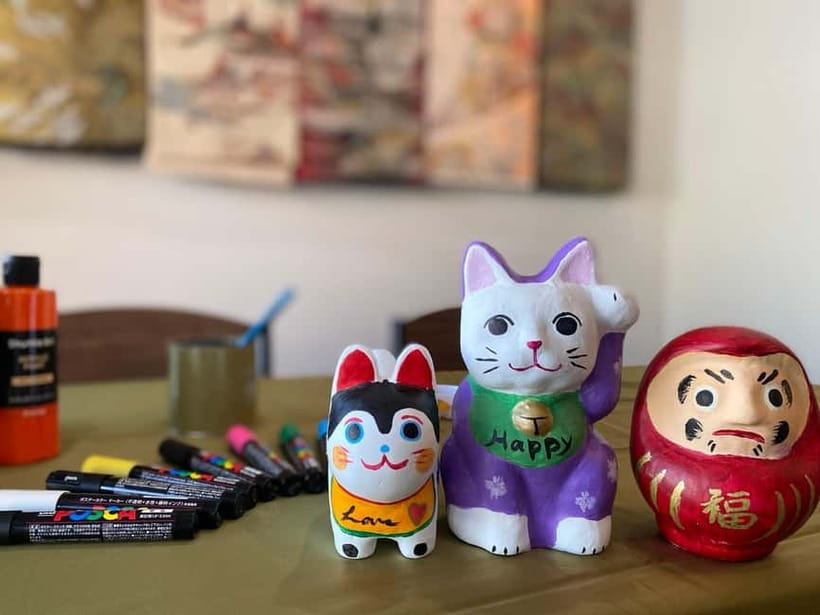
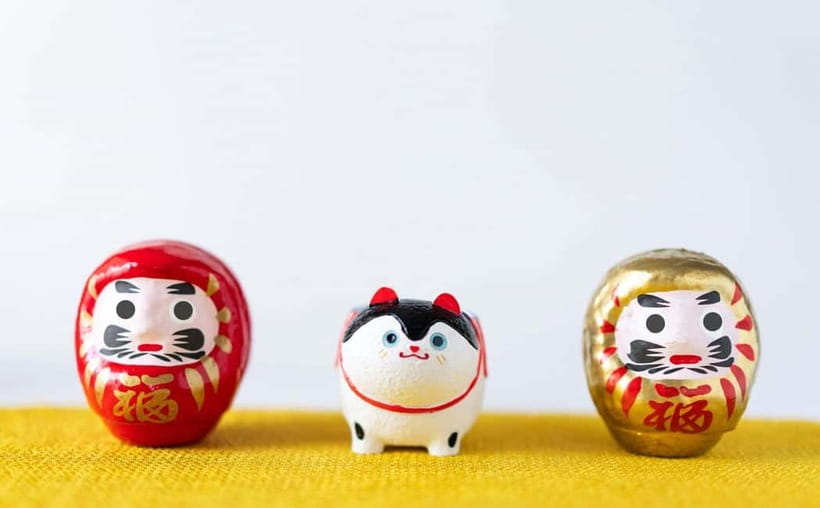
The first creative decision is the figure itself. You can paint a traditional daruma, a beckoning cat, a dog, or a Kitsune fox.
A daruma is linked with determination and wishes. Its rounded, bold shape gives you a good canvas for strong colors, facial details, and symbols that mean something to you. It is the natural choice if you want a classic Japanese keepsake with a clear connection to perseverance.
The beckoning cat, often seen in shops and restaurants, has a more playful look. Its raised paw gives the figure an instantly recognizable character, and it may appeal to children or anyone who wants a cheerful decoration.
The dog and Kitsune offer more freedom for personal interpretation. A fox can suggest the familiar character of Japanese folklore, while a dog may feel more personal if you want to create something resembling a favorite animal.
You are not being asked to copy one official pattern. The point is to understand the traditional shape, then make decisions about colors and decoration yourself. That means two people can begin with the same figure and finish with completely different pieces.
Painting your papier-mâché keepsake
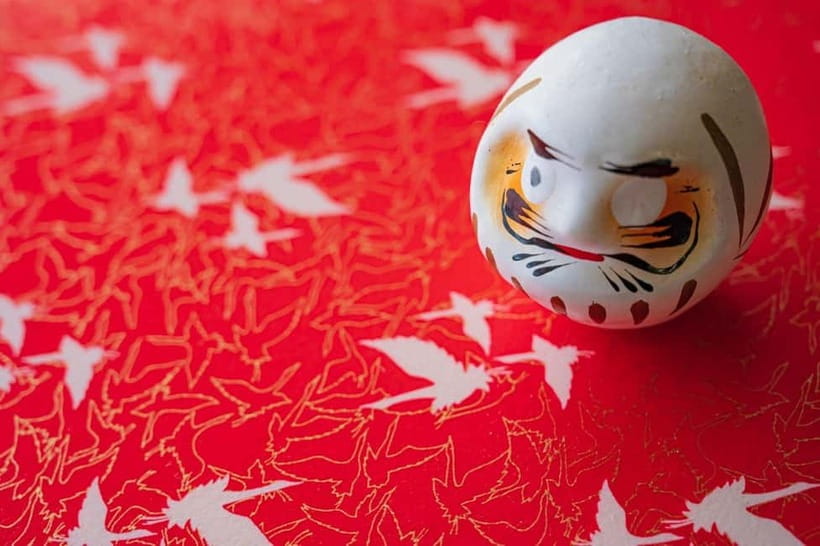
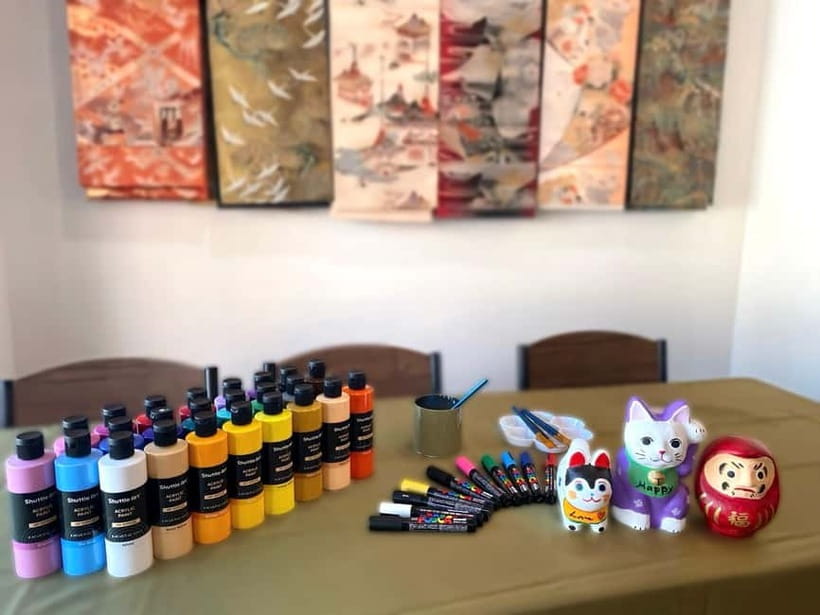
All necessary materials are supplied, including the papier-mâché figure and painting tools. You do not need to bring art equipment or prepare beforehand.
The activity is suitable for all skill levels. If you are confident with paint, you can experiment with patterns and fine details. If you are not artistic, you can keep the design simple. The form itself does much of the work, and the host can offer suggestions when you ask.
The class is not about producing a flawless museum object. It is about making something that records your time in Kyoto. A slightly uneven line can be more meaningful than a perfect factory finish because you made it.
The paint is acrylic, a practical detail worth remembering. If you finish the piece on a rainy day, protect it from the weather before carrying it around Kyoto. One participant specifically pointed out that wet conditions could damage an acrylic-painted creation, so bring or request wrapping if rain is falling.
The two-hour schedule gives you time to add details without feeling hurried. Some people may finish earlier, while others may want to spend longer on small decorations. The host has allowed participants to stay a little longer to complete details, though you should not assume extra time is guaranteed if another class is scheduled.
A completely different side of Kyoto:
- PERFECT KYOTO 1-Day Bus Tour
★ 5.0 · 13,518 reviews - Kyoto: Fushimi Inari, Kinkakuji, Bamboo Grove 1 Day Bus Tour
★ 4.8 · 4,316 reviews - Kyoto: Tea Ceremony in a Traditional Tea House in Kiyomizu
★ 4.9 · 3,519 reviews - Kyoto Geisha Walking Tour: Gion District & Hidden Gems
★ 4.7 · 3,273 reviews
Tea, sweets, and a slower pace
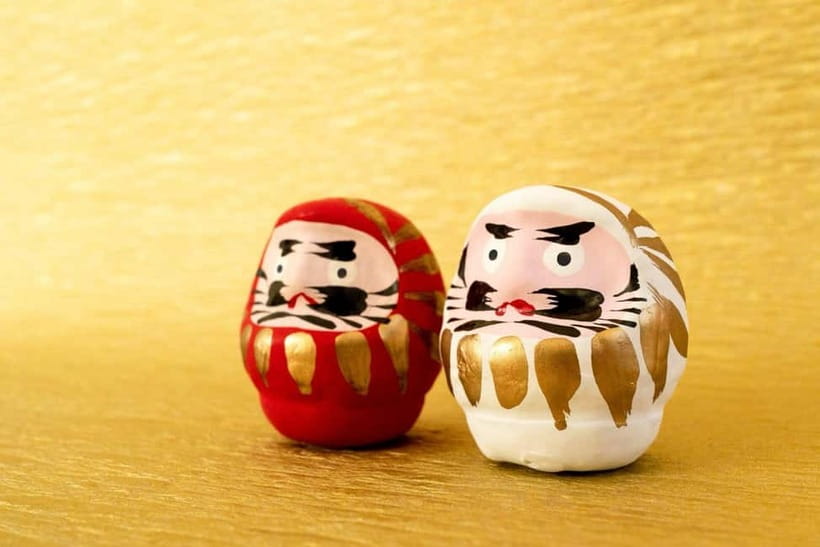
Each participant receives a complimentary drink and a traditional Japanese confectionery of their choice. Several people particularly enjoyed the tea and snack as part of the experience, and they make the class feel more like a relaxed visit to a friend’s studio than a production-line activity.
The refreshment is also useful during the painting process. You can pause, look at your work from a little distance, and decide what it still needs. A sweet break helps children stay interested and gives adults a chance to chat with May about local traditions and the surrounding area.
Do not book this expecting a full tea ceremony. The drink is a pleasant inclusion, not a separate ceremonial performance. Its value is in the atmosphere and hospitality.
This is one reason the workshop works well for families and couples. One person can paint carefully, another can work quickly, and everyone can take a break without being pushed along to the next stop.
A useful rainy-day break from temples
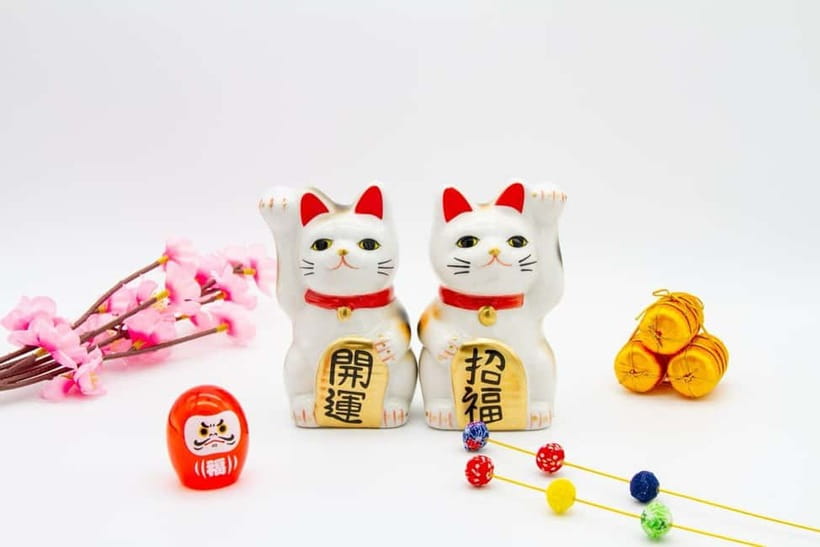
The workshop is particularly practical when Kyoto weather is poor. You stay indoors, work at a table, and still spend the afternoon doing something connected to Japanese culture.
That makes it a good companion to a temple-heavy schedule. The surrounding area has historically significant temples and shrines, so you can pair the class with nearby sightseeing before or after your session. The activity information does not specify particular temples or a walking route, so treat those nearby sites as optional additions rather than included stops.
This distinction matters when planning. You are booking a craft workshop, not a guided shrine and temple tour. If you want detailed architectural commentary, arrange that separately. If you want to make a small keepsake after visiting sacred sites, the location can fit neatly into your day.
The class may also suit you after several busy sightseeing days. Two hours of seated painting is a welcome change from navigating crowded streets, checking maps, and trying to see one more famous building before dinner.
Why the small group makes a difference
The group is limited to four participants. That is a real advantage for a craft class.
A large group can make painting feel anonymous. You may wait for tools, struggle to get the instructor’s attention, or feel pressured to follow the same design as everyone else. With four people, May can answer questions and offer individual suggestions without turning the session into a formal lecture.
The small size also suits couples and families. A mother and daughter, grandparents with a grandchild, or two partners can share the experience while still making separate pieces. One family used the workshop as a rainy-day outing with a grandson, which is a good indication of its broad age range.
Solo participants should also find the format comfortable. The activity is social if you want conversation, but the self-directed approach gives you quiet time as well.
The tradeoff is that small workshops have limited capacity. If your Kyoto dates are fixed, reserve ahead rather than counting on a walk-in place.
What the $25 price really covers
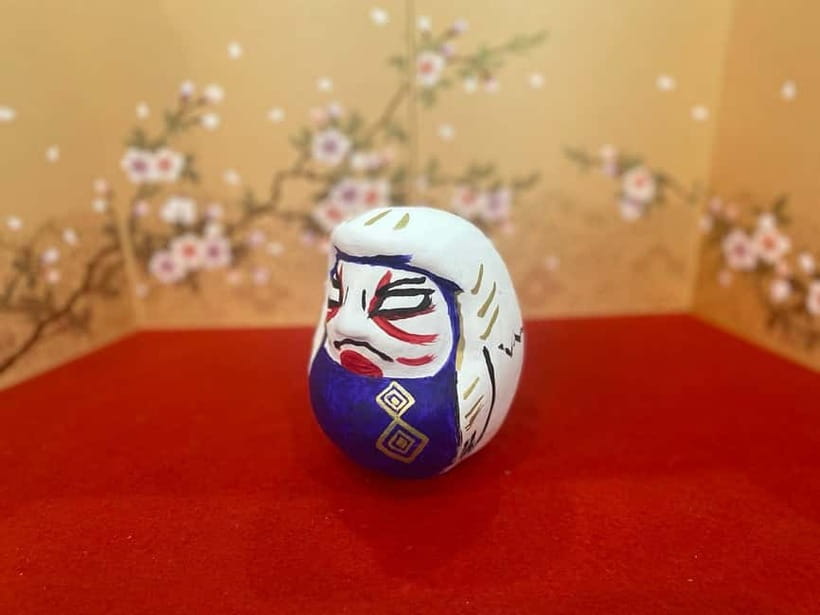
At $25 per person, this is reasonably priced for a two-hour guided activity in central Kyoto. You are paying for more than a figure to paint. The fee includes the papier-mâché workshop, all materials, an English-speaking local craft master, a drink, and a traditional Japanese confectionery.
The strongest value is the take-home object. You are not simply buying a souvenir. You are paying for the time, setting, instruction, and personal work that turn it into a keepsake.
The price looks even better for families, since the activity occupies a solid two hours and does not require extra equipment. It is also a practical choice for a rainy afternoon, when an outdoor plan may need to be changed.
Still, keep your expectations in the right place. This is an introductory creative workshop, not a professional ceramics or painting course. You will learn about the figures and receive help, but the main reward is the experience of making something rather than mastering a demanding technique.
The shop also sells handmade items, such as bags, kimono pieces, and lacquer boxes. Those purchases are separate, so budget for them only if you see something you genuinely want.
Who should book this workshop
I would choose this activity for:
- Families wanting a simple cultural activity that children can join
- Couples looking for a shared souvenir with personal meaning
- Solo visitors who enjoy quiet creative time
- Anyone needing an indoor plan for a wet Kyoto day
- People who prefer small businesses and direct contact with local makers
- Repeat visitors who have already seen Kyoto’s main temples and want a different kind of afternoon
It is less suitable if you want a packed itinerary, a formal art lesson, or a long explanation of Kyoto’s religious history. The session is intentionally gentle and flexible.
You should also be comfortable making your own design decisions. May will help, but she will not direct every brushstroke. That is a plus for creative people and possibly a challenge for anyone who wants an exact model to copy.
Practical details before you reserve
The workshop lasts two hours, with starting times available according to the date you select. English instruction is provided.
No previous skill is required. Adults and children can take part, and the workshop is wheelchair accessible.
You can reserve now and pay later, which helps if your Kyoto plans are still changing. Free cancellation is available up to 24 hours before the activity for a full refund.
Arrive at the workshop and enter rather than waiting at a nearby street corner. Your host is expected to greet you inside.
Wear or bring something sensible for painting. The information does not specify protective clothing, so avoid your best outfit if you are concerned about acrylic paint. On wet days, protect the finished piece while carrying it outdoors.
The workshop is limited to four people, so it has a personal feel but less flexibility than a large class. Check the available start time before building your temple visits around it.
Should you book the Kyoto daruma painting workshop?
Book it if you want a relaxed, hands-on Kyoto experience and a souvenir you created yourself. The small group, flexible painting style, English-speaking host, tea, sweet, and $25 price make it an easy addition to a sightseeing schedule.
I especially recommend it for families, couples, rainy afternoons, and anyone who has had enough of simply looking at historic buildings. Skip it if you want a detailed guided tour of temples and shrines or a serious technical art course.
For most visitors, the best reason to go is simple: you leave with a small figure that brings back the feel of your Kyoto afternoon far better than another identical shop-bought trinket.
FAQ
How long does the Kyoto craft workshop last?
The workshop lasts two hours.
How much does the activity cost?
The listed price is $25 per person.
What can I paint during the workshop?
You can paint a papier-mâché daruma, beckoning cat, dog, or Kitsune fox figurine.
Are the craft materials included?
Yes. All necessary materials for the papier-mâché workshop are included.
Is a drink included?
Yes. Each participant receives a complimentary drink.
Is Japanese confectionery included?
Yes. Each participant can choose a traditional Japanese confectionery.
Is the workshop taught in English?
Yes. The instructor language is English.
Do I need previous art experience?
No. Prior experience or special skills are not required.
How many people can join the workshop?
The group is limited to four participants.
Is the activity wheelchair accessible?
Yes. The workshop is wheelchair accessible.
Recently added around Kyoto
- Higashiyama | Kyoto: Sakura Season Private Rickshaw Tour★ 5.0 · 3 reviews
- Kyoto Kimono Rental CHAMATSU|Kimono/Yukata Rental FamilyPlan★ 5.0 · 3 reviews
- Kyoto: Half-Day Private Guided Tour to the Old Town of Gion★ 4.4 · 3 reviews
- Nara Private Customizable Half Day Tour★ 5.0 · 3 reviews
- Kansai Region Hiking Adventure in Nara Kobe Kyoto and More★ 5.0 · 3 reviews
- Full Day Nara Deer, Temple, Shrine, Activities & Tea Ceremony★ 5.0 · 3 reviews
- Nara: Essential Private Tour with Deer Park and Temples★ 5.0 · 3 reviews
- Hiking Tour for Sacred Sites in Kyoto with a Guide★ 5.0 · 3 reviews
Workshops, compared.
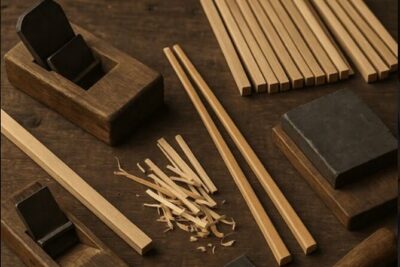
Chopsticks Making Workshop in Gion with Engraving Option
Read our review →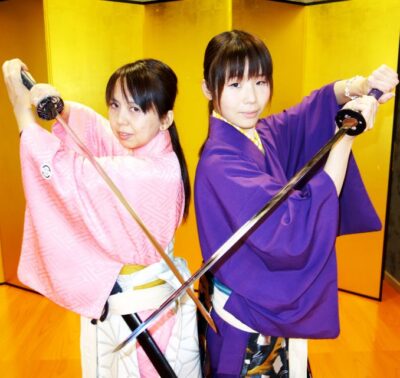
Samurai Sword Class by Experts in Traditional Arts
Read our review →
Ramen Cooking Class at a Ramen Factory with Souvenir
Read our review →
Ninja 1-hour Hands-on Lesson by Japanese master in Kyoto -Entry
Read our review →
The Original Small-Group Sushi Making Class in Kyoto
Read our review →
Japanese Washoku Bento Small Group Cooking Class
Read our review →Browse the lists this tour appears in