
REVIEW · WORKSHOPS
Kyoto: Kintsugi Jewelry Workshop with Natural Stones
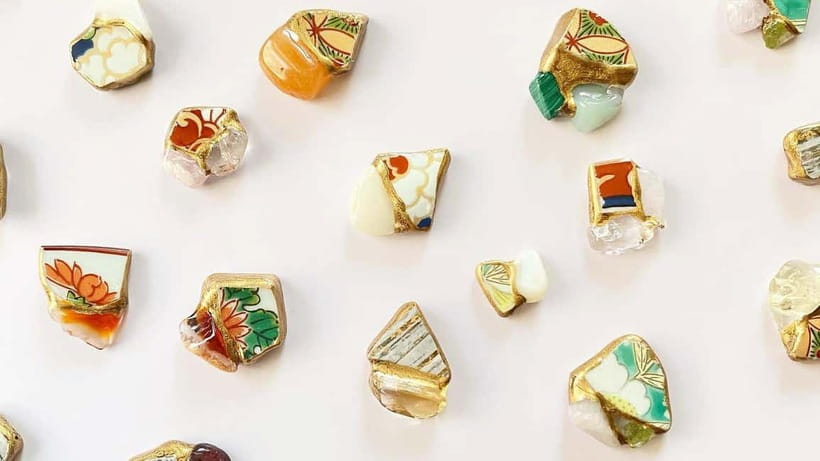
Broken Japanese pottery becomes wearable art in this 150-minute kintsugi workshop near Fushimi Inari Taisha. You choose pottery shards, natural stones, shells, or pearls, then join them with synthetic lacquer and gold powder under the calm guidance of artisan Natsuka.
I like the thoughtful use of pottery from places such as Arita, Karatsu, Oribe, Kyoto, Shigaraki, and Hagi. I also like the setting: a 100-year-old Kyoto townhouse that feels a world away from the crowds around the shrine. The main catch is that this is hands-on craft work, not a quick souvenir stop, and the atelier is not wheelchair accessible.
In This Review
- Key points to know before you book
- Making Kintsugi Personal in a Kyoto Townhouse
- The Walk From Fushimi Inari to the Atelier
- Choosing Pottery, Stones, and the Shape of Your Jewelry
- Step-by-Step Guidance From Natsuka
- What the Two and a Half Hours Feel Like
- Why the $106 Price Can Make Sense
- Pairing the Workshop With Fushimi Inari
- Who Will Enjoy This Most
- Booking Details Worth Knowing
- Should You Book This Kintsugi Workshop?
- FAQ
- Where does the kintsugi jewelry workshop take place?
- How close is the atelier to Fushimi Inari Taisha?
- How do I reach the workshop by train?
- Is parking available?
- How long does the workshop last?
- What materials can I use?
- What types of jewelry can I make?
- Can I take my jewelry home on the same day?
- Is the workshop offered in English?
- Is the activity suitable for wheelchair users?
Key points to know before you book
- You make a personal keepsake: Choose from earrings, rings, necklaces, brooches, tie pins, cufflinks, and other accessory styles.
- The materials have Japanese character: Pottery shards come from well-known ceramic traditions, and you can add natural stones, stained glass, shells, or pearls.
- The setting is part of the experience: The workshop takes place in a traditional one-story townhouse about a three-minute walk from Fushimi Inari Taisha.
- The group stays small: With no more than 10 participants, you should have room to ask questions and get help.
- English instruction is available: Natsuka teaches in English and Japanese, explaining both the craft and its cultural meaning.
- Plan your timing carefully: The workshop lasts 150 minutes, so it fits best as a planned afternoon activity rather than an add-on between rushed sightseeing stops.
Making Kintsugi Personal in a Kyoto Townhouse
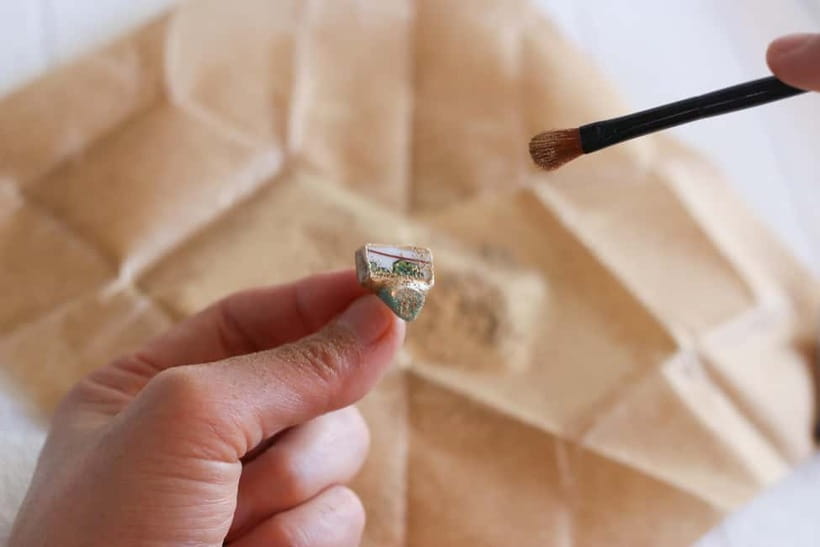
Kintsugi is the Japanese art of repairing broken ceramics with visible lines of lacquer and gold. Instead of hiding damage, the method treats the break as part of the object’s story. Here, that idea is adapted into small pieces of jewelry you can wear or give away.
The workshop uses synthetic lacquer rather than traditional lacquer. That is an important practical choice because it helps avoid allergic reactions. Gold powder provides the familiar golden finish, while the pottery, stones, shells, pearls, and stained glass give each piece its own color and texture.
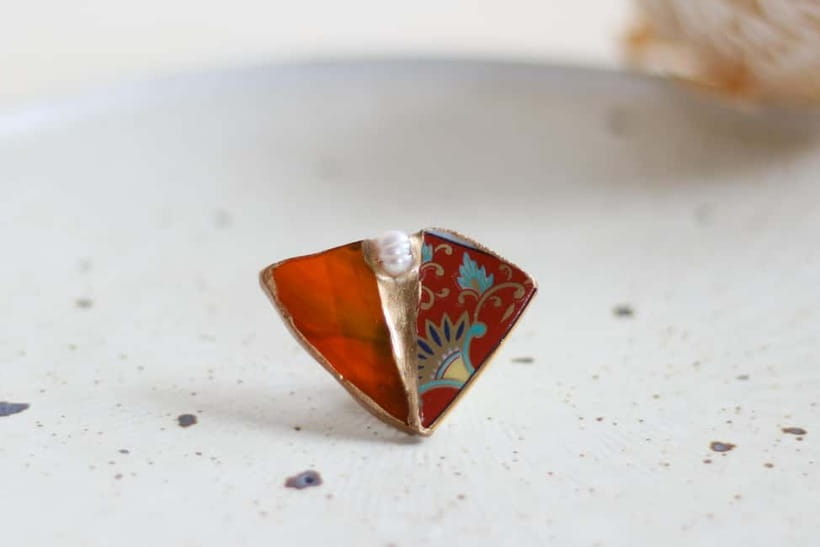
You are not simply copying a sample. You choose the pieces that appeal to you, decide how they should fit together, and select the type of accessory you want to make. That makes the finished item feel more personal than a standard craft souvenir.
I especially like the way this format connects Japanese culture with reuse. The pottery is already broken, yet its patterns and glazes still have value. A fragment from Kyoto ware or Hagi pottery can take on a second life as a brooch or pair of earrings.
More workshops and classes in Kyoto:
- Kyoto: 45-Minute Tea Ceremony Lesson Experience
★ 4.3 · 2,378 reviews - Kyoto : Chopsticks Making Workshop in Gion with Engraving Option
★ 5.0 · 958 reviews - Kyoto: Samurai Sword Class by Experts in Traditional Arts
★ 4.9 · 657 reviews
The Walk From Fushimi Inari to the Atelier
The atelier is close to one of Kyoto’s best-known sights. It is about a five-minute walk from either Keihan Ryukoku Daimae-Fukakusa Station or JR Inari Station, and roughly three minutes from Fushimi Inari Taisha.
Look for a traditional Japanese one-story house with a white engawa curtain at the entrance. The approach is not designed for cars. There is no parking, and the narrow lane in front of the house is unsuitable for vehicles, so arrive on foot from the station.
This location makes the workshop easy to pair with a visit to Fushimi Inari, but do not assume you can squeeze it into a short gap between other plans. The class lasts two and a half hours, and you will get more from it if you arrive without hurrying.
Fushimi Inari is often at its busiest near the main entrance. The workshop offers a quieter counterpoint, especially if you schedule the craft session after walking through the shrine grounds. You can spend time among the torii gates, then trade the open-air crowds for a calm table inside an old Kyoto home.
Choosing Pottery, Stones, and the Shape of Your Jewelry
The selection stage is where the activity becomes distinctly yours. You can choose from pottery linked to Arita, Karatsu, Oribe, Kyoto, Shigaraki, and Hagi traditions. Each type has its own colors and surface character, so the fragment you select affects the mood of the finished piece.
You can also work with natural stones, stained glass, shells, and pearls. These materials give you a chance to soften the rough ceramic edges with a polished stone, add a bright spot of color, or create a more delicate piece with a pearl.
The accessory menu is broad. Options include:
- Earrings
- Rings
- Necklaces
- Brooches
- Tie pins
- Cufflinks
- Other small jewelry pieces
The exact design depends on your pace and the accessory style you choose. Some people finish a couple of pieces during the allotted time, while others may prefer to spend longer refining one item. If making several pieces matters to you, ask about the day’s options and pace at the start.
This is a good activity for anyone who likes making choices. It is less suitable if you want a fixed, polished souvenir handed to you at the end. The fun comes from comparing fragments, testing combinations, and accepting that handmade work has small irregularities.
Step-by-Step Guidance From Natsuka
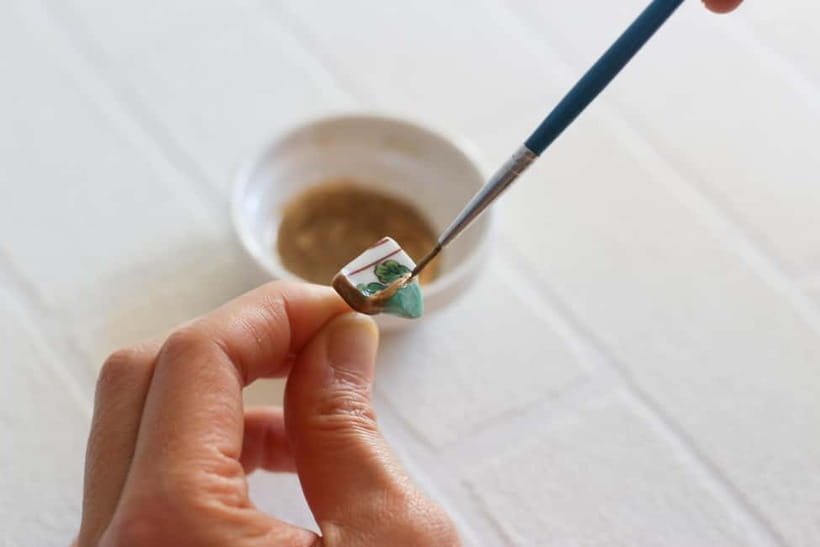
Natsuka leads the workshop in English and Japanese. Her role matters because kintsugi jewelry looks simple from a distance, but small pieces can be fiddly. You receive an explanation of the process, a demonstration, and help as you work.
The class begins with an introduction to kintsugi and its place in Japanese culture. You also learn about the pottery traditions represented by the available shards. This adds useful context: the ceramic fragment is not just a colored piece of material, but part of a wider Japanese craft tradition.
Next comes the design stage. You select the base materials and decide how they will work together. This is where I would take my time. The gold effect is eye-catching, but the most successful design may come from a quieter pairing of glaze, stone, and metal color.
You then use synthetic lacquer and gold powder to join and decorate the elements. Natsuka offers step-by-step help, so you do not need prior jewelry-making experience. The small group, limited to 10 people, should make it easier to get advice without waiting through a long line.
The process is described as calm and meditative by many people who have taken part. That makes sense. You are handling small pieces, making careful decisions, and working at a slower pace than you would during ordinary sightseeing. The class also leaves room for conversation with other participants without turning into a noisy group performance.
At the end, you take your handmade jewelry home the same day. That immediate finish is a real advantage for anyone buying a souvenir late in a Japan trip. You do not have to arrange shipping or return to the atelier.
A completely different side of Kyoto:
- PERFECT KYOTO 1-Day Bus Tour
★ 5.0 · 13,518 reviews - Kyoto: Fushimi Inari, Kinkakuji, Bamboo Grove 1 Day Bus Tour
★ 4.8 · 4,316 reviews - Kyoto: Tea Ceremony in a Traditional Tea House in Kiyomizu
★ 4.9 · 3,519 reviews - Kyoto Geisha Walking Tour: Gion District & Hidden Gems
★ 4.7 · 3,273 reviews
What the Two and a Half Hours Feel Like
The 150-minute length is generous enough for an introduction, material selection, construction, and finishing. It also gives you time to change your mind. That matters more than it might sound, since the hardest part for many people is choosing between attractive fragments.
The workshop is not physically demanding. You sit and work with small materials, making it a sensible rainy-day plan or a quiet break from shrine visits and shopping. Refreshments have been provided during some sessions, adding to the relaxed feel, though the key value remains the teaching and the finished jewelry.
Do not expect a fast demonstration followed by free time with little help. The instructor stays involved. One participant described taking nearly twice the planned time because the group worked slowly, with no pressure to rush. That suggests some flexibility, but you should still treat 150 minutes as the official duration and avoid scheduling a train departure immediately afterward.
The pace can work well for families, too. An eight-year-old took part with a parent and enjoyed the session with patient guidance. Younger children may need close adult help with small pieces and careful handling, but the activity is not limited to experienced adult makers.
Why the $106 Price Can Make Sense
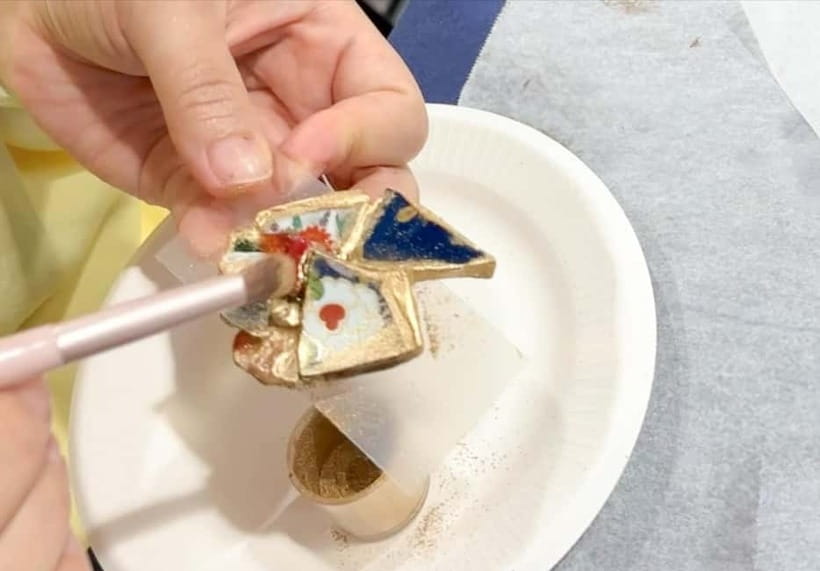
At $106 per person, this is not a bargain-basement craft class. The value comes from several parts working together: a small group, an English-speaking instructor, access to Japanese pottery fragments and other materials, cultural explanation, and a finished piece you take home.
You are also paying for a guided creative experience in a historic Kyoto home, not only for raw materials. If you already plan to buy inexpensive jewelry in a shopping district, this workshop will cost more. If you want something tied to a place, a craft tradition, and your own decisions, the price is easier to justify.
The activity can be especially good value for a rainy afternoon. Instead of losing half a day to bad weather, you spend that time learning a Japanese technique and leave with an object that carries a story. It also works well for couples, friends, parents with older children, and solo participants who want a structured activity.
The price is less appealing if you are not interested in making things or if you prefer a quick cultural demonstration. The 150-minute session asks for your attention, and the final result will have a handmade look rather than factory-perfect symmetry.
Pairing the Workshop With Fushimi Inari
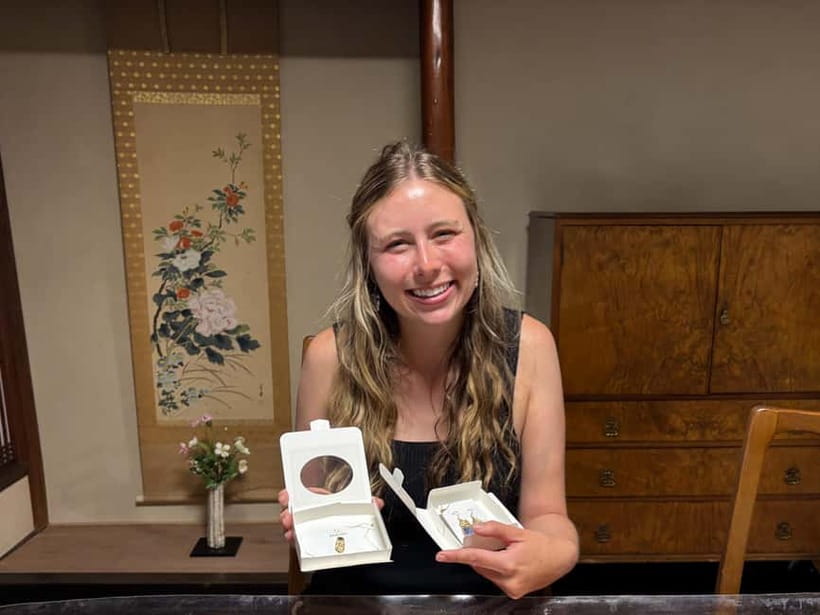
The setting makes planning simple. Visit Fushimi Inari Taisha before or after the class, using JR Inari Station or Keihan Ryukoku Daimae-Fukakusa Station for access.
If you visit the shrine first, allow enough time to walk back to the atelier and find the white curtain at the entrance. The route from the station is short, but the workshop is on a narrow alley rather than a vehicle-friendly street.
I would not pair this with a packed itinerary on the opposite side of Kyoto. The activity has a reflective pace, and part of its appeal is the change from sightseeing to making. Give yourself time to arrive early, settle in, and look through the materials without watching the clock.
The combination of shrine and workshop also gives your day two different views of Japanese culture. Fushimi Inari offers a major religious site and a famous walking route. The atelier gives you a close look at repair, reuse, pottery, and handwork in a domestic setting.
Who Will Enjoy This Most
You should consider booking this if you:
- Like hands-on activities more than passive sightseeing
- Want a small, meaningful souvenir rather than a mass-produced item
- Are curious about kintsugi, Japanese pottery, or wabi-sabi
- Need a calm indoor plan near Fushimi Inari
- Enjoy making design choices and working at an unhurried pace
- Are comfortable sitting at a worktable and handling small materials
It is also a strong choice for a parent and child, couples, and solo makers. The English and Japanese instruction helps international participants follow the process, and the small group keeps the class personal.
Think twice if you need wheelchair access. The activity is not suitable for wheelchair users, and the traditional townhouse and narrow approach may be difficult for anyone with mobility concerns.
You should also leave some room in your expectations. Handmade jewelry varies from piece to piece. The beauty is in the visible repair lines, mixed materials, and personal design, not in a perfectly uniform finish.
Booking Details Worth Knowing
The workshop costs $106 per person and lasts 150 minutes. It has a maximum group size of 10, with instruction in English and Japanese.
You can cancel up to 24 hours before the activity for a full refund. A reserve-now, pay-later option is available, which helps if you are still arranging a Kyoto schedule.
There is no parking at the atelier. Use the train stations and walk. The entrance is a traditional house with a white curtain, so keep the route photo or map available if you are unsure which lane to take.
The workshop uses synthetic lacquer to reduce the risk of allergic reactions. You can take your finished jewelry home on the same day, which makes it easy to pack as a personal souvenir.
Should You Book This Kintsugi Workshop?
I would book this if you want a Kyoto activity with real participation, a clear local connection, and a souvenir you help design from start to finish. The patient instruction from Natsuka, the choice of Japanese pottery, and the quiet townhouse setting give the class more substance than a basic make-and-take craft session.
The $106 price is fair for a small, guided experience with materials included, though it is not the right pick for a quick or inexpensive activity. Book it for a slower afternoon near Fushimi Inari, especially if you like ceramics, jewelry, sustainability, or the idea that repaired things can become more meaningful.
FAQ
Where does the kintsugi jewelry workshop take place?
It takes place in a 100-year-old traditional Kyoto townhouse near Fushimi Inari Taisha. The entrance has a white engawa curtain.
How close is the atelier to Fushimi Inari Taisha?
The atelier is about a three-minute walk from Fushimi Inari Taisha.
How do I reach the workshop by train?
It is a five-minute walk from Keihan Ryukoku Daimae-Fukakusa Station or JR Inari Station.
Is parking available?
No. There is no parking at the atelier, and the narrow lane in front of the house is not suitable for vehicles.
How long does the workshop last?
The activity lasts 150 minutes.
What materials can I use?
Materials include Japanese pottery shards, natural stones, stained glass, shells, pearls, synthetic lacquer, and gold powder.
What types of jewelry can I make?
Options include earrings, rings, necklaces, brooches, tie pins, cufflinks, and other accessories.
Can I take my jewelry home on the same day?
Yes. Participants can take their finished creations home that day.
Is the workshop offered in English?
Yes. The instructor provides guidance in English and Japanese.
Is the activity suitable for wheelchair users?
No. The activity is not suitable for wheelchair users.
Recently added around Kyoto
- Higashiyama | Kyoto: Sakura Season Private Rickshaw Tour★ 5.0 · 3 reviews
- Kyoto Kimono Rental CHAMATSU|Kimono/Yukata Rental FamilyPlan★ 5.0 · 3 reviews
- Kyoto: Half-Day Private Guided Tour to the Old Town of Gion★ 4.4 · 3 reviews
- Nara Private Customizable Half Day Tour★ 5.0 · 3 reviews
- Kansai Region Hiking Adventure in Nara Kobe Kyoto and More★ 5.0 · 3 reviews
- Full Day Nara Deer, Temple, Shrine, Activities & Tea Ceremony★ 5.0 · 3 reviews
- Nara: Essential Private Tour with Deer Park and Temples★ 5.0 · 3 reviews
- Hiking Tour for Sacred Sites in Kyoto with a Guide★ 5.0 · 3 reviews
Workshops, compared.
Chopsticks Making Workshop in Gion with Engraving Option
Read our review →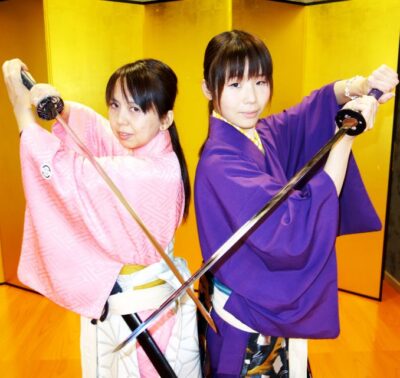
Samurai Sword Class by Experts in Traditional Arts
Read our review →
Ramen Cooking Class at a Ramen Factory with Souvenir
Read our review →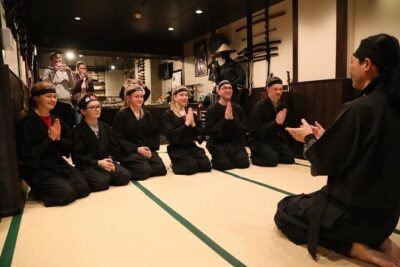
Ninja 1-hour Hands-on Lesson by Japanese master in Kyoto -Entry
Read our review →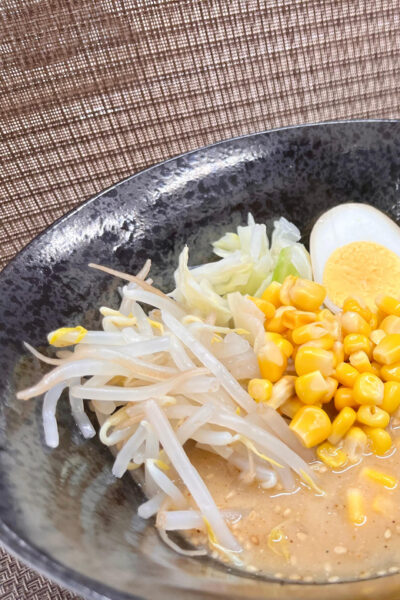
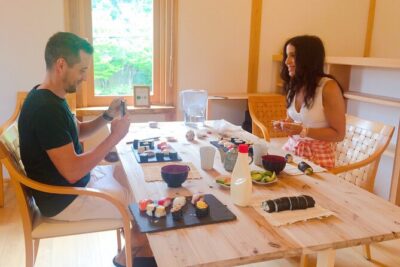
The Original Small-Group Sushi Making Class in Kyoto
Read our review →
Japanese Washoku Bento Small Group Cooking Class
Read our review →Browse the lists this tour appears in