
REVIEW · KYOTO SAMURAI EXPERIENCES
Kyoto: Kendo Samurai Experience Tour
Kendo gets you past the tourist costume and into a real Japanese martial-arts practice. You learn etiquette, footwork, strikes, and match rules, then put on full armor for a controlled bamboo-sword bout. Hayashi-sensei, a 7th Dan instructor, teaches with clear demonstrations and patient guidance.
I like the serious training and the personal feel. You are not simply posing with a helmet and sword. You work hard, sweat a bit, and finish with a match. I also like the easy rail access from Kyoto Station and the fact that small groups may become near-private lessons. The main catch is the location: JR Hanazono Station is about 15 minutes from Kyoto Station, so allow extra time beyond the two-hour class.
In This Review
- Key points
- What the Two-Hour Kendo Session Really Offers
- Reaching the Dojo from Kyoto Station
- Beginning with Etiquette and Basic Movement
- Putting on the Armor
- The Controlled Match at the End
- What the Instruction Is Like
- The Physical Side: Serious, Safe, and Active
- Is $116 a Fair Price?
- Who Should Book This Experience
- Booking and Timing Tips
- What to Bring and What to Expect
- Should You Book the Kyoto Kendo Experience?
- FAQ
- Where does the Kyoto Kendo Samurai Experience meet?
- How long does the kendo experience last?
- How do I reach JR Hanazono Station from Kyoto Station?
- What languages are available?
- Is kendo equipment provided?
- What should I provide when booking?
- Who should not take part?
Key points
- Full kendo armor and equipment: Learn how the protective gear feels before taking part in a controlled match.
- Hayashi-sensei’s instruction: A 7th Dan master leads the session, with English and Japanese support.
- Real beginner training: Practice posture, movement, etiquette, techniques, and rules rather than only taking photographs.
- Family-friendly challenge: Parents, children, and siblings can face one another in a safe, supervised bout.
- Small-group potential: Some sessions have had only two participants, creating a very personal lesson.
- Simple Kyoto access: Take the JR Sagano Line from Kyoto Station to Hanazono Station, then meet at the north exit.
What the Two-Hour Kendo Session Really Offers
This is a practical introduction to kendo, not a theatrical samurai show. You enter a dojo, learn how the practice works, and begin with basic movements before handling the bamboo sword, called a shinai. The class treats beginners as beginners, but it does not water down the discipline.
That balance matters. Kendo is built around focus, posture, timing, respect, and controlled strikes. Even at an introductory level, you are asked to pay attention to how you stand, how you move, and how you respond to an opponent.
The session is led by an experienced instructor with a 7th Dan grade. Hayashi-sensei has taught for more than 40 years, according to the supplied information. English and Japanese are available, and clear demonstrations help bridge any language gap.
I would set aside the idea that you are simply going to wave a sword around for a few minutes. The training is physical. One father described it as quite a workout, and that is useful advice if you are planning this after a full morning of sightseeing.
More samurai and sword sessions:
- Kyoto Samurai Experience
★ 5.0 · 1,294 reviews - Kyoto: Kendo and Samurai Experience with Uniform and Gear
★ 4.9 · 815 reviews - Kyoto: Samurai Sword Class by Experts in Traditional Arts
★ 4.9 · 657 reviews
Reaching the Dojo from Kyoto Station
The meeting point is the north exit of JR Hanazono Station. From Kyoto Station, the ride on the JR Sagano Line takes about 15 minutes. That is straightforward, but you still need to factor in the transfer from your hotel to Kyoto Station, finding the right platform, and locating the north exit at Hanazono.
One practical tip: check the station name and exit carefully before leaving Kyoto Station. A participant once arrived late after a misunderstanding, and the instructor was understanding, but arriving on time gives you a calmer start.
The distance from central Kyoto is the one repeated caution I would take seriously. Hanazono is not difficult to reach, yet it is not right beside the major sights around Gion, Kawaramachi, or Kyoto Station. If your day is packed with temple visits, the fixed meeting time may require some planning.
The location also gives the experience a useful change of pace. Instead of moving from one famous site to another, you leave the busiest sightseeing routes and head to a dojo where the focus is on training and etiquette.
Beginning with Etiquette and Basic Movement
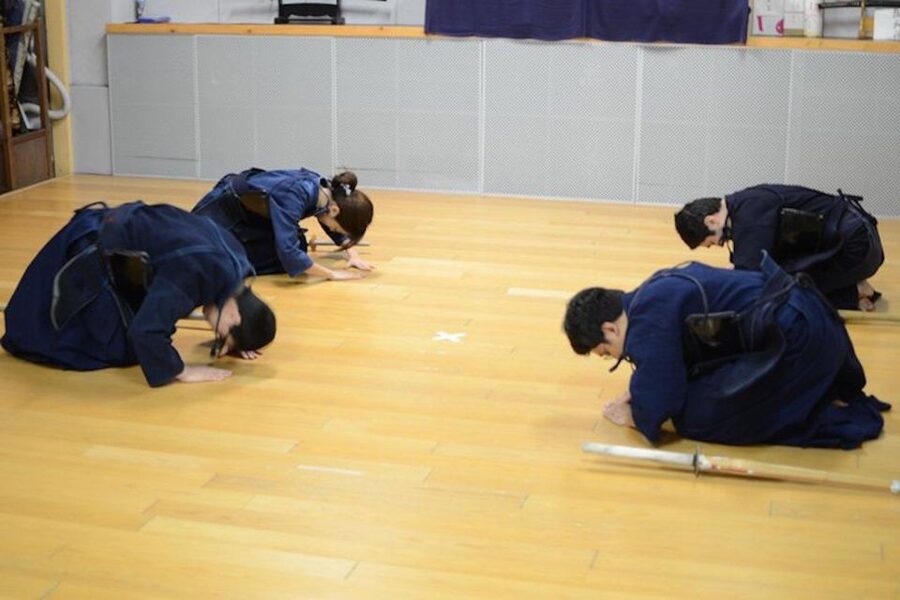
The opening part of the class introduces the conduct of kendo. You learn how to behave in the dojo, how to handle the equipment, and how to approach practice with respect. This may be the most important cultural part of the session because it explains that kendo is not just a modern version of swordplay.
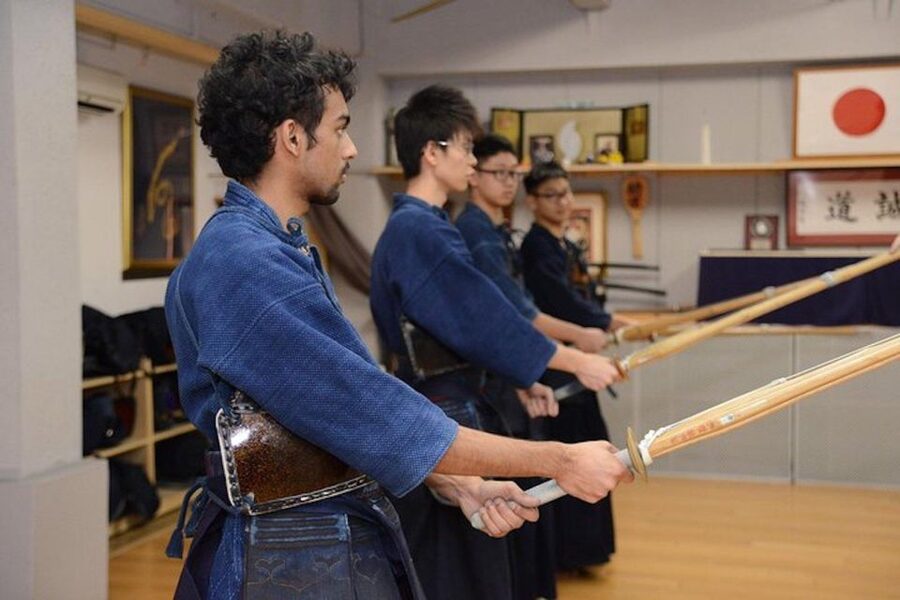
You then work through basic exercises. Expect instruction on stance, movement, and the first techniques needed to control the shinai. The steps are broken down in a logical order, which helps if you have never tried a martial art before.
The instructor uses demonstrations as well as spoken explanation. That is helpful for international visitors, especially if your Japanese is limited. One participant noted that Hayashi-sensei did not speak much English, but his demonstrations were clear enough to follow. Another session included Miho-san as translator and guide.
Do not worry if you are not naturally athletic. The point is to learn the form and rhythm, not to arrive with fighting skills. Still, listen closely. Kendo movement can look simple from the outside, but keeping your posture, feet, hands, and attention in the right place takes work.
Putting on the Armor
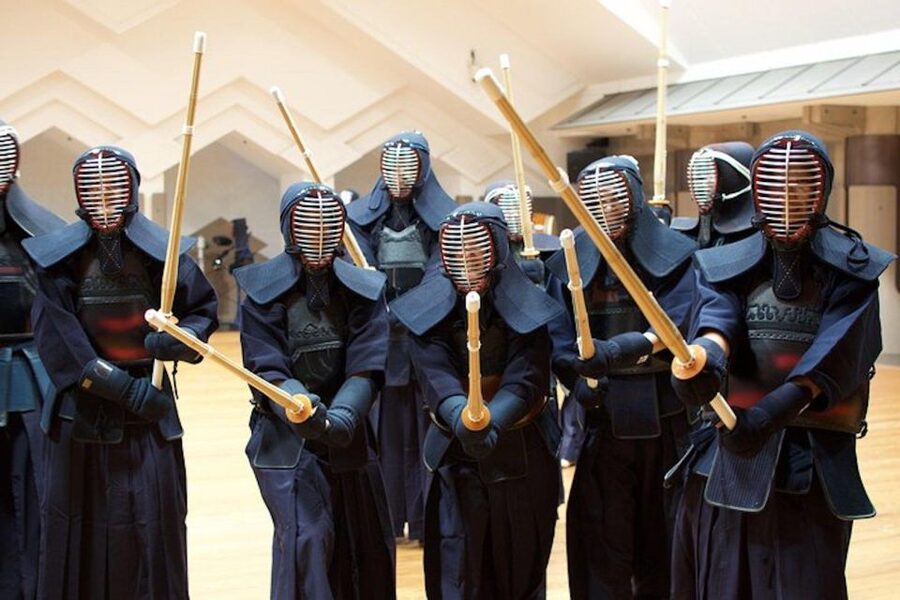
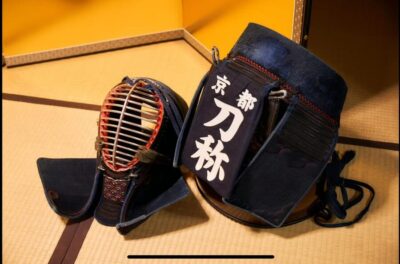
The equipment is one of the most memorable parts of the experience. You receive rental kendo armor and the other required equipment, with sizing arranged from the heights and genders provided in advance. Send that information when booking so the staff can prepare suitable gear.
The armor changes the feeling of the class. Before putting it on, you are learning individual movements. Once protected and equipped, you begin to understand how kendo works as a physical exchange between two people.
The gear can also make the session feel more demanding. Armor is not a light costume, and the full outfit adds weight and heat to an already active lesson. That is part of the value, but it is also why this may not suit someone seeking a gentle cultural activity.
The class provides a free mineral water bottle and a kendo towel. Those are small extras, but water is welcome after practice, and the towel is a useful reminder of the experience rather than a disposable souvenir.
A completely different side of Kyoto:
- PERFECT KYOTO 1-Day Bus Tour
★ 5.0 · 13,518 reviews - Kyoto: Fushimi Inari, Kinkakuji, Bamboo Grove 1 Day Bus Tour
★ 4.8 · 4,316 reviews - Kyoto: Tea Ceremony in a Traditional Tea House in Kiyomizu
★ 4.9 · 3,519 reviews - Kyoto Geisha Walking Tour: Gion District & Hidden Gems
★ 4.7 · 3,273 reviews
The Controlled Match at the End
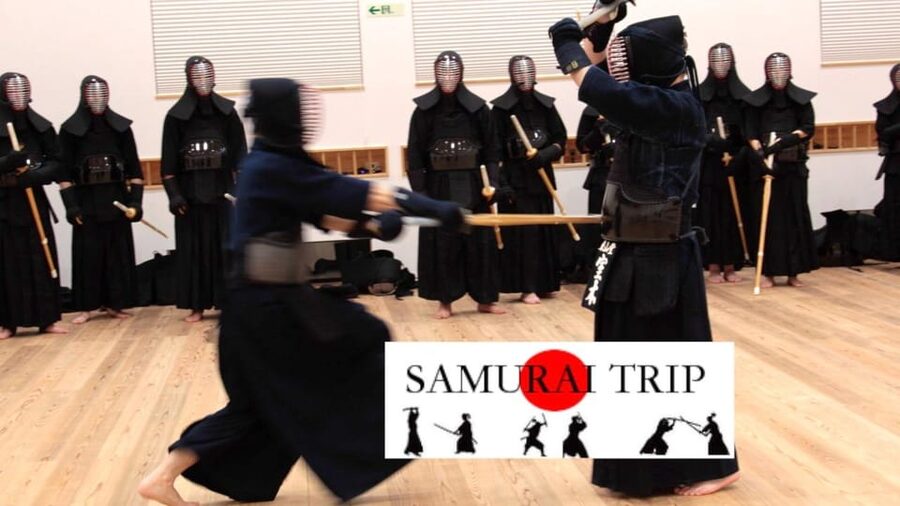
The final match is the payoff. By this point, you have learned basic techniques and some of the rules, so the bout has meaning. You are not simply striking at random. You are trying to apply what you have just practiced while following the instructor’s directions.
The match is supervised and controlled. That is important because the activity involves actual practice fighting, even for beginners. You use kendo equipment and a bamboo sword, not a sharpened blade, and the instructor guides the action to keep it safe and orderly.
For families, this can be especially fun. A father and son, or brothers, may face each other in a friendly contest. The competitive element gives the lesson energy, but the structure of kendo keeps it from becoming a free-for-all.
I also like that the match comes after the instruction rather than at the beginning. You have time to learn the basic rules, get used to the equipment, and understand what the instructor wants. That makes the closing bout more satisfying and less intimidating.
The match is not a formal tournament. It is a supervised introduction. Your goal is to experience the rhythm, discipline, and challenge of kendo, not to prove that you are a samurai.
What the Instruction Is Like
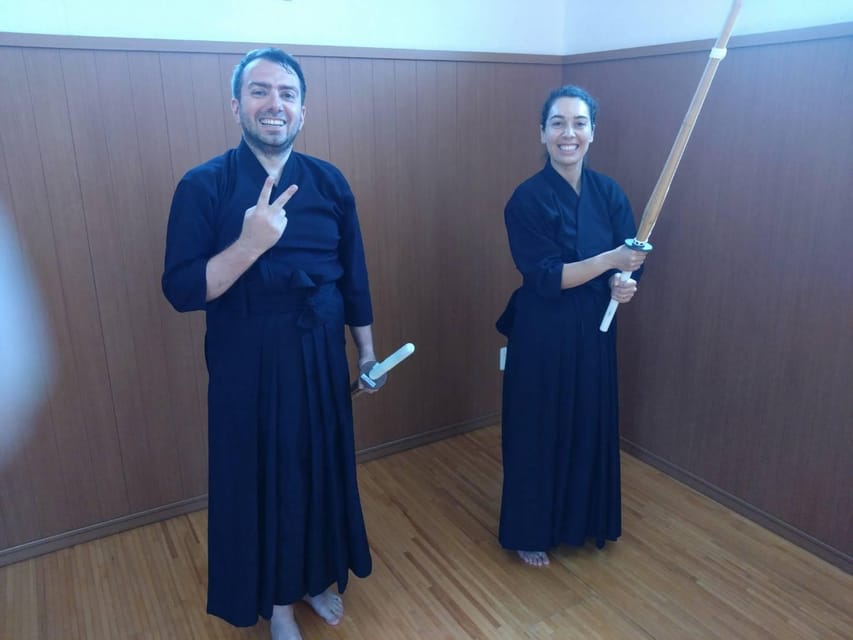
The strongest feature here is the teaching. Hayashi-sensei is described as friendly, patient, humorous, and clear in his demonstrations. That combination matters because kendo has many details that can frustrate a first-time student.
He also appears comfortable working with different kinds of groups. A family group can train together, while a booking with only two participants may become almost private tuition. One father and son found themselves as the only participants, with the instructor making three people in total.
Group size is not guaranteed, so I would not book on the assumption that you will receive a private class. But the possibility is worth knowing. A smaller class gives you more chances to ask questions and more time to practice under direct supervision.
English ability may vary depending on the session and any translator present. The activity is offered in English and Japanese, and demonstrations form an important part of the teaching. If a technical point is unclear, ask for another demonstration rather than trying to guess.
The Physical Side: Serious, Safe, and Active
This is a workout. You will stand, move, practice strikes, wear protective equipment, and take part in a match. The class is designed for beginners, but beginner-friendly does not mean effortless.
That makes the experience a good choice if you want something active and different from a standard cultural demonstration. It is less suitable if you have a medical condition that limits physical activity. The activity is specifically not suitable for pregnant women or people with pre-existing medical conditions.
Wear clothing that allows movement beneath the armor. The supplied information does not set out a specific dress code, so I would keep your outfit practical and comfortable rather than choosing anything tight or restrictive.
You should also think about your energy level. Kendo after a large meal may not be comfortable, and the tour does not include food. Water is included, but you should arrange meals separately.
Is $116 a Fair Price?
At $116 per person, this is not a bargain-bin activity. The price makes more sense when you consider what is included: a professional instructor, rental armor and equipment, mineral water, a kendo towel, and two hours of teaching and supervised practice.
You are paying for access to a real dojo setting and an experienced 7th Dan master, not just a photo opportunity. The full equipment and final match add substance. If you value hands-on cultural activities, the price is reasonable for a focused lesson with personal instruction.
The value depends on what you want from Kyoto. If you prefer museums, gardens, and temples, this may feel expensive compared with a self-guided visit. If you want to take part in something rather than watch, the cost is easier to justify.
Small groups can improve the value, but they are not promised. The best fit is someone willing to work, listen, and treat the martial art with respect. If your only aim is to wear armor for a quick photograph, you may leave feeling that the class demanded more time and effort than expected.
Who Should Book This Experience
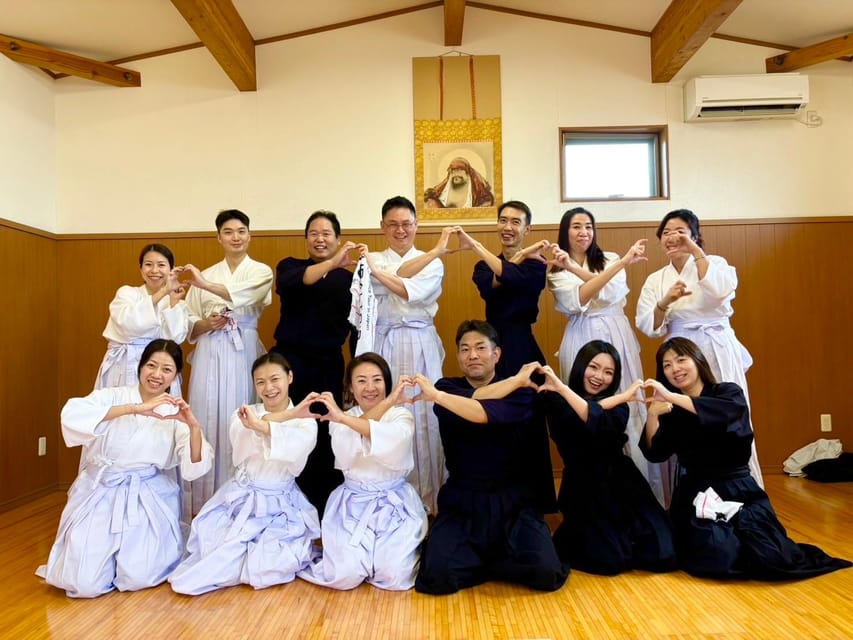
I would recommend it to adults, families, and older children who want an active cultural lesson. It works particularly well for parents and children because the closing match creates a shared memory without requiring prior kendo experience.
It also suits anyone who has wanted to practice kendo in Japan rather than merely read about it. The etiquette, equipment, instruction, and match provide a fuller picture of the discipline in two hours.
You do not need to speak Japanese fluently. English and Japanese instruction is available, and demonstrations make the basic movements accessible. Still, patience helps. Martial arts instruction involves small physical details, and translation may not cover every point instantly.
I would skip it if you are pregnant, have a pre-existing medical condition, or want a relaxed activity with little physical effort. I would also think twice if your Kyoto schedule leaves no room for the train ride to Hanazono.
Booking and Timing Tips
Give the operator everyone’s genders and heights when you reserve. This allows the right equipment and sizes to be arranged.
The experience lasts two hours, but plan more time around it for the journey to and from Hanazono. The tour does not provide hotel pickup or drop-off, so you handle your own transport.
The activity offers reserve now and pay later booking, which can help if you are still arranging your Kyoto schedule. You can also cancel up to 24 hours in advance for a full refund, according to the supplied terms.
Check available start times before building the rest of your day. After the class, you may be tired and ready for a drink or meal, so avoid placing a demanding sightseeing plan immediately afterward.
What to Bring and What to Expect
The operator provides the kendo armor and equipment, water, and a towel. Food is not included, and hotel transfers are not included.
Bring a willingness to follow instructions and accept correction. The class is safe and welcoming, but it is still training. You will get more from it if you focus on learning the proper form instead of rushing toward the match.
Expect a clean dojo and good-quality equipment. Several participants specifically valued the neat training space and the condition of the gear. Those details matter when you are trying a physical activity in unfamiliar surroundings.
Most of all, expect a culture lesson delivered through movement. You learn why etiquette matters, how the body is used, and how a controlled match depends on discipline from both people.
Should You Book the Kyoto Kendo Experience?
Book it if you want a genuine, active introduction to Japanese swordsmanship and can spare half a day around the two-hour class and rail journey. The strongest reasons are the experienced instruction from Hayashi-sensei, the full armor, and the chance to finish with a supervised match.
The main cautions are the $116 price, the trip to Hanazono, and the physical effort. This is not a quick costume photo or a passive demonstration.
For families, martial-arts fans, and curious visitors who want to do something beyond temple sightseeing, I think it is a strong choice. Arrive prepared to listen, move, and work, and the session should give you a sharper respect for what kendo demands.
FAQ
Where does the Kyoto Kendo Samurai Experience meet?
The meeting point is the north exit of JR Hanazono Station, written as JR 花園駅北口.
How long does the kendo experience last?
The experience lasts two hours.
How do I reach JR Hanazono Station from Kyoto Station?
Take the JR Sagano Line from Kyoto Station. The journey takes about 15 minutes.
What languages are available?
The instructor support is available in English and Japanese.
Is kendo equipment provided?
Yes. Rental kendo armor and equipment are included.
What should I provide when booking?
Provide the genders and heights of all participants so the operator can arrange suitable equipment and sizes.
Who should not take part?
The activity is not suitable for pregnant women or people with pre-existing medical conditions.
Recently added around Kyoto
- Higashiyama | Kyoto: Sakura Season Private Rickshaw Tour★ 5.0 · 3 reviews
- Kyoto Kimono Rental CHAMATSU|Kimono/Yukata Rental FamilyPlan★ 5.0 · 3 reviews
- Kyoto: Half-Day Private Guided Tour to the Old Town of Gion★ 4.4 · 3 reviews
- Nara Private Customizable Half Day Tour★ 5.0 · 3 reviews
- Kansai Region Hiking Adventure in Nara Kobe Kyoto and More★ 5.0 · 3 reviews
- Full Day Nara Deer, Temple, Shrine, Activities & Tea Ceremony★ 5.0 · 3 reviews
- Nara: Essential Private Tour with Deer Park and Temples★ 5.0 · 3 reviews
- Hiking Tour for Sacred Sites in Kyoto with a Guide★ 5.0 · 3 reviews
Kyoto Samurai Experiences, compared.
Kendo and Samurai Experience with Uniform and Gear
Read our review →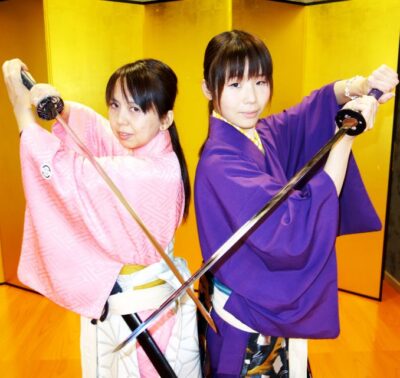
Samurai Sword Class by Experts in Traditional Arts
Read our review →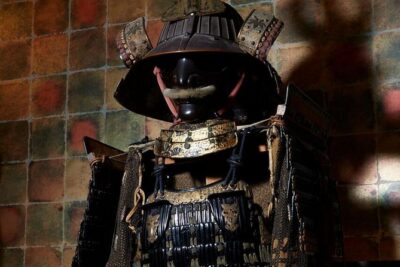
Skip the lines Basic Ticket at SAMURAI NINJA MUSEUM KYOTO
Read our review →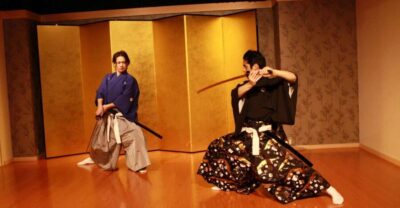
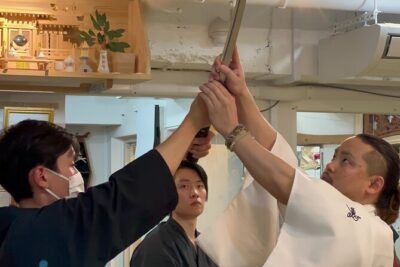
Samurai Training with Modern day Musashi in Kyoto
Read our review →
Private Tea Ceremony and Sake Tasting in Kyoto Samurai House
Read our review →Browse the lists this tour appears in