
REVIEW · KYOTO TRADITIONAL MUSIC EXPERIENCES
Kyoto: Japanese Koto Musical Instrument Class
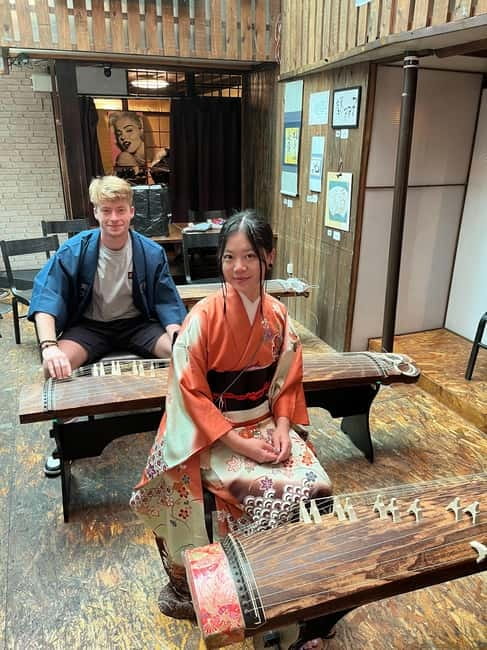
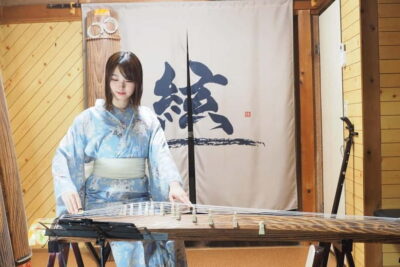
The most memorable part of this Kyoto class is also the simplest: you sit down at a real Japanese koto and make its bright, ringing sound with your own hands. After a short live performance, your instructor guides you through Sakura Sakura, one of Japan’s best-known folk songs.
I like two things right away. You do not need musical experience, and the small group size keeps the lesson personal. I also like that the class gives you more than a performance to watch: you take part in a living musical tradition, with time for photos and videos. The main consideration is age, since children under 10 cannot join, and 90 minutes may feel short if you hope to master several songs.
In This Review
- Key Points at a Glance
- Sitting Down at a Kyoto Koto
- A Patient Lesson for First-Time Musicians
- Why Sakura Sakura Makes a Good First Song
- Gojo Paradiso by the Takase River
- What the 90 Minutes Feel Like
- The $32 Question: Is It Good Value?
- Who Should Book This Class
- A Few Practical Limits to Keep in Mind
- My Verdict: Book It If You Want to Play
- FAQ
- How long does the Kyoto koto class last?
- How much does the experience cost?
- Do I need musical experience?
- What song will I learn?
- Where is the meeting point?
- Can children join the class?
Key Points at a Glance
- You play Sakura Sakura yourself, rather than only listening to a demonstration.
- The class takes place at Gojo Paradiso, a short walk from Kiyomizu Gojo Station beside the Takase River.
- Natsuko has received special praise for patience, warmth, and clear teaching when she leads the lesson.
- No previous instrument experience is needed, making this a good first cultural class in Kyoto.
- Groups are limited to 10 people, so the session has a more personal feel than a large stage presentation.
- The $32 price includes the instrument and materials, with English and Japanese instruction available.
Sitting Down at a Kyoto Koto
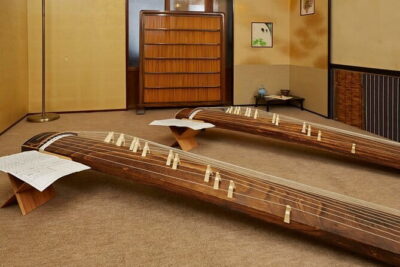
The koto is a long traditional Japanese string instrument played while seated. Its sound is delicate but clear, with each plucked note carrying a gentle, almost bell-like quality. You do not need to know musical notation or have played an instrument before. The lesson is designed to get you making music quickly.
The class begins with listening. Your instructor plays the koto so you can hear its tone before you try it yourself. This opening matters because the instrument can look unfamiliar at first. Seeing and hearing the technique gives you a useful picture of posture, hand movement, and the kind of sound you are aiming for.
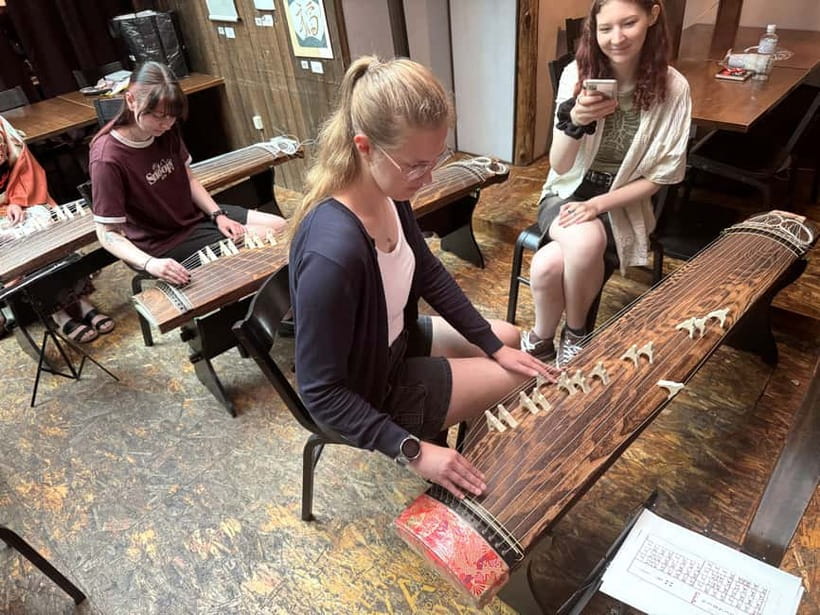
Then it is your turn. The focus is on learning enough technique to play Sakura Sakura. That choice works well for a short class because the song is closely associated with Japan and gives you a clear goal. You are not simply practicing random notes. You are working toward a tune you can recognize.
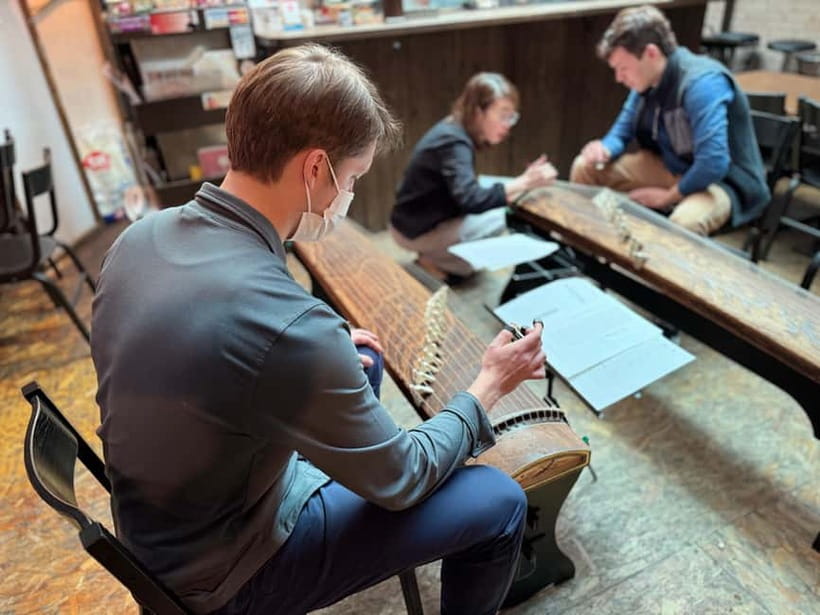
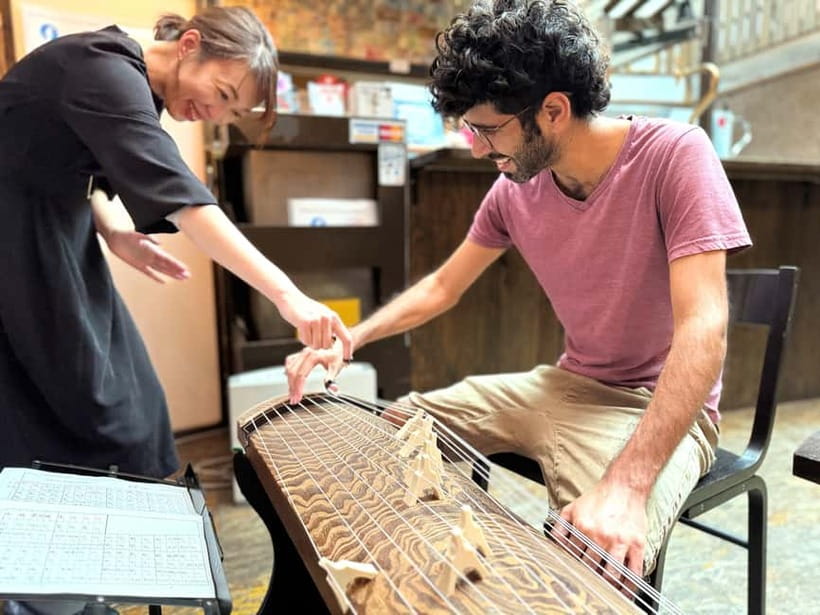
The session is practical rather than academic. You learn by doing, with an instructor nearby to guide your hands and explain what to do next. If you pick up the basics quickly, you can try other songs after Sakura Sakura. The exact songs available beyond the main lesson are not specified, so think of this as an introduction, not a full course in koto playing.
More traditional music sessions:
- Kyoto: Nishiki Market Tea Ceremony with Koto Performance
★ 4.8 · 294 reviews - TAIKO, Japanese Drum Experience from Kyoto
★ 5.0 · 86 reviews - Shamisen Experience in Kyoto 【Private】
★ 5.0 · 82 reviews
A Patient Lesson for First-Time Musicians
The strongest part of this experience is the teaching. The instructor speaks English and Japanese, and the lesson welcomes people who have never played an instrument. That makes a real difference in a class involving an unfamiliar instrument, especially if you are worried about making mistakes in front of others.
Natsuko is named in the participant feedback and is praised for being patient, friendly, and encouraging. One first-time musician felt able to learn the basics despite having no past experience with an instrument. That is a useful clue for deciding if this suits you: you do not need to arrive with rhythm, technique, or confidence already in place.
The class can also work for a solo booking. A previous session went ahead for just one participant, which suggests the instructor may still provide the lesson when the group is very small. You should not assume every session will be private, but a small class gives you a better chance to ask questions and receive direct help.
The group limit is 10 people. That is not the same as a one-on-one lesson, yet it is still modest enough to keep the experience from feeling like a crowded demonstration. If you prefer quiet activities and hands-on learning, this format is more appealing than a large musical show.
Why Sakura Sakura Makes a Good First Song
Sakura Sakura is a smart song choice for visitors. The melody is strongly linked with Japan, and many people recognize it even if they do not know its name. Playing it gives you a small but meaningful connection to the country’s musical culture.
A short class needs a song that feels achievable. Starting with a familiar traditional melody helps you measure your progress. You can listen to the instructor, follow the lesson, and then hear your own version begin to take shape. That moment is likely to be more satisfying than spending the whole session on technical exercises.
You may be able to try more songs once you have learned the first one. Keep your expectations sensible, though. The experience lasts 90 minutes, so the main reward is a friendly introduction and the chance to play a complete piece, not advanced mastery.
I also like the way the lesson links listening with action. First you hear the instrument played well. Then you learn how to create the sound. That order gives the class a calm pace and helps you understand what makes the koto special before you start working with it.
Gojo Paradiso by the Takase River
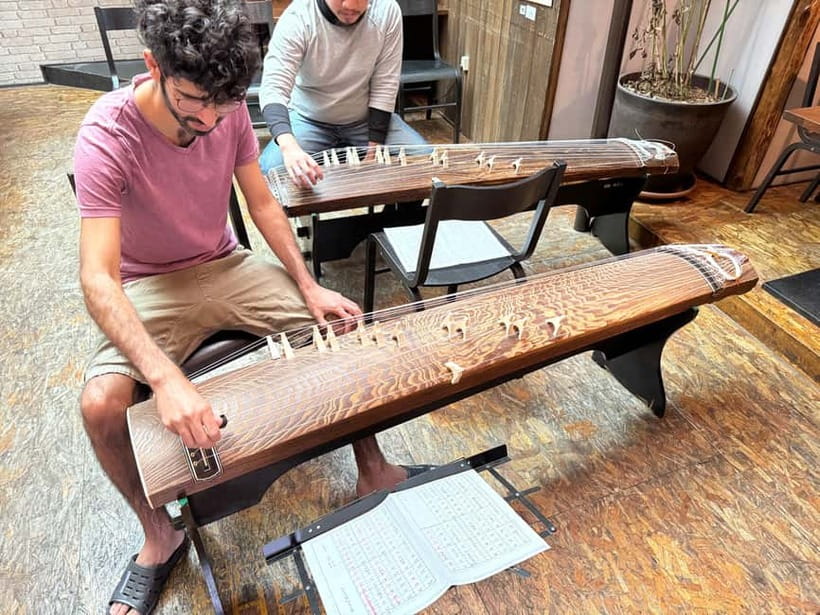
The meeting point is Gojo Paradiso on Kiyamachi Street, along the Takase River. It is about a five-minute walk from Keihan Kiyomizu Gojo Station and roughly 10 minutes from Keihan Shichijo Station. The stated distance from Kiyomizu Gojo Station is 386 meters.
This location is useful if you are already exploring central Kyoto. You do not need to plan a long trip to a distant suburb or a separate day around the class. The setting by the river also fits the quiet mood of the instrument, although the class itself takes place at Gojo Paradiso rather than outdoors.
Give yourself enough time to find the venue. A short walk can still take longer when you are navigating an unfamiliar station area, and a music lesson is more enjoyable when you arrive settled rather than rushing through the door. The meeting point is specific, but you should still check your route before leaving your hotel.
The class works well as a break between sightseeing stops. You can place it into a day in central Kyoto without committing to a half-day excursion. At 90 minutes, it has a clear beginning and end, leaving room for meals, temples, shopping, or an evening plan.
More workshops and classes in Kyoto:
- Kyoto: 45-Minute Tea Ceremony Lesson Experience
★ 4.3 · 2,378 reviews - Kyoto : Chopsticks Making Workshop in Gion with Engraving Option
★ 5.0 · 958 reviews - Kyoto: Samurai Sword Class by Experts in Traditional Arts
★ 4.9 · 657 reviews - Kyoto: Ramen Cooking Class at a Ramen Factory with Souvenir
★ 4.9 · 532 reviews
What the 90 Minutes Feel Like
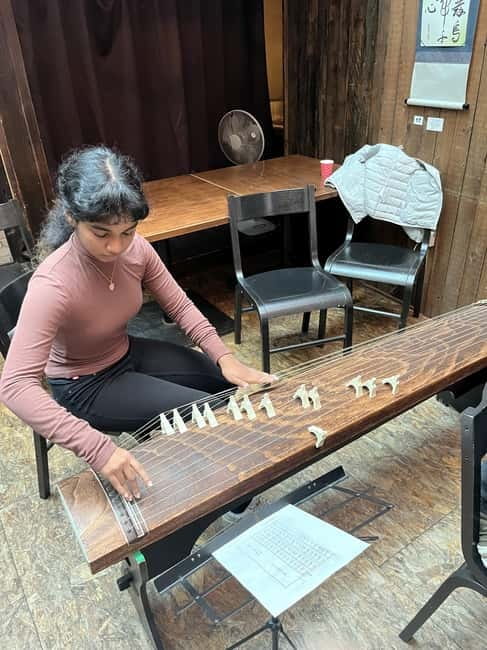
The activity has a simple progression:
- You meet the instructor at Gojo Paradiso.
- You listen to a live koto performance.
- You receive an introduction to the instrument and the basic way to play it.
- You practice the notes and technique needed for Sakura Sakura.
- You play the song yourself.
- If time and ability allow, you can try additional songs.
- You take photos and videos to remember the session.
The pace should feel accessible rather than demanding. The purpose is to let you experience the pleasure of making koto music, not to test you. Still, you will get more from the class if you pay attention during the demonstration and are willing to repeat a movement a few times.
The photo and video opportunity is a useful touch. Many cultural activities leave you with memories but no record of the moment itself. Here, you can capture yourself playing, subject to the practical directions of the instructor and venue. Bring a phone if you want a personal record, but keep it secondary to listening and playing.
Because the class is short, do not expect a long lecture on every aspect of koto construction or Japanese music theory. The supplied details focus on performance and participation. If your main goal is a hands-on cultural activity, that is a strength. If you want an academic lesson, this may feel light.
The $32 Question: Is It Good Value?
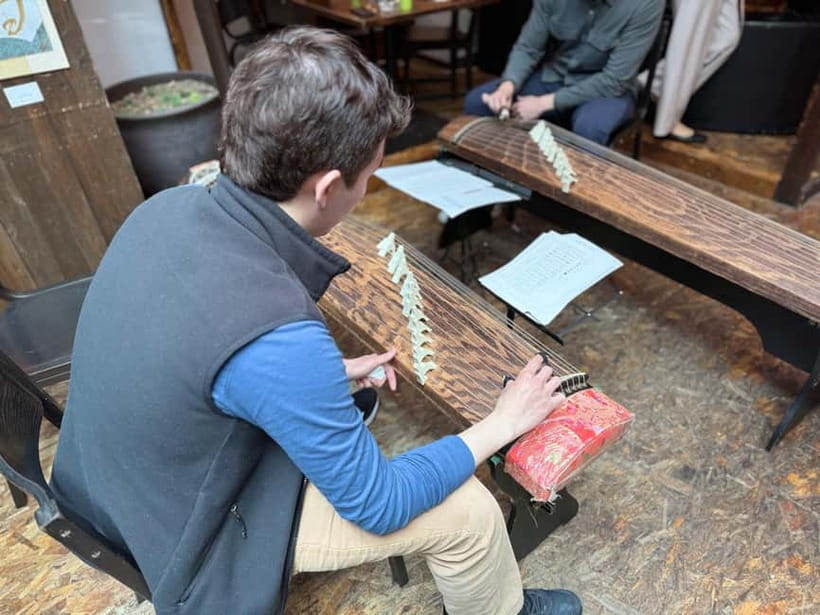
At $32 per person, this is a reasonable price for a 90-minute guided activity in Kyoto. The cost includes an expert instructor, the koto, and all necessary materials. You are not paying extra to rent an instrument or buy supplies before the class begins.
The value comes from access. Most visitors cannot simply walk into a music studio, sit at a koto, and receive a lesson in English or Japanese. This class gives you the instrument, a teacher, a structured song, and time to play. For someone who wants an active cultural experience instead of another sightseeing stop, that package is worthwhile.
The price is less compelling if you only want to hear traditional Japanese music. A performance-only event may suit you better, depending on your plans. This experience earns its fee through participation, so book it because you want to play, not just because you want background music.
The small group limit also helps the price feel fair. You may not receive a private lesson, but a maximum of 10 participants allows for a more direct experience than a large public demonstration. The strongest value is for beginners, solo participants, couples, and families with children aged 10 or older who want to try something new together.
Who Should Book This Class
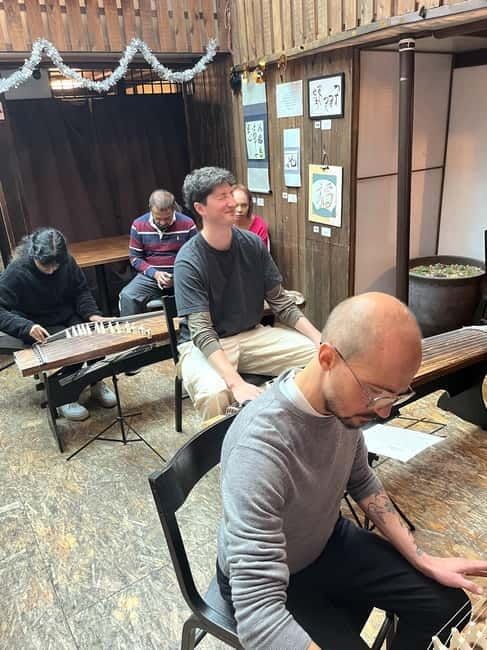
I would recommend this class to anyone who wants a calm, focused activity in Kyoto. It suits music lovers, but you do not need to think of yourself as musical. The teacher’s role is to make the first steps manageable.
It is also a good fit for people interested in traditional Japanese culture who want more than a photograph outside a temple. Sitting down with the instrument gives you a brief personal link to an art form that you might otherwise only encounter as a spectator.
Couples and small groups can enjoy the shared novelty of trying the koto for the first time. A solo participant should not feel out of place, since the lesson has previously been given to a single person. The instructor’s patience is especially important here, and Natsuko has been singled out for exactly that quality.
Children under 10 cannot join. Families with older children should also consider attention span and interest. The activity is seated and musical, with no sightseeing movement or physical challenge. That makes it relaxing for some people and too quiet for others.
A Few Practical Limits to Keep in Mind
You must reserve at least one day in advance. Same-day plans will not work, so fit the class into your Kyoto schedule early.
The activity is wheelchair accessible, which makes it easier to include in a wider range of itineraries. English and Japanese are available, but the provided information does not specify the instructor’s exact language level or the amount of written material. If language support is especially important to you, confirm the details when booking.
The class offers free cancellation up to 24 hours before the start time for a full refund. You can also reserve now and pay later, which helps if your Kyoto schedule is still changing. These policies are useful, but the main booking decision should remain the activity itself: you need to want a hands-on music lesson.
The rating is 4.9 from 11 ratings, and the praise is notably consistent around the instructor. People describe the teaching as friendly, patient, and encouraging. That is more useful than a general claim that the activity is enjoyable because it points to the part most likely to shape your experience.
My Verdict: Book It If You Want to Play
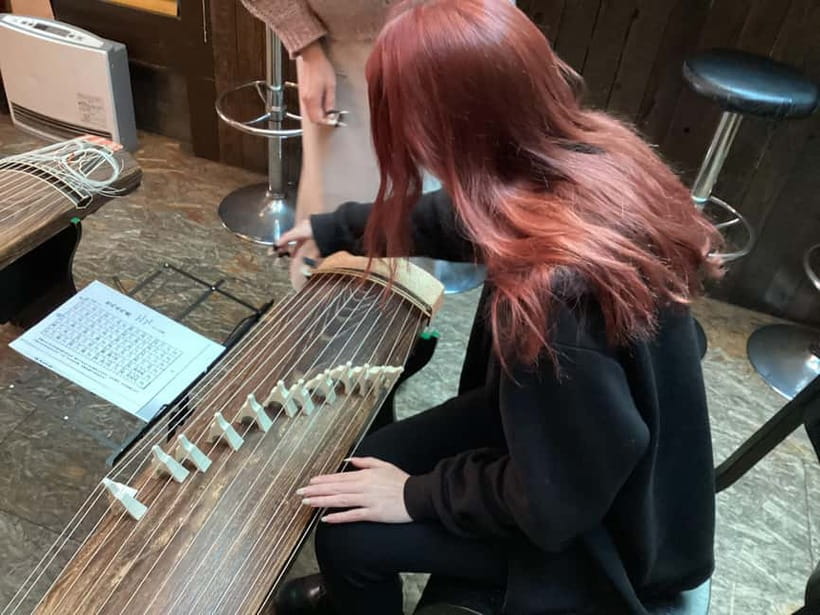
Book the Kyoto koto class if you want a short, personal cultural activity where you actually do something. For $32, you receive a 90-minute lesson, a live demonstration, use of the instrument, guidance from an instructor, and the chance to play Sakura Sakura yourself.
I would especially choose it for a first visit to Kyoto when you want a break from temple visits and busy shopping streets. It offers a quieter hour and a half, yet it still connects directly to Japanese culture. The main limit is its scope: you will learn an introduction, not become a trained koto player.
If you are at least 10, can reach Gojo Paradiso, and like the idea of making music with patient guidance, this is an easy activity to recommend. Reserve at least a day ahead, allow time to find the venue, and arrive ready to try the first note.
FAQ
How long does the Kyoto koto class last?
The class lasts 90 minutes.
How much does the experience cost?
The price is $32 per person.
Do I need musical experience?
No. Beginners are welcome, and no prior experience is required.
What song will I learn?
The main song is Sakura Sakura. If you learn it successfully, you may also try other songs.
Where is the meeting point?
The class meets at Gojo Paradiso on Kiyamachi Street, along the Takase River. It is about a five-minute walk from Keihan Kiyomizu Gojo Station and a 10-minute walk from Keihan Shichijo Station.
Can children join the class?
Children under 10 are not permitted to participate.
Recently added around Kyoto
- Higashiyama | Kyoto: Sakura Season Private Rickshaw Tour★ 5.0 · 3 reviews
- Kyoto Kimono Rental CHAMATSU|Kimono/Yukata Rental FamilyPlan★ 5.0 · 3 reviews
- Kyoto: Half-Day Private Guided Tour to the Old Town of Gion★ 4.4 · 3 reviews
- Nara Private Customizable Half Day Tour★ 5.0 · 3 reviews
- Kansai Region Hiking Adventure in Nara Kobe Kyoto and More★ 5.0 · 3 reviews
- Full Day Nara Deer, Temple, Shrine, Activities & Tea Ceremony★ 5.0 · 3 reviews
- Nara: Essential Private Tour with Deer Park and Temples★ 5.0 · 3 reviews
- Hiking Tour for Sacred Sites in Kyoto with a Guide★ 5.0 · 3 reviews
Kyoto Traditional Music Experiences, compared.
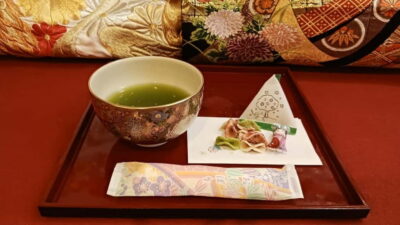
Nishiki Market Tea Ceremony with Koto Performance
Read our review →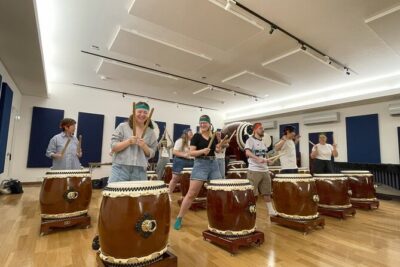
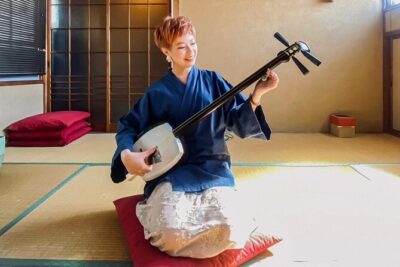

Private Koto Lesson in Kyoto with a Professional Koto Performer
Read our review →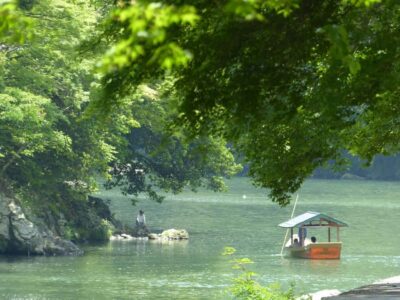
Browse the lists this tour appears in