
REVIEW · GION GEISHA DISTRICT TOURS
Kyoto Gion Early Morning Walking Tour
Kyoto’s famous sights are far more enjoyable before the day gets rolling. This early-morning Gion walk leads you from willow-lined canals and old wooden streets to Kiyomizu-dera and Yasaka Shrine, when the lanes are calmer and photos are easier. I especially like the route’s mix of daily Kyoto scenery and major sights, rather than a temple-only march.
I also like the small group, capped at 12 people, and the chance to ask questions as you go. Guides including Hiro, Caleb, and Vincent are praised for clear English, humor, and strong knowledge of Japanese history. The main catch is timing: Kiyomizu-dera can still be crowded by the time you arrive, and the walk includes plenty of uphill streets and steps.
In This Review
- Key points to know before you book
- Why an early start matters in Gion
- Gion Shirakawa and the quiet side of Kyoto
- Hanamikoji Street and the geisha district
- Kiyomizu-dera and the ¥500 decision
- Sannenzaka and Ninenzaka, Kyoto’s picture-book lanes
- Yasaka Pagoda, a ten-minute photo stop
- Yasaka Shrine closes the loop
- What the guides add to the walk
- Is $49.42 good value for three hours?
- Who should choose this Kyoto morning walk?
- Should you book it?
- FAQ
- How long does the Kyoto Gion Early Morning Walking Tour last?
- What locations are included?
- Is Kiyomizu-dera admission included?
- Where does the tour start?
- Where does the tour finish?
- How large is the group?
- Can I cancel for a full refund?
Key points to know before you book
- Early access to Kyoto’s most crowded sights: The morning start gives you a quieter shot at Gion, Kiyomizu-dera, and the historic lanes.
- A well-chosen six-stop route: You see Gion Shirakawa, Hanamikoji Street, Kiyomizu-dera, Sannenzaka and Ninenzaka, Yasaka Pagoda, and Yasaka Shrine.
- Small group, up to 12 people: You get a better chance to hear the guide and ask questions than on a large coach tour.
- Guides add context, not just directions: Hiro, Caleb, and Vincent are noted for history, local culture, humor, and a willingness to answer extra questions.
- Budget for the temple fee: The ¥500 Kiyomizu-dera admission charge is not included in the tour price.
- Expect a proper morning walk: The route lasts about three hours and covers hilly streets, temple grounds, and historic lanes.
Why an early start matters in Gion
Kyoto’s Gion district changes character as the morning wears on. At first, the narrow streets can feel still and spacious. Later, the same lanes fill with people heading toward the major temples, taking photos, and browsing the shops around Kiyomizu-dera.
That timing is the central reason to choose this tour. You are not simply fitting more sights into a morning. You are trying to see them under better conditions. The tour begins at the Statue of Izumo-no-Okuni near the Kawabata area, then works east toward Higashiyama. The route ends back at the meeting point, so you do not need to figure out how to return from the temple district.
The early hour also gives the guides room to explain details without competing with heavy street noise. Caleb is described as a history enthusiast who brings energy to the walk, while Hiro is praised for connecting Japanese history with wider world events. Vincent is known for taking time with questions and sharing his affection for Kyoto.
The schedule is not quite a dawn patrol, and the exact start time is not provided here. That matters because crowd levels at Kiyomizu-dera can change quickly. One visitor wished the tour began an hour earlier after finding the temple busy on arrival. If avoiding crowds is your top goal, check the stated start time carefully before booking.
More evenings in Gion:
- Kyoto Geisha Walking Tour: Gion District & Hidden Gems
★ 4.7 · 3,273 reviews - Kyoto: Gion Magical Night Walking Tour with Geisha Trivia
★ 4.9 · 2,393 reviews - Kyoto: Gion Geisha District Walking Tour – Stories of Geisha
★ 4.7 · 2,187 reviews
Gion Shirakawa and the quiet side of Kyoto
The first stop is Gion Shirakawa, where the Shirakawa River runs beside traditional machiya houses and drooping willow trees. You get about 15 minutes here, enough to take in the setting and hear why this part of Gion is so closely tied to Kyoto’s old entertainment districts.
This is a good opening because it eases you into the city. Instead of beginning with a ticket line or a major gate, you start with the street itself. The wooden buildings, narrow waterway, and careful atmosphere offer a useful introduction to Kyoto’s visual style.
The stop is free, but the time is short. You should not expect an extended photo session or a long riverside stroll. The guide’s explanation is part of the value, so stay close and listen before moving on.
Hanamikoji Street and the geisha district
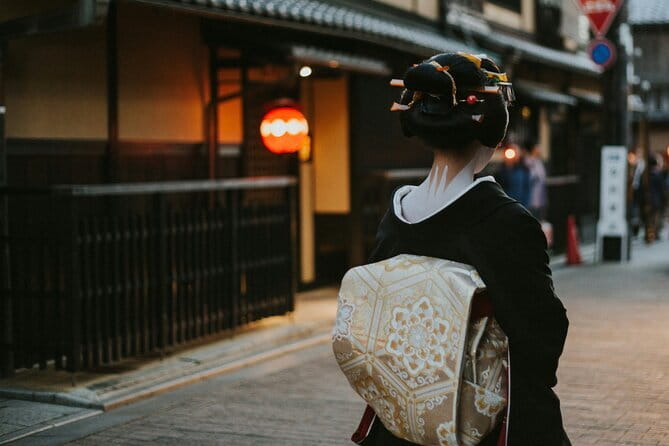
From Shirakawa, the walk continues to Hanamikoji Street for about 20 minutes. This is one of Gion’s best-known streets, lined with wooden machiya houses and traditional teahouses called ochaya.
The area is associated with geisha and maiko, but it is important to treat it as a working neighborhood rather than a stage set. A guided walk helps you understand the district with more care. You can learn about the role of the teahouses and the customs that shape this part of Kyoto, rather than simply pointing a camera at a passing performer.
Because this is an early walk, you may find the street calmer than it is later in the day. Still, keep your expectations sensible. The tour cannot promise a geisha or maiko sighting, and the itinerary does not include a performance or teahouse visit.
This is one place where a guide’s manner matters. Hiro’s humor and ability to explain historical subjects in clear English can make the setting easier to understand. Caleb is also praised for answering questions and making the walk feel personal.
Kiyomizu-dera and the ¥500 decision
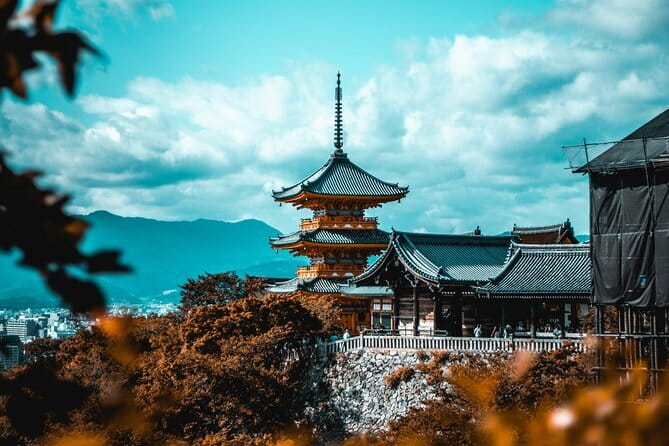
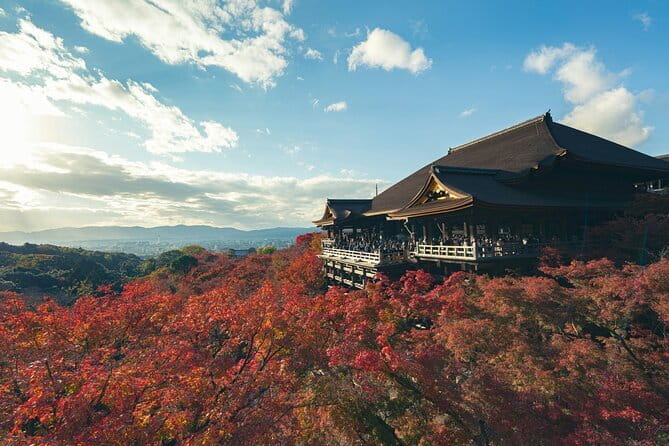
Kiyomizu-dera receives the longest stop, about one hour, and it is the centerpiece of the morning. The temple is famous for its large wooden stage, which looks out across Kyoto and the surrounding hills. The setting changes with the seasons, including spring blossoms and autumn color.
The temple offers more than a photo opportunity. It gives you a chance to connect the earlier streets of Gion with Kyoto’s Buddhist tradition. Your guide can explain what you are seeing, point out important features, and place the temple within the wider story of the city.
Admission is not included. You should bring ¥500 per person for the temple entry fee. At roughly $49.42 for the tour itself, that extra charge is modest, but it is still worth knowing about when you compare costs.
The one concern is crowd control. The tour is designed to reach Kiyomizu-dera before the afternoon rush, not to guarantee an empty temple. If your start time is later in the morning, the approach and wooden stage may already be busy. You can still benefit from arriving before the heaviest part of the day, but do not expect a private visit.
The one-hour stop is generous compared with the shorter street visits. Even so, Kiyomizu-dera is a large and popular site, so you will see the main features rather than every corner. Wear comfortable shoes and be ready for slopes and steps.
More early starts before the crowds:
- Kyoto Early Morning Tour with English-Speaking Guide
★ 5.0 · 1,427 reviews - Kyoto: Early Morning Tour with English-Speaking Guide
★ 4.9 · 1,128 reviews - Nara Early Morning Tour (Kyoto or Osaka Departure Available)
★ 5.0 · 676 reviews - Arashiyama Bamboo Forest & Hidden Gems Bike Tour (Early Bird)
★ 5.0 · 613 reviews
Sannenzaka and Ninenzaka, Kyoto’s picture-book lanes
After Kiyomizu-dera, the tour spends about 30 minutes on Sannenzaka and Ninenzaka. These stone-paved lanes are lined with wooden townhouses, small shops, and traditional-looking storefronts.
This section links the temple to the neighborhood around it. You get to see how Kyoto’s historic appearance continues beyond the temple gates, with buildings and streets that still shape the experience of walking through Higashiyama.
The lanes are beautiful, but they are also among Kyoto’s busiest sightseeing areas. The early timing helps, though the route may not feel empty. The steps and sloping pavement also make this a demanding part of the morning for anyone who is not used to walking.
The half-hour stop is enough for an introduction and photographs. It is not enough for a relaxed shopping session. If you see a shop you want to return to, note its location and come back after the tour, since the activity continues toward Yasaka Pagoda and Yasaka Shrine.
Yasaka Pagoda, a ten-minute photo stop

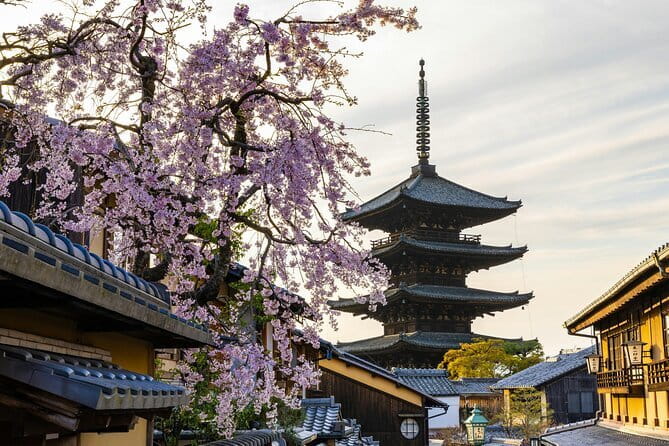
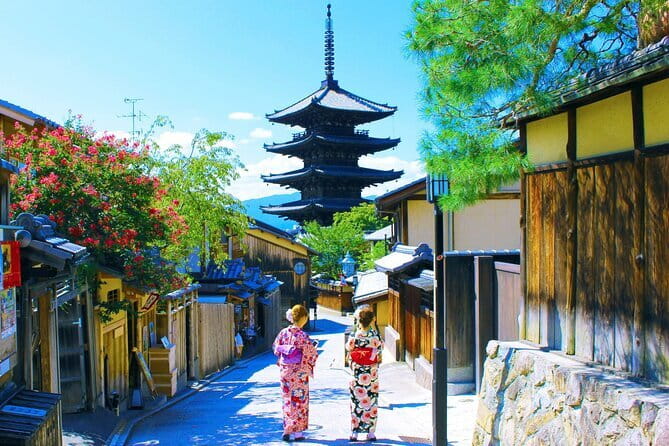
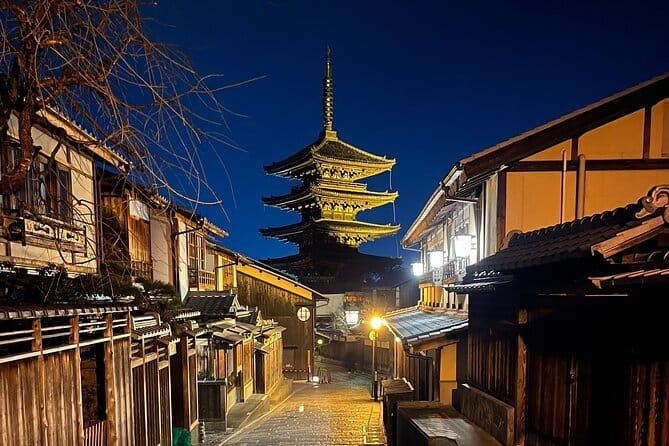
Yasaka-no-To, usually called Yasaka Pagoda, is one of the most recognizable sights in this part of Kyoto. The pagoda rises above the surrounding historic streets, creating a strong view along the traditional lanes.
The stop lasts about 10 minutes and is free. That tells you what to expect: this is mainly a viewpoint and orientation stop, not a long temple visit. Your guide can explain the landmark and help you frame the scene, while the early light may offer better conditions than the middle of the day.
Do not treat this as a separate indoor attraction. The appeal is the pagoda’s place within the old streets around it. It is a compact stop, but a useful one because it breaks up the walk between the major temple and shrine visits.
Yasaka Shrine closes the loop
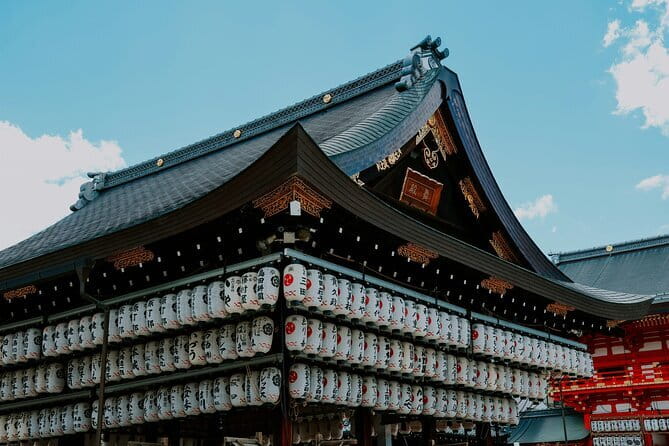
The final major stop is Yasaka Shrine, with about 30 minutes to explore. This Shinto shrine is known for its vermilion gate and lantern-lit dance stage. It has long been linked with the protection of Kyoto and remains one of the city’s best-known religious sites.
The shrine gives the tour a useful balance. Kiyomizu-dera represents Buddhist Kyoto, while Yasaka Shrine introduces Shinto traditions and shrine architecture. You can ask about customs, symbols, and the way these religious sites fit into local life.
The shrine is free to enter, so there is no added admission cost here. The half-hour visit should give you time to look around and hear the guide’s explanation without stretching the morning too far.
From Yasaka Shrine, the activity finishes back at the original meeting point. Hotel pickup is not included, so you need to reach the statue of Izumo-no-Okuni on your own. The meeting area is near public transportation, which makes the start practical if you are staying elsewhere in central Kyoto.
What the guides add to the walk
The route would be easy enough to follow on a map, but the guide is the reason to book rather than walk it alone. You are moving through places where a few useful explanations can change what you notice.
Hiro receives especially strong praise for his command of English, historical depth, and sense of humor. He is also described as someone who puts Japanese history into a wider global setting. That can help if you want more than dates and temple names.
Caleb is praised for being friendly, passionate about history, and open to questions. One morning with him included a coffee stop at Here, which suggests there may be room for a small local pause, though coffee is not listed as a formal part of the tour and should not be treated as guaranteed.
Vincent is noted for explaining things carefully and answering questions, including questions beyond the strict route. That is useful for first-time visitors who want help understanding Kyoto’s present-day culture as well as its past.
Guides can vary by departure, so you should not book on the assumption that one particular person will lead every tour. Still, the repeated strength of the guiding is clear: expect interpretation, conversation, and help finding your way, not just a head count at each stop.
Is $49.42 good value for three hours?
At $49.42 per person, this is not the cheapest way to walk through Gion. You can visit the streets and Yasaka Shrine independently for little or no admission cost. You could also reach Kiyomizu-dera on your own and pay only the ¥500 temple fee.
The value comes from the morning structure and the guide. You avoid spending time working out the best order, finding the meeting points between districts, or guessing what you are looking at. The small group also gives you a better chance to ask questions than a large city tour.
The price makes the most sense for a first visit to Kyoto, especially if you want the major sights covered in one organized morning. It is less compelling if you already know Gion well, prefer slow independent wandering, or want to spend a long time shopping in Sannenzaka and Ninenzaka.
The tour includes an English-speaking guide and about three hours of walking. It does not include hotel pickup, Kiyomizu-dera admission, food, or drinks. Free cancellation is available if you cancel at least 24 hours before the start time. Changes or cancellations inside that window are not accepted for a refund.
Who should choose this Kyoto morning walk?
I would recommend it to you if you want a clear introduction to Kyoto’s eastern historic districts and prefer learning while walking. It suits people who value context, have limited time, and want to see several major locations before the afternoon crowds build.
It is also a good match for photographers who prefer quieter streets and better access to recognizable views. The Gion canal, Hanamikoji, Yasaka Pagoda, and Kiyomizu-dera all offer strong subjects, though no early tour can promise empty streets.
You should think twice if you dislike hills, stairs, or a steady three-hour walk. The route covers several districts, and the temple area is not flat. You should also choose another activity if your priority is entering many buildings, shopping at length, or seeing a live geisha performance.
The maximum group size of 12 is a useful middle ground. You get company and guide support without the feel of a large bus group. Most people can participate, and the tour is near public transportation, but the supplied details do not describe special access arrangements or a step-free route.
Should you book it?
Book this tour if you want to see the essential Gion and Higashiyama sights in one morning, with a guide who can explain the history and local customs along the way. Hiro, Caleb, and Vincent each bring a different strength, from historical depth to warmth, humor, and patient answers.
Before booking, check the start time and prepare for a brisk, hilly walk. The best reason to go is not that every site will be empty. It is that you reach Kyoto’s most popular sights at a better hour, with the route, history, and logistics handled for you.
FAQ
How long does the Kyoto Gion Early Morning Walking Tour last?
The tour lasts approximately three hours.
What locations are included?
The route includes Gion Shirakawa, Hanamikoji Street, Kiyomizu-dera Temple, Sannenzaka and Ninenzaka, Yasaka-no-To or Yasaka Pagoda, and Yasaka Shrine.
Is Kiyomizu-dera admission included?
No. Kiyomizu-dera admission costs ¥500 per person and is paid separately.
Where does the tour start?
The meeting point is the Statue of Izumo-no-Okuni at Kawabatacho, Higashiyama Ward, Kyoto, 605-0076, Japan.
Where does the tour finish?
The activity ends back at the original meeting point.
How large is the group?
The tour has a maximum of 12 travelers.
Can I cancel for a full refund?
Yes, if you cancel at least 24 hours before the experience start time. Cancellations or changes made less than 24 hours before the start time are not accepted for a refund.
More Morning in Kyoto
- From Kyoto: Nara Guided Morning Tour
★ 4.6 · 335 reviews - Kyoto Morning Tour from Kyoto or Osaka
★ 4.0 · 281 reviews - Kyoto: Morning Japanese Bento Cooking Class
★ 5.0 · 149 reviews - Kyoto: Arashiyama Bamboo Forest Morning Tour by Bike
★ 5.0 · 115 reviews
More Walking Tours in Kyoto
- Night Walk in Gion: Kyoto’s Geisha District
★ 4.5 · 2,003 reviews - Kyoto Gion Geisha District Walking Tour – The Stories of Geisha
★ 5.0 · 1,441 reviews - Nishiki Market Brunch Walking Tour (7 Tastings + Brunch)
★ 5.0 · 1,355 reviews - Kyoto Arashiyama Walking Tour: Bamboo, Monkeys, Gardens & Secrets
★ 5.0 · 1,216 reviews
Recently added around Kyoto
- Higashiyama | Kyoto: Sakura Season Private Rickshaw Tour★ 5.0 · 3 reviews
- Kyoto Kimono Rental CHAMATSU|Kimono/Yukata Rental FamilyPlan★ 5.0 · 3 reviews
- Kyoto: Half-Day Private Guided Tour to the Old Town of Gion★ 4.4 · 3 reviews
- Nara Private Customizable Half Day Tour★ 5.0 · 3 reviews
- Kansai Region Hiking Adventure in Nara Kobe Kyoto and More★ 5.0 · 3 reviews
- Full Day Nara Deer, Temple, Shrine, Activities & Tea Ceremony★ 5.0 · 3 reviews
- Nara: Essential Private Tour with Deer Park and Temples★ 5.0 · 3 reviews
- Hiking Tour for Sacred Sites in Kyoto with a Guide★ 5.0 · 3 reviews
Gion Geisha District Tours, compared.

Kyoto Geisha Walking Tour: Gion District & Hidden Gems
Read our review →
Gion Magical Night Walking Tour with Geisha Trivia
Read our review →
Gion Geisha District Walking Tour – Stories of Geisha
Read our review →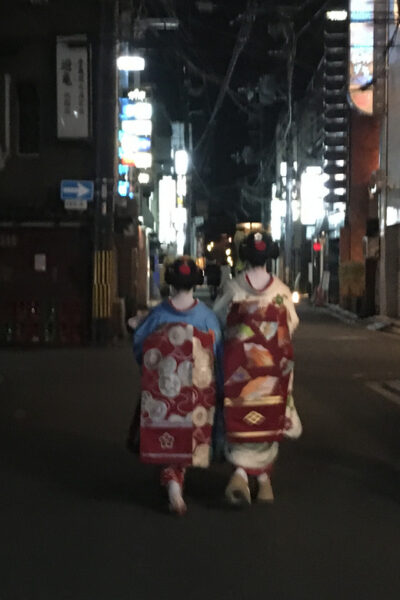
Best of Kyoto: Gion, Geisha, Pagodas & Cobblestones
Read our review →

Kyoto Night Foodie Tour in Gion (9+ dishes + 6 Sake tastings)
Read our review →
Kyoto Gion Geisha District Walking Tour – The Stories of Geisha
Read our review →
Kyoto Gion: 2-Hour Geisha Culture & History Walking Tour
Read our review →Browse the lists this tour appears in