
REVIEW · KYOTO EARLY MORNING TOURS
Kyoto: Early Morning Walking Tour with Local Guide
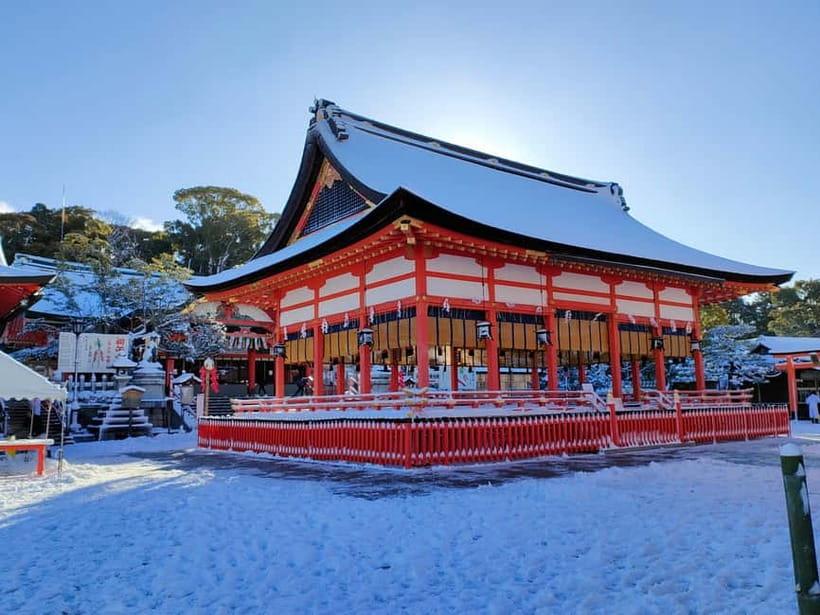
Kyoto is at its best before breakfast, when temple gates open onto cool air and the old lanes are still quiet. This private six-hour walk links several major sights without making you work out the route, and guide Michele can add local stories about Japanese customs and daily life along the way. Kiyomizu-dera and Fushimi Inari give the day its big visual moments.
I like the calm early timing, especially at Kiyomizu-dera and in Gion. I also like the private format: with up to 10 people, the guide can adjust the pace, explain details, and take your group through less-frequented corners when possible. The main drawback is that six hours on foot is a serious morning, and food, drinks, transport to the meeting point, and the small Kiyomizu-dera admission fee are extra.
In This Review
- Key points at a glance
- Why an early Kyoto walk makes sense
- Kiyomizu-dera and the Koyasunoto Pagoda
- Sannen-zaka, Ninen-zaka, and Yasaka Pagoda
- Gion in the quiet morning
- Yasaka Shrine and Chion-in Temple
- The local train to Fushimi Inari
- What the private format adds
- Pace, footwear, and planning your morning
- Who will get the most from this tour
- Should you book the Kyoto early morning walk?
- FAQ
- How long does the Kyoto walking tour last?
- Where does the tour begin?
- Where does the tour end?
- Is the tour private?
- Which languages are available?
- What costs extra?
Key points at a glance
- Early access to Kyoto’s famous sights: Begin before the crowds and in cooler temperatures.
- A useful east-Kyoto route: Walk from Kiyomizu-dera through Gion, Sannen-zaka, Ninen-zaka, Yasaka Shrine, and Chion-in.
- Michele brings local context: The tour can cover Japanese rituals, society, and everyday life, not only temple dates.
- Private groups up to 10: The pace and route can be adapted to your group, including families with children.
- Fushimi Inari finishes the morning: A short local train ride leads to the red torii gates, with easy train access afterward.
- Good value for a group: At $316 for up to 10 people, the top price works out to $31.60 per person before the temple fee and other costs.
Why an early Kyoto walk makes sense
Kyoto’s most famous sights can feel very different at 7 or 8 in the morning than they do later in the day. Starting early gives you a better chance to appreciate the temple grounds, stone lanes, and shrine approaches without a wall of people around you.
This is not a tour built around one big attraction. Its strength is the way the stops connect. You begin in the Kiyomizu area, walk downhill and west through old neighborhoods, pause at several important religious sites, then use a local train to reach Fushimi Inari. You get a broad first look at Kyoto’s eastern side without wasting time on backtracking.
The early start also helps with heat. Kyoto can feel humid, and the route includes slopes, temple steps, and long stretches on foot. You should still bring water, wear comfortable shoes, and use sunscreen, but beginning in the morning makes the six-hour schedule more manageable.
The private setup matters here. A guide can explain why a place matters while you are standing in it, rather than leaving you to sort out a map and a guidebook. The tour is offered in English or Italian, and Michele is specifically named as a guide who can discuss Japanese society, rituals, and ordinary life as well as history.
More early starts before the crowds:
- Kyoto Early Morning Tour with English-Speaking Guide
★ 5.0 · 1,427 reviews - Kyoto: Early Morning Tour with English-Speaking Guide
★ 4.9 · 1,128 reviews - Nara Early Morning Tour (Kyoto or Osaka Departure Available)
★ 5.0 · 676 reviews
Kiyomizu-dera and the Koyasunoto Pagoda
The meeting point is the Family Mart in front of the Higashiyama Fire Station at 4 Chome-182-18 Kiyomizu. You can also request a hotel meeting point within Kyoto city, which is useful if you are traveling with children, carrying luggage, or simply want to avoid finding an unfamiliar address early in the morning.
The first main stop is Kiyomizu-dera, one of Kyoto’s defining temple complexes. The visit includes the Koyasunoto Pagoda area and about an hour of sightseeing. The setting is especially appealing early, when the temple’s broad views can be enjoyed in a quieter mood.
The temple is built into the hills of eastern Kyoto, so expect steps and some uphill or downhill walking. The famous wooden stage and elevated position make this a strong opening stop, but the route is not flat. Take your time, especially if your group includes young children or anyone who tires easily.
Kiyomizu-dera admission is not included. The stated fee is about $3, so keep a small amount available for entry. Food and drinks are also your responsibility, and there is no promise of a scheduled café stop, so eat before meeting the guide or carry water and a small snack.
Sannen-zaka, Ninen-zaka, and Yasaka Pagoda
From the Kiyomizu area, the walk continues through Sannen-zaka and Ninen-zaka. These traditional streets are among the most attractive parts of the route, with preserved-looking wooden buildings, stone paving, and a strong sense of old Kyoto.
They are also popular. An early start is the best reason to book this experience at the beginning of your Kyoto stay, particularly if you want photographs without the heaviest foot traffic. Shops may not all be open yet, so you should think of this section as a quiet neighborhood walk rather than a shopping session.
The Yasaka Pagoda gives the area its unmistakable profile. This five-story pagoda is one of the most recognizable sights in Higashiyama, and seeing it from the surrounding lanes helps you understand how closely Kyoto’s temples, homes, and small streets fit together.
I like this part of the route because it slows the morning down. You are not rushing from ticket line to ticket line. You are walking through the spaces between the major sights, where the architecture and street layout often tell you as much about Kyoto as a large temple does.
Gion in the quiet morning
The walk then reaches Gion, Kyoto’s famous geisha district. The schedule allows about an hour here, giving your guide time to explain the character of the area and point out details you might otherwise pass without noticing.
Gion is best treated as a living neighborhood, not a stage set. Early morning is a considerate time to visit because the lanes are calmer, and you can look at the traditional streets without turning the walk into a hunt for geisha sightings. Keep your voice low, stay respectful, and follow the guide’s lead around private streets and working businesses.
This is another place where local explanation adds value. The tour is designed to cover Japanese customs and daily life, and Michele is described as sharing stories and anecdotes about Japanese society. That kind of context can help you understand the difference between a religious site, a historic district, and a place where people still live and work.
Gion can also be a useful point to judge the pace of your morning. If you need a short pause, tell the guide. The private format allows more flexibility than a large scheduled group, although the full route still has several stops ahead.
More walking tours in Kyoto:
- Kyoto Geisha Walking Tour: Gion District & Hidden Gems
★ 4.7 · 3,273 reviews - Kyoto: Gion Magical Night Walking Tour with Geisha Trivia
★ 4.9 · 2,393 reviews - Kyoto: Gion Geisha District Walking Tour – Stories of Geisha
★ 4.7 · 2,187 reviews - Night Walk in Gion: Kyoto’s Geisha District
★ 4.5 · 2,003 reviews
Yasaka Shrine and Chion-in Temple
Yasaka Shrine comes next, with about 30 minutes set aside for sightseeing. It offers a different experience from Kiyomizu-dera. Instead of a hillside temple setting, you get a major Shinto shrine with bold gates, open grounds, and a strong connection to Kyoto’s religious life.
Your guide can help explain the difference between shrine and temple customs, including how visitors approach each type of sacred place. That is especially useful if this is your first visit to Japan and you want to participate respectfully rather than simply take photographs.
Chion-in follows, with another 30-minute stop. The temple is known for its impressive architecture and calm atmosphere. A half-hour is enough for a focused introduction, though not enough for every corner of a large temple complex. That is worth remembering if you prefer slow, detailed visits over a day that covers several sites.
The short Chion-in stop works well within this particular route because the day is about connections. You get a taste of several important places rather than spending the entire morning at one complex. If Chion-in is your top priority, tell the guide when arranging the tour so you can discuss how much time is realistic.
The local train to Fushimi Inari
The route includes a local train ride of about 15 minutes to Fushimi Inari Taisha. Transportation during this part is listed as part of the planned route, but transportation to the meeting point and from the final stop is not included. Clarify any train fare details when booking, and keep some cash or a transit card ready.
The train is more than a change of scenery. It saves you from making a long road transfer between separate parts of Kyoto and lets the walk finish at one of the city’s most famous shrines. After several hours on foot, a short ride is welcome.
Fushimi Inari is famous for its seemingly endless rows of red torii gates. The gates climb into the wooded hills behind the shrine, creating one of Kyoto’s most memorable walks. You have about an hour here, which is enough to see the main approach and walk through a meaningful section of the torii corridor.
It is not enough to explore every upper trail, and that is the chief limitation of the schedule. Fushimi Inari rewards extra time if you want to climb farther. Still, ending here makes practical sense: the shrine has easy access to trains, so you can continue on your own after the guide says goodbye.
What the private format adds
The experience costs $316 per group of up to 10 people. For a full group, that is $31.60 per person before the Kiyomizu-dera entry fee and any food, drinks, or other transport. That is a fair price if you value a private guide and want the route arranged for you.
For two people, the per-person price is much higher. You are paying for the guide’s time, route planning, language support, and flexibility rather than simply buying admission to attractions. If you only want a list of famous places, a self-guided day will cost less.
The strongest value comes when you have a family or a small group of friends. The tour can be adapted to children, and Michele is described as flexible about adjusting the route to suit the group. That does not remove the walking involved, but it can make the morning less rigid.
You also get help with the small decisions that add friction in Kyoto: which streets connect the sights, how to move from Chion-in to Fushimi Inari, and what you are looking at when a temple or shrine presents unfamiliar symbols. A private guide is most useful when you ask questions, so arrive with a few.
Pace, footwear, and planning your morning
Plan for a substantial amount of walking. The route includes temple grounds, historic streets, shrine approaches, and the torii gates at Fushimi Inari. Comfortable shoes are essential, not optional.
Bring water, sunscreen, and a camera. The early hours may be cooler, but you are still outside for six hours. You should also eat before the tour or carry something small, since food and drinks are not included and no meal stop is specified.
The tour ends at Fushimi Inari Shrine. This is convenient if you want to continue by train, return to your hotel, or explore another part of southern Kyoto. It also means you are not returned to your starting point, so plan your afternoon from Fushimi Inari rather than assuming you will finish back in Higashiyama.
The meeting point is clearly defined at the Family Mart by the Higashiyama Fire Station, but a hotel meeting can be requested within Kyoto city. Confirm the exact starting time when you check availability. The early start is central to the experience, not a minor detail.
Who will get the most from this tour
I would choose this walk if you have limited time in Kyoto and want a strong first morning covering several signature sights. It gives you temples, shrines, old streets, Gion, a local train ride, and Fushimi Inari in one connected outing.
It is also a good match for families and small private groups. The route can be adjusted, and the guide can explain customs in a way that makes the places more meaningful for children. Just be honest about walking ability before you set out.
This may not suit you if you want long, unhurried visits inside each temple, a late start, or a food-focused tour. The six-hour schedule has a clear rhythm, and some stops receive only 30 minutes. You will see a lot, but you will not study every site in depth.
The experience is offered in English and Italian. If you want the strongest local interpretation, request Michele if available. His focus on Japanese rituals, social life, and everyday habits is one of the best reasons to choose a human guide over a route map.
Should you book the Kyoto early morning walk?
Book it if you want Kyoto’s major eastern sights organized into one private morning, especially if your group has up to 10 people or includes children. The early timing, flexible format, and local stories give the route more character than a simple checklist of temples.
Think twice if your priority is saving every dollar, sleeping late, or spending hours at one shrine. You will need to pay the small Kiyomizu-dera fee, handle your own food and drinks, and arrange your onward travel from Fushimi Inari.
For most first-time visitors who want a practical introduction to Kyoto, the balance is strong. Start early, wear good shoes, carry water, and treat Gion as a real neighborhood. Do that, and this tour gives you a clear, useful first look at the city.
FAQ
How long does the Kyoto walking tour last?
The tour lasts six hours, including sightseeing at the temples and shrines and an approximately 15-minute local train ride to Fushimi Inari.
Where does the tour begin?
The usual meeting point is the Family Mart in front of Higashiyama Fire Station at 4 Chome-182-18 Kiyomizu, Higashiyama Ward, Kyoto, 605-0862. You can request a different meeting point, such as your hotel in Kyoto city.
Where does the tour end?
The tour ends at Fushimi Inari Shrine, which has easy access to trains for continuing your day.
Is the tour private?
Yes. It is a private group experience for up to 10 people.
Which languages are available?
The tour is offered with a live guide in English or Italian. Michele is one of the named guides.
What costs extra?
Food and drinks, transportation to the meeting point, transportation from the final stop, and the Kiyomizu-dera entrance fee are not included. The stated Kiyomizu-dera fee is about $3.
More Morning in Kyoto
- From Kyoto: Nara Guided Morning Tour
★ 4.6 · 335 reviews - Kyoto Morning Tour from Kyoto or Osaka
★ 4.0 · 281 reviews - Kyoto: Morning Japanese Bento Cooking Class
★ 5.0 · 149 reviews - Kyoto: Arashiyama Bamboo Forest Morning Tour by Bike
★ 5.0 · 115 reviews
Recently added around Kyoto
- Higashiyama | Kyoto: Sakura Season Private Rickshaw Tour★ 5.0 · 3 reviews
- Kyoto Kimono Rental CHAMATSU|Kimono/Yukata Rental FamilyPlan★ 5.0 · 3 reviews
- Kyoto: Half-Day Private Guided Tour to the Old Town of Gion★ 4.4 · 3 reviews
- Nara Private Customizable Half Day Tour★ 5.0 · 3 reviews
- Kansai Region Hiking Adventure in Nara Kobe Kyoto and More★ 5.0 · 3 reviews
- Full Day Nara Deer, Temple, Shrine, Activities & Tea Ceremony★ 5.0 · 3 reviews
- Nara: Essential Private Tour with Deer Park and Temples★ 5.0 · 3 reviews
- Hiking Tour for Sacred Sites in Kyoto with a Guide★ 5.0 · 3 reviews
Kyoto Early Morning Tours, compared.
Kyoto Early Morning Tour with English-Speaking Guide
Read our review →Early Morning Tour with English-Speaking Guide
Read our review →
Nara Early Morning Tour (Kyoto or Osaka Departure Available)
Read our review →
Arashiyama Bamboo Forest & Hidden Gems Bike Tour (Early Bird)
Read our review →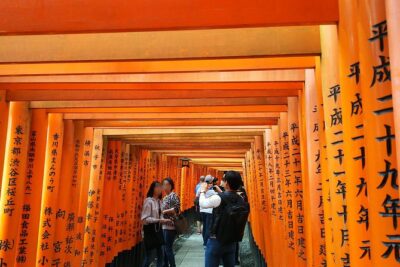
Kyoto Early Bird English Tour: Fushimi-Inari and Arashiyama
Read our review →
Nara Early Bird Tour (Kyoto Departure Option Available)
Read our review →
Kyoto Early Bird English Tour: Fushimi Inari & Gion(Private opt)
Read our review →Browse the lists this tour appears in