
REVIEW · KYOTO EARLY MORNING TOURS
Kyoto Early Bird Walking Tour
Kyoto’s three most famous sights are much better before the crowds arrive. This private early start takes you from the red torii gates of Fushimi Inari to the Golden Pavilion and Arashiyama’s bamboo forest, finishing around noon.
I like the smart route and the personal help with Kyoto’s trains and buses. I also like the guides’ practical touch, from printed schedules and photo help to regular checks for water and restroom breaks. The main tradeoff is the early alarm and a fast, walking-heavy morning, with public transport and Kinkaku-ji admission charged separately.
In This Review
- Key Points
- Why This Early Kyoto Route Makes Sense
- Fushimi Inari and Its Vermilion Torii Gates
- Kinkaku-ji in the Quiet Morning Light
- Arashiyama Bamboo Forest Before the Crowds
- Guides Who Keep the Morning Moving
- The Pace, Walking, and Physical Demands
- What the Price Includes and What It Does Not
- Who Should Book This Tour?
- Should You Book the Kyoto Early Bird Walking Tour?
- FAQ
- Where does the Kyoto Early Bird Walking Tour start?
- Where does the tour end?
- How long does the tour last?
- Are admission fees and public transport included?
- Is this a private tour?
- Can I cancel for a full refund?
Key Points
- Three major sights before midday: Fushimi Inari, Kinkaku-ji, and Arashiyama fit into one focused morning.
- Private attention: Only your group takes part, so guides can adjust the pace or route when possible.
- Early light at Kinkaku-ji: The Golden Pavilion and its pond are at their quietest soon after opening.
- Transport made easier: Your guide leads you through the train, subway, and bus connections across Kyoto.
- A guide who does more than talk: Akiko, Sumiko, Kaz, Miho, Makoto, and others are praised for history, cultural insight, photos, and practical help.
- Afternoon left free: The tour ends back at Kyoto Station around noon, leaving time for Nishiki Market, Gion, temples, or a slower lunch.
Why This Early Kyoto Route Makes Sense
Kyoto rewards early risers. Fushimi Inari, Kinkaku-ji, and Arashiyama are spread across different parts of the city, and each can become crowded as the morning moves along. Seeing all three independently is possible, but you need to work out the best connections, watch the clock, and keep moving.
This tour handles that planning for you. You meet your guide at Kyoto Station in the early morning and travel by public transport to the first stop. The guide fee covers the personal service, but you pay about ¥1,220 per person for transport, plus ¥500 for entry to Kinkaku-ji. Food and drinks are also your responsibility.
At $105.45 per person, the value depends on your group and your comfort with Kyoto’s transit system. For one person, it is a costly half-day outing. For a family or small group, the private format can make more sense, especially if you want help with directions, cultural background, photos, and timing.
I see the biggest value in what the guide saves you: wrong turns and long pauses at busy stations. You are not simply being led from one photo stop to another. You get explanations about Shinto shrines, Buddhist temples, Japanese history, and local customs while someone else keeps the morning on track.
More early starts before the crowds:
- Kyoto Early Morning Tour with English-Speaking Guide
★ 5.0 · 1,427 reviews - Kyoto: Early Morning Tour with English-Speaking Guide
★ 4.9 · 1,128 reviews - Nara Early Morning Tour (Kyoto or Osaka Departure Available)
★ 5.0 · 676 reviews
Fushimi Inari and Its Vermilion Torii Gates
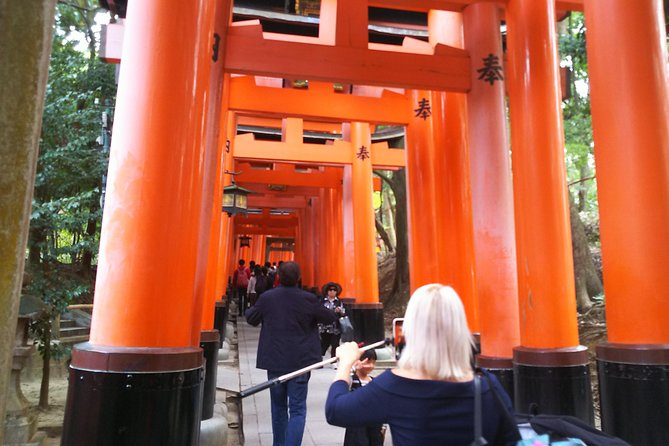
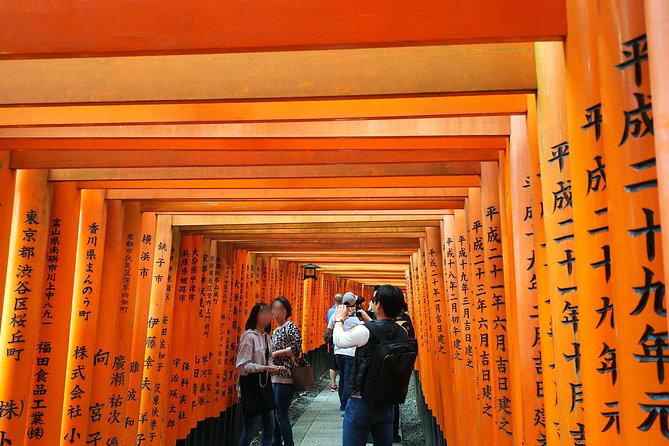
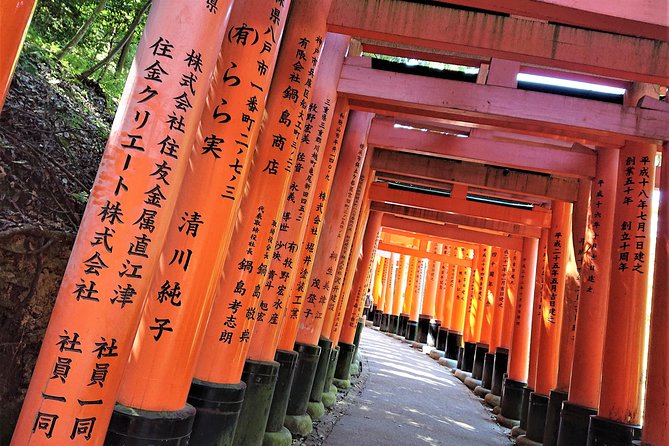
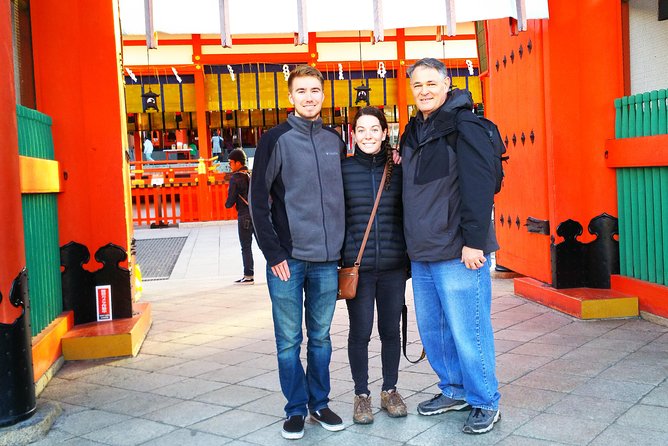
Fushimi Inari-taisha is the tour’s first stop, with about an hour to walk through its famous tunnels of vermilion torii gates. Worshippers donate these gates in thanks for good fortune, so the path is not just a photogenic corridor. It is also a living religious site.
The early hour matters most here. The gates are open throughout the day, but the narrow paths become far less peaceful once large groups arrive. Your guide can explain what you are seeing and help you find good places for photographs without turning the visit into a race for the most famous angle.
You should still expect walking and some uneven ground. The tour data calls for a moderate fitness level and comfortable shoes, and that advice applies from the first stop onward. If you have limited mobility or eyesight, the activity is listed as accessible, but it is worth considering the amount of walking before booking.
An hour gives you a useful introduction, not an exhaustive exploration of every path. That is a fair exchange in a morning covering three distant sights. If Fushimi Inari is your main reason for visiting Kyoto, you may prefer a longer visit on another day.
Kinkaku-ji in the Quiet Morning Light
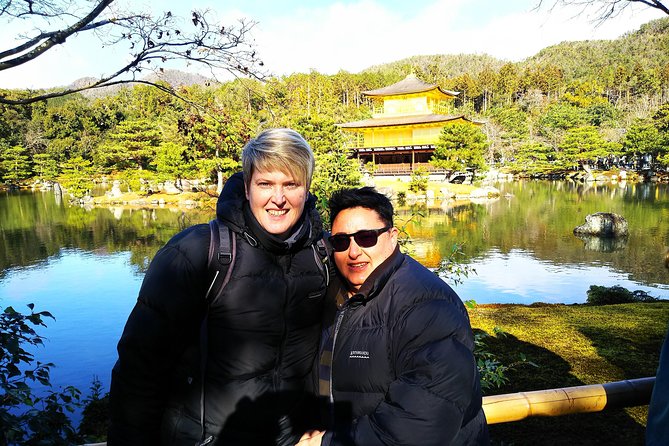
Next comes Kinkaku-ji, the Golden Pavilion. This Zen temple is one of Kyoto’s signature views: a gilded building reflected in a pond, backed by carefully arranged greenery. The morning timing is the real prize because the tour aims to arrive as the temple opens.
Entry costs ¥500 per person and is not included in the tour price. Bring cash or another accepted payment method, though the supplied details do not specify the exact payment options. Your guide can explain the site’s Buddhist setting and its link with samurai culture, giving the famous view more meaning than a quick stop for a photograph.
The visit lasts about an hour. That is enough to walk the established route, see the pavilion from the pond, and take pictures, but it does not turn Kinkaku-ji into a slow, all-morning temple visit. The building itself is the star, and the route is designed to keep the schedule moving.
Kinkaku-ji can feel especially exposed in bright weather, so a hat, water, and sun protection are sensible. In summer, one guide’s printed advice included carrying a sun umbrella. That may sound fussy until the heat rises and you still have Arashiyama ahead.
Arashiyama Bamboo Forest Before the Crowds
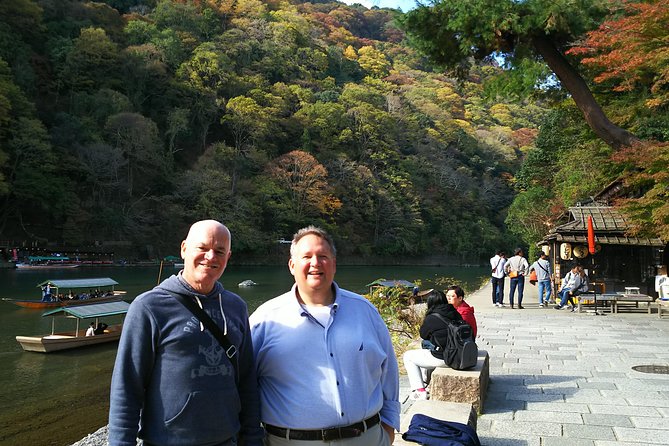
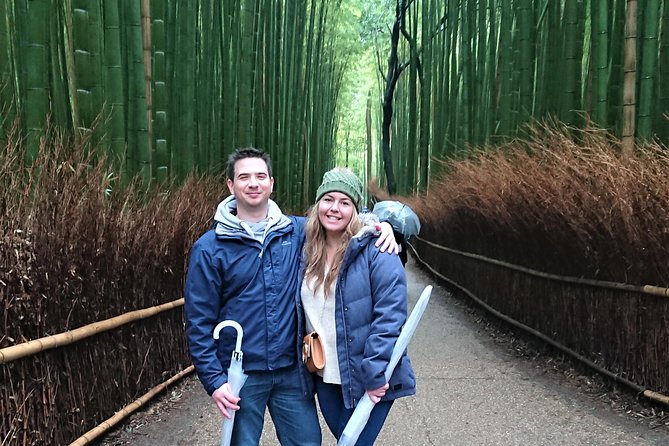
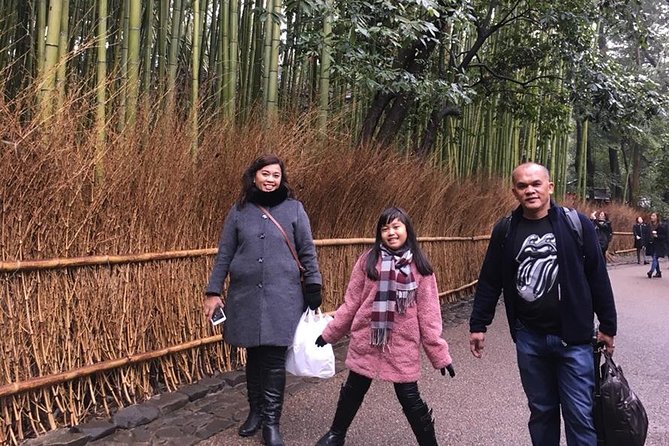
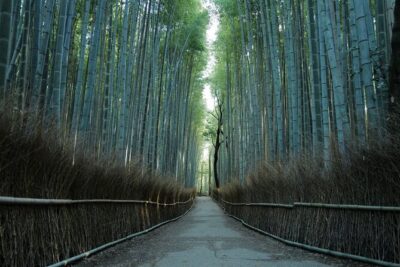
The final main stop is Arashiyama, where you walk through the celebrated bamboo forest for roughly an hour. Tall bamboo creates a cool, shaded passage, and the breeze moving through the stalks gives this stop a different mood from the shrine and temple.
Early morning is again the point. Later in the day, the path can become difficult to enjoy at a relaxed pace. The tour gives you a chance to hear the breeze, take photographs, and pause before the midday flow becomes heavier.
Keep your expectations sensible. The bamboo forest is a well-known public sight, not a remote woodland walk. The early timing improves the experience, but it cannot guarantee empty paths or perfect weather. The tour requires good weather and may be canceled if conditions are poor, with a different date or full refund offered.
Arashiyama also makes a useful final stop because the morning ends soon afterward. You return to the Kyoto Station meeting point by around noon, rather than being left across the city with a complicated final connection.
More walking tours in Kyoto:
- Kyoto Geisha Walking Tour: Gion District & Hidden Gems
★ 4.7 · 3,273 reviews - Kyoto: Gion Magical Night Walking Tour with Geisha Trivia
★ 4.9 · 2,393 reviews - Kyoto: Gion Geisha District Walking Tour – Stories of Geisha
★ 4.7 · 2,187 reviews - Night Walk in Gion: Kyoto’s Geisha District
★ 4.5 · 2,003 reviews
Guides Who Keep the Morning Moving
The guide can make or break a route like this. Kyoto’s attractions are not arranged in a neat line, so the tour depends on timely train, subway, and bus connections. Guides such as Miho, Mihu, Miko, and Toshi are praised for leading groups through the system without unnecessary waiting.
A charged IC card is a smart preparation. One family arrived with Suica cards ready, which helped with local trains, buses, and vending machines. The tour price does not include public transport, so having a usable card or the right fare money makes the morning easier.
The guides also bring different strengths. Akiko is repeatedly singled out for warmth, cultural explanations, family support, and taking photos. Sumiko is noted for printed agendas, photo spots, and careful answers. Kaz is praised for adjusting the route for a family and making conversation with children, including Studio Ghibli.
Makoto contacted his group before a rainy tour, shared pictures of the Kyoto Station meeting point, asked about interests, and kept checking on water and restroom needs. Hiro helped a group find a pharmacy. These details matter because a private guide is useful not only for facts, but also for the small problems that can interrupt a tightly timed morning.
Guide assignments are not guaranteed, so you should not book on the assumption that a particular person will lead you. Still, the repeated praise for guides including Naoko, Emiko, Tomoko, Makiko, and Kazuo points to a consistent focus on friendly, attentive service.
The Pace, Walking, and Physical Demands
Five hours and fifteen minutes sounds generous, but this is a packed half-day. Each major stop receives about an hour, and the remaining time goes to moving across Kyoto. You need to be ready to leave promptly and keep walking.
The pace has been described as fast but manageable, especially for people with limited time in Kyoto. That makes sense: the tour’s strength is coverage. You see three headline sights in one morning instead of spending half a day at one temple complex.
Wear comfortable shoes. Carry water, especially in warm months, and bring sun protection. The guide may check on breaks, but this is not a leisurely café-and-temple stroll. The activity is listed as accessible for people with limited mobility and limited eyesight, while also requiring moderate fitness and not being recommended for people with heart conditions. Ask the operator about your specific needs before booking.
Families can fit the tour well, particularly if children are old enough to handle walking and public transport. Private participation gives your group more room to ask questions and adjust small details. The early start can also work well for people awake with jet lag.
What the Price Includes and What It Does Not
The $105.45 price covers the guide fee. It does not cover transport, Kinkaku-ji admission, food, or drinks. With the listed ¥1,220 transport cost and ¥500 temple ticket, you should budget for those additions before comparing this tour with a larger group excursion.
The private format is the key difference. Only your group participates, and that gives you direct access to the guide. You can ask more questions about Japanese history and culture, request help with photographs, and sometimes ask for a modest route change. A family of four may find that more appealing than paying separate admission for a large packaged tour with less personal attention.
If you already know Kyoto’s transport system and enjoy planning, the price may feel high. You could visit the same three areas on your own for less, though you would give up the guide’s explanations and route management. If this is your first day in Kyoto, or your first visit to Japan, the extra cost buys confidence and a clear plan.
Group discounts are available, but the supplied details do not state the discount amount. Check the final booking total carefully so you know the transport and admission costs are not included.
Who Should Book This Tour?
I would choose this tour for a first or short visit to Kyoto, especially if you want to cover major sights before lunch. It suits couples, families, and small groups who prefer personal guidance over a large coach tour.
It is also a strong choice if you are uneasy about Japanese train and bus connections. The sites sit on opposite sides of Kyoto, and following a guide can save time and reduce stress. You still get the local transit experience, but you do not have to decode every transfer alone.
I would think twice if you dislike early starts, cannot walk for several hours, or want long, unhurried visits at each site. The schedule is efficient rather than slow. You also need to pay extra for transport and Kinkaku-ji.
Free cancellation is available up to 24 hours before the start time. Changes or cancellations inside that window are not accepted for a refund. Since the tour requires good weather, poor conditions may lead to a new date or a full refund.
Should You Book the Kyoto Early Bird Walking Tour?
Book it if your priority is seeing Fushimi Inari, Kinkaku-ji, and Arashiyama in one well-managed morning. The early timing is not a gimmick. It directly addresses Kyoto’s biggest problem at these sights: crowds that build quickly.
The price is reasonable for a private guide if you value transport help, cultural context, family-friendly attention, and photographs. It is less compelling for confident independent visitors who want to spend much longer at one site.
For most first-time visitors with limited time, I would book it, charge an IC card, wear sturdy shoes, and treat the afternoon as a bonus. You get the famous sights, a useful introduction to Kyoto, and several hours left to explore at your own pace.
FAQ
Where does the Kyoto Early Bird Walking Tour start?
The tour starts at the Kyoto Station Building, at 901 Higashishiokōjichō, Shimogyo Ward, Kyoto, 600-8216, Japan.
Where does the tour end?
The activity ends back at the Kyoto Station meeting point.
How long does the tour last?
The tour lasts approximately 5 hours and 15 minutes and finishes around noon.
Are admission fees and public transport included?
No. Public transportation costs about ¥1,220 per person, and Kinkaku-ji admission costs ¥500 per person. Food and drinks are also not included.
Is this a private tour?
Yes. Only your group participates in the activity.
Can I cancel for a full refund?
Yes, if you cancel at least 24 hours before the experience start time. Cancellations or changes made less than 24 hours in advance are not accepted for a refund. If poor weather causes the operator to cancel, you can receive a different date or a full refund.
Recently added around Kyoto
- Higashiyama | Kyoto: Sakura Season Private Rickshaw Tour★ 5.0 · 3 reviews
- Kyoto Kimono Rental CHAMATSU|Kimono/Yukata Rental FamilyPlan★ 5.0 · 3 reviews
- Nara Private Customizable Half Day Tour★ 5.0 · 3 reviews
- Kyoto: Half-Day Private Guided Tour to the Old Town of Gion★ 4.4 · 3 reviews
- Kansai Region Hiking Adventure in Nara Kobe Kyoto and More★ 5.0 · 3 reviews
- Full Day Nara Deer, Temple, Shrine, Activities & Tea Ceremony★ 5.0 · 3 reviews
- Nara: Essential Private Tour with Deer Park and Temples★ 5.0 · 3 reviews
- Hiking Tour for Sacred Sites in Kyoto with a Guide★ 5.0 · 3 reviews
Kyoto Early Morning Tours, compared.
Kyoto Early Morning Tour with English-Speaking Guide
Read our review →Early Morning Tour with English-Speaking Guide
Read our review →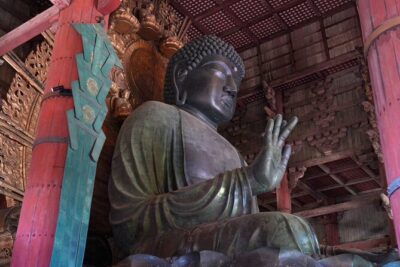
Nara Early Morning Tour (Kyoto or Osaka Departure Available)
Read our review →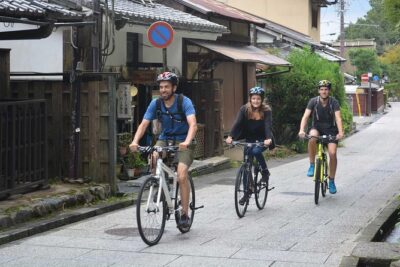
Arashiyama Bamboo Forest & Hidden Gems Bike Tour (Early Bird)
Read our review →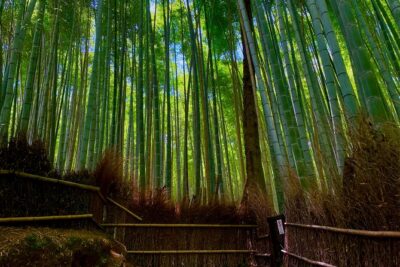
Kyoto Early Bird English Tour: Fushimi-Inari and Arashiyama
Read our review →
Nara Early Bird Tour (Kyoto Departure Option Available)
Read our review →
Kyoto Early Bird English Tour: Fushimi Inari & Gion(Private opt)
Read our review →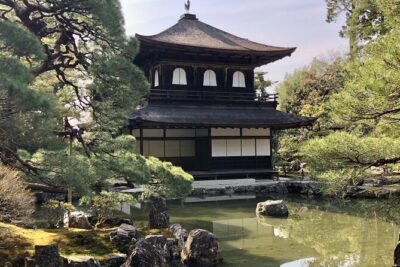
Browse the lists this tour appears in