
REVIEW · FUSHIMI INARI SHRINE TOURS
Kyoto Early Morning E Biking Tour Fushimi Inari Kiyomizu Temple
Kyoto’s famous sights are much easier to appreciate before the crowds arrive, and this early morning e-bike tour uses that advantage well. In about five hours, you visit Fushimi Inari, Sanjusangendo, and Kiyomizu-dera, with an electric bike helping you manage Kyoto’s hills and the distance between them.
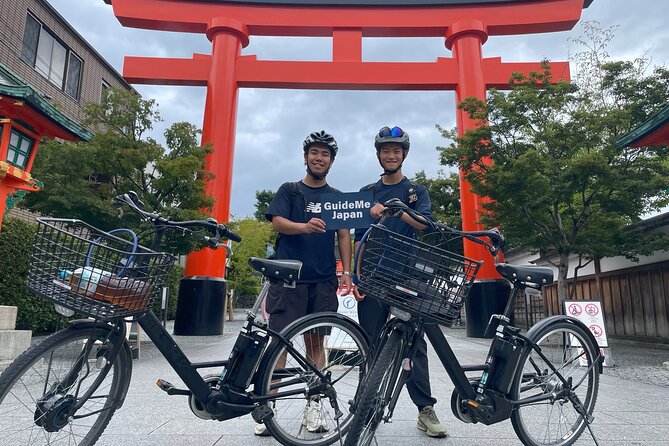
I like the small group size, capped at eight people, and the fact that the bike, English-speaking guide, and listed temple admissions are arranged for you. I also like the human touch: guides Hiro and Rin have been praised for their friendly explanations, and Rin is a skilled photographer.
The main point to check before booking is the admission wording. Temple fees are listed as included, but one guest reported paying ¥3,300 for three entries to two temples. Ask GuideMe Japan to confirm exactly what is covered so the price does not surprise you.
In This Review
- Key points at a glance
- Why an early e-bike start works in Kyoto
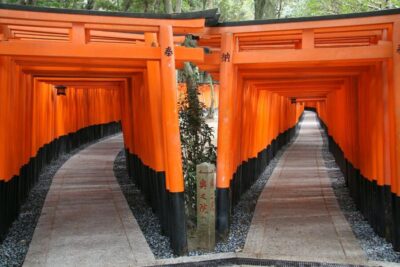
- Fushimi Inari’s red torii gates
- Sanjusangendo and its 1,000 Kannon statues
- Kiyomizu-dera above eastern Kyoto
- What the guide adds to the ride
- Is $67.41 a fair price?
- Riding, fitness, and the daily schedule
- Who should book this Kyoto bike tour?
- Weather and cancellation flexibility
- The final call: book it or skip it?
- FAQ
- Where does the Kyoto e-bike tour begin?
- Where does the tour end?
- How long does the tour last?
- Which sights are included?
- Is the e-bike provided?
- Is a guide included?
- Are temple admission fees included?
- What happens if the weather is poor?
Key points at a glance
- Start early at Kyoto Station: Meet at the JR-Central Ticket Office by the Shinkansen Hachijo Entrance.
- Three major sights in one morning: Visit Fushimi Inari, Sanjusangendo, and Kiyomizu-dera.
- E-bike included: You do not need to arrange a rental or tackle the hills on a standard bicycle.
- Small group of up to eight: The guide can give more attention than on a large coach tour.
- Guides add personality: Hiro is personable and informative, while Rin has also been praised for taking excellent photographs.
- Good weather matters: The experience can be moved or refunded if poor weather causes cancellation.
Why an early e-bike start works in Kyoto
Kyoto rewards an early start. Fushimi Inari’s rows of red torii gates are the kind of sight you want to see without a wall of people around you. Kiyomizu-dera is also easier to enjoy before the busiest part of the day, when the approach and temple grounds can become crowded.
The tour begins at Kyoto Station, a practical location if you are staying near the station or arriving by train. You meet at the JR-Central Ticket Office near the Shinkansen Hachijo Entrance, then set off by e-bike with your guide. The exact riding route is not specified, so you should think of this as a guided sightseeing ride rather than a technical cycling excursion.
The e-bike matters because the route includes eastern Kyoto, where Kiyomizu-dera sits on a hillside. You still need a moderate level of fitness, but electric assistance should make the hills more manageable than they would be on foot or on a regular bicycle. You will spend much of the morning moving between sights, so comfortable clothing and shoes are sensible.
The group limit of eight is one of the tour’s strongest practical features. A guide can explain a statue or shrine custom without trying to address a crowd, and you have a better chance of asking questions. If only a few people book, the experience may feel especially personal. One guest had a nearly private outing with Rin after the other participants dropped out.
More ways to walk Fushimi Inari:
- Kyoto: Fushimi Inari, Kinkakuji, Bamboo Grove 1 Day Bus Tour
★ 4.8 · 4,316 reviews - Fushimi Inari Hidden Hiking Tour (Private Option Available)
★ 5.0 · 1,750 reviews - Kyoto/Osaka: Nara, Fushimi Inari Taisha, Arashiyama Bus Tour
★ 4.7 · 1,275 reviews
Fushimi Inari’s red torii gates
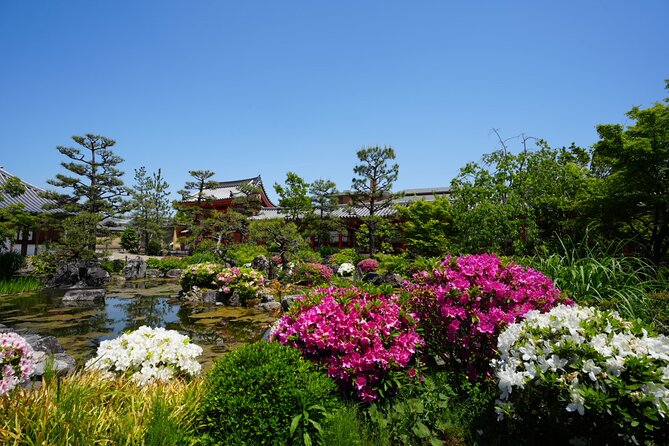
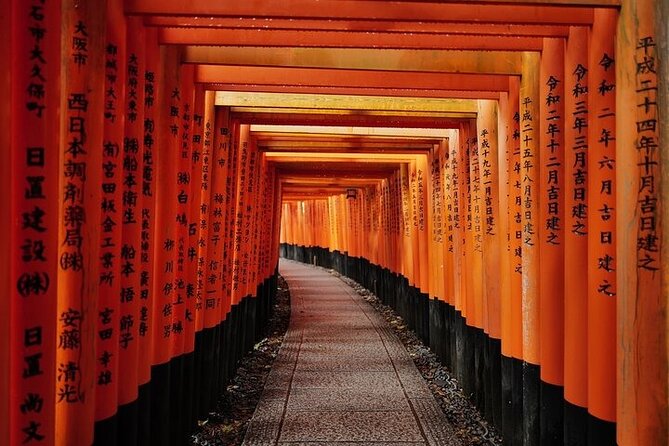
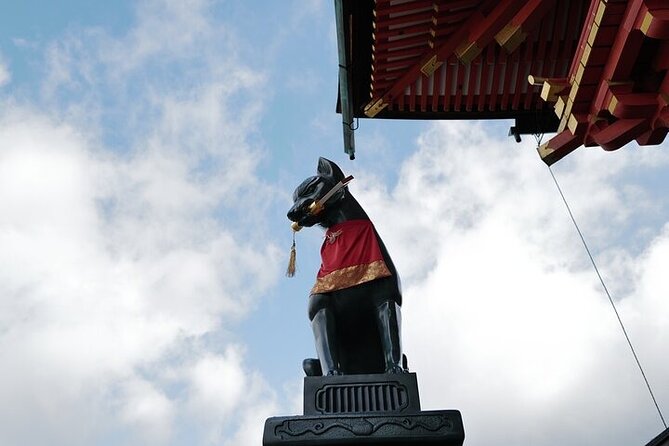
Fushimi Inari-taisha is the first major stop, with about an hour set aside for exploring. Its most recognizable feature is the long series of red torii gates that climb through the shrine grounds. The gates create a striking passageway and give this visit a very different feel from Kyoto’s larger temple compounds.
You will leave the bike for the shrine visit and walk through the torii gates with the guide. This is where a guide adds value. The gates are visually memorable, but a good explanation helps you understand the place beyond taking photographs. Rin was praised for explaining the history at Fushimi Inari and for taking photos, which could be useful if you want pictures of yourself rather than only pictures of the gates.
An hour gives you enough time to experience the main atmosphere and hear the guide’s explanation, but it is not a full exploration of every path on the mountain. The shrine is extensive, and you should not expect to walk every section during this tour. The benefit is that you see one of Kyoto’s essential sights without allowing it to consume the entire day.
The early timing is particularly useful here. Fushimi Inari is one of Kyoto’s most famous places, so arriving early gives you a better chance of seeing the torii gates with breathing room. I would keep your pace steady and listen for the guide’s meeting instructions. It is easy to become focused on the next gate and lose sight of the group.
Sanjusangendo and its 1,000 Kannon statues
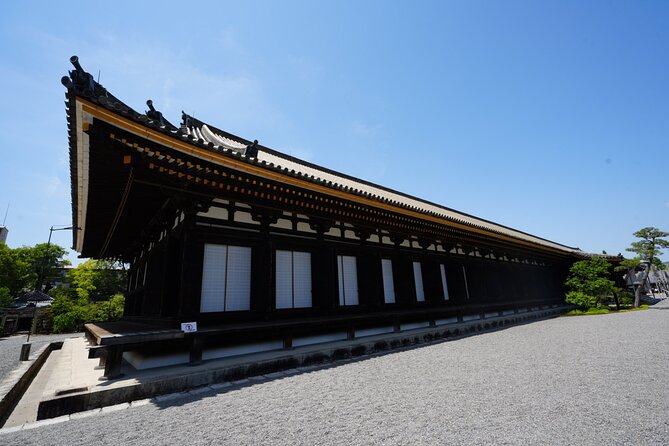
The second stop is Sanjusangendo Temple, also with about an hour. This temple is known for its interior arrangement of 1,000 statues of Kannon, the goddess of mercy. The experience is less about sweeping outdoor views and more about the power of seeing many carefully crafted figures arranged together.
Sanjusangendo provides a useful change of pace after Fushimi Inari. The shrine gives you gates, paths, and open-air movement. Sanjusangendo asks you to slow down and pay attention to the interior. The number of statues is impressive, but the individual details matter too, since each figure has its own expression and features.
The guide’s role is important here because the room can be overwhelming at first. You may notice the scale before you know where to focus. A well-informed explanation can help you understand why the statues are arranged as they are and what to look for in the craftsmanship. The tour’s strongest praise has gone to guides who make these details clear without turning the visit into a dry lecture.
About an hour is a reasonable amount of time for this stop, though the exact pace depends on the group. If you prefer to study every statue at length, you may find the schedule brisk. If you want a first visit that places Sanjusangendo alongside two of Kyoto’s better-known sights, the timing works well.
Kiyomizu-dera above eastern Kyoto
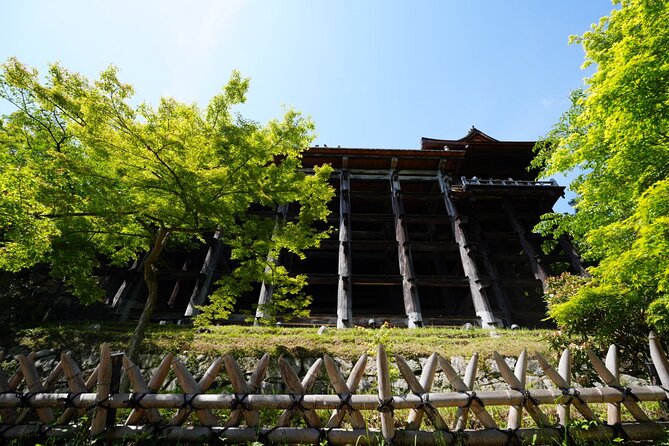
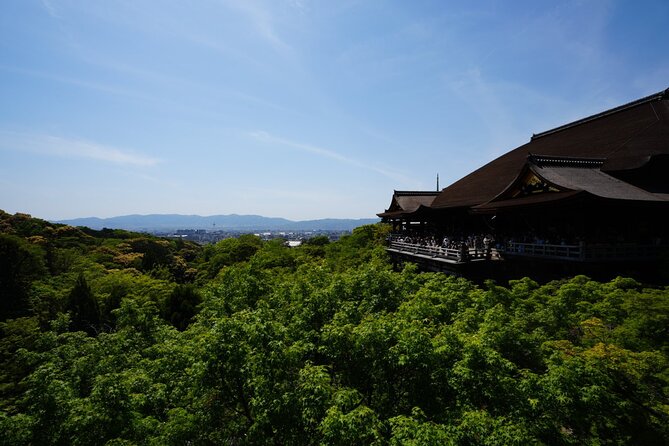
Kiyomizu-dera is the final main stop. Set on a hillside in eastern Kyoto, the temple is known for its architecture, city views, and long connection to Kyoto’s religious life. It is also the stop where the e-bike is most useful, since the approach involves rising ground.
The temple’s hillside position gives the visit a sense of height and space. From here, you can look across Kyoto and the surrounding area, depending on conditions. The architecture is the main attraction, but the setting adds to the experience. After visiting the more enclosed Sanjusangendo, Kiyomizu-dera gives you a broader view of the city.
Your guide can help tie the three stops together. Fushimi Inari is a major Shinto shrine, Sanjusangendo is known for its Kannon statues, and Kiyomizu-dera brings you to one of Kyoto’s best-known Buddhist temple settings. In one morning, you get different forms of sacred art and architecture rather than three similar stops.
One hour is enough to see the key parts included in the visit, but you should not expect unlimited time on the hillside. Kiyomizu-dera has plenty to explore, and the surrounding streets can also tempt you to linger. The tour returns to the original meeting point, so you need to keep to the group schedule.
More visits to Kiyomizu-dera:
- Kyoto: Tea Ceremony in a Traditional Tea House in Kiyomizu
★ 4.9 · 3,519 reviews - Kyoto: Nijo Castle, Kiyomizu & Fushimi Inari Guided Tour
★ 4.7 · 700 reviews - Kyoto: Nijo, Kinkaku-ji, Arashiyama, Kiyomizu & Fushimi Inari
★ 5.0 · 699 reviews - Kyoto Tea Ceremony & Kiyomizu-dera Temple Walking Tour
★ 5.0 · 115 reviews
What the guide adds to the ride

This tour makes sense mainly because a guide turns a series of famous sights into a connected morning. You are not simply collecting photographs at three locations. You have someone to explain what you are seeing, keep the route moving, and help with the practical rhythm of cycling and temple visits.
Hiro has been described as personable and informative. That combination is useful on a small-group ride. You want enough historical context to understand the sites, but you also want a guide who keeps the morning relaxed and approachable.
Rin received especially warm praise for both historical explanations and photography. If Rin is leading your departure, you may come away with useful photos from Kiyomizu-dera, Fushimi Inari, and Sanjusangendo. Guide assignments can change, so you should not book on the assumption that a particular guide will be present.
The English-speaking format suits visitors who want more than a silent rental. You can ask questions as you go, although the supplied information does not specify a particular level of historical depth or a fixed commentary style. The small maximum group of eight gives you a better chance of getting personal attention.
Is $67.41 a fair price?
At $67.41 per person, the price is reasonable if you value convenience and guided access. You receive the e-bike, an English-speaking guide, and the listed temple admissions. You also cover three major Kyoto sights in roughly five hours, which can save a large part of a busy first day.
A self-guided version might cost less if you already know how to rent a bicycle, navigate Kyoto, and choose the best order for the sights. But that approach asks you to manage the bike, directions, timing, and explanations yourself. The tour’s value is less about getting the cheapest possible visit and more about making a complicated morning easy to arrange.
The admission issue deserves attention. The experience information says temple admission is included, yet one guest said they paid ¥3,300 for three entries to two temples and asked about a refund. Since that report conflicts with the stated inclusions, contact GuideMe Japan before the tour and ask which specific admissions are covered, and whether any payment is expected on the day.
Food and drinks are not included. The tour lasts about five hours, so plan to eat before departure or after returning to Kyoto Station. Do not assume a meal break is built into the morning.
Riding, fitness, and the daily schedule
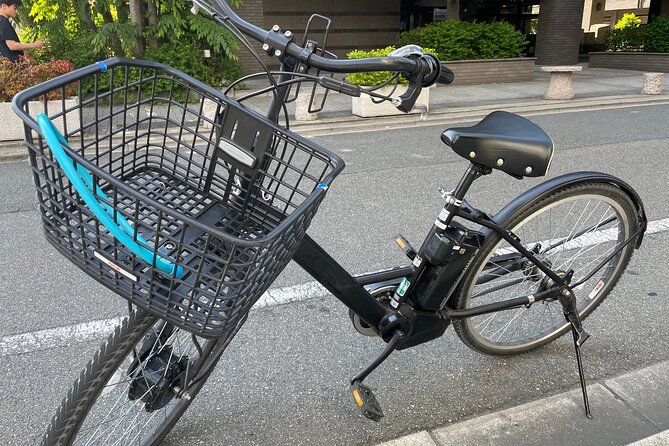
You need a moderate level of physical fitness. An e-bike reduces the effort on hills, but it does not remove the need to ride, stop, walk through temple grounds, and stay with the group. You should be comfortable spending a morning on a bicycle and walking for about an hour at each main stop.
The early start can be a challenge if you have just arrived in Kyoto or are dealing with jet lag. I still think it is the right trade for these sights. Early morning is when this tour earns its place, since the main advantage is avoiding the heavier crowds later in the day.
The exact start time is not supplied, so confirm it when booking. The meeting point is clear: the JR-Central Ticket Office at Kyoto Station’s Shinkansen Hachijo Entrance. The tour ends back there, which is helpful if you want to continue sightseeing from the station or catch a train later.
The tour is offered with a mobile ticket, and booking confirmation is provided at the time of booking. It operates near public transportation, making Kyoto Station an easy base for the morning.
Who should book this Kyoto bike tour?
I would choose this experience if you have limited time in Kyoto and want a guided introduction to three major sights in one morning. It is especially suitable if you like active sightseeing but do not want to arrange an e-bike rental yourself.
It also suits first-time visitors who want context at the temples. The guide can help you see why the red torii at Fushimi Inari, the Kannon statues at Sanjusangendo, and the hillside setting of Kiyomizu-dera are different kinds of Kyoto experiences.
The tour may be less suitable if you want a slow, highly detailed visit to each site. One hour at each stop keeps the morning moving, and Kiyomizu-dera in particular can reward more time. It may also be a poor match if you dislike cycling, have difficulty with hills, or want a late morning start.
The eight-person maximum makes this a better choice than a large group tour for people who enjoy questions and conversation. If you are hoping for a private tour, remember that the group can include other participants, even though a small booking could make the outing feel nearly private.
Weather and cancellation flexibility
Good weather is required for this experience. If poor conditions cause cancellation, you are offered another date or a full refund. You can also cancel for a full refund if you do so at least 24 hours before the start time.
That policy is helpful for an outdoor tour, since cycling in bad weather would weaken the main appeal. Changes or cancellations made less than 24 hours before the start time are not accepted, and the cut-off follows Kyoto local time.
I would check the forecast before your cancellation deadline, especially if your Kyoto schedule is tight. The activity returning to the same Kyoto Station meeting point also makes it easier to adjust your plans if the weather changes.
The final call: book it or skip it?
Book this tour if you want an efficient, active morning with three major Kyoto sights, a small group, an English-speaking guide, and an e-bike ready at the station. The early timing, hillside access, and guide-led explanations give it real value at $67.41.
Before paying, clarify the temple admission details because the stated inclusions and one reported ¥3,300 charge do not match perfectly. If that point is settled, this is a strong pick for first-time Kyoto visitors who want help with both transport and context.
Skip it if you prefer to spend half a day at one temple, dislike cycling, or need a leisurely start. For everyone else, it offers a practical way to see Fushimi Inari, Sanjusangendo, and Kiyomizu-dera before Kyoto’s busiest hours.
FAQ
Where does the Kyoto e-bike tour begin?
It begins at the JR-Central Ticket Office at Kyoto Station, near the Shinkansen Hachijo Entrance.
Where does the tour end?
The activity ends back at the original meeting point at Kyoto Station.
How long does the tour last?
The tour lasts approximately five hours.
Which sights are included?
The route includes Fushimi Inari-taisha Shrine, Sanjusangendo Temple, and Kiyomizu-dera Temple.
Is the e-bike provided?
Yes. An e-bike is included with the experience.
Is a guide included?
Yes. An English-speaking guide leads the tour.
Are temple admission fees included?
Temple admission is listed as included, but one reported experience involved a ¥3,300 payment for three entries to two temples. Confirm the exact admission coverage with GuideMe Japan before booking.
What happens if the weather is poor?
The experience requires good weather. If it is canceled because of poor weather, you can choose another date or receive a full refund.
More Kyoto Early Morning Tours in Kyoto
- Kyoto Early Morning Tour with English-Speaking Guide
★ 5.0 · 1,427 reviews - Kyoto: Early Morning Tour with English-Speaking Guide
★ 4.9 · 1,128 reviews - Nara Early Morning Tour (Kyoto or Osaka Departure Available)
★ 5.0 · 676 reviews - Arashiyama Bamboo Forest & Hidden Gems Bike Tour (Early Bird)
★ 5.0 · 613 reviews
More Temples in Kyoto
- Kyoto: Tea Ceremony Ju-An at Jotokuji Temple
★ 4.9 · 3,207 reviews - Arashiyama Bamboo, Temple, Monkeys, or Secret Sake Brewery
★ 4.8 · 886 reviews - Kyoto: Arashiyama Bamboo Forest, Monkeys, Matcha & Temple Tour
★ 5.0 · 759 reviews - Kyoto: Ninnaji Temple Entry Ticket
★ 4.2 · 650 reviews
Recently added around Kyoto
- Higashiyama | Kyoto: Sakura Season Private Rickshaw Tour★ 5.0 · 3 reviews
- Kyoto Kimono Rental CHAMATSU|Kimono/Yukata Rental FamilyPlan★ 5.0 · 3 reviews
- Kyoto: Half-Day Private Guided Tour to the Old Town of Gion★ 4.4 · 3 reviews
- Nara Private Customizable Half Day Tour★ 5.0 · 3 reviews
- Kansai Region Hiking Adventure in Nara Kobe Kyoto and More★ 5.0 · 3 reviews
- Full Day Nara Deer, Temple, Shrine, Activities & Tea Ceremony★ 5.0 · 3 reviews
- Nara: Essential Private Tour with Deer Park and Temples★ 5.0 · 3 reviews
- Hiking Tour for Sacred Sites in Kyoto with a Guide★ 5.0 · 3 reviews
Fushimi Inari Shrine Tours, compared.
Fushimi Inari, Kinkakuji, Bamboo Grove 1 Day Bus Tour
Read our review →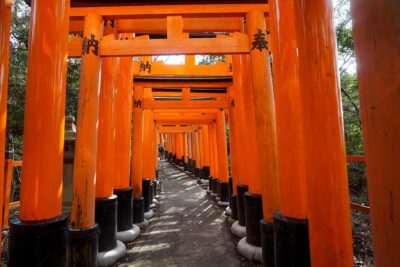
Fushimi Inari Hidden Hiking Tour (Private Option Available)
Read our review →
Kyoto/Osaka: Nara, Fushimi Inari Taisha, Arashiyama Bus Tour
Read our review →
Nijo, Kinkaku-ji, Arashiyama, Kiyomizu & Fushimi Inari
Read our review →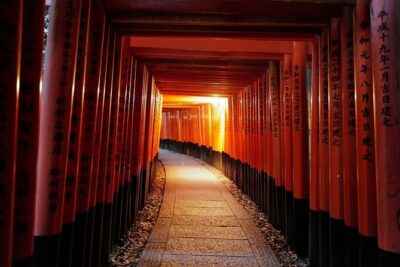
Kyoto Early Bird English Tour: Fushimi-Inari and Arashiyama
Read our review →
Fushimi, Arashiyama – Bamboo, Monkey, Torii & Secrets
Read our review →Browse the lists this tour appears in