
REVIEW · KYOTO SAMURAI EXPERIENCES
Kendo and samurai experience in Kyoto
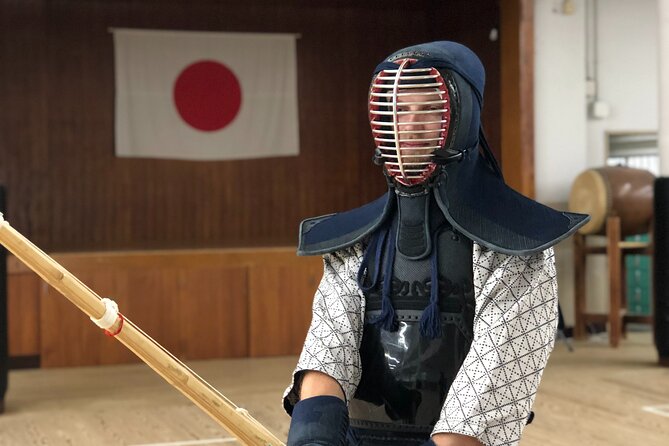
The most memorable part of this Kyoto experience is the shift from watching samurai films to learning how a sword is held, drawn, and swung. At studio NIN near Shugakuin, you get practical instruction in kendo and traditional sword handling, with time for photos in training gear and samurai-style scenes.
I like the small-class feel and the patient teaching from instructors such as Taka, Kengo, and Hayato. I also like that beginners can take part without martial arts experience. The main caution is important: tatami mat cutting may no longer be offered, despite older descriptions and some past reports saying it was included.
In This Review
- Key points to know before booking
- Learning the samurai basics near Shugakuin
- What happens during the two-hour class
- Kendo practice, sparring, and sword technique
- Samurai clothing and the photo session
- The tatami cutting question
- The instructors and language support
- Is $105.68 a fair price?
- Who will enjoy this Kyoto activity
- Practical advice for making the most of it
- Should you book the kendo and samurai experience?
- FAQ
- Where does the kendo and samurai experience take place?
- How long does the activity last?
- Do I need martial arts experience?
- What equipment will I use?
- Is tatami mat cutting included?
- Can I cancel for a full refund?
Key points to know before booking
- The class takes place near Shugakuin: You meet at studio NIN in northeastern Kyoto, not at a central sightseeing landmark.
- You learn real basics: Expect posture, sword etiquette, movement, and practice with bamboo, foam, and blunt replica blades.
- Private attention is a major strength: The class can feel almost private, especially when few people book your time slot.
- English support varies: Some instructors speak very good English, while another may require Google Translate for detailed explanations.
- Plan for photos and dressing time: Changing clothes and taking pictures are part of the experience, so practice time may feel shorter than two hours.
- Tatami cutting is uncertain: A recent legal change reportedly stopped the activity from offering it, so confirm before you pay if this is your main reason for booking.
Learning the samurai basics near Shugakuin
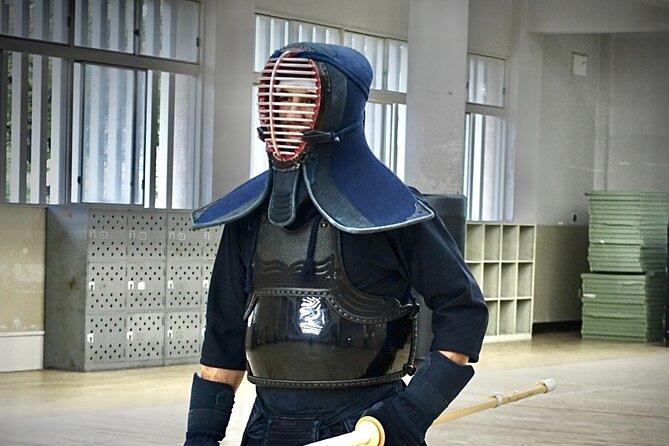
This is not a museum visit with a quick pose beside a plastic sword. You are shown how to handle training weapons, how to stand, and how to move with care. The class introduces both kendo and traditional swordsmanship, giving you a taste of the discipline behind the image of the samurai.
The setting is studio NIN, at 16 Shugakuin Daidocho in Sakyo Ward. The studio is near Shugakuin Imperial Villa, in a quieter part of Kyoto away from the packed lanes around Gion and the main temple circuit. That peaceful location is part of the appeal, but it also creates a practical issue: the meeting point can be hard to find, especially if you arrive late or depend on people in the area for directions.
I would allow extra time to reach the studio. One attendee got lost because the area was quiet and there were few people nearby to ask. The activity begins and ends at the same meeting point, so you do not need to arrange a separate return transfer, but you do need to get there on your own.
More samurai and sword sessions:
- Kyoto Samurai Experience
★ 5.0 · 1,294 reviews - Kyoto: Kendo and Samurai Experience with Uniform and Gear
★ 4.9 · 815 reviews - Kyoto: Samurai Sword Class by Experts in Traditional Arts
★ 4.9 · 657 reviews
What happens during the two-hour class
The class begins with an introduction to kendo, samurai customs, and the names of the equipment. Your instructor explains the difference between the training tools and shows you how to handle each one safely.
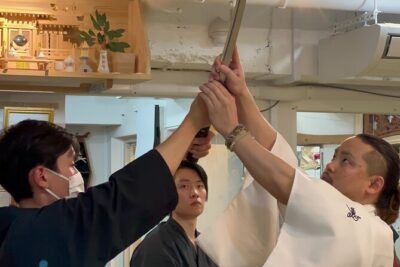
You may work with bamboo practice swords, foam swords, and blunt replica blades. Each tool serves a different purpose. Foam allows beginners to get comfortable with the motion. Bamboo gives you a closer feel for kendo practice. The blunt replica blades help you learn katana handling without using a sharpened weapon.
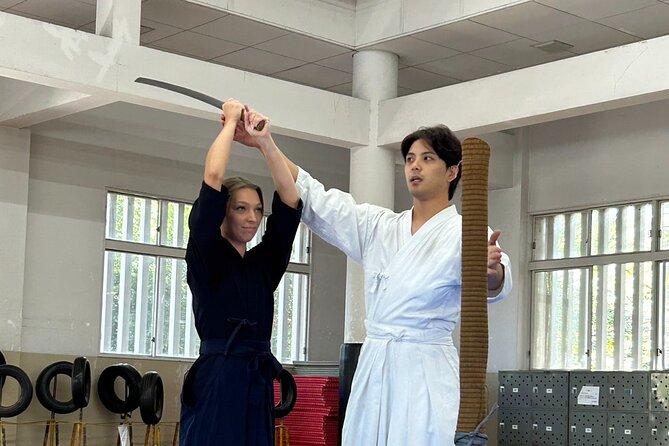
The teaching focuses on basic posture, controlled movement, and the proper way to hold and swing a sword. You also learn how to take a sword in and out of its sheath, an element that many casual samurai-themed activities skip. That attention to etiquette gives the class more substance than a simple costume session.
You do not need previous martial arts experience. The instructors adjust the lesson for beginners and provide a low-pressure environment. If you already practice another martial art, you may find the comparisons with kendo especially interesting, though the amount of advanced practice depends on the group and the instructor.
Kendo practice, sparring, and sword technique
Kendo is not simply waving a bamboo sword as hard as possible. The lesson places emphasis on technique, timing, posture, and control. One of the appealing details is that the activity presents sword movement as a matter of accuracy rather than brute force.
Some sessions include a little practice sparring. This can make the class more lively, particularly for a group of friends or family members. Still, you should not book it expecting a full martial arts course. You are learning introductory movements and the culture around them in roughly two hours.
The balance between instruction and entertainment is one of the activity’s strengths. You get enough explanation to understand what you are doing, but the class also leaves room for staged sword scenes and photographs. The best sessions seem to come when the instructor keeps the pace moving and makes space for both practice and questions.
That pace can vary. One account described a lot of time spent getting dressed, chatting, and taking pictures, with less time left for sword practice than expected. If you want the most technique possible, tell the instructor early that practice is your priority.
Samurai clothing and the photo session
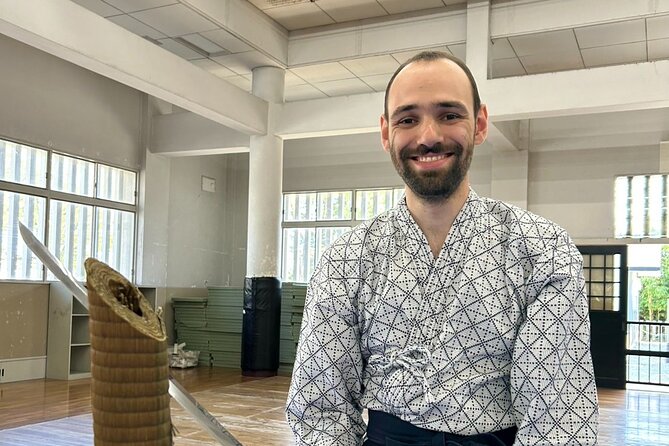
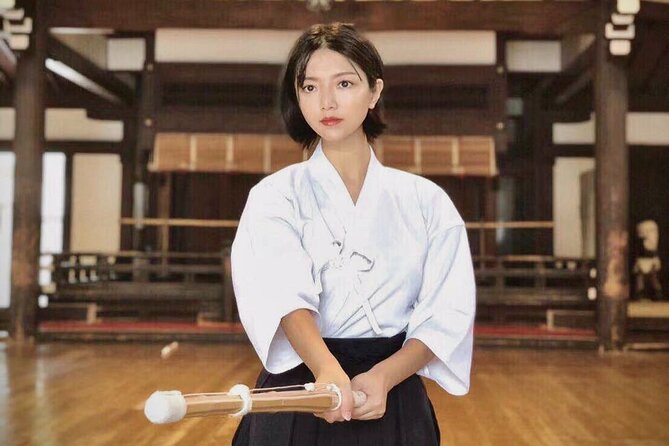
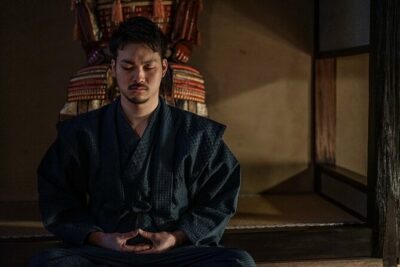
Photos are a clear part of the experience. You may wear traditional training gear or samurai-style clothing and pose with a katana or other practice sword. Instructors are happy to help take pictures and videos, which matters because it means you do not need to arrange a separate photographer.
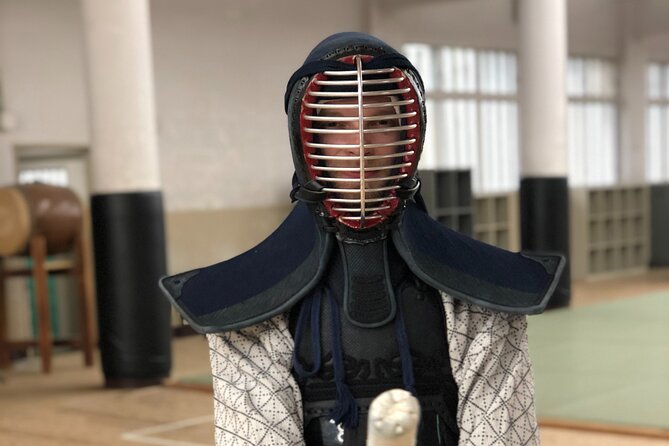
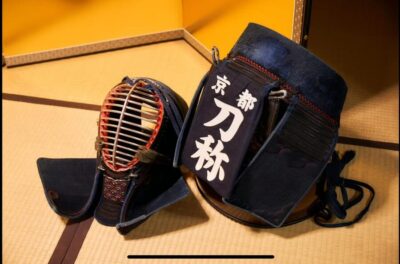
The clothing element is fun, but expectations need care. Some sessions have included samurai attire and traditional kendo armor. Another session provided only a glimpse of a helmet and did not offer the full uniform expected by the participant. The available clothing may depend on the class setup, group size, or current equipment.
I would treat the photos as a useful extra, not the main product. You are paying for instruction and access to a controlled practice setting. If wearing full armor is essential to you, ask Atelier NIN what is included on your date before booking.
The studio itself has received mixed impressions. Some people appreciated the old dojo atmosphere and the sense of stepping away from the busy city. Another person found the room small, dusty, and in need of better care. This is not a polished theme park attraction. The surroundings may feel more like a working, private practice space than a grand historical venue.
A completely different side of Kyoto:
- PERFECT KYOTO 1-Day Bus Tour
★ 5.0 · 13,518 reviews - Kyoto: Fushimi Inari, Kinkakuji, Bamboo Grove 1 Day Bus Tour
★ 4.8 · 4,316 reviews - Kyoto: Tea Ceremony in a Traditional Tea House in Kiyomizu
★ 4.9 · 3,519 reviews - Kyoto Geisha Walking Tour: Gion District & Hidden Gems
★ 4.7 · 3,273 reviews
The tatami cutting question
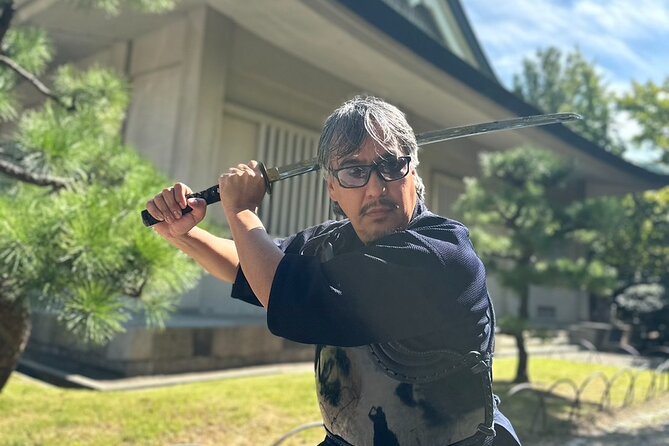
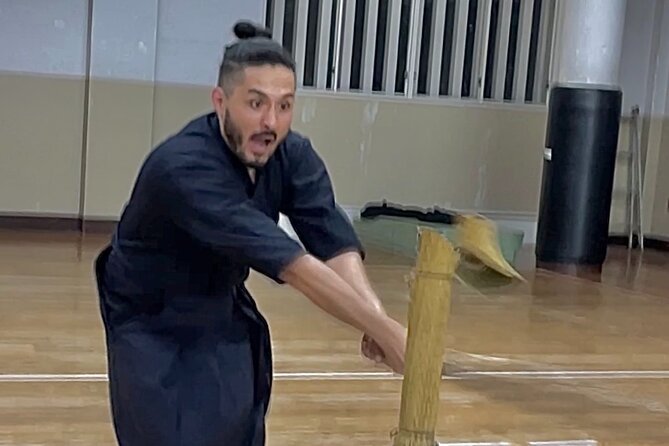
Tatami cutting, known as tameshigiri, is the most important point to clarify. The experience was once presented with the chance to cut a tatami mat using a katana, and several accounts describe it as the best part of the class. One person even reported making a clean cut in a single stroke.
However, more recent information says the activity can no longer legally offer tatami cutting because of a change in Japanese law. That creates a mismatch between the older sword-cutting descriptions and what you may actually receive today. The provider is not necessarily responsible for older wording, but the result is still important for your booking decision.
If cutting a tatami mat is your main goal, contact the provider before reserving. Do not assume that an old photograph or past account reflects the current program. The class remains worthwhile without it, but the value changes if you expected a final cutting demonstration or practice.
Even without tatami cutting, you still learn controlled katana movements and may handle a blunt replica blade. That gives you a better sense of sword technique than simply holding a prop for a picture. Just keep the distinction clear: learning the motion is not the same as cutting a target.
The instructors and language support
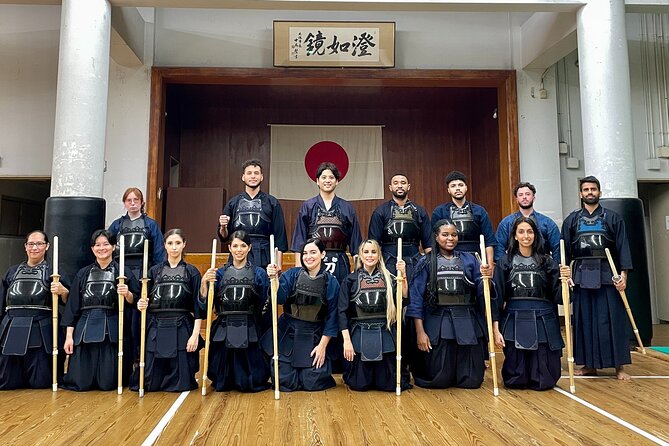
The instructors receive strong praise for patience, good humor, and personal attention. Taka is described as an excellent teacher who led groups through both katana practice and kendo. Kengo is praised for his friendly manner, encouragement, and ability to take photos and videos. Hayato is also named warmly in connection with a particularly enjoyable session.
English ability is not identical across every instructor. Some participants found the English very good and had no trouble following the class. Another found communication slow and relied on Google Translate. You can still participate if your English is limited, since the movements are demonstrated, but detailed questions about tradition or technique may take extra effort.
The human side of the class matters here. A patient instructor can turn a nervous beginner into an engaged student. Good teaching also helps you understand why the sword is held in a certain way instead of treating the activity as a sequence of poses.
Is $105.68 a fair price?
At $105.68 per person, this is not a cheap two-hour activity. The value depends on what you want from Kyoto. If you only want a costume photo, you can likely find simpler and less costly options. If you want personal instruction, a private or nearly private class, and a structured introduction to kendo, the price becomes easier to justify.
A group of five once expected to join other people but ended up with the instructor’s full attention because nobody else booked that time. That kind of small-group experience is where the price works best. You can ask questions, repeat a movement, and take pictures without waiting behind a large crowd.
The maximum group size is 15, so a fully booked session would feel different. The class may still be organized and friendly, but you should not assume every booking will be private. The advertised private-class feel is most reliable when your party is small or the time slot has few reservations.
The current score is 4.7 from 47 ratings, with 94 percent recommending it. That is a strong result, but the lower ratings point to two real concerns: the tatami cutting issue and the modest studio. I would pay the price for the instruction and the setting, not for a guaranteed full armor session or a polished attraction.
Who will enjoy this Kyoto activity
I would recommend this class to you if you want an active cultural experience instead of another temple visit. It suits first-time visitors who are curious about martial arts, fans of samurai films or anime, and families or friends who enjoy taking part together.
It is also a good option for someone who wants a break from central Kyoto. The area near Shugakuin offers a quieter setting, and the class gives you a reason to visit a less central part of the city. The trip out is less convenient than a downtown activity, but the change of pace can be welcome.
You should think twice if you need a luxury studio, a guaranteed full uniform, or a tightly packed training lesson with little photography. You may also be disappointed if tatami cutting is the one feature that makes the booking attractive.
Most people can participate, and service animals are allowed. Confirmation is provided when you book. The activity requires a minimum number of participants, so a cancellation for low enrollment can result in another date, another experience, or a full refund.
Practical advice for making the most of it
Wear something that is comfortable for movement and easy to change out of. You will be handling training swords and may spend time in traditional gear, so comfort matters more than dressing for a formal sightseeing stop.
Arrive early. The studio is near public transportation, but the surrounding area can be difficult to navigate if you are rushing. Save the meeting address, studio NIN 修学院, in your phone before leaving and give yourself time to find the entrance.
Bring a phone with enough battery for photographs. The instructor can help take pictures and videos, and these often become an important part of the memory. If you want more practice and fewer posed shots, say so at the start.
Ask two questions before booking: Is full training clothing available for my group, and is tatami cutting currently offered? Those answers will tell you if the present version matches your expectations.
Should you book the kendo and samurai experience?
Book it if you want hands-on instruction, friendly teaching, and a memorable activity outside central Kyoto. The strongest parts are the patient instructors, small-group attention, basic sword etiquette, and the chance to practice with several types of training weapons.
Book with realistic expectations. This is a modest studio experience, not a grand castle ceremony. The lesson may include photos and dressing time, English support can vary, and tatami cutting may no longer be legal or available.
For a first taste of kendo and samurai culture, I think it is a worthwhile choice, especially for a small group. Confirm the current activities first, then go for the teaching and the chance to learn how the sword is handled, not for a promise of one dramatic final cut.
FAQ
Where does the kendo and samurai experience take place?
The meeting point is studio NIN 修学院 at 16 Shugakuin Daidocho, Sakyo Ward, Kyoto, 606-8037, Japan. It is near Shugakuin Imperial Villa in northeastern Kyoto.
How long does the activity last?
The experience lasts approximately two hours and ends back at the meeting point.
Do I need martial arts experience?
No. The class is designed for beginners, and the instructor teaches basic movements, sword handling, posture, and kendo techniques in a low-pressure setting.
What equipment will I use?
Training may include bamboo practice swords, foam swords, and blunt replica blades. You learn how to handle a Japanese sword and practice basic kendo movements.
Is tatami mat cutting included?
Tatami cutting may no longer be available. A recent legal change in Japan reportedly stopped the activity from offering it, so confirm the current program with Atelier NIN before booking.
Can I cancel for a full refund?
Yes. You can cancel at least 24 hours before the experience start time for a full refund. Cancellations or changes made less than 24 hours before the start time are not refunded or accepted.
Recently added around Kyoto
- Higashiyama | Kyoto: Sakura Season Private Rickshaw Tour★ 5.0 · 3 reviews
- Kyoto Kimono Rental CHAMATSU|Kimono/Yukata Rental FamilyPlan★ 5.0 · 3 reviews
- Kyoto: Half-Day Private Guided Tour to the Old Town of Gion★ 4.4 · 3 reviews
- Nara Private Customizable Half Day Tour★ 5.0 · 3 reviews
- Kansai Region Hiking Adventure in Nara Kobe Kyoto and More★ 5.0 · 3 reviews
- Full Day Nara Deer, Temple, Shrine, Activities & Tea Ceremony★ 5.0 · 3 reviews
- Nara: Essential Private Tour with Deer Park and Temples★ 5.0 · 3 reviews
- Hiking Tour for Sacred Sites in Kyoto with a Guide★ 5.0 · 3 reviews
Kyoto Samurai Experiences, compared.
Kendo and Samurai Experience with Uniform and Gear
Read our review →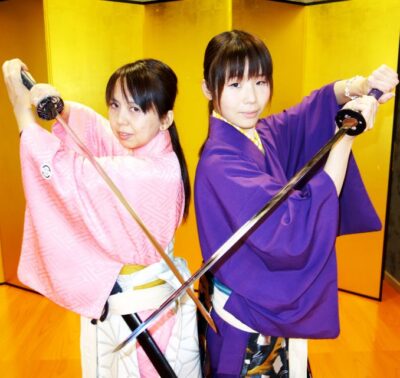
Samurai Sword Class by Experts in Traditional Arts
Read our review →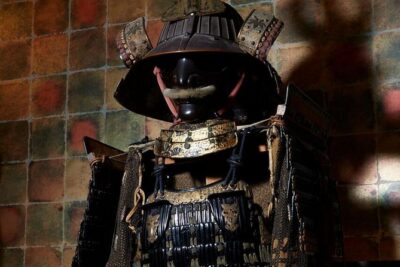
Skip the lines Basic Ticket at SAMURAI NINJA MUSEUM KYOTO
Read our review →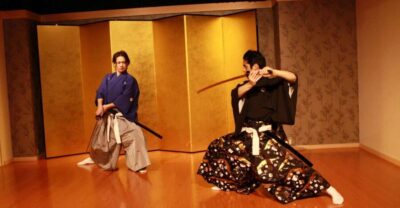
Samurai Training with Modern day Musashi in Kyoto
Read our review →
Private Tea Ceremony and Sake Tasting in Kyoto Samurai House
Read our review →Browse the lists this tour appears in