
REVIEW · WORKSHOPS
Fish Cutting workshop in Kyoto Japan
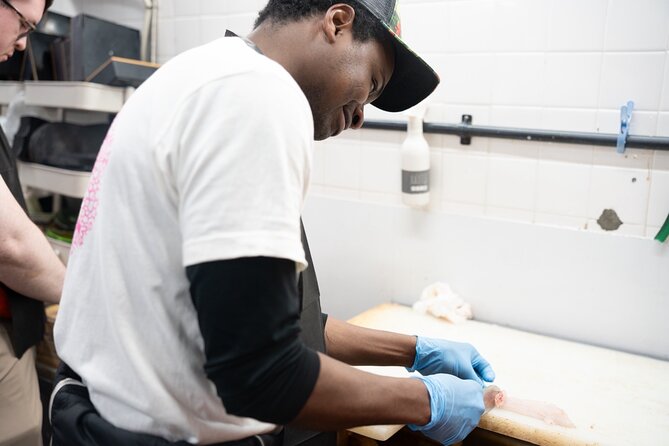
Kyoto’s most hands-on food lesson starts with a whole fish and ends with sashimi you prepared yourself. At Kimura Fresh Fish, a historic fishmonger with a 400-year history, you’ll learn how to handle raw fish, break it into three pieces, and make clean sashimi cuts under close guidance.
I like the small six-person limit, which gives you room to ask questions and receive careful knife supervision. I also like that lunch is not an afterthought: the fish you process becomes the meal, so you can taste the difference between simply eating Japanese food and understanding how it reaches the plate.
The main consideration is the knife work. This is a real fish-processing lesson, not a quick demonstration with a few easy cuts. Children under eight are asked not to join, and anyone uneasy around raw fish or sharp knives may prefer a simpler cooking class.
In This Review
- Key points to know before booking
- Starting with a fish instead of a finished plate
- A 400-year-old fishmonger in central Kyoto
- Learning the knife work step by step
- Preparing three kinds of fish
- Eating the sashimi you prepared
- How the small group changes the lesson
- Is $98.53 a fair price?
- Who should book this Kyoto class?
- Useful planning details for the morning
- Should you book the fish-cutting workshop?
- FAQ
- Where does the fish-cutting workshop take place?
- What time does the activity start?
- How long does the workshop last?
- Where does the activity finish?
- Is lunch included?
- How many people can join the workshop?
- Do I need previous fish-handling experience?
- Will I cut the fish myself?
- Can children under eight join?
- Can I cancel for a full refund?
Key points to know before booking
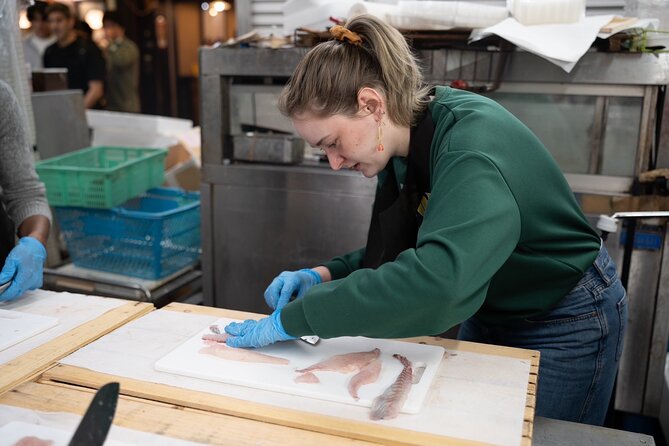
- You cut the fish yourself: The lesson includes breaking fish into three pieces and preparing it for sashimi.
- The class is limited to six people: You get direct help instead of watching from the back of a large room.
- Lunch is included: You eat the fish you handled and prepared during the class.
- The setting has deep local roots: The lesson takes place at Kimura Fresh Fish, a fishmonger with a 400-year history.
- The class lasts about two and a half hours: It begins at 10:00 am and finishes back at the meeting point.
- Knife skills matter: The activity is not suitable for children under eight because participants handle knives.
Starting with a fish instead of a finished plate
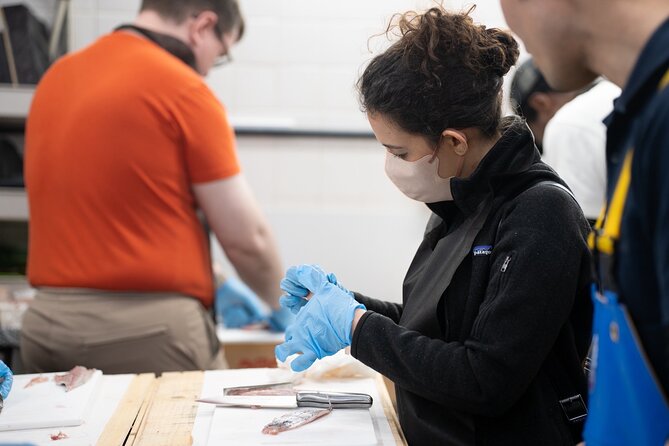
Most food experiences in Japan ask you to eat. This one asks you to work first. That change makes the meal feel more personal, because you see the fish go from an intact ingredient to carefully cut sashimi.
The lesson teaches basic Japanese fish-processing techniques. You are shown how to handle the fish before making your own cuts, so you do not need previous experience with fish preparation. The instruction is designed for beginners, but the subject is serious enough to interest home cooks who already have some knife skills.
You will cut the fish into three pieces yourself. This is the central task, and it gives the class its value. Rather than simply watching a fishmonger demonstrate a polished technique, you have to learn the hand position, pressure, and direction of the knife. The process can be difficult at first, which is why the close supervision matters.
The teaching also reaches beyond sashimi. One class participant was able to see how the inside of the fish was removed, while another appreciated the step-by-step explanation of how to fillet each fish. You may not leave ready to work in a fish shop, but you will have a better sense of the care involved in preparing raw fish safely and neatly.
More workshops and classes in Kyoto:
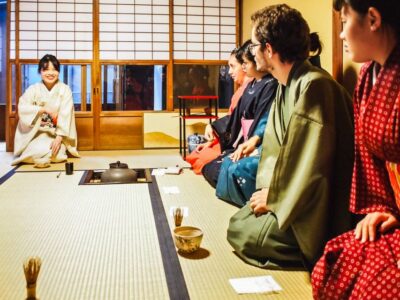
- Kyoto: 45-Minute Tea Ceremony Lesson Experience
★ 4.3 · 2,378 reviews - Kyoto : Chopsticks Making Workshop in Gion with Engraving Option
★ 5.0 · 958 reviews - Kyoto: Samurai Sword Class by Experts in Traditional Arts
★ 4.9 · 657 reviews
A 400-year-old fishmonger in central Kyoto
The meeting point is Kimura Fresh Fish, at 483 Nakauoyacho in Nakagyo Ward. The shop is in a historic building in the market area, close to public transportation. You start and finish at the same place, which keeps the morning simple and avoids wasting time moving between several parts of Kyoto.
The age of the business adds useful context to the lesson. A fish shop with four centuries of history is not just a convenient classroom. It connects the activity to the daily food culture of Kyoto, where fish preparation has long depended on skill, freshness, and careful knife work.
You should arrive ready for a working lesson rather than a polished restaurant meal. The important action happens at the preparation counter, where you follow demonstrations and then try the cuts yourself. The historic setting may be appealing if you want a food experience with a local connection, but the class is still practical first. You are there to learn how fish is handled.
The start time is 10:00 am. That timing works well if you want a food activity before a full day of sightseeing. It also means you should plan breakfast sensibly. You will eat lunch during the class, but the meal comes after the preparation work, not at the beginning.
Learning the knife work step by step
The instructors begin by showing you how to handle the fish. This first stage is important for beginners, since raw fish can feel awkward and slippery, and the shape of the fish affects how you make each cut.
You then work through the process yourself. The exact pace can vary depending on the group, but the experience is built around careful demonstrations followed by your own attempt. The instructors watch the cuts closely and help correct them as you go.
That direct supervision is one of the strongest reasons to choose this class over a standard market tour. A market visit can show you many kinds of fish, but it usually does not teach you what to do with one. Here, you can ask questions immediately about handling, preparation, and fish in general.
The lesson is also a good fit if you want to improve your knife control. You should not expect an effortless activity. Cutting raw fish requires more precision than chopping vegetables, and the finished pieces may not look perfect on your first attempt. That is part of the point. You learn by making the cuts, seeing where they went wrong, and receiving help before trying again.
The class has been described as relaxed and informative, with plenty of conversation about Kyoto and Japanese food. That social side gives the lesson a lighter feel, especially when the technical work becomes demanding. You can expect support rather than pressure, but you should still come prepared to pay attention and use the knife carefully.
Preparing three kinds of fish
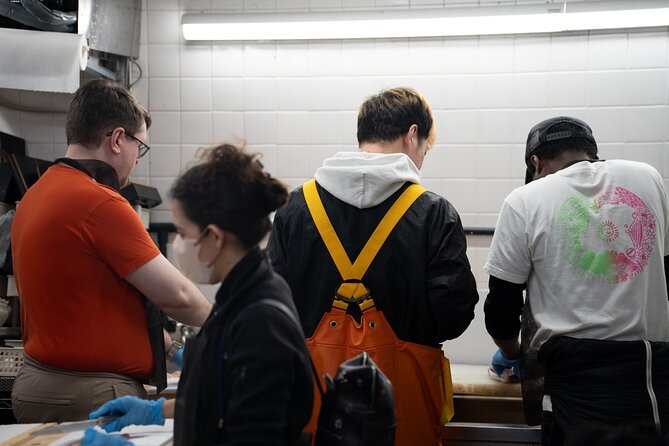
The experience includes preparing three types of fish, according to the class details shared by participants. Working with several fish gives you a broader lesson than handling a single specimen. Different fish can require different approaches, and the contrast helps you understand why sashimi preparation is a specialist skill.
The focus is not simply on making attractive slices. You learn how the fish is processed before it reaches the plate. That can include removing the insides, breaking the fish down, and cutting the flesh into usable portions.
If you already cook at home, this part may be especially useful. You can watch how the instructors hold the fish, where they place the knife, and how they keep the cuts controlled. The technique may not transfer perfectly to every fish you buy elsewhere, but the basic principles can give you a better starting point.
If you are not an experienced cook, do not let the word sashimi put you off. The instructions are intended for people new to fish handling, and the process is taught carefully. You will still need to take the knife work seriously, but you do not need to arrive with professional training.
One practical limit is that the information does not promise a menu chosen in advance. The fish selection can depend on what is available, so book this for the preparation lesson and the experience of eating fresh fish, not for one specific species.
A completely different side of Kyoto:
- PERFECT KYOTO 1-Day Bus Tour
★ 5.0 · 13,518 reviews - Kyoto: Fushimi Inari, Kinkakuji, Bamboo Grove 1 Day Bus Tour
★ 4.8 · 4,316 reviews - Kyoto: Tea Ceremony in a Traditional Tea House in Kiyomizu
★ 4.9 · 3,519 reviews - Kyoto Geisha Walking Tour: Gion District & Hidden Gems
★ 4.7 · 3,273 reviews
Eating the sashimi you prepared
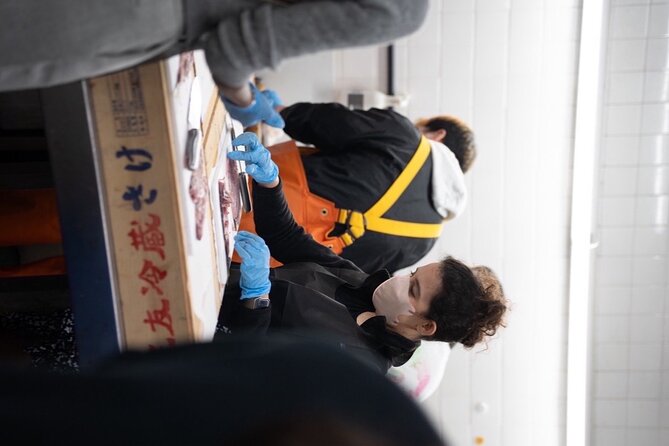
After the cutting is finished, you sit down for lunch and eat the fish you prepared. This is the satisfying payoff, but it also gives the lesson a clear purpose. You are not practicing a technique on food that disappears into a kitchen. You see your own work arranged and served as sashimi.
The meal is included in the price. That helps the value, since you are paying for instruction, ingredients, and lunch rather than adding a separate restaurant bill at the end.
The fish is described as fresh, high quality, and delicious, but you should keep your expectations in the right place. The experience is a workshop with lunch, not a formal omakase meal. The pleasure comes from knowing how the fish was handled and from tasting the result of your own work.
Come hungry, but not starving. The class lasts about two hours and 30 minutes, and the eating portion comes after the preparation. A light breakfast is the practical choice.
This lunch also makes the experience a useful bridge between food culture and cooking. You are not only tasting sashimi as a finished product. You are learning why presentation, texture, and cut matter. Even if you never prepare raw fish at home, that understanding can change the way you look at sushi counters and fish markets during the rest of your Japan trip.
How the small group changes the lesson
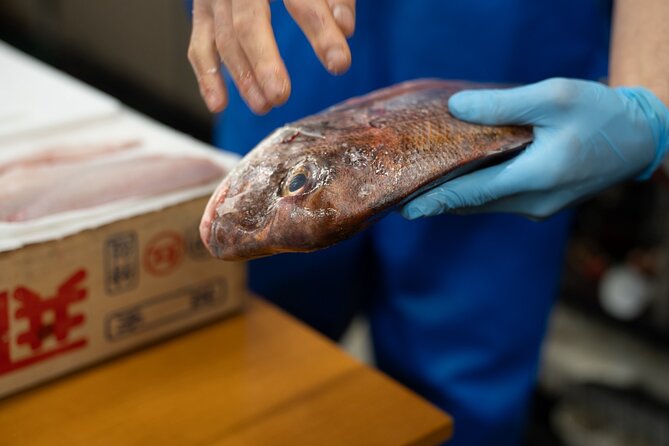
The maximum group size is six people. That is a major advantage for an activity involving knives and individual practice.
In a large class, you might spend much of the time watching someone else work. Here, the instructor can keep an eye on your cuts and respond to your questions. Participants have described the teaching as supportive and interactive, with careful supervision when it is their turn.
The group size also leaves room for conversation. The lesson has included friendly exchanges about different countries, Kyoto, Japanese food, sushi, sashimi, and knives. If you enjoy meeting people through a shared activity, this can feel more natural than sitting silently on a standard guided tour.
The tradeoff is that a small class may feel more personal and less anonymous. You will be actively involved, so this is not the best pick if you want to observe quietly from the side. The fish preparation is the reason to book, and the class expects you to take part.
Is $98.53 a fair price?
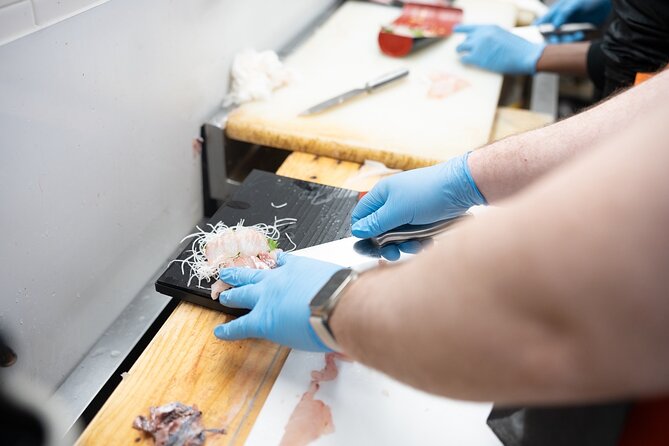
At $98.53 per person, this is not a cheap lunch. You can eat prepared sushi or sashimi in Kyoto for less, especially if your only goal is a meal.
The value improves if you care about the lesson itself. You receive roughly two and a half hours of instruction, hands-on practice, fresh fish, and lunch. The group is capped at six, and the class is taught by a fishmonger with more than 20 years of experience. You are paying for access to a skill that most visitors would not learn by ordering from a menu.
I would consider the price reasonable for a food-focused visitor who wants a memorable activity rather than another restaurant stop. It is also more attractive for people who cook, since the knife work and fish-handling guidance can continue to be useful after you leave Kyoto.
For someone who dislikes raw fish, the value is weaker. The class centers on sashimi, and the final meal is made from the fish you process. You may still learn from the filleting demonstration, but you would miss a large part of the experience.
Who should book this Kyoto class?
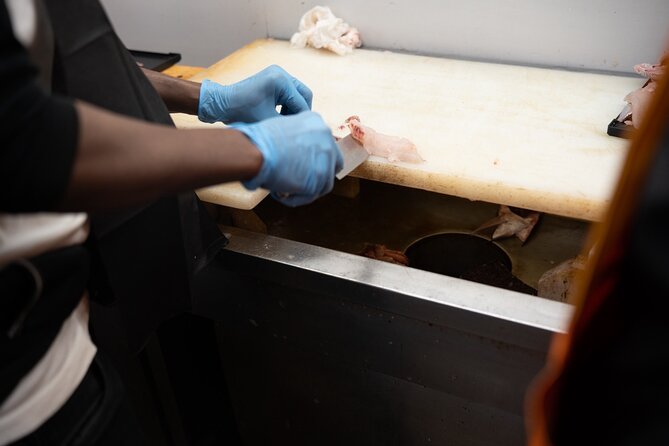
I would recommend it most strongly to:
- Home cooks who want better fish and knife skills
- People curious about how sashimi is prepared
- Food-focused visitors who prefer participation over passive sightseeing
- Couples, friends, or solo participants comfortable in a small group
- Anyone looking for a Kyoto activity tied to a long-running local food business
You should think twice if you are uncomfortable handling raw fish, uneasy with knives, or hoping for a relaxed tasting with no practical work. The class is beginner-friendly, but beginner-friendly does not mean hands-off.
Children under eight should not participate because knives are used. The supplied information does not give a broader age policy, so families with older children should check the booking details before reserving.
The class could also suit a solo participant, since the group is small and the format encourages conversation. You do not need to bring a private group to get individual instruction.
Useful planning details for the morning
The activity starts at 10:00 am at Kimura Fresh Fish, 483 Nakauyocho, Nakagyo Ward, Kyoto 604-8125. It ends at the same meeting point, and the location is near public transportation.
A mobile ticket is provided, and confirmation arrives when you book. Since the class is offered to no more than six people and is often booked well ahead, reserve early if your Kyoto dates are fixed. The average booking lead time is about 48 days.
Wear something suitable for a practical food lesson, although no special clothing requirements are provided. The essential preparation is mental: expect to handle fish, use a knife, listen to instructions, and eat what you make.
Free cancellation is available until 24 hours before the 10:00 am start time for a full refund. Cancellations or changes inside that period are not accepted, and the cut-off follows Kyoto local time.
Should you book the fish-cutting workshop?
Book it if you want to understand sashimi from the preparation side, not just the eating side. The combination of a historic fishmonger, a six-person limit, close knife supervision, three fish preparations, and lunch made from your own work gives this activity a clear purpose.
I especially like it for cooks and curious eaters who have already enjoyed Japan’s food and want to take one step closer to the source. Skip it if you want a quick market visit, a prepared sushi meal, or an activity without knives and raw fish.
At $98.53, the class asks you to pay for a skill lesson rather than simply a plate of food. For the right person, that makes it a memorable Kyoto morning and a better value than another meal you will soon forget.
FAQ
Where does the fish-cutting workshop take place?
It takes place at Kimura Fresh Fish, 483 Nakauyocho, Nakagyo Ward, Kyoto, 604-8125, Japan.
What time does the activity start?
The workshop starts at 10:00 am.
How long does the workshop last?
The experience lasts approximately two hours and 30 minutes.
Where does the activity finish?
It ends back at the Kimura Fresh Fish meeting point.
Is lunch included?
Yes. Lunch is included, and you eat the fish you prepared as sashimi.
How many people can join the workshop?
The activity has a maximum of six participants.
Do I need previous fish-handling experience?
No. The instructors first explain how to handle the fish, and beginners can take part.
Will I cut the fish myself?
Yes. You cut the fish into three pieces yourself, with instruction and supervision.
Can children under eight join?
No. Children under eight are asked not to participate because the workshop involves knives.
Can I cancel for a full refund?
Yes. You can cancel at least 24 hours before the start time for a full refund. Cancellations or changes made less than 24 hours before the activity are not accepted.
Recently added around Kyoto
- Higashiyama | Kyoto: Sakura Season Private Rickshaw Tour★ 5.0 · 3 reviews
- Kyoto Kimono Rental CHAMATSU|Kimono/Yukata Rental FamilyPlan★ 5.0 · 3 reviews
- Kyoto: Half-Day Private Guided Tour to the Old Town of Gion★ 4.4 · 3 reviews
- Nara Private Customizable Half Day Tour★ 5.0 · 3 reviews
- Nara: Essential Private Tour with Deer Park and Temples★ 5.0 · 3 reviews
- Kansai Region Hiking Adventure in Nara Kobe Kyoto and More★ 5.0 · 3 reviews
- Full Day Nara Deer, Temple, Shrine, Activities & Tea Ceremony★ 5.0 · 3 reviews
- Hiking Tour for Sacred Sites in Kyoto with a Guide★ 5.0 · 3 reviews
Workshops, compared.
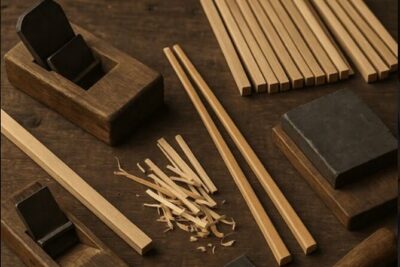
Chopsticks Making Workshop in Gion with Engraving Option
Read our review →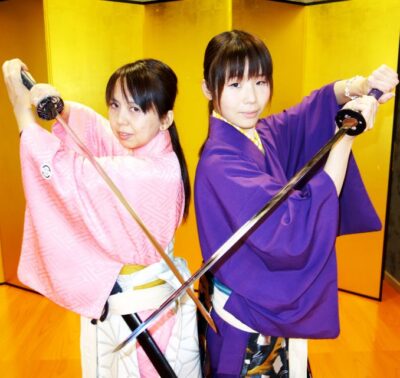
Samurai Sword Class by Experts in Traditional Arts
Read our review →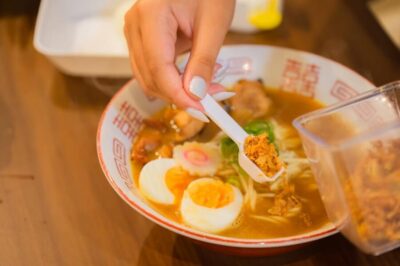
Ramen Cooking Class at a Ramen Factory with Souvenir
Read our review →
Ninja 1-hour Hands-on Lesson by Japanese master in Kyoto -Entry
Read our review →
The Original Small-Group Sushi Making Class in Kyoto
Read our review →
Japanese Washoku Bento Small Group Cooking Class
Read our review →Browse the lists this tour appears in