
REVIEW · WORKSHOPS
Traditional Japanese Knife Sharpening Class in Kyoto
The most rewarding part of this Kyoto class is simple: you do not just buy a Japanese knife, you learn how to care for one. Under Clement’s guidance, you study steel and sharpening theory, then work your own blade across whetstones of different grits. I like the hands-on format and the chance to leave with a useful souvenir rather than a trinket.
I also like the small maximum of six people. That gives the instructor room to watch your technique, which matters when a slight change in angle can affect the edge. The main drawback is the price, $97.55 for about two hours, and the class may be less appealing if you already sharpen knives with confidence.
In This Review
- Key points at a glance
- Why this Kyoto knife class is worth your time
- Meeting at MUSASHI JAPAN Kyoto Sanjo
- The opening lesson: knives, steel, and sharpening theory
- Whetstones of different grits, and why they matter
- The personal payoff: a sharpened santoku to take home
- What the two-hour schedule feels like
- The guide makes a difference
- Is $97.55 fair value?
- Who should book this experience?
- Booking, cancellation, and useful planning notes
- Should you book the Kyoto knife sharpening class?
- FAQ
- How long does the knife sharpening class last?
- How much does the experience cost?
- Where does the class meet?
- Where does the activity end?
- How many people can join the class?
- Is the meeting point near public transportation?
- What will I learn during the class?
- Do I take home the knife I sharpen?
- What happens if I need to cancel?
Key points at a glance
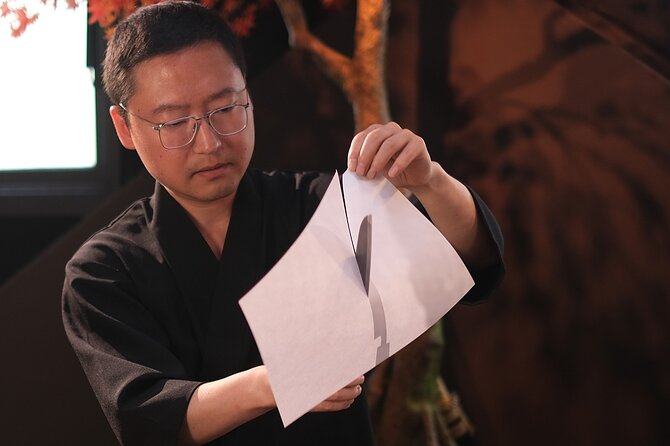
- Sharpen your own blade: You work directly with whetstones instead of watching a demonstration only.
- Learn the material first: The class covers knife history, steel types, and the theory behind sharpening.
- Clement leads the lesson: The instructor combines practical guidance with conversation during the session.
- Small group setting: The class accepts a maximum of six people, allowing closer supervision.
- Take home the result: Your freshly sharpened knife becomes a practical Kyoto keepsake.
- Central meeting point: Start and finish at MUSASHI JAPAN Kyoto Sanjo, near public transportation.
Why this Kyoto knife class is worth your time
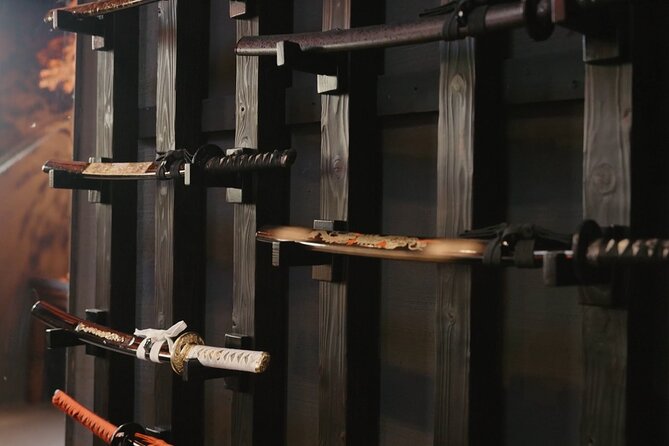
Kyoto offers plenty of cultural activities, but many are built around looking, listening, and taking photographs. This class asks you to use your hands. You feel the stone, control the knife, and see the edge improve through your own work.
That makes the experience especially useful for anyone who cooks regularly. A sharp knife is not just a nicer tool. It changes how a kitchen task feels. The class gives you a basic understanding of why sharpening works, rather than asking you to trust a shop to do everything for you.
You also get a closer look at an ordinary object that often carries plenty of Japanese craft tradition. The session covers knife history and different steel types, so you can place the practical work in context. You will not simply run a blade over a stone at random and hope for the best.
The class is also a good fit if you enjoy crafts. You do not need to be a professional cook to appreciate the process. Anyone who respects well-made tools, enjoys careful handwork, or wants a souvenir with a story can find a reason to book.
More workshops and classes in Kyoto:
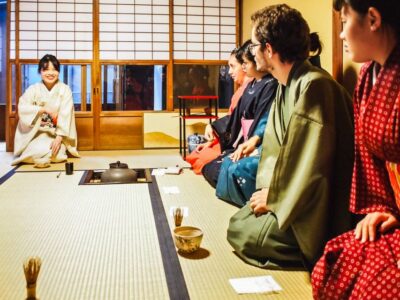
- Kyoto: 45-Minute Tea Ceremony Lesson Experience
★ 4.3 · 2,378 reviews - Kyoto : Chopsticks Making Workshop in Gion with Engraving Option
★ 5.0 · 958 reviews - Kyoto: Samurai Sword Class by Experts in Traditional Arts
★ 4.9 · 657 reviews
Meeting at MUSASHI JAPAN Kyoto Sanjo
Your starting point is MUSASHI JAPAN Kyoto Sanjo Knife Shop in the BiGBOSS building at Ishibashicho, Nakagyo Ward, Kyoto 604-8036. The location is near public transportation, which makes it a practical meeting place during a day in central Kyoto.
Allow yourself enough time to find the shop and get settled. The supplied details identify the shop as both the start and end point, so you will not need to arrange a separate ride after class. That is helpful if you have another Kyoto plan soon afterward.
The mobile ticket is another small convenience. Keep it ready on your phone when you arrive. Since the group limit is six, the session has a more personal scale than a large workshop. You should expect the instructor to have time to watch how you hold and move the knife.
The location information also names Kamo Onsen as the activity stop. The available description does not explain a separate onsen visit or bathing arrangement, so do not book this expecting a full hot-spring experience. The clear focus is the knife sharpening class at the knife shop, and it is sensible to confirm the exact flow with the provider if Kamo Onsen is important to your plans.
The opening lesson: knives, steel, and sharpening theory
The class begins with background before the practical work. You learn about the history of knives, the kinds of steel used in blades, and the basic theory behind sharpening.
This introduction matters because different blades do not all behave in the same way. Steel type affects how an edge is maintained, and sharpening is more than scraping metal against a rough surface. By learning the principles first, you have a better chance of understanding what your hands are doing once the whetstones come out.
I appreciate this order. A short theory lesson keeps the workshop from becoming a quick trick with no lasting value. You leave with ideas that may help you maintain other knives later, though the class is centered on the blade used during the session.
The supplied information does not specify the exact knife model or steel used in every class. That means you should treat the session as an introduction to traditional sharpening rather than a promise of advanced instruction for every possible blade. If you already have specialized knowledge, you may find the introductory material familiar.
For a first-time sharpener, though, the foundation is useful. You can ask questions while the technique is being explained, then connect the answer to what you do with the stone.
Whetstones of different grits, and why they matter
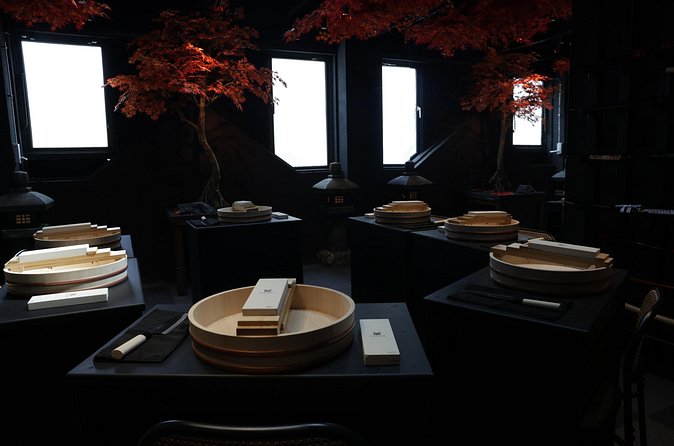
The main work uses whetstones with various grits. In plain terms, the grit affects how much material the stone removes and how it helps shape or refine the edge.
You can expect to move through a process rather than use one stone for every job. The class teaches you how the stones fit into sharpening theory, then gives you time to apply that knowledge to your own blade. This is where the lesson becomes tactile. Pressure, angle, and steady movement all matter.
A two-hour session gives enough time for explanation and practice without turning the class into a full-day technical course. You will need to pay attention. Sharpening is careful work, and the result depends on your technique as well as the equipment.
Clement’s role is important here. The available feedback specifically praises his instruction and his ability to chat with the group while teaching. That suggests a lesson that is not stiff or overly formal. You can expect practical guidance, conversation, and correction as you work.
Do not rush the process. The point is not to finish first. Watch how the blade meets the stone, listen to the instructor, and make small adjustments. You will get more from the class if you treat it as a skill lesson rather than a quick souvenir stop.
A completely different side of Kyoto:
- PERFECT KYOTO 1-Day Bus Tour
★ 5.0 · 13,518 reviews - Kyoto: Fushimi Inari, Kinkakuji, Bamboo Grove 1 Day Bus Tour
★ 4.8 · 4,316 reviews - Kyoto: Tea Ceremony in a Traditional Tea House in Kiyomizu
★ 4.9 · 3,519 reviews - Kyoto Geisha Walking Tour: Gion District & Hidden Gems
★ 4.7 · 3,273 reviews
The personal payoff: a sharpened santoku to take home
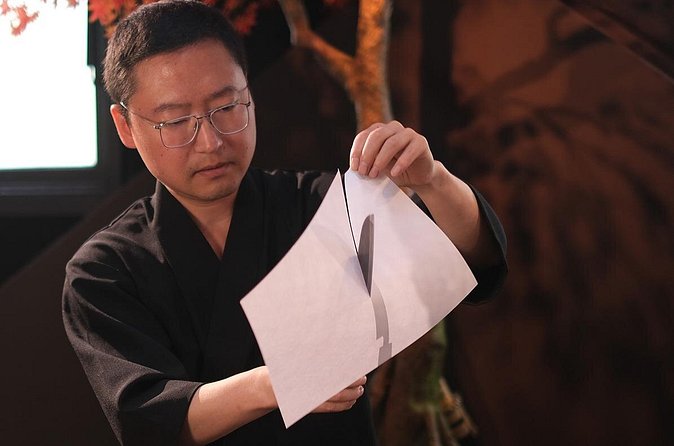
The strongest souvenir feature is the knife itself. Rather than receiving a generic gift after the class, you take home a blade you have sharpened yourself.
One piece of direct feedback highlights santoku knives brought home after the session. A santoku is a broad, versatile kitchen knife, so this can be a practical keepsake for someone who cooks. The details do not establish that every booking includes the same knife, however, so confirm what blade is supplied or used when you book.
That distinction matters for price comparisons. The $97.55 charge is not only paying for a short demonstration. It covers an instructional activity, the use of sharpening equipment, close guidance in a small group, and the knife you leave with, based on the experience description. The exact inclusion details are not itemized, so check the current booking terms if you need a full cost breakdown.
I like souvenirs that connect to a place without sitting uselessly on a shelf. A sharpened knife has a job to do. It can remind you of Kyoto each time you prepare food, and the skill gives the object more meaning than a shop purchase alone.
You should also pack it sensibly for the journey home and follow current airline and transport rules. The supplied information does not state how the knife is packaged or whether it can be carried in hand luggage, so ask the provider if you are flying soon after the class.
What the two-hour schedule feels like
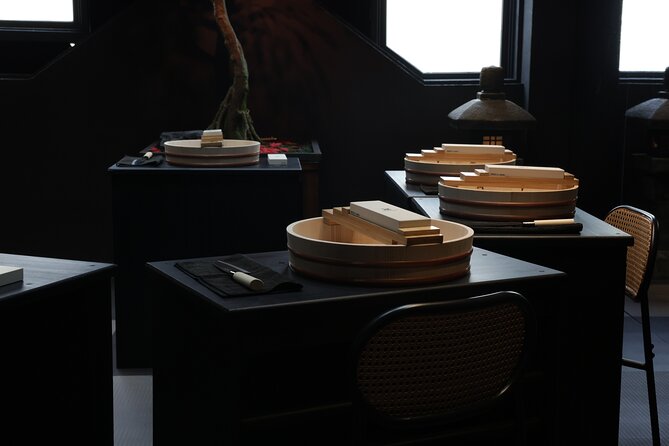
At about two hours, this is easy to fit into a Kyoto itinerary. It is long enough to include instruction and practice, but short enough to pair with sightseeing, shopping, or a meal elsewhere in the city.
The likely rhythm is clear from the class description:
- You meet at the Kyoto Sanjo knife shop.
- You learn about knife history and steel types.
- You study the principles behind sharpening.
- You use whetstones of different grits under supervision.
- You finish with your sharpened knife and return to the meeting point.
The listing identifies Kamo Onsen as the sole stop, but it does not provide a separate schedule or explain how that stop relates to the knife shop. Keep your plans flexible around the two-hour class and verify the meeting instructions before setting out.
The small group cap helps the timing. With no more than six participants, the instructor can spend time checking individual technique instead of giving one broad talk to a crowd. That is particularly valuable if the class includes people with different levels of experience.
The class requires good weather. That may seem unusual for an indoor knife lesson, but it is part of the stated operating conditions. If poor weather causes a cancellation, you will be offered another date or a full refund.
The guide makes a difference
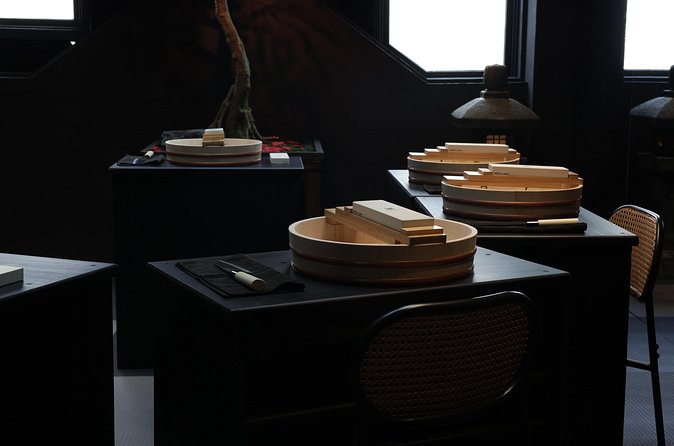
Clement is the named instructor connected with the strongest praise. The feedback describes him as phenomenal and notes that he could chat with the group while teaching. That combination is worth noting because practical craft lessons can become either too technical or too casual.
A good instructor needs to show the method, explain why it works, and notice when a participant is struggling. Clement’s reported approach suggests a friendly lesson with room for questions rather than a silent, rigid workshop.
The spelling of his name is not fully certain in the supplied material, but Clement is the name given. If you want to ask for him specifically, confirm availability with the provider before booking. The experience is operated by Japanese Knife Sharpening, and the information does not guarantee that the same instructor leads every date.
Even so, the small group size remains a strong feature. No class can guarantee a particular teaching style, but six people or fewer gives the session a better chance of feeling personal.
Is $97.55 fair value?
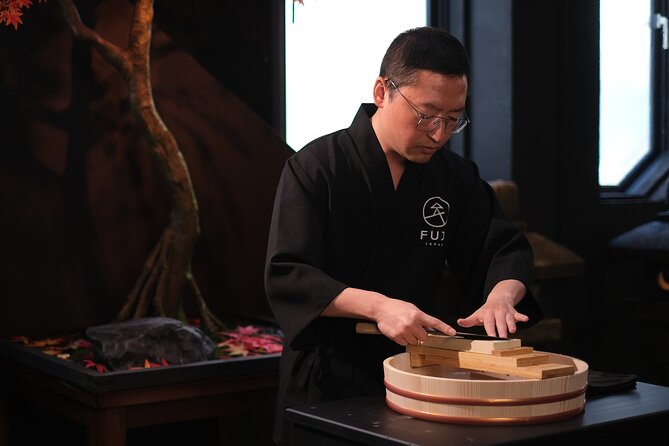
At first glance, nearly $100 for two hours may feel high. Kyoto has many low-cost cultural activities, and you could spend less on a standard cooking tool in a shop.
The value improves if you care about instruction and personal use. You receive a lesson in knife history, steel, and sharpening theory, hands-on time with several whetstone grits, guidance from an instructor, and a sharpened knife to take home. The result is part workshop, part souvenir.
The class is less compelling if you want a long craft course, a broad tour of knife-making, or a detailed lesson on many blade types. It focuses on sharpening, not forging or manufacturing knives. The available details also do not promise a specific number of stones, blade models, or advanced techniques.
I would judge the price by what you want from the afternoon. For a cook who values Japanese tools, the combination of skill and object makes sense. For a casual sightseer who simply wants a quick look at Kyoto craftsmanship, the cost may be harder to justify.
Who should book this experience?
I would put this class high on the list for:
- Cooks who want to understand whetstone sharpening.
- People interested in Japanese knives and steel.
- Craft-minded visitors who enjoy precise handwork.
- Shoppers looking for a useful souvenir.
- Anyone who prefers a small group over a large demonstration.
It may not suit you if you dislike careful repetitive work or want an activity with a packed sightseeing schedule. The class asks for attention, and the payoff comes from doing the process yourself.
It is also a sensible choice for a repeat visitor to Kyoto. You do not need another temple overview to enjoy the city. A practical workshop can give a different connection to local tools and food culture.
Most participants can take part, according to the supplied information. No special accessibility limits are listed, but the activity involves handling a knife and working with sharpening stones, so ask the provider about any personal concerns before booking.
Booking, cancellation, and useful planning notes
You receive confirmation at the time of booking, and the mobile ticket makes arrival straightforward. The activity begins and ends at the MUSASHI JAPAN Kyoto Sanjo Knife Shop.
Free cancellation applies if you cancel at least 24 hours before the local start time. Cancellations or changes made inside that 24-hour window are not refunded or accepted. Since the class requires good weather, a provider cancellation for poor conditions brings an alternative date or a full refund.
I would avoid scheduling a tight connection immediately afterward. The stated duration is approximately two hours, and practical workshops can be easier to enjoy when you are not watching the clock. Near public transportation, the shop is convenient, but you still need time to locate the BiGBOSS building and meeting point.
Should you book the Kyoto knife sharpening class?
Book it if you want a small, practical Kyoto experience with a real object to use afterward. The strongest reasons are the hands-on whetstone practice, the focus on steel and sharpening theory, the maximum group size of six, and Clement’s friendly instruction.
Think twice if you are looking for a longer technical course or a general knife-making tour. At $97.55, this is best value for people who will appreciate both the skill and the sharpened knife. For the right visitor, it is a thoughtful souvenir and a useful lesson, not just another item in a packed sightseeing day.
FAQ
How long does the knife sharpening class last?
The class lasts approximately two hours.
How much does the experience cost?
The listed price is $97.55 per person.
Where does the class meet?
You meet at MUSASHI JAPAN Kyoto Sanjo Knife Shop in the BiGBOSS building at Ishibashicho, Nakagyo Ward, Kyoto 604-8036.
Where does the activity end?
The experience ends back at the meeting point.
How many people can join the class?
The activity has a maximum of six participants.
Is the meeting point near public transportation?
Yes. The meeting point is described as being near public transportation.
What will I learn during the class?
You will learn about knife history, steel types, sharpening theory, and the use of whetstones with different grits.
Do I take home the knife I sharpen?
Yes. The experience description says you can take home the knife you sharpen. Santoku knives are specifically associated with the experience, but confirm the exact blade details when booking.
What happens if I need to cancel?
You can cancel for a full refund up to 24 hours before the local start time. Cancellations or changes made less than 24 hours before the start are not refunded or accepted. If poor weather causes the provider to cancel, you will be offered another date or a full refund.
Recently added around Kyoto
- Higashiyama | Kyoto: Sakura Season Private Rickshaw Tour★ 5.0 · 3 reviews
- Kyoto Kimono Rental CHAMATSU|Kimono/Yukata Rental FamilyPlan★ 5.0 · 3 reviews
- Kyoto: Half-Day Private Guided Tour to the Old Town of Gion★ 4.4 · 3 reviews
- Nara Private Customizable Half Day Tour★ 5.0 · 3 reviews
- Kansai Region Hiking Adventure in Nara Kobe Kyoto and More★ 5.0 · 3 reviews
- Full Day Nara Deer, Temple, Shrine, Activities & Tea Ceremony★ 5.0 · 3 reviews
- Nara: Essential Private Tour with Deer Park and Temples★ 5.0 · 3 reviews
- Photo Shoot with a Private Vacation Photographer in KYOTO, JAPAN★ 5.0 · 3 reviews
Workshops, compared.
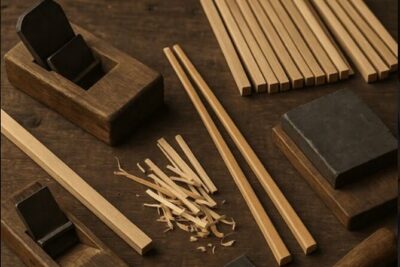
Chopsticks Making Workshop in Gion with Engraving Option
Read our review →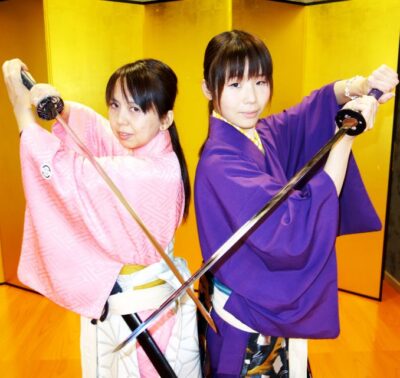
Samurai Sword Class by Experts in Traditional Arts
Read our review →
Ramen Cooking Class at a Ramen Factory with Souvenir
Read our review →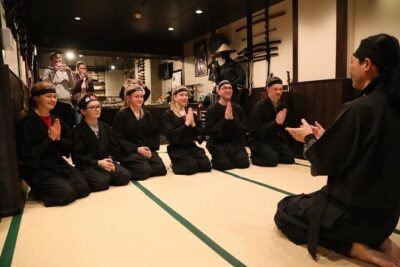
Ninja 1-hour Hands-on Lesson by Japanese master in Kyoto -Entry
Read our review →
The Original Small-Group Sushi Making Class in Kyoto
Read our review →
Japanese Washoku Bento Small Group Cooking Class
Read our review →Browse the lists this tour appears in