
REVIEW · COOKING CLASSES
Private Guided Traditional Buddhist Cooking in Japan
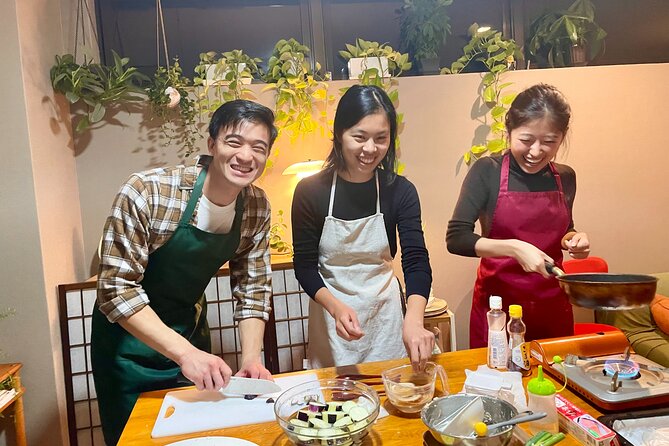
Kyoto’s Buddhist cooking is not simply a meat-free version of ordinary Japanese food. In this hands-on class, you’ll learn how vegetables, tofu, seaweed, grains, fermented foods, and careful seasoning become a seven-dish meal. Yukari and Yuka teach the food’s cultural meaning as well as its technique, so the class feels like a window into Kyoto life, not just a recipe lesson.
I like two things right away: you cook a full plate lunch or dinner rather than one token dish, and you receive the recipes so the experience can continue at home. The private format also gives your own group room to ask questions, though the listed temple stops and lack of private transportation mean you should check the exact plan and allow time for getting around independently.
In This Review
- Key points to know before booking
- What makes this Kyoto cooking class different
- Meeting Yukari or Yuka in Ichijoji
- Seven dishes, from lotus root to rice balls
- Learning the ingredients before cooking
- What the hands-on lesson feels like
- Sitting down to a complete Buddhist meal
- Enkoji, Shisendo, and Ginkakuji on the plan
- Is the $70.94 price good value?
- Who should book this experience
- Practical details that can affect your day
- Should you book Yukari’s Japanese Home Cooking?
- FAQ
- Where does the cooking class meet?
- What time does the activity start?
- How long does the experience last?
- Is the class private?
- What type of food do you cook?
- How many dishes are included?
- Is the food vegan?
- Can the class accommodate gluten-free guests?
- What does the price include?
- Is transportation included?
- Can I cancel for a refund?
Key points to know before booking
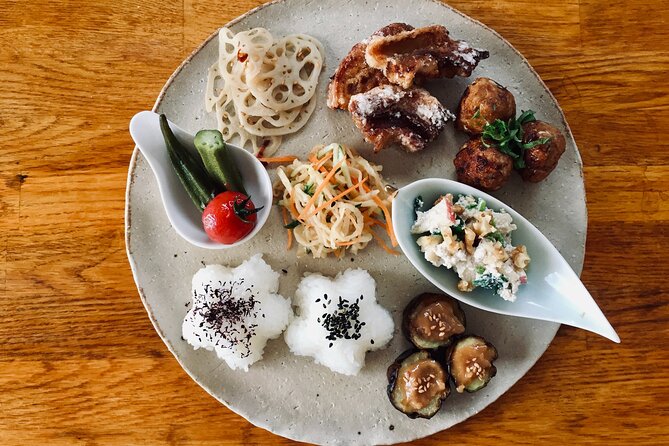
- Seven vegan dishes in one class: Prepare seasonal vegetables, lotus root, eggplant, tofu salad, rice balls, and more.
- A lesson in Shojin-ryori: Learn why Buddhist cooking avoids meat and fish and how Japanese cooks build flavor from plants and fermented ingredients.
- Yukari or Yuka as your teacher: Both are praised for patient instruction, cultural knowledge, and clear explanations.
- A real meal at the end: Your cooking becomes a complete lunch or dinner with water or tea.
- Private and practical: Only your group participates, and all ingredients, equipment, apron, facility charges, and recipes are supplied.
- A useful Kyoto location: The class meets at 10:00 a.m. in Ichijoji, near Enkoji, Shisendo, and Ginkakuji, but transportation is not included.
What makes this Kyoto cooking class different
Many Japanese cooking classes focus on sushi, ramen, or a familiar home-style menu. This one takes you toward Shojin-ryori, the plant-based cooking tradition associated with Buddhist temples.
The idea is simple: Buddhist practice prohibits killing animals, so the food avoids meat and fish and generally contains no animal products. The result is not a plate of plain vegetables. You work with tofu, soybeans, grains, seaweed, seasonal produce, and fermented foods, then learn how preparation and seasoning bring out each ingredient’s natural taste.
That distinction matters. You are not only learning what to cook, but also why the dishes are built in a particular way. A lotus root may be sliced thinly and braised. Eggplant may be paired with miso. Tofu may be mashed into a salad. These methods show the care behind Japanese food without requiring advanced cooking skills.
The class lasts about two and a half hours. That is enough time to hear an introduction, put on an apron, prepare several dishes by hand, and sit down to eat what you made. You get more than a quick demonstration, but this is still a half-day activity rather than a full culinary course.
More cooking classes in Kyoto:
- Kyoto: Ramen Cooking Class at a Ramen Factory with Souvenir
★ 4.9 · 532 reviews - Kyoto: Ramen, Gyoza, and Onigiri Cooking Class
★ 5.0 · 445 reviews - Kyoto: Japanese Washoku Bento Small Group Cooking Class
★ 5.0 · 380 reviews
Meeting Yukari or Yuka in Ichijoji
The meeting point is at Fairmont Building, 16 Ichijoji Nodacho, Sakyo Ward, Kyoto, postal code 606-8165. The start time is 10:00 a.m., and the activity finishes back at the meeting point.
The class is offered by Yukari’s Japanese Home Cooking. The instructor may be Yukari or Yuka. Both names appear in the teaching information, and the class feedback gives a clear sense of what you can expect from either: a warm, patient teacher who explains ingredients, recipes, and Japanese food culture in detail.
Yukari is also described as having written books and articles about Japanese food. That is useful here because the lesson goes beyond chopping and stirring. You can ask about the role of ingredients in Japanese cooking, the differences between ordinary vegetarian food and Shojin-ryori, and how to recreate the dishes after returning home.
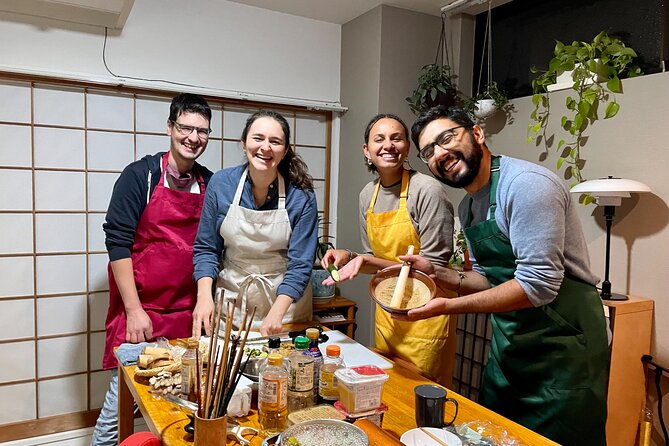
The private format is worth noting. Only your group participates, rather than a large room full of unrelated students. That can make the lesson easier for families, couples, or friends who want to ask questions at their own pace. It also gives the instructor a better chance to adjust explanations to your cooking experience.
Seven dishes, from lotus root to rice balls
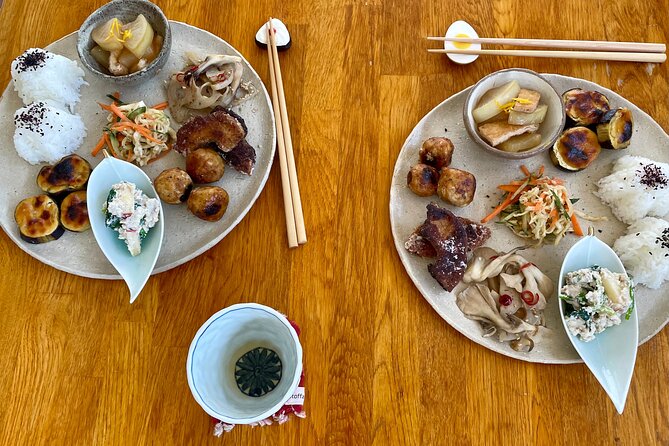
The menu is the main reason to book this experience. You prepare seven kinds of dishes, with several individual components included in the final meal.
The planned dishes include:
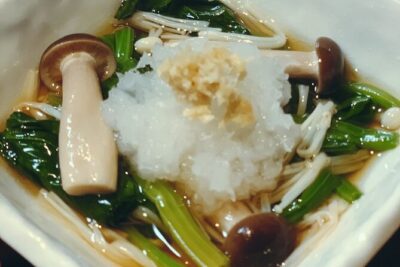
- Simmered seasonal vegetables
- Salad made with dried strips of daikon
- Kinpira of lotus root
- Nasu dengaku, eggplant with miso
- Shiraae, a mashed tofu salad
- Spicy teriyaki balls
- Vegetarian fried chicken made with wheat gluten
- Two rice balls
The menu offers a good look at the range of Japanese plant-based cooking. Seasonal vegetables show how much flavor can come from simmering and seasoning. Dried daikon introduces a different texture from fresh vegetables, while lotus root brings a crisp, structured bite when prepared as kinpira.
Nasu dengaku is a particularly useful dish to learn because miso adds depth to the soft eggplant without relying on meat-based stock. Shiraae gives you another view of tofu. Instead of serving it in a simple block, the tofu becomes a creamy dressing for a salad.
The spicy teriyaki balls and wheat-gluten vegetarian fried chicken add a playful modern touch. These dishes make the class more approachable if you are curious about vegan food but do not usually seek out temple cuisine. They also help show that Buddhist-inspired cooking does not have to be austere.
The two rice balls complete the meal in a very Japanese way. You will not leave with a single recipe and a small sample. You make enough different food to understand how a balanced plate comes together.
Learning the ingredients before cooking
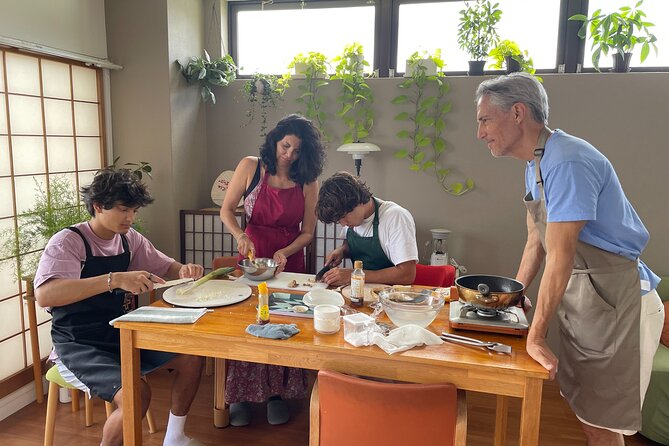
The lesson begins with an introduction to Shojin-ryori and the local ingredients and products used in the recipes. This opening matters because unfamiliar ingredients can be hard to understand when you only see them listed on a menu.
You learn how the food fits into Buddhist cooking and why animal products are left out. The focus is on the original taste of local ingredients, with seasoning used to support rather than bury them.
That approach gives the class a practical edge. You may already know tofu or rice, but dried daikon, lotus root, wheat gluten, seaweed, and fermented seasonings can work differently from the ingredients in a typical Western kitchen. A teacher who explains the role of each item helps you remember what to look for in a Japanese market or specialty shop later.
The supplied recipes are another strong point. You can write down instructions during class, but having the recipes in hand makes it far more realistic to cook the dishes at home. The instructor also encourages questions after the class if you try to recreate the food.
A few more Kyoto experiences worth comparing
- Fushimi Inari Hidden Hiking Tour (Private Option Available)
★ 5.0 · 1,750 reviews - Private Kyoto Tour with a Local, Highlights & Hidden Gems, Personalised
★ 5.0 · 1,543 reviews - Kyoto 6hr Private Tour with Government-Licensed Guide
★ 5.0 · 1,369 reviews - 10 Must-see Spots in Kyoto One Day Private Tour (up to 7 people)
★ 5.0 · 1,108 reviews
What the hands-on lesson feels like
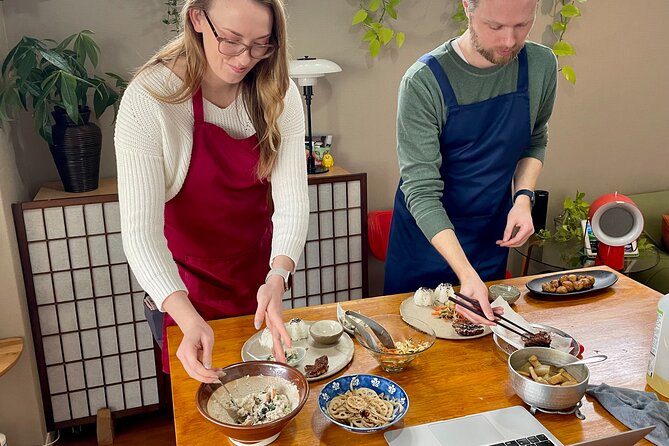
After the introduction, you put on an apron and begin cooking. The equipment is supplied, so you do not need to bring kitchen tools or ingredients. Water or tea is included, and the utility and facility charges are already covered.
The class is designed for participation. You are not simply watching an instructor prepare a finished meal while standing at the edge of a demonstration kitchen. You have a hand in making the dishes, which gives the food more meaning when you sit down to eat it.
The cooking is described as accessible rather than difficult. That makes the class a good fit if you want to learn Japanese food without signing up for a technical chef’s course. At the same time, seven dishes in two and a half hours means the pace may feel active. If you like slow, highly detailed instruction on one recipe, this may not be the ideal format.
Families can also fit well here. An 11-year-old was specifically kept interested during the cooking session, and the instructor’s patient style appears suited to mixed ages. Still, young children should be able to take part in a structured kitchen activity for the full class period.
Sitting down to a complete Buddhist meal
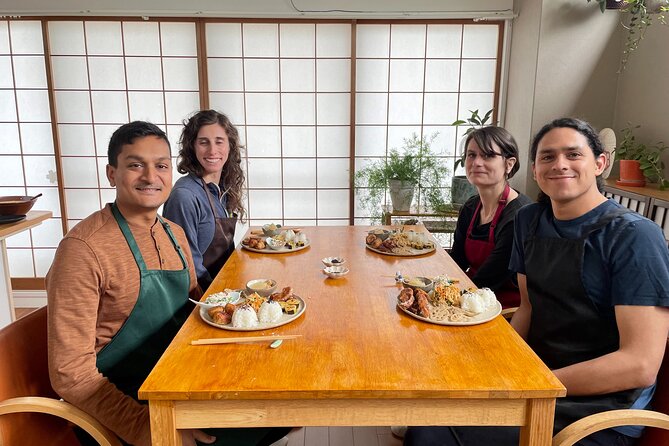
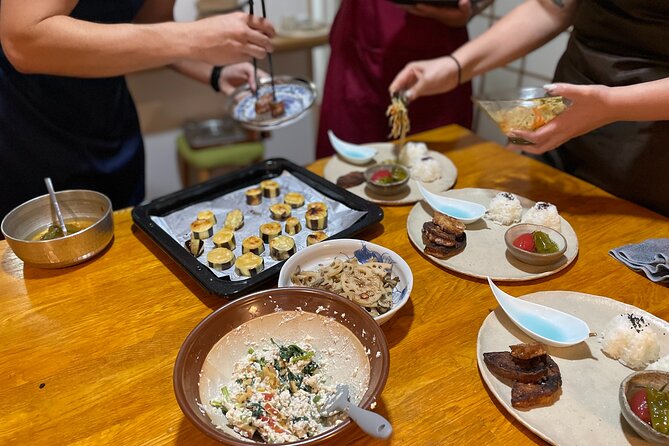
At the end, you eat a carefully arranged plate lunch or dinner made from the food prepared during the class. The meal gives you a chance to taste the balance of textures and flavors together instead of judging each recipe on its own.
This is where the class earns much of its value. You can understand a recipe while cooking it, but you learn more when you see how simmered vegetables, tofu salad, miso eggplant, rice, and seasoned dishes work as one meal.
The food is vegan, and the cooking avoids meat and fish. If you have dietary restrictions beyond that, you should explain them before booking. Gluten-free requests can be accepted, but you need to let the provider know in advance. That point is especially important because wheat gluten is part of the listed menu.
Drinks are limited to water or tea, which suits the meal and keeps the focus on the food. Do not book this expecting a sake tasting, a restaurant-style beverage pairing, or a long multi-course dinner service. The reward is the meal you helped prepare.
Enkoji, Shisendo, and Ginkakuji on the plan
The listed itinerary includes Enkoji Temple, Shisendo Temple, and Ginkakuji Temple. These names place the experience in Kyoto’s northeastern area, close to several important temple sights.
The supplied details do not specify how long you spend at each temple or exactly how the stops connect with the cooking lesson. Treat them as part of the activity’s setting and planned stops, but confirm the day’s flow if temple visits are a major reason for booking.
The meeting point in Ichijoji is useful for building a day around the northern Higashiyama area. You could plan your sightseeing before or after the class, but private transportation is not included. You are responsible for getting to the starting point and handling any movement between locations.
That is not necessarily a problem. Kyoto is easier to enjoy when you avoid packing every hour with guided transfers. But you should not assume a vehicle will collect you from your hotel or carry you between temples. Check the route and transport time before committing to other reservations.
Is the $70.94 price good value?
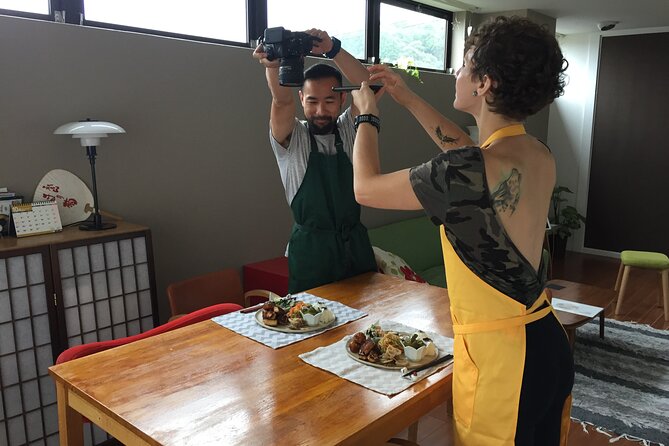
At $70.94 per person, the price is reasonable for a private, hands-on food experience that includes a full meal. You are paying for the instruction, seven dishes, ingredients, apron, equipment, drink, recipes, utility charges, and facility fee.
The recipe handouts improve the value. A meal disappears quickly, but recipes can be used again. If you cook even a few of the dishes at home, the class becomes more than a one-time lunch.
The private format also changes the calculation. A cheaper group class may offer less time for questions or less personal attention. Here, your group has the instructor to itself, which can be useful if you have food restrictions, children, or a strong interest in Japanese culinary culture.
There are limits. The price does not include transportation, and the class lasts only about two and a half hours. If you mainly want to eat temple food without cooking, a restaurant meal may be simpler. If you want to understand how the food is made and take the methods home, this is the better use of your money.
Who should book this experience
I would recommend this class to:
- Vegans and vegetarians who want more than a standard restaurant meal
- Anyone curious about Buddhist food and Japanese culinary customs
- Couples or families who prefer a private activity
- Home cooks who value recipes they can use after the trip
- Visitors who enjoy meeting a local instructor and asking questions
- Families with older children who can take part in a two-and-a-half-hour lesson
It is less suitable if you want a fast sightseeing tour, a professional chef’s qualification, or a broad tasting of Kyoto restaurants. The focus is one cooking tradition, taught through a set menu.
It may also disappoint diners who expect meat substitutes to taste exactly like meat. The wheat-gluten vegetarian fried chicken and teriyaki balls add variety, but the wider meal is centered on vegetables, tofu, grains, and traditional preparation.
Practical details that can affect your day
Confirmation is received when you book, and the experience uses a mobile ticket. The activity is near public transportation, but private transportation is not part of the package.
Service animals are allowed. The experience is private, so only your own group takes part.
You can cancel for a full refund up to 24 hours before the 10:00 a.m. start time. Cancellations or changes made within 24 hours are not accepted for a refund, and the cut-off follows Kyoto local time. That is worth remembering if your schedule includes a long train journey or another fixed appointment.
The activity is commonly booked well ahead, with an average booking time of 51 days in advance. If you want a specific Kyoto morning during a busy trip, booking early is sensible.
Should you book Yukari’s Japanese Home Cooking?
Book it if you want to understand Japanese food by making it yourself. The class gives you a complete vegan meal, seven dishes, cultural background, recipes, and personal instruction from Yukari or Yuka. The strongest feature is the combination of food and context. You learn what Shojin-ryori is, then taste the balance for yourself.
The main caution is practical: transportation is not included, the temple-stop schedule is not fully detailed, and gluten-free guests must notify the provider. With those points handled, this is a thoughtful choice for a Kyoto itinerary, especially for vegetarians, families, and curious home cooks.
FAQ
Where does the cooking class meet?
It meets at Fairmont Building, 16 Ichijoji Nodacho, Sakyo Ward, Kyoto, postal code 606-8165.
What time does the activity start?
The start time is 10:00 a.m.
How long does the experience last?
The activity lasts approximately 2 hours and 30 minutes.
Is the class private?
Yes. Only your group participates in the private activity.
What type of food do you cook?
You cook Shojin-ryori, traditional Buddhist cooking made without animal products. The menu includes seasonal vegetables, tofu, lotus root, eggplant, dried daikon, wheat gluten, and rice balls.
How many dishes are included?
The class includes seven dishes, along with two rice balls as part of the menu.
Is the food vegan?
Yes. The cooking is made without animal products and generally contains no meat or fish.
Can the class accommodate gluten-free guests?
Yes. Gluten-free requests can be accepted, but you must notify the provider in advance.
What does the price include?
The price includes lunch ingredients, water or tea, an apron, all equipment, utility charges, the facility fee, and recipes.
Is transportation included?
No. Private transportation is not included. The experience begins and ends at the meeting point.
Can I cancel for a refund?
You can receive a full refund if you cancel at least 24 hours before the experience start time. Cancellations or changes made less than 24 hours before the start are not accepted for a refund.
Recently added around Kyoto
- Higashiyama | Kyoto: Sakura Season Private Rickshaw Tour★ 5.0 · 3 reviews
- Kyoto Kimono Rental CHAMATSU|Kimono/Yukata Rental FamilyPlan★ 5.0 · 3 reviews
- Kyoto: Half-Day Private Guided Tour to the Old Town of Gion★ 4.4 · 3 reviews
- Nara Private Customizable Half Day Tour★ 5.0 · 3 reviews
- Kansai Region Hiking Adventure in Nara Kobe Kyoto and More★ 5.0 · 3 reviews
- Full Day Nara Deer, Temple, Shrine, Activities & Tea Ceremony★ 5.0 · 3 reviews
- Nara: Essential Private Tour with Deer Park and Temples★ 5.0 · 3 reviews
- Hiking Tour for Sacred Sites in Kyoto with a Guide★ 5.0 · 3 reviews
Cooking Classes, compared.
Ramen Cooking Class at a Ramen Factory with Souvenir
Read our review →
Japanese Washoku Bento Small Group Cooking Class
Read our review →
Kyoto Ramen and Gyoza Cooking Class with Professional Chefs
Read our review →
Gyoza Cooking Class in Kyoto: Traditional Japanese Dumplings
Read our review →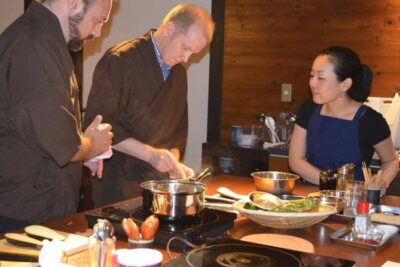
Browse the lists this tour appears in