
REVIEW · NISHIKI MARKET FOOD TOURS
Nishiki Market Food Tour with Cooking Class
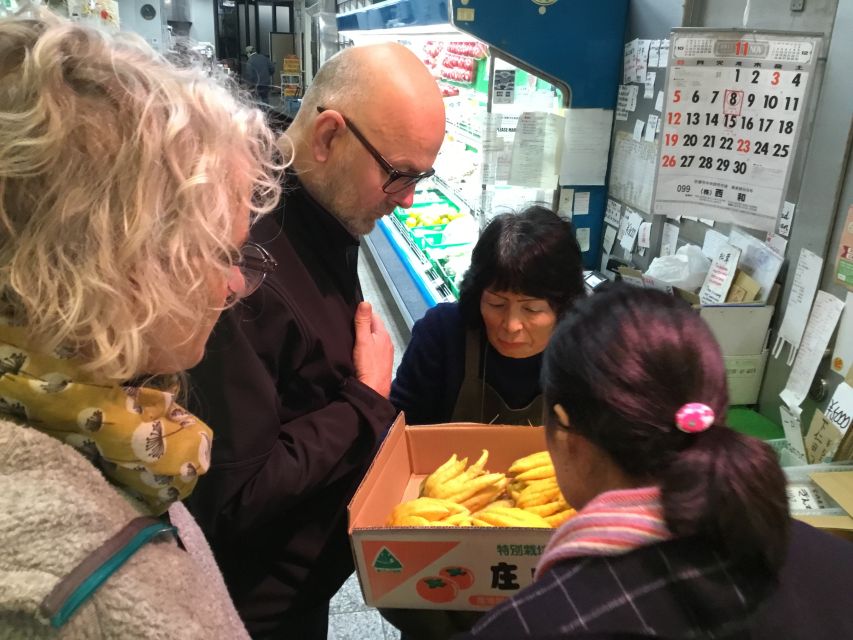
Nishiki Market is easy to race through in 15 minutes, but this tour shows you why it deserves much longer. I like the way your guide explains old stalls, food customs, sauces, pickles, and market etiquette, then helps translate when you want to ask a shopkeeper a question. I also like that you cook with ingredients chosen during the walk, rather than simply watching a demonstration.
The main consideration is time. About an hour goes to the market and about an hour to cooking and eating, so you will get a focused introduction rather than a slow, eat-your-way-through-every-stall outing. Some food tastings are included, but anything you buy for yourself costs extra, and the quality of a particular ingredient can vary.
In This Review
- Key points at a glance
- Why Nishiki Market makes a good classroom
- Meeting at Nishiki’s western entrance
- What you taste before cooking
- Picking your donburi dish
- Inside the cooking studio
- The private format and pace
- What the experience teaches about Kyoto food
- Who gets the most from this tour
- Timing, cost, and small practical details
- Should you book the Nishiki Market Food Tour?
- FAQ
- Where does the Nishiki Market food tour meet?
- How long does the experience last?
- What donburi dishes can I choose?
- Are the cooking ingredients included?
- Is sake tasting included?
- Is the tour private and offered in English?
- Can I cancel or pay later?
Key points at a glance
- Choose your own donburi: Pick seafood, tempura, or chicken and egg, with some room for substitutions and personal requests.
- A private English-language outing: You can ask questions freely and move at your group’s pace.
- Market lessons beyond food: Learn about Nishiki’s older shops, local products, etiquette, sauces, brands, and how to eat politely.
- Cooking with what you just saw: Ingredients are included, and the class turns the market visit into a practical meal.
- Useful for families and keen home cooks: Guides have adapted dishes for children, personal tastes, and different levels of cooking interest.
- Optional sake tasting: You can sample three types of sake if you choose.
Why Nishiki Market makes a good classroom
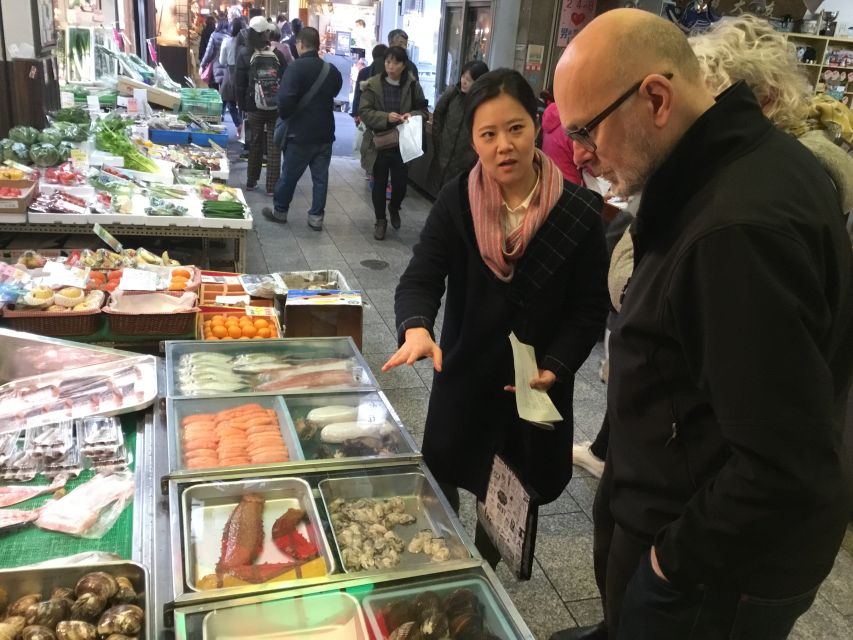
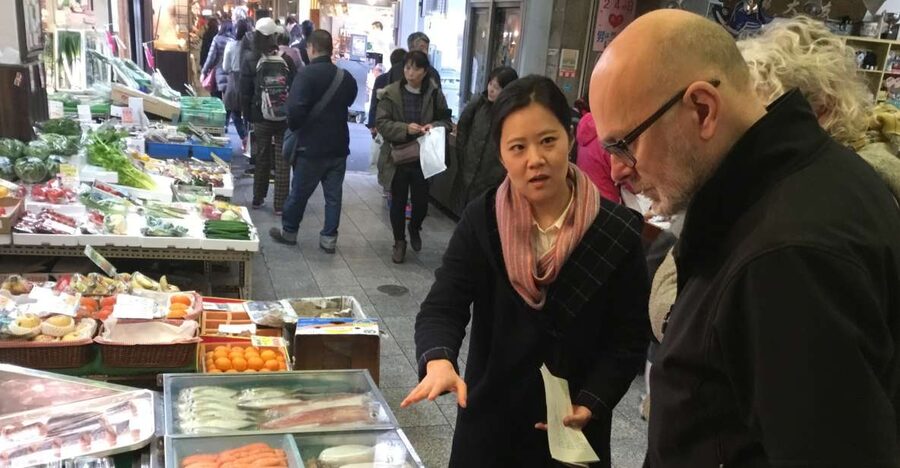
Nishiki Market is a narrow, historic food street in central Kyoto. You will find far more than a standard produce market: pickles, spices, seafood, meat, prepared foods, sweets, and ingredients used in everyday Japanese cooking.
Without context, the market can feel like a line of attractive food counters. With a local guide, each stop has a reason. You can ask what an unfamiliar item is, how it is used, and why a certain shop is known for its specialty.
That extra explanation matters. Kyoto cuisine depends on small distinctions, from the type of soy sauce to the treatment of vegetables and the role of dashi. The tour gives you a working introduction instead of asking you to guess from appearances.
The market itself is also a place where manners count. Your guide explains that eating while walking is not accepted in the market, a detail that is easy to miss if you are visiting on your own. You may need to stop near the stall where you bought something before eating it.
More food walks through Nishiki Market:
- Nishiki Market Brunch Walking Tour (7 Tastings + Brunch)
★ 5.0 · 1,355 reviews - Kimono Tea Ceremony at Kyoto Maikoya, NISHIKI
★ 5.0 · 911 reviews - Kyoto Nishiki Market Food and Culture Walking Tour
★ 5.0 · 412 reviews
Meeting at Nishiki’s western entrance
The tour begins at the western entrance of Nishiki Market. After a short briefing, your guide leads you through the market for roughly an hour.
The private format is a real advantage here. Nishiki can be crowded, and a large group would make it harder to stop, listen, or ask questions. With your own guide, you can spend more time on foods that interest you and less time on products that do not.
English is the working language. Guides named Chie, Momo, Mio, and Mae have led versions of this experience, although the person assigned to your booking can vary. The strongest part of the guiding is the combination of language help and local food sense. Your guide can explain an item to you, then help you ask a shop employee a question if needed.
You should not expect unlimited shopping time during the scheduled walk. The purpose is to learn about the market and gather ingredients for the class. If you want to return for private shopping, set aside time afterward. This is useful for buying pickles, spices, snacks, or other food gifts after you know which stalls deserve your attention.
What you taste before cooking
Sample food tastings are included, and Japanese pickles are specifically part of the experience. These small tastes help you notice the range of flavors used in Japanese meals, including salty, sour, sweet, and fermented notes.
The guide may also select side dishes to serve with your donburi. This is one of the pleasant personal touches reported from the experience, since the extras can reflect your group’s preferences. You should still think of the tastings as an introduction, not a full market lunch.
Three sake samples are available as an option. The information provided does not describe the exact brands or styles, so you should ask your guide what you are tasting at the time. If you do not drink alcohol, the main market and cooking program remains the focus.
The tour does not include any food you decide to buy independently. That is normal for a market visit, but budget a little extra if you want to snack, purchase gifts, or return later for a favorite item.
Picking your donburi dish
After the market walk, you travel by taxi to the cooking studio. The taxi cost from the market to the studio is included, which keeps the transition simple and protects your short schedule.
You choose one of three bowl meals:
- Kaisen-don: A seafood bowl, generally the best fit if you want a market-centered meal.
- Ten-don: A tempura bowl, useful for learning about frying and presentation.
- Oyako-don: Chicken and egg over rice, a familiar, comforting dish and a practical choice for cooking at home.
The group can choose different dishes. One family group prepared all three options, which made the class more varied and kept children involved. Another group arranged tofu instead of chicken for one participant.
That flexibility is worth clarifying when you book or at the start of the tour. The published choices are the three donburi types above, while substitutions appear to be handled when possible rather than guaranteed in every case.
The seafood option deserves one practical note. Ingredient quality can vary, and one participant found the fatty tuna disappointing. That does not undermine the class, but it is a reminder that a market-based meal is not the same as ordering a carefully selected restaurant course.
More cooking classes in Kyoto:
- Kyoto: Ramen Cooking Class at a Ramen Factory with Souvenir
★ 4.9 · 532 reviews - Kyoto: Ramen, Gyoza, and Onigiri Cooking Class
★ 5.0 · 445 reviews - Kyoto: Japanese Washoku Bento Small Group Cooking Class
★ 5.0 · 380 reviews - Kyoto Ramen and Gyoza Cooking Class with Professional Chefs
★ 5.0 · 282 reviews
Inside the cooking studio
The cooking portion takes about an hour, including preparation and eating. The studio is described as clean, well stocked, cozy, and intended for cooking classes, so you are not trying to prepare a meal in a cramped home kitchen.
Your instructor takes you through each step rather than leaving you to copy from a recipe. You learn not only how to make the dish taste good, but also how to make it look neat in the bowl.
The class can cover dashi, sauces, sauce brands, ingredient use, and presentation. For home cooks, this may be the most useful part of the tour. You leave with a recipe and a clearer idea of how to repeat the meal outside Japan.
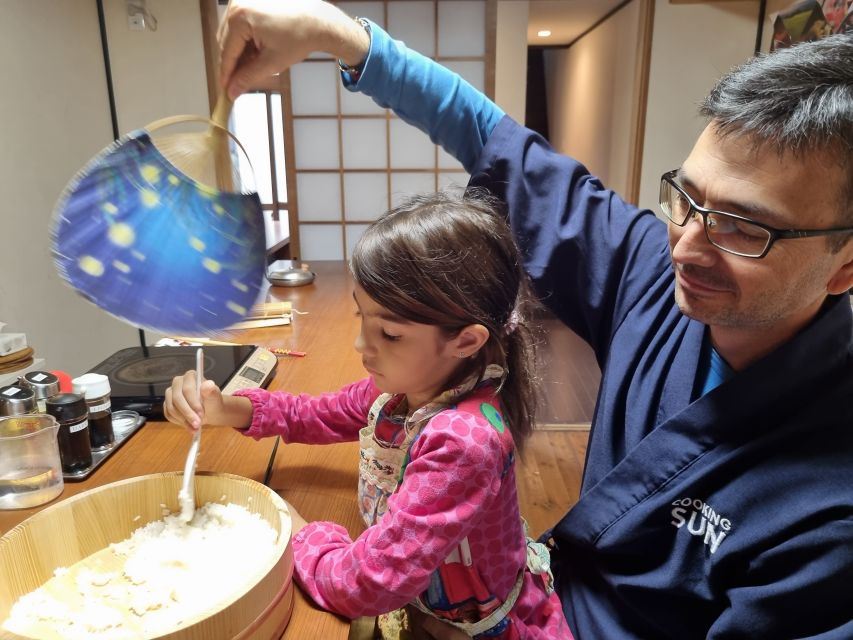
The guides also adjust their teaching to the group. Children can take part, and the pace can respond to questions because the booking is private. If one person is an avid cook and another is a beginner, the format gives both a chance to stay involved.
You prepare and eat your own meal. That connection between market stall and finished bowl is the tour’s central idea: you see ingredients in their local setting, then learn how they become lunch.
The private format and pace
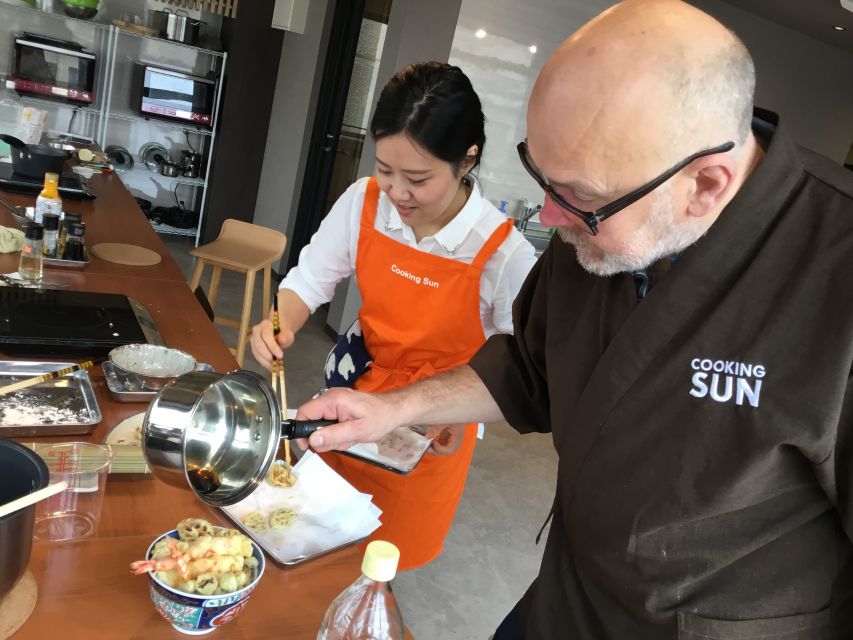
A private group changes the feel of the experience. You are not waiting for strangers to catch up or limiting your questions to fit a fixed group rhythm.
It also means the tour can respond to specific interests. If you want to know about pickles, sauces, meat, or Kyoto specialties, you can ask. If a particular food is unfamiliar, your guide has time to explain how it is eaten and used.
The pace is still structured by the 150-minute duration. Allow about an hour at Nishiki and about an hour for cooking and eating, with the transfer between them included in the overall plan. You will not have time to explore every corner of the market or linger at each food counter.
This balance works best if you want a guided introduction followed by a hands-on meal. It is less suitable if your main aim is to shop slowly, stop for many full portions, or photograph every stall.
What the experience teaches about Kyoto food
The tour gives you a useful look at Kyoto through ingredients rather than monuments. You hear why particular shops are known for certain foods and how local cooking relies on careful seasoning and presentation.
That context can change the way you eat for the rest of your trip. After learning about sauces, dashi, pickles, and market customs, you can make better choices at restaurants and food halls. You may also know which stalls to revisit for gifts or snacks.
I especially value the etiquette guidance. Food markets can look casual, but they operate by local rules. Knowing when and where to eat keeps you from treating Nishiki like a sidewalk buffet.
The guide’s translation help adds another layer. You can ask a shop employee about a product without trying to manage the language barrier alone. That does not guarantee a long conversation at every stall, but it makes the market more open and less intimidating.
Who gets the most from this tour
I would recommend this experience to you if you want food knowledge you can use after Kyoto. The recipe, hands-on instruction, and included ingredients give it more lasting value than a tasting walk alone.
It is a strong choice for families. Children can participate in the cooking, and the private setup makes it easier to adjust the pace. It also suits couples or small groups with different food interests, since each person may be able to choose a different bowl.
Home cooks will appreciate the attention to sauces, dashi, brands, and presentation. Even if you already cook Japanese food, the market explanations and local product guidance may add useful detail.
This is not the best match for a budget traveler seeking the cheapest possible lunch. At $109 per person, the price includes the guide, market tastings, cooking ingredients, recipe, private instruction, and taxi transfer. You are paying for access, teaching, translation, and a meal you help prepare, not just for the food itself.
For a private 150-minute experience in central Kyoto, that package can be fair value, especially if you would otherwise pay separately for a market walk and cooking class. The value drops if you are mainly interested in eating large amounts or buying food on your own.
Timing, cost, and small practical details
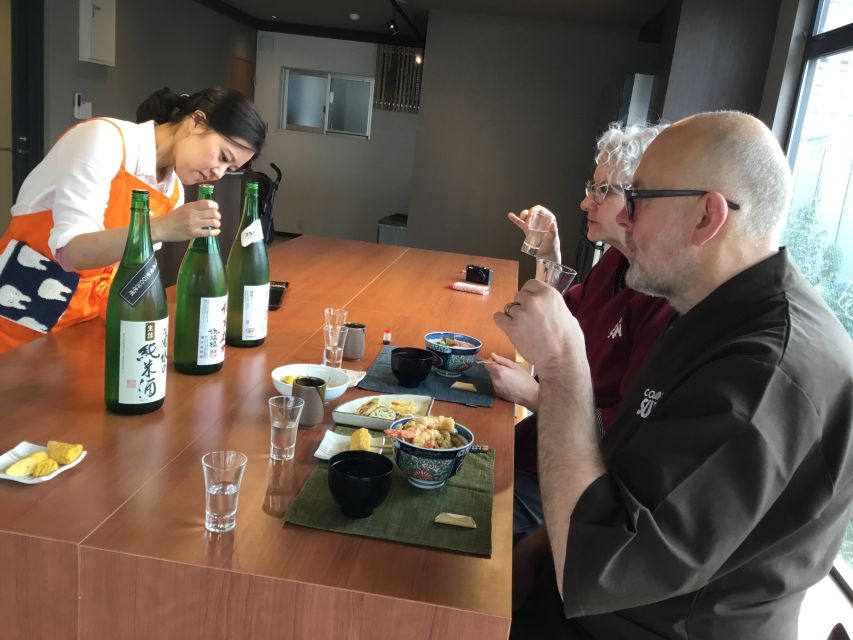
The meeting point is the western entrance of Nishiki Market. Check the available starting times when booking, since the tour runs for 150 minutes and should fit alongside other Kyoto plans with care.
Ingredients for the donburi are included. So are sample tastings, the recipe, and the taxi from the market to the studio. Independent purchases and extra foods are not included.
The tour allows cancellation up to 24 hours before the start for a full refund. You can also reserve and pay later, which helps if your Kyoto schedule is still shifting.
Since this is a private group, the price is best judged by the number of people sharing the experience and by how much you value personal instruction. The more questions your group has, the more useful the private format becomes.
Should you book the Nishiki Market Food Tour?
Book it if you want a clear introduction to Kyoto food, a private English-speaking guide, and a practical cooking lesson in one compact outing. The strongest features are the market interpretation, personal questions, flexible dish choices, and the chance to recreate the meal at home.
Think twice if you want a long, free-form grazing tour or a guaranteed premium seafood meal. The market section is focused, and the class gives you one bowl meal rather than a full food crawl.
For most people who enjoy cooking, this is a well-balanced way to make Nishiki Market more understandable. You leave with a meal, a recipe, better market manners, and a short list of foods and stalls worth seeking out later.
FAQ
Where does the Nishiki Market food tour meet?
Meet at the western entrance of Nishiki Market in Kyoto.
How long does the experience last?
The tour lasts 150 minutes. Typically, about one hour is spent in Nishiki Market and about one hour is spent cooking and eating, with travel to the studio included in the overall schedule.
What donburi dishes can I choose?
You can choose kaisen-don with seafood, ten-don with tempura, or oyako-don with chicken and egg.
Are the cooking ingredients included?
Yes. The ingredients used for the donburi cooking are included in the tour fee.
Is sake tasting included?
You can optionally taste three different types of sake. Sake tasting is not required.
Is the tour private and offered in English?
Yes. It is a private group experience conducted in English.
Can I cancel or pay later?
You can cancel up to 24 hours in advance for a full refund. Reserve now and pay later is also available.
More Markets in Kyoto
- Kyoto: Nishiki Market Tea Ceremony with Koto Performance
★ 4.8 · 294 reviews - Kyoto: Nishiki Market Brunch Walking Tour-7 Tastings+Brunch
★ 4.8 · 197 reviews - Kyoto: Local Food Tasting Tour at the Nishiki Market
★ 4.7 · 135 reviews - Kyoto: Nishiki Market and Depachika Food Tour with a Local
★ 4.7 · 76 reviews
More Food Tours in Kyoto
- Kyoto Night Foodie Tour in Gion (9+ dishes + 6 Sake tastings)
★ 5.0 · 1,762 reviews - 3-Hour Kyoto Insider Sake Brewery Tour with Tastings & Pairings
★ 5.0 · 917 reviews - Arashiyama Bamboo, Temple, Monkeys, or Secret Sake Brewery
★ 4.8 · 886 reviews - Kyoto: Insider Sake Brewery Tour with Sake and Food Pairing
★ 5.0 · 704 reviews
Recently added around Kyoto
- Higashiyama | Kyoto: Sakura Season Private Rickshaw Tour★ 5.0 · 3 reviews
- Kyoto Kimono Rental CHAMATSU|Kimono/Yukata Rental FamilyPlan★ 5.0 · 3 reviews
- Kyoto: Half-Day Private Guided Tour to the Old Town of Gion★ 4.4 · 3 reviews
- Nara Private Customizable Half Day Tour★ 5.0 · 3 reviews
- Kansai Region Hiking Adventure in Nara Kobe Kyoto and More★ 5.0 · 3 reviews
- Full Day Nara Deer, Temple, Shrine, Activities & Tea Ceremony★ 5.0 · 3 reviews
- Nara: Essential Private Tour with Deer Park and Temples★ 5.0 · 3 reviews
- Hiking Tour for Sacred Sites in Kyoto with a Guide★ 5.0 · 3 reviews
Nishiki Market Food Tours, compared.
Kyoto Nishiki Market Food and Culture Walking Tour
Read our review →
Nishiki Market Tea Ceremony with Koto Performance
Read our review →
Nishiki Market Brunch Walking Tour-7 Tastings+Brunch
Read our review →
Kimono Tea Ceremony Experience at Kyoto Oritzuruya, Nishiki
Read our review →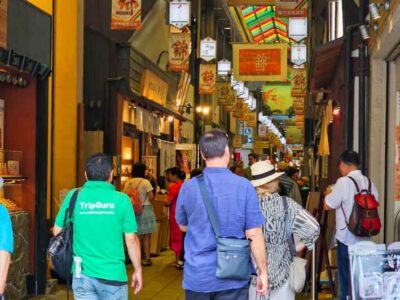
Nishiki Market and Depachika Food Tour with a Local
Read our review →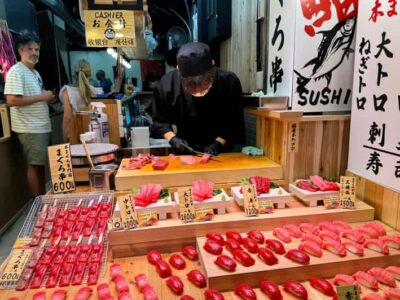
Nishiki Market Tour with a Local Foodie & Tastings
Read our review →Browse the lists this tour appears in