
REVIEW · NARA DAY TRIPS
Nara: Private Tour with Private Guide
Nara’s best sights are spread across temples, wooded paths, and deer-filled parkland, so a private guide can save you from guessing what matters. In six hours, you can see the Great Buddha at Todai-Ji, feed the famous deer, and reach Kasuga Taisha with the story behind each place.
I like the custom route and the chance to meet guides such as Junichi, Ken, Rie, or Kazuo Sumi, depending on availability. I also like the personal care: guides have adjusted plans for children, food needs, rain, heat, train connections, and even a later start.
The catch is cost. At $151 per person, this is not a budget day trip, and entrance fees, meals, and transport are extra. You are paying for planning, conversation, and flexibility, not just a ride between famous buildings.
In This Review
- Key points to know before booking
- Why a private guide helps in Nara
- Starting from your hotel or chosen meeting point
- Kofuku-Ji and Nara’s Buddhist art
- Todai-Ji and the Great Buddha
- Nara Park and the famous deer
- Kasuga Taisha and the National Treasure Hall
- How much can fit into six hours?
- Food, breaks, and special requests
- The strongest part: personal attention
- Is $151 per person good value?
- Who should book this Nara tour?
- FAQ
- How long is the private Nara tour?
- What sites can I see?
- Is the tour private?
- Who guides the tour?
- Is hotel pickup included?
- Does the tour include transportation?
- Are entrance fees included?
- Are food and drinks included?
- Does the tour operate in bad weather?
- Can I cancel the booking?
- Should you book it?
Key points to know before booking
- A private six-hour route: Spend the day with only your own group and guide, with time to adjust the pace and order of stops.
- The classic Nara circuit: Kofuku-Ji, Todai-Ji, Nara Park, and Kasuga Taisha fit the sample route.
- Guides who plan around real needs: Past guide assignments have included Junichi, Ken, Haru, Rie, Shuji, and Kazuo Sumi.
- Mostly a walking day: Pickup may be on foot, while public transport or a taxi can be arranged at added cost.
- Excellent for families: Guides have built routes for children, teenagers, dietary restrictions, hot weather, and limited time.
- Extra costs matter: Food, drinks, admission fees, and transportation are not included in the listed price.
Why a private guide helps in Nara
Nara is easy to reach from Kyoto or Osaka, but its major sights are not all packed into one small block. The temples are large, the park paths can be confusing, and each site has layers of Buddhist, imperial, and local meaning that are easy to miss without help.
A private guide gives you a person who can explain what you are seeing as you go. You can ask why deer are treated with such respect, how the Great Buddha was made, or what makes a shrine different from a temple. You can also slow down for photographs, move faster when the children tire, or skip a stop that does not suit you.
That flexibility is the main reason to choose this experience over a standard group outing. If you already know exactly what you want and are happy to use buses and temple maps, you can visit Nara independently for less. If you want context and a day shaped around your interests, the extra cost can make sense.
The tour is private, and the guide speaks English or Japanese. The guide assigned to you may differ from names associated with past bookings, so treat names such as Junichi, Ken, Haru, Rie, Shuji, and Kazuo Sumi as examples rather than a guarantee. If a particular guide is important to you, you can ask about availability before relying on that request.
More day trips to Nara:
- World Heritage Kyoto & Nara Uji Authentic Matcha Experience
★ 5.0 · 1,573 reviews - Nara Half Day Trip Walking Tour (Private Option Available)
★ 5.0 · 937 reviews - Nara Early Morning Tour (Kyoto or Osaka Departure Available)
★ 5.0 · 676 reviews
Starting from your hotel or chosen meeting point
Your guide waits in the hotel lobby or at the requested meeting place about 10 minutes before the agreed pickup time. Pickup on foot is included when your accommodation is within a reasonable distance. Transportation to the meeting point is not included, so check the meeting arrangement carefully if you are staying outside central Nara.
Some guides have met visitors at hotels in Kyoto and then used public transportation to Nara. That can work well for a day trip, but the train or taxi costs remain yours. The same applies to transport during the tour. You can walk, use public transportation, or take a taxi if you prefer, with those fares paid separately.
The day runs for four or six hours. Six hours gives you enough time for the classic sights at a comfortable pace, though this is still an active walking experience. Nara Park paths and temple grounds cover a lot of ground. Wear shoes you can walk in and plan for changing weather, since the tour operates rain or shine.
One practical strength is the guide’s attention to timing. A guide has helped visitors return to the correct train platform with the right tickets, while another adjusted the route around a later start and earlier finish. That kind of help is especially useful when Nara is one stop in a tightly planned Japan trip.
Kofuku-Ji and Nara’s Buddhist art
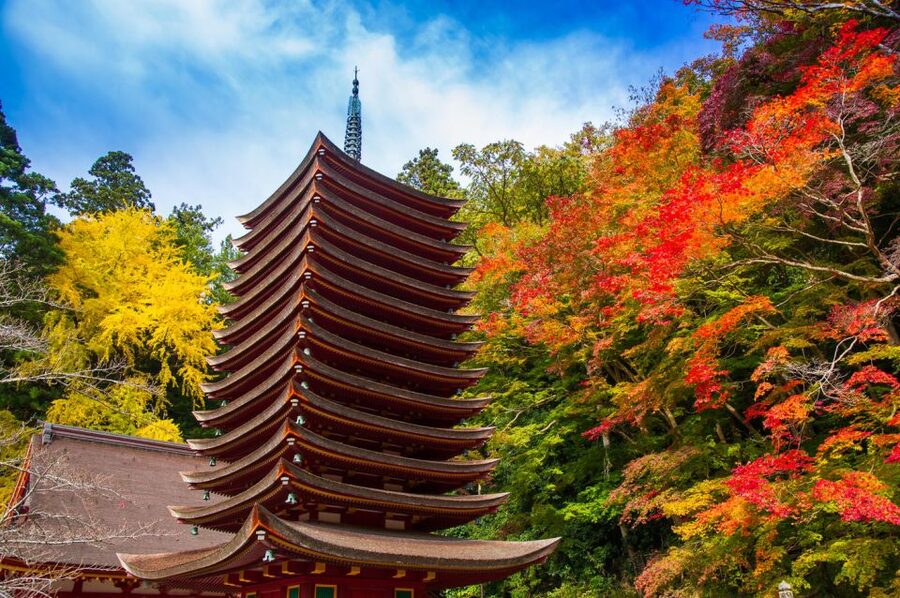
Kofuku-Ji makes a strong opening because it quickly shows you that Nara is more than deer and giant statues. This historic temple is part of the UNESCO-listed sites of Ancient Nara, and its grounds include important Buddhist works.
The highlight for many visitors is the Statue of Ashura, a celebrated Buddhist sculpture with an unusually expressive appearance. A guide can give you the religious and artistic setting for the piece instead of leaving you with a quick look and a name on a sign.
The temple complex also helps you understand Nara’s former importance as Japan’s early capital. You will see major architecture and designated National Treasures, but the exact buildings and museum access may depend on the day’s route and any entrance fees you choose to pay.
Admission is not included, so ask your guide which paid areas are worth adding. If your group is more interested in outdoor architecture than museum displays, you can keep the visit brief and give that time to the park or Kasuga Taisha.
Todai-Ji and the Great Buddha
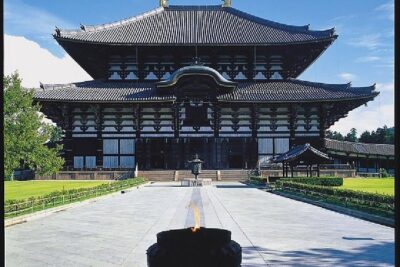
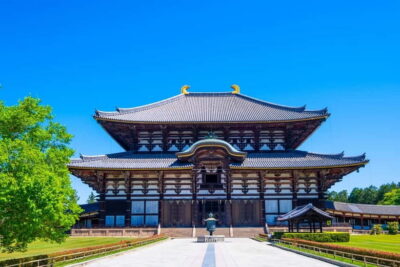
Todai-Ji is the centerpiece of the standard six-hour plan. Its Nandaimon Gate prepares you for the scale of the main temple, with the fierce Kongo Rikishi guardians watching over the entrance.
Inside, the Great Buddha gives the visit its wow moment. It is described as Japan’s largest Great Buddha statue, and the enormous wooden temple hall adds to the sense of scale. Even people who are not regular temple visitors tend to understand why Todai-Ji is Nara’s most famous landmark.
This is where a guide’s explanation earns its keep. You can learn how the statue fits into Japanese Buddhism, why the temple was built, and how to read the details of the gate guardians. The point is not simply to take a photograph, but to understand why this one building became a symbol of Nara.
Todai-Ji can also be the busiest part of the day. A private guide cannot remove crowds, but can help you choose the order of stops and keep the visit moving. If you dislike packed spaces, tell the guide in advance and ask about an earlier start or a quieter route.
Entrance fees are extra. That matters when you are comparing the $151 price with an independent visit. The fee covers the guide’s time and planning, not temple admission.
A few more Nara experiences worth comparing
- Nara 6hr Private Tour with Government-Licensed Guide
★ 5.0 · 219 reviews - Private Nara Tour and Sake Tasting (Departing from Kyoto/Nara)
★ 5.0 · 40 reviews - Nara: Private Walking Tour with a Local
★ 4.3 · 36 reviews - Nara: City Highlights Shared Group or Private Bike Tour
★ 4.9 · 34 reviews
Nara Park and the famous deer
Nara Park links the main temples with open paths and wooded areas. Its deer are the park’s signature attraction, but they are not just decorative animals placed for photographs. They are closely tied to the identity of Kasuga Taisha and the wider religious traditions of Nara.
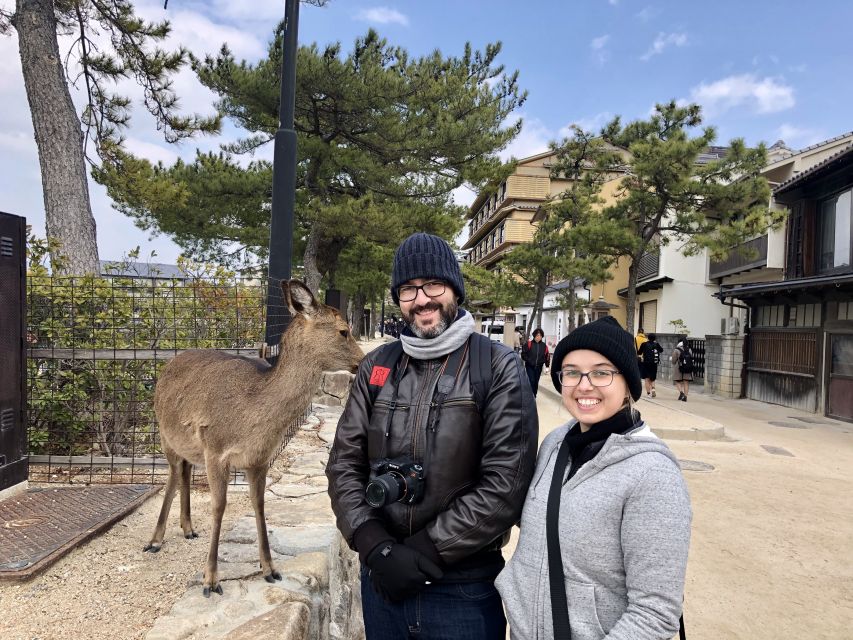
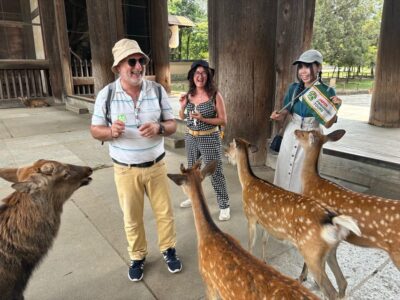
You can buy special crackers to feed the deer inside the park. The activity is simple, but a guide can show you how to handle it sensibly. Deer may bow for food, follow you, or become impatient when the crackers run out. Keep your hands clear after feeding and pay attention to your guide’s instructions.
Families often get the most from this part of the tour. One guide built a route around children and helped a family see young deer, while other guides have added rest stops and drinks during hot, humid weather. The park lets children run off some energy between temple visits, though you still need to supervise them around the animals.
Do not expect the park to feel quiet all day. It is one of Nara’s most popular areas, and the deer are used to people. The private format helps because you can ask for more time here if the family is enjoying it, or move on if the animals and crowds are not your main interest.
Kasuga Taisha and the National Treasure Hall
Kasuga Taisha brings a different mood from Todai-Ji. Its red main shrine and forest setting create a more intimate visit, with rows of stone and bronze lanterns adding to the atmosphere along the approach.
The shrine is another UNESCO-listed site, and its National Treasure Hall contains valuable Buddhist art. This is a good place to ask your guide about the difference between Shinto shrine customs and Buddhist temple practices. The two traditions often appear side by side in Nara, and the distinctions are easier to grasp with someone explaining them in plain terms.
Kasuga Taisha may appeal most to visitors who want a quieter, more spiritual stop after the scale of Todai-Ji. It is also a useful place to slow the day down. The standard route covers a lot, so tell your guide if you want time for the shrine rather than a quick photograph and departure.
As with the other major sites, any entrance fee is yours to pay. The tour price does not include admission to the National Treasure Hall or other paid areas.
How much can fit into six hours?
The sample route is ambitious but realistic if you keep moving: Kofuku-Ji, Todai-Ji, Nara Park, and Kasuga Taisha. The order can change, and a guide may suggest different stops based on opening times, weather, your walking speed, or your interests.
Past guide assignments show how much the route can change. One guide added an imperial palace site, gardens, and a lesson in old building methods. Another included a picnic in the deer park. A different guide finished with a favorite mochi shop, while another found a restaurant suited to a gluten-free, dairy-free, and nut-free diet.
That does not mean these additions are guaranteed. It does show what customization can mean in practice. You can request more food, art, gardens, family time, or lesser-visited temples, then let the guide decide what fits.
A six-hour tour is not an unlimited pass to all of Nara. If you want a leisurely meal, several museums, and every major temple, you may need to choose between stops. Be clear about your priorities before the day begins.
Food, breaks, and special requests
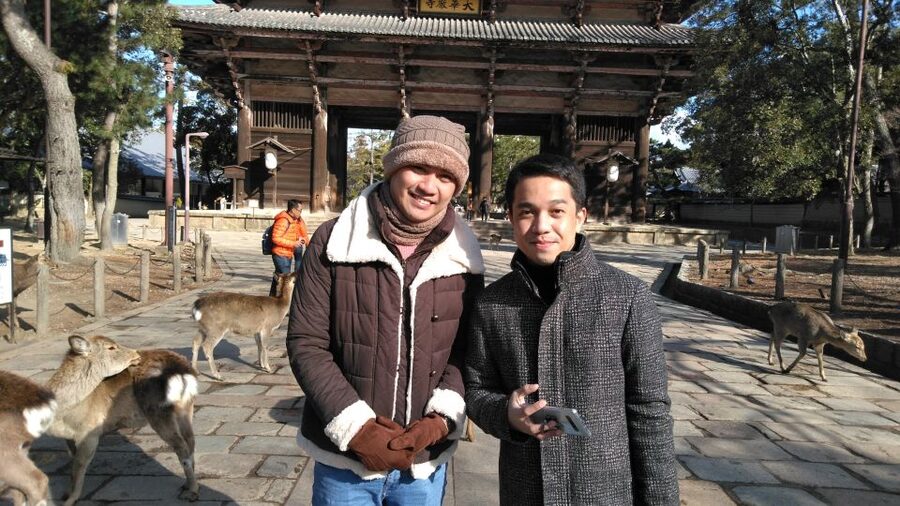
Food and drinks are not included, but your guide can help you find lunch. Specific examples include udon, a picnic in Nara Park, and a carefully chosen four-course meal for travelers with several dietary restrictions.
Tell the provider and guide about allergies or dietary needs as early as possible. The guide who arranged a gluten-free, dairy-free, and nut-free meal did so as a special part of the planning, not as an automatic feature of every booking.
Breaks are also worth discussing. Nara’s temple grounds are spread out, and summer heat can make the walking harder than expected. One guide added extra pauses, fluids, and rest time during a very hot day without rushing the group through the sights.
Your guide can adjust the pace, but you should still dress for the conditions. The experience runs in all weather, and there is no included vehicle waiting to shorten every walk.
The strongest part: personal attention
The most consistent strength of this tour is the guide relationship. Guides such as Junichi have been praised for clear communication and warm conversation. Ken has created routes for families and helped visitors manage the day with patience. Haru adjusted a plan around final travel arrangements, while Shuji contacted his group several times before arrival to prepare the route.
That preparation can make Nara feel much less stressful. You are not spending the first hour working out which bus to take or wondering if a temple is worth the admission fee. You can ask questions throughout the day and change direction without having to reorganize a group of strangers.
The quality will depend on the guide assigned to your booking. Some guides are retired professionals, some have worked internationally, and some bring strong local interests in food, art, or history. The experience is not a scripted performance, which is a strength, but it also means the style may vary.
The tour is not confirmed until the guide contacts you. Most guides make contact within seven days, and the provider will reach out if no guide is available. Use that pre-tour conversation to state your walking limits, must-see sites, food needs, preferred language, and transport plans.
Is $151 per person good value?
At $151 per person, this is best judged as a private guiding service, not as a sightseeing ticket. The price includes a licensed local guide and a private, personalized four or six-hour tour. It does not include meals, drinks, entrance fees, or transportation.
For a couple, the total cost can feel high beside a self-guided day using trains, buses, and temple maps. For a family or larger private group, the value improves because the guide’s attention is shared only among your own people. The price also buys planning time and flexibility, which can prevent wasted hours.
I would consider it good value if you care about cultural explanation, have children or older relatives, need help with food, or want to combine Nara with a Kyoto hotel pickup. It is less compelling if your main goal is simply to see the Great Buddha and feed deer as cheaply as possible.
Free cancellation up to 24 hours before the start and reserve-now, pay-later terms make it easier to fit into a changing Japan schedule. Still, confirm the guide and meeting arrangements before your day is fixed.
Who should book this Nara tour?
I would recommend it most to first-time visitors who want the main Nara sights without handling the route alone. Families benefit from the adjustable pace, and private groups can ask for rest breaks, meals, gardens, or extra cultural stops.
It also suits visitors with a short window from Kyoto or Osaka. A guide can help you use the six hours well and get back toward your train. English and Japanese guiding makes it practical for international groups, and the activity is listed as wheelchair accessible, though you should discuss the exact route and transport needs before booking.
Independent visitors who enjoy research and public transportation may prefer to arrange Nara themselves. You will pay less and set your own pace, but you will also give up the guide’s local explanations and help with timing.
FAQ
How long is the private Nara tour?
You can book a private tour lasting four or six hours. The six-hour option is the route described with the main Nara highlights.
What sites can I see?
A sample six-hour route includes Kofuku-Ji, Todai-Ji, Nara Park, and Kasuga Taisha. The route can be personalized around your interests and requests.
Is the tour private?
Yes. All bookings are for a private group, so you will tour only with your own party and guide.
Who guides the tour?
A licensed local guide leads the experience. Guides may speak English or Japanese. Past guide assignments have included Junichi, Ken, Haru, Rie, Shuji, Kazuo Sumi, and others, but a specific guide is not guaranteed.
Is hotel pickup included?
Pickup from your accommodation on foot is included if it is within a reasonable walking distance. Your guide waits in the lobby or requested location about 10 minutes before pickup.
Does the tour include transportation?
The tour is mainly a walking experience. Public transportation or a taxi can be used if you wish, but transportation to and from the meeting point and fares during the tour are not included.
Are entrance fees included?
No. Entrance fees for temples, halls, or other sites must be paid separately.
Are food and drinks included?
No. Food and drinks are not included. Your guide can help arrange or recommend food, including options for special dietary needs.
Does the tour operate in bad weather?
Yes. The experience takes place rain or shine. Tell your guide if weather requires a slower pace or changes to the route.
Can I cancel the booking?
You can cancel up to 24 hours before the tour starts for a full refund. The reservation can also be made with payment later, subject to the booking terms.
Should you book it?
Book this tour if you want Nara explained, not just photographed. The best reason to choose it is the combination of a private route, a licensed local guide, and practical help with families, meals, weather, and train timing.
At $151 per person plus admissions and transport, it is a premium day out. I would book it for a first visit, a family group, or a tight schedule from Kyoto or Osaka. If you are a confident independent sightseer and want the lowest possible cost, save the money and visit Nara on your own.
Recently added around Nara
- Nara Private Customizable Half Day Tour★ 5.0 · 3 reviews
- Full Day Nara Deer, Temple, Shrine, Activities & Tea Ceremony★ 5.0 · 3 reviews
- Nara: Essential Private Tour with Deer Park and Temples★ 5.0 · 3 reviews
- Discover the Essence of Nara Ink Through Your Senses★ 5.0 · 3 reviews
- Private Journey in Nara’s Historical Wonder★ 5.0 · 3 reviews
- Nara:Private Tea Ceremony(Max 5 ppl) -Master Matcha Making-★ 5.0 · 3 reviews
- Nara Takayama Tea Whisk Craft and Tea Culture Experience★ 5.0 · 3 reviews
- Nara: Half-Day Private Tour of 4 Must-See Spots & Deer Park★ 5.0 · 3 reviews
Nara Day Trips, compared.
World Heritage Kyoto & Nara Uji Authentic Matcha Experience
Read our review →
Kyoto/Osaka: Nara, Fushimi Inari Taisha, Arashiyama Bus Tour
Read our review →
Nara Half Day Trip Walking Tour (Private Option Available)
Read our review →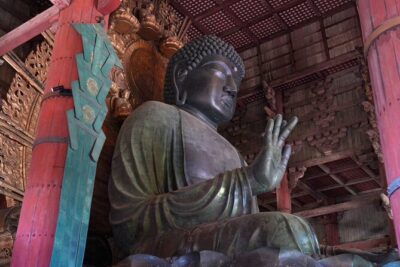
Nara Early Morning Tour (Kyoto or Osaka Departure Available)
Read our review →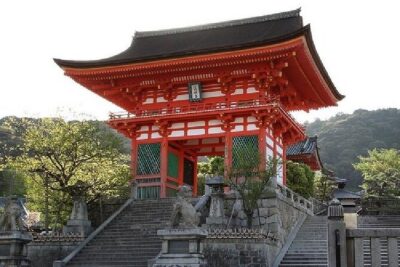
Kyoto/Osaka: Kinkakuji, Bamboo Forest, and Nara Deer Park
Read our review →Browse the lists this tour appears in