
REVIEW · NARA DAY TRIPS
Nara – Highlights Bike Tour
Nara’s best sights are spread across a broad parkland area, and a bicycle lets you link them without spending half the day on foot. This tour takes you from Todai-ji’s giant wooden temple to Kasuga Grand Shrine, Nara’s deer, and a historic knife shop in about three to four hours.
I like the efficient route and the mix of Buddhist, Shinto, natural, and craft traditions. I also like the small group size, quality bikes, helmets, and guides such as Christophe, Melody, Remi, and Elodie, who bring different local perspectives. The main drawback is practical: the meeting point is well away from Nara Park and the main station area, and the ride can feel demanding for some older riders or children.
In This Review
- Key points to know before booking
- Why a bicycle works so well in Nara
- Getting to the Furuichicho meeting point
- Todai-ji’s Grand South Gate and guardian statues
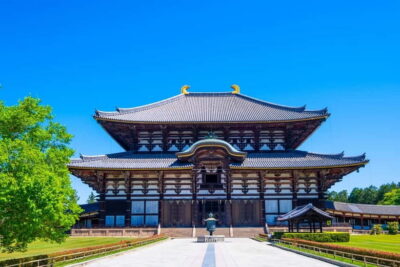
- Todai-ji and the world’s great wooden buildings
- Kikuichi Monju Shiro Kanenaga and Japanese cutlery
- Kasuga Grand Shrine and its stone lanterns
- Nara Park, deer, and the pace of the ride
- Sagi Pond and the final photo stop
- Guides, explanations, and group feel
- Who will get the most from this Nara bike tour
- Price, timing, and what is included
- My call: book it if efficiency matters most
- FAQ
- How long does the Nara Highlights Bike Tour last?
- How much does the tour cost?
- What is included in the tour price?
- Where does the tour start and finish?
- How many people can join the tour?
- Can a solo participant book the tour?
- What happens if the weather is bad?
- Can I cancel for a full refund?
Key points to know before booking
- Todai-ji and Kasuga in one ride: See two of Nara’s most important sacred sites without walking the full distance between them.
- A historic knife stop: Kikuichi Monju Shiro Kanenaga adds a traditional craft experience, with blade engraving available if the engraver is working.
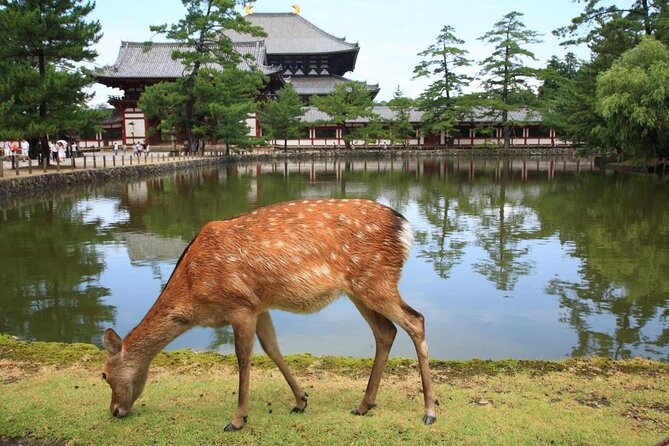
- Deer and open park roads: Ride through Nara Park and possibly feed the famous bowing deer.
- Light to moderate exercise: The route is manageable for many people, but hills and the ride to Nara Park can be tiring.
- Small groups: The tour accepts no more than 10 people, so the guide can usually keep an eye on the group.
- Plan transport carefully: The starting office is at 297-9 Furuichicho, not beside the central park or station.
Why a bicycle works so well in Nara
Nara is easy to underestimate on a map. Todai-ji, Kasuga Grand Shrine, Nara Park, ponds, wooded paths, and the central streets all sit within the same broad sightseeing zone, but the distances add up quickly when you walk them.
A bicycle changes the pace. You can move between major stops in minutes, then park and explore on foot. I like this format because it gives you a feel for how the sights fit together instead of treating each temple as an isolated stop.
The ride also adds a little everyday Japan to the outing. You are not sealed in a bus or moving from one ticket gate to another. You travel through the city and park under your own power, with a guide pointing out the sights and explaining the customs around them.
The tour is listed at $72.67 per person. That is not the cheapest way to see Nara, especially since the public grounds at Kasuga Grand Shrine, Nara Park, and the South Gate are free. Still, the price includes the bicycle, helmet, other bike equipment, bottled water, and entrance to Todai-ji. The real value is the route planning and the guide’s explanations.
If you already know Nara well and only want to rent a bicycle, this may feel expensive. If you have one day in town and want an organized route through the major sights, the cost is easier to justify.
More day trips to Nara:
- World Heritage Kyoto & Nara Uji Authentic Matcha Experience
★ 5.0 · 1,573 reviews - Nara Half Day Trip Walking Tour (Private Option Available)
★ 5.0 · 937 reviews - Nara Early Morning Tour (Kyoto or Osaka Departure Available)
★ 5.0 · 676 reviews
Getting to the Furuichicho meeting point
The tour begins at Japan Tour Adventure in Nara, at 297-9 Furuichicho, Nara 630-8424. This is the detail most likely to catch you off guard. The office is not right beside Nara Park or the main Nara station area.
Allow extra time to reach the start. Several people found a taxi the simplest option from the train area, then used a local bus to return toward town after the ride. The tour finishes back at the same meeting point, so you need to plan the return journey rather than assuming you will end beside Todai-ji.
This location is the clearest weakness in an otherwise efficient outing. The cycling itself helps you cover ground, but you first have to get out to the bicycle office and later leave it again. Check the route before your morning begins, especially if you have a train reservation.
The group can contain up to 10 people. That is large enough to provide company but still small enough for the guide to manage at crossings and sightseeing stops. A minimum of two participants is required for the session to operate. A solo booking is allowed, but the tour may be canceled if no second person books.
Todai-ji’s Grand South Gate and guardian statues
The first sightseeing stop is Todai-ji’s Namdaimon, or Grand South Gate. You get about 15 minutes here, which is enough to look closely at the gate and its two fierce guardian figures.
These statues are not a minor prelude. They set the tone for Todai-ji, where scale and protection are part of the visual drama. The guardians are powerful, expressive, and easy to appreciate even if you know little about Buddhist temple design.
Because admission to the gate area is free, the stop works well as an introduction before entering the temple itself. Your guide can also give you the basic Buddhist context before the larger temple visit.
Do not expect a long photographic session here. Fifteen minutes passes quickly, particularly if the group is moving together. Take your first pictures early, then listen and look up at the gate structure.
Todai-ji and the world’s great wooden buildings
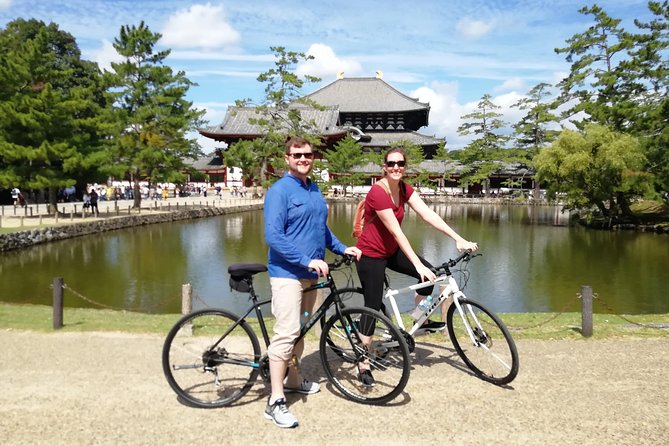
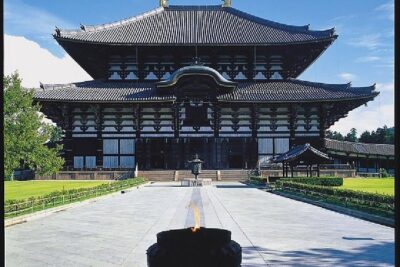
Todai-ji receives about 40 minutes, with admission included. The temple’s main hall is famous for its enormous wooden construction and the great bronze Buddha inside, though the supplied timing means you will need to keep moving.
This is the architectural high point of the ride. Todai-ji is not simply another old temple on a long list. Its scale is what you remember: the gate, the hall, the surrounding grounds, and the sense that medieval Japan wanted its religious buildings to make a very large statement.
I like having a guide here because a quick visit can otherwise become a sequence of photographs with little context. The guides explain the difference between Buddhist temples and Shinto shrines, a distinction that becomes useful later at Kasuga Grand Shrine.
Forty minutes is enough for a focused visit, but not for every corner of the grounds. If Todai-ji is your main reason for visiting Nara, you may want to return independently for more time. On this tour, the goal is breadth, not an unhurried temple study.
More bike days around Nara:
- E-Bike Nara Highlights – Todaiji, Knives, Deer, Shrine
★ 4.8 · 186 reviews - Nara: Bike Tour in Ancient Capital UNESCO World Heritage
★ 5.0 · 43 reviews - E-Bike Nara Highlights – Todaiji, Knives, Deer, Shrine, and Gems
★ 4.5 · 34 reviews - Nara: City Highlights Shared Group or Private Bike Tour
★ 4.9 · 34 reviews
Kikuichi Monju Shiro Kanenaga and Japanese cutlery
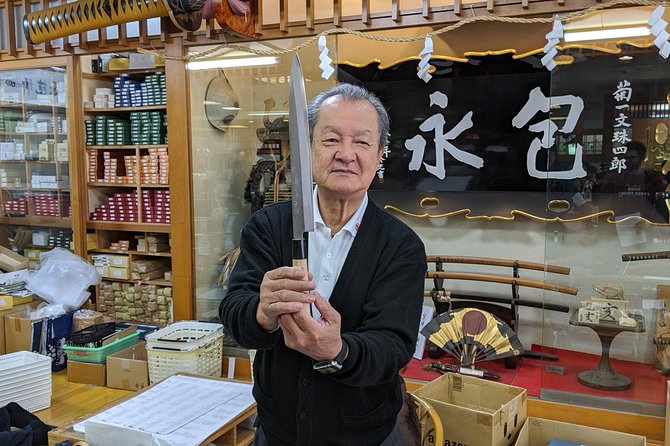
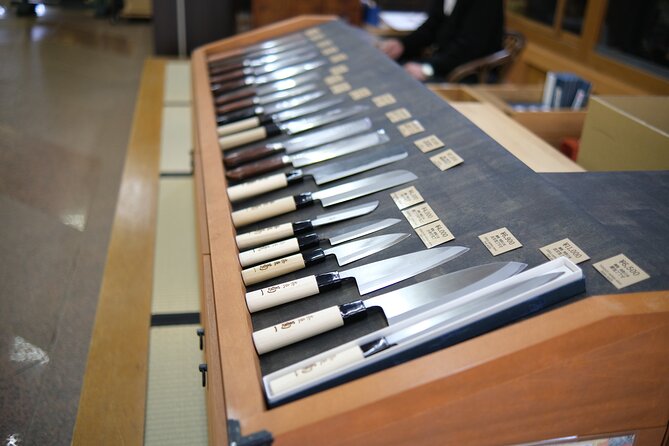
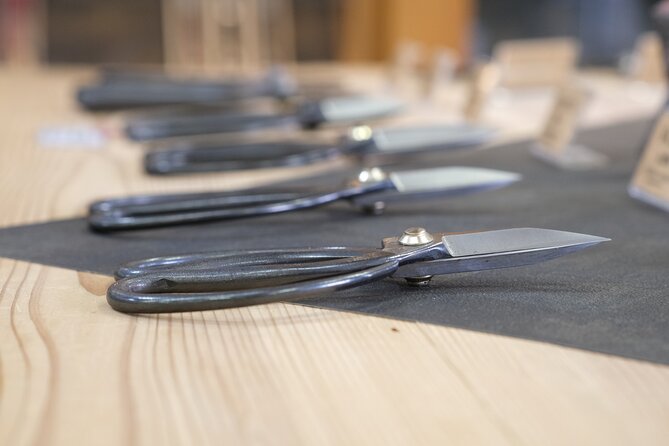
The knife shop is the tour’s most unusual stop. Kikuichi Monju Shiro Kanenaga has a long connection with Japanese cutlery, and the guide introduces the shop’s story and the traditional craft behind its knives.
This stop gives the route a welcome change of subject. After grand religious buildings and deer, you get a closer look at a working Japanese craft tradition. It is also a chance to buy a knife, though purchases are extra and not part of the tour price.
The shop may offer free blade engraving when you join the bike tour, but only if the engraver is available. Treat that as a possible bonus, not a guaranteed feature. If you are considering a purchase, ask about engraving and shipping arrangements at the shop rather than assuming the process will be immediate.
You get about 15 minutes here. That is enough for an introduction and a quick look around, but serious shoppers may want more time. If Japanese knives interest you, this could be the most memorable stop on the entire route.
Kasuga Grand Shrine and its stone lanterns
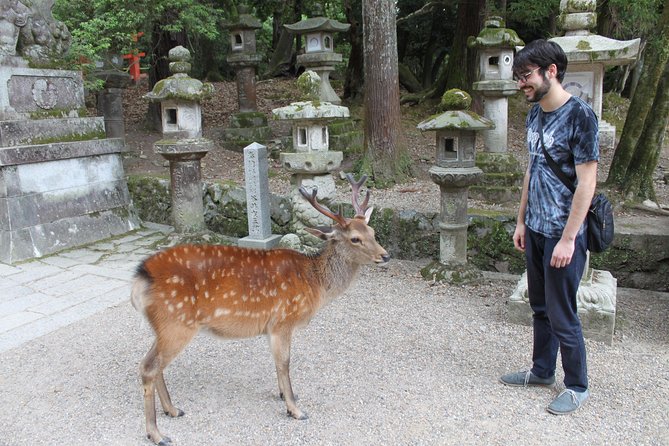
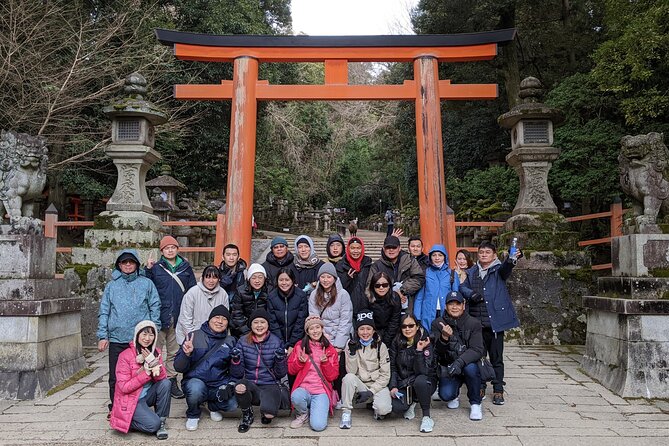
Kasuga Grand Shrine receives roughly 30 minutes. This Shinto shrine is known for its forest setting and many stone and bronze lanterns, which give the approach a distinctive look.
The stop balances Todai-ji nicely. At the temple, you see Buddhist architecture and monumental scale. At Kasuga, the mood shifts toward Shinto worship, shrine gates, lanterns, and a quieter relationship with the surrounding woods.
Admission to the general shrine area is free. Some special buildings or inner areas may have separate charges in other circumstances, but no extra shrine admission is listed for this tour. Your included time is best used to notice the lanterns and listen to the guide’s explanation rather than trying to cover every path.
Thirty minutes gives you a useful taste, not a full shrine visit. I would keep your camera ready because the route through the lanterns can be visually strong, but do not expect a long stop at every attractive corner.
Nara Park, deer, and the pace of the ride
Nara Park is where the cycling format feels most enjoyable. The tour takes you through the park for about 10 minutes, with time to watch the deer and enjoy the ride.
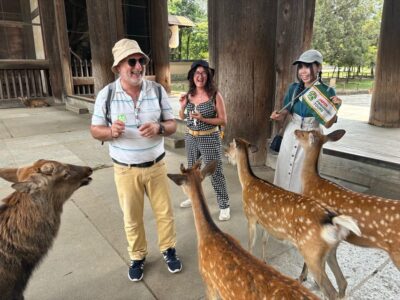
The deer are accustomed to people and are one of Nara’s defining sights. You may have the chance to feed them, and you may see the familiar bowing behavior that makes them such a hit with children and adults. Keep your attention on the animals and your bicycle at the same time. A deer encounter is fun, but it can also interrupt the group’s movement.
Ten minutes sounds short, and it is. The tour uses Nara Park as part of the route rather than treating it as a long free period. If you want extensive time with the deer, you may need to return after the tour.
The exercise level is best described as light to moderate, but that depends on your fitness and the conditions. Several people found the pedaling manageable, while one family found the route toward Nara difficult for a 12-year-old and a 70-year-old. Another rider described a sidewalk stretch as dangerous and strenuous.
That mixed picture matters. The bikes have gears, which help on hills, and the bicycles are described as good quality. Still, you should be comfortable riding in a city and on a route that may include slopes and shared or narrow paths. This is not a sightseeing bus with a bicycle photo opportunity attached.
Sagi Pond and the final photo stop
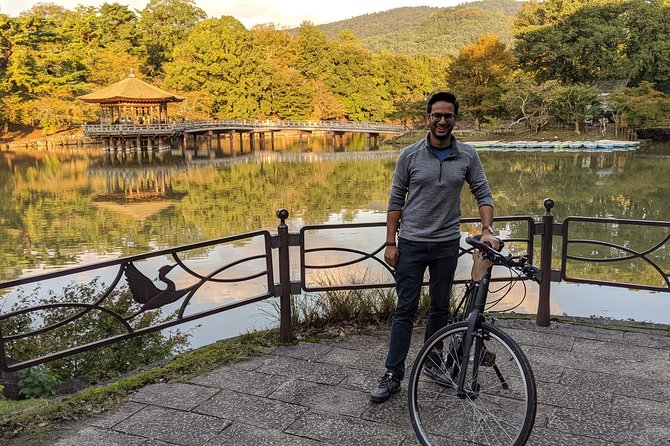
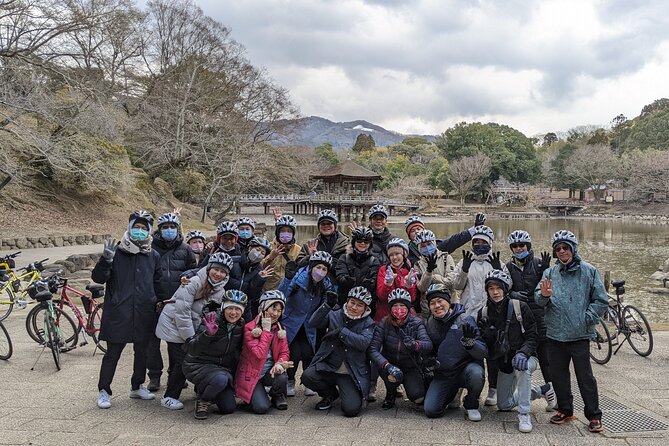
The final stop is Sagi Pond, a peaceful place to finish with a scenic photograph. The listed time is about 10 minutes.
After the temples, shrine, and deer park, the pond provides a quieter ending. It is a good place to slow down, take a group picture, and let the day’s sights settle before riding back to the office.
The short stop also shows the limits of the schedule. One person felt rushed near the end while passing through attractive park areas and wished for more time to stop for pictures. If you enjoy photography, tell your guide early that you would appreciate a brief pause when the route allows it, while understanding that the group must stay on schedule.
Guides, explanations, and group feel
The guide can shape this experience as much as the monuments do. Named guides connected with the tour include Christophe, Jérôme, Robert, Melody, Remi, Elodie, and others. Their styles differ, but the strongest accounts describe guides who adjusted bicycles, checked helmets, explained the sites clearly, and kept the group together.
Christophe is associated with clear explanations of both Buddhist temples and Shinto shrines. Melody received praise for handling a group of 10 while watching safety and taking photographs, including pictures around the deer. Remi was valued for detailed narration and practical help, while Elodie was praised for her background on Nara and Japan.
Robert also helped recover a wallet left on a bus and then continued the tour after the delay. That kind of personal help is not a promised tour feature, but it shows the practical role a good guide can play when a day goes wrong.
The guide quality is not perfectly uniform. One person found the explanations thinner than expected. That is a fair caution, especially if you are booking mainly for history rather than transport. The tour’s strongest educational value comes when your guide makes links between the sites, not simply names them.
The published score is 4.7 from 89 ratings, with 92 percent recommending the experience. Those numbers suggest a dependable outing, but they should not erase the two recurring cautions: the remote start and the physical demands of some sections.
Who will get the most from this Nara bike tour
I would choose this tour if you have only a day in Nara and want to cover the main sights without walking every kilometer. It is also a good fit if you like a bit of exercise and prefer seeing a city at street level.
Families can enjoy it, but I would think carefully about the youngest and oldest riders in your group. The route was easy for some families and hard for others. Since the activity is weather dependent and involves real cycling, honest judgment about fitness matters more than enthusiasm at the booking stage.
This tour suits you especially well if:
- You want Todai-ji, Kasuga, Nara Park, and a lesser-known craft stop in one outing.
- You like having a guide explain the difference between Buddhist and Shinto sites.
- You prefer a small group to a large coach tour.
- You want a practical introduction to Nara before exploring more on your own.
- You are curious about Japanese knives and may want to shop.
It is less suitable if you want a slow temple visit, extensive time with the deer, or a fully central meeting point. It is also a poor match if you dislike cycling near traffic, on sidewalks, or up hills.
Price, timing, and what is included
At $72.67 per person, the tour sits in the midrange for a guided half-day activity. You are paying for the bicycle, helmet, other bike gear, bottled water, all listed taxes and fees, the Todai-ji entrance, and a guide who handles the route.
The three to four hour duration is enough to see a lot, but not enough to linger. The scheduled stops add up to about two hours, with the remaining time used for cycling, explanations, bicycle handling, and getting between sites. That is why the tour feels efficient rather than leisurely.
Extra food, drinks, souvenirs, and knife purchases are not included. The supplied experiences include an occasional udon lunch or coffee break, but those are not listed as standard inclusions, so budget separately if you want refreshments.
Free cancellation is available up to 24 hours before the local start time for a full refund. Changes or cancellations inside that window are not accepted for a refund. Poor weather can cause cancellation, in which case you are offered another date or a full refund. The same applies if the minimum number of participants is not reached.
My call: book it if efficiency matters most
I would book the Nara Highlights Bike Tour if I had limited time, enjoyed moderate exercise, and wanted a guide to connect Nara’s major sights. The knife shop, deer park, Todai-ji, and Kasuga Grand Shrine create a more varied day than a simple temple walk.
Before paying, solve the transport question and be realistic about the ride. Take a taxi to the Furuichicho office if that makes the morning easier, plan a local bus for the return, and avoid booking for a group member who may struggle with hills or longer stretches.
Book it for coverage, local explanation, and the pleasure of moving through Nara on two wheels. Skip it if you want maximum time inside each temple or a meeting point beside the park. For the right rider, it is a fun and practical way to make a short visit count.
FAQ
How long does the Nara Highlights Bike Tour last?
The tour lasts approximately three to four hours, including cycling between the sightseeing stops.
How much does the tour cost?
The listed price is $72.67 per person.
What is included in the tour price?
The price includes use of a bicycle, a helmet and other bike gear, bottled water, Todai-ji admission, and all fees and taxes listed for the activity.
Where does the tour start and finish?
The tour starts at Japan Tour Adventure in Nara, 297-9 Furuichicho, Nara 630-8424, Japan. It ends back at the same meeting point.
How many people can join the tour?
The maximum group size is 10 people.
Can a solo participant book the tour?
Yes, a solo participant can book directly. However, at least two participants are required for the session to operate. If the minimum is not met, the activity may be canceled and you will be offered rescheduling or a full refund.
What happens if the weather is bad?
The activity requires good weather. If poor weather causes cancellation, you will be offered a different date or a full refund.
Can I cancel for a full refund?
Yes. You must cancel at least 24 hours before the local start time to receive a full refund. Cancellations or changes made less than 24 hours before the start are not refunded or accepted.
Recently added around Nara
- Nara Private Customizable Half Day Tour★ 5.0 · 3 reviews
- Full Day Nara Deer, Temple, Shrine, Activities & Tea Ceremony★ 5.0 · 3 reviews
- Nara: Essential Private Tour with Deer Park and Temples★ 5.0 · 3 reviews
- Discover the Essence of Nara Ink Through Your Senses★ 5.0 · 3 reviews
- Private Journey in Nara’s Historical Wonder★ 5.0 · 3 reviews
- Nara:Private Tea Ceremony(Max 5 ppl) -Master Matcha Making-★ 5.0 · 3 reviews
- Nara Takayama Tea Whisk Craft and Tea Culture Experience★ 5.0 · 3 reviews
- Nara: Half-Day Private Tour of 4 Must-See Spots & Deer Park★ 5.0 · 3 reviews
Nara Day Trips, compared.
World Heritage Kyoto & Nara Uji Authentic Matcha Experience
Read our review →
Kyoto/Osaka: Nara, Fushimi Inari Taisha, Arashiyama Bus Tour
Read our review →
Nara Half Day Trip Walking Tour (Private Option Available)
Read our review →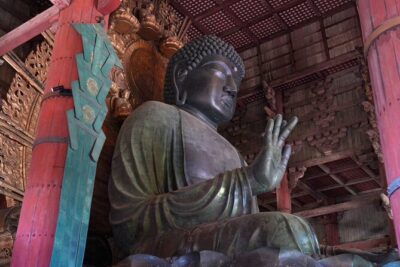
Nara Early Morning Tour (Kyoto or Osaka Departure Available)
Read our review →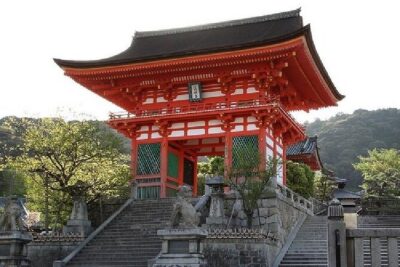
Kyoto/Osaka: Kinkakuji, Bamboo Forest, and Nara Deer Park
Read our review →Browse the lists this tour appears in