
REVIEW · NARA DAY TRIPS
Nara Highlight Walking Tour with Furoshiki Experience with Lunch
Nara’s appeal comes together neatly on this small-group walking tour: old shrines, a giant Buddha, deer wandering through the park, a traditional meal, and a useful Japanese craft. The furoshiki workshop gives the day a hands-on finish, and you take your own wrapping cloth home instead of only taking photographs.
I especially like the easy mix of famous sights and local tradition. You get the big names, Todai-ji and Kasuga Taisha, but also quieter stops such as Nigatsu-do and a historic Naramachi townhouse. The group limit of seven is another real plus. The main consideration is pace: five and a half hours on foot, with a ¥500 bus fee extra and lunch or furoshiki depending on the option you select.
In This Review
- Key points at a glance
- Why this Nara walk works so well
- Starting beside the Kintetsu Nara area
- Kasuga Taisha and its lantern-lined approach
- Tamukeyama Hachimangu and the road to Nigatsu-do
- The view and ceremony at Nigatsu-do
- Todai-ji and the Great Buddha
- Lunch and furoshiki at Shika no Fune Mayu
- Naramachi and a 1917 townhouse
- What the $37 price really covers
- Who should book this experience
- My booking advice
- FAQ
- How long does the Nara walking tour last?
- Where does the tour start?
- Where does the tour finish?
- Is the tour close to train stations?
- What temples and shrines are visited?
- Is admission included?
- Is lunch included?
- Is the furoshiki workshop included?
- How large is the tour group?
Key points at a glance
- A compact Nara sampler: See Kasuga Taisha, Nigatsu-do, Todai-ji, and Naramachi in one half-day outing.
- Furoshiki you can use: Learn Japanese cloth wrapping at Shika no Fune Mayu and take your own cloth home.
- A real local lunch: The meal includes freshly cooked rice and seasonal vegetables from Nara, though Wednesday lunch is not included.
- Deer in their natural park setting: Nara’s free-roaming deer are part of the walk, not a staged animal show.
- Groups capped at seven: The small size leaves more room for questions and a calmer walk.
- Convenient finish: The tour ends near Nara’s shopping district, with access to both JR Nara Station and Kintetsu Nara Station.
Why this Nara walk works so well
Nara can feel scattered if you try to connect its major sights on your own. This outing gives you a clear route through the eastern temple and shrine area, then moves toward lunch, craft, and the old Naramachi district. You spend about five and a half hours seeing the essential sights without giving the whole day to a single temple.
I like that the plan does not treat Nara as only a Great Buddha stop. Todai-ji is the headline attraction, but the surrounding shrines and wooded paths help explain how the city’s religious life developed. The lunch and furoshiki session also break up the sightseeing in a useful way.
The group can have no more than seven people. That matters at busy sites, where a guide can lose a large party quickly. It also makes it easier for you to ask about shrine customs, deer, architecture, or the cloth-wrapping lesson without holding up a busload of people.
The advertised price is $37 per person, which is a low cost for a five-and-a-half-hour guided experience with temple and shrine admission, lunch on eligible options, and the craft session. You still need to budget ¥500 for the bus, and the lunch and furoshiki components depend on the option you book. Check those inclusions carefully before paying.
More day trips to Nara:
- World Heritage Kyoto & Nara Uji Authentic Matcha Experience
★ 5.0 · 1,573 reviews - Nara Half Day Trip Walking Tour (Private Option Available)
★ 5.0 · 937 reviews - Nara Early Morning Tour (Kyoto or Osaka Departure Available)
★ 5.0 · 676 reviews
Starting beside the Kintetsu Nara area
The meeting point is the statue of Gyoki Bosatsu at 27 Higashimuki Nakamachi. This is a practical starting place in central Nara, near the covered shopping streets and Kintetsu Nara Station. Bring your mobile ticket and arrive ready to walk.
The day is built around several short visits rather than long stretches inside one building. That suits you if you want an introduction to Nara, especially on a first visit. If you already know Todai-ji and Kasuga Taisha well, the craft and lunch portions may be the main reason to choose this outing.
An English-speaking local guide leads the walk. Keiko is specifically associated with a highly praised outing and is described as keeping a very small party engaged with historical detail. Guide assignments can vary, but the small group format should still give you a more personal experience than a large coach tour.
Kasuga Taisha and its lantern-lined approach
Kasuga Taisha, also called Kasuga Grand Shrine, dates to 768 and is one of Nara’s best-known Shinto sites. It is famous for its bronze and stone lanterns, which are lit during special festivals. Even when the lanterns are not glowing, they give the shrine grounds a distinctive look.
The visit here is scheduled for about 20 minutes, with admission included. That is enough for an introduction and a look at the shrine’s key features, but not a slow, private exploration of every path and sub-shrine. Keep that in mind if you want extensive time for photography.
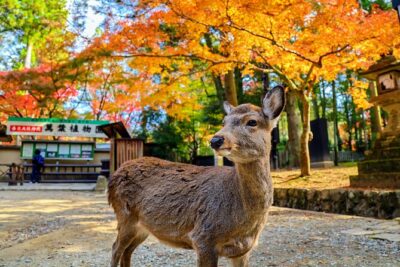
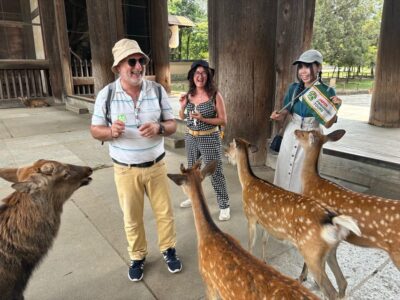
This stop also sets the tone for the deer portion of the day. Nara’s deer move freely through the park and around the religious sites. You may find them near the paths or shrine grounds, so keep your attention on the surroundings as well as the animals. The tour presents the deer as part of Nara’s living setting, not as a separate attraction.
Tamukeyama Hachimangu and the road to Nigatsu-do
Tamukeyama Hachimangu is a smaller Shinto shrine built in 749 to protect the nearby Great Buddha Hall at Todai-ji. It is dedicated to Hachiman, a deity linked with war and protection. The shrine adds a useful layer to the day because it shows how Buddhist temples and Shinto shrines were historically connected in Nara.
The schedule lists this as a brief stop before Nigatsu-do. Since no separate duration is given, expect the guide to keep it focused. That is not a flaw if you want to cover the main sights in one outing, but it does mean you should not expect a long, independent visit.
More Nara tours that include lunch:
- Bike Tour Exploring North Kyoto plus Lunch
★ 5.0 · 1,087 reviews - Kyoto Zen Meditation & Garden Tour at a Zen Temple with Lunch
★ 5.0 · 441 reviews - 4.5-Hour Kyoto Bike Tour with Lunch and UNESCO Zen Temples
★ 5.0 · 122 reviews - From Kyoto: Nara History Guided Half Day Bus Tour with Lunch
★ 4.8 · 114 reviews
The view and ceremony at Nigatsu-do
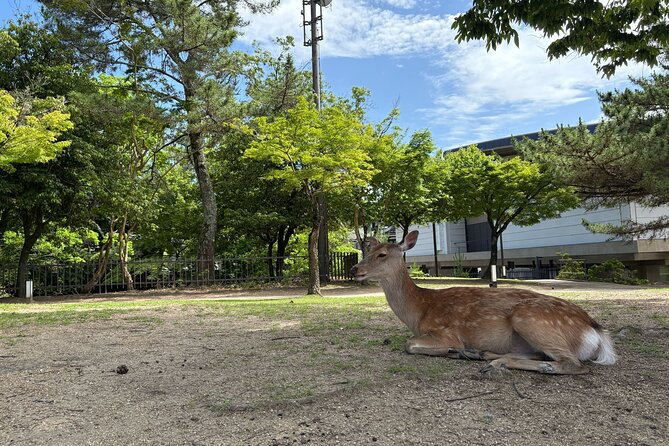
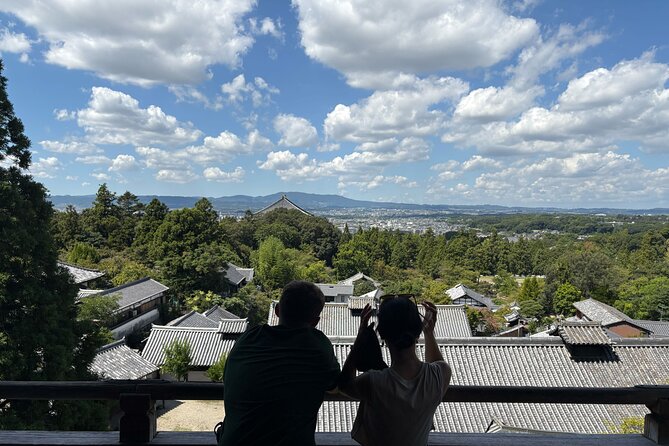
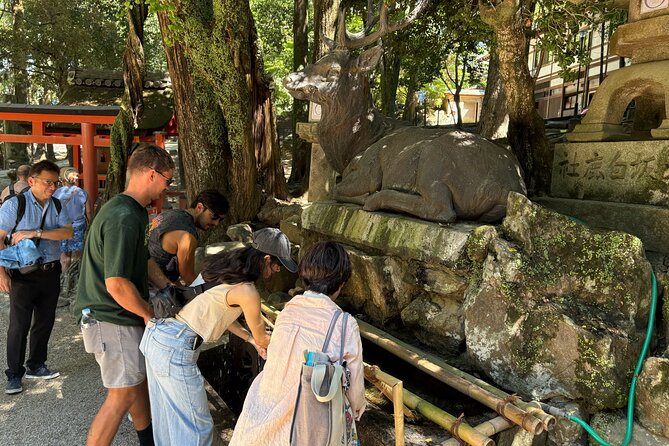
Nigatsu-do is a historic hall within the Todai-ji complex. The hall is known for Omizutori, a water-drawing ceremony held each March for more than 1,250 years. Its raised position also gives you a fine view over Nara, making this stop different from the enclosed interior spaces later in the route.
You get about 20 minutes here, with no separate admission charge. The short visit should give you time to take in the hall, hear why the ceremony matters, and enjoy the outlook. It is a good pause before the larger, more crowded Todai-ji experience.
For many people, this becomes one of the most pleasant parts of the walk. Todai-ji carries the greatest fame, but Nigatsu-do offers a more open sense of place. If you care about views, old ceremonies, and the setting of Nara’s temples, pay close attention here.
Todai-ji and the Great Buddha
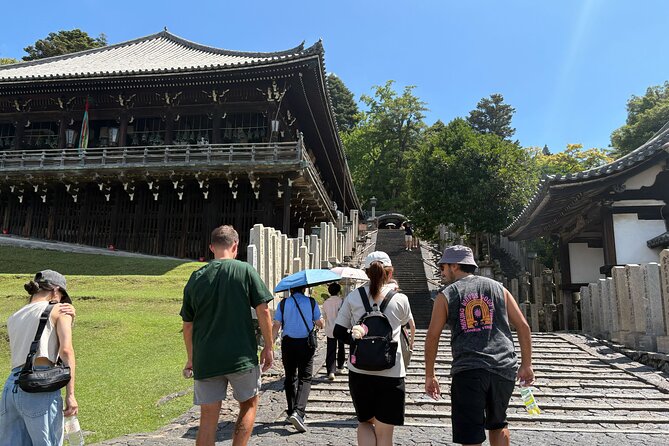
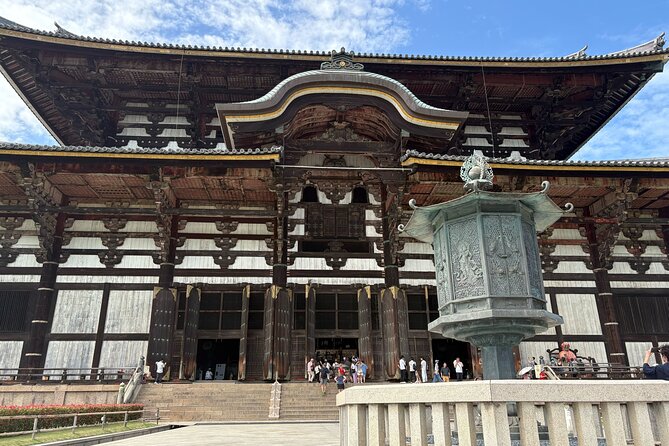
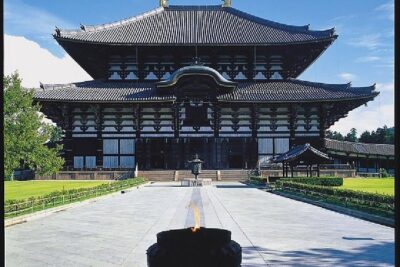
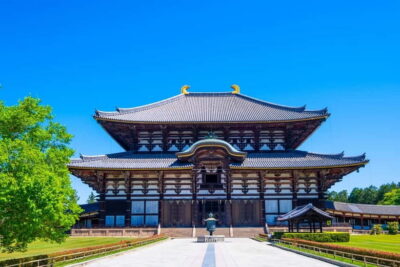
Todai-ji is the major stop, with about 40 minutes set aside and admission included. Built in the eighth century, the temple is home to the Great Buddha, one of the world’s largest bronze Buddha statues. The temple is also part of the UNESCO World Heritage listing tied to Nara’s historic monuments.
The Great Buddha Hall is an imposing sight, but the guide adds value by putting the building and statue into context. You can look closely at the scale of the statue, the hall, and the religious importance of the site rather than simply walking in, taking a picture, and leaving.
Forty minutes is a useful but limited window. It should work well for a first look, especially because the full tour has several other stops. If you want to study every detail of the hall or browse at a very slow pace, you may find the schedule brisk.
This is also where the guided format helps most. Todai-ji attracts many people, and a guide can help you stay oriented while explaining what you are seeing. The group cap of seven should make regrouping easier than it would be on a large organized excursion.
Lunch and furoshiki at Shika no Fune Mayu
The tour then shifts from monumental buildings to a more hands-on hour at Shika no Fune Mayu. This stop combines lunch with the furoshiki experience, so it is more than a simple restaurant break.
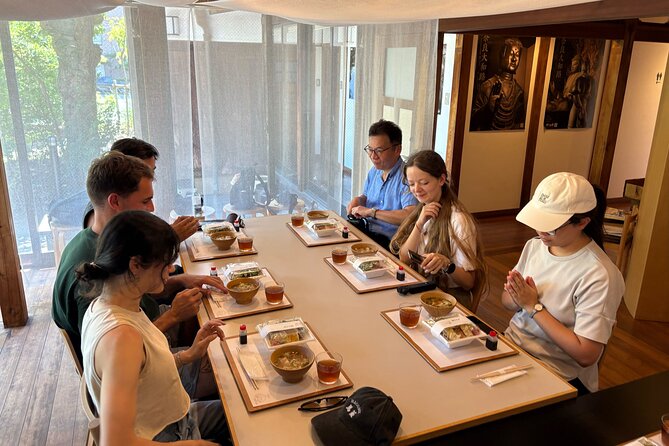
The Japanese lunch features freshly cooked rice and seasonal vegetables from Nara. That gives you a taste of everyday Japanese food rather than another hurried meal near a major sight. Exact dishes are not specified, so you should think of this as a traditional set meal experience, not a menu you can select item by item.
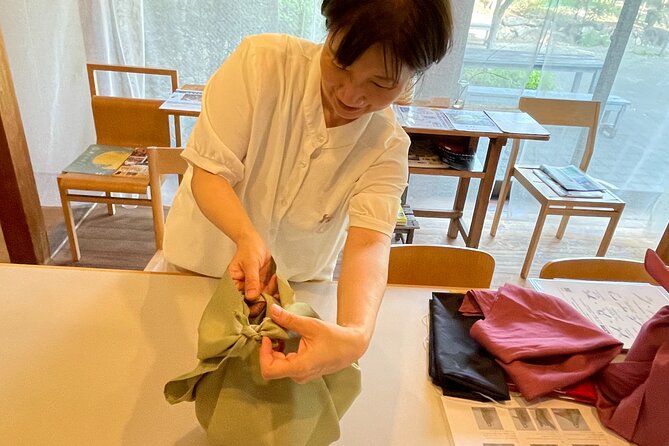
Furoshiki are square cloths used to wrap and carry objects. During the workshop, you learn wrapping techniques and take your own cloth home. I like this part because it gives you something practical to remember the day by. A souvenir that folds flat and can be used again is more useful than another object destined for a drawer.
Check your selected booking option closely. Lunch is not included on Wednesdays, and the furoshiki session also depends on the option you choose. The $37 headline price therefore does not tell the whole story. Compare the inclusions before selecting a date, especially if the meal and craft are the main reasons you are booking.
The one-hour allocation gives this section enough room to eat and take part without turning the workshop into a rushed demonstration. It also provides welcome sitting time after the temple visits. If you prefer a tour made entirely of sightseeing, this pause may feel long. For most first-time visitors, it gives the day a better rhythm.
Naramachi and a 1917 townhouse
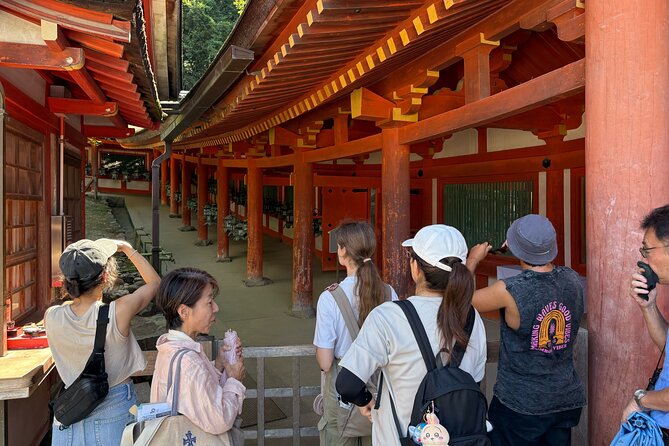
The final listed stop is Naramachi Nigiwai-no-le, a historic townhouse in Naramachi. The building dates to 1917 and was built by an antique dealer. It is now a Registered Tangible Cultural Property.
The visit lasts about 15 minutes, so expect a short look rather than a full neighborhood tour. Even so, the stop helps you read Naramachi as an old commercial district with traditional homes and working history, not merely a row of attractive facades.
The tour finishes near Nara’s shopping district at Nakatanidou, 29 Hashimotocho. From there, you can reach either JR Nara Station or Kintetsu Nara Station. That finish is useful if you want to continue shopping, eat again, or catch a train without returning to the first meeting point.
What the $37 price really covers
At $37 per person, this is priced as an accessible introduction to Nara. You are paying for a guide, admission to the included temples and shrines, lunch on the appropriate options, and the furoshiki session when selected. The five-and-a-half-hour length gives the price good value if you want several key sights without arranging the route yourself.
The extra ¥500 bus charge is small, but it should be part of your calculation. The more important variable is the booking option. Wednesday lunch is not included, and furoshiki participation depends on the option. Read the exact package details before assuming every advertised feature applies to your date.
The strongest value comes from the combination. A basic temple visit may cost less, but it will not give you the same guided connection between shrine, deer park, historic townhouse, lunch, and craft. If you only want to see Todai-ji, you can save time by visiting independently. If you want a rounded first look at Nara, the package makes more sense.
Who should book this experience
I would recommend it to a first-time Nara visitor who wants the major sights explained in English and prefers a fixed route. It also suits you if you like mixing culture with food and a short activity. Families may appreciate the deer and the cloth workshop, while couples and solo visitors can benefit from the small group.
The tour is also a good fit for a day trip from another Japanese city. The start and finish points are near Nara’s main transport areas, and the route includes the most important eastern Nara sights without requiring you to plan connections between them.
You should think twice if you dislike walking, need a very slow schedule, or want long stretches of free time. The tour covers several locations in a half day, and the time at Kasuga Taisha, Nigatsu-do, Todai-ji, and Naramachi is measured in short blocks. The itinerary information does not give a total walking distance, so anyone concerned about stamina should contact the provider before booking.
Free cancellation is available up to 24 hours before the start time. Changes or cancellations made inside that window are not refunded, and poor weather can lead to a different date or a full refund. The activity is near public transportation, and most people can participate.
My booking advice
Book this tour if you want Nara’s essential sights plus a meal and craft in one manageable outing. Select an option that includes both lunch and furoshiki, and remember the ¥500 bus fee. Wednesday requires extra care because lunch is not included.
Skip it if you have already spent time at Todai-ji and Kasuga Taisha and would rather wander Naramachi on your own. For a first visit, though, the mix is hard to beat at this price: a famous Buddha, lantern-filled shrine grounds, free-roaming deer, seasonal food, and a cloth you can actually use.
FAQ
How long does the Nara walking tour last?
The tour lasts approximately five hours and 30 minutes.
Where does the tour start?
It starts at the Gyoki Bosatsu statue, 27 Higashimuki Nakamachi, Nara, 630-8215, Japan.
Where does the tour finish?
It finishes at Nakatanidou, 29 Hashimotocho, Nara, 630-8217, Japan, near the shopping district.
Is the tour close to train stations?
Yes. The ending area is easy to access from both JR Nara Station and Kintetsu Nara Station.
What temples and shrines are visited?
The route includes Kasuga Taisha, Tamukeyama Hachimangu, Nigatsu-do, and Todai-ji Temple.
Is admission included?
Admission for the temples and shrines visited is included.
Is lunch included?
Traditional Japanese lunch is included depending on the option selected. Lunch is not included on Wednesdays.
Is the furoshiki workshop included?
The furoshiki wrapping experience depends on the option selected when booking.
How large is the tour group?
The tour has a maximum of seven participants.
More Walking Tours in Nara
- Nara: Private Walking Tour with a Local
★ 4.3 · 36 reviews - Nara Todaiji Lazy Bird Walking Tour
★ 5.0 · 11 reviews - Nara – Craft Beer, Sake, and Food Walking Tour
★ 3.5 · 9 reviews - Nara – Craft Beer, Sake & Food Walking Tour
★ 4.0 · 7 reviews
Recently added around Nara
- Nara Private Customizable Half Day Tour★ 5.0 · 3 reviews
- Full Day Nara Deer, Temple, Shrine, Activities & Tea Ceremony★ 5.0 · 3 reviews
- Nara: Essential Private Tour with Deer Park and Temples★ 5.0 · 3 reviews
- Discover the Essence of Nara Ink Through Your Senses★ 5.0 · 3 reviews
- Private Journey in Nara’s Historical Wonder★ 5.0 · 3 reviews
- Nara:Private Tea Ceremony(Max 5 ppl) -Master Matcha Making-★ 5.0 · 3 reviews
- Nara Takayama Tea Whisk Craft and Tea Culture Experience★ 5.0 · 3 reviews
- Nara: Half-Day Private Tour of 4 Must-See Spots & Deer Park★ 5.0 · 3 reviews
Nara Day Trips, compared.
World Heritage Kyoto & Nara Uji Authentic Matcha Experience
Read our review →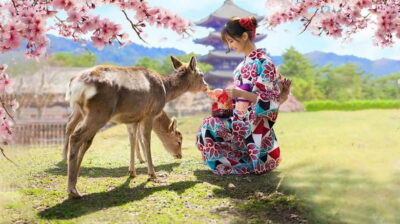
Kyoto/Osaka: Nara, Fushimi Inari Taisha, Arashiyama Bus Tour
Read our review →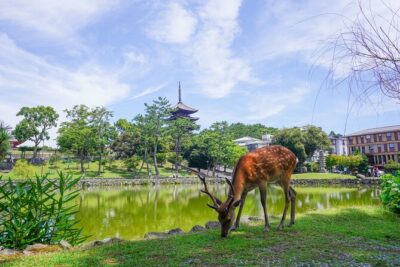
Nara Half Day Trip Walking Tour (Private Option Available)
Read our review →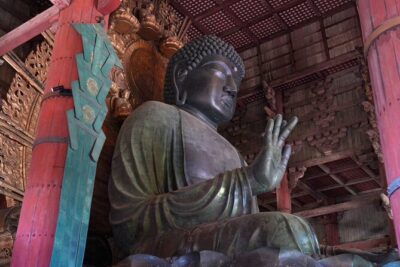
Nara Early Morning Tour (Kyoto or Osaka Departure Available)
Read our review →
Kyoto/Osaka: Kinkakuji, Bamboo Forest, and Nara Deer Park
Read our review →Browse the lists this tour appears in