
REVIEW · KYOTO ZEN MEDITATION EXPERIENCES
Kyoto: Zen Meditation and Garden Tour at a Temple with Lunch
Kyoto’s Zen tradition makes the most sense when you slow down enough to notice it. This tour begins in a quiet garden, continues with a one-hour zazen session alongside a monk, and ends with a traditional Buddhist lunch. I especially like the garden commentary and the chance to ask questions through the guide after meditation. The small tour size, limited to seven, also makes the temple visits feel personal.
The main thing to keep in mind is that the meditation room may not be limited to your tour group. One session had about 30 people in an L-shaped room, and the monk may not speak English, so some instruction comes through silent reading material and translation from the guide.
In This Review
- Key points at a glance
- Why this Kyoto Zen tour feels different
- Meeting at Tofukuji Station
- Kōmyō-in Garden: learning how to look
- Tofukuji’s gates, paintings, and temple spaces
- Shōrin-ji and the one-hour zazen session
- What the silence is really like
- Shojin Ryori lunch after meditation
- A guide who makes the difference
- Weather, clothing, and daily comfort
- Is $107 a fair price?
- Who should book this experience?
- Should you book the Kyoto Zen meditation and garden tour?
- FAQ
- How long does the Kyoto Zen meditation tour last?
- How much does the tour cost?
- Where is the meeting point?
- How do I get to Tofukuji Station from Kyoto Station?
- Which train should I take from Shijyo Keihan?
- Is the tour conducted in English?
- How large is the tour group?
- What happens during the zazen session?
- Is lunch included?
- Does the meal contain fish or dairy?
- Can children join the tour?
- Is the tour suitable for someone with gluten intolerance?
Key points at a glance
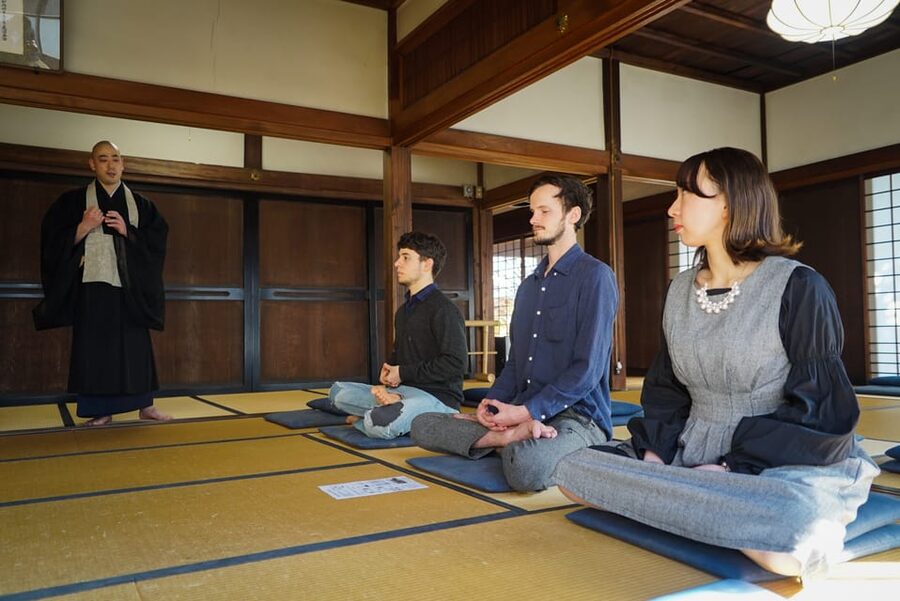
- A one-hour zazen session: Learn posture, breathing, and basic Zen ideas in a temple used for meditation practice.
- Kōmyō-in’s garden first: The tour explains how to look at a Zen garden before asking you to sit quietly.
- A monk-led cultural encounter: You may discuss your experience afterward, with the guide helping translate questions.
- Traditional Shojin Ryori lunch: Expect vegetables, mushrooms, seaweed, and dashi broth, with some dairy included.
- A compact group: The advertised group size is seven, though the meditation hall can include other participants.
- Useful practical limits: The experience is for ages 12 and up and is not suitable for people with gluten intolerance.
Why this Kyoto Zen tour feels different
Many Kyoto temple visits ask you to look, photograph, and move on. This experience asks you to do something less common: sit still for an hour and pay attention to your body, breath, and surroundings.
That change in pace is the real appeal. You are not simply touring Tofukuji as a famous sight. You are given a basic way to think about Zen, then shown a garden, temple buildings, and meditation room through that lens.
The tour costs $107 per person and lasts 270 minutes, or four and a half hours. That is not a bargain-priced temple walk, but the fee includes the guide, temple and garden admission, meditation, lunch, and photos. For you, the value depends on whether you want a structured cultural experience rather than a quick look at Kyoto’s major sights.
The English-speaking guide matters here. Zen terms, Buddhist symbols, temple customs, and meditation posture can be hard to understand from signs alone. Guides such as Yutaka have been praised for explaining clearly, answering questions, and keeping the mood relaxed. Other departures have had guides named Louis, Eri, and Tammy.
More Zen sittings in Kyoto:
- Kyoto Zen Meditation & Garden Tour at a Zen Temple with Lunch
★ 5.0 · 441 reviews - Kyoto: Zen Experience in a Hidden Temple
★ 5.0 · 437 reviews - Kyoto: Tea Ceremony Meditation – Make Matcha with Tea Master
★ 4.8 · 406 reviews
Meeting at Tofukuji Station
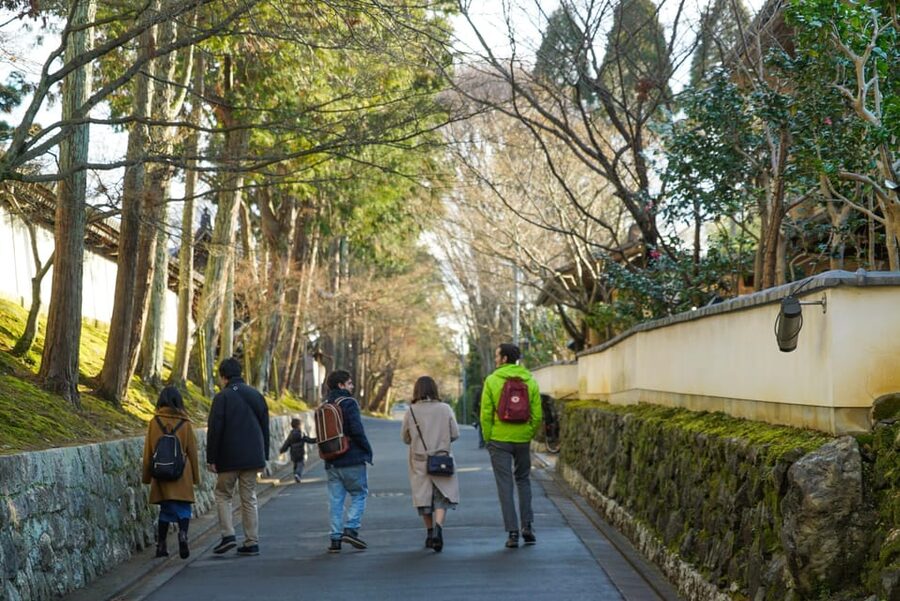
The tour begins outside Exit 2 of Tofukuji Station, next to the Family Mart. This is an easy meeting point if you follow the directions carefully, but it is not the same as meeting at Tofukuji Temple.
From Kyoto Station, take the JR line. Both rapid and local trains are suitable. From Shijyo Keihan, use the Keihan line, but avoid express trains. Sub-express, semi-express, and local trains are the correct choices.
Arrive early. The tour has a strict start time, and you cannot join later, receive a refund, or reschedule if the group has already left. One person had trouble after a taxi driver went to the temple instead of the station, so I would use the station directions rather than simply telling a taxi driver Tofukuji.
The route involves walking between temples and the restaurant. Wear shoes that are easy to remove, and bring socks you will be comfortable wearing inside temple buildings.
Kōmyō-in Garden: learning how to look
The first stop is Kōmyō-in Temple, where you spend about 40 minutes. This is a smart opening because the guide introduces Zen ideas in a garden before you attempt meditation.
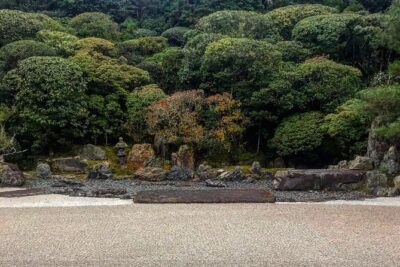
A Zen garden can look simple at first: rocks, gravel, moss, and carefully placed plants. The simplicity is part of the point. Your guide explains basic ways to read the arrangement and gives context for the connection between quiet observation and Zen practice.
This is not just a photo stop. You have time to sit or pause, listen, and notice details that are easy to miss when you visit alone. The garden is often one of the strongest parts of the morning, especially if you want a quieter Kyoto experience away from the city’s busiest attractions.
The garden visit also gives you a useful frame for the rest of the tour. Instead of treating Zen as a vague idea linked only to relaxation, you begin to see it as a way of paying attention.
Tofukuji’s gates, paintings, and temple spaces
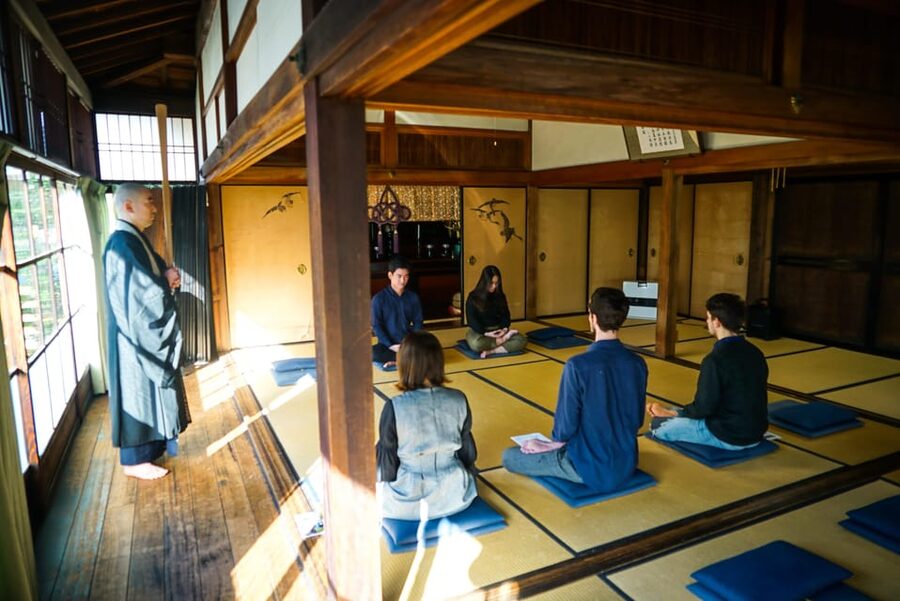
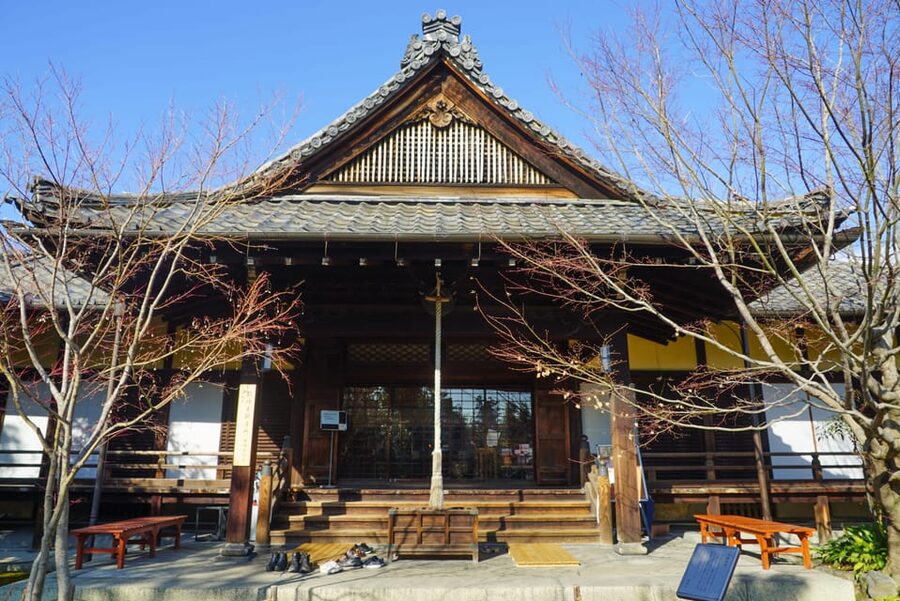
The next visit is Tofukuji Temple, one of Kyoto’s five major Zen temples. You spend about 10 minutes here, so this is an introduction rather than a full temple tour.
The stop includes the impressive San-mon gate, dragon paintings on a ceiling, and the oldest surviving toji, or temple toilet. That last sight may sound odd, but it reveals a practical side of monastic life. Buddhist temples were not only places for ceremonies. They were working communities where monks lived, trained, ate, studied, and followed strict daily routines.
Tofukuji has served as a place of residence and Zen practice since the 13th century. The short visit helps you understand the setting before you move into a smaller temple used for zazen.
Do not expect enough time here to see every corner of the complex. If Tofukuji is high on your Kyoto list, you may want to return independently. The tour’s focus is meditation, not an exhaustive survey of the entire temple grounds.
More Kyoto temples worth a morning:
- Kyoto: Tea Ceremony Ju-An at Jotokuji Temple
★ 4.9 · 3,207 reviews - Arashiyama Bamboo, Temple, Monkeys, or Secret Sake Brewery
★ 4.8 · 886 reviews - Kyoto: Arashiyama Bamboo Forest, Monkeys, Matcha & Temple Tour
★ 5.0 · 759 reviews - Kyoto: Ninnaji Temple Entry Ticket
★ 4.2 · 650 reviews
Shōrin-ji and the one-hour zazen session
The heart of the experience takes place at Shōrin-ji, also called Bishamon-dō Temple. The visit lasts about 70 minutes, including the meditation session and related temple time.
Before sitting, the guide explains the basics of zazen. You learn how to position your body, how to breathe, and what ideas to keep in mind while sitting. This preparation is valuable if you have never meditated before, and it can also help if you already practice at home but have never sat in a temple setting.
The session lasts one hour. During zazen, the guide remains silent because other people are meditating. You receive special reading material instead. That material covers the instructions and concepts you need, but it changes the feel of the experience. You should not expect a running English explanation during the session.
The monk may not speak English. Afterward, your guide can help translate questions and conversation. That exchange is one of the most meaningful parts for many people, since you can connect the physical practice with the daily life and discipline of Zen Buddhism.
You may find the sitting position challenging. The supplied information does not promise chairs or alternative arrangements, so ask the guide about posture if you have concerns. This is also not a suitable activity for young children, and the minimum age is 12.
The room size can vary. Although the tour itself is limited to seven people, one meditation session included around 30 other participants. If you are picturing a tiny private room with only your group and one monk, adjust those expectations.
That larger setting has a benefit: you sit with local practitioners and experience meditation as a shared temple activity. The drawback is that the room may feel less intimate and less quiet than you imagine from the tour description.
What the silence is really like
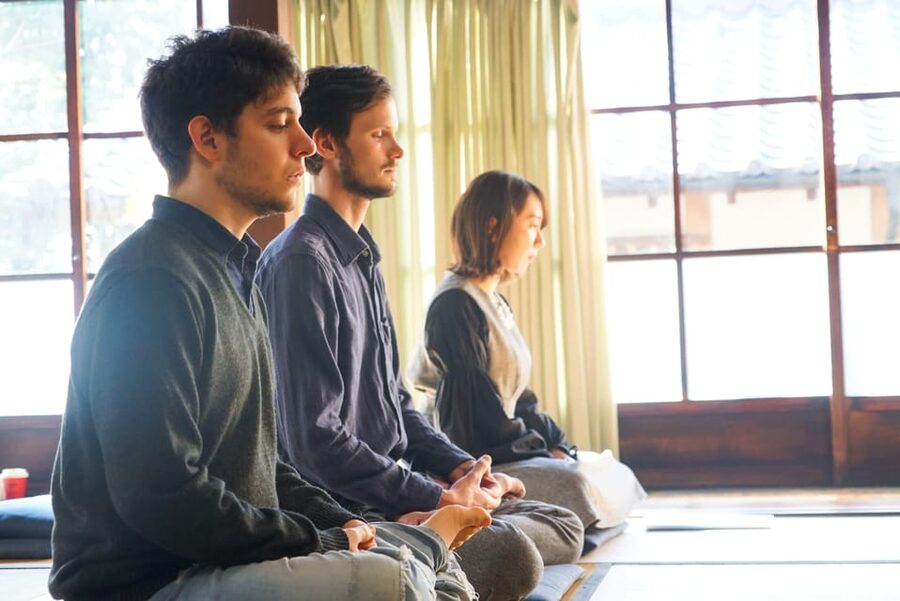
The silence is not a flaw, but you should understand it before booking. Conversation is generally prohibited during zazen so that everyone can concentrate. You will not be able to ask the guide questions as they occur to you.
For someone curious about technique, this may feel limiting. For someone who wants to test the practice honestly, it is exactly the point. The tour gives you explanations before and after, while the session itself asks you to put the explanations aside.
If you already meditate, you may appreciate the change from a private routine to a formal temple setting. One person who had practiced for seven years found the session offered a stronger experience than meditating alone. If you are new to meditation, the hour may seem long, but the guide’s preparation makes it approachable.
Bring patience rather than a camera-first mindset. Photos are included during the tour, and guides have been praised for capturing memories without making the experience feel like a constant photo stop.
Shojin Ryori lunch after meditation
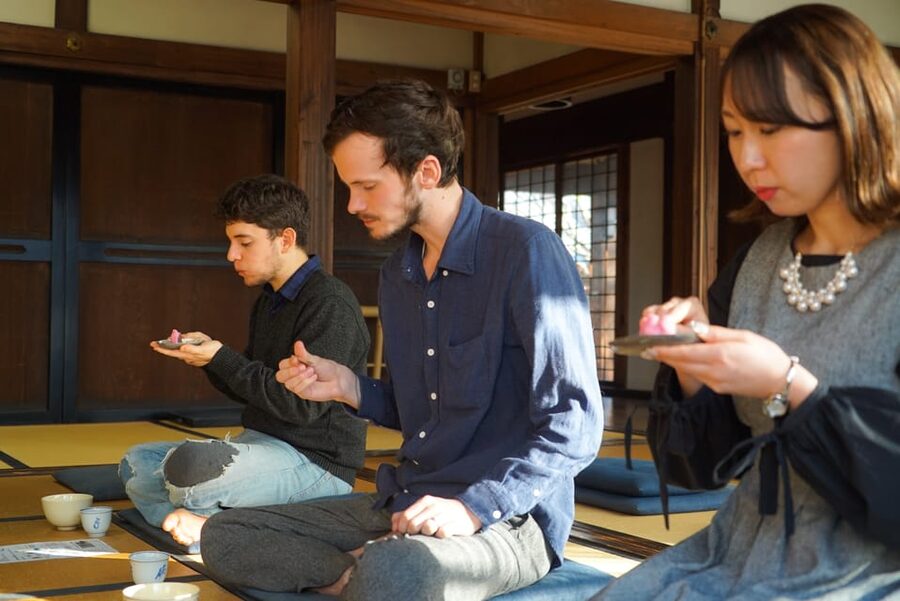
After zazen and a short discussion, you walk to a local restaurant for lunch. The meal is Shojin Ryori, the traditional Buddhist cuisine associated with Japanese monks.
The food centers on vegetables, mushrooms, and seaweed. It avoids meat and fish in the usual sense, but the information for this experience specifies dashi made with fish broth and notes that a little dairy is included. If you require strictly vegan food, do not assume this meal will meet your needs.
The lunch typically includes several dishes rather than one large plate. That variety is part of the lesson. Texture, seasonings, and preparation matter when a meal is built around plant foods.
The timing is important. For tours beginning at 10:45, lunch is scheduled for 2:15 p.m., after meditation. Eat a solid breakfast or brunch, since you may have a long wait before the meal.
The restaurant is near a temple that once housed as many as 1,200 Buddhist monks in training. That detail gives lunch a useful sense of place. You are not simply being served a Japanese set meal. You are eating food connected to monastic life and the region’s religious traditions.
Lunch has been one of the most consistently praised parts of the experience. I would still treat it as a cultural meal, not a standard restaurant outing. If you dislike unfamiliar textures or need a tightly controlled diet, this may not be the right tour.
A guide who makes the difference
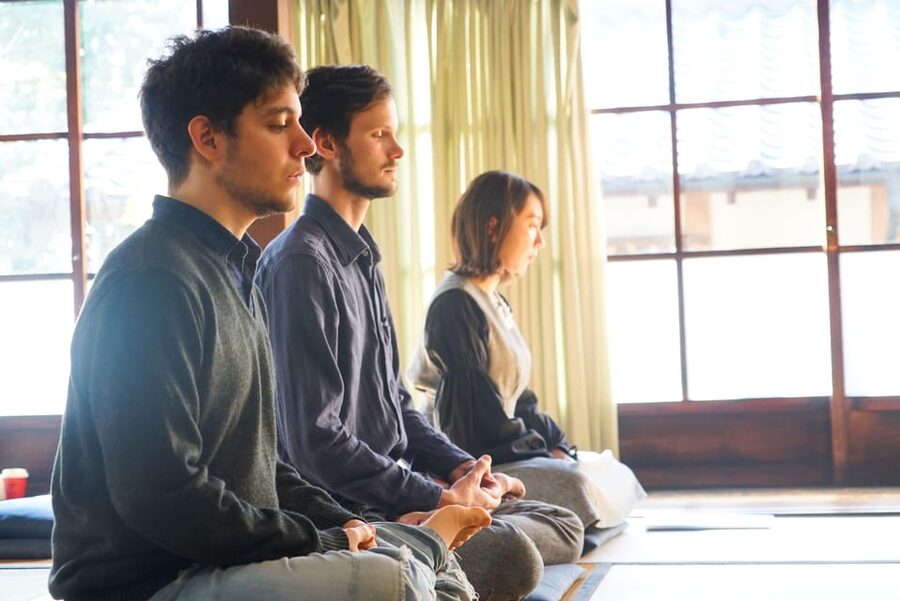
A good guide is especially important here because Zen is not easy to explain in simple tourist terms. The strongest guide reports describe Yutaka as calm, funny, patient, and clear. He has translated questions for the monk, offered Kyoto suggestions, and helped people feel at ease during a day that includes long periods of quiet.
That mix of warmth and restraint is useful. You want someone who can explain Buddhist ideas without turning the tour into a lecture, then give you space to sit quietly.
Guide assignments can change, so you should not book solely on the hope of having one particular person. The named guides connected with departures include Yutaka, Louis, Eri, and Tammy. The important feature is the English-language support before and after meditation.
The small advertised group of seven helps with questions, movement through temple spaces, and lunch conversation. Still, remember that the zazen room may include many people beyond your group.
Weather, clothing, and daily comfort
Kyoto summers are hot and humid. Carry water and wear a hat, particularly during the walks between sites. The experience lasts several hours, and heat can make quiet sitting harder than expected.
Temple floors can be cold in winter. Thick socks are a practical choice, especially because shoes may be removed indoors. Comfortable clothing also helps during the one-hour meditation session.
The tour is not suitable for children under 12 or for people with gluten intolerance. The supplied information does not provide detailed accessibility or seating arrangements, so contact the operator before booking if you need specific physical accommodations.
The pace is gentle, but this is not a completely passive activity. You will walk between stations, remove shoes, sit for an hour, and remain attentive during explanations.
Is $107 a fair price?
At $107, the tour costs more than visiting a single Kyoto temple on your own. The price becomes easier to justify when you add up the English-speaking guide, admission fees, a monk-connected meditation session, a traditional lunch, and photos.
You are also paying for access and structure. A solo visitor can enter Tofukuji and view a garden, but may not know how to approach zazen or where to find a meditation session with a monk. The guide connects those pieces.
The price is less attractive if you mainly want temple sightseeing. The Tofukuji visit is brief, the meditation hall may be crowded, and the meal has dietary limits. In that case, you could spend less by touring temples independently and choosing your own restaurant.
For a first Kyoto visit, this is a good use of half a day if you want culture with participation rather than another checklist of famous buildings.
Who should book this experience?
I would choose this tour if you are curious about Buddhism, interested in meditation, or tired of rushing through temples. It suits adults and older teenagers who can handle a quiet one-hour sitting session and respect temple rules.
It is particularly useful if you want an English explanation of Zen ideas. The guide gives you a way to understand gardens, symbols, posture, and breathing without requiring prior study.
I would skip it if you want a private meditation room, a fully vegan meal, a child-friendly outing, or a broad all-day tour of Tofukuji. I would also think twice if you have gluten intolerance or need a guaranteed English-speaking monk.
Book at least 24 hours ahead if your plans may change. Cancellation and time changes are free up to 24 hours before the start, subject to availability.
Should you book the Kyoto Zen meditation and garden tour?
Book it if you want Kyoto to slow down for a few hours. The garden, the monk-led zazen session, and the Shojin Ryori meal create a clear arc from looking, to sitting, to eating.
Go in expecting a shared meditation hall rather than a private retreat. Bring water in summer, thick socks in winter, eat well before a late lunch, and arrive at Tofukuji Station early.
For the right person, this is more than a temple tour. It is a calm, structured introduction to a part of Japanese culture that can be difficult to understand from sightseeing alone.
FAQ
How long does the Kyoto Zen meditation tour last?
The experience lasts 270 minutes, or four and a half hours.
How much does the tour cost?
The price is $107 per person.
Where is the meeting point?
Meet outside Exit 2 of Tofukuji Station, next to the Family Mart.
How do I get to Tofukuji Station from Kyoto Station?
Use the JR line. Both rapid and local trains are suitable.
Which train should I take from Shijyo Keihan?
Use the Keihan line. Sub-express, semi-express, and local trains are suitable, but do not use express trains.
Is the tour conducted in English?
Yes. The tour includes a live English-speaking guide.
How large is the tour group?
The advertised group size is limited to seven participants. The meditation room may also include other people outside your tour group.
What happens during the zazen session?
You spend one hour learning and practicing Zen meditation, including posture, breathing, methods, and basic ideas connected with zazen.
Is lunch included?
Yes. The tour includes a traditional Shojin Ryori Buddhist lunch.
Does the meal contain fish or dairy?
The meal is described as vegetarian, but the dashi broth is made with fish and a little dairy is included.
Can children join the tour?
No. The experience is not suitable for children under 12.
Is the tour suitable for someone with gluten intolerance?
No. People with gluten intolerance are listed as unsuitable for this activity.
More Lunch Experiences in Kyoto Prefecture
- Kyoto Satoyama Cycling with Lunch and English Guide
★ 5.0 · 19 reviews - Kyoto Satoyama Cycling with Lunch and English guide
★ 5.0 · 4 reviews - Bike Tour Exploring North Kyoto plus Lunch
★ 5.0 · 1,087 reviews - 4.5-Hour Kyoto Bike Tour with Lunch and UNESCO Zen Temples
★ 5.0 · 122 reviews
More Gardens in Kyoto Prefecture
- Kyoto Arashiyama Walking Tour: Bamboo, Monkeys, Gardens & Secrets
★ 5.0 · 1,216 reviews - Kyoto Arashiyama Bamboo forest & Garden Half-Day Walking Tour
★ 5.0 · 413 reviews - Kyoto: Zen Garden, Zen Mind (Private)
★ 5.0 · 126 reviews - Kyoto Kiyomizu Tea Ceremony with Scenic Garden Views
★ 5.0 · 101 reviews
Recently added around Kyoto Prefecture
- 7hr Private Wazuka True Hidden Kyoto Matcha Farm Experience★ 5.0 · 3 reviews
- Shibori Fukusa Course at Kyoto Shibori Museum★ 5.0 · 3 reviews
- Kyoto Satoyama Cycling with Lunch and English guide★ 5.0 · 4 reviews
- Arashiyama Walking Tour with Optional Sagano Romantic Train Ride★ 5.0 · 6 reviews
- Kyo-arashi Shibori Scarf Class at Kyoto Shibori Museum★ 5.0 · 6 reviews
- Amanohashidate Sand bar & culture e-bike tour★ 5.0 · 7 reviews
- kyoto:Experience creating one-of-a-kind special fragrances★ 4.8 · 8 reviews
- Kyoto’s ONLY COUNTRYSIDE E-Bike Tour with a Japanese Local!★ 5.0 · 9 reviews
Kyoto Zen Meditation Experiences, compared.
Kyoto Zen Meditation & Garden Tour at a Zen Temple with Lunch
Read our review →
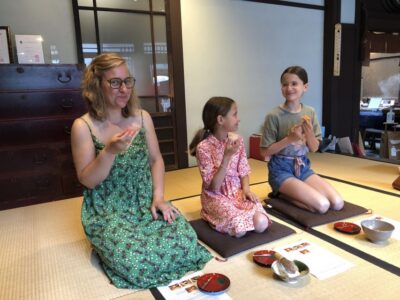
Tea Ceremony Meditation – Make Matcha with Tea Master
Read our review →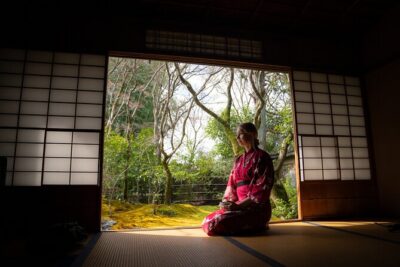
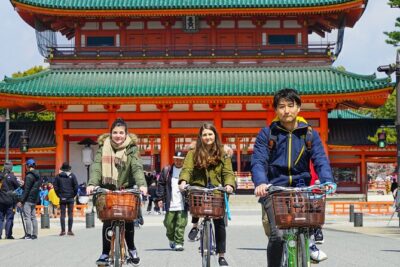
4.5-Hour Kyoto Bike Tour with Lunch and UNESCO Zen Temples
Read our review →
Arashiyama Guided Tour, Bamboo, Monkey, Zen Temple
Read our review →Browse the lists this tour appears in