
REVIEW · KYOTO ZEN MEDITATION EXPERIENCES
Kyoto: Zen Meditation at a Private Temple with a Monk
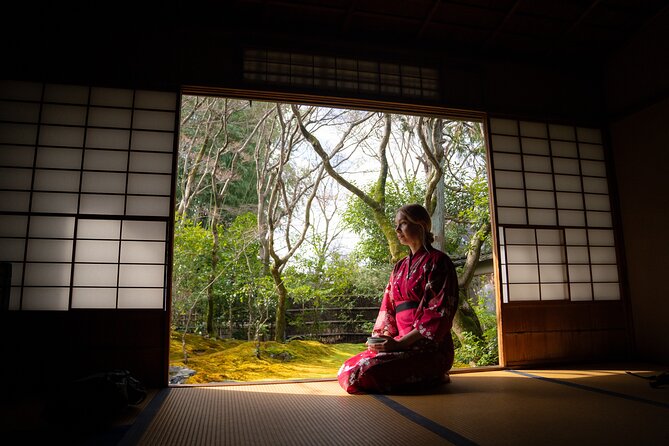
The special part of this Kyoto experience is access to a private temple usually closed to the public. You meet near Kodaiji Park, walk to the temple, and spend about 90 minutes learning Zen meditation directly from a monk rather than simply looking around a famous sightseeing site.
I like the small maximum group of nine, which should make the sitting practice feel calmer and allow room for questions. I also like the balance between instruction and culture: you learn how to sit and meditate, then hear about Japanese customs while enjoying matcha tea and traditional snacks.
The main point to consider is the price: at $98.83 per person, this is not a bargain sightseeing stop. You are paying for a short, personal cultural encounter and access to a place that is not normally open to the public, so it makes the most sense if those details matter more to you than covering several attractions in one afternoon.
In This Review
- Key points to know before booking
- Why this private temple visit feels different
- Meeting near Kodaiji Park
- Entering a temple not normally open to the public
- Learning how to sit before trying to meditate
- Matcha and traditional snacks after the sitting
- What $98.83 buys you
- Who will get the most from this experience
- Timing, group size, and practical planning
- Is this a good choice for your Kyoto itinerary?
- FAQ
- Where does the experience begin?
- Where does the experience finish?
- How long does the activity last?
- How much does it cost?
- How large is the group?
- Is the temple open to the general public?
- Who leads the meditation?
- Are tea and snacks included?
- Do I need previous meditation experience?
- Can I cancel for a full refund?
Key points to know before booking
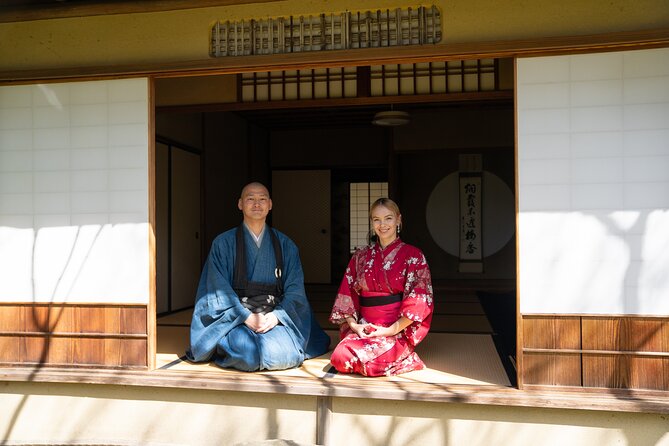
- A monk leads the meditation session, explaining basic Zen principles and offering practical advice on posture and practice.
- The temple is normally closed to the public, making the setting more private than a standard Kyoto temple visit.
- The group is capped at nine people, a useful limit for a quiet experience and direct questions.
- The full visit lasts about 90 minutes, including the temple visit, meditation, cultural explanation, matcha, and snacks.
- The meeting point is Kodaiji Park, and the experience finishes on Nene-no-michi in Kyoto’s Higashiyama Ward.
- The strongest value is personal access, not the number of sights covered.
Why this private temple visit feels different
Kyoto has no shortage of temples, but most temple visits are built around viewing architecture, gardens, religious objects, and famous scenery. This experience takes a different route. You are not simply passing through a temple with a camera. You are invited to sit, listen, and take part in a practice that many people associate with Japanese culture.
The private setting matters. A temple that is usually closed to the public can feel more intimate than a major temple complex filled with tour groups. The information provided does not name the monk, so you should not book expecting a particular teacher. Instead, the draw is the chance to receive meditation guidance from a monk in a quiet temple setting.
I also appreciate that the session is designed for beginners. You do not need to arrive with meditation experience or a working knowledge of Zen. The monk explains the core ideas before asking you to try the practice, which gives the visit a clear structure and keeps it from becoming an awkward period of silent sitting with no context.
The experience has earned a five out of five rating from 25 published reviews, with 100 percent recommending it. The most praised elements are the monk’s genuine manner, clear translation, useful meditation instruction, and the beauty of the ceremony. Those details point to a visit that is educational as well as peaceful.
More Zen sittings in Kyoto:
- Kyoto Zen Meditation & Garden Tour at a Zen Temple with Lunch
★ 5.0 · 441 reviews - Kyoto: Zen Experience in a Hidden Temple
★ 5.0 · 437 reviews - Kyoto: Tea Ceremony Meditation – Make Matcha with Tea Master
★ 4.8 · 406 reviews
Meeting near Kodaiji Park
You begin at Kodaiji Park, at 463-28 Shimokawara-cho in Kyoto’s Higashiyama Ward. This is a sensible starting point for a temple-based activity because the area is already associated with historic lanes, religious sites, and traditional Kyoto scenery.
The exact meeting instructions say that the group is taken to the private temple near Kodaiji Park. The supplied details do not describe a separate vehicle transfer, so plan around meeting the group at the stated park location rather than expecting a hotel pickup or a long sightseeing route.
Give yourself enough time to reach the meeting point. The experience begins at a fixed location, and a calm arrival suits the subject better than rushing in after getting lost. You finish near Nene-no-michi, also in Shimokawara-cho, so the activity fits naturally into a walk through southern Higashiyama.
That end point is useful for planning the rest of your day. You can continue exploring the area after the session, though this experience itself does not promise visits to Kodaiji Temple, Yasaka Shrine, or any other named attraction. Book it for the temple and meditation, not as a substitute for a broader Higashiyama tour.
Entering a temple not normally open to the public
The temple access is the clearest reason to pay attention to this experience. Kyoto’s most famous temples are open to large numbers of paying visitors, while smaller religious spaces can remain private or have limited access. Here, the arrangement gives you a chance to see a less public side of temple life.
The setting should help the meditation feel grounded. You are not practicing in a generic classroom or hotel meeting room. The location itself provides cultural context, and the monk’s explanations connect the physical surroundings with Japanese ideas about Zen and daily practice.
Still, it is important to keep expectations realistic. The visit lasts approximately one hour and 30 minutes, and only one temple stop is listed. This is a focused introduction, not a full retreat or an extended study of Buddhism. You will get a taste of the practice, not a complete course.
The small group size helps here. With no more than nine participants, the session should be easier to follow than a large lecture. You may also have a better chance to ask a question or adjust your posture after the monk explains the basics.
Learning how to sit before trying to meditate
The instruction appears to be practical rather than purely philosophical. One especially useful detail from the feedback is the focus on sitting upright correctly. That sounds simple, but posture can make a first meditation attempt much more comfortable and less confusing.
The monk begins with an introduction to Zen principles and Japanese culture, then gives you the chance to try meditation in the temple. This order works well. You first receive enough explanation to understand what you are doing, then put the lesson into practice while the setting is still quiet and atmospheric.
The session may suit you if you have always wanted to try meditation but did not know how to begin. It can also work as a refresher if you already meditate and want to consider the practice from a Japanese Zen perspective.
Do not expect a promise of instant calm or a dramatic spiritual breakthrough. Meditation can feel restful, but sitting quietly can also feel difficult, especially when you are tired or distracted by a busy sightseeing schedule. The value lies in receiving a clear introduction and a chance to practice with guidance.
A useful metaphor is also mentioned in the feedback, though the exact metaphor is not provided. That suggests the teaching uses everyday language instead of relying only on religious terms. Clear translation is another important strength. Since the session is conducted for an international audience, good interpretation matters as much as the monk’s own explanation.
More Kyoto temples worth a morning:
- Kyoto: Tea Ceremony Ju-An at Jotokuji Temple
★ 4.9 · 3,207 reviews - Arashiyama Bamboo, Temple, Monkeys, or Secret Sake Brewery
★ 4.8 · 886 reviews - Kyoto: Arashiyama Bamboo Forest, Monkeys, Matcha & Temple Tour
★ 5.0 · 759 reviews - Kyoto: Ninnaji Temple Entry Ticket
★ 4.2 · 650 reviews
Matcha and traditional snacks after the sitting
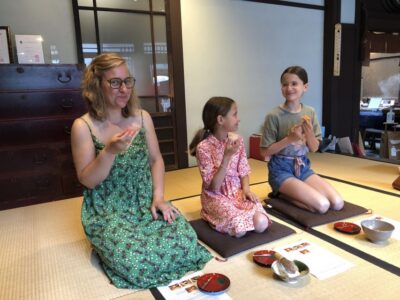
The food and tea are a small part of the experience, but they help give the session a graceful finish. After the meditation, you enjoy matcha tea and traditional snacks associated with Japan.
This is not presented as a full meal, so you should not book it expecting lunch or a formal culinary class. Think of it as a quiet refreshment and a chance to continue the cultural conversation after the sitting practice.
Matcha also fits the tone of the visit. It gives the activity a sensory close without turning it into a standard food tour. You have spent time learning about Zen and trying meditation, then pause with a traditional drink and sweets before returning to the lanes of Higashiyama.
The ceremony itself has been praised as beautiful, which suggests that the tea portion may be handled with care. The available information does not spell out the precise tea procedure, the snacks served, or whether dietary substitutions are possible. If you have food restrictions, ask the provider before booking rather than assuming alternatives will be available.
What $98.83 buys you
At $98.83 per person, the cost is high for a 90-minute activity if you measure value by minutes or by the number of sights visited. You could spend less on a standard temple admission or a self-guided walk through Higashiyama.
The comparison changes when you consider what is included. You are paying for a small group, monk-led instruction, access to a private temple, translation, meditation practice, matcha, and traditional snacks. The experience offers personal contact and a setting that ordinary sightseeing may not provide.
I would call it good value for someone who actively wants a cultural and reflective activity. It is weaker value for someone who simply wants to see Kyoto’s most famous buildings. If your priority is photography, a long temple tour, or a packed schedule, this visit may feel too narrow.
The rating of five out of five across 25 reviews and the 100 percent recommendation rate are encouraging, but they do not change the basic price calculation. You should decide based on your interest in Zen and private access, not just on the perfect rating.
It also helps to place the cost beside your overall Kyoto plans. A first-time visitor with only one day in the city may prefer a broader sightseeing tour. Someone spending several days in Kyoto may value one slower activity that offers a different kind of contact with the city.
Who will get the most from this experience
This visit is a good fit for:
- First-time meditators who want clear instruction rather than a formal retreat
- People interested in Japanese culture beyond temples and photographs
- Visitors who prefer small groups over large organized tours
- Anyone curious about Zen but unsure how it connects to everyday life
- Couples or solo participants looking for a quiet break in Higashiyama
- Repeat visitors who have already seen Kyoto’s major temples
The activity is also described as suitable for most participants. That is helpful, though the information does not provide detailed physical-access notes, seating arrangements, or specific accommodation for mobility needs. If sitting on the floor, kneeling, or remaining still could be difficult for you, contact Travel Japan Together before reserving.
Families may need to think about the mood and format. The session is quiet and educational, and children who enjoy calm cultural activities may appreciate it. Young children who need constant movement may find 90 minutes of temple instruction and meditation difficult. The supplied information does not set a minimum age.
The experience is less suitable if you dislike guided activities, do not want to sit quietly, or are mainly looking for a performance. This is participation, not just observation.
Timing, group size, and practical planning
The duration is approximately one hour and 30 minutes. That makes it easy to fit into a larger day in Higashiyama, but leave extra time around it for reaching Kodaiji Park and continuing from Nene-no-michi afterward.
The maximum group size is nine. That is small enough to preserve a personal feel without making the activity a private booking. The exact group size on your date may be smaller, but the available information does not promise a one-on-one session.
A mobile ticket is provided, and confirmation arrives at booking. Keep the ticket accessible on your phone, but also make sure you know the meeting point before you set out. The address uses Japanese street numbering, and the area includes lanes that can be confusing if you are navigating in a hurry.
Free cancellation is available up to 24 hours before the local start time for a full refund. Cancellations or changes made less than 24 hours ahead are not accepted for a refund. This is a useful safety net, but it is not a last-minute flexible booking, so check your Kyoto schedule before committing.
Is this a good choice for your Kyoto itinerary?
I would book this experience if you want a quiet, personal introduction to Zen and value access to a private temple more than a long list of sights. The combination of a monk’s instruction, small-group meditation, translation, matcha, and snacks gives the visit a clear purpose.
I would skip it if $98.83 feels too high for a short activity, or if your main goal is to tour major Kyoto landmarks. The experience is focused and reflective. It will not replace a full Higashiyama sightseeing walk, and it does not include a broad temple itinerary.
For the right person, this is a thoughtful way to slow down in Kyoto. You learn how to sit, hear about Zen and Japanese culture, practice in a quiet temple, and finish with tea before returning to Nene-no-michi. That is a modest schedule, but it offers something many standard sightseeing tours cannot: time to pay attention.
FAQ
Where does the experience begin?
It begins at Kodaiji Park, 463-28 Shimokawaracho, Higashiyama Ward, Kyoto, 605-0825, Japan.
Where does the experience finish?
It finishes on Nene-no-michi in Shimokawaracho, Kyoto.
How long does the activity last?
The experience lasts approximately one hour and 30 minutes.
How much does it cost?
The listed price is $98.83 per person.
How large is the group?
The activity has a maximum of nine participants.
Is the temple open to the general public?
The temple visited during the experience is typically closed to the public.
Who leads the meditation?
A monk leads the Zen meditation session and explains its core principles.
Are tea and snacks included?
Yes. The experience includes matcha tea and traditional snacks.
Do I need previous meditation experience?
No previous experience is stated as a requirement. The monk provides an introduction and meditation tips before you try the practice.
Can I cancel for a full refund?
Yes. You can cancel at least 24 hours before the local start time for a full refund. Cancellations or changes made less than 24 hours before the start time are not accepted for a refund.
Recently added around Kyoto
- Higashiyama | Kyoto: Sakura Season Private Rickshaw Tour★ 5.0 · 3 reviews
- Kyoto Kimono Rental CHAMATSU|Kimono/Yukata Rental FamilyPlan★ 5.0 · 3 reviews
- Nara Private Customizable Half Day Tour★ 5.0 · 3 reviews
- Kyoto: Half-Day Private Guided Tour to the Old Town of Gion★ 4.4 · 3 reviews
- Kansai Region Hiking Adventure in Nara Kobe Kyoto and More★ 5.0 · 3 reviews
- Full Day Nara Deer, Temple, Shrine, Activities & Tea Ceremony★ 5.0 · 3 reviews
- Nara: Essential Private Tour with Deer Park and Temples★ 5.0 · 3 reviews
- Hiking Tour for Sacred Sites in Kyoto with a Guide★ 5.0 · 3 reviews
Kyoto Zen Meditation Experiences, compared.
Kyoto Zen Meditation & Garden Tour at a Zen Temple with Lunch
Read our review →
Tea Ceremony Meditation – Make Matcha with Tea Master
Read our review →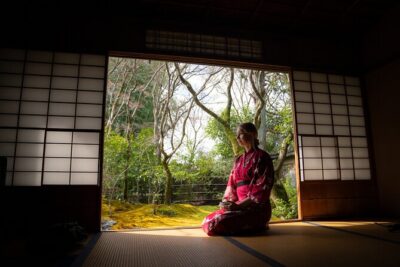
4.5-Hour Kyoto Bike Tour with Lunch and UNESCO Zen Temples
Read our review →
Zen Meditation and Garden Tour at a Temple with Lunch
Read our review →
Arashiyama Guided Tour, Bamboo, Monkey, Zen Temple
Read our review →Browse the lists this tour appears in