
REVIEW · KYOTO MATCHA EXPERIENCES
7hr Private Wazuka True Hidden Kyoto Matcha Farm Experience
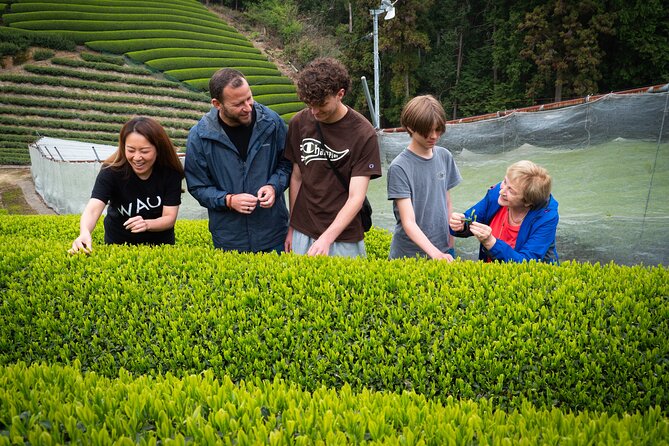
Wazuka gives you a side of Kyoto that most visitors never see: rolling tea fields, quiet farm roads, and families still making matcha through methods passed down for centuries. This private outing is led by a fifth-generation matcha farmer, so the story comes from someone whose family life is tied to the crop, not from a guide reading a script.
I like two things right away. First, you visit two working tea farms, which gives the day more depth than a single photo stop. Second, the experience uses all five senses: you walk among the tea plants, smell the leaves, taste matcha and other teas, share a carefully made lunch, and take home premium matcha from a farm once owned by the Imperial Family. The main consideration is the price, $520 per person, and the farm paths can be bumpy or muddy.
In This Review
- Key points at a glance
- Why Wazuka makes a better tea day than central Kyoto
- Beginning with a local tea family
- Walking through two working matcha farms
- Following matcha from leaf to bowl
- A traditional home and a delicate matcha lunch
- Tasting matcha and other teas
- What the private format changes
- Is $520 per person a fair price?
- Timing, meeting point, and practical comfort
- Who should book this Wazuka tea experience?
- My call: book it for access, not just matcha
- FAQ
- Where does the tour start?
- Where does the tour end?
- How long does the experience last?
- Is pickup available?
- What will I visit during the tour?
- Is lunch included?
- Can I cancel or change the booking?
Key points at a glance
- Meet a fifth-generation tea farmer: Learn how matcha making connects one local family to Wazuka’s long tea tradition.
- Visit two matcha farms: Compare the setting and hear about tea picking, processing, and production from the source.
- Eat lunch in a traditional Japanese home: The delicate matcha lunch set makes the meal part of the cultural experience, not just a midday break.
- Taste tea in several forms: Try matcha and other teas while learning how their flavor and preparation differ.
- Take home premium matcha: The tea comes from a farm previously owned by the Imperial Family.
- Enjoy a private outing: Only your group participates, with pickup offered and the day ending where it began.
Why Wazuka makes a better tea day than central Kyoto
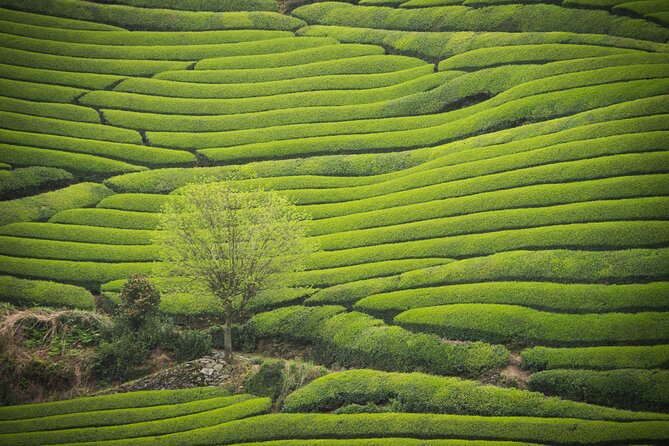
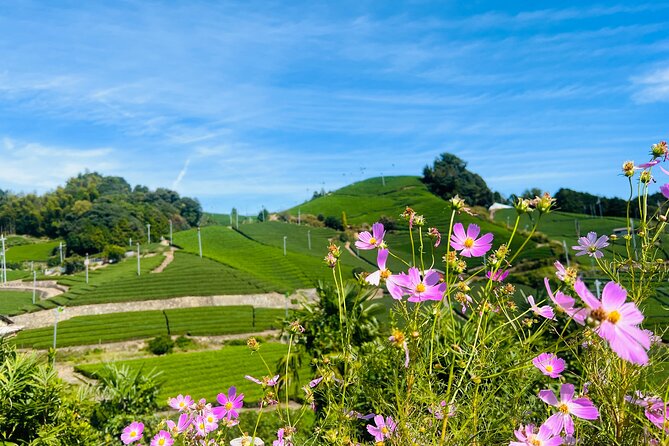
Kyoto is famous for temples, gardens, and narrow lanes packed with visitors. Wazuka offers a different pace. The town sits in Kyoto Prefecture and is closely tied to matcha farming, with tea fields spread across hills and open countryside.
That setting matters. Matcha can seem like a simple green powder when you encounter it in a café, but here you see the plant and the ground where the work begins. The walk through the fields helps connect the final drink to weather, soil, picking, shading, processing, and careful preparation.
You meet at Wazuka-cha Cafe in Wazuka at 10:00 am. The listed meeting address is in Shirasu, Wazuka, at Grinti Wazuka on the first floor. Pickup is offered, but you should confirm the exact pickup details when booking, since the published meeting point remains the café.
The day lasts about six hours according to the tour details, although the title describes it as a seven-hour experience. That small mismatch is worth noting when you plan transport or another activity. I would keep the rest of your day open rather than scheduling a tight afternoon connection.
More matcha tastings and workshops:
- World Heritage Kyoto & Nara Uji Authentic Matcha Experience
★ 5.0 · 1,573 reviews - Kyoto: Arashiyama Bamboo Forest, Monkeys, Matcha & Temple Tour
★ 5.0 · 759 reviews - Kyoto: Tea Museum Tickets and Matcha Grinding Experience
★ 4.9 · 739 reviews
Beginning with a local tea family
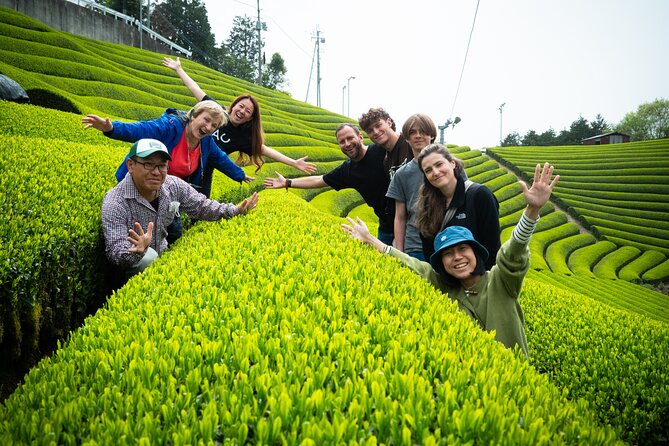
The local host is a fifth-generation matcha farmer. That detail gives the day a useful human scale. You are not simply being told that Wazuka has an 800-year tea tradition. You are hearing how that tradition reaches into one family and continues in the present.
The focus is end-to-end tea making. You learn about picking, processing, and the path from fresh tea leaf to matcha. The tour also includes discussion of tea making in Wazuka across roughly 800 years, giving you a longer view of why this small area matters.
You should expect the information to be practical and connected to what you are seeing. A tea field is easier to understand when someone explains what happens after the leaves are picked. The visit links the plant, the farm, the finished powder, and the tea ceremony rather than treating each as a separate attraction.
This is especially useful if you already drink matcha but know little about its production. You can ask questions in a private setting, without having to keep up with a large group or compete for the guide’s attention.
Walking through two working matcha farms
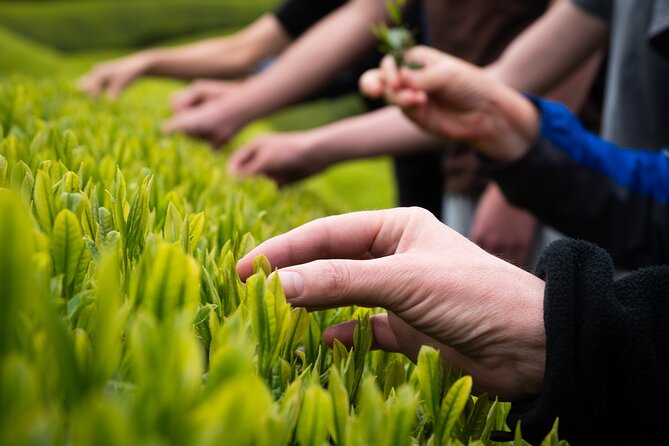
The farm portion includes visits to two local matcha tea farms. You walk through the fields and learn about the production process at close range. The exact order of the farm visits is not specified, and seasonal conditions will affect what the fields look like when you arrive.
The two-farm plan is one of the strongest parts of the day. One farm could show you the basics, but two locations give you a broader view of local tea production. You can pay attention to the shape of the fields, the surrounding hills, and the way the host explains the work from one setting to the next.
The farm access may be bumpy and muddy. Wear shoes that can handle uneven ground and dirt, and avoid bringing footwear you want to keep spotless. This is not a polished indoor attraction. The ground is part of the point, but it can make the walking less comfortable for anyone who has trouble on rough surfaces.
The walk also means the tour works best for people who want to be outside. You are not spending the full day seated at a tasting counter. The pace combines conversation, movement, views across tea country, and hands-on learning.
Following matcha from leaf to bowl
The tour is designed to show tea making from picking through processing and ceremony. You may not perform every production step yourself, but you will learn how the stages connect and take part in a matcha workshop.
That workshop gives the day an active finish. Instead of only watching a demonstration, you have a chance to participate in the preparation of matcha. The exact workshop format is not described, so you should think of it as a guided activity rather than assume a particular set of tools or a specific ceremony length.
The distinction between matcha and other tea is easier to appreciate after you have discussed processing. Matcha is prepared as a powder, so you consume the tea itself rather than simply steeping leaves and removing them. The tour’s tasting sessions put that difference into a real context.
You also get to hear about tea ceremony practice. This helps explain why preparation, movement, and presentation matter in Japanese tea culture. The day is not limited to agriculture, and it is not only a formal ceremony. It connects farm work with the rituals that made tea an important part of Japanese life.
A few more Kyoto Prefecture experiences worth comparing
- Uji and Wazuka Matcha Farm Half Day Private Guided Tour
★ 5.0 · 21 reviews
A traditional home and a delicate matcha lunch
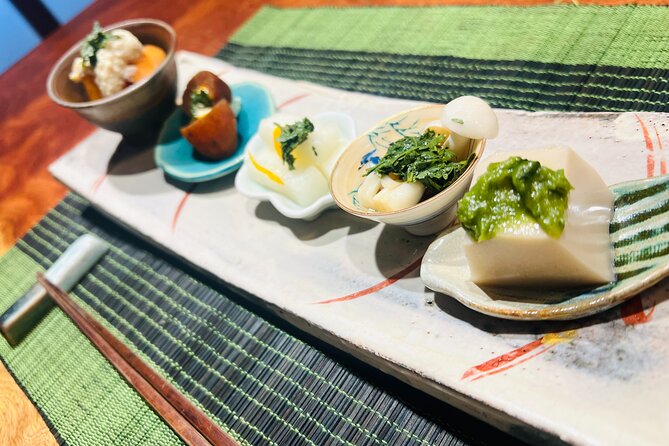
Lunch takes place in a traditional Japanese-style home, where you enjoy a matcha lunch set. This is more distinctive than stopping at a standard restaurant because the setting adds another layer of local life to the day.
The meal is described as delicately crafted, but no full menu is provided. You should not book expecting a particular dish or assume that every item will suit your diet. If you have food allergies or restrictions, ask the provider before committing, since the available details do not explain substitutions.
I like that lunch sits inside the cultural program instead of being an unrelated pause. You can consider how tea appears in both daily food and formal drink, while also taking a break from walking the farms.
The traditional home setting may appeal to you if you want a quieter, more personal experience. It is also one reason this private tour costs more than a basic tea tasting. You are paying for access to a local setting, a host with family ties to farming, and a full program rather than a short sample.
Tasting matcha and other teas
Tea tasting is another central part of the day. You try matcha and other teas, learning through smell and taste rather than relying only on descriptions.
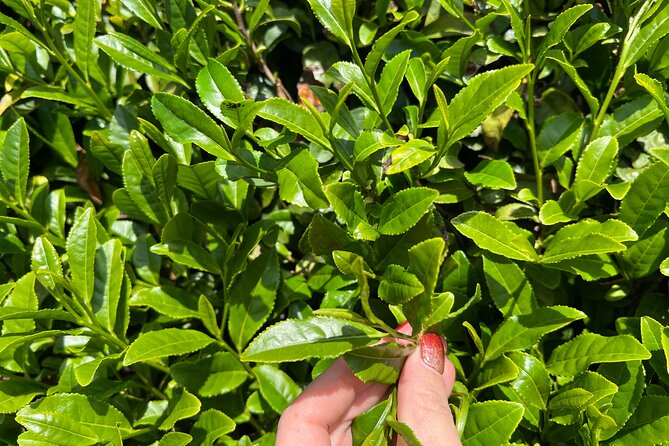
The tasting can help you notice differences that are easy to miss in a sweet café drink. Matcha has a broad flavor range, and the setting gives you time to consider its aroma, texture, and aftertaste. The tour description emphasizes all five senses, so the tasting is meant to be more than a quick cup before moving on.
The chance to take home premium matcha adds practical value. The tea comes from a farm previously owned by the Imperial Family, which gives that sample a notable connection to Japan’s past. You can continue exploring the flavor after the tour instead of leaving the experience at the farm gate.
Keep your expectations sensible. Taking home matcha does not mean you receive a large quantity, since the amount is not stated. Still, it is a useful souvenir because it connects directly to the farm visit and can remind you how much work goes into a familiar green powder.
What the private format changes
This is a private activity, so only your group participates. That makes a difference in a rural setting. You can ask questions as they arise, spend more time on a point that interests you, and move through the day without the fixed rhythm of a large bus group.
The format is well suited to couples, families, and small groups with a shared interest in food or Japanese culture. It can also suit first-time matcha drinkers because the host can explain the basics without assuming prior knowledge.
A private tour does not automatically make every part more comfortable. You still need to walk on potentially muddy farm access, and the day’s length can fill most of your schedule. The private format is most valuable when you care about personal attention and local contact, not simply when you want the cheapest way to taste tea.
Group discounts are offered, although no discount amount is given. If you are traveling with several people, check the final price for your group. At $520 per person, even a modest group saving could matter.
Is $520 per person a fair price?
The cost is high for a six-hour regional outing. You should compare it with what is included, not with the price of a café visit or a short tasting in Kyoto.
The fee covers a private experience with a fifth-generation farmer, visits to two farms, a traditional lunch, matcha and tea tastings, a workshop, discussion of tea production, and matcha to take home. Pickup is offered, which may also reduce the effort of arranging your own route to rural Wazuka.
The strongest value comes from access. You are not only buying a drink. You are paying for time with a local host, entry into working tea areas, a meal in a traditional home, and a connected explanation of tea from plant to ceremony.
I would call the price reasonable for a special occasion or a small group that places a high value on private cultural access. I would not recommend it to someone who only wants to sample matcha or fill a spare hour. Kyoto has less expensive ways to drink tea.
The small review base and five-star score suggest that the experience has made a strong impression, especially for people who value the peaceful setting, tea fields, and personal connection with the host. I would still judge it by your own priorities because three published ratings are not enough to predict every detail of the day.
Timing, meeting point, and practical comfort
The tour starts at 10:00 am at Wazuka-cha Cafe in Wazuka and ends back at the same meeting point. Since pickup is offered, ask the provider exactly where and when you will be collected if you do not plan to meet at the café.
The activity is near public transportation, but the supplied details do not specify a train station, bus route, or travel time from central Kyoto. Do not build your morning around an assumed connection. Confirm the route before booking, especially if you are carrying luggage or planning to return to Kyoto for an evening reservation.
Wear practical shoes. The farm access can be bumpy and muddy, and you may spend part of the day walking through tea-growing areas. Comfortable clothing will make the rural portions more pleasant.
Service animals are allowed. The activity offers a mobile ticket, and confirmation is received at booking. Those details simplify the day, but the non-refundable rule is strict: if you cancel or request a change, the amount paid will not be returned.
Who should book this Wazuka tea experience?
I would recommend it to you if you want to understand Japanese tea beyond the finished cup. Food-focused visitors, matcha fans, photographers, and people who prefer rural settings to busy city sights will find plenty to appreciate.
It also suits a private family outing. The combination of walking, tasting, lunch, and a workshop gives the day more variety than a lecture. Children or adults with limited mobility may find the uneven farm access difficult, so consider your group’s comfort with muddy and bumpy ground.
You should think twice if your main goal is low cost, a short activity, or a highly formal tea ceremony with a clearly listed sequence. The experience includes tea ceremony learning and a workshop, but the available details do not promise a full formal ceremony or specify the exact structure.
I also would not book it as a last-minute filler. The experience is booked an average of 35 days ahead, which signals that planning early is sensible. Since the booking cannot be changed or refunded, make sure your Kyoto schedule and transport plan are firm first.
My call: book it for access, not just matcha
Book this tour if you want a personal introduction to Wazuka’s tea country and are happy to pay for time, access, and a local host with five generations of farming behind him. The two farms, traditional lunch, tasting, workshop, and take-home tea make it a full cultural day rather than a quick sample.
Skip it if $520 per person feels out of reach or if you want a simple tea tasting in Kyoto. The muddy farm paths and firm cancellation terms also call for careful planning.
For the right visitor, the reward is not only better knowledge of matcha. You leave with a clearer sense of the people, land, work, and ritual behind a bowl of green tea.
FAQ
Where does the tour start?
The tour starts at 10:00 am at Wazuka-cha Cafe, located in Wazuka, Kyoto Prefecture. The listed address is Soraku District, Wazuka, Shirasu, Ōhazama 35, Grinti Wazuka, first floor.
Where does the tour end?
The activity ends back at the meeting point at Wazuka-cha Cafe.
How long does the experience last?
The tour details describe the activity as approximately six hours, while its title refers to seven hours. Confirm the expected end time when booking if you need to coordinate other plans.
Is pickup available?
Yes. Pickup is offered, but the available information does not specify the pickup locations or exact schedule. Confirm those details with the provider.
What will I visit during the tour?
You will visit two local matcha tea farms, walk through tea fields, learn about tea picking and processing, and take part in a matcha workshop.
Is lunch included?
Yes. You will enjoy a matcha lunch set in a traditional Japanese-style home.
Can I cancel or change the booking?
No. The experience is non-refundable and cannot be changed for any reason. If you cancel or request an amendment, the amount paid will not be refunded.
Recently added around Kyoto Prefecture
- Shibori Fukusa Course at Kyoto Shibori Museum★ 5.0 · 3 reviews
- Kyoto Satoyama Cycling with Lunch and English guide★ 5.0 · 4 reviews
- Arashiyama Walking Tour with Optional Sagano Romantic Train Ride★ 5.0 · 6 reviews
- Kyo-arashi Shibori Scarf Class at Kyoto Shibori Museum★ 5.0 · 6 reviews
- Amanohashidate Sand bar & culture e-bike tour★ 5.0 · 7 reviews
- kyoto:Experience creating one-of-a-kind special fragrances★ 4.8 · 8 reviews
- Kyoto’s ONLY COUNTRYSIDE E-Bike Tour with a Japanese Local!★ 5.0 · 9 reviews
- Kyoto Half Day Yamazaki Whisky Museum and Asahi Art Museum★ 5.0 · 11 reviews
Kyoto Matcha Experiences, compared.
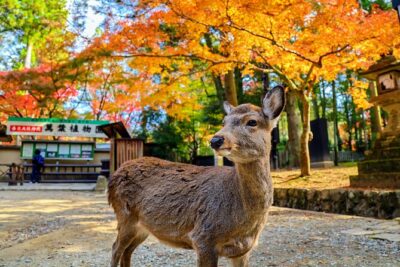
World Heritage Kyoto & Nara Uji Authentic Matcha Experience
Read our review →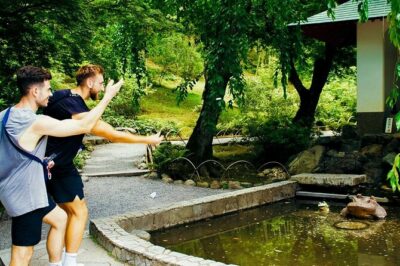
Arashiyama Bamboo Forest, Monkeys, Matcha & Temple Tour
Read our review →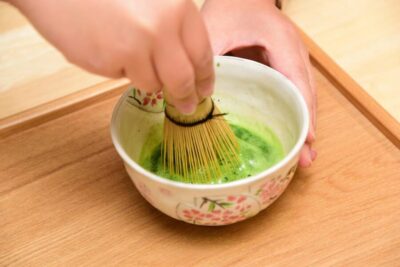
Tea Museum Tickets and Matcha Grinding Experience
Read our review →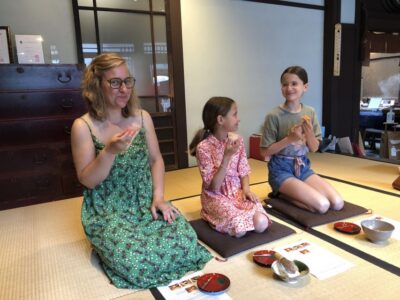
Tea Ceremony Meditation – Make Matcha with Tea Master
Read our review →Arashiyama Bamboo, Matcha, Monkeys & Temple Tour
Read our review →
Arashiyama Bamboo, Temple, Matcha, Monkeys & secret spots
Read our review →
Browse the lists this tour appears in