
REVIEW · CYCLING TOURS
Kyoto Satoyama Cycling with Lunch and English Guide
Sonobe gives you something Kyoto City cannot: quiet country roads, singing birds, flowing water, and mountain views only about 30 minutes by train from the city. You ride an e-bike between shrines, castle remains, old homes, and a former school where local buckwheat becomes lunch.
I especially like the hands-on soba-making option and the chance to ride with guides who grew up here, including Maki and Yasu. You also get real flexibility, with extra choices such as kimono photos, koto music, spring water, a castle visit, or Mt. Komugi, known here as the birthplace of Mario. The main point to consider is timing: the tour normally lasts four to five hours, but optional activities can push it past 2 PM.
In This Review
- Key Points to Know Before You Book
- Why Sonobe Makes a Good Change from Kyoto City
- Starting with Ikimi Tenmangu Shrine
- Sonobe Castle and Its Unusual Second Life
- Making Soba at a Former Elementary School
- Choosing Between Soba and a Traditional-House Lunch
- Cycling to Make Shrine
- Picking Your Two or Three Extra Experiences
- The Guides Are Part of the Experience
- Practical Details: Timing, Weather, and Who Should Book
- Should You Book the Sonobe Cycling Tour?
- FAQ
- How long does the Kyoto Satoyama cycling tour last?
- Where does the tour begin and end?
- What time does the tour start?
- Can I choose between different lunch options?
- Are special dietary meals available?
- What happens if bad weather cancels the tour?
Key Points to Know Before You Book
- Only 30 minutes from Kyoto City by train: Sonobe feels far removed from the city without requiring a long day of transport.
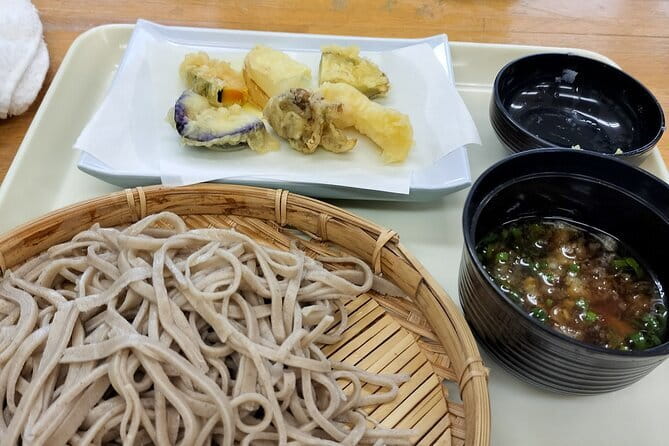
- Fresh soba made from local buckwheat: Course A gives you a hands-on noodle-making session and a meal with tempura and rice balls.
- Two lunch styles: Choose soba making or a local-produce meal at a restaurant in a traditional Japanese house.
- English-speaking hometown guides: Maki, Yasu, and the local team add personal knowledge to the stops.
- Extra activities are included: Pick two or three options, including kimono photos, koto, spring water, shrine worship, and Mario Mountain exploration.
- Private and weather-dependent: Your group rides together, and poor weather may lead to a car transfer, a new date, or a full refund.
Why Sonobe Makes a Good Change from Kyoto City
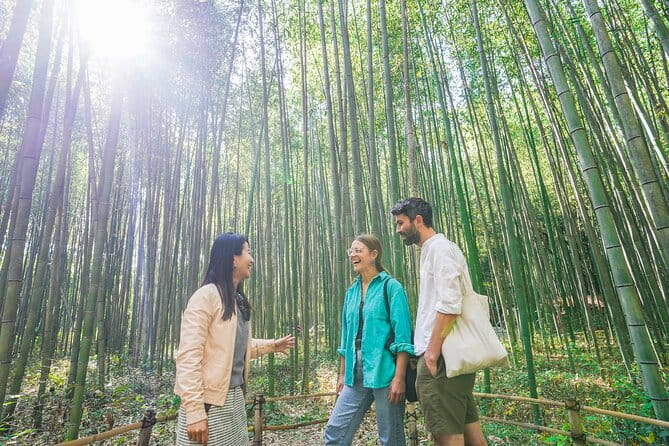
Kyoto is famous for temples, gardens, and crowded lanes. Sonobe offers a different Japan. Here, the pleasure comes from moving slowly through the countryside, where fields, houses, shrines, trees, and mountain views become part of the ride.
The town is in Kyoto Prefecture but outside the usual sightseeing circuit. That makes this a good choice if you have already seen central Kyoto or want a quieter half-day with a strong local feel. You are not simply being driven to a rural restaurant. You travel by e-bike, with roughly 10 to 20 minutes of cycling between the main stops.
That distance matters. An e-bike lets you cover enough ground to see several parts of Sonobe without turning the trip into a hard exercise session. You still pedal and stay active, but the electric assistance makes the route more approachable for a broad range of participants. Most people can take part, though you should be comfortable riding a bicycle and following the guide along country roads.
The tour begins at 10 AM and returns to the same meeting point. The listed cost is $78.83 per person, while the supplied participation information also gives a fee of 15,000 yen for one person, so check the current booking price and currency before paying. For a private tour, lunch, e-bike use, an English-speaking guide, and several included options, the price can be good value, especially for a family or group. Group discounts may improve the deal further.
More bike days around Kyoto Prefecture:
- Kyoto’s ONLY COUNTRYSIDE E-Bike Tour with a Japanese Local!
★ 5.0 · 9 reviews - Amanohashidate Sand bar & culture e-bike tour
★ 5.0 · 7 reviews - Kyoto Satoyama Cycling with Lunch and English guide
★ 5.0 · 4 reviews
Starting with Ikimi Tenmangu Shrine
The first stop is Ikimi Tenmangu Shrine, described as the oldest Tenmangu Shrine in Japan. It honors Sugawara no Michizane, a figure connected with learning, so people come here to pray for success in exams.
You have about 10 minutes here. That is not long enough for a slow temple-style visit, but it works as an introduction to the religious life of the area. Your guide can explain the shrine’s purpose and help you understand the customs of worship.
For me, this is the sort of short stop that gains meaning from local explanation. On your own, you might see a quiet shrine and move on. With Maki, Yasu, or another English-speaking local guide, you get context about why students and families visit.
The brief timing also keeps the tour moving. This is a cycling day, not a shrine marathon. If you prefer long periods for photography or careful architectural study, you may find the visit quick.
Sonobe Castle and Its Unusual Second Life
Next comes the ruins of Sonobe Castle, a stop of around 20 minutes. The remaining features include the main gate, walls, turrets, and guardhouse. The unusual detail is that the main gate now serves as the entrance to Sonobe High School.
The castle is described as the last castle built in Japan. That gives the site a different character from the grand restored castles on standard sightseeing routes. You are looking at a place still tied to daily community life, not only a preserved attraction separated from the town around it.
Depending on the selected options and the day’s schedule, you may have a chance to visit the castle more fully. The tour includes extra choices, so tell the guide at the start which two or three you want. A castle visit can be a good pick if you want more time with this part of Sonobe.
Do not expect a huge castle complex. The appeal is in the surviving structures, the school setting, and the way old and modern uses share the same space. That makes this a compact but memorable stop.
Making Soba at a Former Elementary School
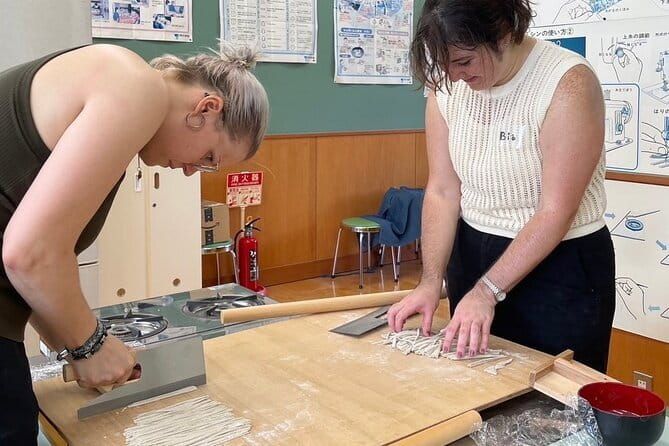
The longest section of the tour takes place at the former Maki Elementary School, where you can make soba noodles from buckwheat grown in the area. The full stop lasts about one hour and 50 minutes, including the cooking and meal.
This is the heart of Course A. Instead of simply sitting down to eat, you take part in preparing the noodles, then enjoy them freshly boiled. The meal also includes tempura and rice balls, giving you more than a small tasting portion.
Using a closed school adds a strong sense of place. The setting connects the meal with the local community and with the agricultural area around Sonobe. You can see how food, farming, and everyday buildings remain part of the town’s identity.
The activity suits families and groups particularly well because everyone has something to do. It also worked well for a school group of 16 people, including high school students and children, according to the supplied experience details. For a solo participant, the guide’s involvement becomes more important, but the private format means you are not added to a large unrelated group.
Course A does take a good portion of the day. If your main goal is riding, the long meal stop may feel like a pause in the cycling. I see it differently, since the food experience is one of the reasons to come to Sonobe, but you should choose this tour only if you want both movement and hands-on culture.
More Kyoto Prefecture tours that include lunch:
- Kyoto: Zen Meditation and Garden Tour at a Temple with Lunch
★ 4.9 · 86 reviews - Bike Tour Exploring North Kyoto plus Lunch
★ 5.0 · 1,087 reviews - Kyoto Zen Meditation & Garden Tour at a Zen Temple with Lunch
★ 5.0 · 441 reviews - 4.5-Hour Kyoto Bike Tour with Lunch and UNESCO Zen Temples
★ 5.0 · 122 reviews
Choosing Between Soba and a Traditional-House Lunch
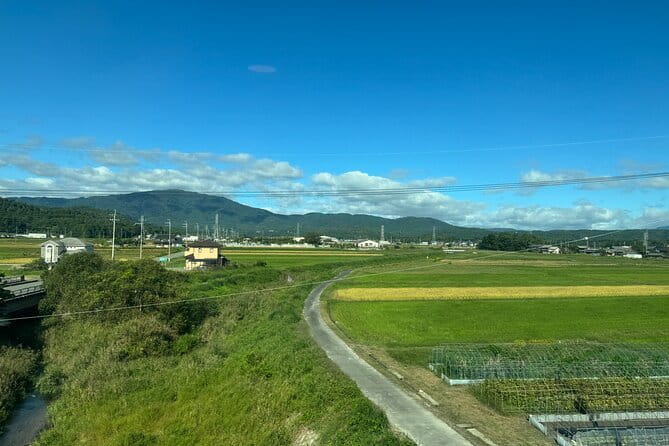
If you prefer to spend less time cooking, Course B offers local produce at a restaurant in a traditional Japanese house. The exact menu can change, but the focus is on food from the area and a setting that feels connected to older Japanese homes.
This is likely the better choice if you want a calm lunch and more time for extra activities. The supplied details also point to Kaeyuno Oyado as a recommended lunch option, with a frog theme and a welcoming atmosphere. That small design detail may appeal to families and anyone who likes a meal with a sense of personality.
Both courses put food at the center of the outing, but they create different days. Soba making is active and memorable. The traditional-house restaurant is easier and more relaxed. If you have dietary needs, vegan, vegetarian, and allergy-friendly meals are available when requested in advance.
Do not wait until the meal begins to mention restrictions. Make the request ahead of time so the provider can prepare properly.
Cycling to Make Shrine
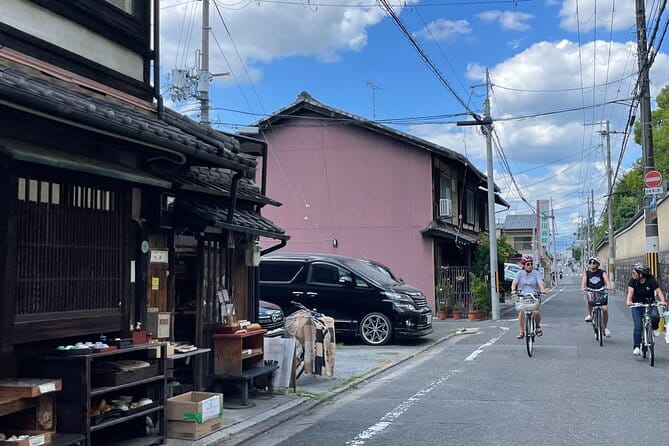
After lunch, the route continues to Make Shrine, where the agricultural god of the Tanba region is honored. Tanba has long supported Kyoto’s food supply, so this stop connects the countryside you are riding through with the meals you have just eaten.
The main hall has a traditional thatched roof, an architectural detail that gives the shrine a strong rural character. You can learn the proper way to worship and see how local religious practice remains linked to farming.
The stop lasts about 30 minutes. That is enough time to look closely, listen to the guide, and take photographs without feeling rushed. It also provides a quiet counterpoint to the more hands-on energy of soba making.
The shrine is especially worthwhile for people who want more than scenic cycling. You are not only passing through pretty country. You are learning why agriculture matters to this region and how shrines reflect that relationship.
Picking Your Two or Three Extra Experiences
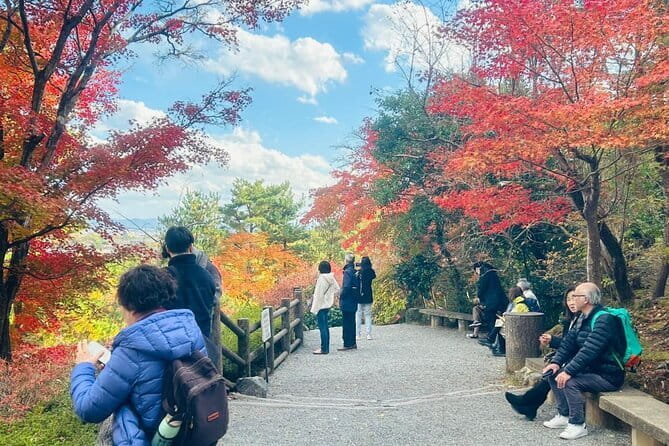
The tour price includes a choice of two or three extra activities. Tell the guide what interests you when you arrive. Available options include:
- Visiting the castle
- Worshipping at Shinto shrines
- Drinking spring water after crossing a small mountain
- Taking a photo in a kimono
- Playing the koto, a traditional Japanese instrument
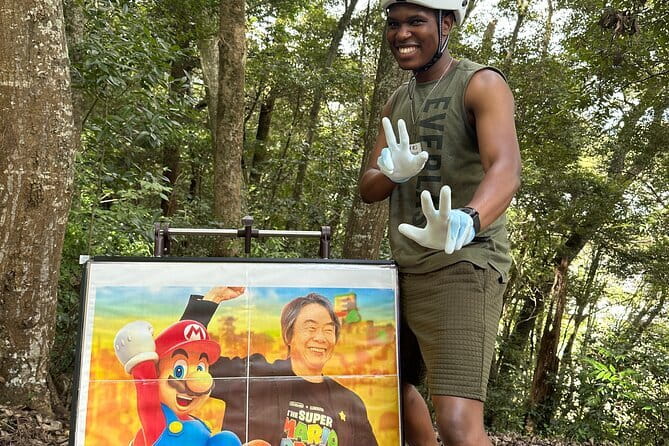
- Exploring Mt. Komugi, known locally as the birthplace of Mario
This choice is one of the tour’s strongest features, but it also requires realistic planning. You cannot treat every option as a full separate excursion within a four-hour schedule. More activities add time, and Mt. Komugi exploration may extend the day beyond 2 PM.
The kimono and koto options add cultural variety without requiring you to book another paid activity. They may be a good fit for families, first-time visitors to Japan, or anyone who wants a photograph and a short cultural lesson.
The spring-water option involves going over a small mountain, so it may be more active than the shrine or kimono choices. Ask the guide about the day’s route before choosing it. If you are curious about the Mario connection, Mt. Komugi is the most unusual option, but it is also the one most likely to lengthen the tour.
The Guides Are Part of the Experience
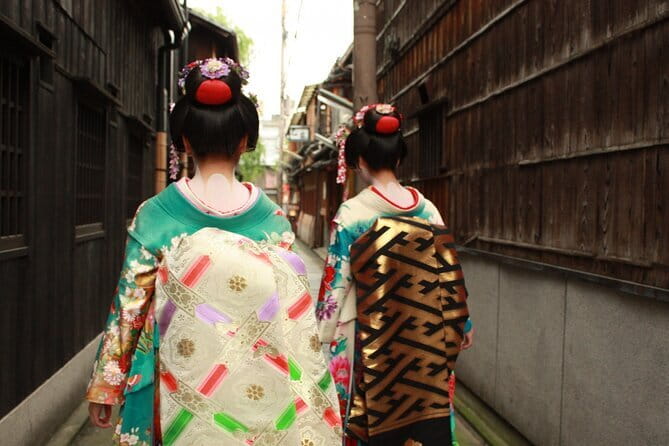
The guides are local people born and raised in the town. Maki is named in the supplied information, along with her husband and Yasu. Their role is more than pointing out landmarks. They connect the route to local food, customs, weather, and family life.
The personal touch shows in practical details. The tour team has advised participants what to wear for the forecast and prepared safety equipment. On a cold-weather outing, they even provided disposable hand warmers and neck warmers.
That kind of care matters on a bicycle tour. Sonobe’s weather can shape the entire day, and a comfortable rider pays more attention to the scenery. You still need to dress for the forecast, but the team appears attentive to conditions.
The English guidance is a major advantage. You can ask questions as you ride and at the shrines, rather than trying to interpret every place by yourself. Since this is a private activity, your group can communicate directly with the guide and set a comfortable pace within the planned schedule.
Practical Details: Timing, Weather, and Who Should Book
The total duration is approximately four to five hours, including cycling time. The standard meeting time is 10 AM, and the activity ends back at the starting point. Sonobe is near public transportation, and the town is about a 30-minute train ride from Kyoto City.
The tour requires good weather. If poor conditions are expected, the provider will notify reservation holders by 5 PM the day before. You may then choose transportation by car, reschedule, or cancel without a fee. The normal cancellation policy allows a full refund if you cancel at least 24 hours before the start time. Changes or cancellations inside that window are not accepted unless the weather cancellation terms apply.
I would book this for families, school groups, couples, and solo visitors who want rural scenery with structure and support. The private format is especially useful for groups because you are not trying to match the pace of strangers.
You should think twice if you want a long, athletic ride, a full-day castle tour, or a completely unplanned day. This is a guided cultural outing with cycling at its center, not a race and not a deep backcountry expedition. Also remember that optional activities can extend the finish beyond the normal timetable.
Should You Book the Sonobe Cycling Tour?
Book it if you want to see another side of Kyoto without spending hours getting there. The strongest reasons are the peaceful e-bike route, local guides such as Maki and Yasu, the freshly made soba, and the choice of small cultural experiences included in the price.
I would choose Course A if you enjoy doing something with your hands and want the most distinctive meal. Choose Course B if you prefer a quieter lunch in a traditional house and want more flexibility for the optional stops.
The main compromise is time. Long lunch activities and extra choices can push the day past 2 PM, and the weather may alter the plan. But if you can accept that flexibility, this offers a practical and personal way to trade central Kyoto’s crowds for shrines, fields, local food, and a friendly ride through Sonobe.
FAQ
How long does the Kyoto Satoyama cycling tour last?
The tour takes approximately four to five hours, including cycling between stops. Optional activities, especially Mt. Komugi exploration, may extend the experience past 2 PM.
Where does the tour begin and end?
The tour begins at Mizobe-6-21 Sonobechō Oyama Higashimachi, Nantan, Kyoto 622-0041, Japan. It ends back at the same meeting point.
What time does the tour start?
The scheduled start time is 10 AM.
Can I choose between different lunch options?
Yes. Course A includes hands-on soba noodle making with a soba set meal, tempura, and rice balls. Course B offers local produce at a restaurant in a traditional Japanese house.
Are special dietary meals available?
Vegan, vegetarian, and allergy-friendly meals are available if requested in advance.
What happens if bad weather cancels the tour?
The provider will notify reservation holders by 5 PM the day before. You can choose transportation by car, reschedule for another date, or cancel without a cancellation fee.
Recently added around Kyoto Prefecture
- 7hr Private Wazuka True Hidden Kyoto Matcha Farm Experience★ 5.0 · 3 reviews
- Shibori Fukusa Course at Kyoto Shibori Museum★ 5.0 · 3 reviews
- Kyoto Satoyama Cycling with Lunch and English guide★ 5.0 · 4 reviews
- Kyo-arashi Shibori Scarf Class at Kyoto Shibori Museum★ 5.0 · 6 reviews
- Arashiyama Walking Tour with Optional Sagano Romantic Train Ride★ 5.0 · 6 reviews
- Amanohashidate Sand bar & culture e-bike tour★ 5.0 · 7 reviews
- kyoto:Experience creating one-of-a-kind special fragrances★ 4.8 · 8 reviews
- Kyoto’s ONLY COUNTRYSIDE E-Bike Tour with a Japanese Local!★ 5.0 · 9 reviews
Cycling Tours, compared.
Arashiyama Bamboo Forest & Hidden Gems Bike Tour (Early Bird)
Read our review →
5 Top Highlights of Kyoto Full Day Bike Tour (E-bike option)
Read our review →
Full Day Biking Tour Exploring the Best of Kyoto
Read our review →

Afternoon Kyoto Bike Tour: Bamboo Forest, Monkeys & Hidden Spots
Read our review →
South Kyoto in a Nutshell: Gentle Backstreet Bike Tour!
Read our review →Browse the lists this tour appears in