REVIEW · MUSEUMS
Kyo-arashi Shibori Scarf Class at Kyoto Shibori Museum
The clever part of this Kyoto activity is that you do not simply watch shibori being made. You create a stylish scarf using the museum’s own tube-and-string resist method, then let the pattern emerge while you explore the collection. I like the hands-on work and the free museum admission, normally 1,000 yen. I also like the small group size, limited to eight, which keeps the class personal.
The main drawback is time. The class lasts about an hour, and the making portion may take only 30 minutes, so this is a compact introduction rather than a long craft workshop. You also need to spend part of the visit waiting for your scarf to dry.
In This Review
- Key points
- Making a Pattern With Tube and String
- A One-Hour Visit Near Nijo Castle
- What You See While the Scarf Dries
- Why the Finished Scarf Makes a Good Souvenir
- The Museum Shop and Its Original Fabrics
- Is $49 a Fair Price?
- Who Will Enjoy This Class Most?
- Practical Timing and Booking Advice
- My Take on the Museum Experience
- Should You Book the Kyo-arashi Shibori Scarf Class?
- FAQ
- Where is the Kyoto Shibori Museum?
- How long does the scarf class last?
- How much does the Kyo-arashi Shibori Scarf Class cost?
- What technique will I learn?
- Is museum admission included?
- What languages are available?
- How many people are in each group?
- Can I cancel for a full refund?
- Do I have to pay when I reserve?
Key points
- Make a wearable souvenir: Create your own scarf with Kyoto Shibori Museum’s original tube-and-string technique.
- See the museum while your scarf dries: View shibori art, sample pieces, and valuable tools used in the dyeing process.
- Meet near Nijo Castle: The museum is about a five-minute walk from this major Kyoto sight.
- Work in a small group: No more than eight participants take part, with instruction in English or Japanese.
- Get museum admission included: Your workshop ticket covers the regular 1,000-yen museum entrance fee.
- Browse handmade goods: The shop offers original items, fabrics, scarves, and other accessories.
Making a Pattern With Tube and String
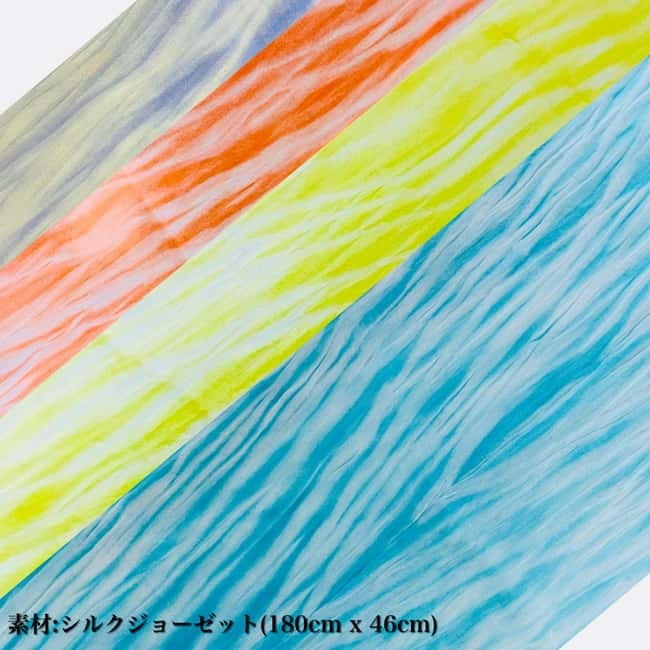
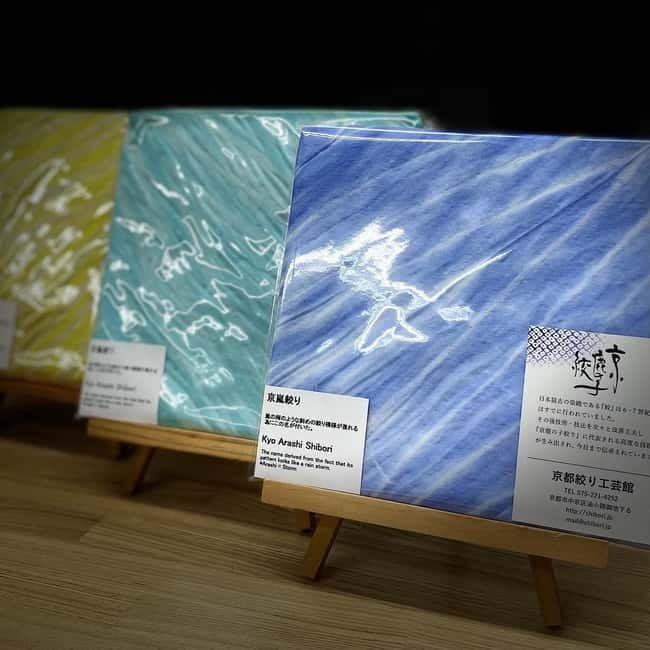
Shibori is a Japanese resist-dyeing art. Parts of the fabric are protected from the dye, creating a pattern when the material is opened and finished. At this museum, the featured class uses a tube and string to form the design.
That method matters because it produces more than a random splash of color. The wrapped and tied sections guide the pattern, giving your scarf a planned, graphic look. The result is intended to be stylish, not merely a practice square that goes into a drawer.
You will receive instructions from an English- or Japanese-speaking instructor. Hero, one of the teachers associated with the class, has been praised for clear guidance and an informative approach. The staff also help make the process easy for first-time participants, which is useful because shibori can look simple until you are trying to control fabric, string, and dye at the same time.
The supplied information does not specify every step or the exact scarf material, so you should think of this as a guided introduction rather than a technical master class. You will learn the basic idea and make a finished piece, but the brief format cannot cover every shibori style or regional variation.
More workshops and classes in Kyoto Prefecture:
- Kyoto: 45-Minute Tea Ceremony Lesson Experience
★ 4.3 · 2,378 reviews - Kyoto : Chopsticks Making Workshop in Gion with Engraving Option
★ 5.0 · 958 reviews - Kyoto: Samurai Sword Class by Experts in Traditional Arts
★ 4.9 · 657 reviews
A One-Hour Visit Near Nijo Castle

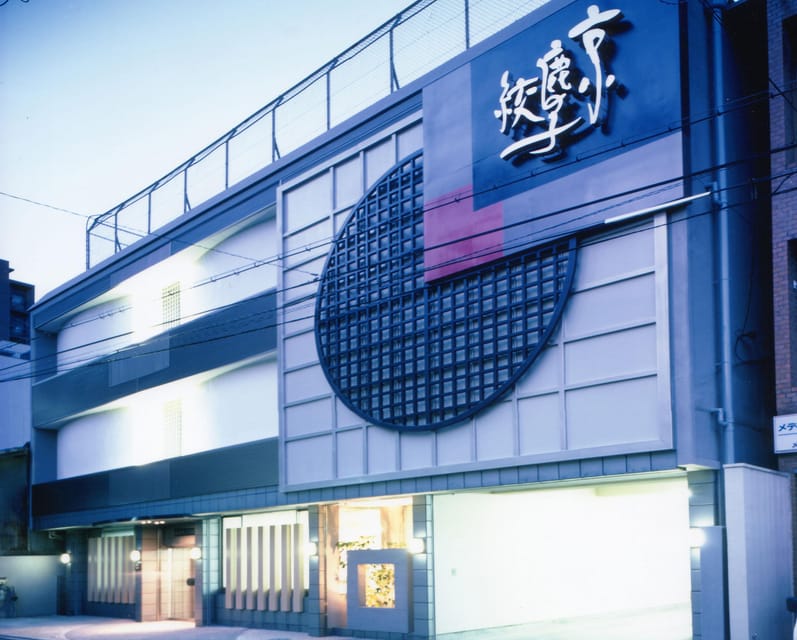
The Kyoto Shibori Museum is about a five-minute walk from Nijo Castle. That location makes the class easy to pair with sightseeing in central Kyoto. You can visit the castle before or after the workshop, though you should allow enough time for the class start time and the museum visit.
The museum opened in 2001 and focuses on shibori works, tools, and examples. It is not simply a room where you pick up a craft kit. The displays help show how much control and patience sit behind the finished fabric.
The class itself takes 30 to 60 minutes within the stated one-hour activity. The exact rhythm depends on the starting time and the pace of the group. Since the group is capped at eight people, you are not dealing with a large demonstration where it is hard to see or ask for help.
I would plan on arriving ready to begin. A short workshop works best when you treat it as a focused appointment, not something to squeeze in between two distant parts of the city. The five-minute walk from Nijo Castle is convenient, but Kyoto sightseeing often takes longer than expected.
What You See While the Scarf Dries
The drying period is part of the design of the visit. Instead of sitting around with nothing to do, you can go upstairs and look through the museum displays while your scarf dries.
You may see finished shibori pieces, sample patterns, and tools used in the process. This is where the class gains context. After tying and shaping fabric yourself, you look at the finished works with a better sense of the labor involved.
The museum presents shibori from several angles. The tools show the practical side of the craft, while the finished art pieces show what skilled makers can do with similar principles. Seeing both is useful for beginners because it connects the simple workshop exercise with the larger tradition.
A video about shibori is also part of the museum visit. It gives you another way to understand the art beyond the hands-on task. If your scarf is still drying, the video and displays fill the gap without adding another scheduled stop.
The museum is not huge based on the one-hour format, so do not expect a full-day institution. Its strength is concentration. You get a short explanation, a practical activity, and a collection that gives the craft some meaning.
Why the Finished Scarf Makes a Good Souvenir

Kyoto is full of souvenirs, but a scarf you make yourself has a different value. It is useful, light to pack, and tied to something you did in the city rather than something you picked up at the last minute.
The tube-and-string method is chosen because it can create a highly designed pattern. Your result will still reflect the process and your own handling of the material, so it should not look exactly like a display piece. That is part of the appeal. You take home a wearable reminder of learning the technique.
The class also gives you a practical introduction without asking you to buy a large amount of equipment or commit to a long course. For many people, that is the right level. You can try a traditional textile art, produce something finished, and then decide if you want to learn more.
There is one sensible caution: handmade results vary. The description promises a stylish scarf, but no short craft class can guarantee that your pattern will match the sample on display. Go in expecting a personal piece, not factory-perfect symmetry.
More museums in Kyoto Prefecture:
- Kyoto 1 Day Suntory Yamazaki Distillery Tour and Asahi Art Museum
★ 5.0 · 13 reviews - Kyoto Half Day Yamazaki Whisky Museum and Asahi Art Museum
★ 5.0 · 11 reviews - Shibori Fukusa Course at Kyoto Shibori Museum
★ 5.0 · 3 reviews - Kyoto: Tea Museum Tickets and Matcha Grinding Experience
★ 4.9 · 739 reviews
The Museum Shop and Its Original Fabrics
After the class, allow time for the shop. It carries original items, fabrics, scarves, and other accessories. You can compare your own new piece with more refined examples and see the range of colors and patterns available from experienced makers.
The shop is useful even if you do not plan to buy anything. It gives you a clearer idea of how shibori works as a finished textile rather than only as a class activity. You can also find a more polished gift if your own scarf is destined for your personal suitcase.
Prices for shop items are not provided, so I would not treat shopping as part of the $49 value calculation. The confirmed value comes from the class and the included museum admission. Anything you purchase afterward is an extra choice.
Is $49 a Fair Price?
At $49 per person, this is not the cheapest craft activity in Kyoto. But the ticket includes a guided workshop, your own scarf, access to the museum, and an English or Japanese instructor. The regular museum admission alone is 1,000 yen, so the class adds a hands-on element to a museum visit you might otherwise book separately.
The value is strongest if you want three things in one stop: a short cultural lesson, a finished souvenir, and a small museum collection. It is less compelling if you only want to see shibori or only want to shop for textiles. In those cases, the workshop portion may feel like an unnecessary cost.
The one-hour length also affects the calculation. You are paying for a compact activity, not a half-day course. That makes it easy to fit into a busy Kyoto schedule, but it limits how far the instruction can go.
I see the price as reasonable for a visitor who values making something. The scarf gives the class a clear result, and the museum visit prevents the activity from feeling like a stand-alone craft table.
Who Will Enjoy This Class Most?
I would recommend it to couples, friends, and small groups who want a shared activity that does not require a full day. The format works well for people who enjoy making things but do not consider themselves artists. Clear guidance and a small group reduce the pressure.
It also suits families and older children if they can follow the class instructions, though the supplied details do not give a minimum age. For that reason, check the current booking information before planning it around young children.
This is a good choice for anyone interested in Japanese textiles, design, or traditional crafts. It also works for a first Kyoto visit because the museum is near Nijo Castle and gives you a cultural stop that is different from temples and gardens.
You may want to skip it if you dislike making crafts, have no interest in textile art, or need every minute of your schedule for major sights. The class is short, but it still requires a fixed start time and attention during the workshop.
Practical Timing and Booking Advice
The activity is listed as lasting one hour, with starting times depending on availability. Reserve a time that leaves breathing room before your next appointment. A five-minute walk from Nijo Castle sounds easy, but you should still allow for finding the museum and getting settled.
The group size is limited to eight participants. That is a useful detail if you prefer direct help rather than a crowded demonstration. It also makes the class suitable for a couple or a small group of friends, with enough space for individual instruction.
The class is offered in English and Japanese. If you need instruction in English, select the appropriate available option when booking and confirm the language for your chosen time.
You can cancel up to 24 hours in advance for a full refund. The reserve-now, pay-later option also lets you hold a place without paying immediately, which can help while your Kyoto schedule is still changing.
My Take on the Museum Experience
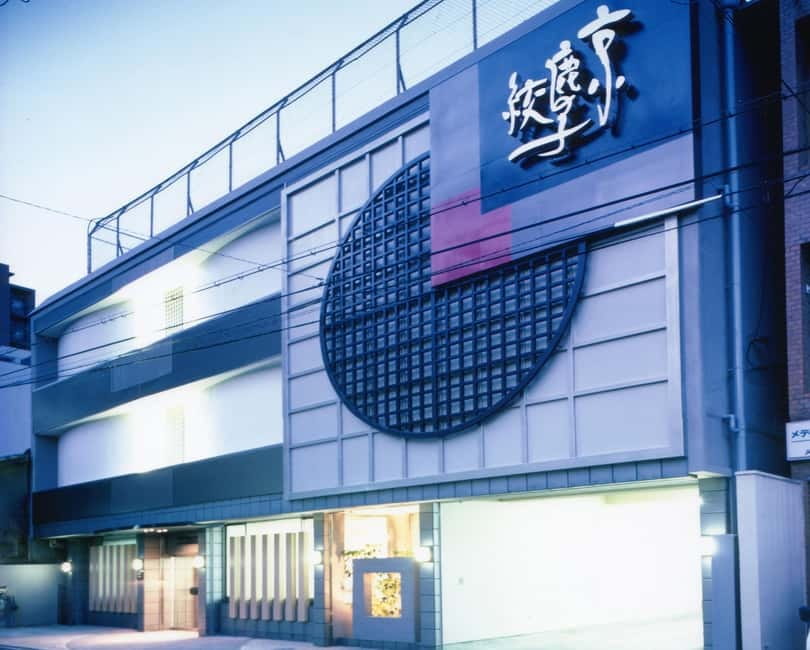
The best feature is the way the workshop and museum support each other. You make a scarf first, then look at art pieces and tools with fresh eyes. The displays are not just decoration around a craft lesson, and the class is not disconnected from the museum’s purpose.
I also appreciate the balance between guidance and personal result. You are taught a specific method, but the finished pattern still becomes your own small piece of Kyoto. That is more memorable than watching a demonstration and leaving empty-handed.
The limits are clear. One hour will not make you an expert, and the museum visit is compact. The scarf may need drying time, so the schedule is not entirely active from start to finish. Still, the drying period has a useful purpose and gives you time to see the upstairs collection.
Should You Book the Kyo-arashi Shibori Scarf Class?
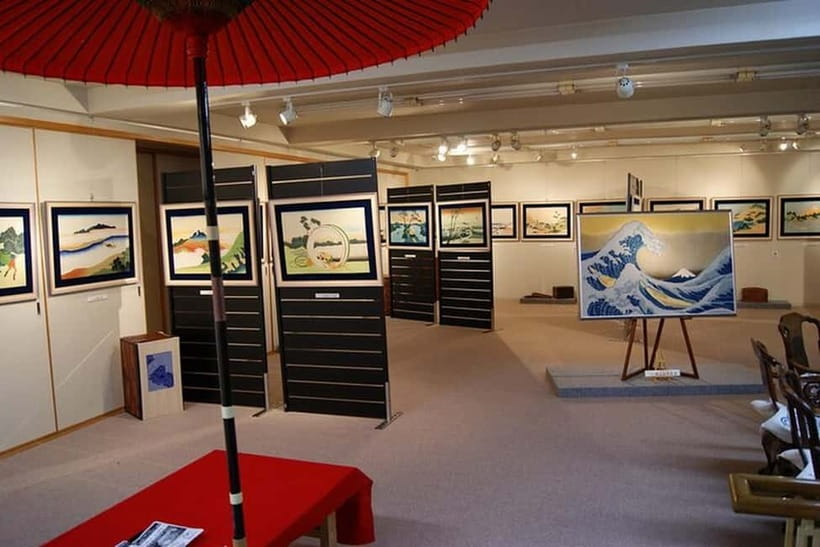
Book it if you want a short, hands-on Kyoto experience near Nijo Castle and like the idea of taking home something you made. The included museum admission, small group, bilingual instruction, and shop add practical value to the $49 price.
I would especially choose it for a couple or group of friends looking for a relaxed shared activity. If you are searching for an advanced textile course, a long museum visit, or a low-cost sightseeing stop, this will probably feel too brief or too specialized.
For most people interested in Japanese craft, the combination is well judged: learn the tube-and-string technique, make a scarf, see the tools and finished works, and browse the fabrics while the piece dries. Just keep your expectations realistic. You are getting a thoughtful introduction and a personal souvenir, not a full apprenticeship.
FAQ
Where is the Kyoto Shibori Museum?
The museum is in Kyoto on Honshu, Japan, about a five-minute walk from Nijo Castle.
How long does the scarf class last?
The activity lasts one hour. The scarf-making portion takes about 30 to 60 minutes.
How much does the Kyo-arashi Shibori Scarf Class cost?
The price is $49 per person.
What technique will I learn?
You will learn the Kyoto Shibori Museum’s original style, which uses a tube and string to resist dye and create patterned fabric.
Is museum admission included?
Yes. Workshop participants receive free admission to the Kyoto Shibori Museum. Regular admission is normally 1,000 yen.
What languages are available?
Instruction is available in English and Japanese.
How many people are in each group?
The activity is limited to eight participants.
Can I cancel for a full refund?
Yes. You can cancel up to 24 hours in advance for a full refund.
Do I have to pay when I reserve?
No. The reserve-now, pay-later option lets you book a place without paying immediately.
Recently added around Kyoto Prefecture
- 7hr Private Wazuka True Hidden Kyoto Matcha Farm Experience★ 5.0 · 3 reviews
- Shibori Fukusa Course at Kyoto Shibori Museum★ 5.0 · 3 reviews
- Kyoto Satoyama Cycling with Lunch and English guide★ 5.0 · 4 reviews
- Arashiyama Walking Tour with Optional Sagano Romantic Train Ride★ 5.0 · 6 reviews
- Amanohashidate Sand bar & culture e-bike tour★ 5.0 · 7 reviews
- kyoto:Experience creating one-of-a-kind special fragrances★ 4.8 · 8 reviews
- Kyoto’s ONLY COUNTRYSIDE E-Bike Tour with a Japanese Local!★ 5.0 · 9 reviews
- Kyoto Half Day Yamazaki Whisky Museum and Asahi Art Museum★ 5.0 · 11 reviews
Museums, compared.
Tea Museum Tickets and Matcha Grinding Experience
Read our review →
Skip the lines Basic Ticket at SAMURAI NINJA MUSEUM KYOTO
Read our review →
Geiko Maiko Dance of Kyoto & Visits of Gion Museum
Read our review →
Kyoto Sword Experience – includes Museum Ticket/Ninja Experience
Read our review →
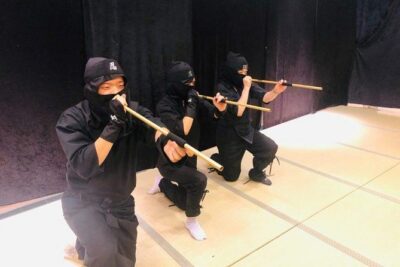
Ninja Experience (Family Friendly) at Samurai Ninja Museum KYOTO
Read our review →
Kyomai Dance by Maiko Geiko and Visits of Gion Art Museum Kyoto
Read our review →