
REVIEW · MUSEUMS
Shibori Fukusa Course at Kyoto Shibori Museum
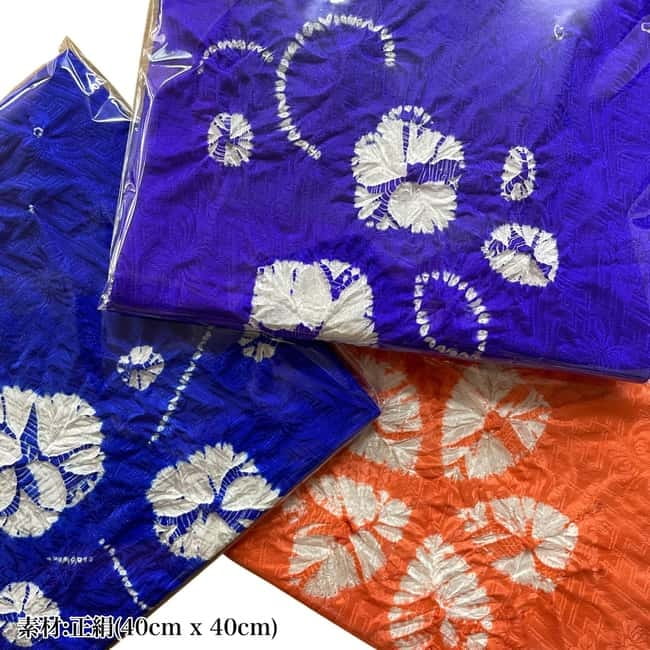
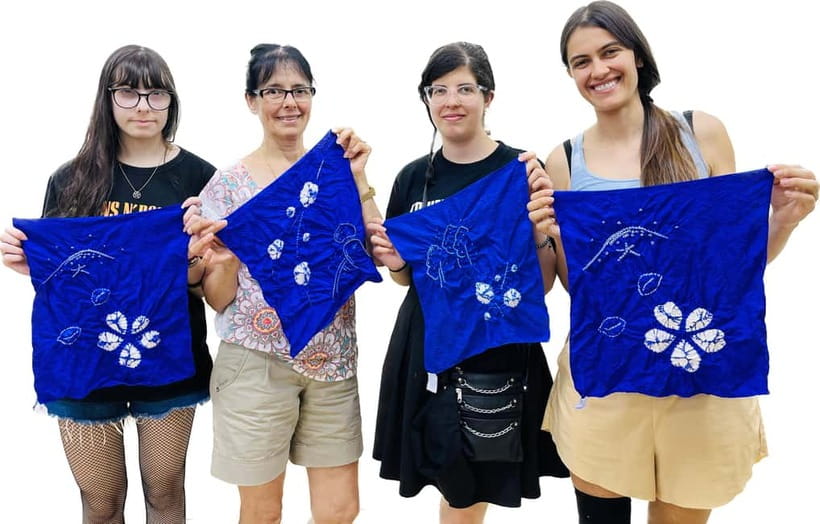
The best part of this Kyoto activity is that you do not just look at shibori, you make a silk scarf using two traditional techniques. Kasamaki winding and Nuishime sewing create the resist patterns that guide the dye, so your finished piece carries the marks of your own hands.
I like the compact format and the setting. The workshop lasts about an hour, and the museum is only a five-minute walk from Nijo Castle. I also like that you can study shibori works, tools, and samples while your scarf dries. The main drawback is the short class time: this is an introduction, not a full textile course.
In This Review
- Key points to know before booking
- Making a Silk Scarf in One Hour
- Why Kasamaki and Nuishime Matter
- The Shibori Stand and the Hands-On Work
- Exploring the Museum While Your Piece Dries
- A Convenient Stop Near Nijo Castle
- Browsing the Shop After the Workshop
- Is $70 a Fair Price?
- Who Will Enjoy This Class Most?
- Booking Details That Matter
- Should You Book the Kyoto Shibori Museum Workshop?
- FAQ
- How long does the Shibori Fukusa Course last?
- How much does the course cost?
- What will I make during the class?
- Which shibori techniques will I learn?
- What equipment will I use?
- Is museum admission included?
- Where is the Kyoto Shibori Museum?
- Is the class taught in English?
- How many people can join the group?
Key points to know before booking
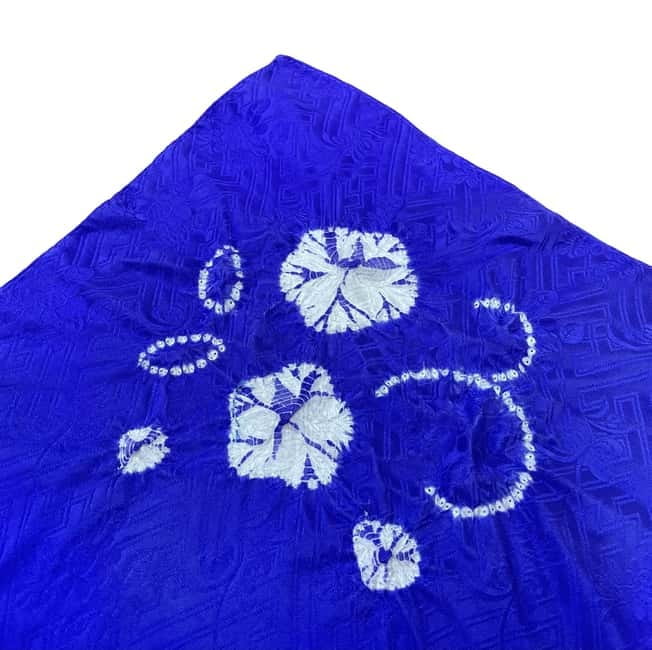
- Make a silk scarf: You work with silk fabric that already has a beautiful background pattern.
- Use two traditional methods: Kasamaki involves winding, while Nuishime uses sewing to control the dye.
- Work at a shibori stand: The stand gives you a proper setup for shaping the fabric.
- Visit the museum at no extra charge: Workshop participants receive admission normally priced at 1,000 yen.
- Keep the group small: No more than eight people take part, with instruction in English or Japanese.
- Allow time for the museum shop: Original shibori items, fabrics, and souvenirs are available to browse.
Making a Silk Scarf in One Hour
This experience begins with a piece of silk fabric prepared with a background pattern. You then add the shaping that will affect how the dye reaches the cloth. The class focuses on Kasamaki shibori, a winding technique, and Nuishime shibori, a sewing technique.
You use a shibori stand while working. That matters because these methods depend on careful handling of the fabric. The stand gives you a fixed place to wind and sew rather than trying to manage everything loosely in your lap or on a table.
The class is described as lasting from 30 to 60 minutes, with a total activity duration of one hour. I would plan on the full hour. The shorter estimate likely reflects the hands-on portion, while the complete visit also allows time for the dyeing process and museum viewing.
Do not expect a long lecture on textile theory before you touch the fabric. This is a practical introduction. You learn by following the process, making decisions about the cloth, and seeing how resist techniques shape the final design.
More museums in Kyoto Prefecture:
- Kyoto 1 Day Suntory Yamazaki Distillery Tour and Asahi Art Museum
★ 5.0 · 13 reviews - Kyoto Half Day Yamazaki Whisky Museum and Asahi Art Museum
★ 5.0 · 11 reviews - Kyo-arashi Shibori Scarf Class at Kyoto Shibori Museum
★ 5.0 · 6 reviews
Why Kasamaki and Nuishime Matter
Shibori is a family of Japanese fabric-resist methods. Instead of applying a simple painted design, you alter the cloth before dyeing it. Folded, wound, stitched, or compressed areas resist the dye and create patterns.
Kasamaki uses winding. As you wrap sections of fabric, the covered or tightly bound areas take the dye differently from the exposed silk. Nuishime uses sewing to gather or control parts of the material. The thread and gathered cloth create another kind of barrier.
Using both methods gives you a better sense of how varied shibori can be. You are not just following a decorative craft project. You are seeing how pressure, thread, and fabric shape influence color.
The silk already has a background pattern, which gives the finished scarf more visual interest than a plain piece of cloth. Your work adds another layer. Because the final result depends on how you wind and sew, two people working with the same materials can produce different scarves.
That personal variation is one reason I would choose this class over a simple souvenir purchase. You leave with an item, but also with a clear idea of how its pattern was made.
The Shibori Stand and the Hands-On Work
The shibori stand is a useful detail, not a prop for photographs. It supports the winding and sewing process and gives you a more traditional working arrangement.
You will need to pay attention as you handle the silk. The techniques sound simple, but the position of the fabric affects the dye pattern. If you rush the winding or sewing, the result may be less controlled. The instructor is there to guide the process in English or Japanese, and the group is limited to eight participants.
That small size should make the class easier to follow than a large craft demonstration. You have a better chance of seeing the instructor’s technique and getting help with your own piece. Still, the available information does not name the individual instructors, so you should not book expecting a particular teacher.
The class has received a perfect 5 out of 5 rating, and the most useful description of the teaching is that it feels lively, kind, and passionate about the tradition. That fits the activity: it is short, social, and focused on making rather than sitting quietly through a presentation.
Exploring the Museum While Your Piece Dries
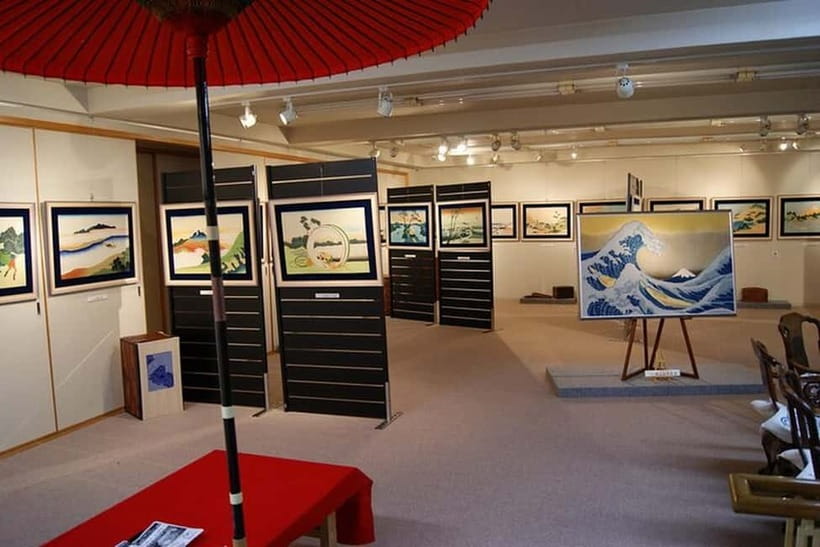
The museum visit adds real value to the workshop. As your scarf dries, you can look at finished shibori works, examples, and tools used in the process.
The Kyoto Shibori Museum opened in 2001 and is dedicated to explaining and sharing shibori. Its displays present the craft from several angles. You can see completed pieces alongside the tools and methods that help explain how they were made.
This timing works well. A one-hour class could otherwise feel rushed, especially if the fabric needs time before you can handle it again. The museum gives you something worthwhile to do during that pause.
I would pay attention to the difference between your small project and the museum’s more accomplished pieces. That contrast helps you understand the skill involved in larger and more detailed shibori work. You will also see why the craft is treated as more than a casual dyeing activity.
Admission to the museum normally costs 1,000 yen, but it is included for workshop participants. That makes the visit more than a quick add-on. If you are already interested in Japanese textiles, the included entry adds useful context without requiring another ticket.
A completely different side of Kyoto Prefecture:
- Kyoto: Zen Meditation and Garden Tour at a Temple with Lunch
★ 4.9 · 86 reviews - Kyoto: Hike and Hot Springs in Kurama
★ 5.0 · 49 reviews - Kyoto Satoyama Cycling with Lunch and English Guide
★ 5.0 · 19 reviews - Kyoto’s ONLY COUNTRYSIDE E-Bike Tour with a Japanese Local!
★ 5.0 · 9 reviews
A Convenient Stop Near Nijo Castle
The museum is a five-minute walk from Nijo Castle, making this easy to fit into a day in central Kyoto. You can pair the workshop with a castle visit, or use the class as a quieter change of pace after sightseeing.
The short walk is especially helpful because the activity itself takes only an hour. It does not require a full day or a long transfer to a separate craft village. You can plan around it without giving up major Kyoto sights.
The location also affects how you should think about timing. Since the class has specific starting times, check availability before building the rest of your day. A workshop may fit neatly before or after Nijo Castle, but you will want to leave enough room for the class, museum viewing, and the shop.
The provided information does not give exact meeting instructions beyond the museum location, so check the confirmed booking details carefully. The five-minute distance from Nijo Castle is clear, but you should still allow time to arrive before the starting time.
Browsing the Shop After the Workshop
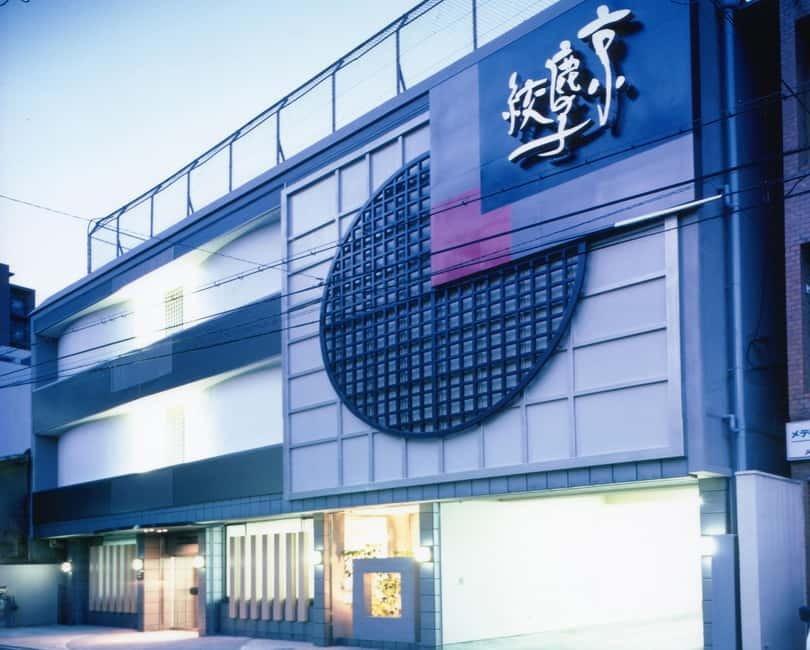
The museum shop carries original items, souvenirs, and fabrics. This is useful if your scarf turns out to be a favorite part of the visit and you want to compare it with professionally made pieces.
The shop also gives you a chance to look at shibori as something used in daily life, not just displayed behind glass. You may find fabrics or objects that show more complex patterns than you can produce in a one-hour introduction.
I would save a few minutes for this stop, but I would not treat shopping as the main reason to book. The core value is the hands-on class and the museum entry. The shop is a pleasant extra for anyone who wants a textile souvenir or wants to continue looking at the craft after the activity.
Because the information does not list exact products or prices, you should not arrive with a particular item in mind. Think of it as a place to browse original work and fabrics rather than a guaranteed source for a specific souvenir.
Is $70 a Fair Price?
At $70 per person, this is not a budget museum visit. You are paying for a guided craft session, silk fabric, access to the materials and working setup, instruction in English or Japanese, and museum admission.
The price makes the most sense if you value an activity you can take home. A standard museum visit costs 1,000 yen, and workshop participants receive that admission without paying it separately. The remaining cost covers the making experience and the scarf itself.
For a one-hour activity, the price is on the higher side compared with simply visiting a museum. The difference is that you are not only consuming information. You are producing a personal textile and learning the basic logic behind two shibori methods.
I would recommend it more readily to visitors who enjoy crafts, Japanese design, or hands-on cultural activities. If you are mainly looking for a low-cost sightseeing stop, the price may feel high for the time involved.
The small group limit of eight improves the value. A class this size should feel more personal than a crowded demonstration, even though the short duration limits how much technique you can cover.
Who Will Enjoy This Class Most?
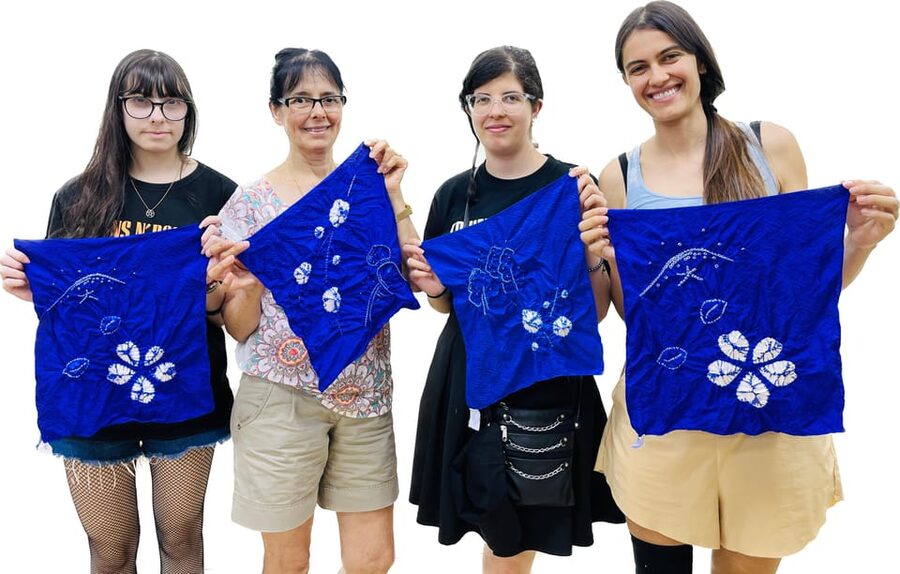
This activity suits adults and older children who can focus on careful winding and sewing for a short period. It also works well for couples, friends, and solo visitors who want a creative break from temples and museums.
I would choose it if you want a souvenir with a story behind it. A purchased fabric may be beautiful, but making your own scarf helps you remember the pattern, the tools, and the steps that shaped it.
It is also a good choice for visitors who have limited time in Kyoto. The museum is close to Nijo Castle, the group is small, and the full activity lasts one hour.
You should think twice if you dislike precise handwork or want a long, advanced workshop. The class introduces two techniques, but the available time does not support an in-depth study of shibori. It is best viewed as a focused first lesson.
Booking Details That Matter
The activity is offered in English and Japanese. The group is limited to eight participants, which is an important advantage for a craft that involves close instruction.
You can reserve your place and pay later, keeping your plans flexible. Free cancellation is available up to 24 hours before the activity for a full refund. Starting times vary, so check availability for the date you want.
The provider is Kyoto Shibori Museum. Since no individual guide names are supplied, book the class for the craft and museum rather than for a particular instructor.
Should You Book the Kyoto Shibori Museum Workshop?
Book this if you want to do more than look at Japanese craft behind glass. The combination of a silk scarf, two traditional techniques, a shibori stand, museum admission, and a small group gives the hour a clear purpose.
I would be less enthusiastic if your main goal is saving money or spending a full afternoon on textile work. At $70, the activity depends on you valuing the finished scarf and the chance to learn by doing.
For a short Kyoto itinerary, the five-minute walk from Nijo Castle makes this an especially practical choice. You get a hands-on cultural experience, a museum visit, and time in the shop without committing an entire day. For many visitors, that is the right balance.
FAQ
How long does the Shibori Fukusa Course last?
The activity duration is one hour. The hands-on scarf class itself may take between 30 and 60 minutes.
How much does the course cost?
The price is $70 per person.
What will I make during the class?
You will make your own silk shibori scarf using a fabric with a beautiful background pattern.
Which shibori techniques will I learn?
The class uses Kasamaki shibori, a winding technique, and Nuishime shibori, a sewing technique.
What equipment will I use?
You will use a shibori stand while carrying out the winding and sewing techniques.
Is museum admission included?
Yes. Workshop participants receive free admission to the Kyoto Shibori Museum. Regular admission is normally 1,000 yen.
Where is the Kyoto Shibori Museum?
The museum is in Kyoto on Honshu, Japan, about a five-minute walk from Nijo Castle.
Is the class taught in English?
Yes. Instruction is available in English and Japanese.
How many people can join the group?
The group is limited to eight participants.
Recently added around Kyoto Prefecture
- 7hr Private Wazuka True Hidden Kyoto Matcha Farm Experience★ 5.0 · 3 reviews
- Kyoto Satoyama Cycling with Lunch and English guide★ 5.0 · 4 reviews
- Kyo-arashi Shibori Scarf Class at Kyoto Shibori Museum★ 5.0 · 6 reviews
- Arashiyama Walking Tour with Optional Sagano Romantic Train Ride★ 5.0 · 6 reviews
- Amanohashidate Sand bar & culture e-bike tour★ 5.0 · 7 reviews
- kyoto:Experience creating one-of-a-kind special fragrances★ 4.8 · 8 reviews
- Kyoto’s ONLY COUNTRYSIDE E-Bike Tour with a Japanese Local!★ 5.0 · 9 reviews
- Kyoto Half Day Yamazaki Whisky Museum and Asahi Art Museum★ 5.0 · 11 reviews
Museums, compared.
Tea Museum Tickets and Matcha Grinding Experience
Read our review →
Skip the lines Basic Ticket at SAMURAI NINJA MUSEUM KYOTO
Read our review →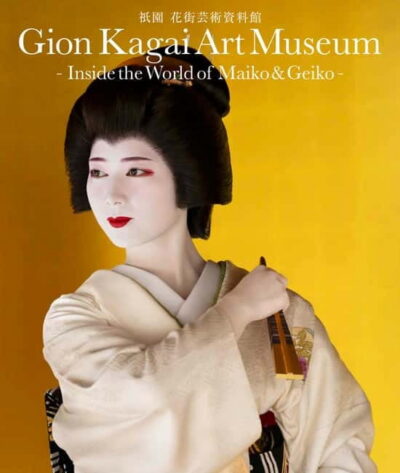
Geiko Maiko Dance of Kyoto & Visits of Gion Museum
Read our review →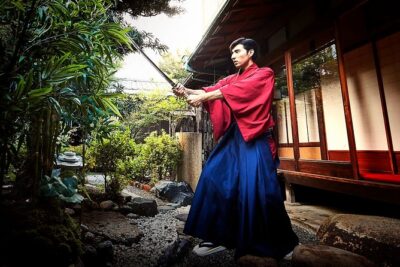
Kyoto Sword Experience – includes Museum Ticket/Ninja Experience
Read our review →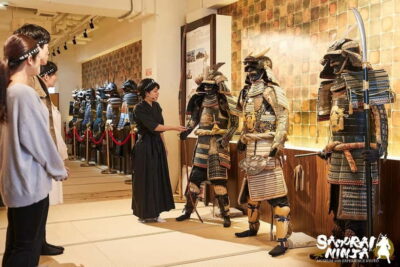
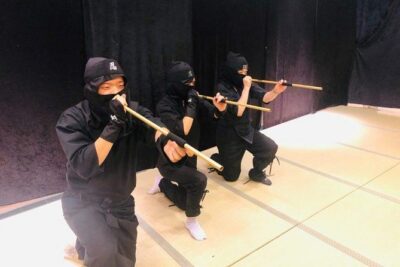
Ninja Experience (Family Friendly) at Samurai Ninja Museum KYOTO
Read our review →
Kyomai Dance by Maiko Geiko and Visits of Gion Art Museum Kyoto
Read our review →
Samurai Sword Experience (Family Friendly)at SAMURAI MUSEUM KYOTO
Read our review →Browse the lists this tour appears in