
REVIEW · FUSHIMI INARI SHRINE TOURS
Kyoto Magic Night Walk: Gion & Fushimi Inari(Private Option)
Kyoto changes after sunset. The crowds thin, the vermilion gates at Fushimi Inari glow softly, and Gion’s old lanes take on a quieter, more mysterious mood. This walking tour links those two sides of the city with an English-speaking local guide, public transportation, and plenty of time on foot.
I like the crowd-free timing and the chance to see Kyoto’s best-known night sights without rushing through them. I also like the practical extras: professional photos, free Wi-Fi, and guides such as Ikke or Ikki who can answer questions about both Japan’s past and present. The main drawback is the walking. This is not a bus tour, and the route is not suitable for wheelchair users, strollers, or baby carriages.
In This Review
- Key points at a glance
- Why Kyoto after dark works so well
- Meeting at the Izumo-no-Okuni statue
- Riding public transportation between Kyoto’s old districts
- Fushimi Inari under the glowing torii gates
- Gion and Higashiyama after the daytime crowds
- What the guide adds to the night
- Photos, Wi-Fi, and the practical extras
- Who will get the most from this walk
- The $43 question
- Should you book the Kyoto Magic Night Walk?
- FAQ
- Where does the Kyoto Magic Night Walk begin?
- Where does the tour end?
- What sights are included?
- Is this a bus tour?
- How much does public transportation cost?
- Is food included?
- Is the tour offered in English?
- Are professional photos included?
- Is the tour suitable for wheelchair users or strollers?
Key points at a glance
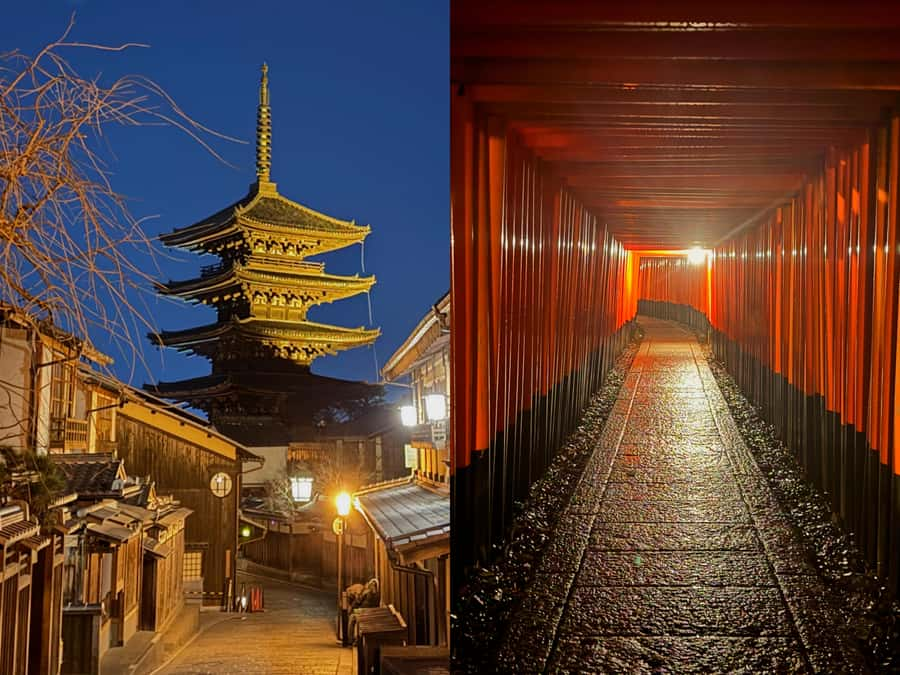
- Fushimi Inari after dark: Walk beneath the shrine’s glowing torii gates when the daytime crowds have eased.
- Gion and Higashiyama on foot: See Kyoto’s old streets in a calmer evening setting.
- Local guides Ikke and Ikki: Expect patient explanations, local viewpoints, and help with questions about Japan.
- Professional photos included: Your guide takes pictures during the walk and sends them afterward.
- Public transportation is part of the plan: Budget about 400 yen for fares in addition to the $43 tour price.
- A real walking tour: Wear comfortable shoes and arrive on time at the Izumo-no-Okuni statue.
Why Kyoto after dark works so well
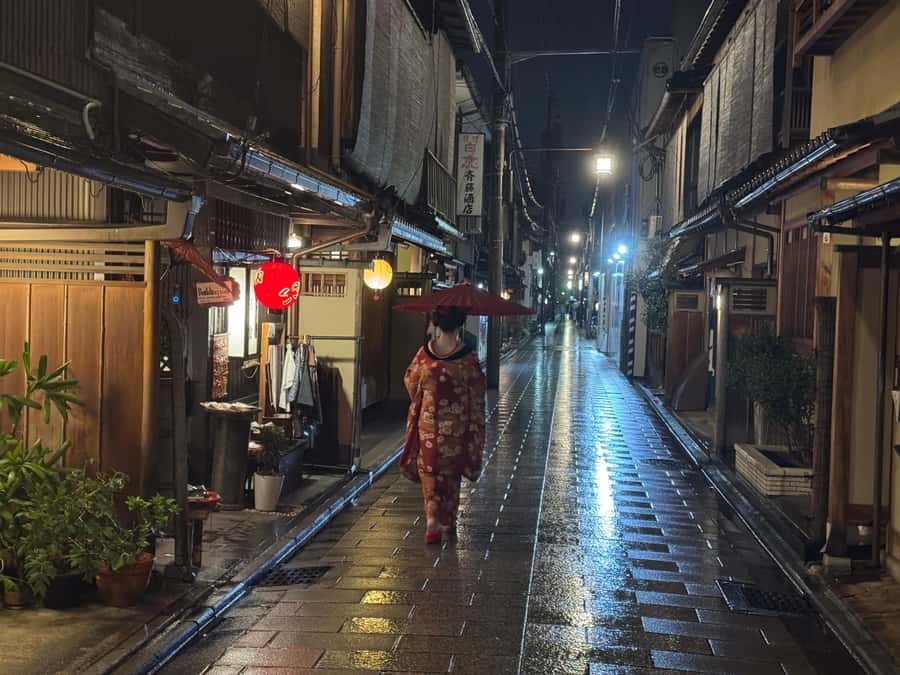
Kyoto can feel crowded during the day, especially around its famous shrines and old-town streets. At night, the mood shifts. You get more space to notice the sound of your footsteps, the warm light on wooden façades, and the small details that are easy to miss when people are shoulder to shoulder.
This tour is built around that change of pace. It does not try to cover Kyoto by bus or pack in a long list of stops. Instead, you walk through two important areas, Fushimi and Gion, while a local guide explains what you are seeing.
I particularly like this format for a first evening in Kyoto. You get an introduction to the city’s religious traditions, old entertainment districts, and street layout without spending the whole night inside a museum. The guide also gives you someone to ask about restaurants, customs, and current events. At the end of one tour, guide Ikke even provided restaurant suggestions and helped hail a taxi, a small but useful touch after a long walk.
The tour costs $43 per person. That is fair if you value a personal guide, local explanations, photos, and help getting oriented. It is less attractive if you only want to see the gates and streets on your own. Fushimi Inari is free to visit, and Gion is open to independent walkers, so the fee mainly pays for interpretation, company, photography, and the convenience of having someone connect the two areas.
More ways to walk Fushimi Inari:
- Kyoto: Fushimi Inari, Kinkakuji, Bamboo Grove 1 Day Bus Tour
★ 4.8 · 4,316 reviews - Fushimi Inari Hidden Hiking Tour (Private Option Available)
★ 5.0 · 1,750 reviews - Kyoto/Osaka: Nara, Fushimi Inari Taisha, Arashiyama Bus Tour
★ 4.7 · 1,275 reviews
Meeting at the Izumo-no-Okuni statue
The tour begins at Kyoto’s Statue of Izumo-no-Okuni, a well-known meeting point in the city. Your guide waits in front of the statue with a board showing the OTAKU hopper logo.
This detail matters. Kyoto has plenty of busy streets and train stations, so a clear landmark makes the first meeting easier. After booking, you receive more precise meeting information with images. If you do not select a meeting point during booking, this statue becomes the default.
Arrive early. If you are late, you cannot join the tour and you will not receive a refund. That rule is especially important here because the group uses public transportation and walks between sites. A late start could affect everyone else, not just you.
The tour ends back at the same meeting point. That gives you a known place to finish, though you should still plan your route home before setting out. The guide may help with practical advice, as Ikke did for one group, but your transportation after the tour is your own responsibility.
Riding public transportation between Kyoto’s old districts
You pay your own public transportation fares, which cost about 400 yen. Food, drinks, and personal expenses are also separate.
The use of public transportation is part of the experience, not a minor footnote. You are moving through Kyoto as people who live there do, rather than sitting in a private vehicle and watching the city pass by. It also means you need to be ready for station access, transfers, and walking at both ends.
The route includes a moderate amount of walking, so comfortable shoes are essential. I would avoid stiff new footwear and leave bulky items behind when possible. This is a poor match for anyone who needs a wheelchair, stroller, or baby carriage, since those are specifically not allowed.
The tour description does not give a fixed duration, so you should check the current booking details before paying. That missing detail makes it harder to plan dinner or another evening activity immediately afterward. Give yourself some breathing room rather than scheduling something tightly after the tour.
Fushimi Inari under the glowing torii gates
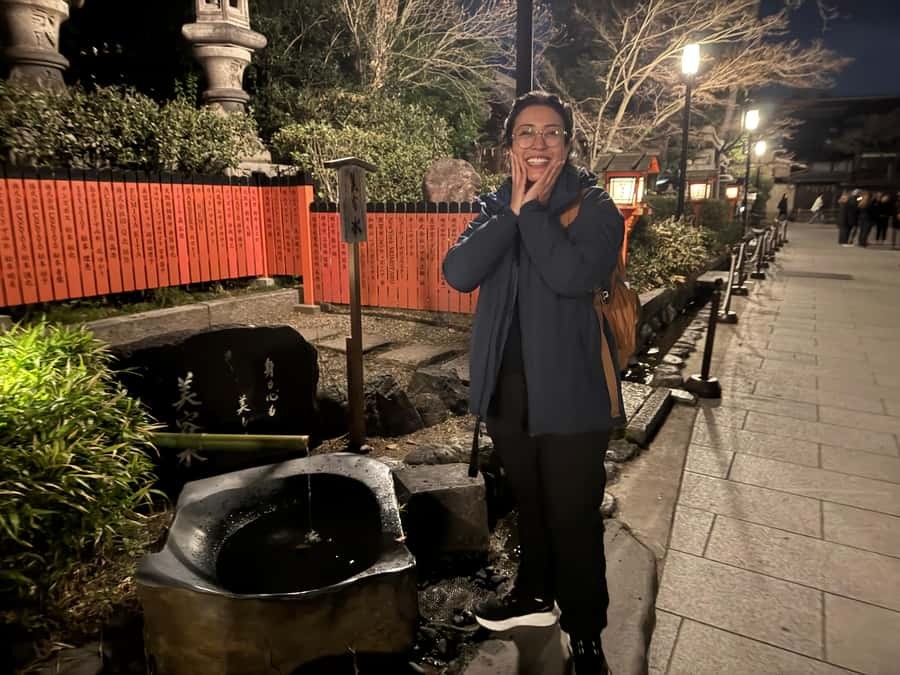
Fushimi Inari is the visual centerpiece of the evening. The shrine is famous for its long rows of vermilion torii gates, which create a tunnel-like path up the wooded slopes behind the main shrine buildings.
At night, those gates take on a different character. The lighting brings out their color while the quieter setting lets you focus on the repeated forms and the spiritual meaning of the site. Your guide explains the shrine’s background and the stories connected with it, helping you see more than a photogenic row of gates.
Do not expect a quick photo stop with no walking. Fushimi Inari is spread across a hillside, and the route involves footpaths and steps. The tour description promises a moderate amount of walking rather than a strenuous mountain hike, but the exact distance and stopping point are not stated. If you have knee problems or limited stamina, ask for current route details before booking.
The evening setting can also help with photography. The darker surroundings and illuminated gates create strong pictures, and the guide takes professional photos during the tour. This is useful if you are traveling as a couple or family and do not want every picture to be a selfie. You receive the photos after the tour, giving you a record of the night beyond the images you take yourself.
Fushimi Inari is an active religious site, not just a backdrop. Keep your voice low near worship areas and follow your guide’s lead on where to pause. A good tour should give you time to appreciate the setting without treating the shrine as a stage set.
More evenings in Gion:
- Kyoto Geisha Walking Tour: Gion District & Hidden Gems
★ 4.7 · 3,273 reviews - Kyoto: Gion Magical Night Walking Tour with Geisha Trivia
★ 4.9 · 2,393 reviews - Kyoto: Gion Geisha District Walking Tour – Stories of Geisha
★ 4.7 · 2,187 reviews - Best of Kyoto: Gion, Geisha, Pagodas & Cobblestones
★ 4.9 · 2,058 reviews
Gion and Higashiyama after the daytime crowds
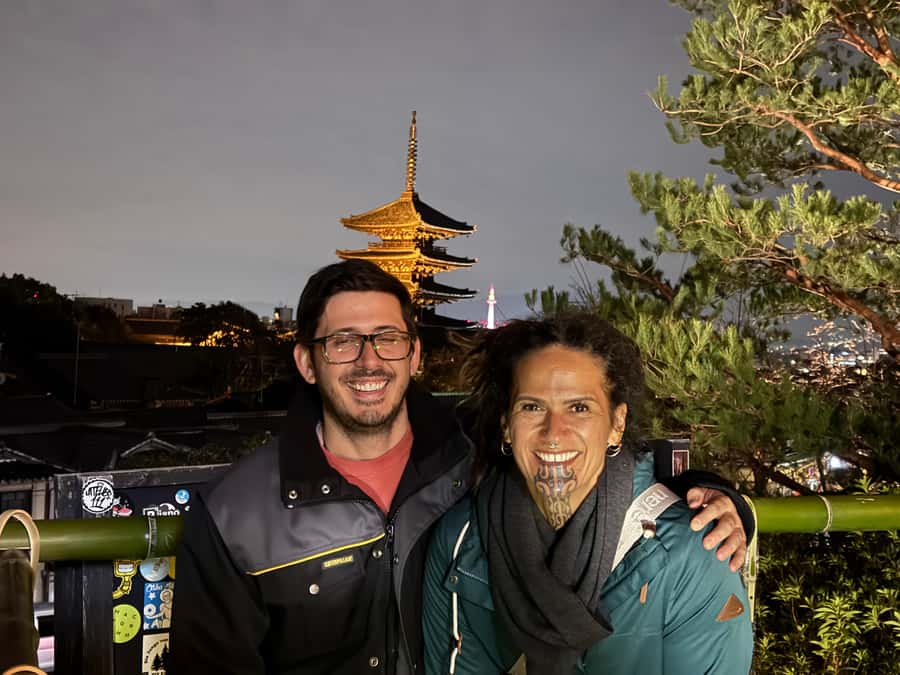
The second major part of the evening takes you through Gion and Higashiyama, among Kyoto’s oldest and most recognizable neighborhoods. Here, the pleasure comes from strolling rather than checking off one single monument.
Gion is associated with traditional teahouses, wooden buildings, and geisha culture. Higashiyama adds sloping streets, temple approaches, and old commercial lanes. After dark, the reduced traffic can make these areas feel more intimate, though some businesses may be closed and the streets can be dim.
The tour offers a chance to learn about Kyoto’s social history and local customs from someone who knows the city firsthand. You might even see a Maiko or Geisha, but that is only a possibility, not a promised part of the evening. Be respectful if you encounter one. Do not block a doorway, chase anyone for a picture, or assume a private person wants to be photographed.
This is where a guide can add real value. An independent walk gives you attractive streets, but it may not explain why certain lanes matter or how Gion’s traditional culture fits into modern Kyoto. Guides Ikke and Ikki received especially strong praise for patience, kindness, and clear explanations. One guide also answered questions about current events, which can turn a standard sightseeing walk into a broader conversation about Japan today.
What the guide adds to the night
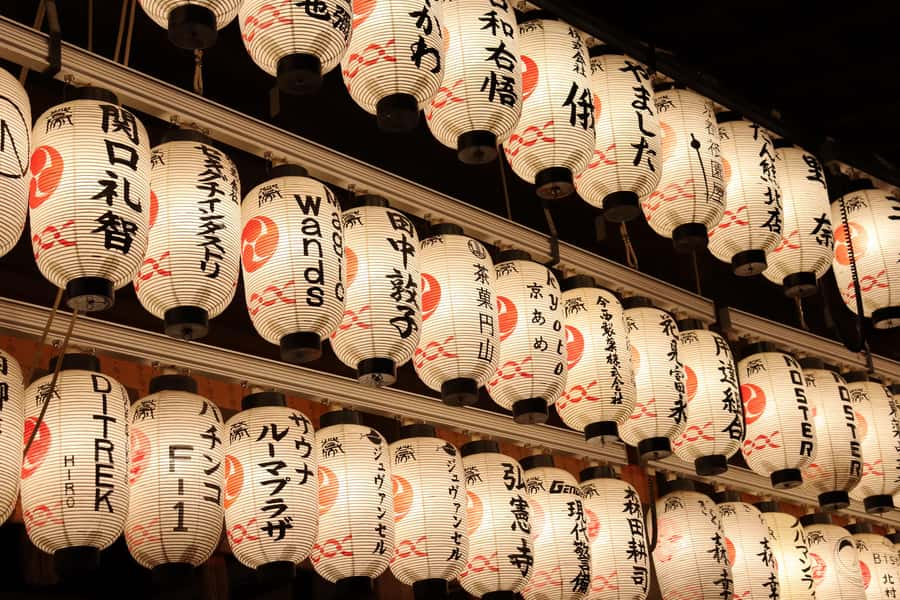
The guide is the main reason to book this experience instead of following a self-guided route. You get an English-speaking local who can explain the history and lesser-known stories of the places you pass.
The available feedback highlights guides named Ikke and Ikki. The names may reflect different spellings, so check your confirmation for the person assigned to your date. The important point is the style of guiding described: patient, friendly, and willing to answer questions rather than recite a fixed speech.
I value that flexibility. You can ask about shrine customs, Japanese history, modern life, restaurants, or the best viewpoints for photographs. The guide’s local connection may also help you notice details that a map cannot provide.
Still, a guide’s personality affects any small-group or private tour. The experience will depend on who leads your walk and how actively you participate. Bring questions. If you simply follow silently, you will get less from the $43 fee.
The private option may appeal to couples, families, or friends who want a more personal pace. The description also refers to a private or small-group format, so confirm the exact group arrangement before booking if privacy is important to you.
Photos, Wi-Fi, and the practical extras
Free Wi-Fi is included, which can be handy while using public transportation or keeping in touch with your hotel. It is a useful extra, though not the central reason to choose the tour.
The professional photos are more significant. Night walks are difficult to photograph well, and travelers often end up with dark, blurry images or pictures where one person is missing. Having the guide take photos gives you a better chance of remembering both the sites and the people you shared them with.
The photos are sent after the tour. The precise delivery method and timing are not provided, so ask if you need them quickly. Your guide may also offer restaurant recommendations. That can be especially useful after visiting Gion, where knowing which places welcome visitors and which require advance arrangements is not always obvious.
Food and drinks are not included. Plan accordingly, particularly if you prefer to eat before rather than after a walk. No meal stop is promised, so do not book this expecting a food tour.
Who will get the most from this walk
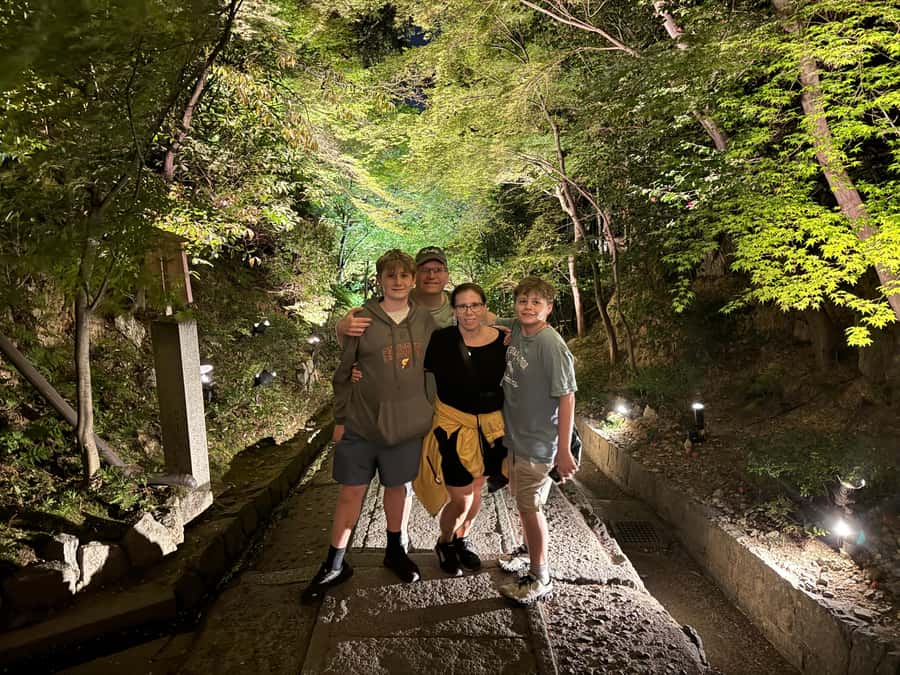
I would choose this tour if you want a guided first look at Kyoto, prefer evening sightseeing, and enjoy learning while walking. It suits couples, solo visitors, and small groups who want a local person to provide context and take photos.
It is also a good choice for anyone who has limited daytime hours. You can spend the day elsewhere and reserve the evening for Fushimi Inari, Gion, and Higashiyama.
You should think twice if you dislike walking, need step-free access, or want a fully private vehicle. This is not a bus tour. You pay for public transportation, walk a moderate amount, and return to the original meeting point.
Families with very young children may find the restrictions inconvenient because strollers and baby carriages are not allowed. The lack of a stated tour length also makes it harder to judge how well the outing will fit a child’s bedtime.
The possibility of seeing a Maiko or Geisha should not be your main reason for booking. Treat that as a lucky extra. The reliable parts are the illuminated shrine, the old districts, the local explanations, and the photos.
The $43 question
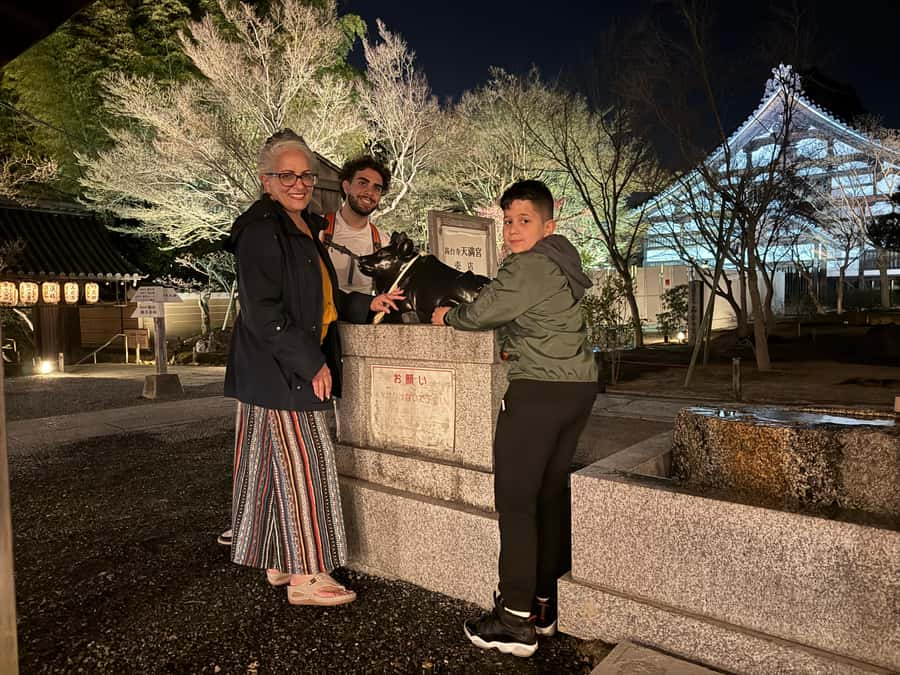
At $43 per person, the tour offers solid value for visitors who would otherwise pay for a private guide or spend time figuring out the route alone. The guide’s local knowledge, English explanations, professional photos, and restaurant advice add more than a basic walking route.
The value is strongest when you book the private option or join a genuinely small group. A personal pace and room for questions make the fee easier to justify. If your group is larger, ask about the format before booking so your expectations match the experience.
Remember to add about 400 yen for public transportation, plus anything you eat or drink. That keeps the true cost clear. The cancellation policy is reasonable: you can cancel up to 24 hours in advance for a full refund, but lateness is treated differently, so punctuality matters.
The five-star rating comes from a small number of ratings, so I would not treat it as a broad statistical verdict. The detailed comments do point to a consistent strength: the guides, especially Ikke or Ikki, are praised for patience, local insight, warmth, and helpful follow-through.
Should you book the Kyoto Magic Night Walk?
Book it if you want Kyoto’s famous night sights explained by a local, and if you are comfortable walking through shrine paths, historic streets, and public transit connections. The combination of Fushimi Inari’s glowing torii gates and Gion’s quieter lanes gives you two very different views of Kyoto in one evening.
I would especially recommend it for a first visit, a short stay, or anyone who wants good group photos without asking strangers to take them. Just wear proper shoes, arrive early at the Izumo-no-Okuni statue, budget for transit, and do not count on seeing a Maiko or Geisha.
Skip it if you need wheelchair access, want a vehicle-based tour, or prefer to set your own pace at each site. For everyone else, this is a thoughtful way to see Kyoto after dark, with enough local guidance to make the walk feel like more than a string of famous addresses.
FAQ
Where does the Kyoto Magic Night Walk begin?
It begins at the Statue of Izumo-no-Okuni in Kyoto. The guide waits in front of the statue with a board displaying the OTAKU hopper logo.
Where does the tour end?
The activity ends back at the same meeting point, the Statue of Izumo-no-Okuni.
What sights are included?
The walk includes Fushimi Inari, Gion, and Higashiyama. You see Fushimi Inari’s illuminated torii gates and stroll through Kyoto’s historic districts after dark.
Is this a bus tour?
No. It is a walking experience that uses public transportation, with a moderate amount of walking between and around the sites.
How much does public transportation cost?
Public transportation is not included. The expected fare is about 400 yen.
Is food included?
No. Food and drinks are not included, and personal expenses are also your responsibility.
Is the tour offered in English?
Yes. The tour includes an English-speaking local guide.
Are professional photos included?
Yes. The guide takes professional photos during the tour and sends them to you afterward.
Is the tour suitable for wheelchair users or strollers?
No. The activity is not suitable for wheelchair users, and baby strollers and baby carriages are not allowed. Comfortable walking shoes are recommended.
More Walking Tours in Kyoto
- Kyoto Gion Geisha District Walking Tour – The Stories of Geisha
★ 5.0 · 1,441 reviews - Nishiki Market Brunch Walking Tour (7 Tastings + Brunch)
★ 5.0 · 1,355 reviews - Kyoto Arashiyama Walking Tour: Bamboo, Monkeys, Gardens & Secrets
★ 5.0 · 1,216 reviews - Kyoto Gion: 2-Hour Geisha Culture & History Walking Tour
★ 5.0 · 1,186 reviews
More Kyoto Night Walks in Kyoto
- Night Walk in Gion: Kyoto’s Geisha District
★ 4.5 · 2,003 reviews - Kyoto Gion Night Walk & Geisha District Guided Tour
★ 5.0 · 786 reviews - Kyoto Bar Hopping Night Tour
★ 5.0 · 613 reviews - Kyoto Foodie Night Tour
★ 5.0 · 376 reviews
Recently added around Kyoto
- Higashiyama | Kyoto: Sakura Season Private Rickshaw Tour★ 5.0 · 3 reviews
- Kyoto Kimono Rental CHAMATSU|Kimono/Yukata Rental FamilyPlan★ 5.0 · 3 reviews
- Kyoto: Half-Day Private Guided Tour to the Old Town of Gion★ 4.4 · 3 reviews
- Nara Private Customizable Half Day Tour★ 5.0 · 3 reviews
- Full Day Nara Deer, Temple, Shrine, Activities & Tea Ceremony★ 5.0 · 3 reviews
- Nara: Essential Private Tour with Deer Park and Temples★ 5.0 · 3 reviews
- Kansai Region Hiking Adventure in Nara Kobe Kyoto and More★ 5.0 · 3 reviews
- Hiking Tour for Sacred Sites in Kyoto with a Guide★ 5.0 · 3 reviews
Fushimi Inari Shrine Tours, compared.
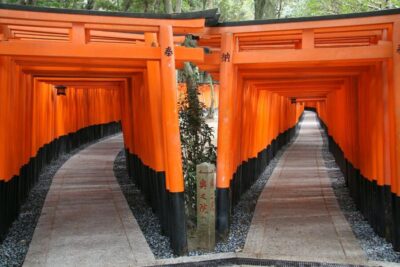
Fushimi Inari, Kinkakuji, Bamboo Grove 1 Day Bus Tour
Read our review →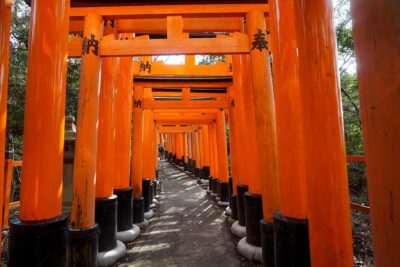
Fushimi Inari Hidden Hiking Tour (Private Option Available)
Read our review →
Kyoto/Osaka: Nara, Fushimi Inari Taisha, Arashiyama Bus Tour
Read our review →
Nijo, Kinkaku-ji, Arashiyama, Kiyomizu & Fushimi Inari
Read our review →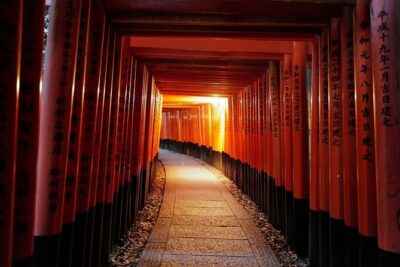
Kyoto Early Bird English Tour: Fushimi-Inari and Arashiyama
Read our review →
Fushimi, Arashiyama – Bamboo, Monkey, Torii & Secrets
Read our review →Browse the lists this tour appears in