
REVIEW · NIJO CASTLE TOURS
Kyoto: Imperial Palace & Nijo Castle Guided Walking Tour
Kyoto’s imperial and military past come into focus on this compact walk. At Nijo Castle, you follow the world of the shoguns through grand rooms, gardens, and the famous Ninomaru-goten Palace. At the Kyoto Imperial Palace, you see where the imperial family lived for centuries. The contrast between the two sites is the real prize.
I like the small group of no more than nine people, which gives you a fair chance to hear the guide and ask questions. I also like the practical format: entrance fees are included, start times vary, and you can book close to the day of the tour.
The main drawback is the walking. The palace grounds are spacious, the route includes a transfer between sites, and some visitors may find the Imperial Palace less rewarding because the tour focuses on the grounds rather than palace interiors. Wear good shoes, bring water, and arrive early.
In This Review
- Key points at a glance
- Why these two Kyoto sites belong together
- Starting outside Nijojo-mae Station
- Nijo Castle and the shogun’s world
- The walk to Kyoto Imperial Palace
- Kyoto Imperial Palace and the imperial court
- The guide can make or break the experience
- How much walking should you expect?
- Is $49 a fair price?
- Booking details worth knowing
- Who should book this Kyoto walk?
- Should you book it?
- FAQ
- How long does the tour last?
- Where does the tour begin?
- Where does the tour finish?
- Is Nijo Castle admission included?
- Can I visit the inside of the Kyoto Imperial Palace?
- What languages are available?
- How large is the group?
- Can I book on the same day?
- What should I wear and bring?
- Is the tour suitable for people with mobility concerns?
Key points at a glance
- Two sides of old Kyoto: Compare the shogun’s Nijo Castle with the emperor’s former residence.
- A genuinely useful guide: Guides such as Raphael, Jasmine, Vincent, Taku, and Cecilia have been praised for clear explanations of history, culture, symbols, and architecture.
- Ninomaru-goten is included: Your castle admission covers the Ninomaru-goten Palace and Painting Gallery, along with the garden.
- Three hours well spent: Each main site receives about an hour, with walking and the transfer between them included in the overall timing.
- Easy central meeting point: Meet outside Exit 1 at Nijojo-mae Station, then finish near Imadegawa Station.
- Good for a short Kyoto stay: Flexible start times and same-day booking make this useful when your schedule is tight.
Why these two Kyoto sites belong together
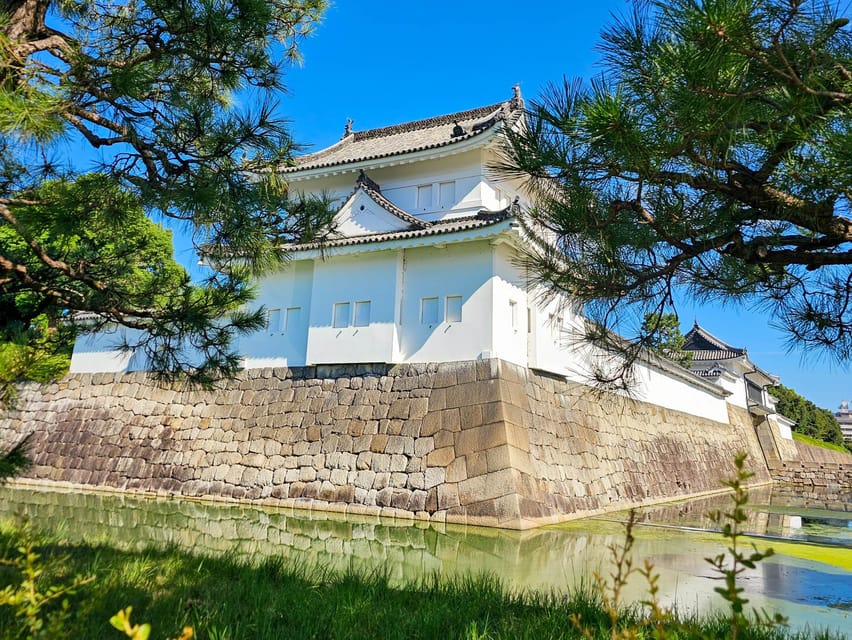
Nijo Castle and the Kyoto Imperial Palace tell two different parts of the same national story. One is tied to the shogun, the military ruler who held practical power during much of the Edo period. The other is tied to the emperor and the court tradition that shaped Kyoto for more than a thousand years.
That difference can be easy to miss if you visit alone. Both places have formal gates, elegant buildings, gardens, and carefully controlled spaces. A guide gives you the thread connecting them, so the architecture has meaning rather than becoming a parade of roofs and empty rooms.
I especially like the pairing because it avoids a common Kyoto problem: seeing beautiful places without understanding who used them or why they mattered. At Nijo Castle, you can look for signs of authority, ceremony, and defense. At the Imperial Palace, the atmosphere is more restrained and courtly.
The tour costs $49 per person. That is not the cheapest way to enter either attraction, but it is a reasonable price if you value explanation and efficient planning. Your castle admission is included, and the guide adds context that a self-guided visit may not provide. If you already know Japanese history well and prefer to read at your own pace, you may get better value by visiting independently.
More of Nijo Castle:
- Kyoto: Nijo-jo Castle and Ninomaru Palace Guided Tour
★ 4.7 · 1,020 reviews - Kyoto: Nijo Castle, Kiyomizu & Fushimi Inari Guided Tour
★ 4.7 · 700 reviews - Kyoto: Nijo, Kinkaku-ji, Arashiyama, Kiyomizu & Fushimi Inari
★ 5.0 · 699 reviews
Starting outside Nijojo-mae Station
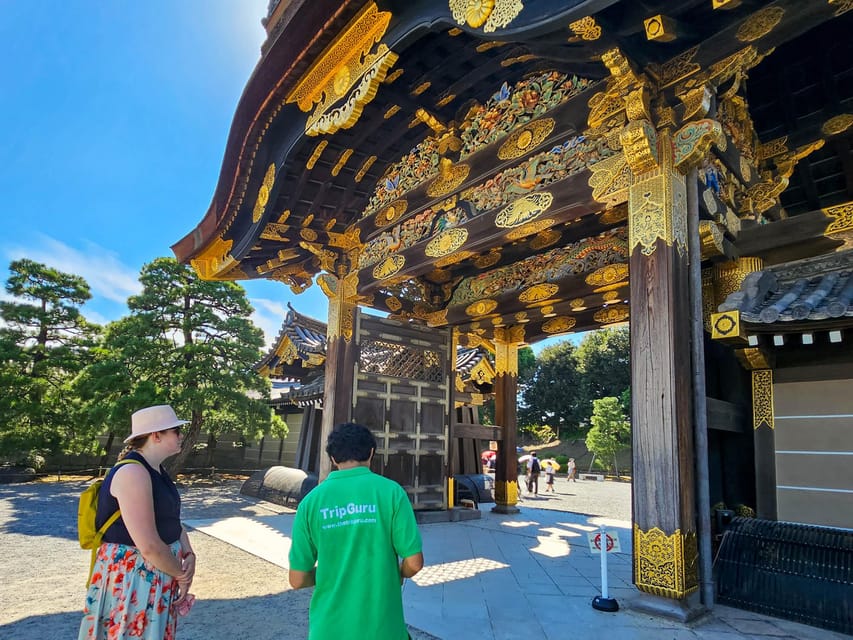
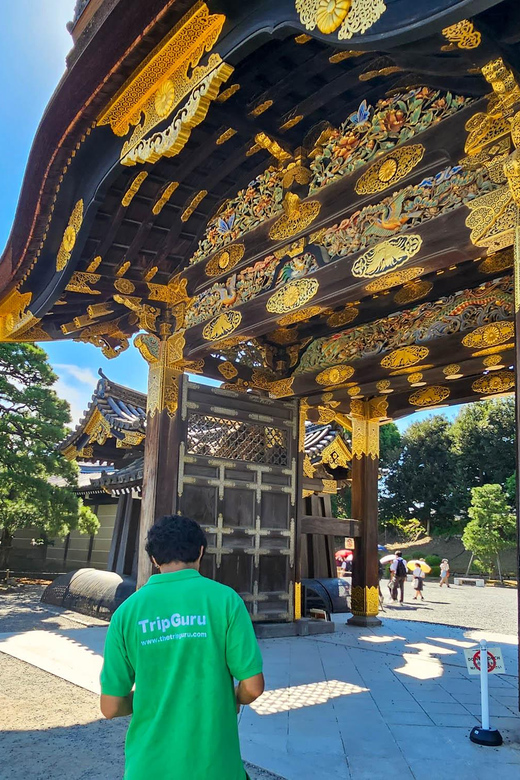
The tour begins outside Exit 1 at Nijojo-mae Station. Your guide should be wearing a TripGuru shirt or holding a TripGuru sign, which makes the meeting point fairly simple to identify.
I would arrive at least 10 minutes early. The guide waits only a short time before moving on, and Kyoto traffic can be slower than navigation apps suggest, particularly in the morning. Even if you are using the subway, give yourself a buffer for finding the correct exit.
This start point is sensible because Nijo Castle is the first major stop. You do not waste time gathering at a hotel or riding across the city in a private vehicle. The walking begins almost at once.
The tour is offered in English, French, and Spanish, though you will need to select the language and time when booking. The small-group limit is nine participants. That is large enough for a social outing but small enough for a guide to answer questions and keep the group together.
Nijo Castle and the shogun’s world
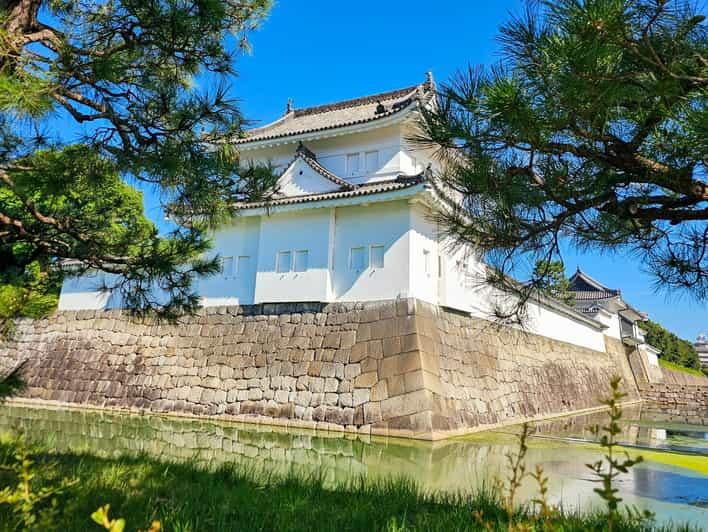
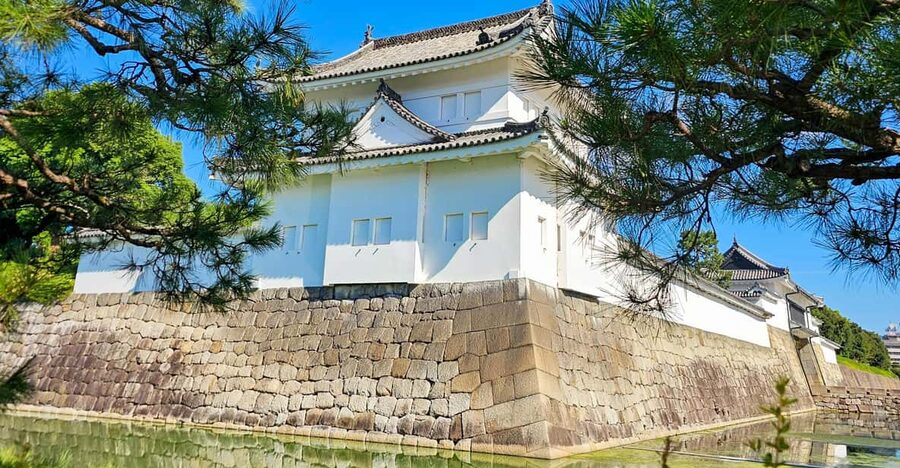
The first guided visit lasts about one hour. Nijo Castle is the stronger stop for many people because it gives you more to look at indoors as well as outside.
The castle was connected with Japan’s shogunal government, and the setting helps explain how military authority and court life overlapped in Kyoto. Your guide can point out the role of the castle, the design of its ceremonial spaces, and the difference between a military ruler’s residence and an emperor’s palace.
The visit includes the Ninomaru-goten Palace and Painting Gallery, as well as the Ninomaru Garden. The interiors are known for their careful design, painted screens, polished wood, and rooms arranged for formal encounters. Look up and around rather than simply moving from room to room. Details in the paintings and placement of spaces help show how status was managed inside the building.
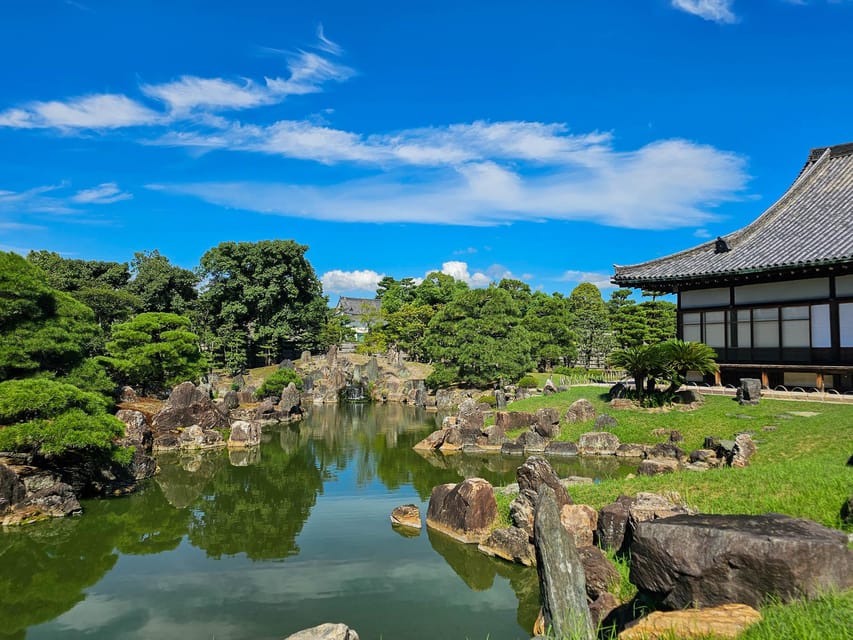
The castle’s gardens provide a useful change of pace. After the controlled interior rooms, you get open views, stone arrangements, water, and carefully planned plantings. Your guide may draw attention to features you would otherwise walk past, including the way the garden frames the buildings.
One practical note: the tour description says that guides bring groups to the Ninomaru-goten Palace and Garden for the Nijo Castle portion. Do not expect a full exploration of every castle area. The tour is designed to give you the main experience within a limited time, not to cover the entire complex at a slow pace.
The castle is also the place where comfortable shoes begin to matter. You will be walking and may spend time moving through interior areas where footwear rules and the pace of the group require attention. Bring a camera, but remember that photography rules can vary inside historic buildings.
The walk to Kyoto Imperial Palace
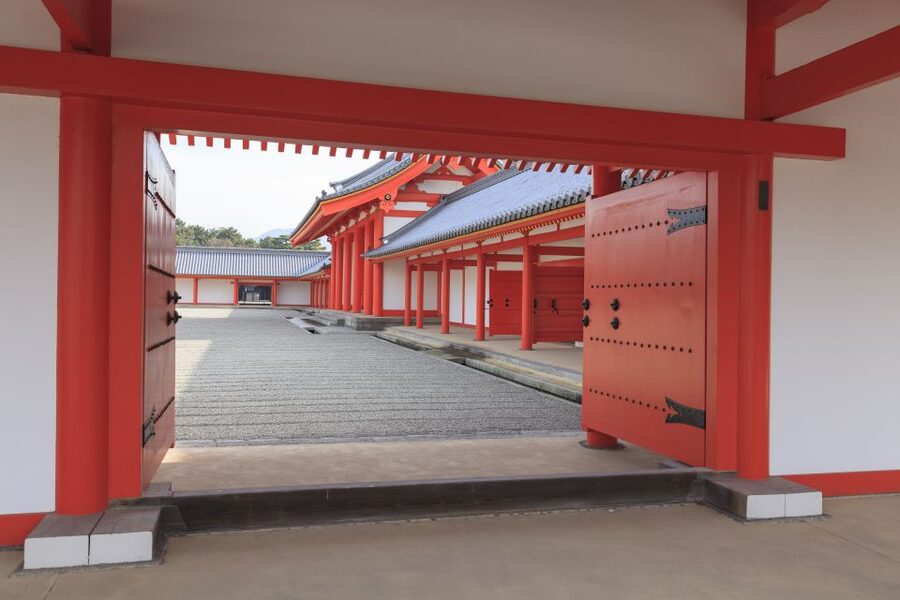
After Nijo Castle, the group continues toward the Imperial Palace. The overall activity lasts three hours, while the two main guided visits are listed at roughly one hour each. The remaining time covers walking, the transfer between attractions, meeting the group, and moving through entrances.
That schedule is fairly brisk, but it is not necessarily rushed. Several guides, including Cecilia and Vincent, have been praised for keeping a good pace while still offering historical and cultural context. Your experience will depend on the group, the time of day, and the guide assigned.
The transfer is part of the appeal for some visitors. You are not simply being driven from one attraction to another. You see a little more of central Kyoto on foot and finish near Imadegawa Station, which is useful if you plan to continue sightseeing afterward.
It is also the portion most likely to feel tiring in hot weather. A June visitor specifically advised carrying water and wearing a hat, and that is good advice for Kyoto’s warmer months. The grounds at both sites can expose you to sun, and the tour does not include drinks or meals.
More around the Imperial Palace:
- Kyoto Imperial Palace & Nijo Castle Guided Walking Tour – 3 Hours
★ 4.5 · 106 reviews - Kyoto: Nijo Castle and Kyoto Imperial Palace Guided Tour
★ 4.6 · 98 reviews - Nijo Castle and Imperial Palace Visit with Guide
★ 5.0 · 53 reviews - Kyoto: Discover Every Bit of Kyoto Imperial Palace
★ 4.4 · 21 reviews
Kyoto Imperial Palace and the imperial court
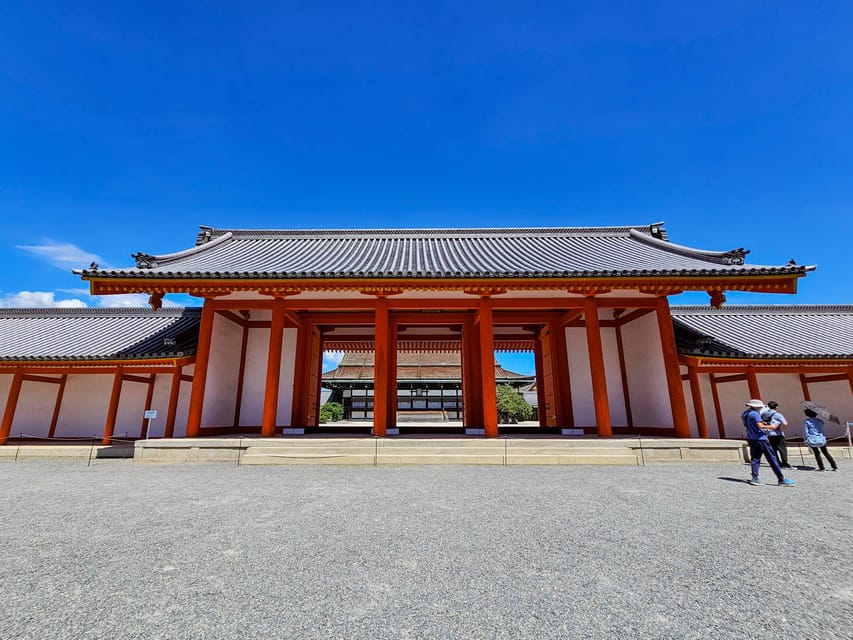
The second main visit lasts about an hour. The Kyoto Imperial Palace was the residence of Japan’s imperial family before the capital moved to Tokyo, and it offers a very different mood from Nijo Castle.
Here, the emphasis is on formal court life, ceremonial architecture, gardens, and the long connection between Kyoto and the imperial household. The buildings can look quiet and spare compared with the decorative interiors at Nijo Castle. That restraint is part of the lesson: the palace expresses a different kind of authority.
Your guide should help you read the scale and arrangement of the grounds. You may learn how the palace functioned, how court traditions shaped its spaces, and why Kyoto remained important even after political power shifted toward the shogunate.
Be clear about one limitation: this tour does not promise an interior visit to the Imperial Palace. You should expect to tour the grounds and admire the exterior architecture rather than walk through every palace room. One participant felt that the palace offered less to see than Nijo Castle and would have preferred more time elsewhere.
I think that makes the guide especially important here. Without explanation, the palace can feel like a broad park with a handful of impressive buildings. With context, the courtyards, gates, gardens, and ceremonial buildings become part of a larger story about imperial tradition.
The tour ends at Imadegawa Station. That is convenient for continuing your day, but it also means the activity is not a round-trip excursion back to Nijo Castle or your hotel. Plan your next stop before you set out.
The guide can make or break the experience
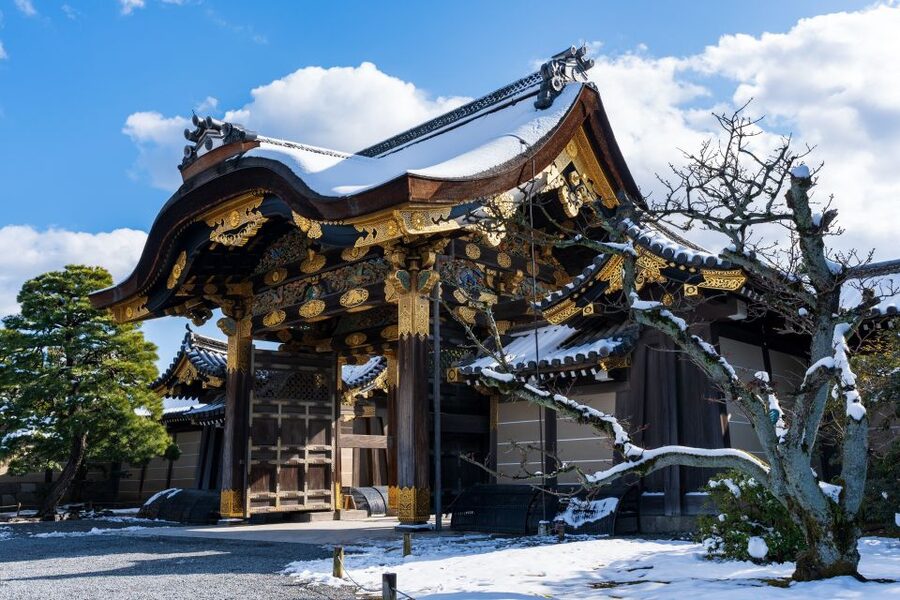
The clearest strength of this tour is the quality of guiding described across many dates. Raphael Matsui, Jasmine, Vincent, Taku, Alex, Kosuke, Kenta, Cecilia, Gus, Naoki, Yuko, and others have received strong praise for explaining the sites in clear English and answering questions.
The best guides do more than recite dates. They explain the difference between shogun and emperor, point out meanings in symbols and gardens, and connect old buildings with Japanese culture today. Jasmine has been praised for clear speech, humor, and attention to detail. Vincent has been praised for balancing historical facts with cultural references. Taku has been noted for patience and consideration toward different group needs.
Guide assignments vary, so you cannot assume you will receive a particular person. Still, the pattern is useful: this is a tour where the human element matters a great deal. If you enjoy asking questions, tell the guide what interests you. You might want architecture, religion, court customs, military history, or daily life. The supplied feedback shows that guides have answered questions well beyond the basic route.
Some groups have been very small, even close to a private tour. That can make the experience feel personal, but it is not guaranteed. The official group limit is nine.
How much walking should you expect?
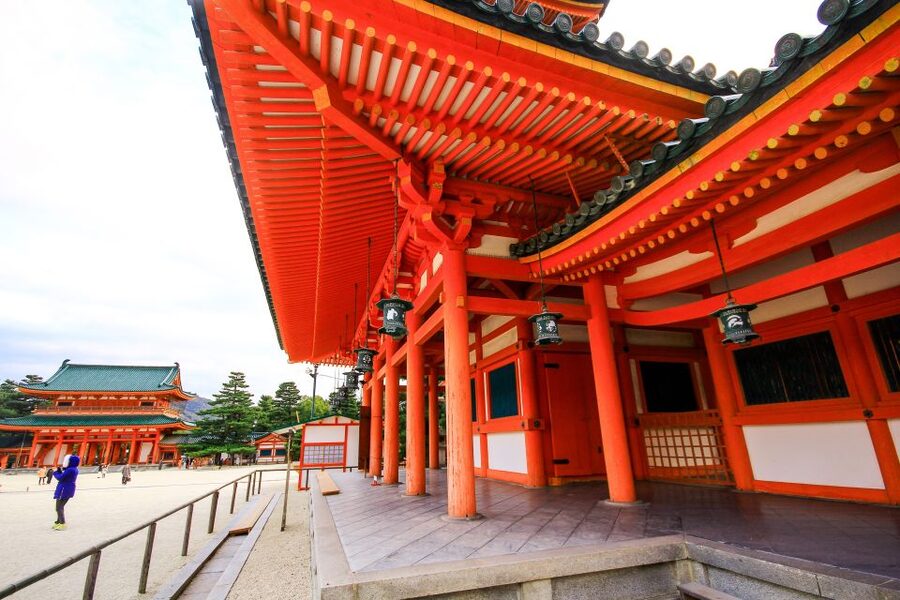
This is a walking tour, not a seated sightseeing trip. You move through two large historic sites, walk between them, and finish at a different station from the starting point.
The activity is not suitable for people with mobility impairments, heart problems, respiratory issues, or pregnancy. That restriction is worth taking seriously because the grounds are broad and the tour keeps to a schedule. If you need frequent rests or have trouble walking for several hours, this may not be the right choice.
Wear supportive shoes. Bring water, a hat in warm weather, and modest clothing for the palace grounds. Shorts or tank tops may not meet the expected dress standard, so dress respectfully without assuming the visit is casual park sightseeing.
A camera is useful, and carrying some cash is recommended. Meals, drinks, hotel pickup, hotel drop-off, and personal expenses are not included.
Is $49 a fair price?
At $49, the value depends on what you want from Kyoto’s major sights. If you only need admission and enjoy researching before you visit, a self-guided plan may cost less and let you stay longer at Nijo Castle or spend more time at the palace.
If you have just arrived in Kyoto, have limited time, or want a clear explanation of what you are seeing, the price is easier to justify. You receive an English, French, or Spanish-speaking guide, the Nijo Castle entrance fee, admission to Ninomaru-goten and the Painting Gallery, and a planned route linking two important sites.
The tour also saves you the work of deciding how to connect the attractions. You meet at Nijojo-mae Station and finish near Imadegawa Station, making it a practical half-day building block rather than a full-day commitment.
The value is highest for first-time visitors and anyone who wants historical context. It is lower for repeat Kyoto visitors who already understand the period and want unhurried photography or independent exploration.
Booking details worth knowing
You can choose from several start times, and same-day reservations may be accepted if space remains. That flexibility helps if your Kyoto schedule depends on weather, jet lag, or another activity.
You can reserve now and pay later, and cancellation is free up to 24 hours before the tour for a full refund. Those policies are useful, but do not let flexible booking make you careless about arrival time. Missing the guide after the short waiting period could mean missing the tour.
Check the language before booking. The tour is available in English, French, and Spanish, and the guide is live rather than an audio recording.
Who should book this Kyoto walk?
I would recommend it to you if you want a compact introduction to Kyoto’s political and imperial past. It works particularly well for first-time visitors, couples, solo visitors who prefer company, and anyone with only part of a day available.
It also suits curious families with older children who can handle several hours of walking and listening. The small group gives you a better chance to ask questions than a large coach tour.
I would hesitate if your priority is quiet, independent wandering. I would also think twice if you want to enter the Imperial Palace buildings, since the palace portion focuses on the grounds and exterior views. Nijo Castle is likely to be the more satisfying stop for architecture and interior detail.
Should you book it?
Book this tour if you want the meaning behind the buildings, not just photographs of them. The contrast between Nijo Castle and the Kyoto Imperial Palace is clear, the route fits neatly into three hours, and the included entrance fee keeps the planning simple.
Skip it if you dislike group pacing, need a low walking day, or already have a strong grasp of Kyoto’s political history. For most first-time visitors, though, $49 is a fair trade for two major sights and a guide who can explain why a shogun’s castle feels so different from an emperor’s former home.
FAQ
How long does the tour last?
The activity lasts three hours. The guided visits to Nijo Castle and Kyoto Imperial Palace each take about one hour, with walking and the transfer between sites included in the overall time.
Where does the tour begin?
Meet outside Exit 1 at Nijojo-mae Station, beside Nijo Castle. The guide will wear a TripGuru shirt or hold a TripGuru sign.
Where does the tour finish?
The tour ends at Imadegawa Station near the Kyoto Imperial Palace.
Is Nijo Castle admission included?
Yes. The price includes entrance to Nijo Castle, including the Ninomaru-goten Palace and Painting Gallery.
Can I visit the inside of the Kyoto Imperial Palace?
The tour includes the Imperial Palace grounds and guided views of the site. The description does not include entry into the palace interiors.
What languages are available?
Live guides are available in English, French, and Spanish.
How large is the group?
The tour is limited to nine participants.
Can I book on the same day?
Same-day booking may be possible, subject to availability. You can also choose from different start times.
What should I wear and bring?
Wear comfortable shoes and modest clothing. Bring a camera, cash, and water, especially in warm weather. A hat is also useful in the sun.
Is the tour suitable for people with mobility concerns?
No. The activity is not suitable for people with mobility impairments, pregnancy, heart problems, or respiratory issues.
More Walking Tours in Kyoto
- Kyoto Geisha Walking Tour: Gion District & Hidden Gems
★ 4.7 · 3,273 reviews - Kyoto: Gion Magical Night Walking Tour with Geisha Trivia
★ 4.9 · 2,393 reviews - Kyoto: Gion Geisha District Walking Tour – Stories of Geisha
★ 4.7 · 2,187 reviews - Night Walk in Gion: Kyoto’s Geisha District
★ 4.5 · 2,003 reviews
Recently added around Kyoto
- Higashiyama | Kyoto: Sakura Season Private Rickshaw Tour★ 5.0 · 3 reviews
- Kyoto Kimono Rental CHAMATSU|Kimono/Yukata Rental FamilyPlan★ 5.0 · 3 reviews
- Kyoto: Half-Day Private Guided Tour to the Old Town of Gion★ 4.4 · 3 reviews
- Nara Private Customizable Half Day Tour★ 5.0 · 3 reviews
- Kansai Region Hiking Adventure in Nara Kobe Kyoto and More★ 5.0 · 3 reviews
- Full Day Nara Deer, Temple, Shrine, Activities & Tea Ceremony★ 5.0 · 3 reviews
- Nara: Essential Private Tour with Deer Park and Temples★ 5.0 · 3 reviews
- Hiking Tour for Sacred Sites in Kyoto with a Guide★ 5.0 · 3 reviews
Nijo Castle Tours, compared.
Nijo-jo Castle and Ninomaru Palace Guided Tour
Read our review →
Nijo, Kinkaku-ji, Arashiyama, Kiyomizu & Fushimi Inari
Read our review →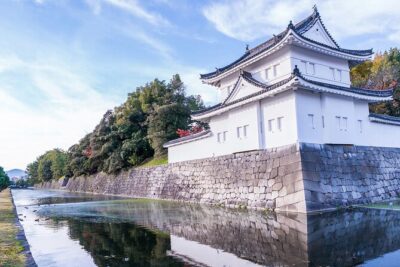
Nijo Castle World Heritage Guided Tour with Admission
Read our review →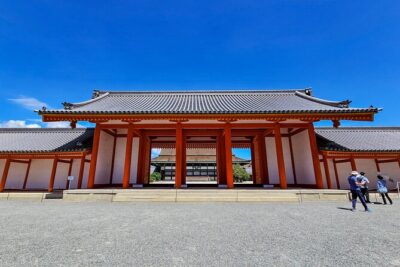
Kyoto Imperial Palace & Nijo Castle Guided Walking Tour – 3 Hours
Read our review →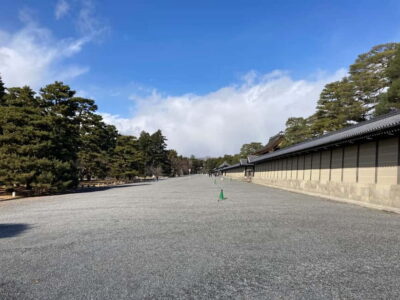
Nijo Castle and Kyoto Imperial Palace Guided Tour
Read our review →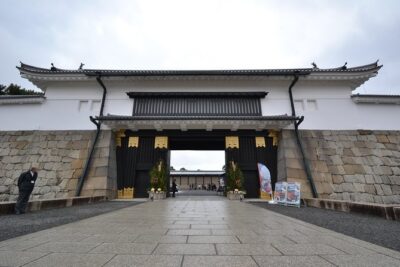
Nijo Castle and Imperial Palace Visit with Guide
Read our review →
Golden Pavilion, Nijo Castle, & Nishiki Market Half day tour
Read our review →
Nijo Castle Samurai Inside Story — Top-Rated Guide (Max 8)
Read our review →Browse the lists this tour appears in