
REVIEW · KYOTO IMPERIAL PALACE TOURS
Kyoto: Discover Every Bit of Kyoto Imperial Palace
Kyoto Imperial Palace gives you a clear look at Japan’s imperial past, from the majestic Shishinden ceremony hall to the quieter spaces tied to the Emperor’s daily life. The palace grounds are easy to admire on your own, but a good guide can explain why each building mattered and how court life worked.
I like the focus on traditional architecture and landscaped gardens, and I like that admission to the palace is included. The main caution is guide quality: one guest found Yoshi especially engaging and well-informed, while another felt the guide offered little useful information. At $38, the guide is the main reason to book.
In This Review
- Key points
- Why Kyoto Imperial Palace deserves your time
- Meeting at Hamaguri Gate
- Shishinden and the power of ceremony
- The Emperor’s residence and private court life
- Gardens that slow the pace
- What the guide adds, and where the risk lies
- A realistic look at the 1 to 1.5 hour route
- English, group size, and the feel of the visit
- Who will get the most from this palace tour
- Booking, cancellation, and practical planning
- Should you book Discover Every Bit of Kyoto Imperial Palace?
- FAQ
- Where does the Kyoto Imperial Palace tour meet?
- What language is the tour offered in?
- How long does the tour last?
- Is entry to Kyoto Imperial Palace included?
- Is this a private tour?
- How much does the experience cost?
- Can I cancel the booking?
Key points
- See Shishinden, the grand hall used for major imperial ceremonies.
- Learn about the Emperor’s former personal residence and everyday court life.
- Walk through calm gardens within Kyoto Gyoen National Garden.
- Meet at Hamaguri Gate, where a guide carries a yellow DeepExperience sign.
- Choose a private or small-group format for a more personal visit.
- Plan carefully around the advertised timing, which is listed as both one hour and 1.5 hours.
Why Kyoto Imperial Palace deserves your time
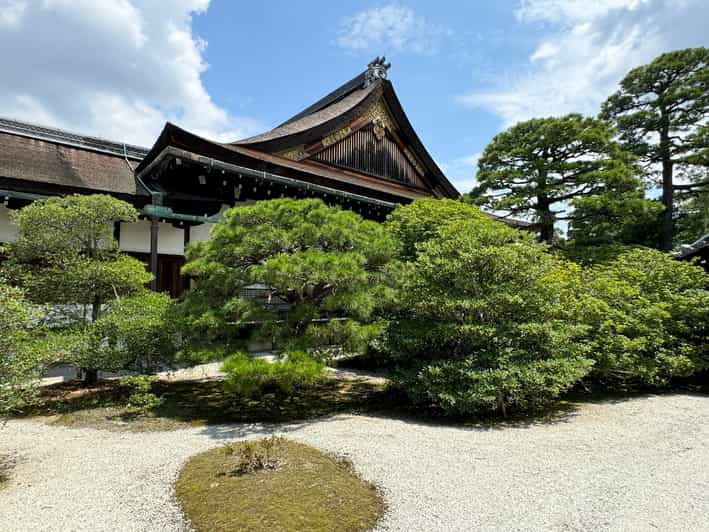
Kyoto Imperial Palace was the home of Japan’s imperial family before the capital moved to Tokyo in 1869. That fact gives the visit real weight, but the palace is not presented as a single grand building. It is a collection of halls, residences, gates, courtyards, and gardens that show how the imperial court functioned.
I find the palace most interesting when I think of it as a working court rather than simply a historic monument. Some buildings were used for formal ceremonies. Others were linked to official duties or private life. The contrast helps you understand the strict separation between public imperial business and daily routines.
The palace sits inside Kyoto Gyoen National Garden, so the setting is part of the appeal. You are not walking through a crowded city street and then stepping into one isolated building. Instead, you move through an open, carefully tended area where architecture and gardens work together.
The visit is also a good choice if you want historical context without committing half a day. The listed tour length is one hour, while the detailed schedule gives the guided visit as 1.5 hours. I would check the actual starting time and duration when booking, then leave enough room in your day for the longer option.
More around the Imperial Palace:
- Kyoto: Imperial Palace & Nijo Castle Guided Walking Tour
★ 4.7 · 453 reviews - Kyoto Imperial Palace & Nijo Castle Guided Walking Tour – 3 Hours
★ 4.5 · 106 reviews - Kyoto: Nijo Castle and Kyoto Imperial Palace Guided Tour
★ 4.6 · 98 reviews
Meeting at Hamaguri Gate
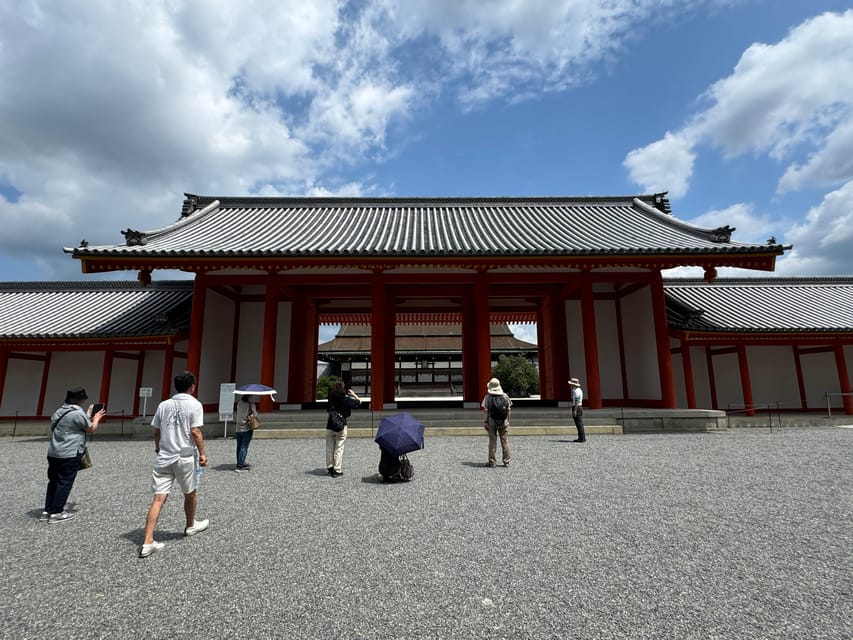
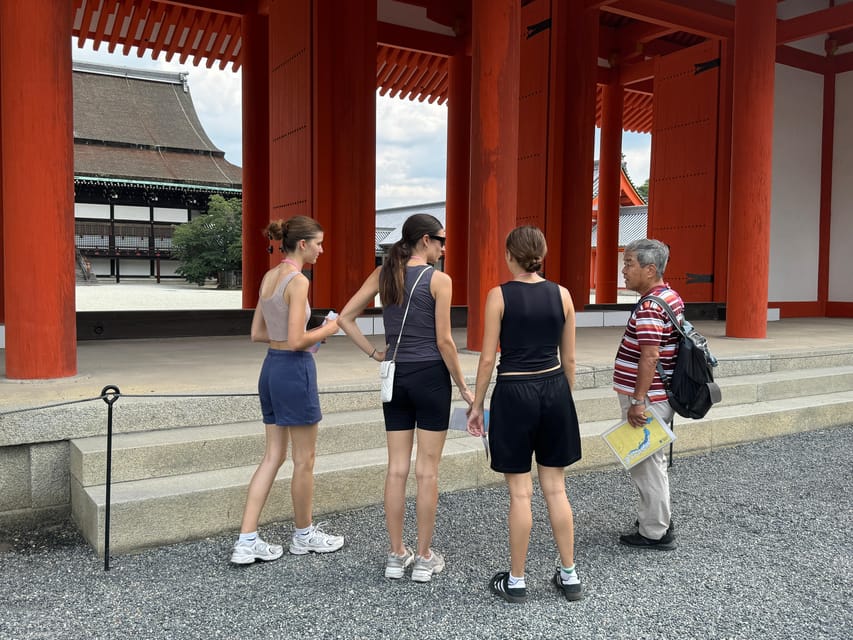
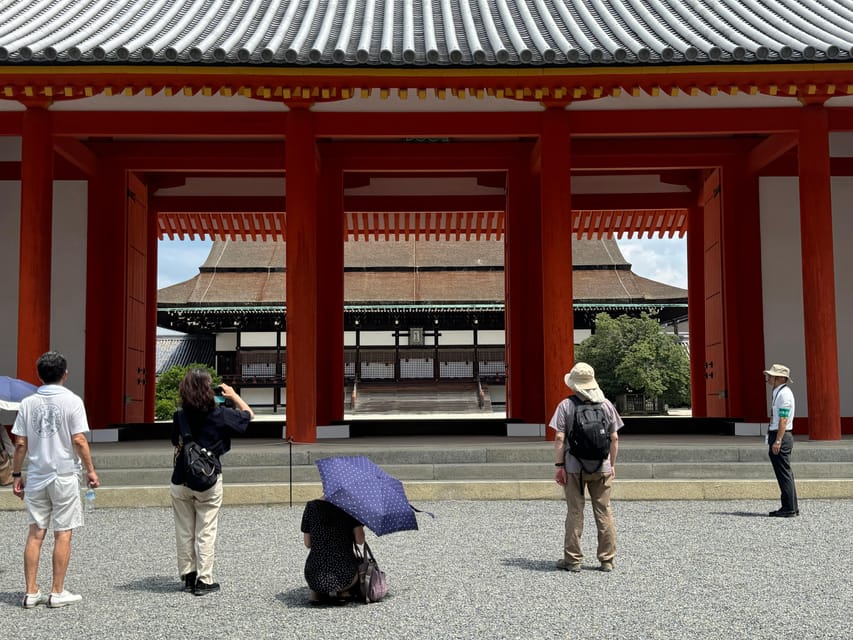
Your starting point is the front of Hamaguri Gate, also called Hamagurigomon, at Kyoto Imperial Palace. This is an important detail because a large palace complex can make a vague meeting point frustrating.
Look for the guide holding a yellow sign marked DeepExperience. That sign should make the group easier to spot, and you will not need to search for a ticket office or separate tour counter. Entry to Kyoto Imperial Palace is included, and the guide handles the visit from the meeting point.
The gate also provides a fitting beginning. You enter through one of the formal gateways associated with the palace grounds, rather than meeting at an unrelated shop or transport stop. The information provided does not give exact directions from Kyoto Station or a specific transit route, so use the map supplied with your booking and allow time to reach Hamaguri Gate.
Because the meeting point is outdoors at a large historic site, arriving a little early is sensible. You want time to confirm the yellow sign, identify your group, and avoid starting the tour while still finding the gate.
Shishinden and the power of ceremony
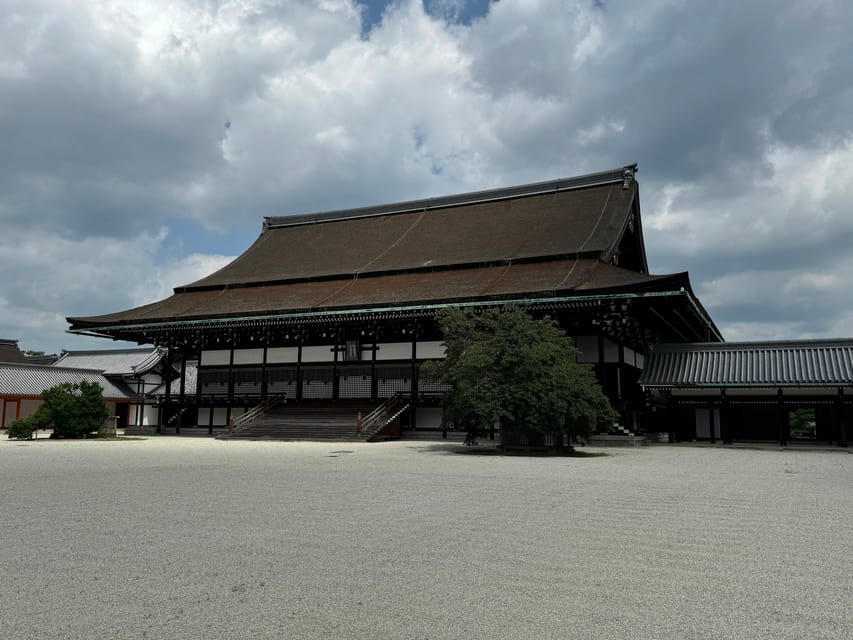
The highlight for many people will be Shishinden, the main hall used for important imperial ceremonies. Its value is not only visual. The building represents the public side of the imperial court, where formal events carried political and cultural meaning.
Your guide can help explain why the hall was important and how imperial ceremonies differed from ordinary life inside the palace. Without that context, you may see a striking traditional structure but miss the reason it was built and used in such a carefully controlled way.
This is where the tour’s success depends most on the guide. The best experience will connect the hall’s design, its official purpose, and the traditions of the imperial family. Yoshi received particular praise for explaining Japanese history and pointing out small details around the grounds. That kind of close observation is useful here, since a large ceremonial hall can otherwise feel distant and formal.
The information does not promise interior access to every building. You should expect a guided look at the palace grounds and its accessible historic areas, not a free wander through all rooms. The tour is about understanding the buildings you can see and the roles they played.
The Emperor’s residence and private court life
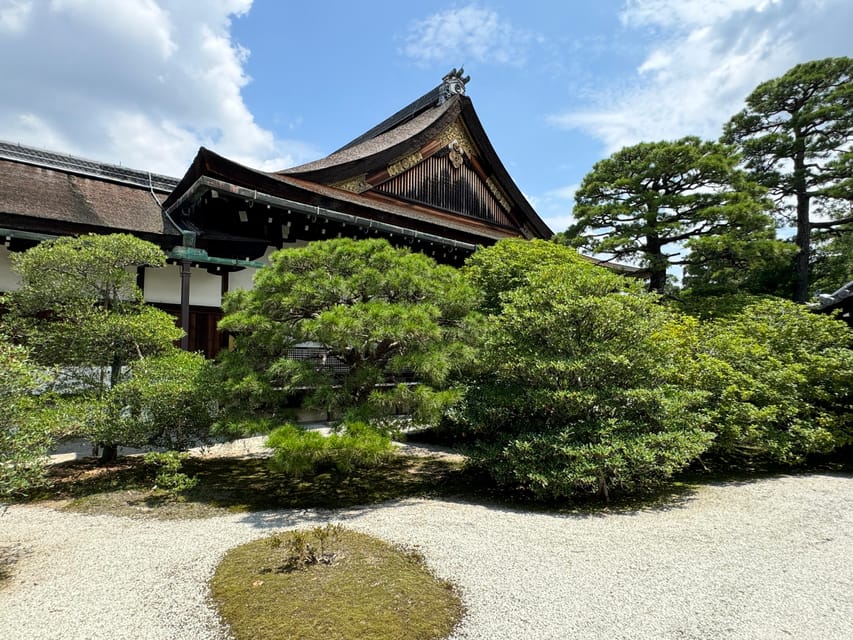
After the grand ceremonial spaces, the Emperor’s personal residence offers a different angle. It helps you consider the less public side of palace life, including the routines and spaces connected with the imperial household.
I like this part because it keeps the visit from becoming a parade of impressive facades. The imperial family did not spend every hour in a ceremony hall. They lived within the palace complex, followed daily routines, and occupied more private spaces. Seeing both sides makes the story feel more human.
Your guide may explain how the personal residence fit into the wider court. The provided description specifically points to daily life at the Emperor’s residence, so listen for details about how private areas differed from the halls used for official functions.
This stop also gives you a useful comparison. Shishinden represents ceremony and public duty. The personal residence represents privacy and routine. Together, they show how palace buildings were organized around rank, access, and purpose.
A completely different side of Kyoto:
- PERFECT KYOTO 1-Day Bus Tour
★ 5.0 · 13,518 reviews - Kyoto: Fushimi Inari, Kinkakuji, Bamboo Grove 1 Day Bus Tour
★ 4.8 · 4,316 reviews - Kyoto: Tea Ceremony in a Traditional Tea House in Kiyomizu
★ 4.9 · 3,519 reviews - Kyoto Geisha Walking Tour: Gion District & Hidden Gems
★ 4.7 · 3,273 reviews
Gardens that slow the pace
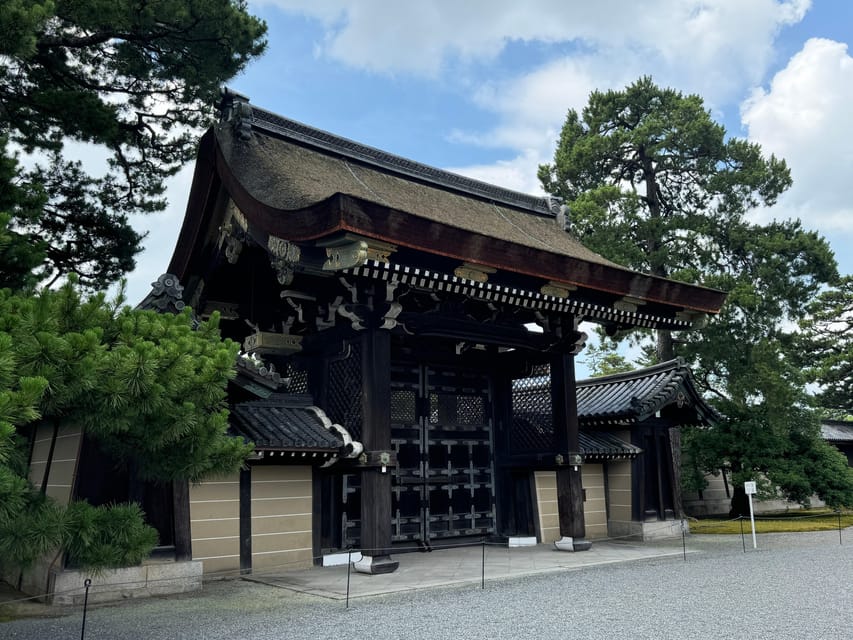
The gardens are not just decoration between buildings. They give you breathing room and soften the formal character of the palace. Paths, open views, and carefully arranged plantings create a calmer rhythm than the grand halls.
One guest singled out the inner garden as jaw-droppingly beautiful. That reaction points to a key strength of the experience: the gardens may be the place where the palace feels most immediate. Architecture tells you about rank and ceremony, while the gardens give you a sense of atmosphere.
I would not rush this section. Look at the way garden space frames the buildings and notice how the setting changes your impression of the palace. The exact garden route can depend on the guided access available that day, so I would avoid expecting a particular pond, tree, or viewpoint unless your guide confirms it.
The garden visit is also helpful if you are less interested in court history. You still get a pleasant walk through a historic setting, while the guide adds meaning for anyone who wants more than photographs.
What the guide adds, and where the risk lies
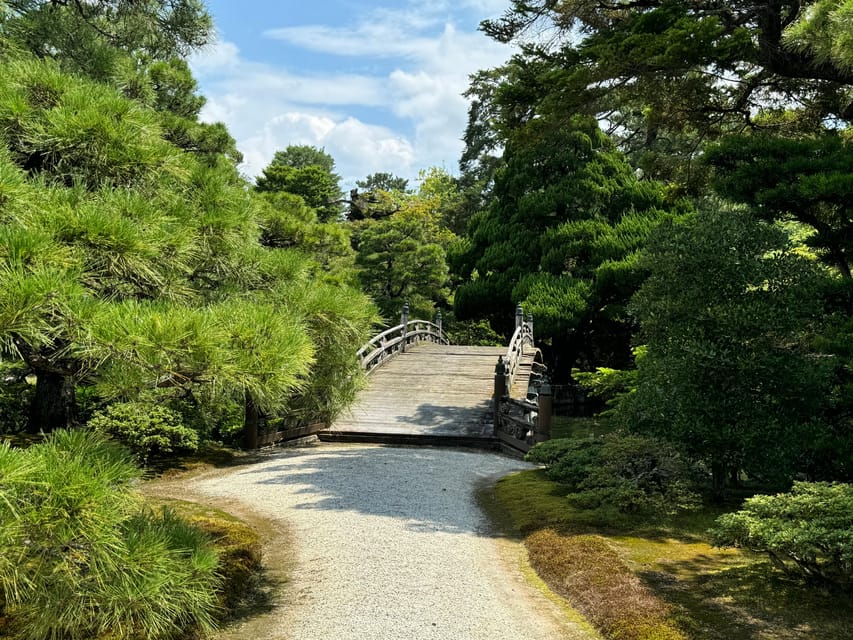
At $38 per person, you are paying mainly for interpretation. Entry to Kyoto Imperial Palace is listed as free and included, so the price is not driven by an admission ticket. The value comes from having someone explain the imperial family, the ceremonial halls, and the purpose of the residences as you move through the grounds.
That can be a good deal if you enjoy asking questions or want a clear introduction to Japan’s imperial tradition. A private or small-group option should also make it easier to hear the guide and keep the visit focused on your interests.
But I would not pretend the guide makes no difference. The feedback is sharply mixed. Yoshi was praised for explaining Japanese history, identifying interesting details, and making the visit enjoyable. Another guest described a friendly guide who mainly walked beside the group, took photographs, and gave little information. A separate three-star assessment found the palace accessible without a guide and did not recommend paying extra for this format.
That criticism is fair to consider. The palace grounds are a public attraction with visible architecture and gardens, so independent visitors can see much of the accessible area without joining a tour. If you prefer to read signs, take photographs, and set your own pace, the guided fee may not feel worthwhile.
If you want the guide to earn the $38, ask questions early. Ask about the role of Shishinden, the difference between ceremonial and residential buildings, and how court life was organized. A strong guide should welcome that exchange. The French-language feedback praised a dynamic, cultured guide who answered many questions with warmth, which is exactly the kind of interaction that makes a short tour pay off.
A realistic look at the 1 to 1.5 hour route
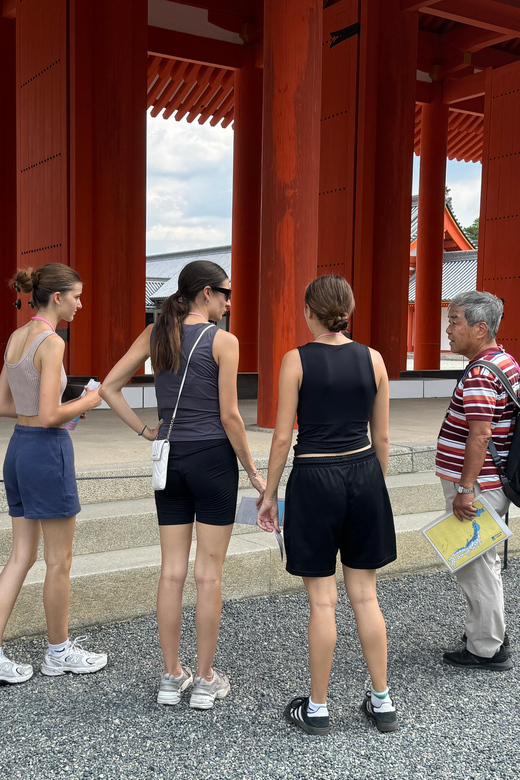
The advertised length needs a close look. The summary describes the activity as one hour, while the detailed schedule assigns 1.5 hours to the guided visit. Starting and finishing at Hamaguri Gate is clear, but the total time you should reserve is less so.
For planning, I would allow at least 1.5 hours and avoid booking a tight connection immediately afterward. The longer figure may reflect the actual guided route, while the shorter figure may be a rounded description. Check the available starting times and final duration before you pay.
The route itself is simple:
- Meet at Hamaguri Gate.
- Enter Kyoto Imperial Palace with the English-speaking guide.
- See the principal halls, including Shishinden.
- Learn about ceremonial buildings and the Emperor’s residence.
- Walk through the gardens.
- Return to Hamaguri Gate.
This compact route suits a first visit to Kyoto when you want one focused historical stop. It may feel too brief if you hope to study every building or linger for long photographs. The tour is best viewed as an introduction, not an exhaustive architectural survey.
English, group size, and the feel of the visit
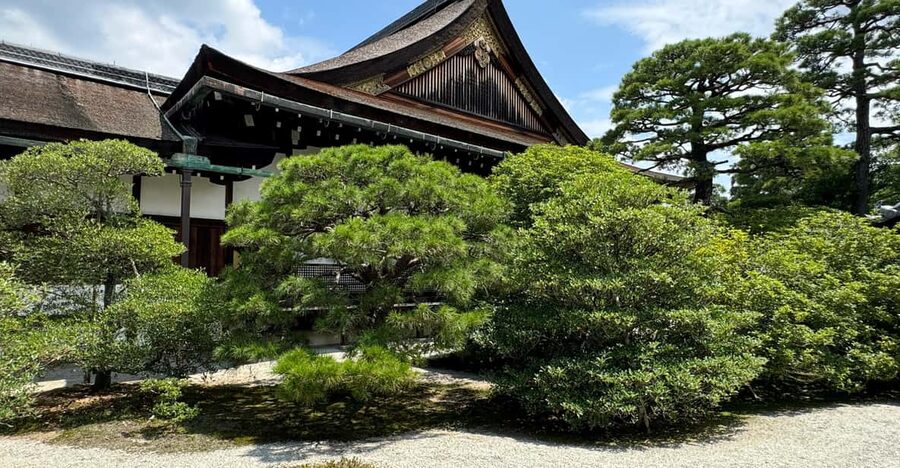
The listed tour language is English. Private and small-group options are available, which matters at a site where a guide’s explanations can easily be lost if a group is too large or spread out.
A private visit gives you the clearest chance to ask questions and control the pace, though the supplied price is stated per person and does not explain how pricing changes for private bookings. Small groups can offer a useful middle ground, with more conversation than a large public tour and usually less formality.
The guide’s personality also shapes the mood. The strongest feedback describes an agreeable exchange, thoughtful answers, and a guide who could point out details that are easy to miss. The weakest feedback describes a quiet escort rather than a real interpreter. I would book this with the expectation that the quality of explanation is important, then make active use of the guide once the tour begins.
Who will get the most from this palace tour
I think this experience suits you if you are visiting Kyoto for the first time and want a short, organized introduction to the imperial family. It is also a good fit if Japanese court traditions, ceremonial architecture, and historic gardens interest you more than shopping or food stops.
Families and mixed-interest groups may appreciate the balance. One person can focus on history, another on architecture, and another on the gardens. The route gives the visit a clear shape without asking you to spend a full morning or afternoon inside a single site.
You may want to skip it if you are comfortable researching the palace yourself and mainly want to wander quietly. Since palace entry is listed as free, you should compare the $38 guide cost with your own interest in questions, interpretation, and company.
I would also think twice if your schedule is extremely tight. The one-hour and 1.5-hour descriptions do not match, and a palace tour is better when you have enough time to listen rather than watching the clock.
Booking, cancellation, and practical planning
You can reserve the activity and pay later, which is useful when your Kyoto schedule is still shifting. Free cancellation is available up to 24 hours in advance for a full refund, according to the booking terms provided.
Check the starting time before confirming, since availability determines the exact departure. Bring the meeting-point details with you and look for the yellow DeepExperience sign at Hamaguri Gate.
The information provided does not specify accessibility arrangements, restroom locations, weather procedures, or photography rules. If any of those details matter to you, ask the provider before booking rather than assuming the palace route will meet your needs.
Should you book Discover Every Bit of Kyoto Imperial Palace?
Book this tour if you want the imperial palace explained, not simply seen. At $38, it offers good value when the guide gives the kind of detailed, friendly interpretation associated with Yoshi and the strongest feedback. The ceremonial halls, the Emperor’s residence, and the inner garden provide enough variety to make a short visit worthwhile.
Skip it if you are happy exploring independently or if the guide’s role is not important to you. The palace is free to enter, and one assessment found the guided access unnecessary. My advice is to choose a private or small-group format if available, confirm the real duration, and arrive ready with questions. That gives you the best chance of turning a pleasant palace walk into a useful lesson in Japan’s imperial past.
FAQ
Where does the Kyoto Imperial Palace tour meet?
The meeting point is in front of Hamaguri Gate, also called Hamagurigomon, at Kyoto Imperial Palace. The guide will carry a yellow sign marked DeepExperience.
What language is the tour offered in?
The live tour guide language is English.
How long does the tour last?
The activity is described as one hour in the summary, while the detailed guided visit is listed as 1.5 hours. Check the available starting time and duration when booking, and allow at least 1.5 hours for planning.
Is entry to Kyoto Imperial Palace included?
Yes. Entry to Kyoto Imperial Palace is included and listed as free.
Is this a private tour?
Private and small-group options are available. The exact format depends on the option you select when booking.
How much does the experience cost?
The listed price is $38 per person.
Can I cancel the booking?
Yes. You can cancel up to 24 hours in advance for a full refund. You can also reserve now and pay later.
Recently added around Kyoto
- Higashiyama | Kyoto: Sakura Season Private Rickshaw Tour★ 5.0 · 3 reviews
- Kyoto Kimono Rental CHAMATSU|Kimono/Yukata Rental FamilyPlan★ 5.0 · 3 reviews
- Kyoto: Half-Day Private Guided Tour to the Old Town of Gion★ 4.4 · 3 reviews
- Nara Private Customizable Half Day Tour★ 5.0 · 3 reviews
- Kansai Region Hiking Adventure in Nara Kobe Kyoto and More★ 5.0 · 3 reviews
- Full Day Nara Deer, Temple, Shrine, Activities & Tea Ceremony★ 5.0 · 3 reviews
- Nara: Essential Private Tour with Deer Park and Temples★ 5.0 · 3 reviews
- Hiking Tour for Sacred Sites in Kyoto with a Guide★ 5.0 · 3 reviews
Kyoto Imperial Palace Tours, compared.
Imperial Palace & Nijo Castle Guided Walking Tour
Read our review →
Kyoto Imperial Palace & Nijo Castle Guided Walking Tour – 3 Hours
Read our review →
Nijo Castle and Kyoto Imperial Palace Guided Tour
Read our review →
Nijo Castle and Imperial Palace Visit with Guide
Read our review →
Kyoto Imperial Palace and Nijo Castle Walking Tour
Read our review →Browse the lists this tour appears in