
REVIEW · NIJO CASTLE TOURS
Kyoto: Nijo Castle and Kyoto Imperial Palace Guided Tour
Nijo Castle tells the story of shogun power through lavish rooms, careful design, and the famous political world of the Tokugawa era. Kyoto Imperial Palace offers a quieter counterpoint, with broad grounds, refined buildings, and gardens planned around the seasons. Together, they give you two views of old Kyoto: military authority and imperial tradition.
I like the small groups of no more than nine, which make it easier to ask questions and keep up with the guide. I also like the strong guide team. Goku, Kayo, Nene, and Taku receive repeated praise for clear explanations, local suggestions, patience, and the ability to adjust the tour to the group.
The main consideration is that the Imperial Palace visit may focus on exterior views. One traveler found this disappointing, so book this tour for its grounds, architecture, and historical setting rather than an expectation of seeing every palace interior.
In This Review
- Key points to know before you book
- Why these two Kyoto landmarks belong together
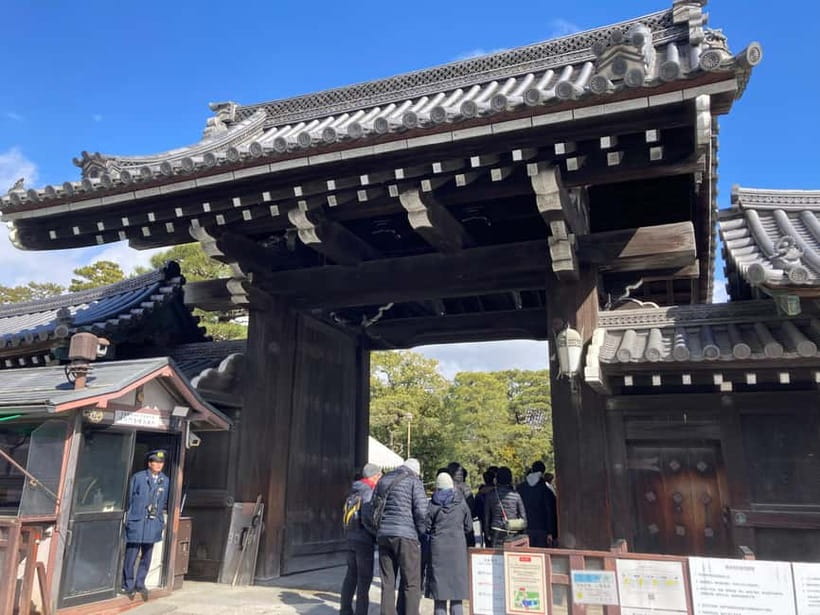
- Meeting at the Imperial Palace’s Nakadachiuri Gate
- Kyoto Imperial Palace: elegant grounds, with one limitation
- The walk through Kyoto streets
- Inside Nijo Castle and the Tokugawa message
- What the small group changes
- Is $63 a fair price?
- Timing, languages, and practical details
- Who should book this Kyoto walk?
- FAQ
- How long does the Kyoto castle and palace tour last?
- Where does the tour meet?
- Will the guide contact me before the tour?
- What languages are available?
- How large is the group?
- What admission is included?
- Can I see the inside of Kyoto Imperial Palace?
- What should I bring?
- Can I cancel or pay later?
Key points to know before you book
- Two very different seats of power: Compare Tokugawa shogun authority at Nijo Castle with imperial tradition at Kyoto Imperial Palace.
- A compact three-hour walk: The schedule links major sights with Kyoto streets, townhouses, and a cherry-blossom location.
- Guides make the difference: Goku, Kayo, Nene, and Taku are praised for history, politics, culture, photos, and practical Kyoto tips.
- Small group format: The tour is limited to nine participants, allowing room for questions and some flexibility.
- Mostly outdoors: Bring a camera and cash, and plan for walking through gardens and open grounds.
- Dress matters: Shorts are not allowed, and the activity is listed as unsuitable for pregnant women.
Why these two Kyoto landmarks belong together
Kyoto can feel like a series of beautiful places without a clear storyline. This tour helps connect the pieces. Nijo Castle and Kyoto Imperial Palace are not interchangeable sights. They represent different forms of authority, and that contrast gives the walk its purpose.
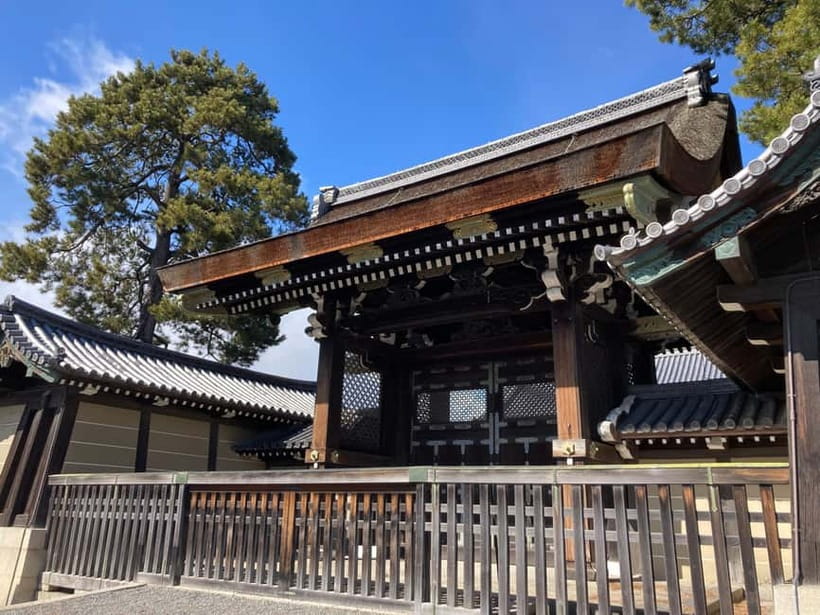
Nijo Castle was built by Tokugawa Ieyasu, the founder of the Tokugawa shogunate. Its lavish interiors and formal design communicate control. You are not simply looking at old rooms. You are seeing architecture used to express political power.
The Imperial Palace presents another side of Japan’s past. It was the residence of Japan’s emperors, and its buildings and gardens reflect a more refined court tradition. A good guide can help you notice the difference in mood, layout, and decoration instead of treating both sites as a checklist.
I particularly like the way the tour links politics with design. You learn how the buildings reflected the political climate of their time, then see how gardens were planned to show seasonal beauty. That combination gives the visit more substance than a standard walk through attractive grounds.
More of Nijo Castle:
- Kyoto: Nijo-jo Castle and Ninomaru Palace Guided Tour
★ 4.7 · 1,020 reviews - Kyoto: Nijo Castle, Kiyomizu & Fushimi Inari Guided Tour
★ 4.7 · 700 reviews - Kyoto: Nijo, Kinkaku-ji, Arashiyama, Kiyomizu & Fushimi Inari
★ 5.0 · 699 reviews
Meeting at the Imperial Palace’s Nakadachiuri Gate
The tour begins at the Nakadachiuri Gate of Kyoto Imperial Palace. This is useful to know because the meeting point is not Nijo Castle, and arriving at the wrong landmark would make a short tour needlessly stressful.
The guide contacts you in advance with a description of their appearance and clothing. Keep an eye on your messages before the tour, especially if you are arriving in Kyoto after a busy morning. With several guides working on this experience, that advance description should help you find the right person.
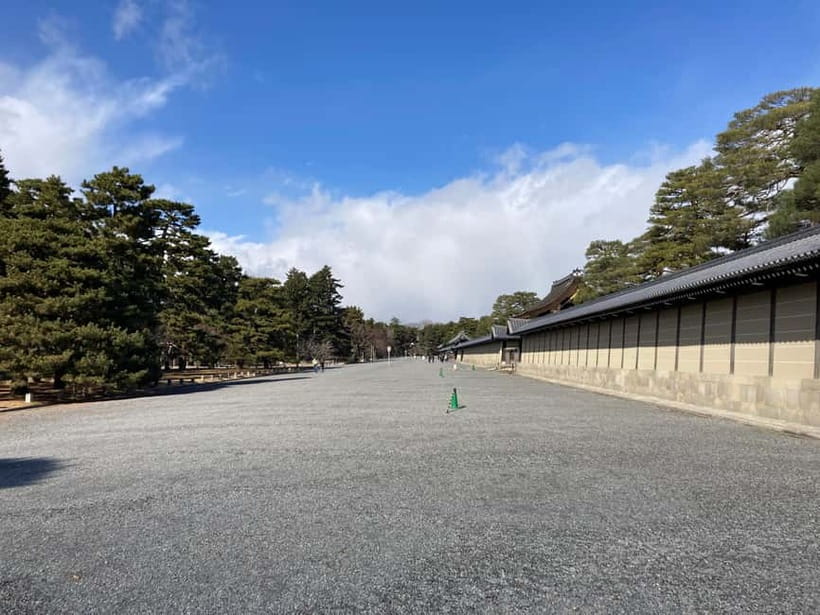
The palace grounds give you room to get oriented before the main walk begins. You can expect an introduction to the role of Kyoto as Japan’s former capital, followed by an explanation of the palace’s place in imperial life and Japanese culture.
The exact emphasis can change with the guide. Goku has been praised for detailed discussions of shoguns, emperors, Japanese culture, and even difficult modern historical questions. Kayo is noted for mixing history, architecture, art, and politics with a good sense of humor. Nene receives praise for clear explanations and a warm manner, while Taku is often singled out for local advice and patient answers.
Kyoto Imperial Palace: elegant grounds, with one limitation
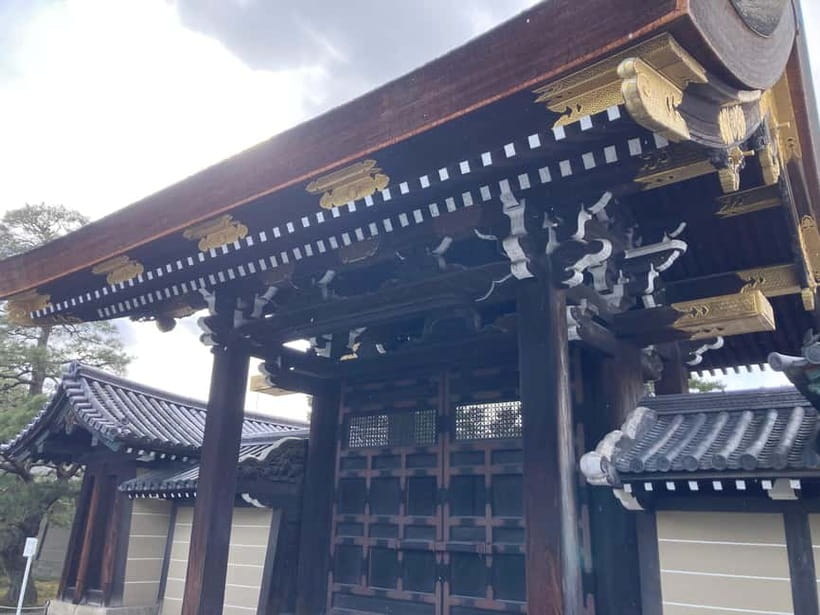
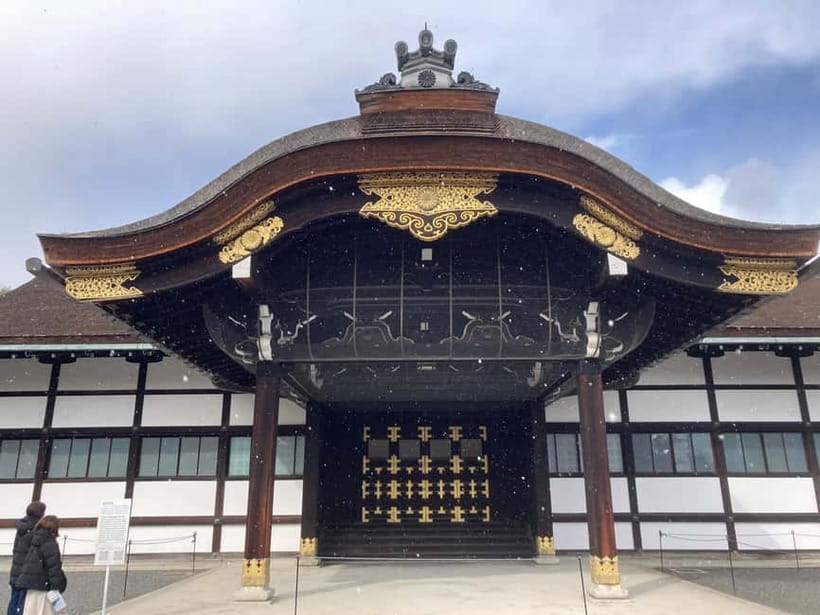
The Imperial Palace portion is likely to be the quieter half of the experience. Its grand architecture and gardens preserve the formal style associated with Japan’s imperial court. Rather than looking for the drama of a castle, you are looking at proportion, open space, seasonal planting, and the relationship between buildings and gardens.
The gardens are a major reason to come. Their design is meant to show seasonal beauty, so the experience changes with the calendar. Spring can bring especially attractive garden views, including the cherry-blossom spot included in the wider walking route. Autumn and other seasons have their own appeal, but the supplied information does not promise a specific display on your date.
This is a good place to let the guide add meaning. A garden can look lovely on its own, but an explanation of why certain spaces were arranged for views, movement, or seasonal effect gives you a better understanding of Japanese aesthetics. You may also pick up context about the imperial court that is easy to miss if you simply walk through taking pictures.
Here is the important limit: you may see the exteriors of palace buildings rather than enter every interior. One four-star assessment specifically found the palace portion less satisfying because only exterior views were available. I would treat this as a grounds and architecture visit, not as an interior palace tour.
The setting also rewards photography. Bring a camera, but leave time to listen. The best moments here are not always the biggest buildings. They may be a garden view, a carefully framed gate, or the contrast between a quiet path and the formality of the palace grounds.
The walk through Kyoto streets
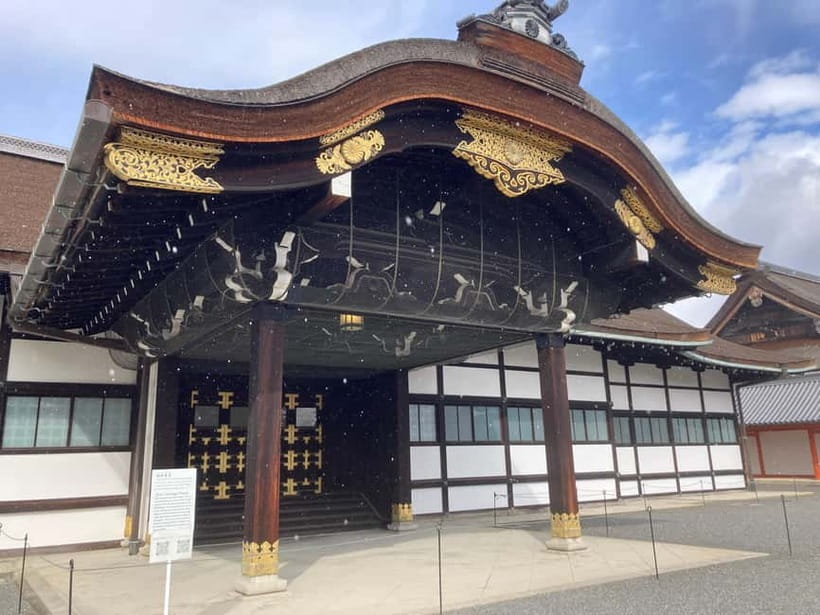
The tour includes walking between the two main sites, with about a 20-minute walk specifically mentioned by one participant. This transfer is part of the experience, not just dead time. You get a look at Kyoto beyond the gates and a chance to ask the guide questions while moving through the city.
The route may show traditional Kyoto townhouses and a place famous for cherry blossoms. These details help connect the grand landmarks to ordinary urban Kyoto. The city’s historic character is not confined to official monuments. It also appears in older building fronts, narrow streets, and small visual details along the way.
Do not expect a long free period for shopping or wandering. Three hours is enough for a focused introduction, but it is not enough to explore every corner of both sites at your own pace. If you like a guide-led visit with a clear route, this is a strength. If you prefer to stop often and linger alone, the schedule may feel tight.
Wear comfortable walking shoes and plan for changing weather. The supplied information describes the visit as mostly outside, so you will be exposed to the conditions rather than spending the whole time in climate-controlled rooms. Shorts are not allowed, so choose respectful, comfortable clothing before you arrive.
More around the Imperial Palace:
- Kyoto: Imperial Palace & Nijo Castle Guided Walking Tour
★ 4.7 · 453 reviews - Kyoto Imperial Palace & Nijo Castle Guided Walking Tour – 3 Hours
★ 4.5 · 106 reviews - Nijo Castle and Imperial Palace Visit with Guide
★ 5.0 · 53 reviews - Kyoto: Discover Every Bit of Kyoto Imperial Palace
★ 4.4 · 21 reviews
Inside Nijo Castle and the Tokugawa message
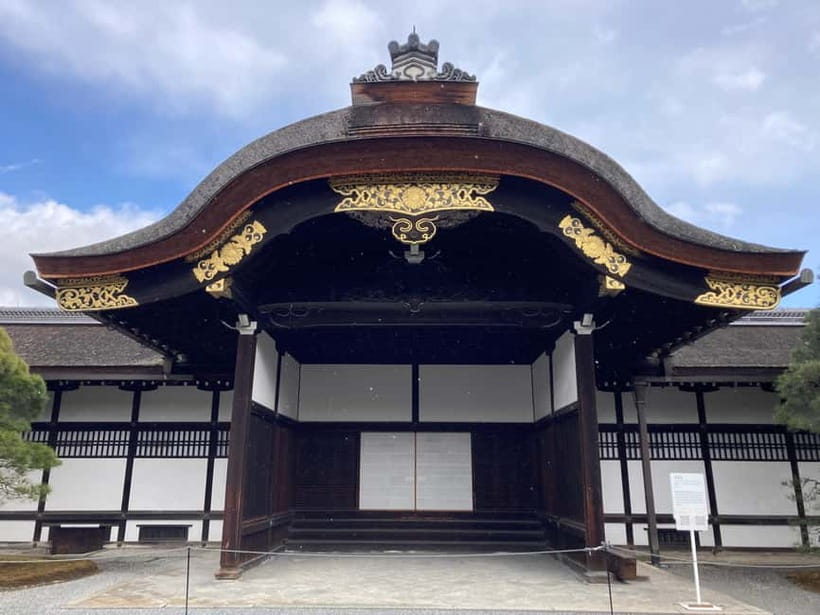
Nijo Castle is the tour’s strongest stop for political drama. Built by Tokugawa Ieyasu, it was designed to show the authority of the shogunate. The lavish interiors and intricate details are not random decoration. They helped communicate rank, wealth, and control.
Your guide should give you the political background needed to read the castle properly. Without that context, you might notice ornate rooms but miss the message behind them. With an explanation of the Tokugawa period, the castle becomes a place where architecture and government worked together.
The included admission covers Nijo Castle, Ninomaru Palace, and the Art Gallery. That is important value, since the castle portion is more than an exterior walk around walls and gardens. You have access to the principal listed areas, while the guide explains how the site functioned and why its design mattered.
The contrast with the Imperial Palace is especially useful here. At Nijo Castle, power feels connected to the shogun’s authority and political control. At the palace, the tone is more closely tied to imperial tradition and court culture. Seeing both on one morning or afternoon gives you a clearer picture of how different institutions shaped Japan.
Several guides have been praised for handling different interests well. If you care about history, Goku can go into detail about shoguns and emperors. If your group includes people who mainly want photographs, the tour can still work, since one couple specifically appreciated the balance between historical explanation and photo time.
What the small group changes
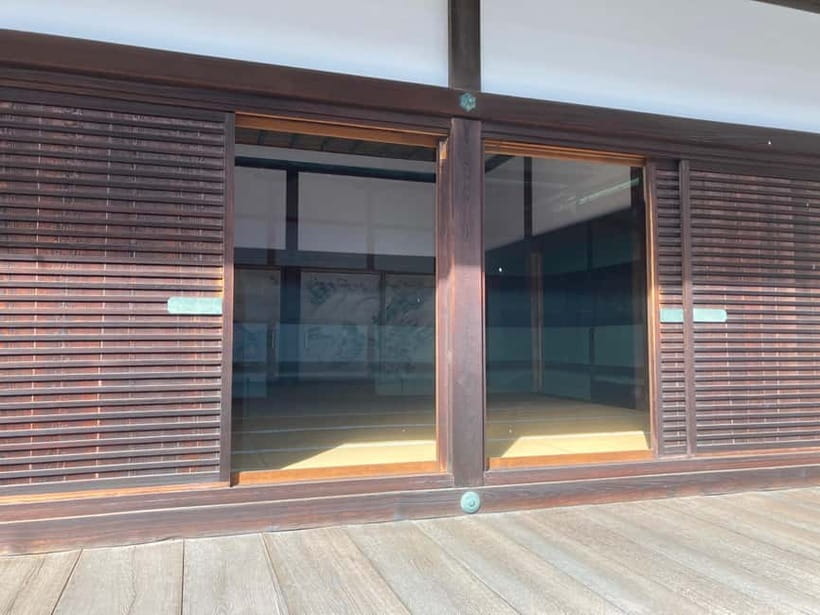
The group limit of nine is one of the most useful features. A large crowd can make a historical tour feel like a moving lecture, with questions saved for the end or lost altogether. A small group gives you a better chance to ask about architecture, politics, customs, or places to eat afterward.
The guide quality is central to the experience. The strongest praise goes to guides who make complicated subjects easy to follow without flattening them into a list of dates. Goku is repeatedly described as friendly, flexible, and able to answer unusual questions. Kayo is praised for humor and wide-ranging explanations. Nene is noted for kindness and clear teaching, and Taku for his effort, local tips, and willingness to take photos.
That last point matters if you are traveling alone. One solo participant appreciated that Taku took pictures and gave restaurant suggestions suited to the traveler’s hotel neighborhood. Those extras are not guaranteed as a formal feature, but they show the practical value of having a local guide nearby.
The tour can also suit families with older children or teenagers who need a story to hold their attention. Two teenage sons were said to enjoy a history-focused version of the tour, especially because the guide made the subject pleasant and approachable. The walking and outdoor format may not suit everyone, but the small group helps keep the pace personal.
Is $63 a fair price?
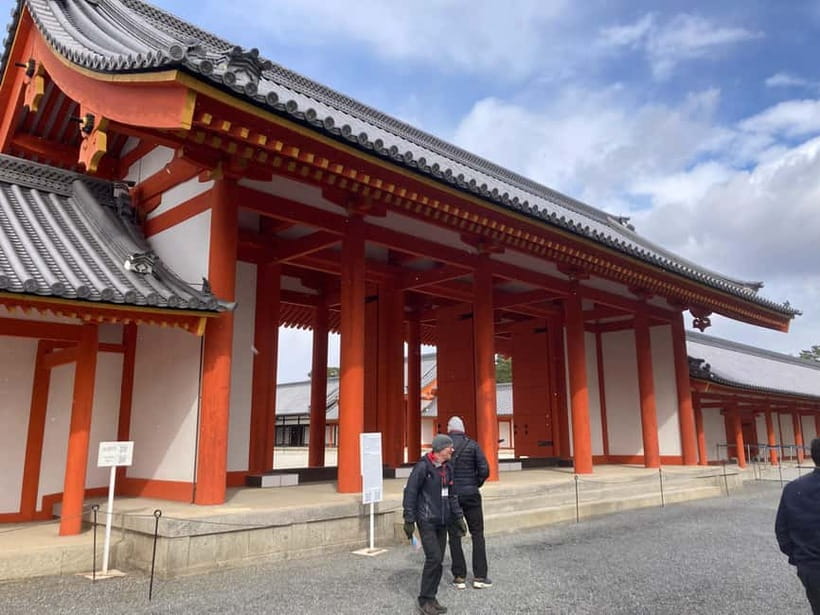
At $63 per person, this is not the cheapest way to see two historic sites. You are paying for more than entry tickets. The price includes admission to Nijo Castle, Ninomaru Palace, and the Art Gallery, plus a three-hour guided walk in a group capped at nine.
I think the value depends on how much context you want. If you are happy reading signs, following a map, and researching the shogunate and imperial court on your own, you can spend less. If you want someone to explain why the buildings look the way they do, connect the two sites politically, answer questions, and help you navigate the walk, the price is reasonable.
The strongest value comes from a good guide. A guide who simply points at buildings would not justify the cost. A guide who can explain Japanese culture, answer questions about history and modern relations, adjust the level for a mixed group, and offer useful Kyoto advice makes the fee easier to defend.
The rating of 4.6 from 98 reviews suggests a strong overall record, but the less positive note about exterior-only palace views matters. I would book this for interpretation and a well-organized introduction, not because it offers exclusive access.
Timing, languages, and practical details
The experience lasts three hours, with start times shown when you check availability. That length works well as a focused introduction and leaves room in your day for another Kyoto sight, lunch, or an evening activity.
Live guiding is available in English, French, Spanish, Japanese, Portuguese, and Russian. English-language feedback is especially strong for Goku, Kayo, Nene, and Taku, but you should select the language you need when booking.
Bring a camera and cash. The provided information does not specify what the cash is for, so think of it as useful general preparation rather than a required tour payment. Cancellation is free up to 24 hours before the start time, and you can reserve now and pay later, which helps if your Kyoto schedule is still shifting.
The activity is listed as unsuitable for pregnant women. Since the tour involves walking between sites and spending much of the time outdoors, consider your comfort carefully before booking.
Who should book this Kyoto walk?
I would choose this tour if you want a short, guided introduction to Kyoto’s political and imperial past. It fits first-time visitors who want a clear story, solo visitors who value company and help with photos, and couples or families who prefer questions and conversation over a large scripted group.
It is also a good choice if you are curious about how Japanese architecture expresses authority. Nijo Castle gives you the shogunate angle, while the Imperial Palace gives you courtly tradition and garden design. That comparison is the tour’s real strength.
I would hesitate if your top priority is entering palace interiors, spending long periods alone in each site, or avoiding outdoor walking. The Imperial Palace may be viewed mainly from the outside, and three hours keeps the route moving.
Book it if you want history brought to life by a personable guide, especially if Goku, Kayo, Nene, or Taku is available in your language. Skip it if you only need admission tickets and prefer to set your own pace.
FAQ
How long does the Kyoto castle and palace tour last?
The tour lasts three hours, including the guided visits and walking between the main sights.
Where does the tour meet?
The meeting point is the Nakadachiuri Gate of Kyoto Imperial Palace.
Will the guide contact me before the tour?
Yes. You will be contacted in advance with information about what the guide looks like and what they will be wearing.
What languages are available?
Live guiding is available in English, French, Spanish, Japanese, Portuguese, and Russian.
How large is the group?
The tour is limited to nine participants.
What admission is included?
Admission to Nijo Castle, Ninomaru Palace, and the Art Gallery is included.
Can I see the inside of Kyoto Imperial Palace?
The Imperial Palace portion may include exterior views of the buildings rather than access to every interior. Book with that limitation in mind.
What should I bring?
Bring a camera and cash. Comfortable clothing for a walking tour is also practical, and shorts are not allowed.
Can I cancel or pay later?
You can cancel up to 24 hours in advance for a full refund. Reserve now and pay later is also available.
Recently added around Kyoto
- Higashiyama | Kyoto: Sakura Season Private Rickshaw Tour★ 5.0 · 3 reviews
- Kyoto Kimono Rental CHAMATSU|Kimono/Yukata Rental FamilyPlan★ 5.0 · 3 reviews
- Kyoto: Half-Day Private Guided Tour to the Old Town of Gion★ 4.4 · 3 reviews
- Nara Private Customizable Half Day Tour★ 5.0 · 3 reviews
- Kansai Region Hiking Adventure in Nara Kobe Kyoto and More★ 5.0 · 3 reviews
- Full Day Nara Deer, Temple, Shrine, Activities & Tea Ceremony★ 5.0 · 3 reviews
- Nara: Essential Private Tour with Deer Park and Temples★ 5.0 · 3 reviews
- Hiking Tour for Sacred Sites in Kyoto with a Guide★ 5.0 · 3 reviews
Nijo Castle Tours, compared.
Nijo-jo Castle and Ninomaru Palace Guided Tour
Read our review →
Nijo, Kinkaku-ji, Arashiyama, Kiyomizu & Fushimi Inari
Read our review →
Imperial Palace & Nijo Castle Guided Walking Tour
Read our review →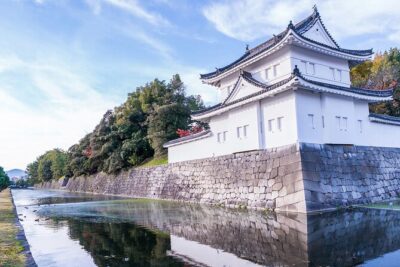
Nijo Castle World Heritage Guided Tour with Admission
Read our review →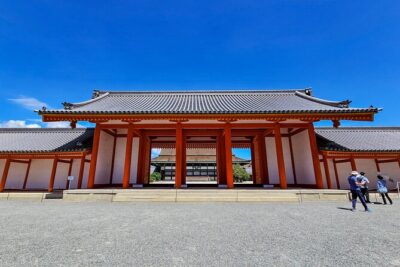
Kyoto Imperial Palace & Nijo Castle Guided Walking Tour – 3 Hours
Read our review →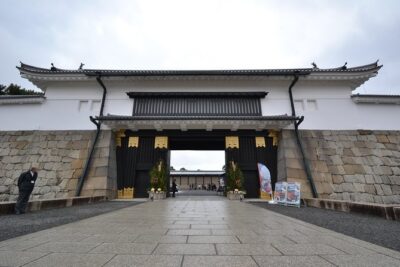
Nijo Castle and Imperial Palace Visit with Guide
Read our review →
Golden Pavilion, Nijo Castle, & Nishiki Market Half day tour
Read our review →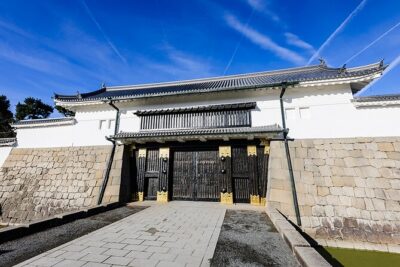
Nijo Castle Samurai Inside Story — Top-Rated Guide (Max 8)
Read our review →Browse the lists this tour appears in