
REVIEW · NIJO CASTLE TOURS
Kyoto Imperial Palace and Nijo Castle Walking Tour
Kyoto’s past comes into sharp focus on this private, seven-hour walk. You move from the Buddhist faith of ordinary people to the food stalls of Nishiki Market, then into the worlds of the shogun and the emperor. Few day tours give you that clear side-by-side contrast between religious life, daily commerce, military rule, and imperial tradition.
I like the private format, since your guide can answer family questions and adjust the pace better than a large group can. I also like the practical route from Kyoto Station, with Nishiki Market providing a useful break between the quiet temple and the more formal palace and castle visits.
The main drawback is the amount of walking. You should also budget for the ¥1,300 admission fee and about ¥1,000 for public transportation, both listed separately from the tour price of $111.03 per person.
In This Review
- Key points at a glance
- Why this route gives you a clearer picture of Kyoto
- Starting at Higashi Hongan-ji Temple
- Eating your way through Nishiki Market
- Seeing the shogun’s Kyoto at Nijo Castle
- Comparing Nijo Castle with Kyoto Imperial Palace
- What the private format changes
- Timing, transport, and the walking load
- Who will get the most from this Kyoto day
- Small details that can make the day better
- Should you book the Kyoto Imperial Palace and Nijo Castle Walking Tour?
- FAQ
- Where does the tour begin?
- Where does the tour end?
- How long does the tour last?
- Which places are visited?
- Are admission and transportation included?
- Can I cancel for a full refund?
Key points at a glance
- Four very different Kyoto landmarks: Visit Higashi Hongan-ji Temple, Nishiki Market, Nijo Castle, and Kyoto Imperial Palace in one day.
- A private guide for your group: Only your party takes part, with guides such as Naoko, Chie, and Fuji associated with the experience.
- A useful history lesson: See the difference between the shogun’s residence at Nijo Castle and the emperor’s former home at Kyoto Imperial Palace.
- Nishiki Market adds local flavor: Use the market stop for Kyoto food, refreshments, and suggestions from your guide.
- A full seven-hour outing: The 9 a.m. start and return to the original meeting point make this an efficient day in central Kyoto.
- Plan for extra costs: Entry to Nijo Castle and public transportation are not included in the tour price.
Why this route gives you a clearer picture of Kyoto
Many Kyoto sightseeing days focus only on temples. This tour takes a broader view. It shows you how religion, food, political power, and imperial ceremony all fit into the city’s story.
That range is the real strength of the experience. At Higashi Hongan-ji, you begin with Buddhism and the faith of ordinary residents. At Nishiki Market, you shift to the ingredients and food traditions that shape everyday Kyoto. Nijo Castle then brings in the shogun, while the Imperial Palace shows you the world of the emperor and his household.
I find that sequence useful because the two grand political sites can otherwise blur together. They are not the same kind of place. Nijo Castle was built for the shogun when he visited Kyoto, while the Imperial Palace served as the emperor’s home until the capital moved to Tokyo in 1868.
The day is not simply a checklist of famous buildings. A good guide can connect the sites and explain how different people lived under the same political system. That is where this private tour earns its keep.
More of Nijo Castle:
- Kyoto: Nijo-jo Castle and Ninomaru Palace Guided Tour
★ 4.7 · 1,020 reviews - Kyoto: Nijo Castle, Kiyomizu & Fushimi Inari Guided Tour
★ 4.7 · 700 reviews - Kyoto: Nijo, Kinkaku-ji, Arashiyama, Kiyomizu & Fushimi Inari
★ 5.0 · 699 reviews
Starting at Higashi Hongan-ji Temple
The meeting point is outside the central entrance of Kyoto Station, at Hotel Granvia Kyoto. You begin at 9 a.m., which gives the day a firm structure from the start.
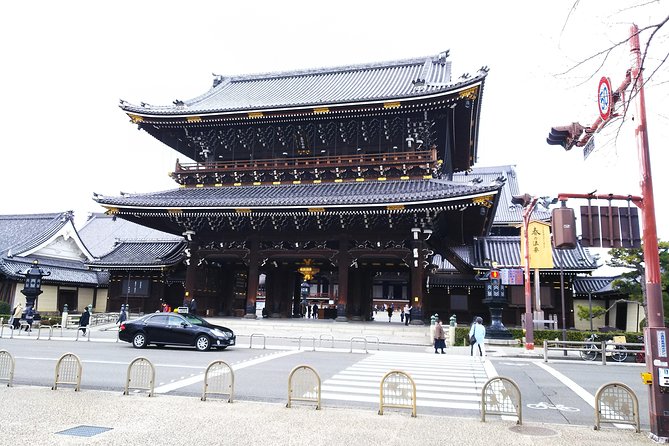
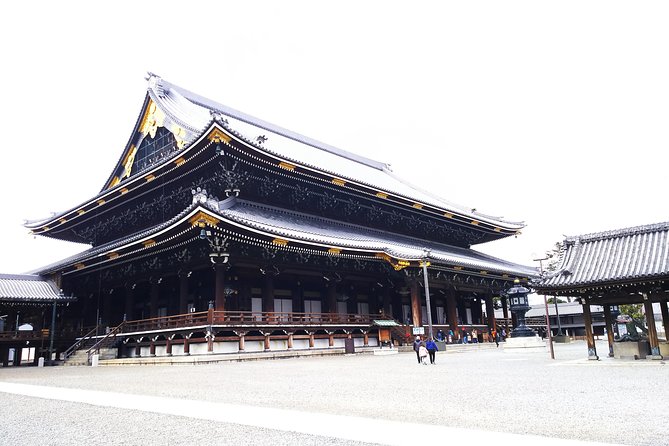
Higashi Hongan-ji Temple is the first stop, with about 30 minutes set aside. Buddhism has more followers in Japan than any other religion, and this temple introduces you to one of the country’s major Buddhist traditions. The focus here is less on royal power and more on the beliefs held by ordinary people.
Thirty minutes is enough for an introduction, but it is not a long temple visit. You should think of this stop as a foundation for the day rather than a slow, reflective exploration of every building.
Your guide can explain the role of Buddhism in Japanese life and help you notice details you might pass without understanding. This is particularly useful if you have visited several Kyoto temples and want more than a quick look at rooflines and statues.
Families may appreciate the guide-led approach here. Naoko is associated with this experience and has been especially good at making explanations accessible to children. You should not assume she will be your assigned guide, but the tour has a track record of pairing the historical material with clear, lively explanations.
Eating your way through Nishiki Market
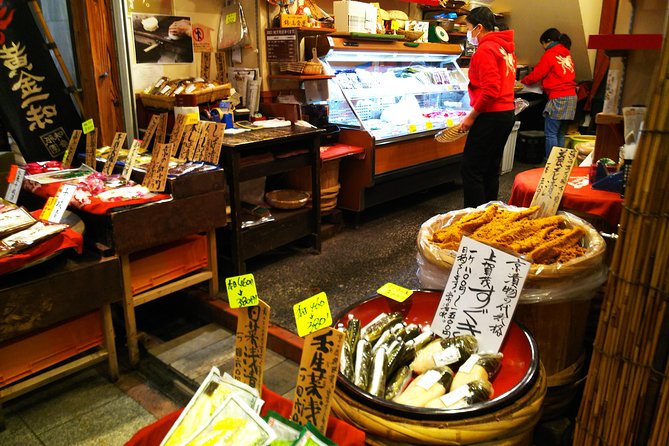
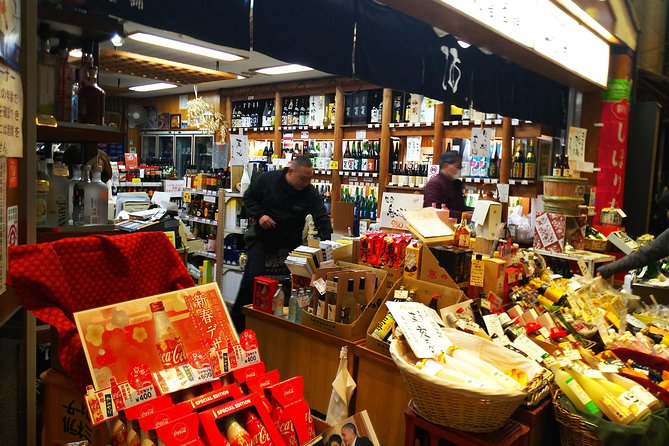
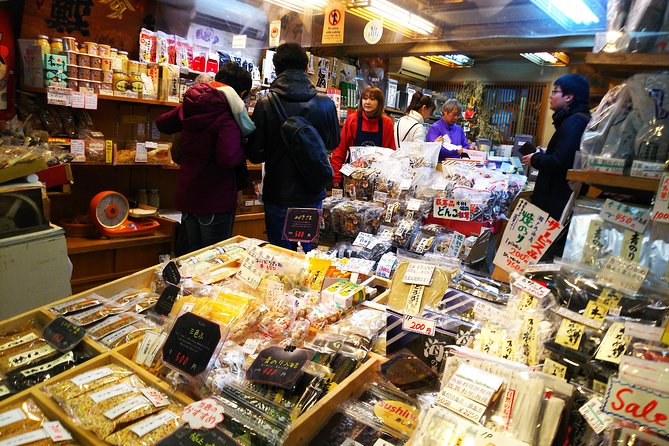
The next stop is Nishiki Market, known as the kitchen of Kyoto. You have about 30 minutes here, so set your expectations accordingly. This is a short introduction to the market, not a full afternoon of shopping and eating.
The market is valuable because it links Kyoto’s past to daily life. You can see the ingredients, snacks, and food customs that give the city its distinctive character. Your guide can point out what is worth trying and help you decide how to spend your limited time.
Fuji, one of the guides associated with the tour, has offered food suggestions at Nishiki Market and helped make the stop more useful. That kind of advice matters here, since a first visit can be confusing when you have only half an hour.
You may also have time for a refreshment or a small purchase, but food is not listed as included. Do not arrive assuming lunch is part of the $111.03 price. A guide may recommend a restaurant for later, and one past itinerary included a particularly well-liked dining suggestion, but your meal arrangements remain your responsibility.
The market also gives your feet a short change of pace before the longer cultural visits. It is still part of a walking day, though, and the narrow shopping area can take time to cross.
Seeing the shogun’s Kyoto at Nijo Castle
Nijo Castle receives about one hour, and admission is not included. The listed entry cost is ¥1,300 per person, so keep cash or another accepted payment method ready for this part of the day.
The castle was built in 1603, after the shogun moved his government to Edo, now Tokyo. It served as a Kyoto residence for the shogun when he came to the old imperial capital. That purpose gives the site a different mood from the Imperial Palace.
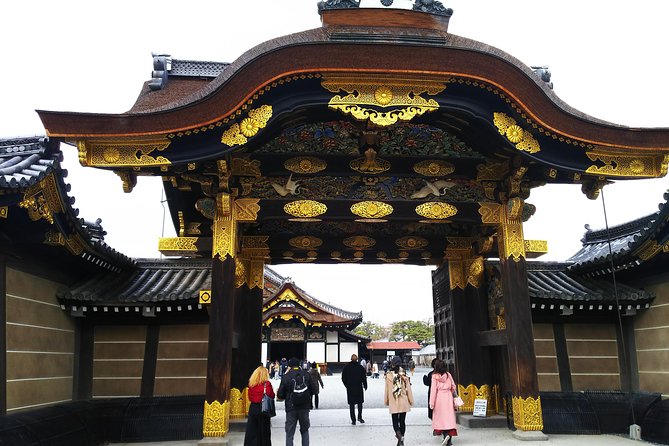
Inside, you can expect ornate rooms and more than 1,000 painted pictures. The decoration reflects political power and ceremony, not simply private comfort. Your guide can help explain why the building mattered and how the shogun’s presence in Kyoto carried political weight.
This is often the strongest stop for visitors who enjoy architecture and visual detail. The interiors offer more decorative impact than the Imperial Palace, which is important to know before you arrive. One guide described the contrast clearly: the palace should not be expected to resemble a European royal residence filled with furniture and gold.
That difference is not a weakness. It is one of the most useful lessons of the day. Nijo Castle presents the authority of the military ruler in a highly decorated setting. The Imperial Palace reflects a different tradition, with more restraint and a stronger sense of formal space.
An hour gives you time to see the principal areas with guidance, but it may feel short if you want to inspect every painting. You will get more from the visit if you stay close to your guide and ask questions as you go.
More around the Imperial Palace:
- Kyoto: Imperial Palace & Nijo Castle Guided Walking Tour
★ 4.7 · 453 reviews - Kyoto Imperial Palace & Nijo Castle Guided Walking Tour – 3 Hours
★ 4.5 · 106 reviews - Kyoto: Nijo Castle and Kyoto Imperial Palace Guided Tour
★ 4.6 · 98 reviews - Nijo Castle and Imperial Palace Visit with Guide
★ 5.0 · 53 reviews
Comparing Nijo Castle with Kyoto Imperial Palace
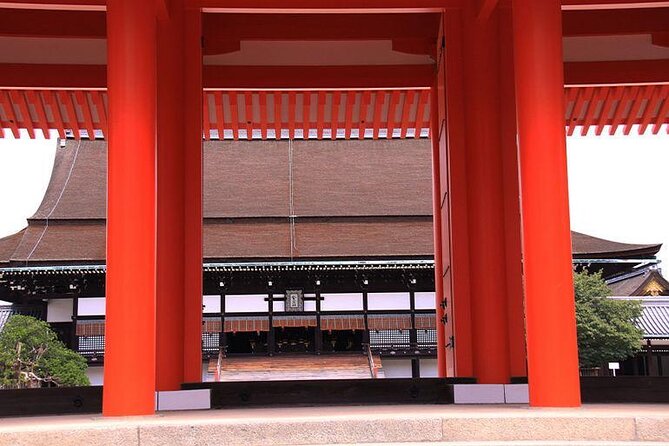
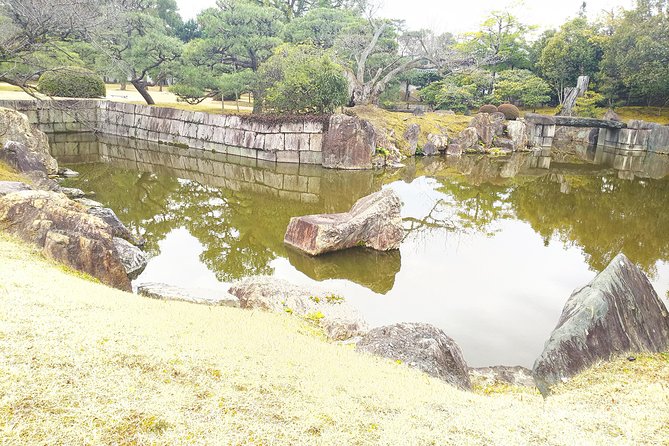
The Kyoto Imperial Palace occupies a large area in the center of the city. The emperor’s family lived there until the capital moved to Tokyo in 1868, and the site remains tied to the imperial family today.
The visit lasts about one hour and 15 minutes, making it the longest scheduled stop. That extra time helps because the grounds are extensive and the palace experience depends as much on layout and atmosphere as on individual objects.
Do not come expecting the heavy decoration of a European palace. The Imperial Palace can feel more open and restrained, with less furniture and display. Its importance comes from its role in Japanese government and ceremony, not from an accumulation of gold-covered rooms.
This comparison is one of the best reasons to book the tour. You see Nijo Castle and the Imperial Palace on the same day, with a guide able to explain the difference as you move between them. Chie, another guide associated with the experience, has been praised for making efficient use of the route and for explaining the contrast between the two sites.
I would pay close attention to the guide’s explanations here rather than judging the palace only by its visual impact. If you want grand European-style interiors, Nijo Castle will likely make the bigger impression. If you want to understand the separate roles of emperor and shogun, the palace is essential.
What the private format changes
This is a private activity, so only your group participates. That is a major advantage if you are traveling with children, have a long list of questions, or prefer not to wait for a large group to gather.
A private guide can also adjust explanations. Naoko has made the material interesting for children, while Fuji has answered detailed questions about history and culture or found the information when needed. Chie has helped groups cover the route efficiently. These names are not a guarantee of your assigned guide, but they give you a sense of the guiding style connected with the tour.
The private setup also makes the $111.03 price easier to judge. For one person, the cost is high once you add ¥1,300 for admission and around ¥1,000 for transportation. For a family or small group, the guide fee buys personal attention and a better chance to shape the conversation.
The tour does not include every cost, and it is not a meal tour. You are paying mainly for the guide’s time, route planning, interpretation, and help with public transportation. If you are comfortable touring independently with a guidebook, you may find the price hard to justify. If you want context and personal help, the value is stronger.
Timing, transport, and the walking load
The tour begins at 9 a.m. at Hotel Granvia Kyoto, by the central entrance of Kyoto Station. It ends back at the same meeting point, which is convenient if you are staying near the station or need a known place to continue your day.
About seven hours is a serious block of time. The listed visits total less than the full duration, so the remaining time is used for movement, explanations, and the transitions between sites. Public transportation is part of the day, and about ¥1,000 per person is listed as an additional cost.
You need a moderate level of physical fitness. The route involves quite a bit of walking, and the palace grounds and castle complex both require time on your feet. Wear comfortable shoes and avoid treating this as a gentle sightseeing stroll.
Weather matters too. The experience requires good weather, and poor conditions can lead to a different date or a full refund. You can cancel for a full refund up to 24 hours before the start time, but changes or cancellations inside that window are not accepted.
Service animals are allowed, and the meeting point is near public transportation. The activity is not described as fully accessible, so if you have mobility concerns, ask the provider before booking rather than assuming the long route will suit you.
Who will get the most from this Kyoto day
I would recommend this tour to first-time visitors who have limited time and want a strong introduction to Kyoto’s main historical forces. It is especially useful if you want a guide to explain the difference between imperial and shogunal power instead of seeing two large compounds without context.
Families are also a good match. A private guide can respond to children’s questions and vary the level of detail. The food stop at Nishiki Market breaks up the formal sightseeing and gives younger visitors something immediate to notice.
History fans should like the structure. You move from faith to food, then from military authority to the imperial household. That is a more useful lesson than visiting four unrelated attractions.
I would be more cautious if you dislike walking, want a slow temple day, or prefer to spend hours browsing Nishiki Market. The 30-minute market visit is brief, and the seven-hour schedule keeps moving.
You should also compare the price with your group size. Solo visitors pay the same listed per-person rate without sharing the guide cost across a family or private party. Larger groups may find the individual cost more reasonable, especially if everyone wants a personal guide.
Small details that can make the day better
Arrive at the Kyoto Station meeting point early. The stated start time is 9 a.m., and a busy station is not the place to begin searching for your guide at the last second.
Carry funds for the ¥1,300 admission and ¥1,000 transport allowance. These are separate from the tour price, and food at Nishiki Market is also your own expense.
Ask questions. The guides connected with this tour have handled detailed questions about culture, history, and food, which is exactly where a private tour can become more than a procession from gate to gate.
Use Nishiki Market as a chance to ask what to eat later, not only what to buy immediately. Thirty minutes passes quickly, and a recommendation from the guide may be more useful than trying to sample everything.
Keep the palace comparison in mind. Nijo Castle may give you the stronger visual impression, while the Imperial Palace gives you a better sense of imperial tradition and formal space. Both matter, but for different reasons.
Should you book the Kyoto Imperial Palace and Nijo Castle Walking Tour?
Book it if you want a private, guide-led introduction to Kyoto and can handle a full day of walking. The route covers four very different parts of the city, and the comparison between Nijo Castle and Kyoto Imperial Palace gives the day a clear purpose.
The tour is particularly good for families and first-time visitors who want explanations in good English, help with transport, and practical food advice at Nishiki Market. The named guides connected with the experience, including Naoko, Chie, and Fuji, are noted for clear explanations, family-friendly conversation, efficient routing, and useful answers.
Skip it if you want a cheap self-guided day, a long market visit, or a relaxed pace. Once you add admission and transportation, the cost rises above the advertised tour price. Still, for a small group that values personal attention and wants Kyoto’s religious, culinary, military, and imperial stories tied together, this is a sensible way to spend one full day.
FAQ
Where does the tour begin?
It begins at Hotel Granvia Kyoto, near the central entrance of Kyoto Station in Kyoto’s Shimogyo Ward. The start time is 9 a.m.
Where does the tour end?
The activity ends back at the original meeting point near Kyoto Station.
How long does the tour last?
The tour lasts approximately seven hours.
Which places are visited?
The route includes Higashi Hongan-ji Temple, Nishiki Market, Nijo Castle, and Kyoto Imperial Palace.
Are admission and transportation included?
No. A ¥1,300 admission fee per person and about ¥1,000 per person for public transportation are listed separately. Food is not listed as included.
Can I cancel for a full refund?
Yes. You can cancel at least 24 hours before the experience start time for a full refund. Cancellations or changes made less than 24 hours before the start time are not accepted for a refund.
More Walking Tours in Kyoto
- Kyoto Geisha Walking Tour: Gion District & Hidden Gems
★ 4.7 · 3,273 reviews - Kyoto: Gion Magical Night Walking Tour with Geisha Trivia
★ 4.9 · 2,393 reviews - Kyoto: Gion Geisha District Walking Tour – Stories of Geisha
★ 4.7 · 2,187 reviews - Night Walk in Gion: Kyoto’s Geisha District
★ 4.5 · 2,003 reviews
Recently added around Kyoto
- Higashiyama | Kyoto: Sakura Season Private Rickshaw Tour★ 5.0 · 3 reviews
- Kyoto Kimono Rental CHAMATSU|Kimono/Yukata Rental FamilyPlan★ 5.0 · 3 reviews
- Nara Private Customizable Half Day Tour★ 5.0 · 3 reviews
- Kyoto: Half-Day Private Guided Tour to the Old Town of Gion★ 4.4 · 3 reviews
- Kansai Region Hiking Adventure in Nara Kobe Kyoto and More★ 5.0 · 3 reviews
- Full Day Nara Deer, Temple, Shrine, Activities & Tea Ceremony★ 5.0 · 3 reviews
- Nara: Essential Private Tour with Deer Park and Temples★ 5.0 · 3 reviews
- Hiking Tour for Sacred Sites in Kyoto with a Guide★ 5.0 · 3 reviews
Nijo Castle Tours, compared.
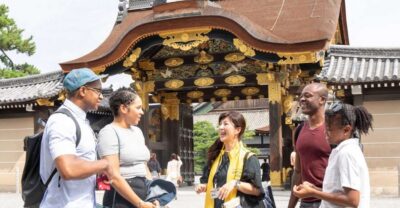
Nijo-jo Castle and Ninomaru Palace Guided Tour
Read our review →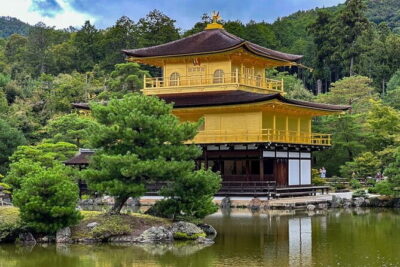
Nijo, Kinkaku-ji, Arashiyama, Kiyomizu & Fushimi Inari
Read our review →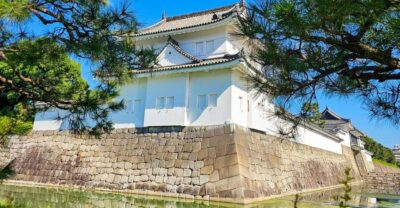
Imperial Palace & Nijo Castle Guided Walking Tour
Read our review →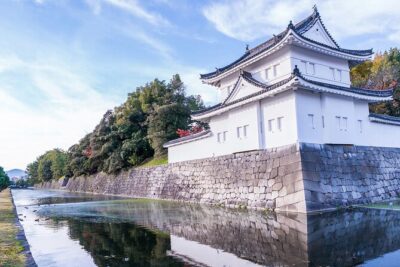
Nijo Castle World Heritage Guided Tour with Admission
Read our review →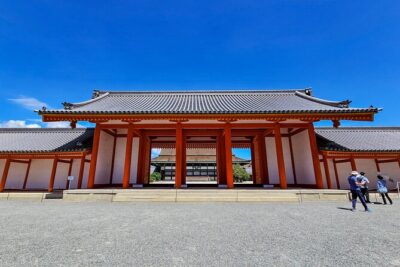
Kyoto Imperial Palace & Nijo Castle Guided Walking Tour – 3 Hours
Read our review →
Nijo Castle and Kyoto Imperial Palace Guided Tour
Read our review →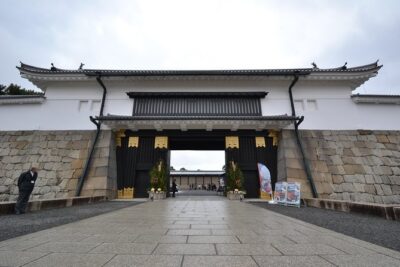
Nijo Castle and Imperial Palace Visit with Guide
Read our review →
Golden Pavilion, Nijo Castle, & Nishiki Market Half day tour
Read our review →Browse the lists this tour appears in