
REVIEW · KYOTO RAMEN TOURS
Insider Kyoto Ramen Tour
Kyoto’s temple walks and tea ceremonies get much of the attention, but ramen tells a different story. On this 150-minute tour, you begin with a short briefing at a nearby coffee shop, then visit two shops in different neighborhoods for two half-size bowls: one classic Kyoto style and one more modern creation. It is a tasty way to see a less polished, more everyday side of the city.
I like two things here. First, you get real comparison rather than one oversized bowl and a quick explanation. Second, guides such as Nick and Frank make the subject lively with a ramen quiz, clear explanations, and easy conversation. The main consideration is the $90 price, which is fair if you value guidance and context, but high if you simply want to eat ramen on your own.
In This Review
- Key points at a glance
- Why two small bowls beat one giant serving
- Starting with ramen at a Kyoto coffee shop
- The first bowl: a more modern Kyoto approach
- The second bowl: a more traditional neighborhood stop
- What the guide adds between bites
- Is $90 a fair price for 150 minutes?
- Timing the tour around your Kyoto plans
- Dietary needs and portion planning
- Who will enjoy this Kyoto food tour most?
- Should you book the Insider Kyoto Ramen Tour?
- FAQ
- How long does the Insider Kyoto Ramen Tour last?
- How many ramen bowls are included?
- What styles of ramen will I try?
- Is a beverage included?
- Where does the tour begin?
- Is transportation included?
- What language is the tour conducted in?
- Can I request vegetarian, vegan, or gluten-free ramen?
- Can I cancel the tour for a refund?
Key points at a glance
- Two styles in one outing: Try a classic Kyoto bowl and a more modern bowl, each served at half the usual size.
- A useful coffee-shop introduction: Learn about ramen’s origins, preparation, and place in Kyoto before you sit down to eat.
- Different neighborhoods, different atmosphere: The route connects two local areas rather than keeping you inside one restaurant district.
- Guides who make the food approachable: Nick and Frank are praised for friendly conversation, practical knowledge, and a fun quiz.
- A good food break from temples: This adds an ordinary local meal to a Kyoto itinerary filled with major sights.
- Dietary needs require planning: Vegetarian, vegan, and gluten-free choices may be possible, but they are not guaranteed on shared tours.
Why two small bowls beat one giant serving
Ramen is easy to misunderstand when you only try one bowl. The broth, noodles, toppings, seasoning, and cooking method can vary so much that a single meal gives you only one answer to a very large question.
This tour gives you two. Each serving is about half the size of a full bowl, so you can compare styles without facing the familiar ramen problem of feeling too full halfway through the afternoon. The portions are still meant to make a proper meal, and the available feedback indicates that many people finish the tour feeling satisfied rather than hungry.
The first bowl represents classic Kyoto ramen. The second shows a more modern direction. That contrast gives the outing a clear purpose: you are not just visiting two restaurants, you are looking at how one famous dish can change with time, place, and cooking choices.
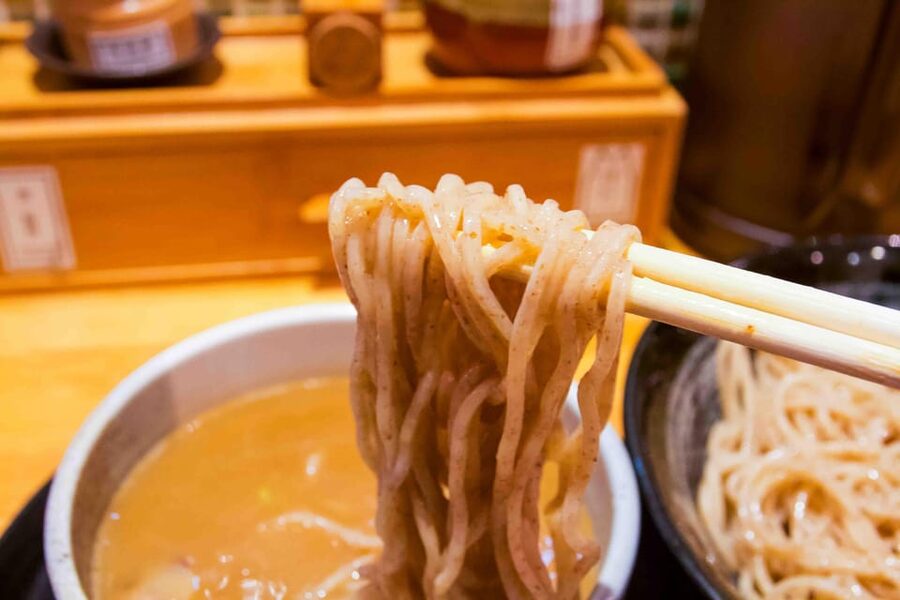
One review describes the modern-style bowl as having a thick soup, with yuzu seasoning as a personal favorite. The other stop was a more traditional restaurant serving soy-sauce-based ramen. These details are not promised as fixed dishes for every departure, but they show the sort of contrast the tour aims to present.
More Kyoto ramen crawls:
- Kyoto: Ramen Cooking Class at a Ramen Factory with Souvenir
★ 4.9 · 532 reviews - Kyoto: Ramen, Gyoza, and Onigiri Cooking Class
★ 5.0 · 445 reviews - Kyoto Ramen and Gyoza Cooking Class with Professional Chefs
★ 5.0 · 282 reviews
Starting with ramen at a Kyoto coffee shop
The tour begins at a nearby coffee shop, not at the first ramen counter. That may sound like a small detail, but it improves the meal that follows.
Your guide uses this opening to explain where ramen came from, how it is prepared, and why it matters to people in Kyoto. You also have time to ask questions before the restaurant visits. A short ramen quiz may be part of the introduction, giving the group an easy way to get involved without turning the briefing into a classroom lecture.
I like this format because ramen is a dish with plenty of details that are easy to miss. A bowl can look simple, yet the soup base, seasoning, noodle texture, and toppings all affect the final taste. With some background in mind, you are more likely to notice the difference between the two stops.
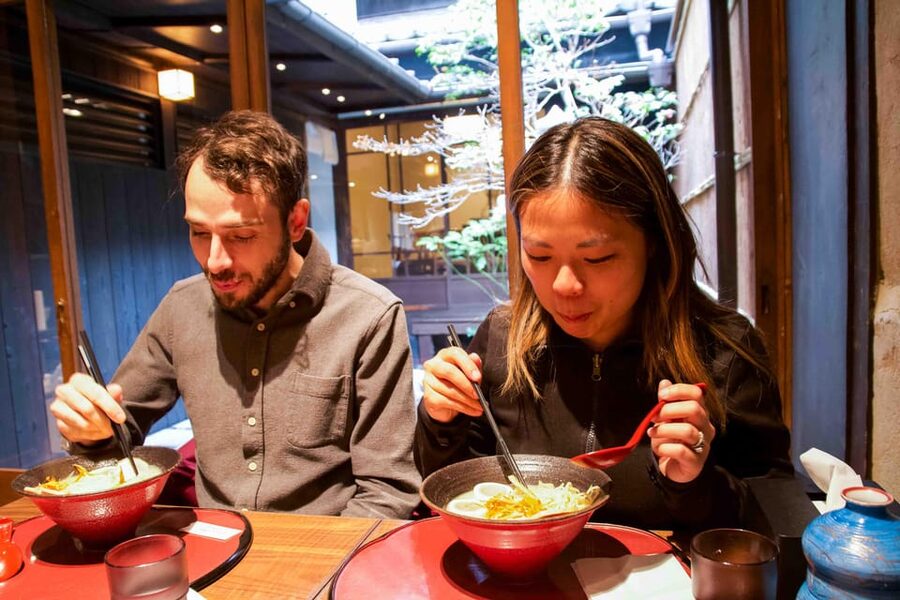
The guides are another important part of this opening. Nick is described as easy to talk with, while Frank is praised for explaining ramen history, styles, and preparation in an entertaining way. Your guide may be one of them, depending on the departure. The tour is conducted in English.
The first bowl: a more modern Kyoto approach
The first restaurant presents the tour’s modern side. The setting described by one participant had high-end decor and an open, minimalist feel. That creates a different mood from the compact, workaday image many people have of a ramen shop.
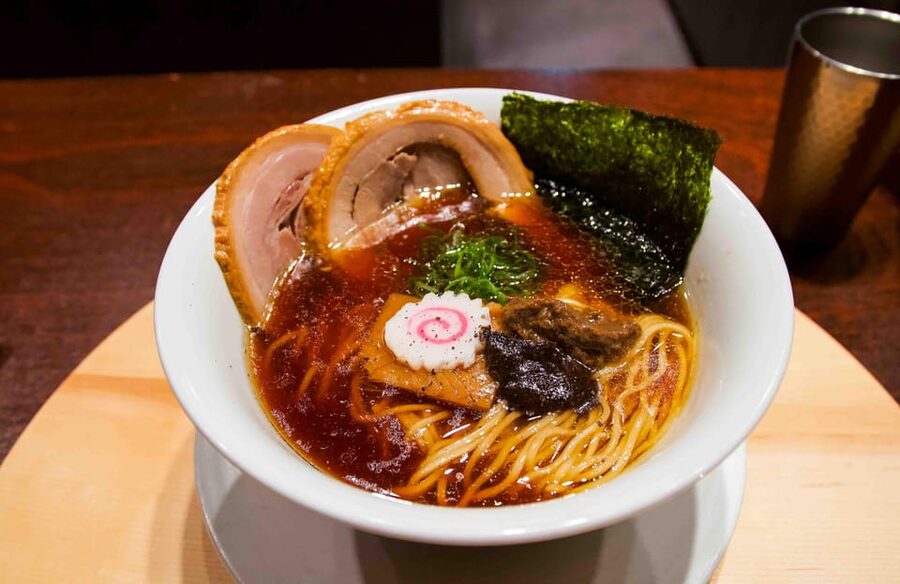
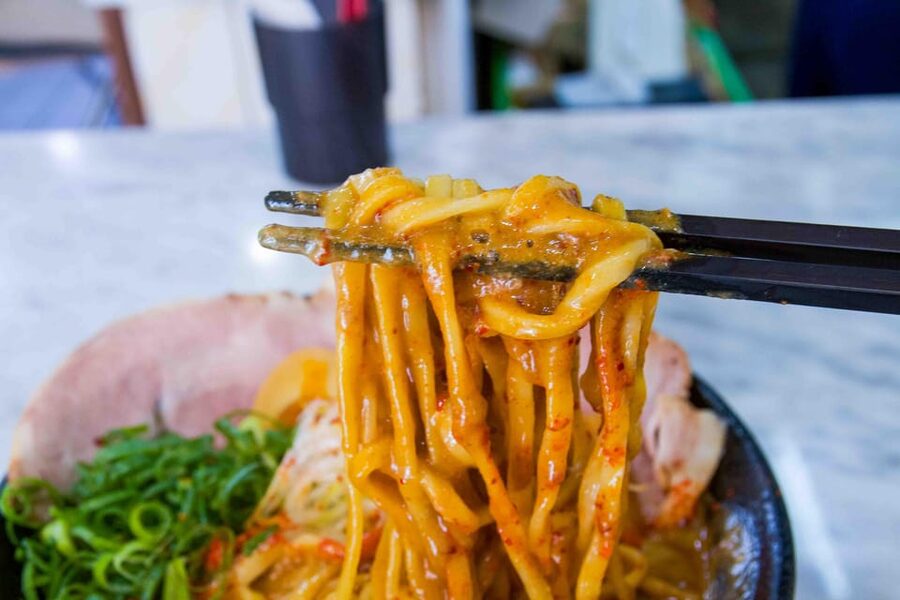
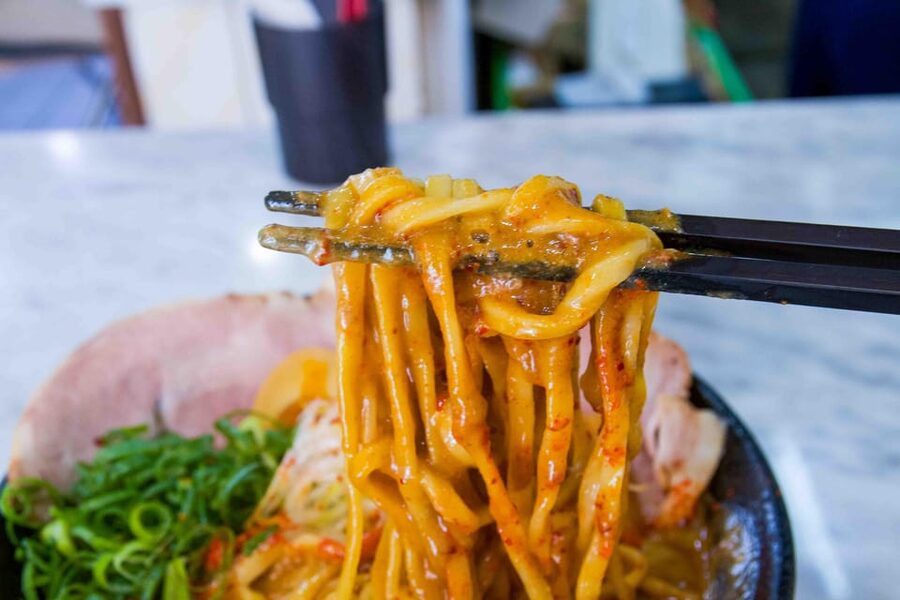
The bowl itself was described as having a thick soup, with yuzu used for seasoning. Yuzu gives a bright citrus note, which can make a heavy broth feel sharper and more layered. It is a useful example of how ramen can move beyond the basic categories you may already know.
Do not treat this description as a guaranteed menu. Restaurants can change their bowls, and the tour details do not promise a particular broth or yuzu serving on every date. Still, the modern stop appears designed to show how chefs can update ramen while keeping the dish recognizable.
The half-size serving matters here. A thick broth can be filling, especially when paired with noodles. A smaller bowl lets you taste the restaurant’s style, think about the flavors, and save room for the second stop.
The second bowl: a more traditional neighborhood stop
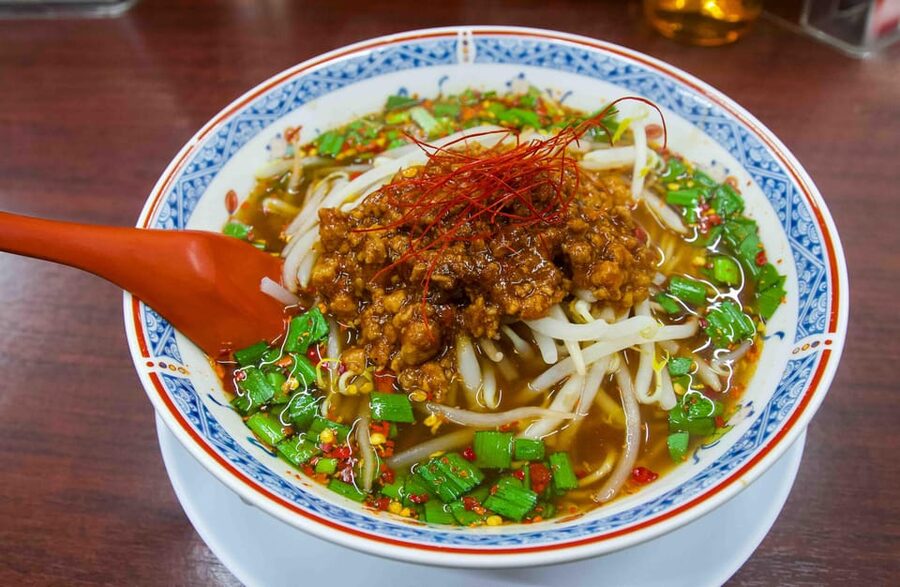
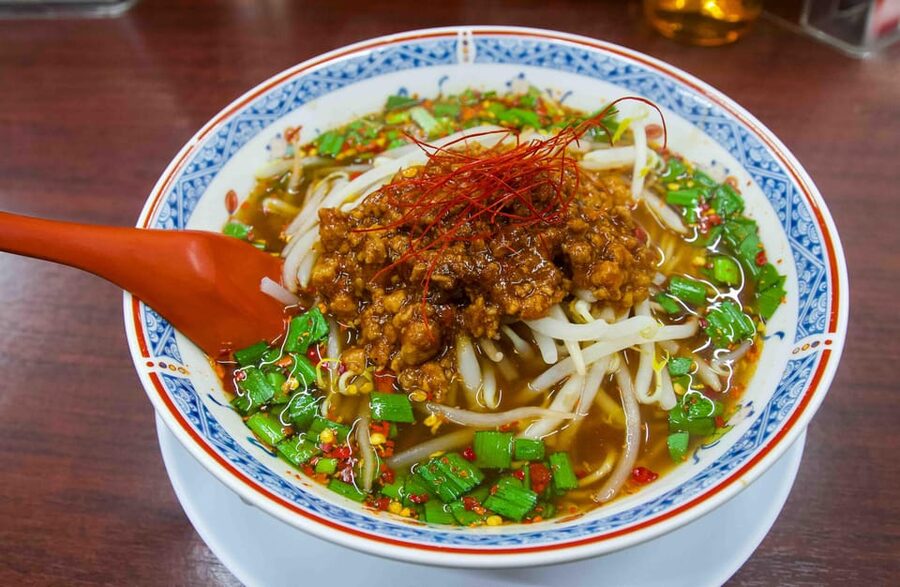
The second restaurant provides the other half of the comparison. It is described as a more traditional ramen shop, with soy-sauce-based ramen and the sort of setting locals might use for a regular meal.
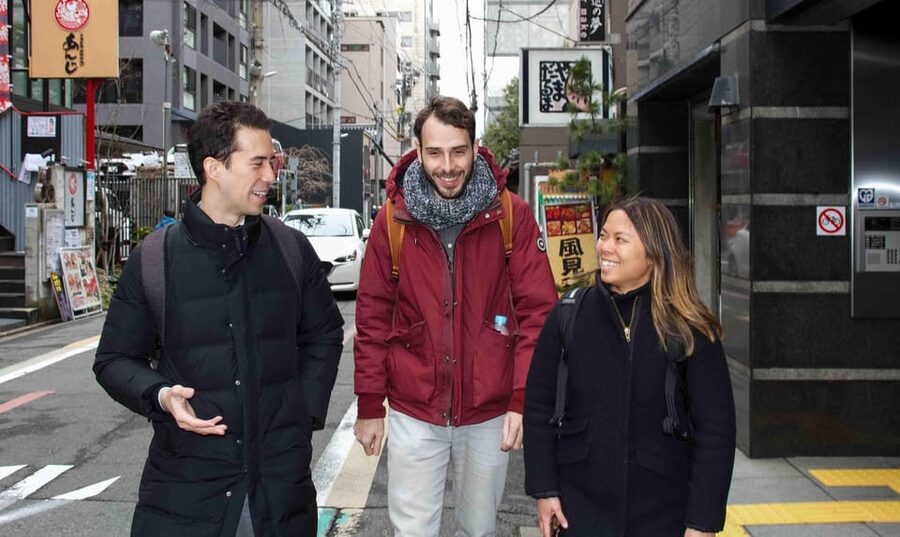
That change in surroundings is part of the value. You are not only tasting a different soup. You are also seeing how the food fits into a more ordinary neighborhood setting. The tour takes you through two Kyoto areas, so the walk between or around the stops adds local streets, sounds, and daily life to the experience.
The precise neighborhoods are not specified, and the meeting point may change with the option booked. I would check the confirmed location before planning the rest of your day. The route is not presented as a major sightseeing walk, but it offers a useful look beyond the temple circuit.
The traditional stop may appeal most if you want food that feels tied to everyday routines. The first restaurant offers a polished, modern presentation. The second gives you a more familiar local ramen setting. Taken together, they make the tour more than a restaurant crawl.
A completely different side of Kyoto:
- PERFECT KYOTO 1-Day Bus Tour
★ 5.0 · 13,518 reviews - Kyoto: Fushimi Inari, Kinkakuji, Bamboo Grove 1 Day Bus Tour
★ 4.8 · 4,316 reviews - Kyoto: Tea Ceremony in a Traditional Tea House in Kiyomizu
★ 4.9 · 3,519 reviews - Kyoto Geisha Walking Tour: Gion District & Hidden Gems
★ 4.7 · 3,273 reviews
What the guide adds between bites
The guide is not simply there to lead you from one door to the next. The best part of the format is the chance to ask questions as the meal develops.
You can ask about ramen’s origins, regional styles, preparation, or what makes one bowl different from another. The tour description also points to the importance of ramen for Kyoto locals, so the conversation is meant to cover culture as well as ingredients.
This is where Nick and Frank seem to make the strongest difference. One participant who had lived in Japan for a long time still found Frank’s command of Kyoto ramen impressive. That is useful context for experienced Japan visitors: you do not need to be a first-time ramen eater to learn something here.
At the same time, the tone sounds relaxed rather than formal. The quiz at the start and the open question period keep the experience social. If you enjoy talking about food, you will likely get more from this tour than you would from a standard meal with a guide who only recites facts.
Private and small-group options are available. A smaller group should make it easier to ask questions and keep the conversation moving, while a private booking may suit people who want the pace and discussion to fit their party. The exact option and price should be checked when booking.
Is $90 a fair price for 150 minutes?
At $90 per person, this is not the cheapest way to eat ramen in Kyoto. You can certainly find a bowl on your own for much less. The price makes more sense when you count the two tastings, the English-speaking guide, the ramen briefing, the quiz, the neighborhood walking, and the explanation of what you are eating.
The two mini bowls are included, along with one beverage. Transportation to and from the meeting point is not included, so you should add the cost and time of reaching the starting location. Since the meeting point can vary by booking option, check that detail before you commit to a tight schedule.
For a food-focused visitor, the price can be good value. You get two styles in one sitting and avoid spending part of your trip guessing which restaurant to choose. You also gain context that is hard to pick up from a menu alone, particularly if you do not read Japanese or are unfamiliar with the many ramen variations.
For a budget-minded visitor who already knows where to eat, the price will feel steep. This is a guided food lesson with meals, not simply a cheap lunch. I would book it when you want interpretation and company, not when you only need to fill your stomach.
Timing the tour around your Kyoto plans
The tour lasts 150 minutes, or two and a half hours. That is long enough for the introduction, two restaurant visits, food, questions, and movement between neighborhoods without taking up an entire day.
I would schedule it on a day when you have room before or after the tour. The meeting point may vary, and transportation is not included, so allow time to reach it. Avoid placing a major timed attraction immediately afterward unless you have checked the route and starting time.
This can work especially well between larger sightseeing plans. After a morning of temples, gardens, or museums, ramen gives you a change of pace and a look at ordinary city life. It also suits a first or second day in Kyoto if you want an early lesson in local food choices.
Starting times vary, so you need to check availability for your date. The free cancellation policy allows a full refund when you cancel up to 24 hours in advance, and the reserve-now, pay-later option can help if your route is still changing.
Dietary needs and portion planning
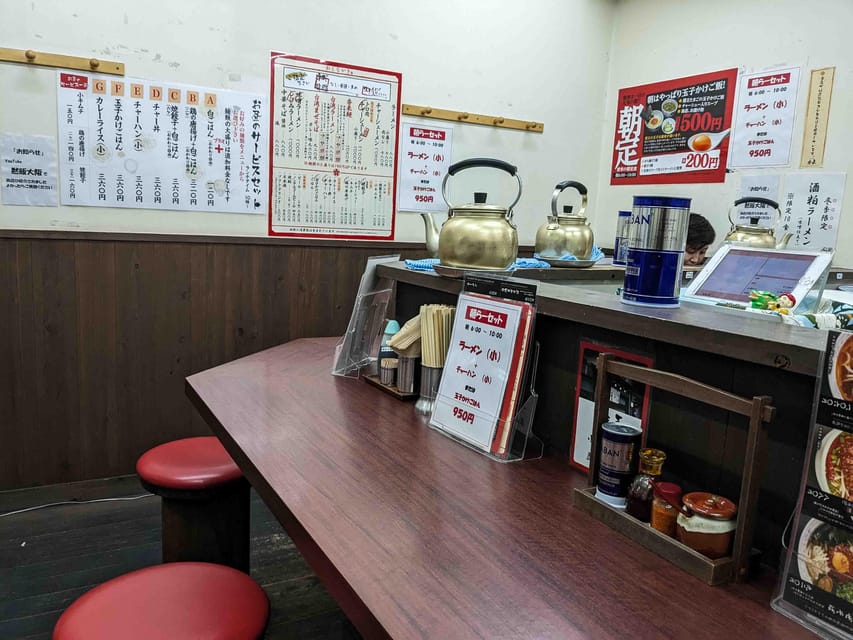
Vegetarian, vegan, and gluten-free options may be available, but they are not guaranteed on shared group tours. Contact the provider in advance if you have one of these requirements. Do not assume that a vegetable topping makes a ramen bowl vegetarian, since the broth and noodles also matter.
The two bowls are half the size of standard servings, but they are not described as samples or single spoonfuls. Several accounts indicate that the combined portions can leave you full by the end. If you have a very large appetite, keep that in mind, though you are still receiving two distinct bowls rather than one.
The beverage is included. Other food and drinks are not listed as part of the package, so ask ahead if you have specific needs beyond the included meal.
Who will enjoy this Kyoto food tour most?
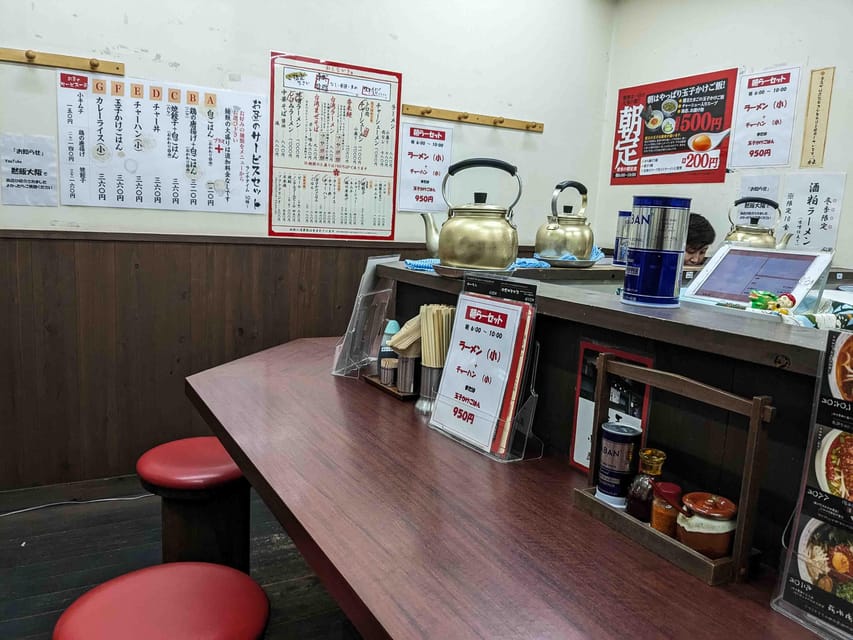
I would recommend it to people who enjoy understanding what they eat. It suits curious first-time visitors, ramen fans, and anyone who wants a break from Kyoto’s famous temples and tea-focused activities.
It is also a strong choice for visitors who have spent time in Japan and think they already know ramen. The comparison between traditional and modern bowls gives experienced diners something to examine, while the guide can answer more detailed questions.
Small groups and private bookings make the experience more flexible. Solo visitors can also fit in well. One booking ended up as a one-person tour, and the guide kept the conversation comfortable rather than awkward. That is reassuring if you are traveling alone.
I would be more cautious if you need a guaranteed special diet, dislike guided conversation, or want the lowest possible meal price. The tour depends on the restaurants and the guide being part of the value. If you prefer to choose your own shop and eat quickly, an independent ramen stop may suit you better.
Should you book the Insider Kyoto Ramen Tour?
Book it if you want to compare Kyoto ramen styles, learn how the dish is made and understood locally, and spend time with an English-speaking guide who treats food as a subject worth discussing. The two half-size bowls are the key advantage, since you get range without committing to two full meals.
I especially like this for a visitor who has already scheduled the major Kyoto sights. It adds a practical, local meal and takes you through two different neighborhoods. The $90 cost is justified when you use the guide’s knowledge and ask questions, but it is not a bargain lunch.
Before booking, confirm the meeting point, starting time, group type, and any dietary request. If those details work for your itinerary, this is a focused and enjoyable way to understand why ramen belongs on a Kyoto food list.
FAQ
How long does the Insider Kyoto Ramen Tour last?
The tour lasts 150 minutes, or two and a half hours.
How many ramen bowls are included?
You receive two mini bowls of ramen at two different ramen shops. Each bowl is about half the size of a full bowl.
What styles of ramen will I try?
The tour includes one bowl representing classic Kyoto ramen and another representing a more modern style. A past tour description included thick soup with yuzu at one stop and soy-sauce-based ramen at another, but specific dishes can vary.
Is a beverage included?
Yes. One beverage is included with the two mini bowls of ramen.
Where does the tour begin?
The tour begins at a nearby coffee shop for a ramen briefing. The exact meeting point may vary depending on the option booked.
Is transportation included?
No. Transportation to and from the meeting point is not included.
What language is the tour conducted in?
The live tour guide speaks English, and English is the listed tour language.
Can I request vegetarian, vegan, or gluten-free ramen?
These options may be available, but they cannot be guaranteed on shared group tours. Contact the provider in advance to discuss your needs.
Can I cancel the tour for a refund?
Yes. You can cancel up to 24 hours in advance for a full refund. You can also reserve now and pay later to keep your plans flexible.
Recently added around Kyoto
- Higashiyama | Kyoto: Sakura Season Private Rickshaw Tour★ 5.0 · 3 reviews
- Kyoto Kimono Rental CHAMATSU|Kimono/Yukata Rental FamilyPlan★ 5.0 · 3 reviews
- Kyoto: Half-Day Private Guided Tour to the Old Town of Gion★ 4.4 · 3 reviews
- Nara Private Customizable Half Day Tour★ 5.0 · 3 reviews
- Kansai Region Hiking Adventure in Nara Kobe Kyoto and More★ 5.0 · 3 reviews
- Full Day Nara Deer, Temple, Shrine, Activities & Tea Ceremony★ 5.0 · 3 reviews
- Nara: Essential Private Tour with Deer Park and Temples★ 5.0 · 3 reviews
- Hiking Tour for Sacred Sites in Kyoto with a Guide★ 5.0 · 3 reviews
Kyoto Ramen Tours, compared.
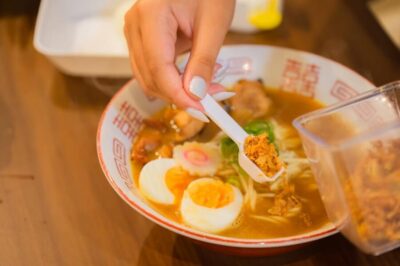
Ramen Cooking Class at a Ramen Factory with Souvenir
Read our review →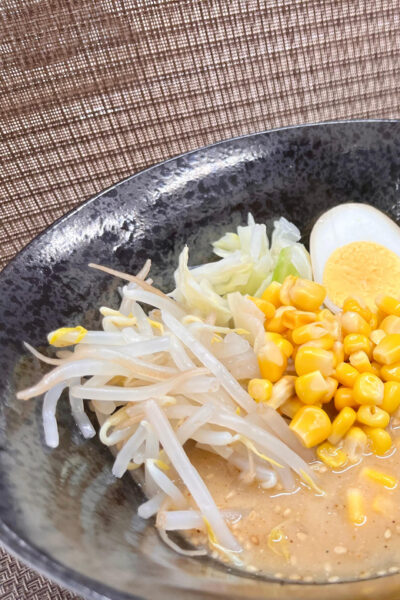
Kyoto Ramen and Gyoza Cooking Class with Professional Chefs
Read our review →
Kyoto Michelin Ramen Workshop or Painting Ramen Essentials
Read our review →Kyoto Ramen & Gyoza Cooking Class with Professional Chefs
Read our review →
Browse the lists this tour appears in