
REVIEW · GION GEISHA DISTRICT TOURS
Gion Walking Tour, Geisha Show and Japanese Game in Kyoto
A maiko dance is the heart of this Kyoto experience. You sit close enough to notice the careful movements, then speak with the performer through your guide and try a traditional Japanese fan game together. The small group, limited to six, keeps the meeting personal rather than turning it into a stage show viewed from the back of a crowd.
I like two things in particular: the walk takes you beyond Gion’s main street into quieter lanes, and the guide helps explain when photographs are appropriate. Guides such as Ai, Rin, Soichiro, Yoshino, and Hikaru have been praised for clear English, warmth, and patient translation. Tea, a Japanese snack, and time for questions make this feel like a cultural meeting, not just a performance.
The main consideration is the price: at $108 per person for two hours, this is not a budget walk. Some departures may also include stops at designated shops, which can feel less appealing if you want only history and performance. Still, for a small-group introduction to maiko culture, the personal time may justify the cost.
In This Review
- Key points at a glance
- Why the maiko meeting is the real centerpiece
- Starting at the Izumo-no-Okuni Statue
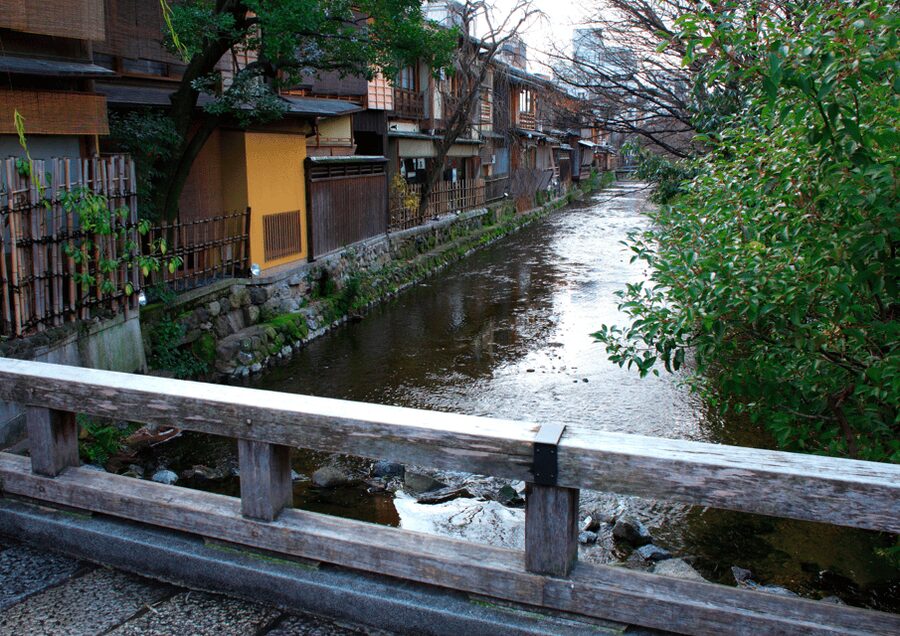
- One hour through Gion’s quieter lanes
- Sitting down for tea, dance, and conversation
- The traditional Japanese fan game
- How much value do you get for $108?
- Timing, meeting details, and cancellation
- Who should book this Gion experience?
- Should you book it?
- FAQ
- How long does the Gion tour last?
- Where does the tour begin?
- Where does the tour finish?
- Is the tour conducted in English?
- How many people can join the group?
- What is included in the price?
- Can I cancel for a refund?
Key points at a glance
- A full hour with a maiko: Watch a traditional dance, ask about her life, take photos, and play a fan game.
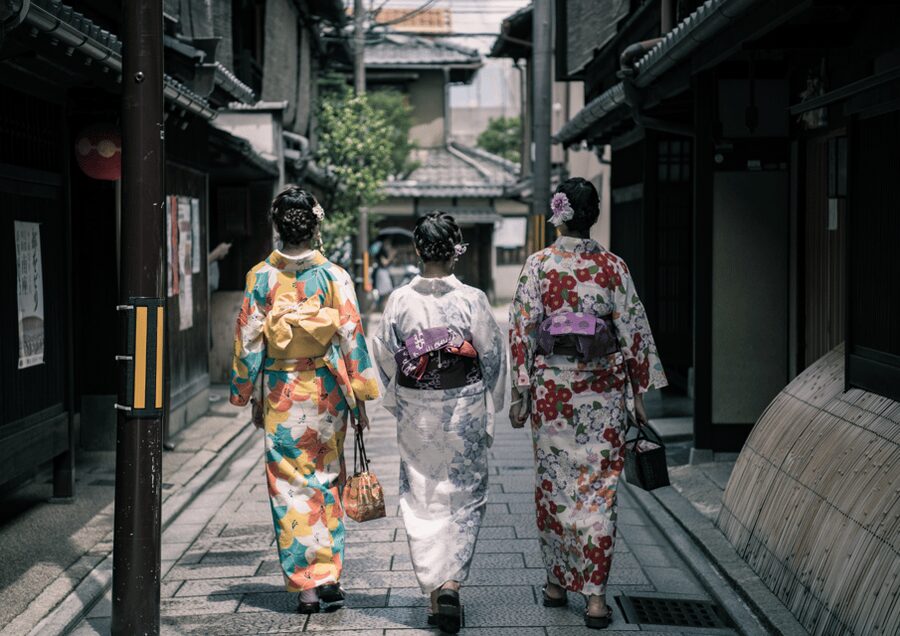
- Gion beyond the postcard view: Walk through quieter streets, side lanes, and a temple area while learning how the district developed.
- Groups capped at six: The size gives you a real chance to ask questions and take part rather than simply watch.
- English guidance and translation: Guides help explain etiquette and keep the conversation flowing with the maiko.
- Tea and a Japanese snack included: The refreshment adds a gentle, seated pause before the questions and game.
- A flexible booking policy: You can cancel up to 24 hours ahead for a full refund and reserve now while paying later.
Why the maiko meeting is the real centerpiece
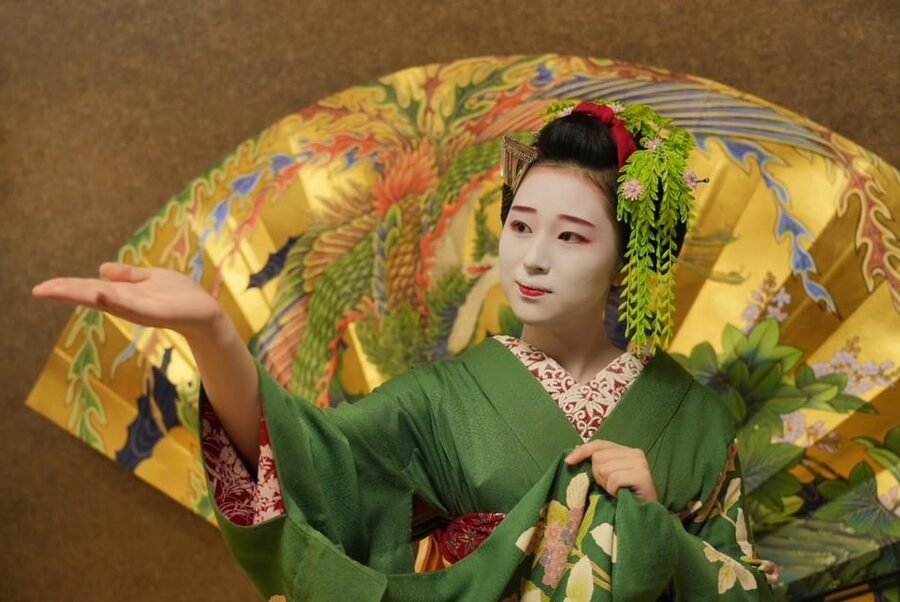
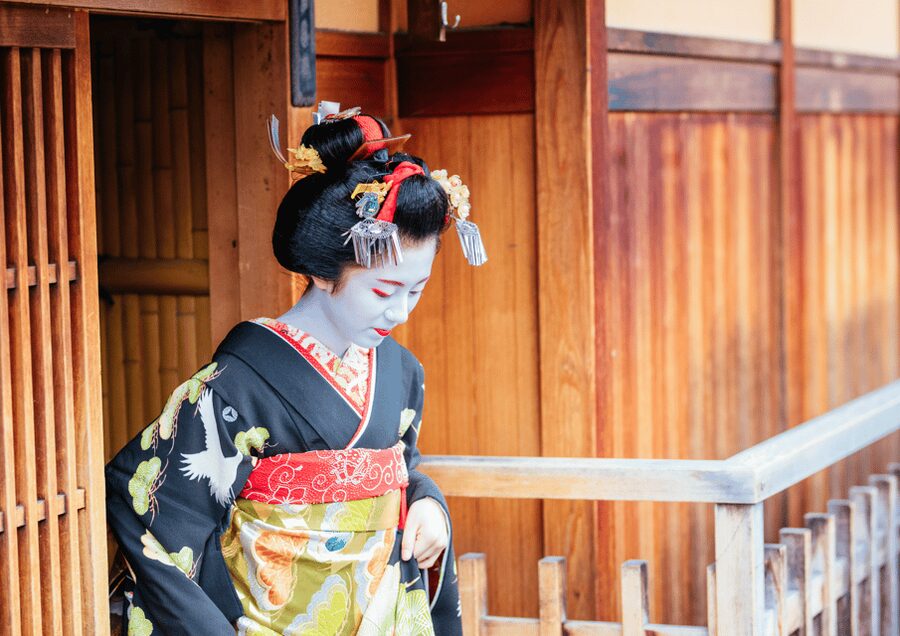
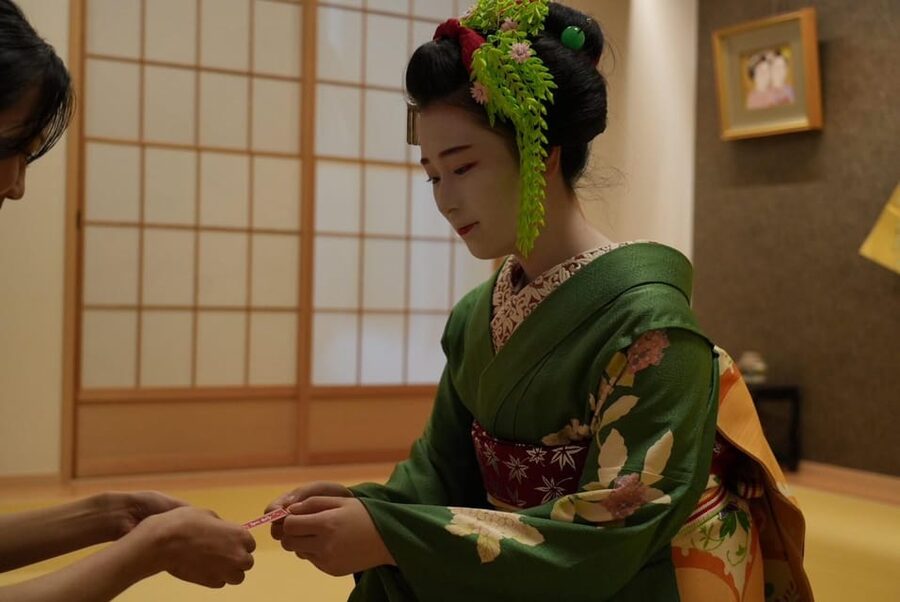
Many Gion walks show you the outside of the district and point out places connected with geiko and maiko culture. This one adds a direct meeting with a maiko, a geisha apprentice, during the second hour. That changes the tone of the experience. You are not only looking at costumes, wooden facades, and narrow lanes. You are given time to hear a person explain her work and daily life.
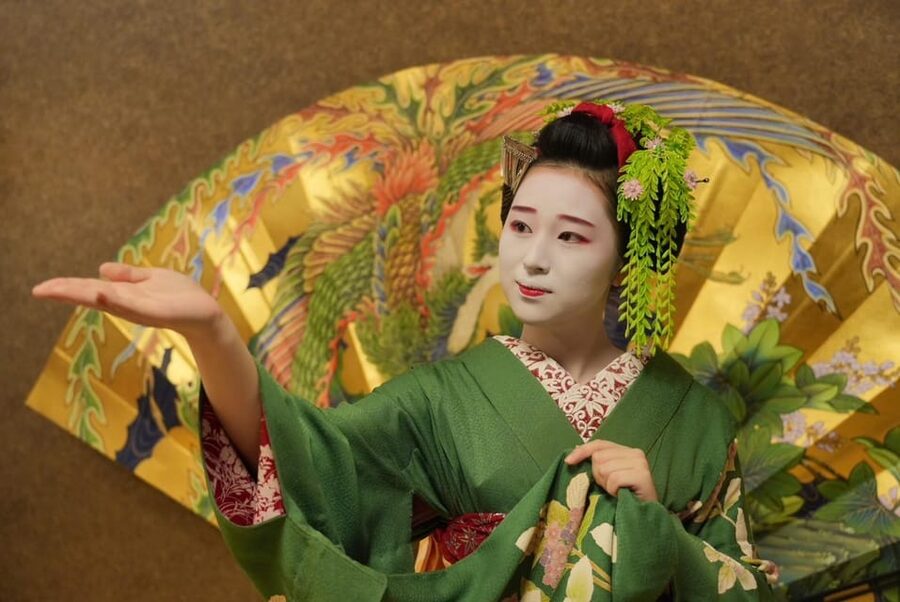
The format is simple. You sit in a separate room, enjoy tea and a Japanese snack, and watch the maiko perform a traditional dance. The dance is brief enough to leave room for conversation, which is important. The questions afterward are often where the cultural context becomes clearer.
Your guide translates between English and Japanese. This matters more than it might seem. Guests can ask follow-up questions, and the guide can explain the meaning behind an answer instead of reducing the exchange to a few prepared lines. Guides Ai, Rin, and Soichiro have each been singled out for making this part easy and comfortable.
You also get time for photographs with the maiko. The experience is designed to be friendly, but it is still wise to let the guide explain when and how to take pictures. One of the useful features of this tour is that the guide discusses local etiquette during the walk, including when photography is appropriate.
More evenings in Gion:
- Kyoto Geisha Walking Tour: Gion District & Hidden Gems
★ 4.7 · 3,273 reviews - Kyoto: Gion Magical Night Walking Tour with Geisha Trivia
★ 4.9 · 2,393 reviews - Kyoto: Gion Geisha District Walking Tour – Stories of Geisha
★ 4.7 · 2,187 reviews
Starting at the Izumo-no-Okuni Statue
The meeting point is the statue of Izumo-no-Okuni, directly above Gion Shijo Station. Look for a guide holding a white board marked GuideMe Japan. Starting here is practical because the station is easy to identify and puts you at the edge of Gion’s main activity.
Arrive with enough time to find the statue without rushing. The tour is only two hours, and the walk begins promptly enough that a late arrival could mean missing part of the introduction. The supplied details do not state a required arrival time, so check your booking confirmation for the exact meeting instruction.
The statue also gives the guide a useful opening point. From there, you move into Gion and begin learning how the district connects to Kyoto’s performing arts. This is not a long city walk, so the emphasis is on understanding the area rather than covering a large part of Kyoto.
One hour through Gion’s quieter lanes
The first hour is a guided walk around Gion. You will see the better-known streets, but the route can also include less crowded alleys and a temple area. That mix is valuable. Gion’s famous lanes can be attractive but busy, while the side streets give you more room to listen and notice details.
Guides have pointed out local shops, including places selling engraved chopsticks and Japanese sweets. These stops are not simply shopping suggestions. A good guide can explain how an item works as both a souvenir for visitors and an ordinary object connected to local life.
The walk also deals with the culture of maiko and geiko. You will learn about the district’s traditions and the difference between an apprentice and a fully trained performer. The tour is a useful choice if you want background before meeting the maiko, since the performance carries more meaning when you understand the setting.
Ai has been praised for taking groups through alleyways and explaining the area’s history and etiquette. Soichiro has also been noted for giving clear cultural context during the walk. The guide assigned to your departure may differ, but English is the tour language and translation is part of the maiko meeting.
One possible weakness is the mention of designated shop stops. Some people enjoy seeing traditional goods and sweets, especially when a local guide explains their place in Kyoto life. If you prefer a strictly historical walk, these pauses may feel like a detour.
Sitting down for tea, dance, and conversation
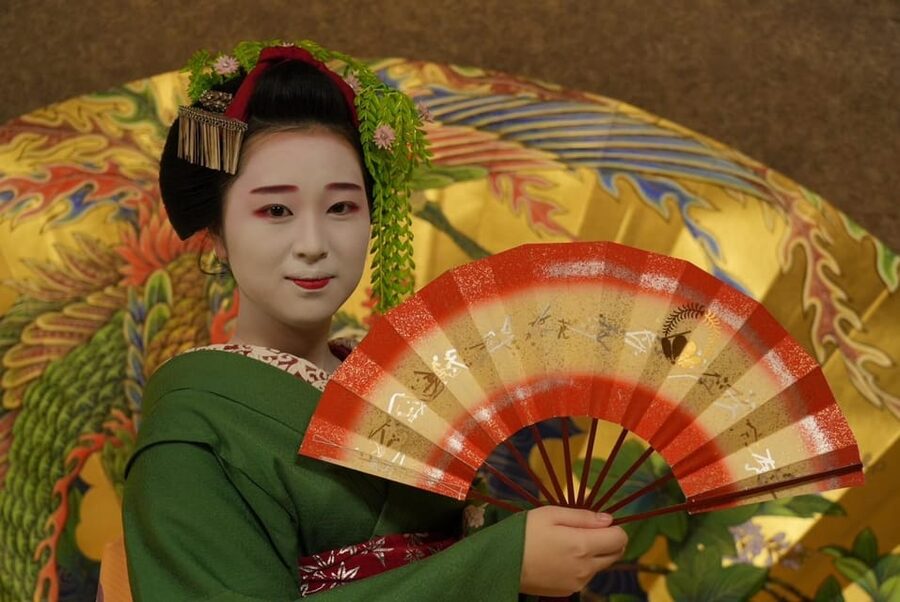
After the walking portion, the group moves to the indoor setting for the maiko program. You sit on pillows, according to one detailed account, and receive tea and a Japanese snack before or during the presentation. The setting is more intimate than a large theater, with only up to six participants.
The maiko performs a traditional dance. Do not expect a long stage production. The value is in seeing the precision, dress, and controlled movement at close range, then having a chance to ask questions. The small room makes the event feel personal, although visitors who prefer a formal theater performance may find it more modest in scale.
The question-and-answer period is one of the strongest reasons to book. You can ask about the life of a maiko and the world of maiko and geiko in Kyoto. Your guide translates and helps keep the exchange moving, so you are not left trying to communicate across a language barrier.
A patient interpreter can make a major difference here. David’s family, for example, found that the guide helped conversation flow and made it easier to understand the maiko’s answers. That is the kind of practical help you want in a short cultural encounter. The quality of the experience depends partly on the guide’s ability to translate tone and context, not just individual words.
The maiko may also pose for photographs after the performance. Bring a camera if this matters to you, but follow the guide’s directions. The walk provides etiquette advice, and respecting those instructions is part of treating the meeting as a cultural exchange rather than a photo opportunity alone.
More walking tours in Kyoto:
- Night Walk in Gion: Kyoto’s Geisha District
★ 4.5 · 2,003 reviews - Kyoto Gion Geisha District Walking Tour – The Stories of Geisha
★ 5.0 · 1,441 reviews - Nishiki Market Brunch Walking Tour (7 Tastings + Brunch)
★ 5.0 · 1,355 reviews - Kyoto Arashiyama Walking Tour: Bamboo, Monkeys, Gardens & Secrets
★ 5.0 · 1,216 reviews
The traditional Japanese fan game
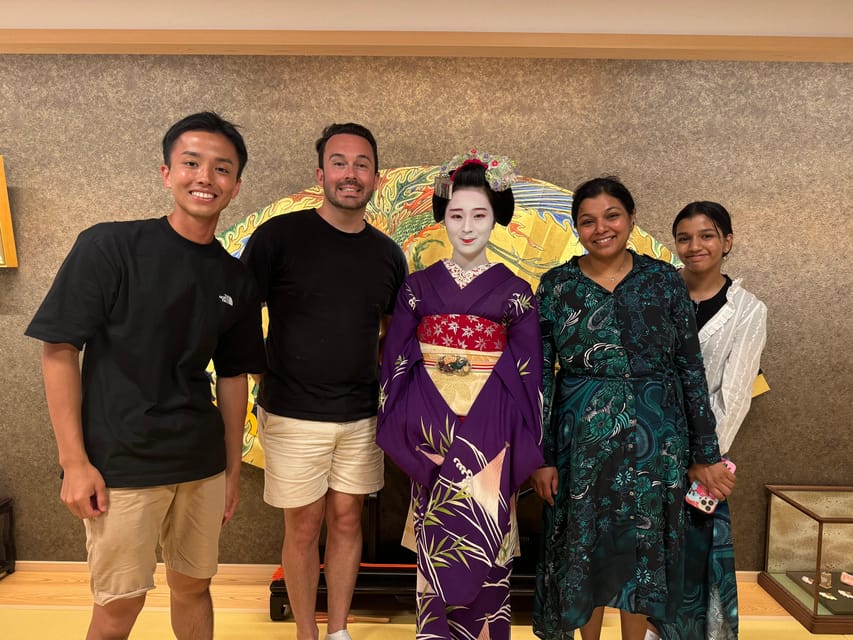
The final activity is a traditional fan game played with the maiko. Each person gets a turn, and the game is lighthearted, simple to join, and unusual enough to become one of the tour’s most memorable moments.
You do not need specialist knowledge or previous experience. The point is participation. One person described scoring zero points and still having fun, which gives you the right attitude to bring: play along, accept that you may lose, and enjoy the comedy of trying something new.
The fan also connects to the visual world of the performance. At least one version of the experience has included a signed premium fan as a souvenir, though this is not listed among the standard inclusions, so you should not assume it comes with every booking. The confirmed inclusions are tea, a Japanese snack, the walking tour, the maiko show, and the fan game.
How much value do you get for $108?
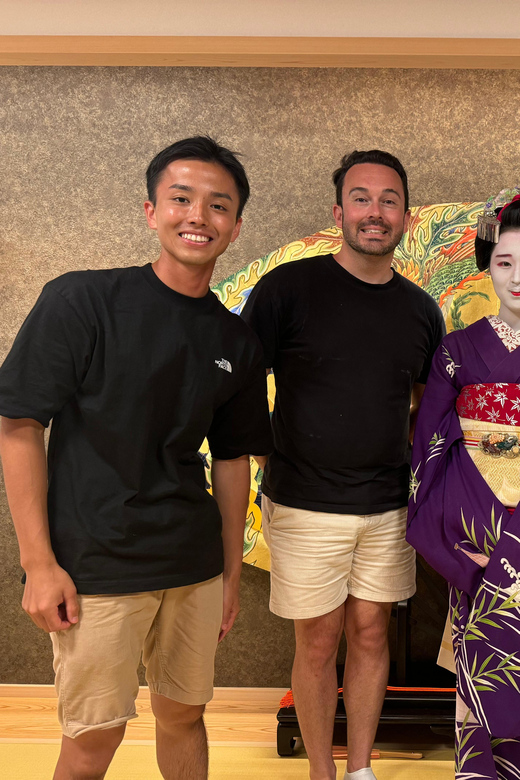
At $108 per person, this is an expensive two-hour activity when compared with a standard neighborhood walk. You are paying for more than a guide showing you around. The price covers a small group, an English-speaking guide, translation, tea and a snack, a live dance, personal questions, photographs, and the fan game.
The group limit is the key value point. With six people or fewer, you have a fair chance to speak, ask follow-up questions, and take part in the game. A cheaper, larger event may offer a longer performance but less personal contact.
I would consider this a good use of money if maiko and geiko culture is high on your Kyoto list, or if you want one special cultural activity rather than several general sightseeing stops. It is less attractive if your main aim is to walk through Gion cheaply, since you can explore the streets without booking this experience.
The tour is also a practical option for families. A family with a tween and teen enjoyed both the show and the game, and a guide named Yoshino was praised for being kind and patient with a young child. The activity has enough visual interest for children, though the seated questions may appeal more to older children and adults.
Couples may find it especially fitting for a honeymoon or a special evening in Kyoto. One honeymoon group described the maiko encounter as a highlight of the trip. Solo visitors and friends can also benefit from the small group, since it reduces the awkwardness that can come with joining a large cultural event.
Timing, meeting details, and cancellation
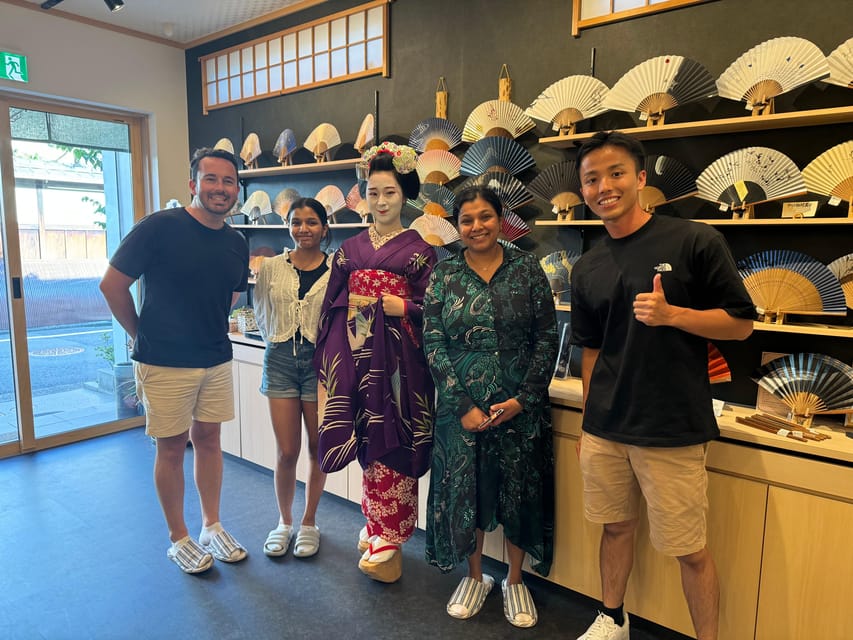
The entire experience lasts two hours: one hour walking through Gion and one hour for the dance, questions, tea, snack, and fan game. Starting times vary, so check availability for the date you want.
Meet at the Izumo-no-Okuni Statue above Gion Shijo Station. The guide will hold a white GuideMe Japan board. The tour finishes at Hangesho, so plan your evening from there rather than assuming you will return to the station.
Food beyond the included Japanese snack is not covered. If you need dinner, arrange it separately before or after the tour. The activity is offered in English, with a live guide, and the group is limited to six participants.
You can cancel up to 24 hours in advance for a full refund. The reserve-now, pay-later option is useful if your Kyoto plans are still moving around, though you should still check the exact terms shown for your booking.
Who should book this Gion experience?
I would choose this tour if you want context, conversation, and participation. It works best for someone who is curious about how maiko and geiko culture functions, not just someone hoping to spot a traditionally dressed person in the street.
It is also a good match if you dislike large groups. The six-person limit gives the guide room to answer personal questions and help with etiquette. The smaller setting also gives the maiko more opportunity to speak with the group directly through translation.
Families with older children, couples, honeymooners, and visitors making a first trip to Kyoto are all likely to get a lot from it. The activity is short enough to fit into a busy itinerary, while the combination of walking, performance, conversation, and game gives it more variety than a basic talk.
You may want to skip it if your budget is tight, you do not care about traditional performing arts, or you want a long walking tour with no shopping-related stops. The experience also depends on your willingness to take part. If you would rather sit silently in a theater, the questions and fan game will feel less important.
Should you book it?
Book this Gion walking tour, maiko show, and fan game if $108 fits your budget and you want a personal cultural encounter. The strongest features are the six-person limit, the guide’s translation, the chance to ask about a maiko’s life, and the playful fan game that gets you involved.
Before booking, decide what you value most. If you want a cheap look at Gion’s streets, choose a simple walking route. If you want to understand the district and then meet a maiko in a calm, small setting, this is one of the more distinctive two-hour choices in Kyoto.
FAQ
How long does the Gion tour last?
The experience lasts two hours. The first hour is a guided walk through Gion, followed by one hour with a maiko for a dance, questions, and a traditional fan game.
Where does the tour begin?
It begins at the Statue of Izumo-no-Okuni, directly above Gion Shijo Station. Your guide will hold a white board that says GuideMe Japan.
Where does the tour finish?
The tour finishes at Hangesho.
Is the tour conducted in English?
Yes. The activity includes a live English-speaking guide, and the guide translates during the conversation with the maiko.
How many people can join the group?
The group is limited to six participants.
What is included in the price?
Tea and a Japanese snack, the one-hour Gion walking tour, the one-hour maiko show, and the traditional Japanese fan game are included.
Can I cancel for a refund?
Yes. You can cancel up to 24 hours in advance for a full refund. Reserve-now, pay-later booking is also available.
More Show in Kyoto
- Kyoto Gion Cultural Walk & Geisha Show with Dining Options
★ 5.0 · 518 reviews - Kyoto Gion Cultural Walk & Geisha Show with Dining Options
★ 5.0 · 483 reviews - 1 Hour Geisha Show in Kyoto
★ 5.0 · 452 reviews - Kyoto: Samurai Kenbu Traditional Sword Dancing Show
★ 4.5 · 426 reviews
Recently added around Kyoto
- Higashiyama | Kyoto: Sakura Season Private Rickshaw Tour★ 5.0 · 3 reviews
- Kyoto Kimono Rental CHAMATSU|Kimono/Yukata Rental FamilyPlan★ 5.0 · 3 reviews
- Kyoto: Half-Day Private Guided Tour to the Old Town of Gion★ 4.4 · 3 reviews
- Nara Private Customizable Half Day Tour★ 5.0 · 3 reviews
- Kansai Region Hiking Adventure in Nara Kobe Kyoto and More★ 5.0 · 3 reviews
- Full Day Nara Deer, Temple, Shrine, Activities & Tea Ceremony★ 5.0 · 3 reviews
- Nara: Essential Private Tour with Deer Park and Temples★ 5.0 · 3 reviews
- Hiking Tour for Sacred Sites in Kyoto with a Guide★ 5.0 · 3 reviews
Gion Geisha District Tours, compared.
Kyoto Geisha Walking Tour: Gion District & Hidden Gems
Read our review →
Gion Magical Night Walking Tour with Geisha Trivia
Read our review →
Gion Geisha District Walking Tour – Stories of Geisha
Read our review →
Best of Kyoto: Gion, Geisha, Pagodas & Cobblestones
Read our review →

Kyoto Night Foodie Tour in Gion (9+ dishes + 6 Sake tastings)
Read our review →
Kyoto Gion Geisha District Walking Tour – The Stories of Geisha
Read our review →
Kyoto Gion: 2-Hour Geisha Culture & History Walking Tour
Read our review →Browse the lists this tour appears in