
REVIEW · KYOTO ZEN MEDITATION EXPERIENCES
Zen Meditation for Life in Kyoto
Kyoto’s temples are easy to admire from the outside. This private workshop gives you a chance to pause inside a traditional machiya house and learn how Zen meditation actually works. Brian Victoria, an academic and Buddhist cleric, leads the session with a mix of religious history, practical instruction, seated meditation, and walking meditation.
I like two things right away: the private format, which lets you ask direct questions and set a comfortable pace, and the chance to practice both zazen and kinhin instead of simply listening to a talk. The main consideration is the amount of explanation. Brian covers a lot, and some people may find the opening lesson heavy before the meditation begins.
In This Review
- Key Points to Know Before Booking
- A Quiet Start Near Kyoto Station
- Brian Victoria’s History and Practical Teaching
- Learning the Zen Posture Before You Sit
- Two Twenty-Minute Periods of Zazen
- Walking Meditation Between the Sitting Periods
- Tea, a Kyoto Sweet, and Time for Questions
- What Makes the Private Format Worth $108
- Who Will Get the Most From This Afternoon
- Practical Details That Matter
- My Recommendation: Book It for Substance, Not Spectacle
- FAQ
- Where does the Zen meditation experience meet?
- What time does the activity start?
- How long does the experience last?
- Where does the meditation take place?
- How far is the meditation hall from Kyoto Station?
- Is public transportation included in the price?
- Is this a private activity?
- What types of meditation will I practice?
- Can I meditate on a chair?
- Are tea and food included?
- Who leads the workshop?
- Can I cancel for a full refund?
Key Points to Know Before Booking
- A private session with Brian Victoria: Your group has the teacher’s full attention, with time for questions and discussion.
- Near Nishi Honganji: The meditation hall is about a five-minute bus or taxi ride from Kyoto Station.
- Ninety minutes of instruction: Expect a serious introduction to Zen theory, posture, breath, and the purpose of meditation.
- Two forms of practice: You will try two 20-minute periods of seated zazen, with 10 minutes of walking kinhin between them.
- Chairs are available: You may use a lotus or half-lotus posture, or meditate on a chair if that suits you better.
- Tea closes the afternoon: Green tea and a traditional Kyoto sweet are included, along with time to ask final questions.
A Quiet Start Near Kyoto Station
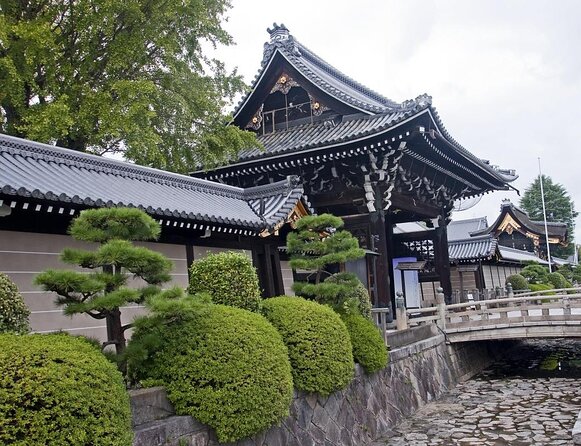
The meeting point is outside Hotel Granvia Kyoto at the JR Kyoto Station central entrance. The activity starts at 1:00 p.m., and the meditation hall is near Nishi Honganji, roughly five minutes away by bus or taxi.
Public transportation costs ¥240 per person and is not included. That is a small extra charge, but it is worth noting when you compare the total price. You may also use a taxi, though the provided information only specifies the approximate five-minute journey rather than a fixed taxi fare.
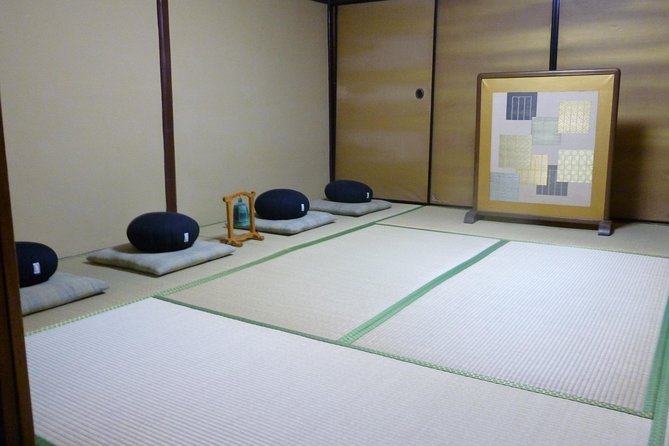
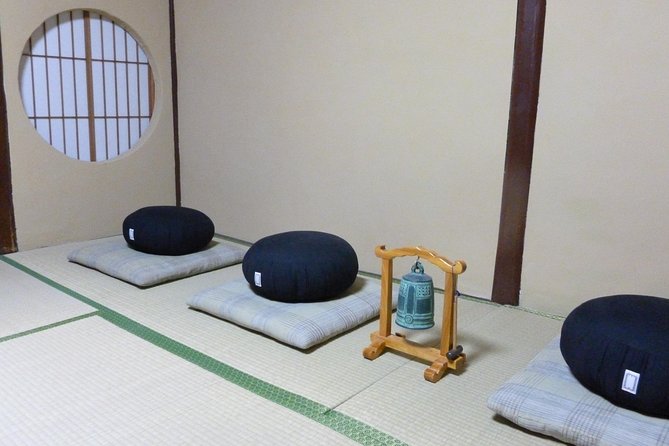
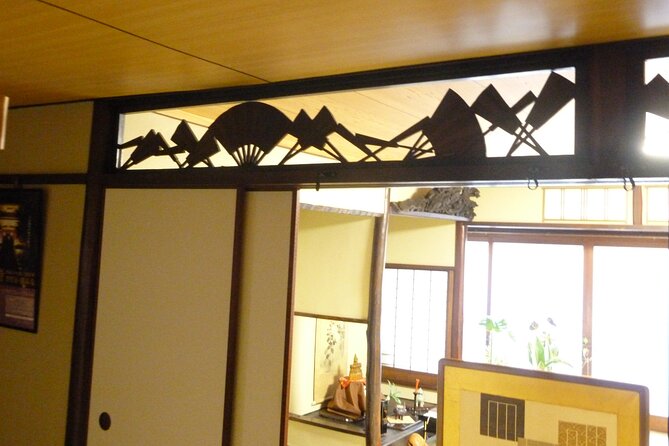
The location matters. You are not being led to a generic hotel meeting room. The session takes place in a traditional Kyoto machiya, the kind of narrow wooden town house that gives the afternoon a local setting without turning it into a temple-photo stop. The atmosphere is part of the lesson. Zen practice feels more grounded when you are asked to sit, breathe, and pay attention in a quiet traditional space.
The experience ends back at the meeting point. Plan on about four and a half hours, though the actual schedule may run from roughly 1:30 to 6:00 p.m. based on the way the afternoon has operated. I would keep the rest of your evening open rather than booking a tight dinner reservation immediately afterward.
More Zen sittings in Kyoto:
- Kyoto Zen Meditation & Garden Tour at a Zen Temple with Lunch
★ 5.0 · 441 reviews - Kyoto: Zen Experience in a Hidden Temple
★ 5.0 · 437 reviews - Kyoto: Tea Ceremony Meditation – Make Matcha with Tea Master
★ 4.8 · 406 reviews
Brian Victoria’s History and Practical Teaching
Brian Victoria leads the workshop as both an academic and a cleric. That combination shapes the experience. You are not simply shown a posture and told to count your breaths. You receive context about Buddhism, Zen, and the development of Japanese religious practice, then connect those ideas to the physical act of sitting.
This is one of the strongest parts of the afternoon for a curious mind. You can ask why Zen meditation uses particular postures, what meditation is meant to do, and how the practice fits within the wider Buddhist tradition. Brian is also described as a clear storyteller and teacher, so the history is presented as a conversation rather than as a formal lecture.
Still, you should know what you are signing up for. The first introduction lasts about 90 minutes and covers both theory and practice. That is a substantial block of time before the longer meditation periods begin. If you only want a quick 20-minute lesson for a photo-friendly Kyoto activity, this will feel too serious.
If you enjoy asking questions about religion, philosophy, and daily life, the longer format is useful. The session has been especially well suited to people who want more than a standard temple visit and who appreciate an instructor willing to discuss difficult or broad topics. You may leave with as many questions as answers, which is part of the point.
Learning the Zen Posture Before You Sit
The practical instruction centers on posture, breath, and control of the mind. You learn how to position yourself for Zen mindfulness meditation and why the body matters to the practice.
Traditional lotus and half-lotus postures are explained, but you are not required to force yourself into an uncomfortable position. A chair is available for anyone who finds floor sitting difficult. That makes the workshop more approachable, especially if you are new to meditation or unsure how your knees, hips, or back will manage a formal posture.
The chair option is not a shortcut that removes the substance of the lesson. The focus remains on sitting upright, regulating the breath, and paying attention. For a beginner, that is practical advice you can carry home instead of a posture you manage only for a few minutes in a temple hall.
The session also explains the purpose behind the physical setup. You are not merely copying a pose because it looks traditional. The teacher connects posture with breathing and mental focus, giving you a clearer idea of why Zen practice is structured this way.
Two Twenty-Minute Periods of Zazen
After the introduction, you practice seated meditation in two 20-minute periods. That timing gives you a real taste of zazen without demanding an entire day of silent retreat.
Twenty minutes can feel short if you already meditate regularly. For a beginner, it can feel surprisingly long. Your attention may wander, your legs may grow uncomfortable, and you may discover that controlling the breath is easier to discuss than to do. That is useful information, not a failure.
The private setting helps here. You are not trying to keep up with a large group or worrying about making a mistake in front of strangers. You can focus on the instructions and notice how your body responds.
The goal is not to produce a dramatic spiritual moment on command. The stated aim is to help you understand the practice well enough to continue on your own if you choose. That makes the workshop more useful than a one-time demonstration. You learn a method, test it, and decide what place it might have in your life.
If you are looking for a highly active afternoon, the seated periods may feel slow. I would not book this expecting constant sightseeing or entertainment. The value comes from giving your attention to one task for a sustained period.
A completely different side of Kyoto:
- PERFECT KYOTO 1-Day Bus Tour
★ 5.0 · 13,518 reviews - Kyoto: Fushimi Inari, Kinkakuji, Bamboo Grove 1 Day Bus Tour
★ 4.8 · 4,316 reviews - Kyoto: Tea Ceremony in a Traditional Tea House in Kiyomizu
★ 4.9 · 3,519 reviews - Kyoto Geisha Walking Tour: Gion District & Hidden Gems
★ 4.7 · 3,273 reviews
Walking Meditation Between the Sitting Periods
The two seated sessions are separated by about 10 minutes of walking meditation, called kinhin. This change of movement is important. It gives your body a break while keeping the focus of meditation in place.
Kinhin also helps explain that Zen practice is not limited to sitting still. You shift from a stationary posture to careful, deliberate walking, carrying the same attention into movement. For someone new to meditation, this can make the practice easier to understand. You get a physical contrast between sitting and walking while working with the same basic ideas of breath and awareness.
The sequence is well judged for an introductory workshop: instruction, seated meditation, walking meditation, then another seated period. It gives you time to test the posture, move, and return to the practice with a better sense of what to expect.
Tea, a Kyoto Sweet, and Time for Questions
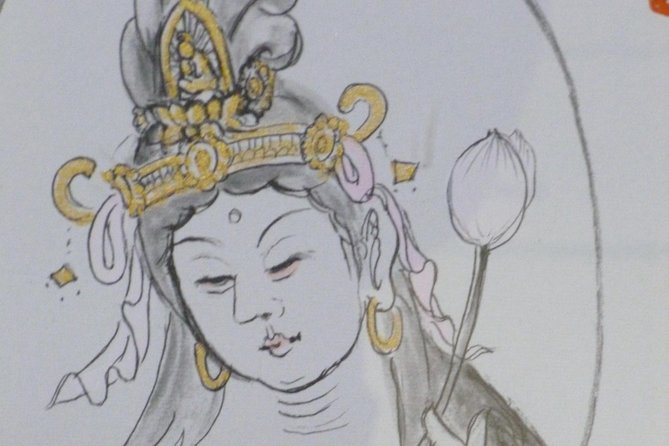
The afternoon ends with about 30 minutes for green tea and a traditional Kyoto sweet. Coffee and tea are provided, so you have a simple break after the formal meditation.
This closing section is more useful than it may sound. Meditation can raise questions that do not occur to you during the initial explanation. Over tea, you can ask about posture, breath, the purpose of Zen meditation, or how to continue practicing at home.
The traditional sweet also gives the session a clear Kyoto touch without turning the food into the main attraction. This is not a tea ceremony, and you should not book it expecting a formal tea performance. The tea is a calm ending to a demanding afternoon and a natural time to talk with Brian.
I like that the workshop does not simply finish after the last meditation period. You have time to process what you did. Several strong reactions to the experience have centered on gaining new perspectives about religion and life, rather than only learning a breathing exercise. That discussion period is a big reason why.
What Makes the Private Format Worth $108
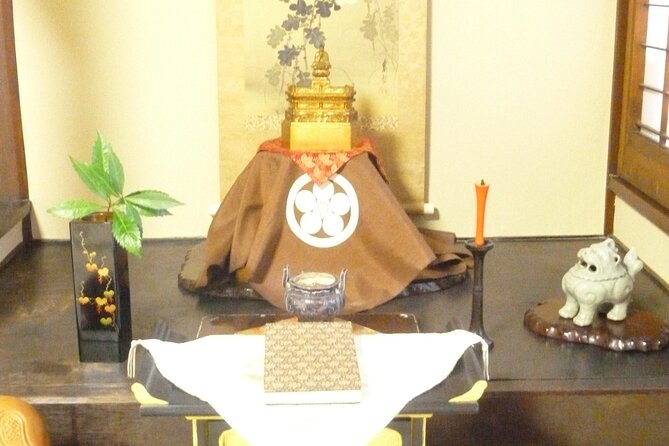
At $108, this is not a bargain activity in the usual sightseeing sense. You are paying more than you would for a group temple walk or a short meditation class. The value comes from the four-and-a-half-hour length, the private setting, the specialist teacher, and the chance to ask questions throughout the afternoon.
The price makes more sense for two or more people sharing the booking. A private group can discuss the material openly and move through the practice without the awkwardness of a large class. Solo participants may still value the personal attention, but the cost will feel higher when spread across one person.
You also receive drinks and a Kyoto sweet, though those are small parts of the total value. The real purchase is time with Brian, structured instruction, and enough practice to understand what Zen meditation demands.
I would compare this with the cost of several separate activities. A temple visit gives you a place and a view. A short meditation class may give you a technique. This workshop combines setting, religious context, instruction, practice, and conversation. That makes it a fair choice for someone who wants a focused cultural experience rather than a quick stop.
The experience has a perfect five-star rating from 10 reviews and is recommended by 100 percent of those participants. That is a small sample, so I would not treat it as proof that every person will enjoy the format. The consistent praise does point to its main strength: people value Brian’s personal teaching, the serious discussion, and the sense that the afternoon is not a standard tourist exercise.
Who Will Get the Most From This Afternoon
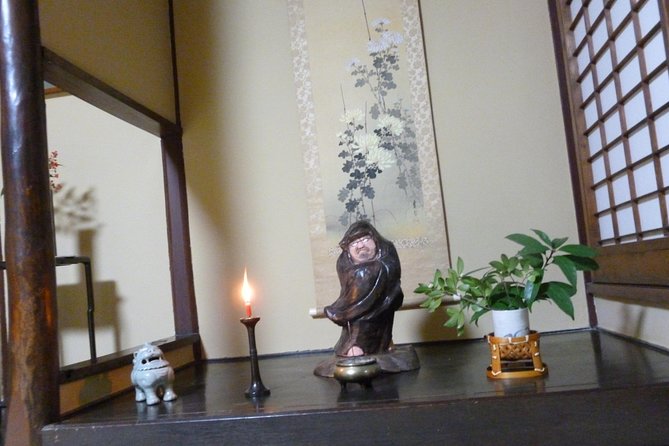
I would recommend this workshop to you if you are:
- Curious about Buddhism, Zen, or Japanese religious practice
- New to meditation but willing to sit quietly and follow instructions
- Already interested in meditation and looking for a stronger foundation
- Traveling as a couple, family, or small private group
- More interested in discussion and reflection than in checking off sights
- Looking for a different Kyoto experience near the station
It may not suit you if you want a brief activity, a scenic temple tour, or a polished performance with little discussion. The opening lesson is substantial, and the meditation periods require patience.
It is also worth considering your afternoon energy. The workshop begins at 1:00 p.m. and lasts much of the afternoon. I would avoid placing it between several major temple visits. Give yourself time to arrive at the meeting point calmly, and do not treat the session as a filler between other bookings.
Practical Details That Matter
Confirmation is sent at the time of booking, and the experience is offered as a mobile ticket. The meeting point is Hotel Granvia Kyoto at the JR Kyoto Station central entrance, so it is easy to identify if you are already using the station.
The activity is near public transportation. The ¥240 public transportation cost per person is separate from the $108 booking price. The provided information says most people can participate, and the chair option makes the meditation more flexible, but you should still be ready for periods of quiet sitting.
This is a private activity. Only your group takes part, which is especially helpful when discussing religious ideas or asking beginner questions. You do not need to worry about joining a large class or losing access to the instructor.
Free cancellation is available if you cancel at least 24 hours before the start time. Changes or cancellations inside that window are not accepted for a refund. Keep the local Kyoto cut-off time in mind.
My Recommendation: Book It for Substance, Not Spectacle
I would book this for a thoughtful afternoon with real instruction, not for a quick taste of Japanese culture. Brian Victoria’s combination of academic background and clerical experience gives the session more range than a basic posture lesson, while the private machiya setting and tea make the day feel connected to Kyoto.
The best reason to go is the balance between ideas and practice. You learn what Zen meditation means, then sit and walk long enough to see how it feels. The main risk is simply that the discussion may be more detailed than you expect.
Book it if you want to leave Kyoto with a practice to consider, not just another temple photograph. Skip it if you prefer a fast-moving schedule or have little interest in sitting quietly for much of an afternoon.
FAQ
Where does the Zen meditation experience meet?
It meets at Hotel Granvia Kyoto at the JR Kyoto Station central entrance.
What time does the activity start?
The stated start time is 1:00 p.m.
How long does the experience last?
It lasts approximately four hours and 30 minutes. The activity may run from about 1:30 p.m. until 6:00 p.m.
Where does the meditation take place?
The private meditation hall is in a traditional Kyoto machiya near Nishi Honganji Temple.
How far is the meditation hall from Kyoto Station?
The hall is about a five-minute bus or taxi ride from Kyoto Station.
Is public transportation included in the price?
No. Public transportation costs ¥240 per person and is not included.
Is this a private activity?
Yes. Only your group participates in the experience.
What types of meditation will I practice?
You will practice seated Zen meditation, called zazen, and walking meditation, called kinhin.
Can I meditate on a chair?
Yes. You may use a chair if the traditional lotus or half-lotus posture is not comfortable.
Are tea and food included?
Green tea and a traditional Kyoto sweet are included. Coffee and tea are also provided during the visit.
Who leads the workshop?
Brian Victoria, an academic and Buddhist cleric, leads the experience.
Can I cancel for a full refund?
Yes, if you cancel at least 24 hours before the experience start time. Cancellations made less than 24 hours in advance are not refunded.
Recently added around Kyoto
- Higashiyama | Kyoto: Sakura Season Private Rickshaw Tour★ 5.0 · 3 reviews
- Kyoto Kimono Rental CHAMATSU|Kimono/Yukata Rental FamilyPlan★ 5.0 · 3 reviews
- Kyoto: Half-Day Private Guided Tour to the Old Town of Gion★ 4.4 · 3 reviews
- Nara Private Customizable Half Day Tour★ 5.0 · 3 reviews
- Kansai Region Hiking Adventure in Nara Kobe Kyoto and More★ 5.0 · 3 reviews
- Full Day Nara Deer, Temple, Shrine, Activities & Tea Ceremony★ 5.0 · 3 reviews
- Nara: Essential Private Tour with Deer Park and Temples★ 5.0 · 3 reviews
- Hiking Tour for Sacred Sites in Kyoto with a Guide★ 5.0 · 3 reviews
Kyoto Zen Meditation Experiences, compared.
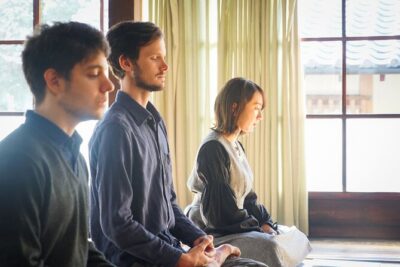
Kyoto Zen Meditation & Garden Tour at a Zen Temple with Lunch
Read our review →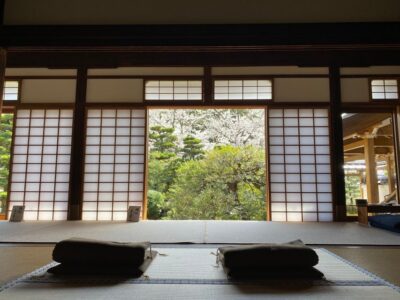
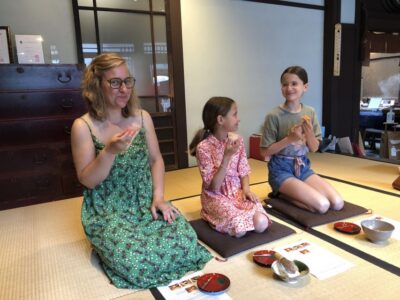
Tea Ceremony Meditation – Make Matcha with Tea Master
Read our review →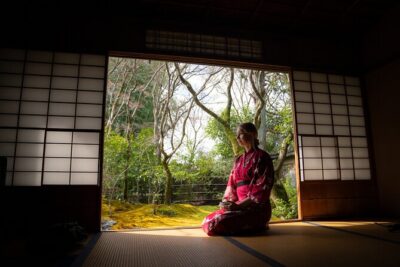
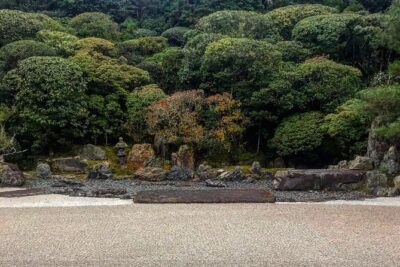
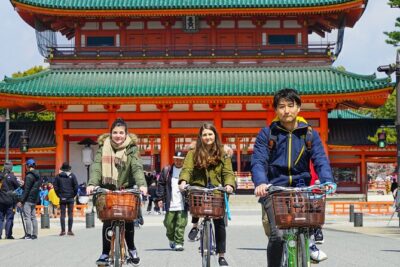
4.5-Hour Kyoto Bike Tour with Lunch and UNESCO Zen Temples
Read our review →
Zen Meditation and Garden Tour at a Temple with Lunch
Read our review →
Arashiyama Guided Tour, Bamboo, Monkey, Zen Temple
Read our review →Browse the lists this tour appears in