
REVIEW · KYOTO MATCHA EXPERIENCES
Whisk Your Own Matcha: A Zen Matcha Experience at Temple
The best part of this experience is that you do not just watch a tea ceremony. You make your own bowl of matcha, learning how the bamboo whisk, tea powder, water, and careful movements fit together. The setting is quiet and traditional, giving the short session a calmer feel than a quick café demonstration.
I like the personal teaching from Sakura, who explains the customs clearly and leaves room for questions. I also like the small cultural details, especially the Kyoto sweet served with the tea and the chance to use traditional tools yourself. The main drawback is practical: the meeting-point directions appear confusing, so you should confirm the exact entrance before setting out.
In This Review
- Key points to know before booking
- Making matcha instead of just watching
- Why the temple setting changes the mood
- What Sakura adds to the experience
- The tea and Kyoto sweet
- The location problem you should solve first
- Is $32 fair for 45 minutes?
- Who will enjoy this most
- How to fit it into a Kyoto day
- What the mixed record means for your decision
- Should you book Whisk Your Own Matcha?
- FAQ
- How long does the matcha experience last?
- How much does it cost?
- Is the experience taught in English?
- Do I make my own matcha?
- What is included?
- Is transportation included?
- Can I cancel for a full refund?
- Can I reserve now and pay later?
- Is the experience wheelchair accessible?
- Are children allowed?
Key points to know before booking
- You whisk your own matcha: This is a hands-on lesson, not only a demonstration.
- Sakura may host your session: She has been praised for her clear explanations, friendly manner, and helpful matcha-buying advice.
- The session lasts 45 minutes: It fits neatly into a busy Kyoto day.
- Tea and a Kyoto sweet are included: The tasting gives the ritual a pleasant finish.
- The location needs checking: Directions refer to Shokoji Temple, while successful bookings have located the entrance at Grapevine Cafe near Ichinen-Zaka and Ninen-Zaka.
- The lesson is in English: It is suited to first-time visitors and tea enthusiasts, but not to children under 10.
Making matcha instead of just watching
Many tea experiences place you on the floor while a host performs every step. Here, you get a turn with the whisk. That small change matters. You notice how quickly the powder mixes, how the whisk feels in your hand, and why the ceremony treats each movement with care.
The session begins with an introduction to the tea ceremony and its connection with Zen practice. You learn why matcha has been valued in Japan for centuries and how the ritual is about more than drinking tea. The host explains the meaning behind the gestures, so the ceremony does not feel like a set of mysterious rules.
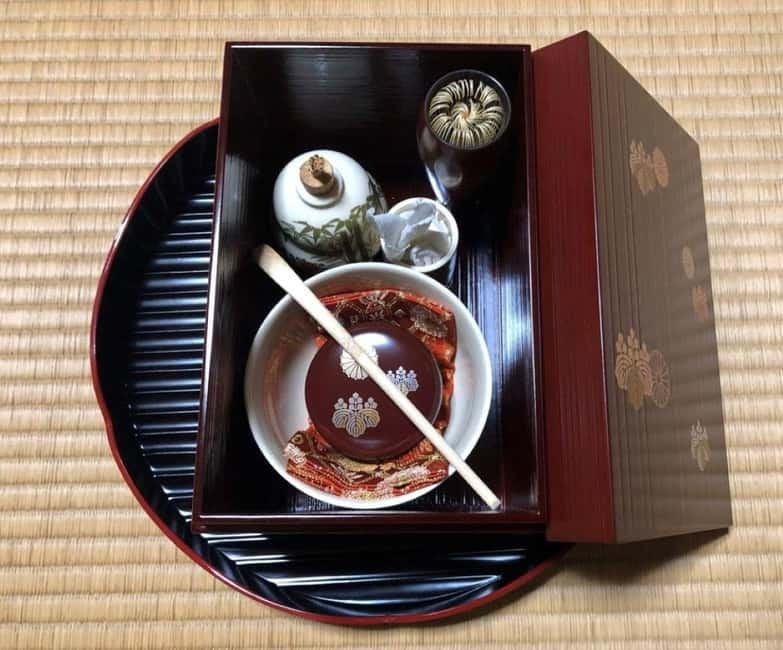
You then prepare your own bowl using traditional tea tools. Expect guidance rather than a test. Sakura has been described as patient and clear, with plenty of time for questions. That makes this a good first encounter with matcha, especially if you have never used a bamboo whisk.
The pace is deliberately unhurried, but the 45-minute schedule is compact. You receive a focused introduction rather than a full study of Japanese tea culture. I see that as a strength if you have only a morning or afternoon in Kyoto, though serious tea students may want a longer and more formal class.
More matcha tastings and workshops:
- World Heritage Kyoto & Nara Uji Authentic Matcha Experience
★ 5.0 · 1,573 reviews - Kyoto: Arashiyama Bamboo Forest, Monkeys, Matcha & Temple Tour
★ 5.0 · 759 reviews - Kyoto: Tea Museum Tickets and Matcha Grinding Experience
★ 4.9 · 739 reviews
Why the temple setting changes the mood
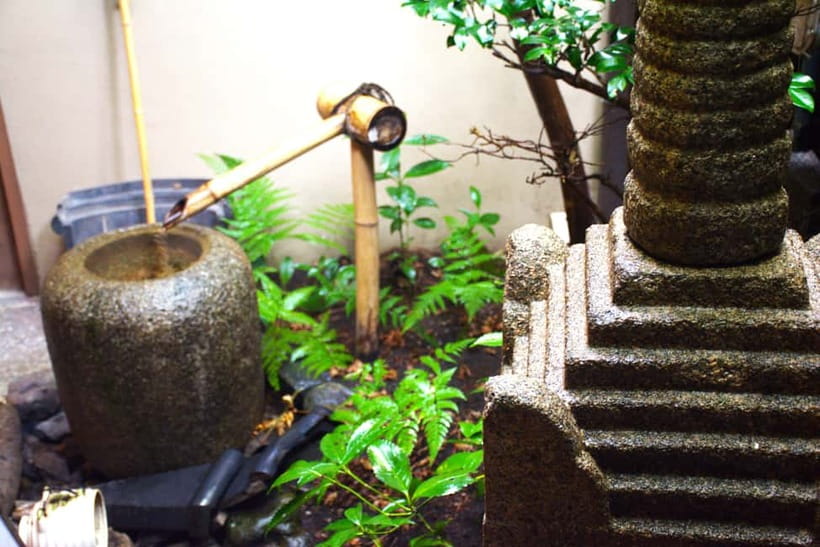
A temple is a fitting place for a lesson built around attention and quiet. The setting helps you slow down before the whisking begins, and it gives the activity a clear connection to Japanese religious and cultural life.
The precise room arrangement is not described, so you should not book this expecting a grand temple tour or a long walk through temple grounds. The attraction is the atmosphere and the ritual itself. You spend the time learning, preparing, tasting, and asking questions.
That direct contact is valuable. Tea ceremony can seem formal from the outside, with bows, tools, and prescribed motions that are easy to admire but hard to understand. A host who explains the purpose of each gesture helps you see the ceremony as a form of hospitality and mindfulness, not just performance.
The setting also makes this a useful break from Kyoto sightseeing. After crowded streets and busy temples, forty-five quiet minutes can reset your pace. You are not paying for a large attraction ticket or a full-day tour. You are paying for a short cultural encounter in a traditional place.
What Sakura adds to the experience
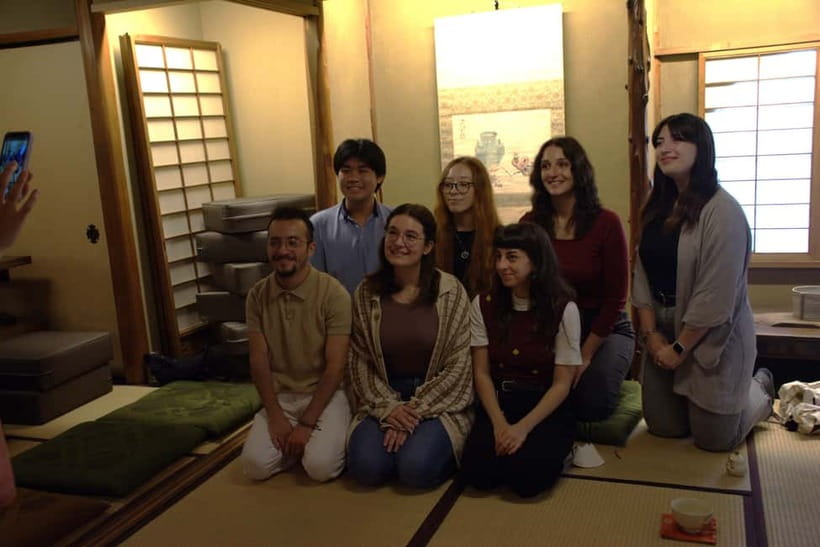
Sakura is the named host associated with the strongest praise for the teaching. She explains the background of tea ceremony in English, answers questions, and keeps the mood warm rather than stiff.
That tone matters. A formal tea ceremony can intimidate first-time visitors, particularly if you are unsure how to hold the bowl or when to move. Sakura’s approach appears friendly and conversational, while still respecting the custom. You can ask about the tea, the tools, and the meaning of what you are doing.
She has also offered advice about buying matcha, which is useful if the session sparks an interest in taking tea home. The activity does not state that matcha purchases are included, so consider that advice an extra benefit rather than part of the package.
Another appealing detail is the possibility of a private session. One booking described the ceremony as being just for that party rather than a group. The exact group size is not guaranteed, so you should confirm it when booking, but a smaller setting would give you more time to ask questions and practice.
The host’s personality seems to be one of the main reasons this experience works. You are not simply handed a bowl and told to copy a gesture. You get context, encouragement, and a chance to understand what you are doing.
The tea and Kyoto sweet
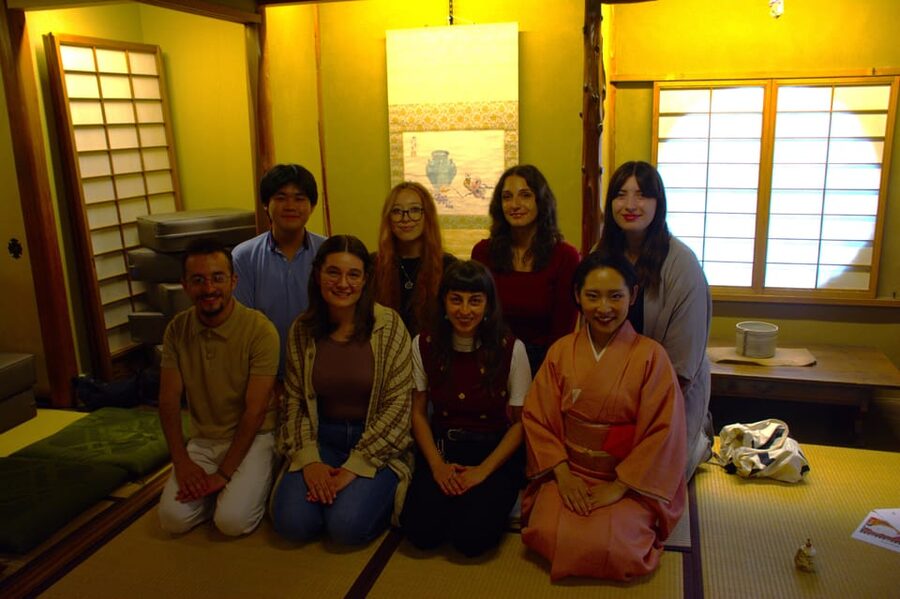
The tasting is simple, but it completes the lesson. Tea and a traditional Kyoto sweet are included, giving you the familiar pairing used in Japanese tea culture.
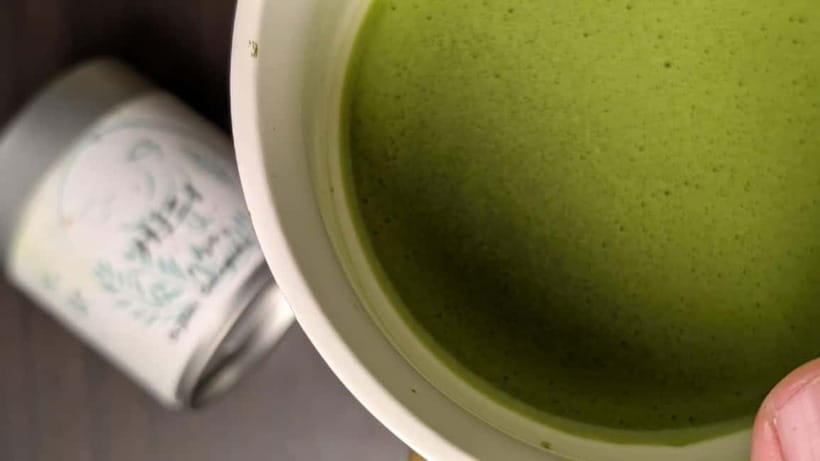
The sweet is not just a snack before sightseeing. Its sweetness balances matcha’s earthy, slightly bitter flavor. Trying them together helps you understand why a small confection is served before or alongside the tea.
Several successful descriptions refer to mochi, though the formal inclusion is listed more generally as a traditional Kyoto sweet. Do not assume the exact sweet will always be mochi. The important point is that the tasting is part of the experience, not an extra charge added at the end.
Your bowl is the result of your own work, so the final sip has a little more meaning than a matcha drink bought at a café. You have handled the tools, followed the instructions, and taken part in the preparation. That is the difference between a tea tasting and a tea-making lesson.
More Zen sittings in Kyoto:
- Kyoto Zen Meditation & Garden Tour at a Zen Temple with Lunch
★ 5.0 · 441 reviews - Kyoto: Zen Experience in a Hidden Temple
★ 5.0 · 437 reviews - Kyoto: Tea Ceremony Meditation – Make Matcha with Tea Master
★ 4.8 · 406 reviews - Kyoto: Zen Meditation at a Private Temple with a Monk
★ 5.0 · 202 reviews
The location problem you should solve first
The biggest weakness is not the tea ceremony. It is finding the entrance.
The stated directions say to leave Kyoto Station by the north central exit, walk north on Karasuma Street for about 10 minutes, and look for Shokoji Temple on the right after several intersections. The temple is described as small and distinctive, with a sign at the entrance.
However, successful visitors have given a different landmark: Grapevine Cafe at the corner of Ichinen-Zaka Street and Ninen-Zaka Path. The entrance was identified by vines above the café, and one person said you may need to knock to enter. Another person could not find a sign and had trouble getting help locally.
Those instructions do not point to the same area. That is a serious concern, especially in Kyoto, where small lanes, temple entrances, cafés, and neighborhood names can be easy to mix up.
Before you leave, contact the provider by email or call 080-5259-3796 and ask for the current meeting point, a map pin, and a photo of the entrance if possible. Save the confirmation on your phone. If you are using a taxi, show the driver the exact Japanese address or map location rather than relying only on the experience name.
Allow extra time. A 45-minute activity leaves little room for wandering around looking for an unmarked door. If the entrance is at Grapevine Cafe, the vines and the need to knock are useful clues. If the meeting point is truly Shokoji Temple, follow the current instructions from the provider rather than older directions found elsewhere.
This issue should not be ignored. Most of the available experiences were described as enjoyable, but one booking failed because the host did not appear, and another person could not locate the ceremony. The provider should confirm the appointment and venue clearly before you travel across Kyoto.
Is $32 fair for 45 minutes?
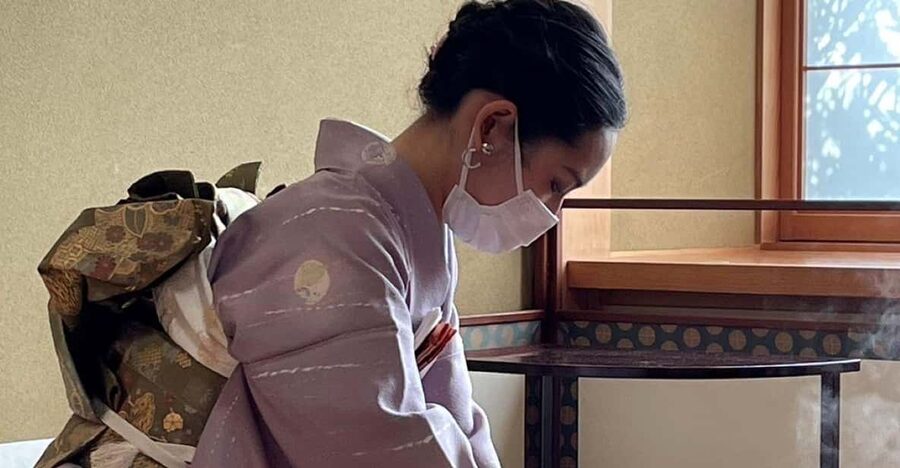
At $32 per person, this is not the cheapest way to drink matcha in Kyoto. A café can sell you a bowl for much less. But that comparison misses the point. The fee covers instruction, traditional tools, cultural explanation, a Kyoto sweet, and the chance to prepare the tea yourself.
I consider the price reasonable if you want a guided introduction and do not already understand tea ceremony. The value is strongest when Sakura is available to answer questions and the session is private or very small. You are paying for access to a person who can explain the customs, not simply for the powder in the bowl.
The value is weaker if you mainly want a scenic temple visit, a long ceremony, or a substantial meal. This is a short lesson. You should book it for the personal instruction and hands-on ritual, not as a major sightseeing attraction.
The included photo shoot is another small benefit. The details are not specified, so you should not expect a professional portrait package. Still, having photos of the activity can be useful, particularly because the experience centers on the act of whisking your own tea.
You also have some booking flexibility. Cancellation is free up to 24 hours in advance, and you can reserve now and pay later. That helps when your Kyoto schedule depends on weather, train plans, or other timed visits.
Who will enjoy this most
This suits adults and older children who want a gentle cultural activity rather than a fast-moving tour. It works particularly well for:
- First-time matcha drinkers
- Visitors curious about Zen and tea ceremony
- Couples or small groups wanting a quiet shared activity
- People who prefer a private lesson to a large demonstration
- Tea fans looking for practical background and buying advice
- Anyone with a spare 45 minutes near the confirmed meeting point
The experience is not suitable for children under 10. It is also listed as unsuitable for people with back problems, which is important because traditional tea settings may involve sitting in a position that is uncomfortable for some people. Ask the provider about the seating arrangement if this is a concern.
Alcohol, drugs, and party groups are not allowed. That rule fits the nature of the session. This is a calm cultural lesson, not a social drinking activity or a place for a loud celebration.
The activity is wheelchair accessible. Even so, confirm the exact entrance and interior arrangement in advance, particularly because the meeting-point information needs clarification.
How to fit it into a Kyoto day
Start with the meeting point, not the ceremony time. Because the directions have caused confusion, plan to arrive early and verify the entrance before your day becomes tightly scheduled.
Once the location is confirmed, the 45-minute duration is easy to place between other activities. You might pair it with nearby sightseeing if the meeting point is in the Higashiyama area, where Ichinen-Zaka and Ninen-Zaka are named as landmarks. Do not assume that location until the provider confirms it, since the supplied directions also point toward Shokoji Temple from Kyoto Station.
Avoid booking a train immediately afterward. The official session is short, but you need time to find the door, settle in, and leave without rushing. A little breathing room also suits the tone of the activity.
Wear something that lets you sit comfortably and handle a bowl without fuss. No special clothing is listed, and you do not need to bring tea tools. The host provides the tea and traditional equipment.
English instruction is included, making the experience accessible to visitors who do not speak Japanese. The value of the lesson comes from understanding the gestures, so listen closely to the explanations rather than treating the whisking as a quick photo opportunity.
What the mixed record means for your decision
The experience has a rating of 3.6 from seven reviews, which is neither a clear success nor a reason to reject it outright. Five-star accounts consistently praise Sakura’s friendliness, explanations, and ability to make the ceremony feel personal. Those are meaningful strengths because the host shapes nearly the entire 45 minutes.
The two one-star accounts point to a different problem: reliable operation and clear directions. One person arrived to find that the guide was out of the country and the activity was no longer offered. Another could not locate the venue. These are not minor complaints. They affect whether the experience happens at all.
That mixed record means you should take a few simple precautions. Contact ENSHI KYOTO before the cancellation deadline, confirm that Sakura or another host is scheduled, and request the exact entrance details. Keep the phone number handy on the day.
If you receive a clear reply and want an intimate introduction to matcha, the activity offers good cultural value in a small package. If the provider does not confirm the location or appointment, choose another tea experience. The ceremony itself sounds worthwhile, but dependable communication is essential.
Should you book Whisk Your Own Matcha?
Book it if you want to prepare matcha yourself, learn the customs in English, and enjoy a traditional sweet in a quiet setting. Sakura’s warm teaching style and the possibility of a private session make this more personal than a standard tea demonstration.
I would not book until the meeting point is confirmed in writing. The conflicting references to Shokoji Temple and Grapevine Cafe are too important to brush aside, and the past no-show shows why a quick confirmation matters.
For the right reader, this is a thoughtful 45-minute pause in Kyoto, with real participation rather than passive sightseeing. Just treat the directions as part of your preparation, not an afterthought.
FAQ
How long does the matcha experience last?
The activity lasts 45 minutes.
How much does it cost?
The listed price is $32 per person.
Is the experience taught in English?
Yes. The instructor language is English.
Do I make my own matcha?
Yes. You learn to whisk your own bowl of matcha using traditional tea tools.
What is included?
Tea, a traditional Kyoto sweet, and a photo shoot are included.
Is transportation included?
No. Transportation costs to the location are not included.
Can I cancel for a full refund?
Yes. You can cancel up to 24 hours in advance for a full refund.
Can I reserve now and pay later?
Yes. The activity allows you to reserve a spot and pay later.
Is the experience wheelchair accessible?
Yes, it is listed as wheelchair accessible.
Are children allowed?
Children under 10 are not suitable for this activity. The supplied information does not specify an older child age limit.
More Temples in Kyoto
- Kyoto: Tea Ceremony Ju-An at Jotokuji Temple
★ 4.9 · 3,207 reviews - Arashiyama Bamboo, Temple, Monkeys, or Secret Sake Brewery
★ 4.8 · 886 reviews - Kyoto: Ninnaji Temple Entry Ticket
★ 4.2 · 650 reviews - Kyoto: Arashiyama Bamboo, Matcha, Monkeys & Temple Tour
★ 4.9 · 291 reviews
Recently added around Kyoto
- Higashiyama | Kyoto: Sakura Season Private Rickshaw Tour★ 5.0 · 3 reviews
- Kyoto Kimono Rental CHAMATSU|Kimono/Yukata Rental FamilyPlan★ 5.0 · 3 reviews
- Kyoto: Half-Day Private Guided Tour to the Old Town of Gion★ 4.4 · 3 reviews
- Nara Private Customizable Half Day Tour★ 5.0 · 3 reviews
- Kansai Region Hiking Adventure in Nara Kobe Kyoto and More★ 5.0 · 3 reviews
- Full Day Nara Deer, Temple, Shrine, Activities & Tea Ceremony★ 5.0 · 3 reviews
- Nara: Essential Private Tour with Deer Park and Temples★ 5.0 · 3 reviews
- Hiking Tour for Sacred Sites in Kyoto with a Guide★ 5.0 · 3 reviews
Kyoto Matcha Experiences, compared.
World Heritage Kyoto & Nara Uji Authentic Matcha Experience
Read our review →
Arashiyama Bamboo Forest, Monkeys, Matcha & Temple Tour
Read our review →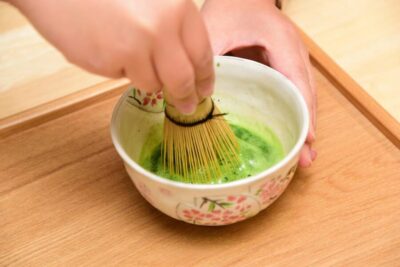
Tea Museum Tickets and Matcha Grinding Experience
Read our review →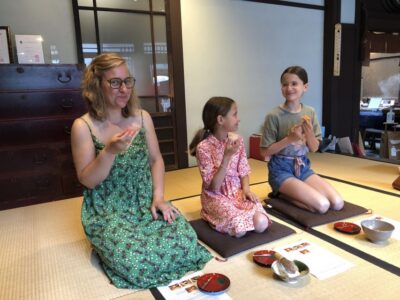
Tea Ceremony Meditation – Make Matcha with Tea Master
Read our review →Arashiyama Bamboo, Matcha, Monkeys & Temple Tour
Read our review →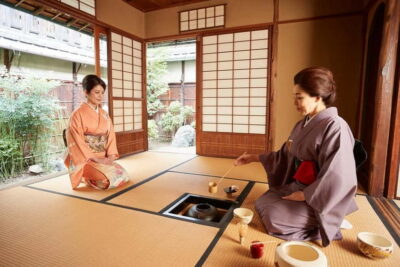
Arashiyama Bamboo, Temple, Matcha, Monkeys & secret spots
Read our review →
Browse the lists this tour appears in