
REVIEW · NARA DAY TRIPS
Nara: Full-Day Private Guided Tour
Nara’s best feature is the way major sights, woodland paths, free-roaming deer, and old streets fit into one day. You begin with a broad view from the Nara Prefectural Government Office rooftop, then work your way through Todaiji, Kasuga-taisha, Nara Park, Kofuku-ji, and Naramachi.
I like the private format, which lets your guide adjust the pace and steer you toward quieter corners. I also like the mix of eighth-century Nara and Edo-period merchant streets. The main consideration is cost: at $225 per person, you still pay separately for transport, lunch, and two temple or shrine admissions.
In This Review
- Key points
- Why this Nara day works
- Starting above the city at the prefectural office
- Meeting the Great Buddha at Todaiji
- Walking among Nara’s free-roaming deer
- Kasuga-taisha and Nara’s sacred forest setting
- Lunch at a local restaurant
- Naramachi and the old merchant houses
- Kofuku-ji closes the temple circuit
- What the $225 price really covers
- Walking, public transport, and the shape of the day
- Who will get the most from this tour
- Booking details worth knowing
- Should you book this Nara tour?
- FAQ
- How long does the Nara tour last?
- Where can the tour start and finish?
- What languages does the guide speak?
- Are transport, lunch, and entrance fees included?
- Is this a private tour?
- Can I cancel or pay later?
Key points
- A rooftop start: Get your bearings over Nara before visiting the major sights.
- Todaiji’s Great Buddha: See one of Japan’s most imposing temple buildings and its enormous seated Buddha.
- Deer and forest paths: Walk through Nara Park and toward Kasuga-taisha, where sacred deer roam freely.
- Old Naramachi: Visit traditional merchant houses and see a quieter side of the city.
- Private guiding: Travel with your own group and a guide speaking English, French, or Japanese.
- Easy regional access: Start and finish in Osaka, Kyoto, or Nara, using public transport and walking.
Why this Nara day works
Nara was Japan’s first fixed capital, and its old center still gives you a clear sense of how religion, government, nature, and daily life once met in one place. This tour uses that story well. You do not spend the whole day inside temples. You move from a city view to a huge Buddhist complex, then through wooded paths, deer country, a major Shinto shrine, and an old merchant district.
The eight-hour schedule is full, but it follows a sensible line. You are not simply ticking off isolated sights. Each stop adds a different piece to the picture: the Nara Period at Todaiji and Kasuga-taisha, the deer and parkland around them, and the Edo-period townscape at Naramachi.
Because the group is private, the guide can explain details in a way that fits your interests. If you want more history, you can stay with the temples. If you prefer walking and local streets, Naramachi and the quieter routes around the deer park receive more attention. One named guide, Mouloud Hammaduo, has been praised for taking visitors to older houses and less-used paths around Nara Park.
More day trips to Nara:
- World Heritage Kyoto & Nara Uji Authentic Matcha Experience
★ 5.0 · 1,573 reviews - Nara Half Day Trip Walking Tour (Private Option Available)
★ 5.0 · 937 reviews - Nara Early Morning Tour (Kyoto or Osaka Departure Available)
★ 5.0 · 676 reviews
Starting above the city at the prefectural office
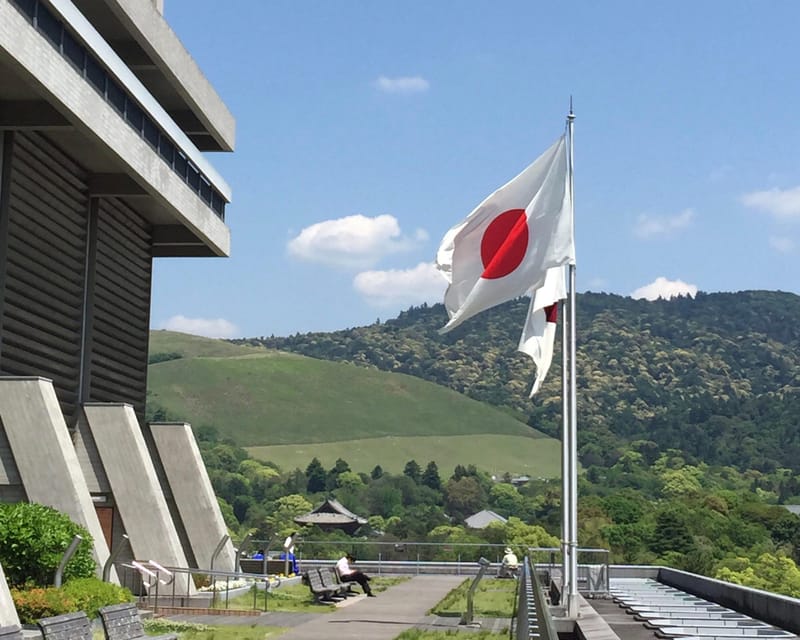
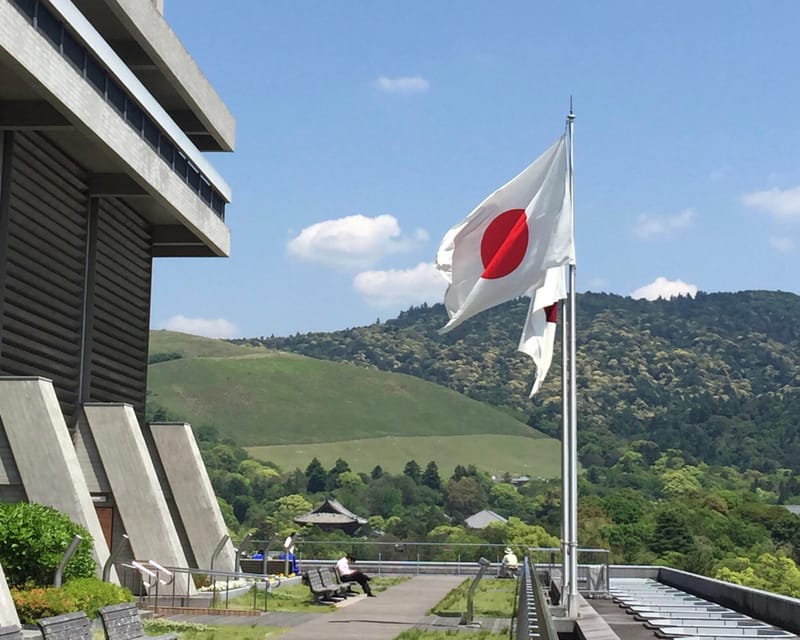
The tour begins at the Nara Prefectural Government Office rooftop, with about an hour for a photo stop, a visit, walking, and orientation. This is a smart opening because Nara can feel spread out when you first arrive. From above, your guide can point out the relationship between the city, the temple district, Nara Park, and the wooded hills beyond.
The rooftop is not the main attraction of the day, but it gives the rest of the tour a useful frame. Instead of arriving at each temple without context, you can see how the sites sit within the old capital.
Allow your guide to use this first hour for questions. This is the best time to explain the day’s walking route, transport plans, and the difference between Buddhist and Shinto sites. You will have several substantial stops ahead, so knowing the overall shape of the day helps.
Meeting the Great Buddha at Todaiji
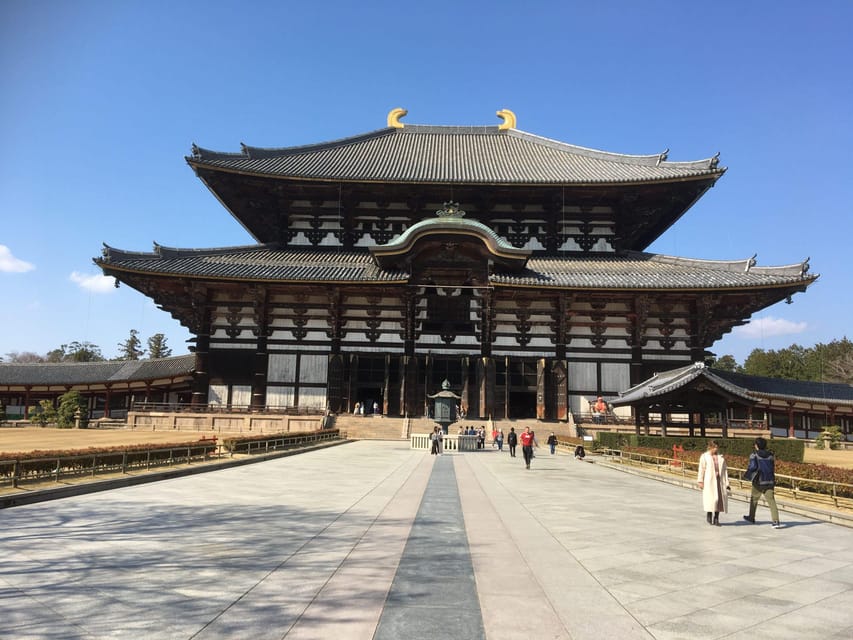
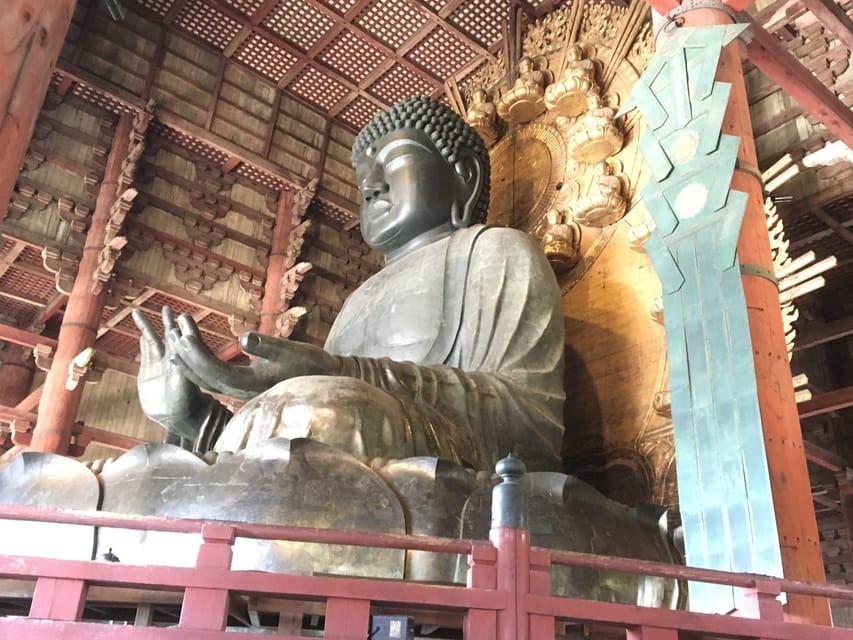
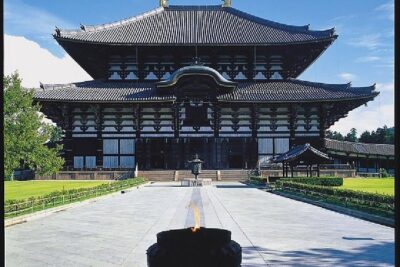
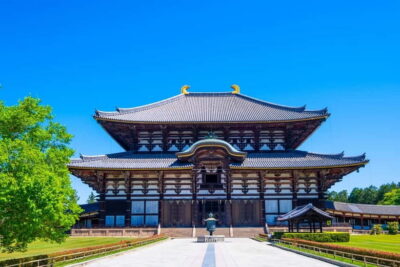
Todaiji receives roughly two hours, making it the longest single visit. That is appropriate. The temple dates to the eighth century and is home to Japan’s largest seated Buddha, an image that is difficult to grasp from photographs alone.
The scale is the point. The temple building is enormous, and the Buddha inside gives the visit a strong sense of ceremony and weight. Your guide can connect the temple to Nara’s role as Japan’s first fixed capital and explain why such a major religious center was built here.
I would not rush this stop. Take time to look at the structure before entering, then let the guide explain the Buddha and the temple setting. The site is famous, so it can feel like the busiest part of the day. That is one reason the private format helps. Your guide can explain what you are seeing rather than leaving you to move through a large crowd with only a quick photograph.
The tour description calls the walk to Todaiji part of the experience, so expect more than a vehicle-to-door visit. Comfortable shoes matter. Two hours also means this is not a brief temple photo stop. If you prefer a fast pace and many separate sights, Todaiji may feel long. If you want time for the building, Buddha, and historical setting, the allowance is useful.
Admission is not included. Budget about 800 yen per person for Todaiji.
Walking among Nara’s free-roaming deer
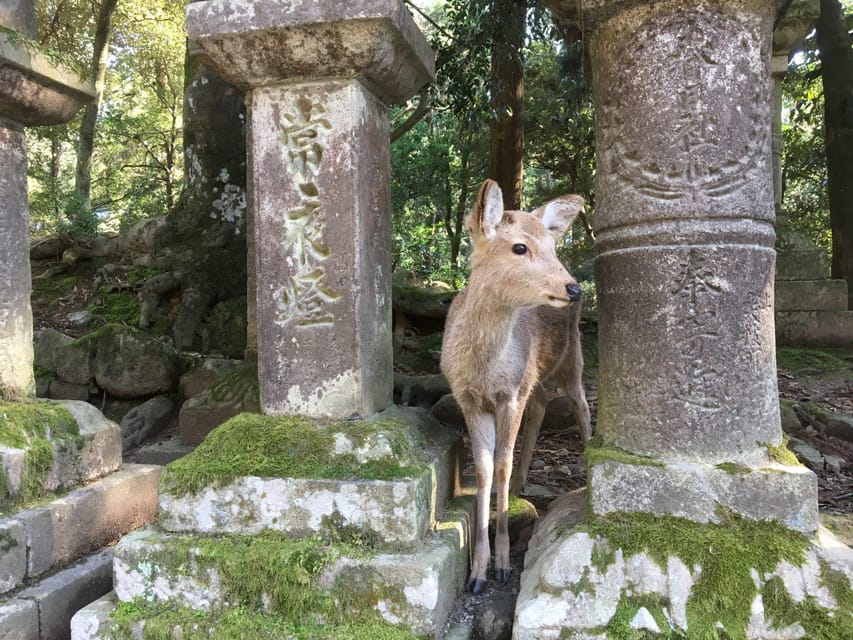
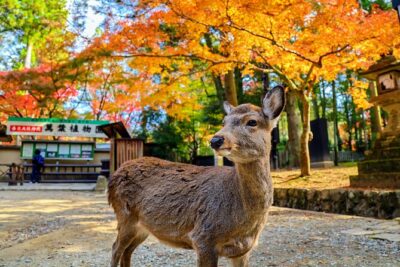
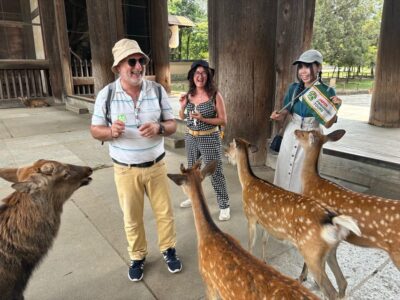
After Todaiji, the route continues on foot toward Kasuga-taisha through Nara Park. The park is known for more than 1,200 deer, and the animals are free to move through the grounds. This gives the day a change of pace. You leave the formal temple setting and spend time among trees, open paths, and animals that are closely tied to Nara’s religious identity.
The deer are a memorable part of the visit, but you should treat them as living animals rather than scenery. Follow your guide’s directions and keep your food secure. A small practical tip comes from the experience itself: if you carry cookies or other snacks, hide them well. Deer are quick to notice them.
The park section lasts about an hour. That is enough for a meaningful walk, though not enough to explore every path. The private guide can choose a route that avoids some of the more crowded tourist areas. This is one of the most useful reasons to book a private day rather than follow a large fixed group.
The walking can add up. You go from the government office to Todaiji, then onward through the park and to the shrine. If you need mobility support, the tour is described as wheelchair accessible, but you should still discuss the exact route with the provider before booking because the day includes walking and public transport.
A few more Nara experiences worth comparing
- Full Day Nara Deer, Temple, Shrine, Activities & Tea Ceremony
★ 5.0 · 3 reviews - 5 Top Highlights of Kyoto Full Day Bike Tour (E-bike option)
★ 5.0 · 511 reviews - Full Day Biking Tour Exploring the Best of Kyoto
★ 5.0 · 498 reviews - Kyoto Private Car Tour – Full Day with Local Guide & Nara Option
★ 5.0 · 169 reviews
Kasuga-taisha and Nara’s sacred forest setting
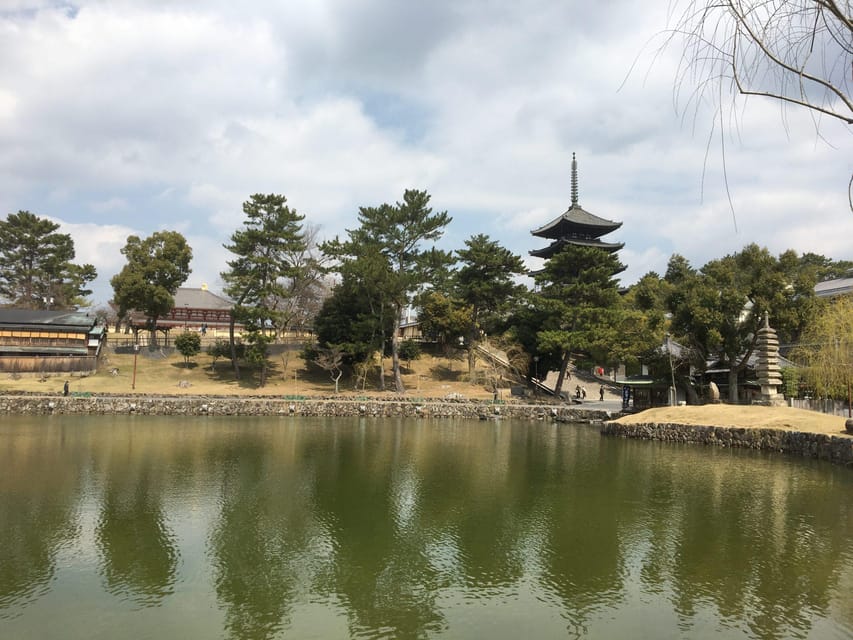
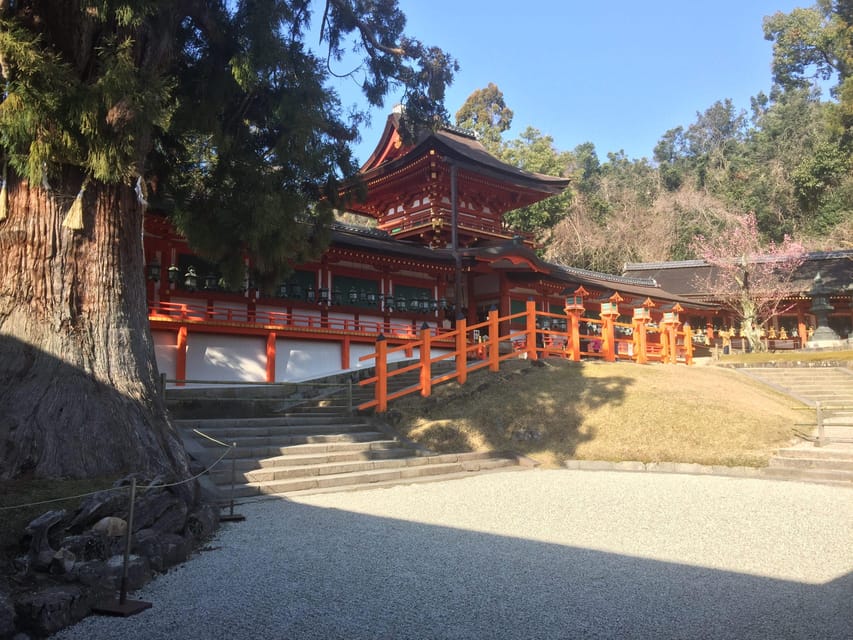
Kasuga-taisha receives about an hour. The shrine is a major Shinto site, and the approach through Nara Park gives it a different mood from Todaiji. Instead of focusing on one vast interior image, you experience a shrine connected to paths, trees, stone lanterns, and the deer that move through the area.
The guide can help you read the site correctly. At a Buddhist temple, you are looking at one type of religious tradition. At Kasuga-taisha, the rituals, architecture, and setting belong to Shinto. Seeing both in one day makes Nara especially useful for understanding Japan’s older religious culture.
Admission is separate and costs about 700 yen per person. The tour includes a guided visit and a photo stop, so you should have time to see the main area without turning the stop into a hurried pass-through.
The drawback is that one hour may feel brief if you want a slow photographic walk or detailed study of every lantern and building. Still, paired with the walk through Nara Park, it gives you a good introduction without taking the whole afternoon.
Lunch at a local restaurant
The schedule allows one hour for lunch at a local restaurant. The meal is not included, and the estimated cost is about 2,000 yen per person.
That hour is valuable in a full walking day. It gives you a chance to sit down, ask the guide about anything you have seen, and prepare for the second half of the route. Since the restaurant is described as local rather than as a specific named establishment, the exact menu and setting are not guaranteed.
Keep your expectations practical. This is a convenient midday break, not a dedicated food tour. If you have dietary needs, raise them when booking or at the start of the day so the guide can help with choices.
Naramachi and the old merchant houses
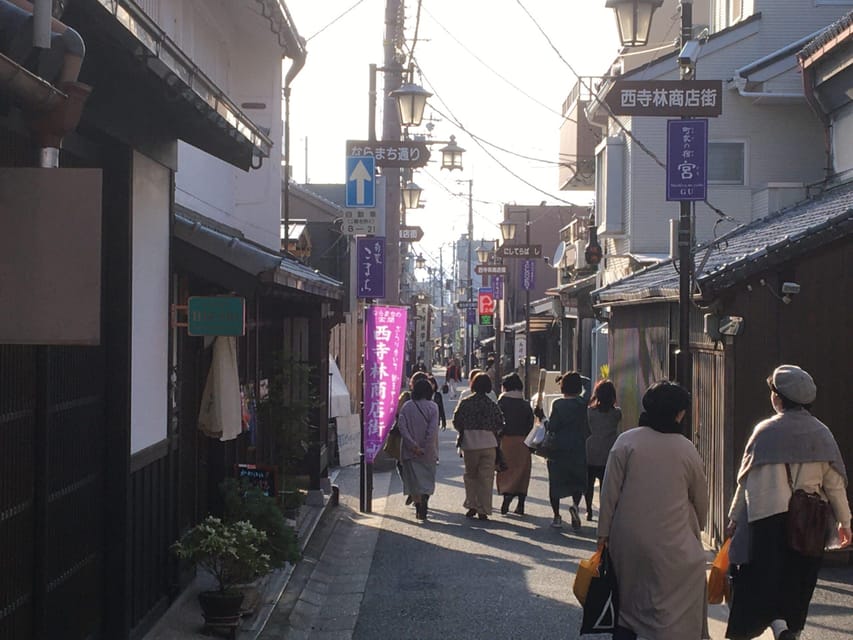
Naramachi is one of the most appealing parts of the day for anyone who wants more than headline sights. This old merchant district is known for traditional Edo-period architecture, and the tour includes visits to old houses.
The contrast with Todaiji is excellent. At the temple, you see the power and scale of the eighth-century capital. In Naramachi, you see the built environment of later urban life, including the narrow streets and traditional homes associated with merchants from the Edo period, roughly the seventeenth through nineteenth centuries.
This is also where a private guide can add real value. A guide can point out how old houses were arranged and explain details that are easy to miss when you simply stroll past facades. Mouloud Hammaduo has been specifically praised for showing older parts of Nara and taking a less-used route around the deer park. That suggests the tour is not limited to the most photographed corners.
The Naramachi visit lasts about an hour. That gives you a good taste of the district, but not enough for every side street, house, and shop. If old neighborhoods are your main interest, tell the guide early. The private format may allow the emphasis to shift in that direction, depending on the day’s timing.
Kofuku-ji closes the temple circuit
Kofuku-ji receives another hour for a guided visit and walk. It adds one more important religious site to a day already centered on Todaiji and Kasuga-taisha.
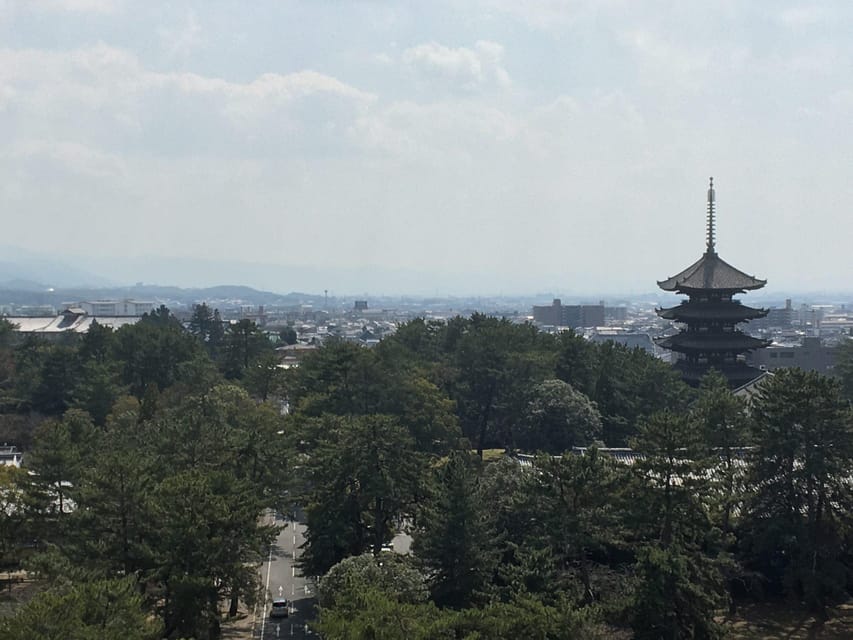
The value here is comparison. You have seen a massive Buddhist temple and a wooded Shinto shrine. Kofuku-ji lets you consider another part of Nara’s Buddhist tradition before the day ends. Your guide can help connect the buildings and grounds to the wider story of the old capital.
The sequence places Kofuku-ji after Naramachi, giving the day a final return to temple architecture. That works well if you still have energy for another cultural stop. If your group prefers a slower lunch or more time in Naramachi, ask the guide how the schedule can be balanced.
The one-hour visit is enough for an introduction. It is not presented as a specialist study of every building, so those wanting detailed architectural analysis may want to request more explanation during the stop.
What the $225 price really covers
The listed price is $225 per person. It covers the guide and guide fees, plus the benefit of a private group for eight hours. That is a significant price for a day in Nara, especially because several additional expenses remain.
Plan for roughly:
- 3,000 yen per person for public transport if you begin in Osaka or Kyoto
- 2,000 yen per person for lunch
- 700 yen for Kasuga-taisha
- 800 yen for Todaiji
That adds about 6,500 yen per person beyond the tour price, based on the stated estimates. The transport estimate applies specifically when starting from Osaka or Kyoto. The exact cost can vary with your route and starting point.
The price makes more sense for a small private group that values personal attention, language support, and a flexible pace. It is harder to justify if you only want transportation between famous sights or if you are comfortable researching Nara and using public transport alone.
You also avoid the limits of a large group. The guide can answer your questions, adjust the walking rhythm, and show less crowded routes when time allows. For a family, a group of friends, or visitors who want one strong day with a local guide, that convenience can be worth more than the raw admission costs.
Walking, public transport, and the shape of the day
This is an active day on foot and by public transport. The schedule includes several one-hour walks or guided visits, plus the two-hour Todaiji stop and the movement between districts.
Wear comfortable shoes and keep your day bag light. The tour begins and ends in one of three places: Osaka, Nara, or Kyoto. Starting in Osaka or Kyoto means adding the stated transport cost, while beginning in Nara may make the day simpler and less expensive on that front.
The eight-hour duration gives the guide room to connect the sights, but the schedule is still busy. You should not expect long unplanned breaks. The one-hour lunch is the main rest period, and the route continues afterward.
The tour is listed as wheelchair accessible. Since the experience includes walking through park areas, visiting historic sites, and using public transport, confirm the precise route and access needs before you reserve.
Who will get the most from this tour
I would choose this experience if you want Nara explained rather than simply photographed. It suits first-time visitors who want the main cultural sights, but also want old houses, deer paths, and a sense of how the city fits together.
It is a good match for:
- Couples or families who prefer a private day
- Small groups wanting English, French, or Japanese guidance
- Visitors based in Osaka or Kyoto who want Nara handled in one organized outing
- History-minded visitors interested in both the Nara and Edo periods
- People who want quieter routes and older neighborhoods alongside famous temples
It may not suit you if you dislike walking, want a food-focused experience, or prefer to spend an entire day at one temple complex. The tour covers a lot, so you will trade depth at individual sites for a broad view of Nara.
The rating is listed as five out of five from four bookings, with praise focused on the guide’s English, professionalism, historical explanations, and ability to avoid some crowded areas. That is a small sample, so I would treat it as encouraging rather than final proof. The repeated strengths are clear: good communication, a pleasant pace, and access to less obvious parts of the city.
Booking details worth knowing
The guide service is Nara Guide. Tours are offered in English, French, or Japanese, and the group is private.
You can cancel up to 24 hours before the start for a full refund. You can also reserve now and pay later, which helps if your Osaka, Kyoto, or Nara plans are still changing. Starting times depend on availability.
The stated meeting and drop-off choices are Osaka, Nara, and Kyoto. Transport is not included, so check the route and budget before you commit to the $225 price.
Should you book this Nara tour?
Book it if you want a full, guided introduction to Nara that combines the major monuments with deer, nature, and an old merchant district. The strongest feature is the balance: Todaiji and Kasuga-taisha provide the headline sights, while Naramachi and quieter park paths make the day feel less predictable.
The private format is the key value. You are paying for a guide’s time, explanations, language options, and the chance to adjust the day around your group. Just remember the extra 6,500 yen or so for transport, lunch, and admissions, and be ready for steady walking.
If you want Nara’s main story in one carefully connected day, this is a sensible choice. If you prefer a cheap, independent visit or a slow specialist tour, save the money and explore at your own pace.
FAQ
How long does the Nara tour last?
The tour lasts eight hours.
Where can the tour start and finish?
Pickup and drop-off options are Osaka, Nara, and Kyoto.
What languages does the guide speak?
Live guiding is available in English, French, and Japanese.
Are transport, lunch, and entrance fees included?
No. Public transport, lunch, Kasuga-taisha admission, and Todaiji admission are separate. Estimated costs are about 3,000 yen for transport from Osaka or Kyoto, 2,000 yen for lunch, 700 yen for Kasuga-taisha, and 800 yen for Todaiji.
Is this a private tour?
Yes. The experience is offered for a private group.
Can I cancel or pay later?
You can cancel up to 24 hours in advance for a full refund. A reserve-now, pay-later option is also available.
Recently added around Nara
- Nara Private Customizable Half Day Tour★ 5.0 · 3 reviews
- Nara: Essential Private Tour with Deer Park and Temples★ 5.0 · 3 reviews
- Full Day Nara Deer, Temple, Shrine, Activities & Tea Ceremony★ 5.0 · 3 reviews
- Discover the Essence of Nara Ink Through Your Senses★ 5.0 · 3 reviews
- Private Journey in Nara’s Historical Wonder★ 5.0 · 3 reviews
- Nara:Private Tea Ceremony(Max 5 ppl) -Master Matcha Making-★ 5.0 · 3 reviews
- Nara Takayama Tea Whisk Craft and Tea Culture Experience★ 5.0 · 3 reviews
- Nara: Half-Day Private Tour of 4 Must-See Spots & Deer Park★ 5.0 · 3 reviews
Nara Day Trips, compared.
World Heritage Kyoto & Nara Uji Authentic Matcha Experience
Read our review →
Kyoto/Osaka: Nara, Fushimi Inari Taisha, Arashiyama Bus Tour
Read our review →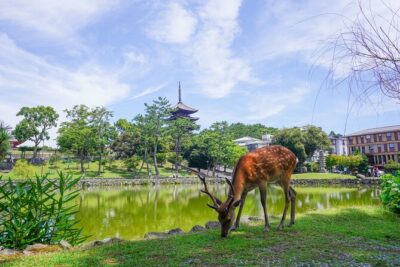
Nara Half Day Trip Walking Tour (Private Option Available)
Read our review →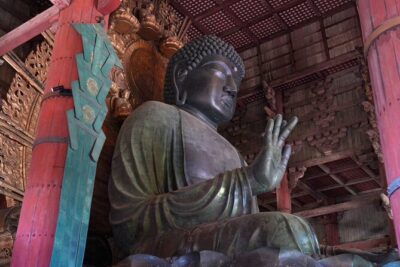
Nara Early Morning Tour (Kyoto or Osaka Departure Available)
Read our review →
Kyoto/Osaka: Kinkakuji, Bamboo Forest, and Nara Deer Park
Read our review →Browse the lists this tour appears in