
REVIEW · KYOTO KIMONO RENTALS
Kyoto: Traditional Kimono Fabric Handicrafts Workshop
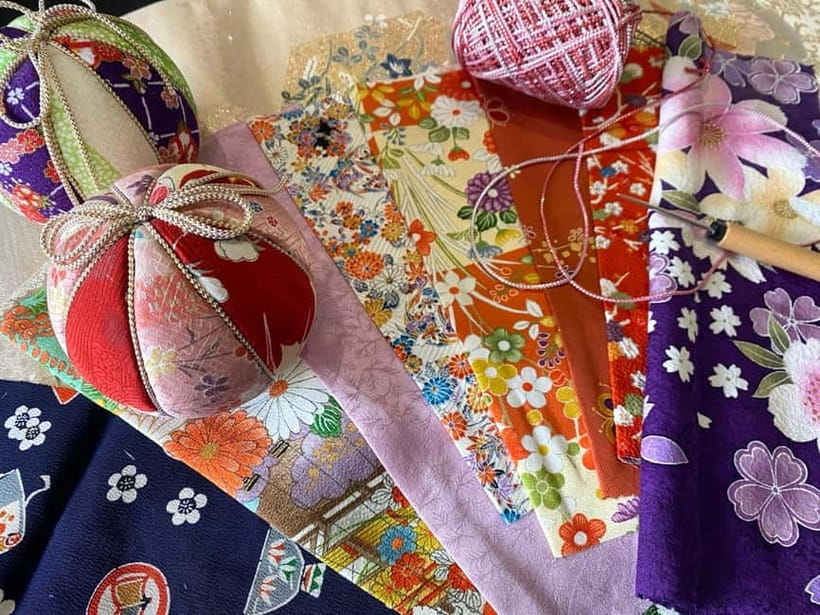
Making a Temari from kimono fabric gives you something many Kyoto souvenirs cannot: a small decoration you create yourself. In a renovated traditional antique shop, you choose colorful fabric pieces, shape the ornament, and leave with a personal reminder of Japan rather than another mass-produced trinket.
I like the wide fabric selection and the calm, patient teaching from Mae, also referred to as May or Mei in some booking details. I also like the sensible two-hour length, which gives you time to craft, chat, and enjoy tea or another drink with a traditional Japanese sweet.
The main consideration is simple: this is a quiet craft session, not a sightseeing tour. You should also allow time to choose your fabric, since the patterns and colors can make that decision surprisingly difficult.
In This Review
- Key points before you book
- A small Kyoto craft with a personal result
- Entering the renovated antique boutique
- Choosing the five kimono fabrics
- Building the Temari step by step
- Tea, sweets, and conversation with Mae
- Why the two-hour format works
- A souvenir you actually made
- Is $25 a good value?
- Who will enjoy this workshop most?
- Planning the workshop around Kyoto sights
- Should you book the Temari workshop?
- FAQ
- How long does the Temari workshop last?
- How much does the workshop cost?
- Do I need previous craft or sewing experience?
- Can children take part?
- What is included in the price?
- What languages are available?
- How large is the group?
Key points before you book
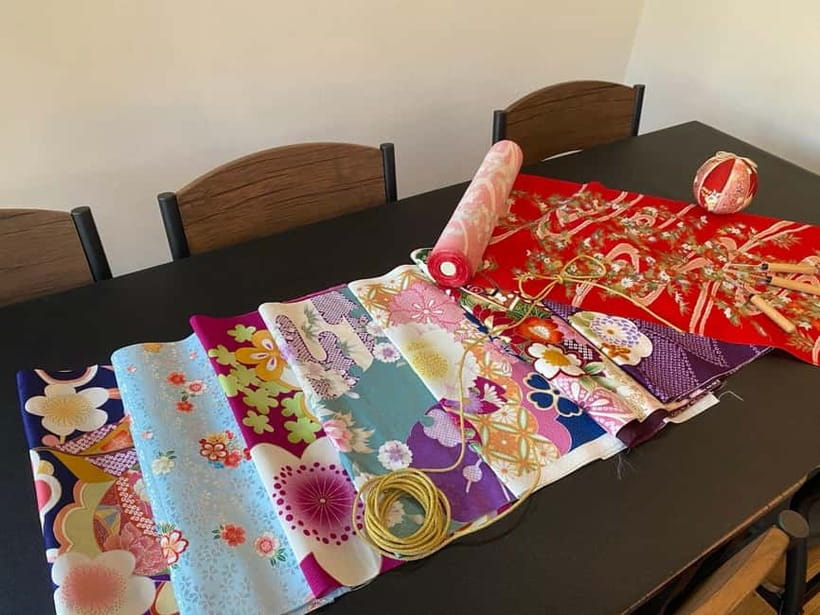
- Choose five kimono fabric pieces: Color and pattern selection is a central part of the experience, not a rushed afterthought.
- Work with artisan instructor Mae: She explains each step clearly and helps beginners, children, and anyone unsure about sewing.
- Take home a handmade Temari: Your finished decoration becomes a compact and personal Kyoto souvenir.
- Enjoy tea and a Japanese confectionery: One drink and one traditional sweet are included for each participant.
- Join a group of no more than four: The small size allows for direct help and a more relaxed pace.
- Pair it with nearby Kyoto sights: The shop is in an area close to temples, cafés, and the Philosopher’s Path.
A small Kyoto craft with a personal result
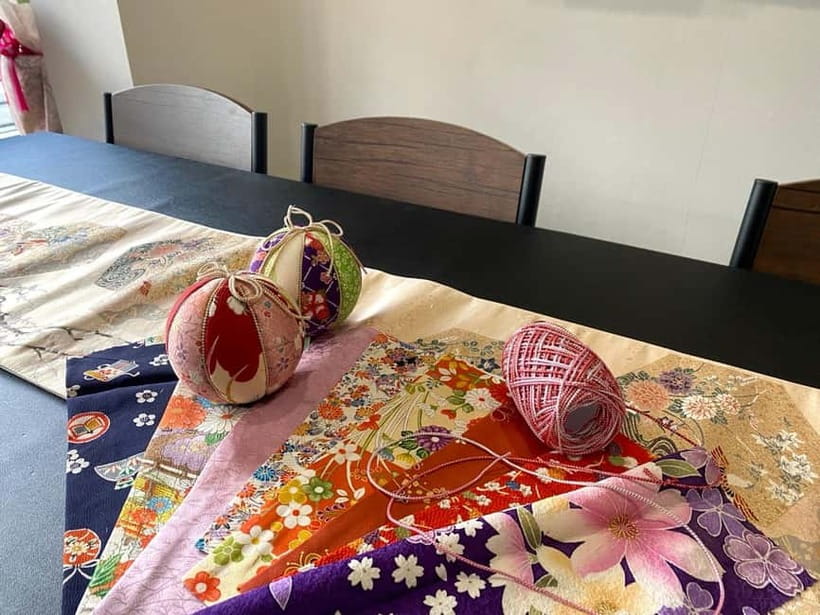
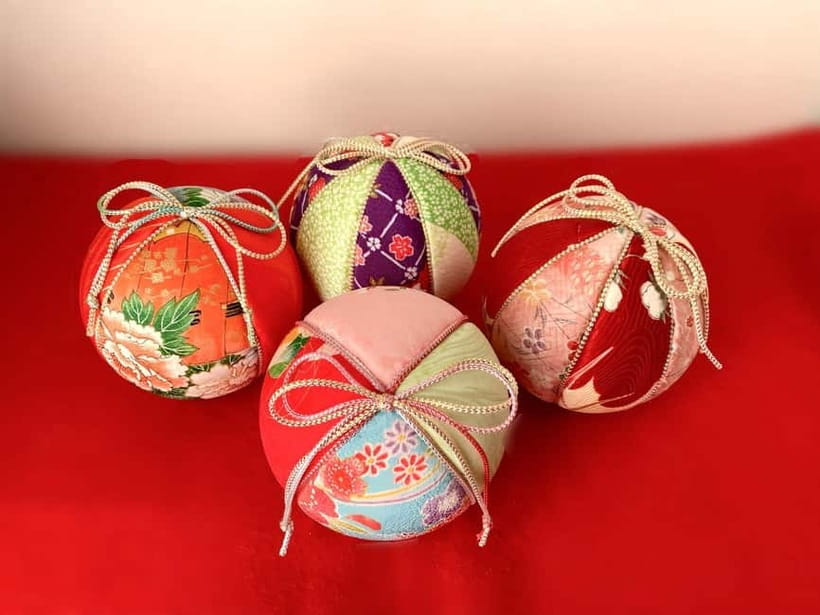
Temari are traditional Japanese handcrafted balls used as interior decorations and for celebrations. Their rounded shape and patterned fabric give them a cheerful look, but the appeal here is not only visual. You get to handle the materials, make choices, and watch an object take shape under your own hands.
The workshop uses pieces of kimono fabric, including recycled material. That gives the activity a useful connection to Japanese clothing traditions while also making each finished Temari different. Your color combination will not look exactly like anyone else’s.
This is not presented as a difficult artisan course. You do not need previous experience, special skills, or confidence with needlework. The process is designed for beginners, and the craft is simple enough for children to take part with help.
That makes the workshop a good change of pace after several hours of temples, shops, and crowded streets. You can sit down, focus on one small task, and talk with a local craftsperson. For many people, that slower rhythm is the real value of the two hours.
More kimono and yukata rentals:
- Kimono Tea Ceremony at Kyoto Maikoya, NISHIKI
★ 5.0 · 911 reviews - Kyoto: Kimono Rental with Hairstyling and Accessories
★ 4.8 · 653 reviews - Kyoto: Kimono Tea Ceremony at Orizuruya Gion
★ 4.9 · 618 reviews
Entering the renovated antique boutique
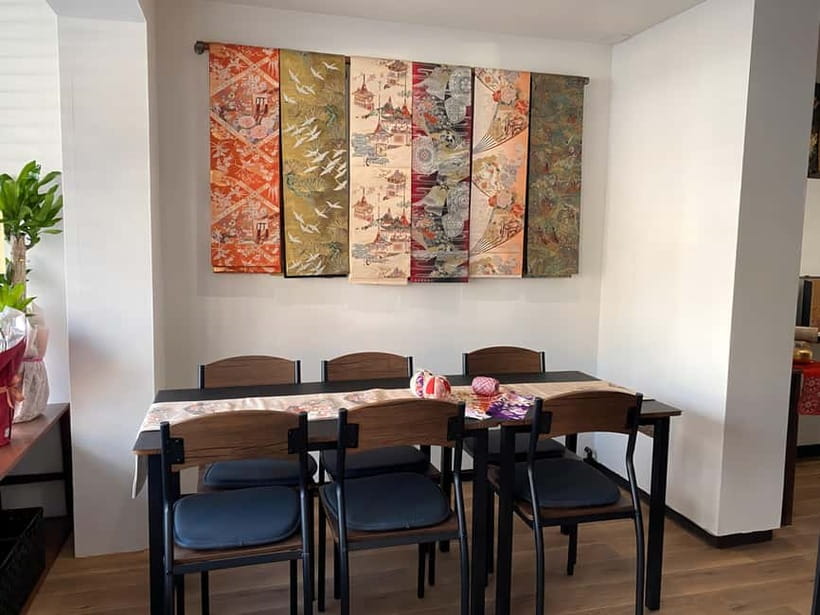
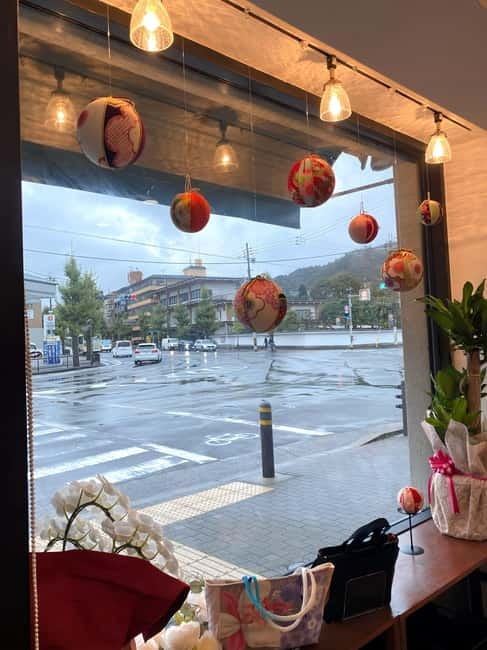
You enter the workshop when you arrive, and your host will be waiting to greet you. The setting is a newly renovated traditional Japanese antique boutique rather than a large classroom or tourist center.
The shop also sells bags and other handmade pieces made from old kimonos. You can browse these items before or after the class, but shopping is optional. The useful point is that the workshop takes place in a working craft shop, so you see the materials and finished goods in the same setting.
The atmosphere appears to be one of the experience’s strongest features. You are not being moved through a busy sequence of stops. Instead, you spend the session in one place with an instructor who can adjust the pace to your group.
The group limit is four participants. That matters for a hands-on activity, since the instructor can watch your progress and step in when a particular fold or attachment needs explaining. A larger class could make this kind of work feel like a demonstration. Four people keeps it personal.
Choosing the five kimono fabrics
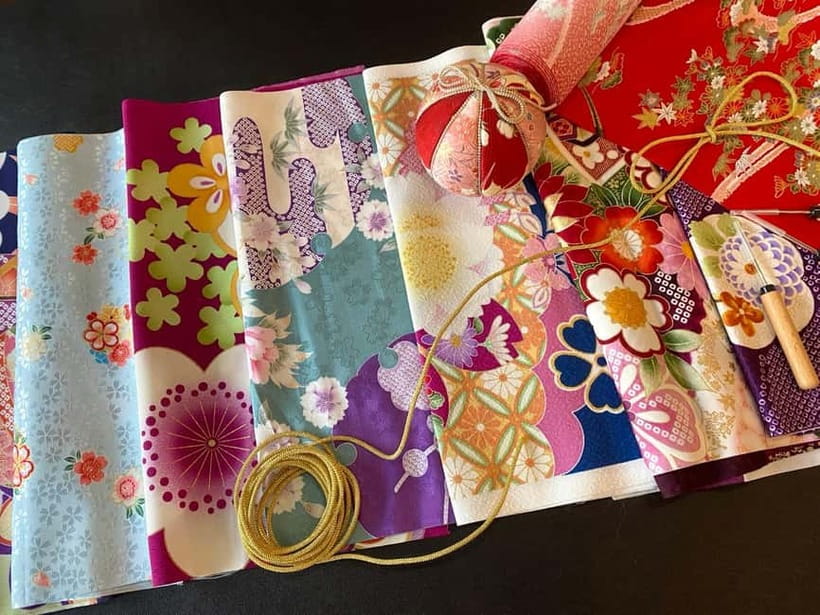
Fabric selection is likely to be the first big decision. You choose five pieces from a selection of kimono textiles, with different colors, patterns, and combinations available.
This part can take longer than expected, especially if you enjoy textiles. You might begin with one favorite color and then change your mind after seeing how the patterns work together. There is no need to rush. The finished Temari is small, but the fabric choices give it most of its character.
The material also gives you a direct link to Japanese design. Kimono cloth is valued for its color and pattern, and using previously made garments means the workshop has a practical reuse element. You are not simply decorating a blank object with generic craft supplies.
Mae guides you through the choices and helps you understand how the pieces will come together. Her role is part design adviser and part teacher. If you are confident with color, you can make the decisions yourself. If you are unsure, you can ask for help without needing to know anything about Japanese textiles beforehand.
I would not choose your fabric at the last second before an important dinner reservation. The class lasts two hours, but the selection stage and the actual making both deserve unhurried attention.
Building the Temari step by step
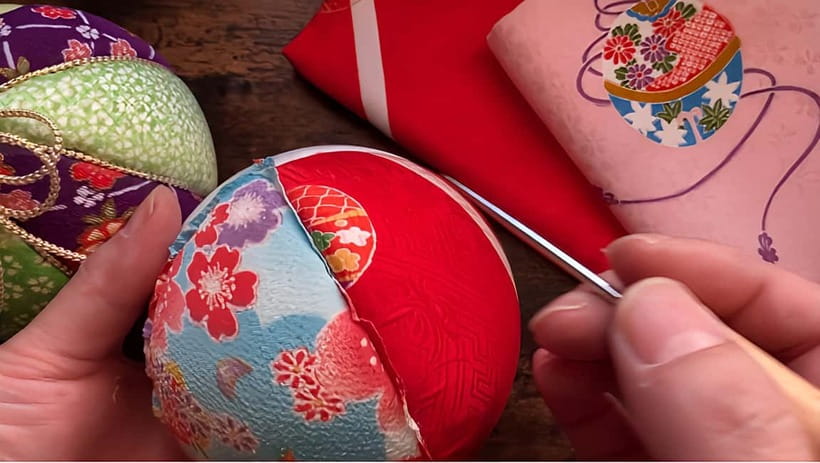
Once you have selected your materials, Mae explains the making process. The activity is described as easy for beginners, with no prior craft or sewing skill required.
Children can take part, though younger participants will naturally need more assistance. One family used the session for two adults and two children, ages 10 and 12, and found that the craft was manageable for the whole group. Another family noted that the activity involved little sewing, which helped a child enjoy it.
That detail is useful if you are looking for a family activity in Kyoto. It is creative without being physically demanding, and you do not need to bring equipment. All materials for the Temari are included.
The class is also suitable for couples and solo participants. Couples can make matching or contrasting pieces, while a solo participant may receive more one-to-one attention. One participant who attended alone had enough personal instruction to learn an additional fabric flower technique.
The finished item is a decoration for your home. It is not a large object, so packing it should be easier than transporting a fragile pottery piece or a full-size textile. Still, the provided information does not specify special packaging, so you should take ordinary care when placing it in your luggage.
More workshops and classes in Kyoto:
- Kyoto: 45-Minute Tea Ceremony Lesson Experience
★ 4.3 · 2,378 reviews - Kyoto : Chopsticks Making Workshop in Gion with Engraving Option
★ 5.0 · 958 reviews - Kyoto: Samurai Sword Class by Experts in Traditional Arts
★ 4.9 · 657 reviews - Kyoto: Ramen Cooking Class at a Ramen Factory with Souvenir
★ 4.9 · 532 reviews
Tea, sweets, and conversation with Mae
Each participant receives a complimentary drink and a traditional Japanese confectionery of their choice. The refreshments are part of the scheduled experience, not an extra food stop.
The drink can make the class feel more like a visit to a small local studio than a formal lesson. Past participants especially enjoyed the tea and matcha latte, along with the chance to talk with Mae while working. The conversation may cover the craft, Kyoto, and everyday life in Japan, with English and Japanese used during the session.
Mae’s English has been described as excellent, and her explanations are consistently clear. That is important because a craft class can become frustrating when instructions rely only on demonstration. Here, you can ask questions and receive help as you go.
The sweet is also a pleasant cultural detail. It gives you a taste of a traditional confectionery without turning the workshop into a food tour. If you want a full meal or additional drinks, those are not included, so plan to eat separately.
Why the two-hour format works
Two hours is enough time to make the activity feel worthwhile without taking over your day. A shorter session might force you to rush the fabric selection or leave with a half-finished project. A much longer class could become tiring, especially for children or people who are not usually interested in crafts.
The pace is relaxed rather than athletic. You sit, work with your hands, listen to explanations, and enjoy a drink. That makes this a useful break between major Kyoto sights.
The length also leaves room to build the workshop into a larger sightseeing plan. The shop is in a Kyoto sightseeing area near historically significant temples and shrines. The Philosopher’s Path and cafés are also nearby, according to one family’s practical description of the area.
The workshop itself does not include a guided visit to those temples or the path. Think of the location as a reason to pair the class with nearby sightseeing, not as part of the paid activity. Check your map and allow travel time before and after the session.
A souvenir you actually made
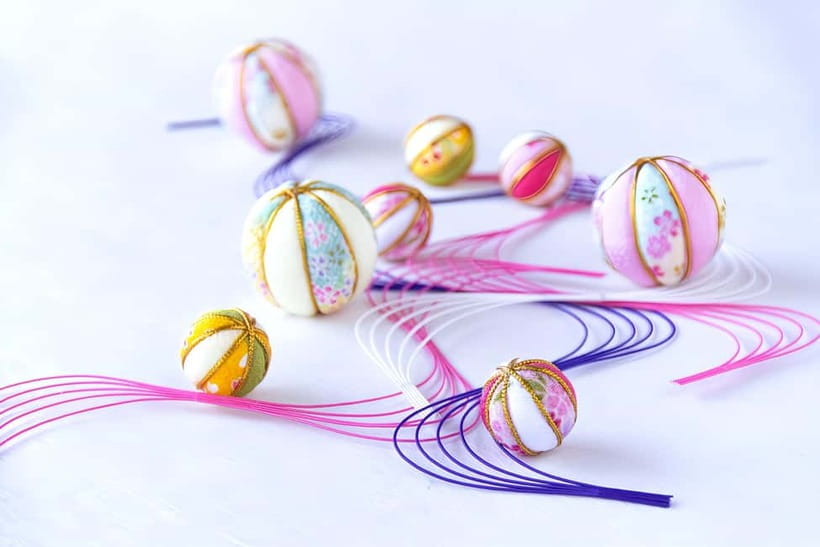
Kyoto offers plenty of beautiful souvenirs, but many are things you select from a shelf. The Temari gives you a different kind of keepsake. You decide on the fabric, follow the process, and finish with an object that carries a memory of where and how you made it.
That personal connection is especially useful for couples on a honeymoon, families wanting a shared activity, and anyone tired of buying gifts that could have come from anywhere. Several participants planned to display their Temari at home.
The result will not be identical to an artisan’s work in the shop, and that is part of its charm. You are taking home a beginner-made craft guided by a local maker. The goal is not professional perfection. The goal is a pleasing object with your own color choices and a story behind it.
You can also browse the shop’s bags and other goods made from kimono fabric. This may appeal if you want a more polished textile purchase as well as the handmade Temari. Keep in mind that additional purchases are separate from the workshop price.
Is $25 a good value?
At $25 per person, this is a strong value for a two-hour activity that includes instruction, all craft materials, a drink, a traditional sweet, and a finished souvenir. You are paying for time with a local artisan as well as for the object itself.
The small group size improves the value. With only four places, the instructor can help you directly rather than leaving you to copy a demonstration from the back of a crowded room.
The price is less compelling if you want a major cultural performance, a long guided tour, or a large finished item. This is a modest craft session. Its value comes from the personal teaching, the quality and history of the fabric, and the calm setting.
For families, the cost is easier to assess because adults and children can do the same activity. For solo visitors, the price buys a focused local encounter and a souvenir without committing half a day.
Free cancellation up to 24 hours before the start gives you some useful flexibility, and the reserve-now, pay-later option can help if your Kyoto schedule is still shifting. The activity is wheelchair accessible, though you should confirm any specific needs when booking.
Who will enjoy this workshop most?
I would choose this for you if you like fabric, small-scale crafts, Japanese design, or activities that let you slow down. It is also a good option when rain, heat, or tired feet make another outdoor sightseeing block less attractive.
Families with children can consider it because the activity is beginner friendly and does not demand advanced sewing. Couples can make two keepsakes during a shared experience, and solo visitors may receive especially close instruction.
You do not need to be crafty. In fact, the class may be more satisfying if you arrive with no fixed idea of what you can make. Mae’s patient guidance keeps the process approachable.
I would choose something else if you want a fast stop between temples or if you dislike making decisions about colors and patterns. The activity is relaxed, but it still asks you to sit and work carefully for a substantial period.
Planning the workshop around Kyoto sights
Because the shop is near temples, shrines, cafés, and the Philosopher’s Path, you can build a pleasant half-day around it. Visit a nearby sight before the class, then use the workshop as your seated break, or craft first and continue exploring afterward.
Do not assume that the class includes transport, a temple guide, or a structured walk through the surrounding area. Those nearby sights are an advantage of the location, but you arrange that sightseeing yourself.
The host will greet you at the workshop, so enter when you arrive rather than waiting outside for a tour group. Starting times vary, and the available schedule should be checked before booking.
English and Japanese instruction are offered. The activity is small and direct, which makes it easier to ask for help at each stage.
Should you book the Temari workshop?
Book it if you want a quiet, hands-on Kyoto experience and a souvenir with a personal story. The low price, small group, included refreshments, recycled kimono fabric, and patient instruction make this an easy activity to fit into a sightseeing day.
It is especially well suited to families, couples, solo visitors, and anyone who wants a break from walking. Choose another experience if your priority is a major landmark, a performance, or a packed schedule of guided stops.
For most visitors who enjoy making things, this is a sensible two-hour choice. You leave with more than a purchased object: you leave with a Temari shaped by your own decisions and time spent with a local craft maker.
FAQ
How long does the Temari workshop last?
The workshop lasts two hours. Starting times vary, so check availability for the date you want.
How much does the workshop cost?
The price is $25 per person.
Do I need previous craft or sewing experience?
No. The workshop is designed for beginners, and no prior experience or special skills are required.
Can children take part?
Yes. The activity is suitable for adults and children of all ages. Children may need help depending on their age and ability.
What is included in the price?
The price includes the Temari workshop, all necessary materials, instruction from a local crafts master, one complimentary drink, and a traditional Japanese confectionery for each participant.
What languages are available?
Instruction is available in English and Japanese.
How large is the group?
The workshop is limited to four participants, making it a small-group activity with direct access to the instructor.
Recently added around Kyoto
- Higashiyama | Kyoto: Sakura Season Private Rickshaw Tour★ 5.0 · 3 reviews
- Kyoto Kimono Rental CHAMATSU|Kimono/Yukata Rental FamilyPlan★ 5.0 · 3 reviews
- Kyoto: Half-Day Private Guided Tour to the Old Town of Gion★ 4.4 · 3 reviews
- Nara Private Customizable Half Day Tour★ 5.0 · 3 reviews
- Kansai Region Hiking Adventure in Nara Kobe Kyoto and More★ 5.0 · 3 reviews
- Full Day Nara Deer, Temple, Shrine, Activities & Tea Ceremony★ 5.0 · 3 reviews
- Nara: Essential Private Tour with Deer Park and Temples★ 5.0 · 3 reviews
- Hiking Tour for Sacred Sites in Kyoto with a Guide★ 5.0 · 3 reviews
Kyoto Kimono Rentals, compared.
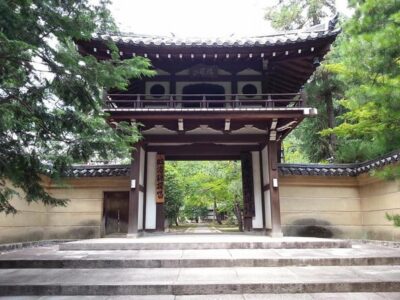
KYOTO Tea Ceremony with kimono near by Imamiya Jinjya Shrine
Read our review →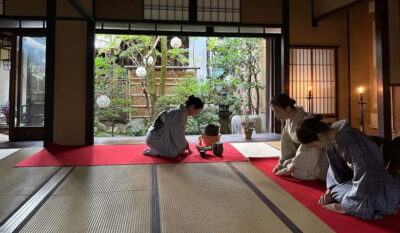
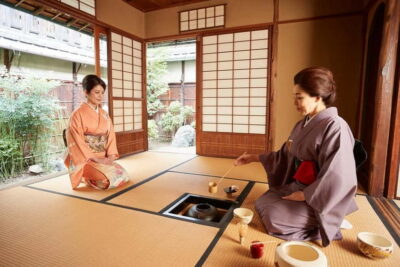
Kimono and Tea Ceremony Experience at Cultural Asset
Read our review →
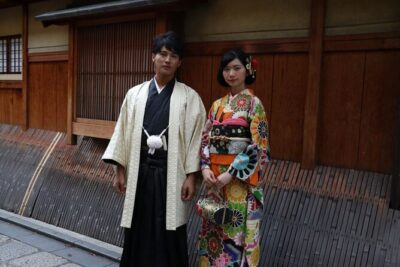
Family-Friendly Kimono & Yukata Experience at WARGO
Read our review →Browse the lists this tour appears in