REVIEW · SHOW
Kyoto: Non-Verbal Theatre Show Tickets at GEAR
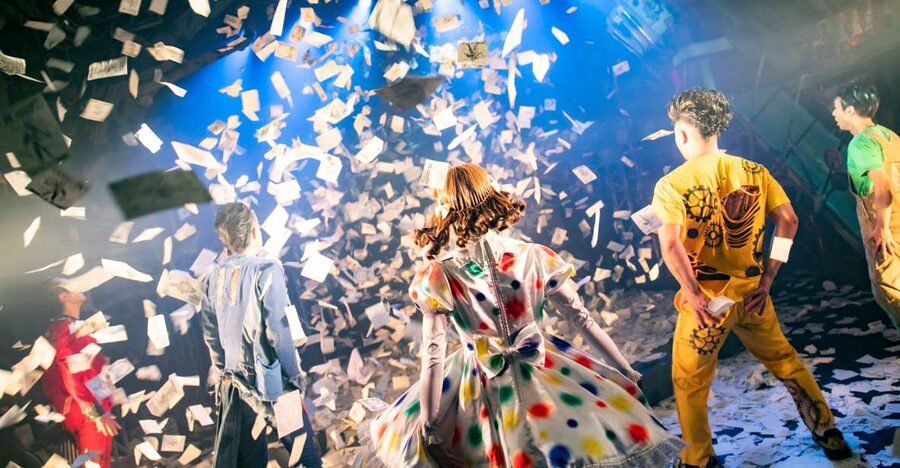
A robot, a living doll, a broken toy factory, and no spoken dialogue: that is the clever starting point for GEAR, Kyoto’s long-running nonverbal theatre show. In 90 minutes, performers use mime, magic, juggling, breakdance, music, light, and precise physical acting to tell a story about how machines discover their humanity.
I like the easy-to-follow storytelling, especially if you do not speak Japanese. I also like the small 72-seat theatre, where the action, tricks, and expressive acting feel close at hand. The main consideration is comfort: the venue is in a 1928 building, and each seat is quite small, about 18 by 18 inches. Children under four are not admitted.
In This Review
- Key points before you book
- A Kyoto theatre experience without a language barrier
- Entering the old 1928 theatre
- The opening: robots in a broken toy factory
- Magic, mime, juggling, and breakdance in one story
- Stage tricks that reward a close seat
- The emotional center: discovering the power of touch
- What the 90-minute schedule means for your Kyoto plans
- Who will enjoy GEAR most?
- Practical details for a smoother visit
- Is GEAR worth $46?
- Should you book GEAR in Kyoto?
- FAQ
- How long is the GEAR theatre show?
- Where is the GEAR show located?
- What is included with the ticket?
- Does GEAR use spoken dialogue?
- How early do the doors open?
- Are children under four allowed inside?
- Can I choose my seat number?
Key points before you book
- A silent story with real emotional weight: GEAR follows robot workers and a doll that comes to life, using movement and expression instead of spoken language.
- Several performance styles in one show: Expect mime, magic, juggling, breakdance, dance, comic acting, and robot-like movement.
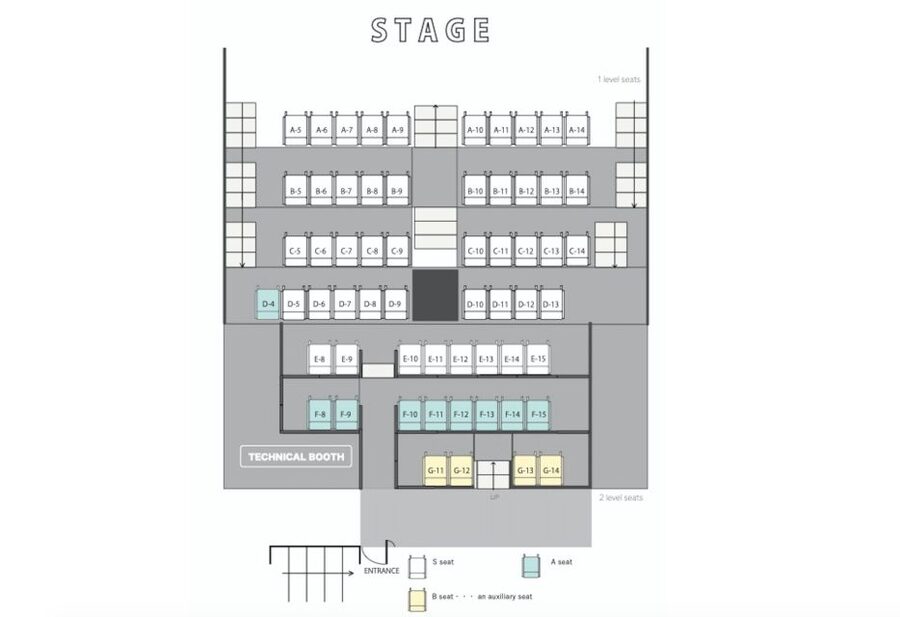
- A compact 72-seat venue: Every ticket is an S, or premium, seat, and seat numbers cannot be selected.
- A 90-minute evening option: The show fits neatly into a Kyoto day without taking up an entire night.
- A clever stage full of surprises: Kabuki-related theatre techniques meet modern lighting, sound, and stage technology.
- A strong choice for mixed-age groups: The show has entertained toddlers over age four, retirees, families, and adults, though its small seats may not suit everyone.
A Kyoto theatre experience without a language barrier
Kyoto is famous for temples, gardens, and traditional performance, but GEAR offers a different side of the city. It takes the precision and visual discipline associated with Japanese theatre and combines them with contemporary stage skills. You do not need a translation headset or a long explanation before the curtain rises.
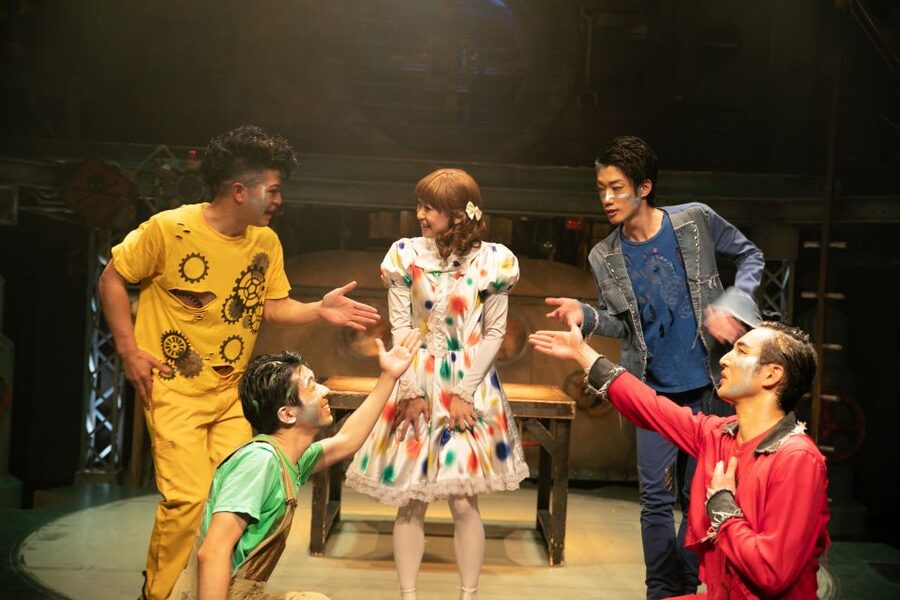
The story takes place in a future toy factory that has fallen into disrepair. The workers are robots, moving with stiff, mechanical control. Then a doll comes to life, and the robots begin a journey toward curiosity, feeling, and connection.
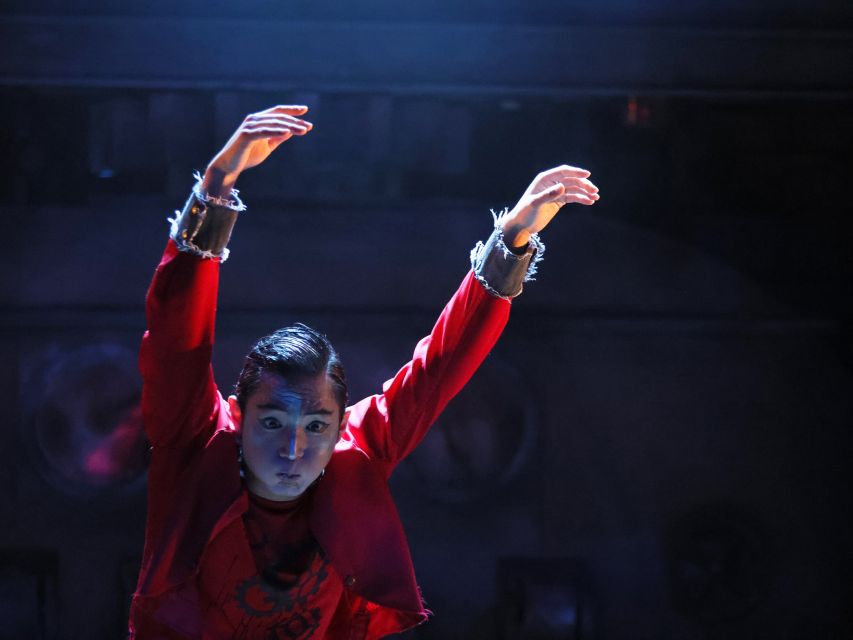
That basic plot is simple enough to follow, but it gives the performers room to communicate through posture, rhythm, facial expression, and timing. A raised hand or a sudden change in movement can carry the story. This makes GEAR especially useful for an international night out in Kyoto, since language differences do not get in the way.
The show is not silent in the sense of being plain. Music, sound design, lighting, and stage effects help set the mood and guide your attention. The result is closer to a visual theatre piece than a conventional play.
A few more Kyoto experiences worth comparing
- Kyoto Gion Cultural Walk & Geisha Show with Dining Options
★ 5.0 · 518 reviews - Kyoto Gion Cultural Walk & Geisha Show with Dining Options
★ 5.0 · 483 reviews - 1 Hour Geisha Show in Kyoto
★ 5.0 · 452 reviews
Entering the old 1928 theatre
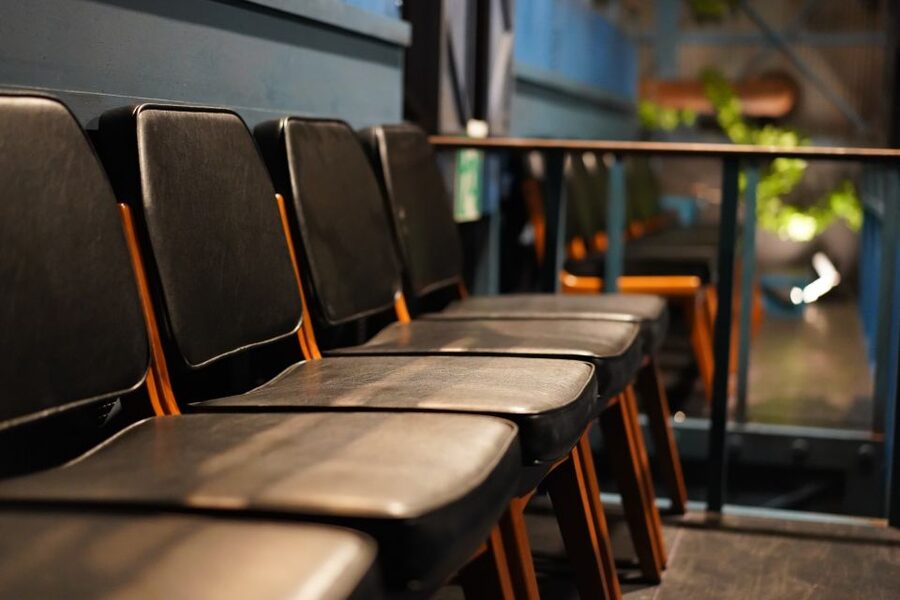
The GEAR theatre is in an old building constructed in 1928. That setting matters. You are not walking into a huge modern auditorium with rows of distant seats. The venue has only 72 places, creating a compact room where the performers and stage effects remain visually immediate.
Doors open 30 minutes before showtime. I would use that half hour to arrive calmly, find the theatre, and settle in, rather than rushing from dinner or a temple visit. The surrounding area also has unusual shops, making an early arrival worthwhile if you want a little time before the performance.
The small capacity is good news for sightlines. The seating plan does not leave you searching for the stage through heads far ahead. Several people have specifically found the view good from every seat, and the close arrangement helps with the physical comedy and small movements that define the show.
There is a trade-off. Each seat measures roughly 18 by 18 inches, which is narrower than many modern theatre seats. One person with a larger European build found the seats manageable, but comfort is personal. If you need generous seating, keep this detail in mind before paying.
You cannot select a seat number. At present, only the S, or premium, seat category is sold. That removes the need to compare sections, but it also means you cannot request a particular place in the room.
The opening: robots in a broken toy factory
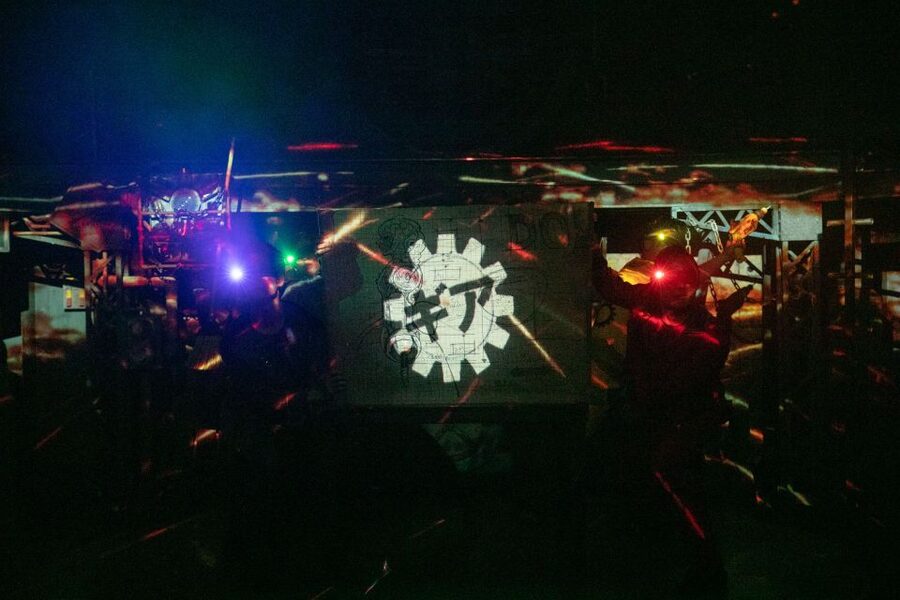
The factory setting gives the performers a strong visual playground. The robot workers are not simply actors wearing costumes. Their movement is part of the storytelling. Mechanical steps, sharp pauses, repeated gestures, and carefully controlled physical habits establish who these characters are before the plot develops.
This is where GEAR’s precision becomes clear. Robot acting can easily become a one-note joke, but the show uses it as a starting point. As the characters encounter the doll, their movement and reactions can change. The comedy comes from watching beings designed for routine respond to something unexpected.
The set is built to look like a broken toy factory, but it also functions as a machine for theatre. Doors, surfaces, objects, and changes in light help create surprises. The stage is not just a background. It is part of the performance.
You should expect to watch closely. Some moments are broad and comic, while others depend on a quick hand movement, a sudden illusion, or an exact piece of choreography. The small room works in the show’s favor because you can see the performers’ expressions and physical control without relying only on large gestures.
Magic, mime, juggling, and breakdance in one story
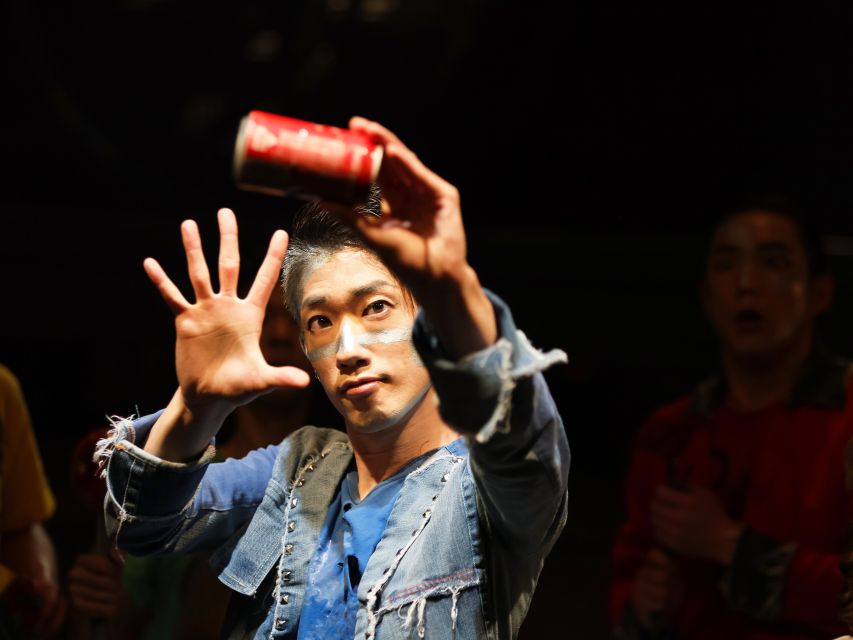
GEAR’s unusual strength is its mix of stage skills. It is not only mime, and it is not only a magic act. The show brings together several specialties and gives them a common purpose inside the story.
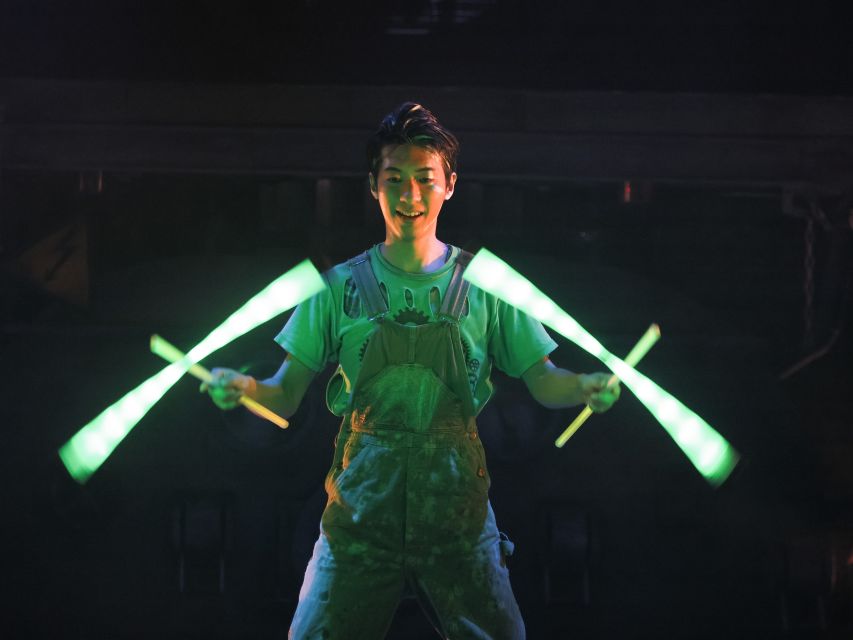
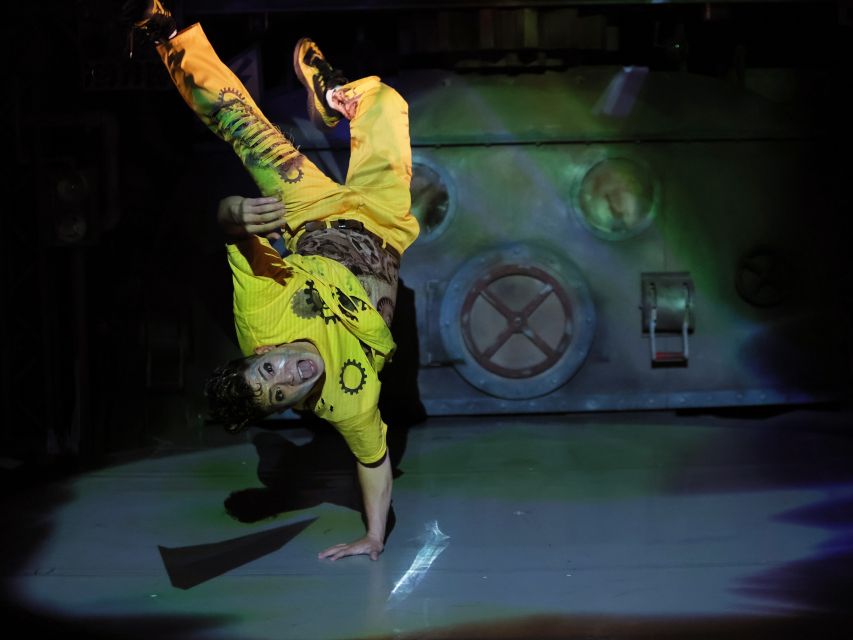
Mime makes the plot understandable without words. Magic adds surprise and helps the factory feel like a place where ordinary rules can bend. Juggling gives the performance speed and visual rhythm. Breakdance brings athletic energy, while dance and choreography shape the relationships between the characters.
The performers also use doll-like and robot-like movements with great control. That precision is important because the story depends on the contrast between programmed behavior and human feeling. A clumsy movement would weaken the idea. Instead, the physical work supports the story at every stage.
The comedy is broad enough for children, but the show is not made only for children. Adults can appreciate the timing, the technical skill, and the gradual emotional change in the characters. The mix gives families something to share, while couples and solo visitors can enjoy it as a polished night of theatre.
A little audience interaction may occur during the magic portion. One family had an older daughter included in the magic. You should not count on being selected, but it is worth knowing that the performers can bring the room into the action.
A completely different side of Kyoto:
- PERFECT KYOTO 1-Day Bus Tour
★ 5.0 · 13,518 reviews - Kyoto: Fushimi Inari, Kinkakuji, Bamboo Grove 1 Day Bus Tour
★ 4.8 · 4,316 reviews - Kyoto: Tea Ceremony in a Traditional Tea House in Kiyomizu
★ 4.9 · 3,519 reviews - Kyoto Geisha Walking Tour: Gion District & Hidden Gems
★ 4.7 · 3,273 reviews
Stage tricks that reward a close seat
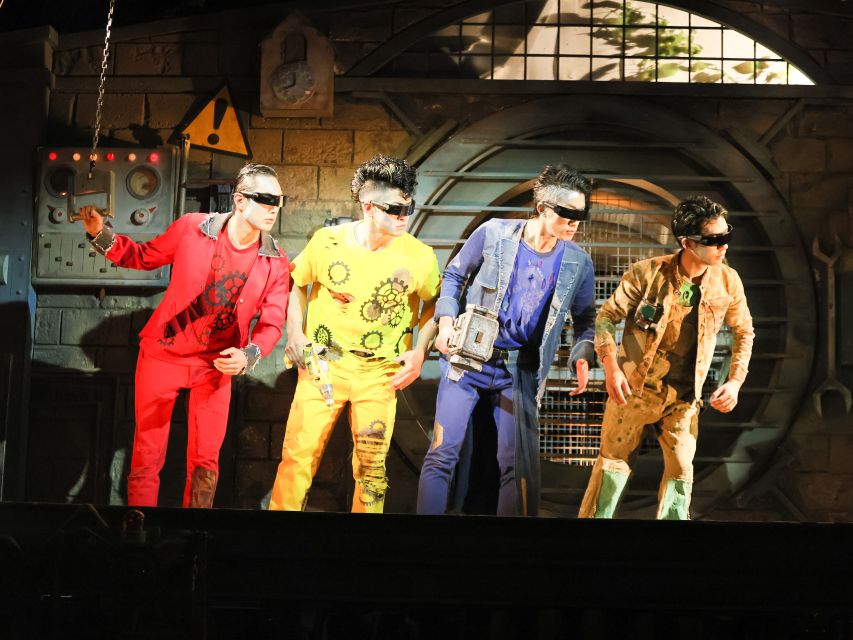
The stage design is one of GEAR’s main attractions. The production draws on techniques associated with Kabuki theatre and combines them with modern technology. That does not turn the show into a history lesson about Kabuki. Instead, you see ideas from Japanese stagecraft folded into a modern performance built around movement, illusion, light, sound, and changing scenery.
The practical effect is a theatre show with a strong sense of surprise. Objects appear to behave differently than expected. The set can suggest more than one place or function. Lighting helps shift the mood, while sound and music give energy to the action.
I would avoid reading too much about the specific tricks before you go. The show works best when you understand the basic premise but do not know every stage reveal. The production depends on discovery, and advance spoilers would take some of the pleasure away.
The S seat is a sensible inclusion here. Since the theatre is so small and every available ticket is in the premium category, you are paying for a close view rather than choosing between distant and expensive sections. The inability to select your exact seat may bother people who like full control, but the compact layout reduces the risk of being far from the stage.
The emotional center: discovering the power of touch
The show’s central idea is the power of touch. That theme gives the tricks and physical comedy a purpose beyond spectacle. The robots begin as efficient workers in a damaged factory, while the doll introduces a different kind of presence. Their encounters gradually open the door to emotion and connection.
Because there is no dialogue, the cast has to make the emotional turns clear through behavior. You see characters hesitate, react, imitate, and change. The story is easy to understand at a basic level, but it also leaves room for you to read meaning into the performances.
This is why GEAR can work for people with very different theatre tastes. If you want a light show, you get jokes, fast movement, magic, and visual surprises. If you prefer something more thoughtful, the story gives you a gentle question: what makes someone human?
The emotional scenes do not arrive as a separate lecture. They grow out of the characters’ physical behavior. A comic routine can lead into a quieter moment, then return to movement and music. That change of pace keeps the 90 minutes from feeling like one long string of unrelated tricks.
What the 90-minute schedule means for your Kyoto plans
At 90 minutes, GEAR is easy to fit into a full day in Kyoto. You can visit temples, shop, and eat before the performance without committing to a half-day excursion. It also works well when you want a cultural activity after sightseeing but do not want another long guided program.
The timing can be especially useful for families. Ninety minutes is long enough to feel like a complete theatre evening, but short enough to hold the attention of many children over four. Still, the show includes darkened theatre conditions, loud effects, fast movement, and visual surprises. You know your child best.
For adults, the short format is part of the value. At about $46 per person, the ticket is not a bargain-basement attraction, but you receive a complete production rather than a brief demonstration. The price makes most sense if you value live performance, close seating, and a show that is difficult to duplicate elsewhere in your Kyoto schedule.
You can cancel up to 24 hours before the performance for a full refund, and the reserve-now, pay-later option keeps your plans flexible. Showtimes vary, so check availability for the date you want before arranging dinner or evening transport.
Who will enjoy GEAR most?
I would put GEAR high on the list for several types of visitors:
- First-time visitors to Japan: You get a Kyoto performance shaped by Japanese stage ideas without needing Japanese-language skills.
- Families with children over four: The visual comedy, magic, juggling, and movement are accessible, though the narrow seats deserve attention.
- Couples looking for an evening activity: The show has humor, skill, and a gentle emotional story rather than being only a technical display.
- Theatre fans: The mix of physical acting, sound, lighting, set design, and choreography offers plenty to watch.
- People who dislike language-heavy tours: You can understand the plot through action and expression.
- Repeat viewers: The performance can vary slightly, so seeing it again may offer different details.
It may be less suitable if you want a strongly traditional Japanese performance with spoken scenes, historical costumes, or a formal explanation of Kabuki. GEAR uses Japanese theatrical ideas, but its style is modern, international, and built around contemporary performance skills.
It may also disappoint if your priority is a large-scale theatre spectacle with a spacious auditorium. The close venue is part of the charm, but it comes with compact seating and a limited number of tickets.
Practical details for a smoother visit
Arrive before the doors open, not at the last second. Doors open 30 minutes before the show, and the old building and small theatre make a relaxed arrival more pleasant.
Food and drinks are not permitted inside the theatre. Plan to eat before or after the performance rather than carrying snacks to your seat.
Children under four cannot enter for security reasons. If you are planning a family evening, check the ages in your group before booking.
Only S, or premium, seats are currently available, and you cannot select seat numbers. The venue holds 72 people, so tickets may be limited on popular dates. If the performance fits your schedule, booking ahead is sensible.
The show is presented by ART COMPLEX. No guide is needed, and no spoken language is required to follow the story. That makes it one of the simpler cultural bookings to add to a Kyoto itinerary.
Is GEAR worth $46?
The price is fair if you want a polished live show rather than a quick tourist stop. You are paying for a 90-minute production with a professional cast, an inventive set, music and sound design, stage effects, and a premium seat in a tiny venue.
The value also comes from the variety. A magic show alone might appeal to some people but not others. A dance performance might lose younger children. GEAR combines enough forms of entertainment that most groups can find something to enjoy, from breakdance and juggling to comic mime and emotional storytelling.
The drawbacks are clear: the seats are small, the exact seat cannot be chosen, and the show is not a traditional Japanese performance in the strict sense. If you are comfortable with those points, the ticket offers a distinctive night in Kyoto.
Should you book GEAR in Kyoto?
I would book GEAR if you want an original, language-free performance with strong physical acting and plenty of stage invention. It is particularly useful on a Kyoto itinerary packed with temples, since it gives you a completely different view of the city’s creative life.
Book it for the compact theatre, the expressive cast, and the smart blend of Japanese stage techniques with modern effects. Skip it only if narrow seating is a serious concern or if you are seeking a strictly traditional Japanese theatre experience.
For most visitors, GEAR is a good choice when you want something entertaining, easy to understand, and genuinely different from the usual Kyoto sightseeing list.
FAQ
How long is the GEAR theatre show?
The performance lasts 90 minutes.
Where is the GEAR show located?
The venue is the GEAR Non-Verbal Theatre in Kyoto, on Honshu, Japan.
What is included with the ticket?
Admission to the show is included, with an S, or premium, seat.
Does GEAR use spoken dialogue?
No. GEAR is a nonverbal performance, so the story is told through movement, mime, acting, music, stage effects, and visual comedy.
How early do the doors open?
The doors open 30 minutes before the show starts.
Are children under four allowed inside?
No. Children under four are not admitted for security reasons.
Can I choose my seat number?
No. Seat numbers cannot be selected. The venue has 72 seats, and only S, or premium, seats are currently available.
Recently added around Kyoto
- Higashiyama | Kyoto: Sakura Season Private Rickshaw Tour★ 5.0 · 3 reviews
- Kyoto Kimono Rental CHAMATSU|Kimono/Yukata Rental FamilyPlan★ 5.0 · 3 reviews
- Kyoto: Half-Day Private Guided Tour to the Old Town of Gion★ 4.4 · 3 reviews
- Nara Private Customizable Half Day Tour★ 5.0 · 3 reviews
- Kansai Region Hiking Adventure in Nara Kobe Kyoto and More★ 5.0 · 3 reviews
- Full Day Nara Deer, Temple, Shrine, Activities & Tea Ceremony★ 5.0 · 3 reviews
- Nara: Essential Private Tour with Deer Park and Temples★ 5.0 · 3 reviews
- Hiking Tour for Sacred Sites in Kyoto with a Guide★ 5.0 · 3 reviews
Show, compared.
Kyoto Gion Cultural Walk & Geisha Show with Dining Options
Read our review →Kyoto Gion Cultural Walk & Geisha Show with Dining Options
Read our review →
The Art of Geisha: Exclusive Show & Gion Walking Tour
Read our review →