REVIEW · MORNING
Kyoto Morning Run tour with local guide-Discover new Kyoto-
Kyoto is at its best before the tour buses arrive, and this 90-minute sunrise run lets you see the city while locals are beginning their day. You jog beside rivers, pause at temples and shrines, and move through quiet streets with a local guide rather than simply ticking off famous sights.
I like the small six-person group, which makes it easier to run at a comfortable pace and ask questions. I also like the three changing routes, from the Philosopher’s Path to the Kamo River and Kyoto Imperial Palace. The main consideration is fitness: this is still a real run, not a walking tour, and it is not designed for people with low fitness or mobility limitations.
In This Review
- Key points at a glance
- Why a morning run suits Kyoto
- Meeting at Misayama Park
- Eastern Zen Route: Heian Shrine to Ginkaku-ji
- Riverside Kyoto Route: Kamo River and Shimogamo Shrine
- Imperial Legacy Route: Kyoto Gyoen to Nijo Castle
- Stops, photographs, and the actual running effort
- Meeting Itsuki and running with a small group
- Is $25 a fair price?
- Who should book this Kyoto run?
- Should you book this sunrise experience?
- FAQ
- How long is the Kyoto Morning Run tour?
- Where does the tour start and finish?
- Which routes are available?
- Is the tour conducted in English?
- Are temple and shrine entrance fees included?
- What should I bring?
Key points at a glance
- Three different Kyoto routes: Choose among the Eastern Zen Route, Riverside Kyoto Route, and Imperial Legacy Route, with a different course offered each day.
- A relaxed running rhythm: Short stops for photographs and sightseeing can make the run feel low aerobic, although one participant covered about 8 kilometers.
- Early access to famous sights: See Heian Shrine, Nanzen-ji, Shimogamo Shrine, Kyoto Gyoen, and other landmarks before the busiest hours.
- Personal local guidance: The English-speaking guide, listed as Itsuki or Itsuke in the supplied booking details, combines running with sightseeing and local pointers.
- Good value at $25: The price covers 90 minutes with a guide and a small group, but temple entrance fees, drinks, and transport are extra.
- Simple meeting point: Meet at Misayama Park, in front of the cake shop, then finish back at the same park.
Why a morning run suits Kyoto
Kyoto can feel crowded by midmorning. Popular temples fill with tour groups, narrow paths become harder to cross, and the city’s quieter side gets lost behind umbrellas and selfie sticks.
This tour takes the opposite approach. You start early, run while the air is fresh, and see shrines, rivers, gardens, and residential streets with more breathing room. I like this format because the movement gives your morning a clear purpose. You are not waiting around for a guide to gather a group, and you are not spending the whole time on a bus.
The run also gives you a useful first look at Kyoto’s layout. You may pass from a city street to a tree-lined temple approach, then from a riverside path to a quiet neighborhood. That change of scenery is hard to appreciate when you stay inside one sightseeing district.
The pace deserves a realistic explanation. This is not advertised as a race or a serious training session. The route includes photo stops and sightseeing breaks. One participant reported covering roughly 8 kilometers while recording a low-aerobic effort, so you can expect a steady outing with interruptions rather than nonstop speed.
Still, you need to be comfortable jogging for much of the 90 minutes. The activity is not suitable for people with a low level of fitness, mobility impairments, or wheelchair users. Children under six, babies under one year, and people over 95 are also excluded.
A few more Kyoto experiences worth comparing
- Kyoto Early Morning Tour with English-Speaking Guide
★ 5.0 · 1,427 reviews - Kyoto: Early Morning Tour with English-Speaking Guide
★ 4.9 · 1,128 reviews - Nara Early Morning Tour (Kyoto or Osaka Departure Available)
★ 5.0 · 676 reviews
Meeting at Misayama Park
The tour begins at Misayama Park, in front of a cake shop. You return to this same place at the end, which keeps the logistics simple.
Because the tour starts early and the meeting point is specific, I would allow extra time to find the park and identify the cake shop. The supplied details do not include hotel pickup, drop-off, or transportation to the meeting point, so you arrange your own way there.
Wear proper running shoes and light, comfortable clothing. Boots are not allowed, and you should carry a small bottle of water. A hat and sunscreen are sensible, particularly in warmer months. Check the forecast before leaving, since rain can affect the feel of the run even though one August participant found a rainy morning cooler and easier.
The guide speaks English, and the group is limited to six participants. That is a useful size for a running tour. You are less likely to become separated, and the guide can make small adjustments or answer questions without stopping an entire coachload of people.
Eastern Zen Route: Heian Shrine to Ginkaku-ji
The Eastern Zen Route takes you through one of Kyoto’s most peaceful sightseeing areas. It includes Heian Shrine, Nanzen-ji Temple, the Philosopher’s Path, and Ginkaku-ji, also called the Silver Pavilion.
Heian Shrine gives the route a grand opening. Its broad approach and traditional architecture provide an impressive first stop, especially in the soft light of morning. You are not simply running past anonymous buildings. The pauses allow the guide to point out what you are seeing and give you time for photographs.
Nanzen-ji brings a different mood. The temple area is known for its calm grounds and traditional setting, making it a natural fit for an early run. The route then follows the Philosopher’s Path, a pleasant pedestrian way beside a canal. Its name and quiet atmosphere encourage a slower pace, even if you began the tour with more energy.
Ginkaku-ji is the route’s best-known finish. The Silver Pavilion is one of Kyoto’s classic sights, but this activity does not include entrance fees. You should check with the guide if the route includes an exterior stop only or time to enter. Since admission is not included, budget separately if an interior visit is offered and you want to go inside.
This route is a good choice if you want temples and traditional Kyoto in one morning. The tradeoff is that the famous eastern district can become busy later, so the early start matters. You are also visiting several major places during a single run, which means the stops are likely to be brief rather than full temple tours.
Riverside Kyoto Route: Kamo River and Shimogamo Shrine
The Riverside Kyoto Route gives you a stronger sense of ordinary morning life. You run beside the Kamo River, see early-rising locals, and continue to Shimogamo Shrine.
The Kamo River is one of Kyoto’s defining public spaces. Its banks give you room to move, and the open setting is a welcome change after narrow lanes and temple approaches. Running beside the water also lets you watch the city wake up without feeling enclosed by buildings.
This course may be especially useful if you want to see Kyoto beyond its major ticketed temples. The river is part of daily life, not just a sightseeing stop. You may greet people out for their morning routines and get a better feel for how residents use the city’s paths and open spaces.
Shimogamo Shrine adds a quiet forest setting to the route. It is an ancient shrine in a wooded area, and the contrast with the exposed riverbank makes this course varied. The supplied description calls it a UNESCO site, but you should think of the stop primarily as a peaceful shrine visit with cultural context, not as a long formal tour.
The Riverside Route suits you if you want a balance of scenery and local atmosphere. It may be less concentrated with famous temple architecture than the Eastern Zen Route, but it gives you a clearer sense of Kyoto as a living city.
A completely different side of Kyoto:
- PERFECT KYOTO 1-Day Bus Tour
★ 5.0 · 13,518 reviews - Kyoto: Fushimi Inari, Kinkakuji, Bamboo Grove 1 Day Bus Tour
★ 4.8 · 4,316 reviews - Kyoto: Tea Ceremony in a Traditional Tea House in Kiyomizu
★ 4.9 · 3,519 reviews - Kyoto Geisha Walking Tour: Gion District & Hidden Gems
★ 4.7 · 3,273 reviews
Imperial Legacy Route: Kyoto Gyoen to Nijo Castle
The Imperial Legacy Route begins around Kyoto Gyoen, the spacious park surrounding the Kyoto Imperial Palace. The wide grounds offer room for a morning run and a change from the more confined lanes around eastern Kyoto.
This route then connects the imperial district with several shrines, including Kitano Tenmangu and Seimei Shrine. Kitano Tenmangu is a major historic shrine with a strong connection to traditional Kyoto. Seimei Shrine has a more mysterious reputation and adds a different tone to the morning.
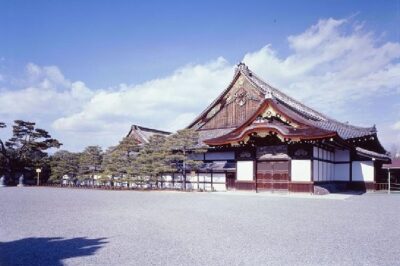
The route finishes with a view of Nijo Castle. As with the other courses, entrance fees are not included, so the itinerary should be understood as a guided outdoor visit unless you arrange and pay for admissions separately.
I would choose this route if you have already seen some of southern or eastern Kyoto and want a broader sweep through the city. It combines open parkland, shrines, and a castle view. The possible drawback is the number of locations packed into 90 minutes. You will see many places, but this is not the right activity if you want extended time inside each one.
Stops, photographs, and the actual running effort
The phrase morning run can mean different things to different people. Here, the activity includes a guided run, photo stops, and visits along the route. The result is more active than a walking tour but gentler than a dedicated distance-training session.
A reported distance of about 8 kilometers gives you a useful reference point, but it should not be treated as a guarantee. The route changes daily, and the pace depends on the group, weather, and number of stops. If you have a strict training plan, ask the provider which course is scheduled and how much running it usually involves.
I like the stop-and-go format for sightseeing. You get time to take a picture, look around, and listen to the guide rather than trying to absorb everything while moving. It also helps keep the effort manageable in warm weather.
The downside is that runners seeking uninterrupted mileage may find the stops frustrating. You should book this for a combination of exercise and exploration, not as a timed workout.
Meeting Itsuki and running with a small group
The guide is identified as Itsuki in one supplied comment and Itsuke in another, so confirm the spelling when you book. The important practical point is that you receive an English-speaking local guide who runs with you and leads the sightseeing stops.
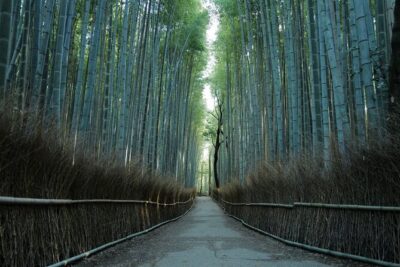
The guide’s role is more than pointing toward the next temple. The experience depends on having someone who can connect the route with local life, explain what you are seeing, and show you places you might miss on your own. One participant specifically valued being taken to lesser-known spots and learning about a bamboo forest that was not easy to find independently.
The group limit of six is a strong feature. With fewer people, you can hear the guide more clearly and keep the outing social without making it feel like a large organized event. You also have a better chance of settling into a pace that works for the group.
The tour can suit solo visitors who want company without committing to a full-day group excursion. It also works for friends or couples who want to begin the day actively. Party groups are not allowed, which keeps the mood focused on running and sightseeing.
Is $25 a fair price?
At $25 per person, this is a reasonably priced way to add a guided experience to your Kyoto schedule. You receive 90 minutes, an English-speaking guide, a route that changes by day, and a maximum group size of six.
The value is strongest if you would otherwise spend your morning trying to plan a route yourself. Kyoto’s major sights are spread across different districts, and a local guide can connect them in a way that feels purposeful. You also avoid spending valuable sightseeing time figuring out where to run safely and how to link the temples and rivers.
The price does not cover entrance fees, meals, drinks, hotel pickup, or drop-off. That is normal for a short outdoor activity, but you should carry water and plan your own transport. If you want to enter Ginkaku-ji, Nijo Castle, or another paid site, bring extra money and ask about timing.
For me, the small group is what makes the price attractive. A private running guide would cost much more, while a large group would reduce the personal feel. At $25, this sits in a useful middle ground.
Who should book this Kyoto run?
I would recommend it to active visitors who want early access to Kyoto’s sights and enjoy learning while moving. It is a particularly good fit if you like covering ground, taking photographs, and seeing several districts without spending the morning in a vehicle.
It also suits repeat visitors. Since the route changes among three options, you can book more than once and see a different part of Kyoto each morning. Contact the provider beforehand to confirm the course of the day.
You should think twice if you dislike running, need a fully accessible route, or have limited stamina. The tour is not suitable for wheelchair users or people with mobility impairments, and it is specifically not intended for people with a low level of fitness.
Bring comfortable running shoes, a hat, sunscreen, and water. Do not bring a stroller, baby carriage, alcohol, drugs, or smoking materials. Free cancellation is available up to 24 hours before the start, and you can reserve now and pay later, which helps if your Kyoto schedule is still shifting.
Should you book this sunrise experience?
Book this tour if you want to see Kyoto before the crowds, enjoy an easy-to-moderate run with sightseeing pauses, and value a local guide over a rigid exercise session. The strongest reasons are the small group, the changing routes, and the chance to connect temples, rivers, shrines, and quieter corners in one morning.
Skip it if you are looking for a nonstop training run or a detailed indoor temple tour. For most reasonably fit visitors, though, $25 buys a practical and memorable start to the day. Confirm the route, meet at Misayama Park in front of the cake shop, and treat the outing as a moving introduction to Kyoto rather than a race.
FAQ
How long is the Kyoto Morning Run tour?
The guided run lasts 90 minutes, including sightseeing and photo stops.
Where does the tour start and finish?
It starts at Misayama Park, in front of the cake shop, and returns to Misayama Park.
Which routes are available?
The three routes are the Eastern Zen Route, the Riverside Kyoto Route, and the Imperial Legacy Route. The route changes each day, so contact the provider to confirm the course.
Is the tour conducted in English?
Yes. The tour has a live English-speaking guide.
Are temple and shrine entrance fees included?
No. Entrance fees are not included in the $25 price. Meals, drinks, hotel pickup, and drop-off are also excluded.
What should I bring?
Bring comfortable running shoes, suitable clothing, a hat, sunscreen, and a small bottle of water. Check the weather forecast and dress accordingly.
Recently added around Kyoto
- Higashiyama | Kyoto: Sakura Season Private Rickshaw Tour★ 5.0 · 3 reviews
- Kyoto Kimono Rental CHAMATSU|Kimono/Yukata Rental FamilyPlan★ 5.0 · 3 reviews
- Kyoto: Half-Day Private Guided Tour to the Old Town of Gion★ 4.4 · 3 reviews
- Nara Private Customizable Half Day Tour★ 5.0 · 3 reviews
- Kansai Region Hiking Adventure in Nara Kobe Kyoto and More★ 5.0 · 3 reviews
- Full Day Nara Deer, Temple, Shrine, Activities & Tea Ceremony★ 5.0 · 3 reviews
- Nara: Essential Private Tour with Deer Park and Temples★ 5.0 · 3 reviews
- Hiking Tour for Sacred Sites in Kyoto with a Guide★ 5.0 · 3 reviews
Morning, compared.
Kyoto Early Morning Tour with English-Speaking Guide
Read our review →Early Morning Tour with English-Speaking Guide
Read our review →
Nara Early Morning Tour (Kyoto or Osaka Departure Available)
Read our review →