
REVIEW · HIGASHIYAMA DISTRICT TOURS
Kyoto: Historic Higashiyama Walking Tour
Fushimi Inari’s seemingly endless vermilion torii gates make a powerful start to this Kyoto walk. From there, you move through Gion and Higashiyama on foot, linking famous sights with quieter lanes that are easy to miss when you explore alone.
I like the way the tour connects several major stops without wasting time on long transfers. I also like the small group limit of 10, plus admission to Kodaiji and Kiyomizu-dera, two costs already covered in the $106 price.
The catch is the walking. Hills, stairs, and hard temple paths fill much of the four hours, so this is not a good fit for anyone with mobility problems or anyone hoping for a gentle sightseeing outing.
In This Review
- Key points at a glance
- Why this route works so well in four hours
- Fushimi Inari begins with a wall of red gates
- A short train ride leads to Gion
- Kodaiji offers the tour’s quietest pause
- Sannenzaka turns the walk into a street-level experience
- Kiyomizu-dera finishes with a broad Kyoto view
- What the $106 price really covers
- The walking demands are real, but manageable for many
- Guides and language options
- Practical details before you reserve
- Should you book this Higashiyama walk?
- FAQ
- Where does the tour begin?
- How long does the tour last?
- Is transportation included?
- Are temple admission fees included?
- Which languages are available?
- Is the tour suitable for people with mobility impairments?
- What should I bring?
Key points at a glance
- Begin beneath thousands of torii gates: Meet at JR Inari Station and explore Fushimi Inari Taisha with a guide for about an hour.
- Ride from Fushimi Inari to Gion: The train ticket is included, making the route simple and keeping the tour focused on sightseeing.
- See Gion as a living district: Your guide explains the area’s links to geisha culture, entertainment, and modern Kyoto.
- Pause at Kodaiji’s gardens and bamboo grove: Admission is included, and the temple offers one of the tour’s calmest stretches.
- Walk Sannenzaka to Kiyomizu-dera: Shops, snacks, traditional streets, and a major Kyoto view fill the final section.
- Stay in a group of no more than 10: A compact group makes it easier to ask questions and adjust the pace when possible.
Why this route works so well in four hours
Kyoto’s eastern districts are packed with places that many first-time visitors want to see. The trouble is that Fushimi Inari, Gion, Kodaiji, and Kiyomizu-dera can feel like separate outings if you do not know how to connect them.
This tour gives you a clear northbound route from the southern foothills of the Higashiyama mountain range toward central Kyoto. You start at Fushimi Inari, take one short train ride, then spend most of the day walking through Gion and the Higashiyama lanes.
I like this arrangement because it pairs the dramatic with the subtle. Fushimi Inari and Kiyomizu-dera are major Kyoto sights, but the middle of the tour brings you through smaller streets, temple grounds, and traditional neighborhoods where a guide’s explanation adds real value.
The four-hour length also suits a first day in Kyoto. You get a strong introduction without giving up an entire day. At the end, you can continue exploring Kiyomizu-dera and the surrounding streets at your own pace.
You should expect a brisk outing rather than a slow meditation. The stated times at the main stops add up to about three hours, and the rest goes to walking, the train ride, explanations, and moving through the historic streets.
More walks through Higashiyama:
- Kyoto: Private Rickshaw Tour of Gion and Higashiyama Area
★ 5.0 · 144 reviews - Kyoto: Kiyomizudera, Higashiyama and Yasaka Discovery Tour
★ 4.8 · 17 reviews - Private Walking Tour in Gion and Higashiyama
★ 5.0 · 15 reviews
Fushimi Inari begins with a wall of red gates
Meet your guide just outside the fare gates at JR Inari Station. This is an important detail: you need to reach the JR station itself, not simply arrive somewhere in the broader Fushimi Inari area.
Depending on where you are staying, the Keihan train line may be convenient. From its nearby station, you can walk a few minutes to JR Inari Station. Give yourself enough time to find the meeting point, especially if Kyoto’s rail system is still new to you.
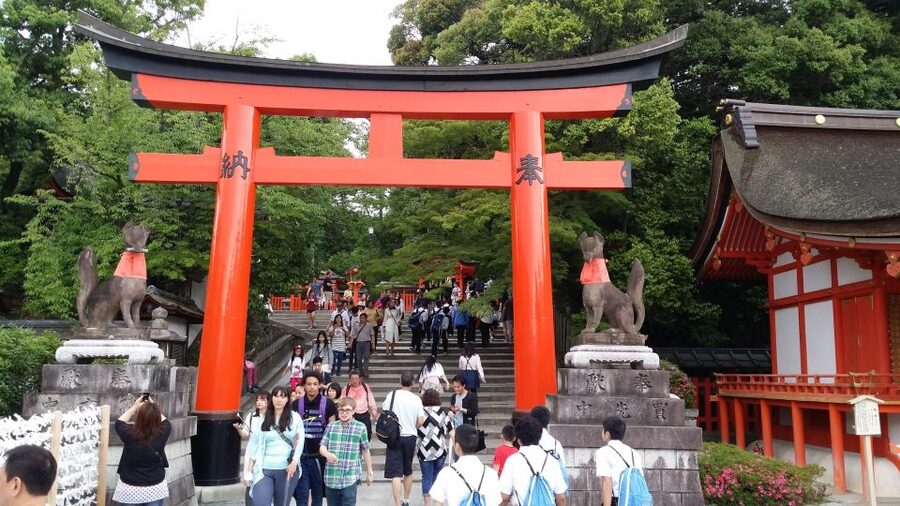
Fushimi Inari Taisha is dedicated to Inari, a Shinto deity associated with rice, prosperity, and business. The approach leads through the famous Senbon Torii, or thousands of torii gates, which climb into the wooded foothills.
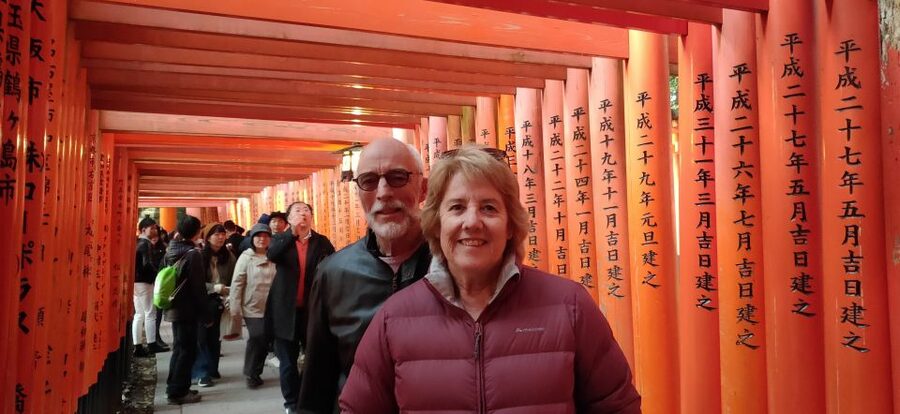
The gates form a striking tunnel of orange-red posts. The lower section is usually the busiest and most photographed, while the route becomes quieter as it rises. This tour includes a guided visit of about an hour, giving you context for the shrine and its customs rather than leaving you to see the gates as a simple photo stop.
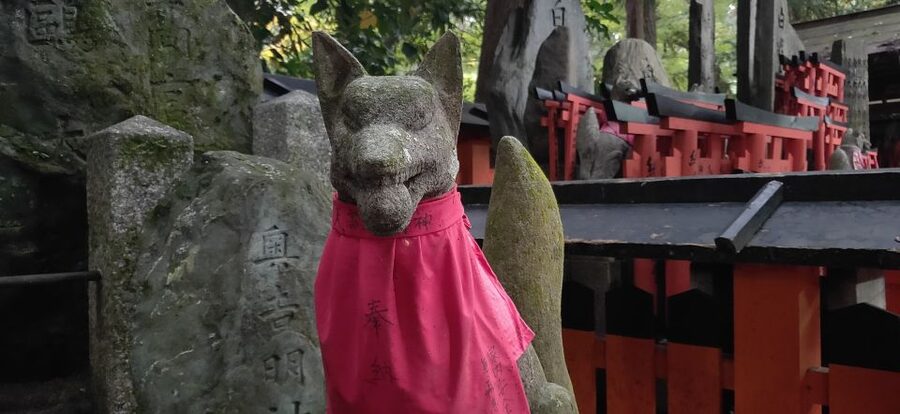
The guide can also help you notice the shrine’s smaller details, including the fox imagery associated with Inari. The experience is less about hiking to the top of the mountain and more about understanding the shrine complex and walking its most meaningful sections.
That distinction matters. Fushimi Inari covers a large mountain area, but this four-hour tour also has several later stops. You should not expect an all-day climb through every gate.
Wear shoes with good grip. The route includes uphill walking, and the stone and paved surfaces can be tiring even when the slope is not especially steep.
A short train ride leads to Gion
After Fushimi Inari, the group takes a short train ride from Fushimi Inari to Gion. The ticket is included, which is a small but useful benefit. You do not need to work out the fare or navigate this connection alone.
Gion is often presented only as Kyoto’s geisha district, but the area is more than a backdrop for evening photographs. It remains part of modern Kyoto’s entertainment culture, with traditional arts, restaurants, tea houses, and streets that still carry the atmosphere of an older city.
The guided Gion portion lasts about 30 minutes. That is enough for an introduction and some orientation, but not enough for a detailed tour of every lane or a full evening in the district.
I see this as a useful snapshot. Your guide can explain the difference between the public image of Gion and the way the district functions today. You also get a better sense of why respectful behavior matters in a neighborhood where daily life and tourism meet.
The tour does not include food or drinks, so Gion is not a tasting experience. If you want a snack, you may need to buy it later along Sannenzaka or before continuing, depending on the guide’s timing.
Kodaiji offers the tour’s quietest pause
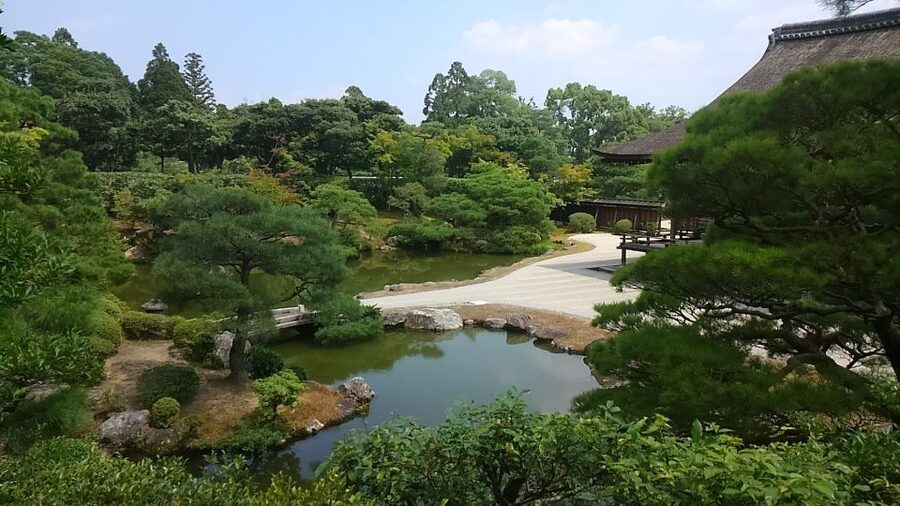
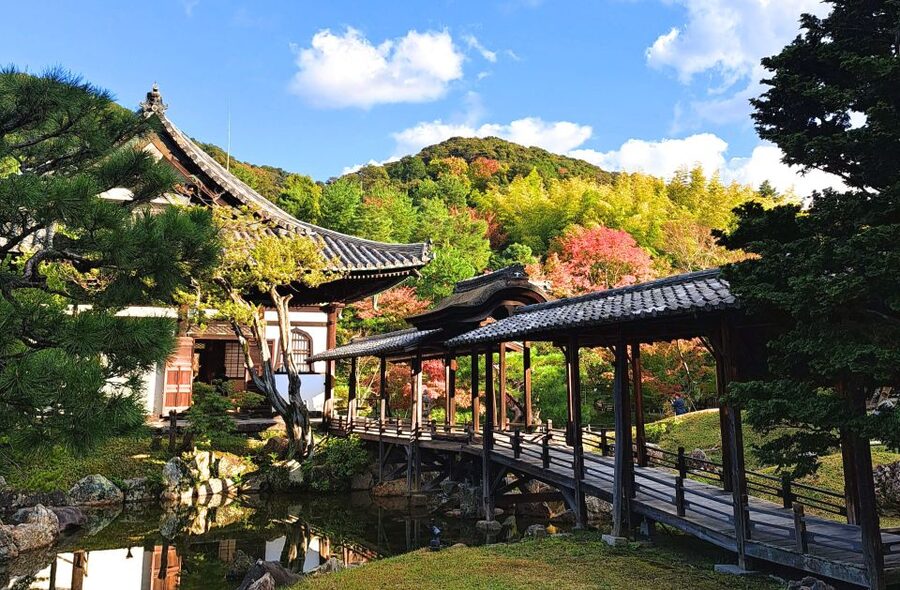
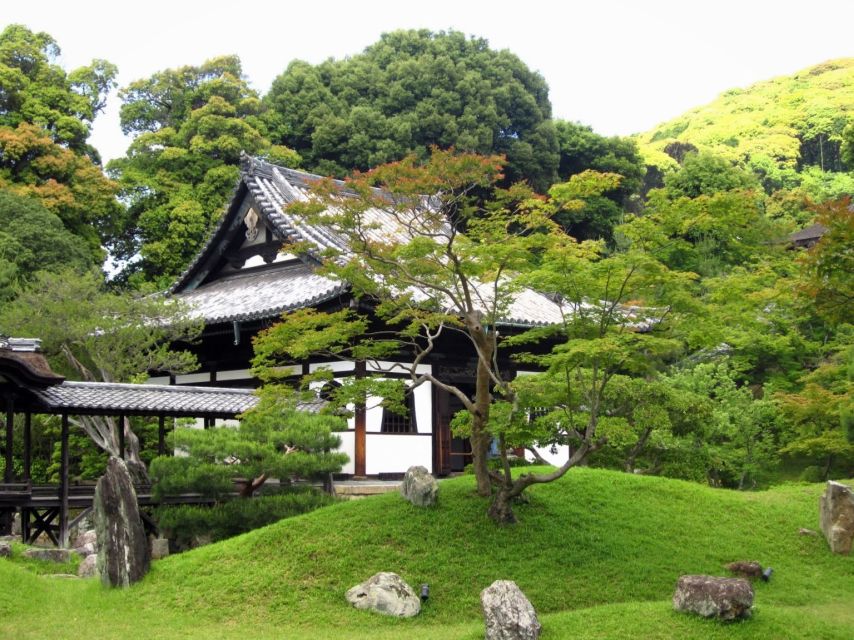
From Gion, the walk continues into Higashiyama and toward Kodaiji Temple. Founded in the early 17th century, Kodaiji is known for its temple buildings, gardens, and bamboo grove.
The 40-minute guided visit gives you time to slow down. After the strong visual impact of Fushimi Inari and the street activity around Gion, Kodaiji offers a calmer setting where the arrangement of gardens and buildings becomes the focus.
Admission is included. That improves the value of the tour, especially because you are not simply passing the temple entrance. You enter the complex with a guide and hear about its place in Kyoto’s religious and cultural life.
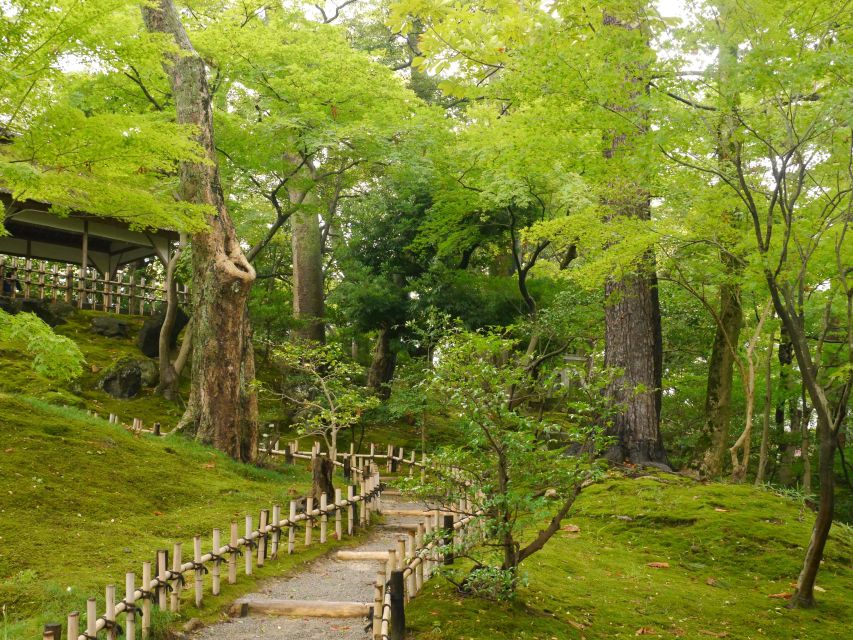
The bamboo grove is smaller than some of Kyoto’s better-known bamboo sights, but that is part of the appeal here. It forms one section of a temple visit rather than taking over the entire experience. The garden paths, wooded areas, and quiet spaces help break up the walking day.
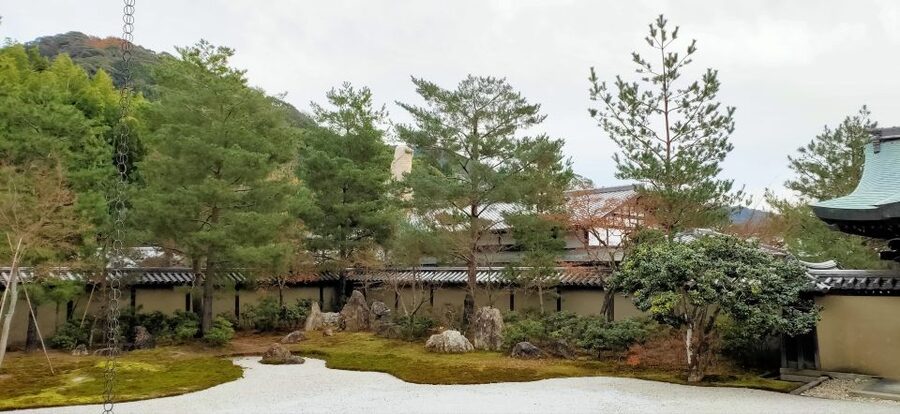
A guide can also point out how Japanese temple grounds use borrowed views, controlled sightlines, and changes in scale. You may notice more when someone explains why a garden feels open in one place and enclosed in another.
Kodaiji is not a stop for people who want constant action. It asks you to pay attention to space and silence. I consider that a strength, though anyone who prefers a fast checklist may find the pace more reflective than exciting.
More history walks in Kyoto:
- World Heritage Kyoto & Nara Uji Authentic Matcha Experience
★ 5.0 · 1,573 reviews - Kyoto Gion: 2-Hour Geisha Culture & History Walking Tour
★ 5.0 · 1,186 reviews - Kyoto Gion Historical Walking Tour
★ 5.0 · 188 reviews - Historical Kyoto E-Bike Tour
★ 5.0 · 181 reviews
Sannenzaka turns the walk into a street-level experience
The route then heads through Higashiyama’s backstreets, including Sannenzaka. This is where the tour shifts from shrine and temple grounds to old Kyoto street scenes.
Sannenzaka is known for its sloping lanes, traditional-looking buildings, small shops, snacks, and souvenirs. It is a pleasant place to browse, but it can also be crowded, particularly around the most photographed sections.
You should keep your group together and watch your footing. The streets slope upward toward Kiyomizu-dera, and the combination of stairs, paving, people, and shop stops can make this section more tiring than the map suggests.
The value of having a guide here is not just finding the next temple gate. A good guide can point out side lanes and smaller shrines that you might pass without noticing. Damian, one of the guides associated with this experience, has been praised for sharing historical and cultural details while taking people to less obvious shrines. Ferdinand has also been described as especially good at answering questions about Kyoto, temples, religion, and Japan more broadly.
Those details give you a sense of the tour’s best possible character: not merely moving from one famous site to another, but helping you understand how the pieces fit together.
There is also room for practical help. Lito has shared suggestions for places to eat and other useful stops, which can be handy after the tour ends. Do not treat that as a promised restaurant visit, though. Food remains your own expense and responsibility.
Kiyomizu-dera finishes with a broad Kyoto view
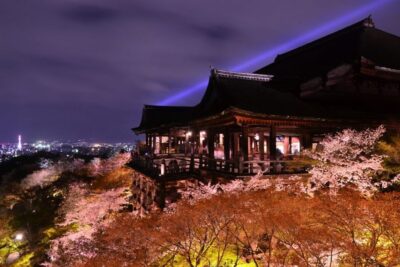
The final major stop is Kiyomizu-dera, one of Kyoto’s most famous temples. Admission is included, and the guided portion lasts about 30 minutes.
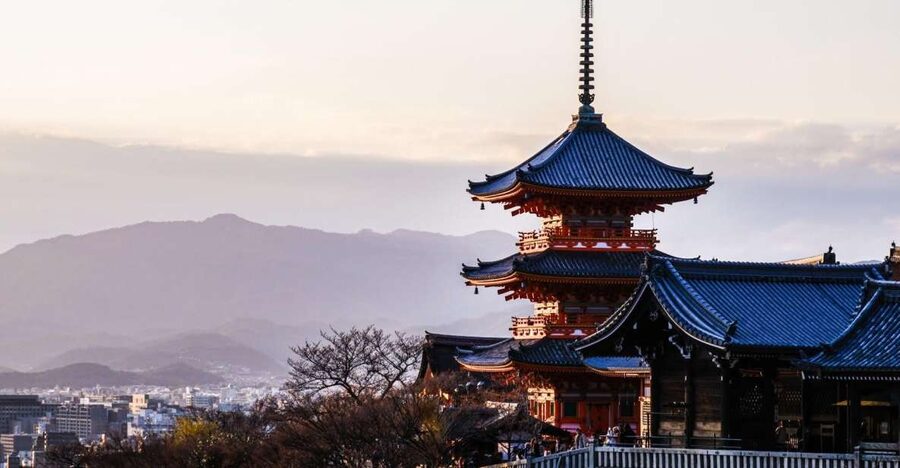
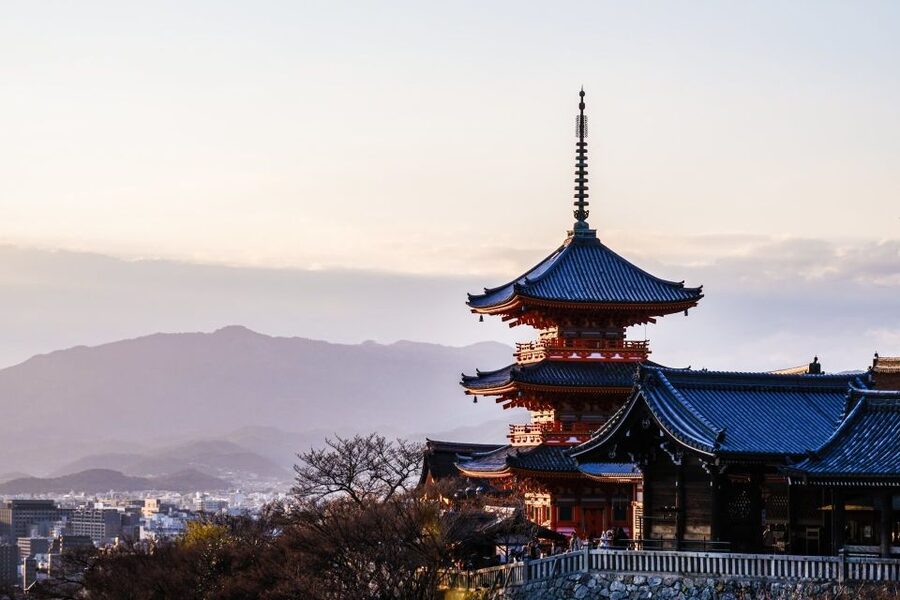
Kiyomizu-dera is famous for its wooden stage and its view over Kyoto. The temple sits on the eastern hills, so the final approach gives the walk a natural climax: you have moved uphill through the old streets and now look back across the city.
The temple’s name refers to pure or clear water. At Otowa Waterfall, water flows into three streams, traditionally linked with health, wealth, and happiness. The custom says you should choose carefully and avoid greed, since taking all three wishes may bring none of them.
That small ritual gives the visit a human touch. You are not only looking at architecture and scenery. You are taking part in a local custom, however briefly.
Crowds can make Kiyomizu-dera feel less peaceful than Kodaiji. The tour helps by giving you a route and an explanation, but it cannot remove the popularity of the site. If you want photographs without many people, the timing of your tour will matter, and the activity page asks you to check available start times rather than promising a single fixed departure.
After the guided visit, the tour ends. You are free to remain in the area, continue along the Higashiyama streets, shop for souvenirs, or find food on your own.
What the $106 price really covers
At $106 per person, this is not the cheapest way to see Kyoto’s eastern sights. You can visit the public areas of Fushimi Inari and walk through parts of Gion without a tour, and independent sightseeing gives you more control over your timing.
The price becomes easier to justify if you want explanations and a simple route. Two admission fees are included, for Kodaiji and Kiyomizu-dera, as well as the train ticket from Fushimi Inari to Gion. You also get four hours with a live guide and a group limited to 10 people.
A small group matters here. Temple visits involve questions about Shinto, Buddhism, rituals, architecture, and etiquette. With only a few people, it is easier to hear the guide and ask something when a detail catches your attention.
The value is strongest for a first visit to Kyoto, especially if you want a quick orientation to Higashiyama before exploring on your own. It is less compelling for someone who already knows these sites and prefers to linger, take photographs, or set an independent pace.
Food and drinks are not included. Bring water and budget for snacks, particularly because the walking and uphill sections can make you hungry.
The walking demands are real, but manageable for many
The route includes uphill walking, stairs, and a fair amount of time on your feet. The activity information describes the climbs as not exceptionally steep or demanding, but it also says the tour is not suitable for people with mobility impairments.
That is a sensible warning. Even a modest hill feels different after Fushimi Inari, Gion, Kodaiji, and the streets leading to Kiyomizu-dera.
Comfortable shoes are essential. Large bags and luggage are not allowed, so arrive with only what you need for several hours outside. A small day bag is more practical than a suitcase or bulky backpack.
Weather will also affect the experience. In hot and humid conditions, the route can feel much harder. Damian has adjusted the pace and route for tired people during hot weather, but you should not count on every day having the same flexibility.
Families can enjoy the tour if children are comfortable walking and listening for several hours. An 11-year-old and an 18-year-old were both engaged by Lito’s stories about temples, wishes, luck, and traditional rituals, which suggests the cultural material can work well for different ages.
Still, this is not a stroller-friendly or step-free activity. If someone in your group has trouble with hills or stairs, choose a less demanding plan.
Guides and language options
The tour is offered in English, French, Hebrew, and Spanish. The guide assigned to your departure may vary, so you should not book expecting one particular person.
Several guide names appear with this experience. Hugo has been flexible and welcoming at the station, including when a group arrived late. Damian has brought strong knowledge of Japanese history, customs, and culture, while Ferdinand has been praised for his energy and ability to handle questions. Lito has made the experience engaging for children and offered practical suggestions for food and later sightseeing.
Those examples point to the tour’s main strength: the guide can turn a packed route into a connected story. Ask questions as you go. The better use of this experience is not simply to follow the guide from gate to gate, but to ask about the rituals, symbols, and everyday life you are seeing.
The five-star score from 31 ratings is encouraging, but the more useful takeaway is the repeated praise for guide flexibility, cultural explanations, personal attention, and the ability to find quieter corners. Your exact experience depends on the guide and group size, but the limit of 10 gives the format a good foundation.
Practical details before you reserve
The tour lasts four hours, with start times varying by date. Check availability before booking so the departure fits your plans.
Free cancellation is available up to 24 hours before the activity for a full refund. You can also reserve now and pay later, which helps if your Kyoto schedule is still shifting.
The meeting point is just outside the JR Inari Station fare gates. This is not a hotel pickup, so plan your route in advance.
Bring:
- Comfortable walking shoes
- Water
- Money for food, drinks, and souvenirs
- A small bag rather than luggage or a large pack
Do not expect an in-depth visit inside every part of every site. The tour covers a lot in four hours. Its purpose is to give you a well-explained route through several key places, then leave you at Kiyomizu-dera with time to continue alone.
Should you book this Higashiyama walk?
Book it if you want to see Fushimi Inari, Gion, Kodaiji, Sannenzaka, and Kiyomizu-dera in one organized morning or afternoon. It is especially useful on a first Kyoto visit, when the city’s rail lines and temple districts can feel scattered.
I would also choose it if you value cultural explanations more than maximum free time. The strongest part of the experience is the guide’s ability to explain Japanese customs, temple practices, local stories, and the difference between famous sights and smaller places along the way.
Skip it if you already know Higashiyama, dislike group schedules, or want to hike deeply into the Fushimi Inari mountain paths. The $106 price is fair for the included admissions, train ride, small group, and guide, but independent visitors can spend less.
For most active first-time visitors, this is a smart way to get your bearings fast, see Kyoto’s eastern highlights, and finish with enough freedom to keep exploring.
FAQ
Where does the tour begin?
It begins just outside the fare gates at JR Inari Station in front of the station entrance.
How long does the tour last?
The tour lasts four hours. Starting times vary, so check availability for your chosen date.
Is transportation included?
A train ticket from Fushimi Inari to Gion is included. Hotel pickup is not listed.
Are temple admission fees included?
Admission to Kodaiji Temple and Kiyomizu-dera is included.
Which languages are available?
The tour is offered in English, French, Hebrew, and Spanish.
Is the tour suitable for people with mobility impairments?
No. The route includes uphill walking and steps, and the activity is not suitable for people with mobility impairments.
What should I bring?
Bring comfortable shoes. Food and drinks are not included, and luggage or large bags are not allowed.
More Walking Tours in Kyoto
- Kyoto Geisha Walking Tour: Gion District & Hidden Gems
★ 4.7 · 3,273 reviews - Kyoto: Gion Magical Night Walking Tour with Geisha Trivia
★ 4.9 · 2,393 reviews - Kyoto: Gion Geisha District Walking Tour – Stories of Geisha
★ 4.7 · 2,187 reviews - Night Walk in Gion: Kyoto’s Geisha District
★ 4.5 · 2,003 reviews
Recently added around Kyoto
- Higashiyama | Kyoto: Sakura Season Private Rickshaw Tour★ 5.0 · 3 reviews
- Kyoto Kimono Rental CHAMATSU|Kimono/Yukata Rental FamilyPlan★ 5.0 · 3 reviews
- Kyoto: Half-Day Private Guided Tour to the Old Town of Gion★ 4.4 · 3 reviews
- Nara Private Customizable Half Day Tour★ 5.0 · 3 reviews
- Kansai Region Hiking Adventure in Nara Kobe Kyoto and More★ 5.0 · 3 reviews
- Full Day Nara Deer, Temple, Shrine, Activities & Tea Ceremony★ 5.0 · 3 reviews
- Nara: Essential Private Tour with Deer Park and Temples★ 5.0 · 3 reviews
- Hiking Tour for Sacred Sites in Kyoto with a Guide★ 5.0 · 3 reviews
Higashiyama District Tours, compared.
Private Rickshaw Tour of Gion and Higashiyama Area
Read our review →
Kiyomizudera, Higashiyama and Yasaka Discovery Tour
Read our review →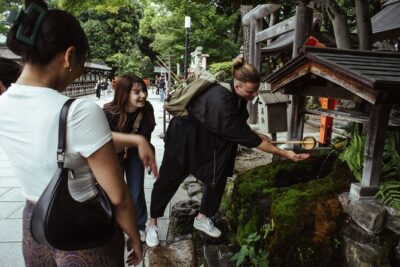
Kyoto Early Bird English Tour: Gion & Higashiyama(Private opt)
Read our review →
Higashiyama Slow Cycling Tour along the quiet waterfront
Read our review →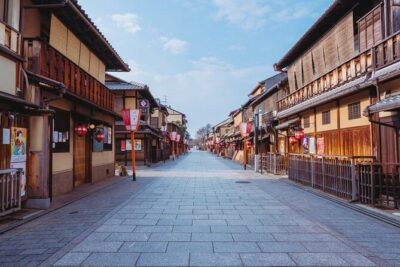
Browse the lists this tour appears in