
REVIEW · FUSHIMI INARI SHRINE TOURS
Kyoto Guided Walking Tour Highlight of Kiyomizu & Fushimi Inari
Kyoto packs three very different sacred sites into this four-hour morning walk. You begin at Kiyomizu-dera, pass through the calm wooden hall of Sanjusangendo, then ride to Fushimi Inari for its famous rows of red torii gates. It is a smart way to see a lot without giving up the feel of a walking tour.
I like the small maximum of eight people, which gives you room to ask questions and get to know your guide. I also like the contrast between the open views from Kiyomizu-dera, the intense interior of Sanjusangendo, and the forested shrine paths at Fushimi Inari. The main drawback is the amount of walking, along with the fact that the ¥170 train fare is not included.
In This Review
- Key points to know before you book
- Why this Kyoto morning route works
- Meeting at the Kyoto Ceramic Center
- Kiyomizu-dera and its famous wooden stage
- Sanjusangendo’s hall of 1,001 statues
- The ¥170 train ride from Shichijo Station
- Fushimi Inari and the torii gate paths
- A guide-led walk with room for questions
- Who will get the most from this tour
- Practical details that affect your morning
- Should you book this Kyoto walking tour?
- FAQ
- How long does the Kyoto walking tour last?
- Which attractions are included?
- Where does the tour begin?
- Where does the tour end?
- Is the train fare included?
- Are admission tickets included?
- How large is the tour group?
- What should I wear?
Key points to know before you book
- Three major sights in one morning: Kiyomizu-dera, Sanjusangendo, and Fushimi Inari each offer a different side of Kyoto.
- Naomi-san may lead your group: She is praised for clear explanations, energy, humor, and answering questions well.
- Small-group format: The tour accepts no more than eight people, making conversation with the guide easier.
- A short train ride connects the final stops: Bring an IC card or ¥170 in coins for the trip from Shichijo Station.
- Fushimi Inari includes a quieter route: The walk is not limited to the busiest first stretch of torii gates.
- Comfortable shoes matter: The tour runs in rain or shine and includes a moderate amount of walking.
Why this Kyoto morning route works
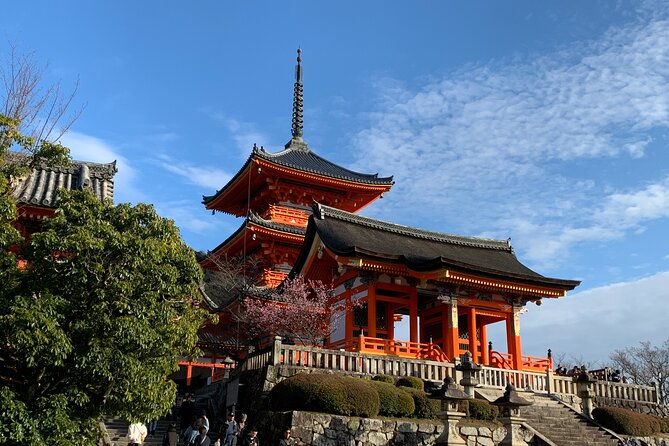
This tour is built around a useful Kyoto idea: see the famous places early, then let a guide explain what your eyes are taking in. Kiyomizu-dera and Fushimi Inari are easy to recognize from photographs, but their meaning and layout are less obvious when you visit alone.
The route also has a good rhythm. Kiyomizu-dera gives you broad views and one of Kyoto’s most recognizable buildings. Sanjusangendo changes the mood with a quiet, enclosed hall filled with statues. Then Fushimi Inari brings you outdoors again, with a walk beneath thousands of torii gates.
The start time is 8:30 a.m. at the Kyoto Ceramic Center in Higashiyama. That early departure is useful at Kyoto’s best-known temples, where paths can become crowded later in the day. It also gives you the rest of the afternoon free for another neighborhood, a meal, or a slower stop of your own.
The tour costs $78.18 per person. That is not the cheapest way to visit these sites, since Sanjusangendo admission is included but Fushimi Inari is free and public transportation is inexpensive. You are paying for the guide, the planning, the group structure, and the explanations that connect the sites. The price makes the most sense if this is your first Kyoto visit or if you want a clear half-day plan rather than managing the route yourself.
More ways to walk Fushimi Inari:
- Kyoto: Fushimi Inari, Kinkakuji, Bamboo Grove 1 Day Bus Tour
★ 4.8 · 4,316 reviews - Fushimi Inari Hidden Hiking Tour (Private Option Available)
★ 5.0 · 1,750 reviews - Kyoto/Osaka: Nara, Fushimi Inari Taisha, Arashiyama Bus Tour
★ 4.7 · 1,275 reviews
Meeting at the Kyoto Ceramic Center
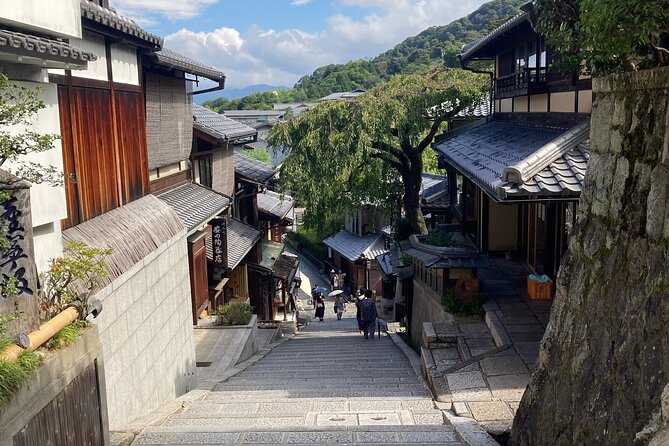
The meeting point is the Kyoto Ceramic Center, also identified as the official shop and gallery of the Kyoto Ceramic Art Association, at 583-1 Yūgyōmaechō in Higashiyama Ward. Check the exact location before leaving, since Kyoto’s small streets and similar-looking temple approaches can make a last-minute search frustrating.
The group leaves at 8:30 a.m. The supplied directions describe a prompt start, so arrive with enough time to find the center and get settled. The tour ends at the sanctuary of Fushimi Inari Taisha, not back at the starting point. That is convenient if you plan to continue exploring southern Kyoto, but you should not treat the tour as a round trip.
The group size is capped at eight. That matters here because walking tours can lose their value when the guide is trying to speak over a large crowd. A small group also makes it easier to ask about customs, temple details, or places to eat later in the day.
Kiyomizu-dera and its famous wooden stage
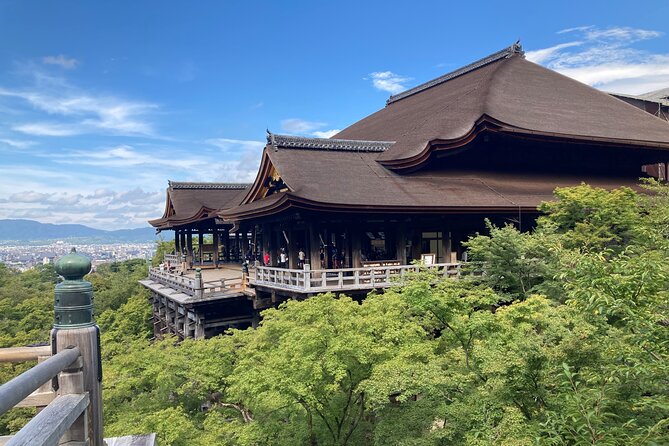
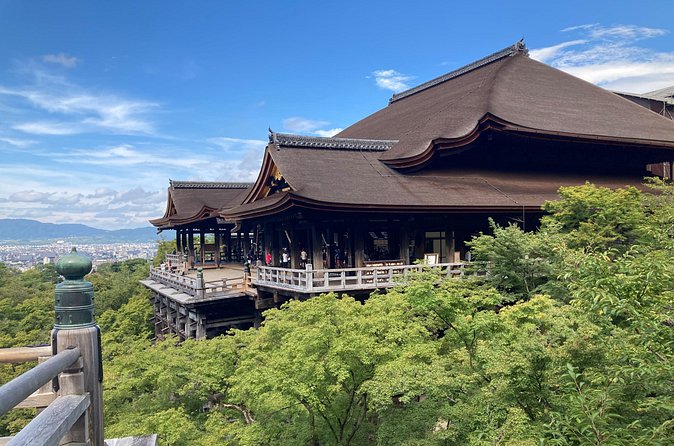
Kiyomizu-dera is the first major stop, with about one hour set aside and admission included. Founded in the late eighth century, it is known for its large wooden stage and views toward the surrounding trees and Kyoto.
This is the tour’s big opening scene. The temple’s setting helps you understand why Kiyomizu-dera remains one of Kyoto’s essential stops. From the stage, you get a broad view rather than the close-up shrine details that come later at Fushimi Inari.
One hour is enough to see the central highlights with a guide, but it is not enough for every corner of the temple grounds. You will need to keep moving and listen for the group. If you want a long photography session, a leisurely look at every building, or time to explore nearby Higashiyama lanes, plan to return on your own.
The approach to Kiyomizu-dera involves walking, and the entire tour includes a moderate amount of movement. Wear shoes that can handle slopes and hard surfaces. Kyoto can be wet, and this experience runs rain or shine, so a small rain layer is a sensible addition.
Kiyomizu-dera is also a good place to start with Naomi-san or another guide because the site can feel like a jumble of buildings, gates, views, and worshippers. A clear explanation helps you tell the main temple areas apart and understand what deserves your attention first.
Sanjusangendo’s hall of 1,001 statues
From Kiyomizu-dera, the group continues to Sanjusangendo Temple. The visit lasts about 30 minutes, and admission is included. The temple is famous for its long hall containing 1,001 statues of the Thousand-Armed Kannon, the Buddhist goddess of mercy.
This is a sharp change from Kiyomizu-dera. Instead of an open stage and distant views, you enter a powerful interior space where repetition creates the impact. The name Sanjusangendo means Hall with thirty-three bays, referring to the hall’s architectural divisions.
Thirty minutes may sound brief, but it can work well here. The main experience is focused and contained, so you do not need a long outdoor wander to understand why the hall matters. The guide’s role is especially useful because the statues, architecture, and religious purpose can be difficult to interpret without context.
You should also expect a quieter, more reflective stop. The tour’s strongest feature is not simply the number of sights. It is the change in mood from one site to the next. Sanjusangendo prevents the morning from becoming a string of similar temple courtyards.
More visits to Kiyomizu-dera:
- Kyoto: Tea Ceremony in a Traditional Tea House in Kiyomizu
★ 4.9 · 3,519 reviews - Kyoto: Nijo Castle, Kiyomizu & Fushimi Inari Guided Tour
★ 4.7 · 700 reviews - Kyoto: Nijo, Kinkaku-ji, Arashiyama, Kiyomizu & Fushimi Inari
★ 5.0 · 699 reviews - Kyoto Tea Ceremony & Kiyomizu-dera Temple Walking Tour
★ 5.0 · 115 reviews
The ¥170 train ride from Shichijo Station
After Sanjusangendo, the group reaches Shichijo Station and takes a train toward Fushimi Inari. The transfer is listed as about five minutes, but you should still keep your ticket payment ready so the group does not have to pause at the station.
The train fare is not included. Prepare an IC card or ¥170 in coins per person. This is a small cost, but it is exactly the kind of detail that can cause needless delay if you arrive without a way to pay.
The train makes practical sense. Kyoto’s major sights are spread across different districts, and walking the entire route would use too much of the half-day. This short ride preserves energy for Fushimi Inari, where the paths and stairs can require more effort than the earlier stops.
It also gives the tour a local, everyday break. You are not being driven from one attraction to another in a private vehicle. You walk to a station, use public transportation, and continue through the city as residents do.
Fushimi Inari and the torii gate paths
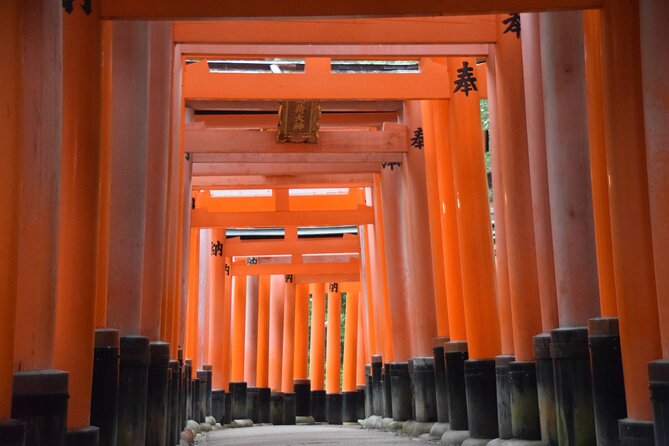
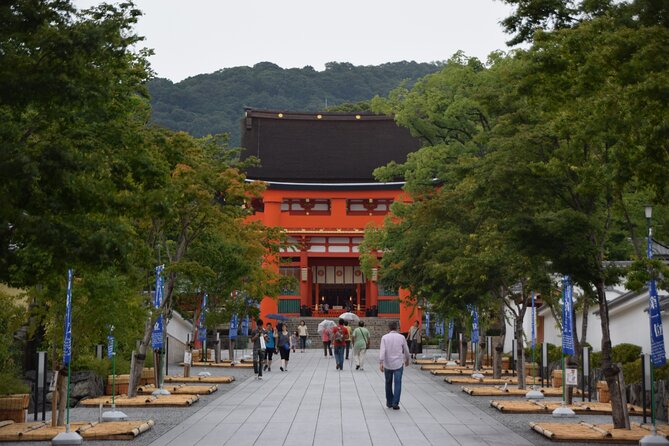
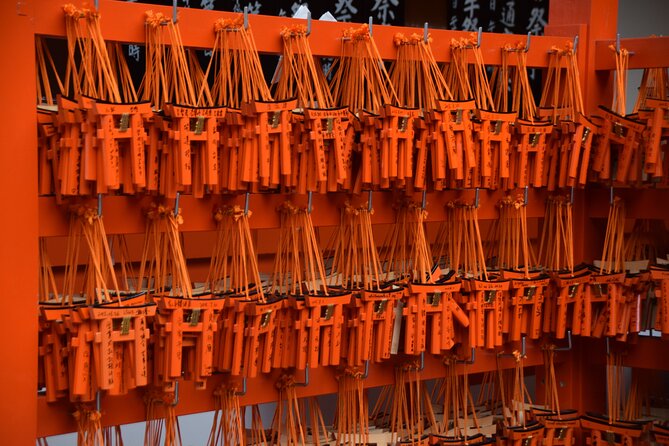
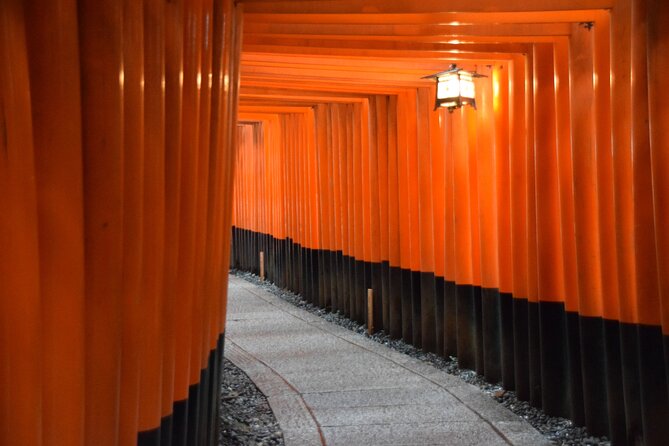
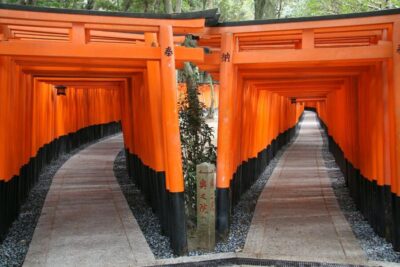
The final stop is Fushimi Inari Taisha, with roughly 45 minutes at the shrine and no admission charge. The shrine is dedicated to Inari, associated with rice, agriculture, and prosperity. Its thousands of red torii gates are among the most familiar sights in Japan.
The first gates create the classic photo opportunity, but the experience becomes more interesting when you keep walking. A quieter path within Fushimi Inari is part of this tour, giving you a chance to see more than the busiest entrance area.
Forty-five minutes lets you take in the sanctuary and walk a section of the torii route, but it is not enough to hike the full mountain trail. That is important if you imagine spending several hours among the gates. This tour gives you a guided introduction and ends at the sanctuary in front of the main worship area.
The tour finishes here after you explore Fushimi Inari. There is no return to the Kyoto Ceramic Center. You can use the ending point as a springboard for more time in Fushimi, or simply continue with your own plans from southern Kyoto.
Fushimi Inari is also the place where comfortable shoes pay off most. Even a short visit can involve steps, uneven ground, and steady walking. The guide may keep the pace friendly, but you should not book this expecting a seated sightseeing experience.
A guide-led walk with room for questions
The strongest praise for this experience focuses on the guides, especially Naomi-san. She is described as energetic, friendly, and able to explain history and trivia in a way that keeps the walk lively. That combination matters in Kyoto, where a guide can either make a temple feel meaningful or turn it into a list of dates and names.
The walking time between major stops is part of the value. You can ask questions, get to know the guide and other people in the group, and hear small details that may not appear on a sign. One account even described the experience as feeling like exploring Kyoto with a local friend.
A guide cannot remove the crowds from Kiyomizu-dera or Fushimi Inari, but a good guide can help you use your time well. The tour’s comments also point to humor and frequent questions, which should suit you if you prefer an active conversation over a lecture.
There is one caution here. The available comments name Naomi-san, but the guide assigned to your date is not guaranteed in the information provided. You should expect a guide from Japan Wonder Travel, with Naomi-san specifically associated with several of the published experiences.
Who will get the most from this tour
I would choose this tour for a first visit to Kyoto, especially if you want to see the city’s headline religious sites before spending later days on food, gardens, or smaller neighborhoods. The route gives you a useful first framework for understanding Kyoto.
It also suits you if you value explanations more than total independence. You can visit all three places alone, but you would need to plan the order, manage the station transfer, check opening details, and decide what to notice at each site.
This tour may fit families and active older adults who can handle a moderate amount of walking, since most travelers can participate. Still, the rain-or-shine policy and the walking level mean you should consider the forecast, footwear, and your own comfort on steps.
You may want a different plan if you dislike fixed timing. Kiyomizu-dera receives about an hour, Sanjusangendo about 30 minutes, and Fushimi Inari about 45 minutes. Those limits keep the morning on track, but they leave little room for lingering.
Practical details that affect your morning
Confirmation is provided at booking, and the start is near public transportation. The activity uses a mobile ticket, so keep the booking details accessible on your phone.
Bring:
- Comfortable walking shoes
- ¥170 in coins or a working IC card
- A rain layer, since the tour operates in all weather
- A phone with the mobile ticket available
Cancellation is free if you cancel at least 24 hours before the 8:30 a.m. start. Changes or cancellations made inside that window are not accepted for a refund, and the cut-off follows Kyoto local time.
The tour is usually booked 46 days ahead. That does not mean you must plan that early, but it does suggest that popular morning dates may fill well before arrival, particularly during busy travel periods.
Should you book this Kyoto walking tour?
Book it if you want three major Kyoto sights explained in one compact morning, and if a small group feels better than handling the route alone. The combination of Kiyomizu-dera’s views, Sanjusangendo’s remarkable hall, and Fushimi Inari’s torii gates gives you strong variety for four hours.
I would skip it if you want to climb deep into the Fushimi Inari mountain paths, spend hours at Kiyomizu-dera, or set your own pace at every stop. For everyone else, the $78.18 price is reasonable when you value a well-planned route, included temple admissions, a guide such as Naomi-san, and the chance to ask questions along the way. Just budget the extra ¥170 train fare and arrive ready to walk.
FAQ
How long does the Kyoto walking tour last?
The experience lasts approximately four hours and begins at 8:30 a.m.
Which attractions are included?
The tour visits Kiyomizu-dera Temple, Sanjusangendo Temple, and Fushimi Inari Taisha Shrine.
Where does the tour begin?
The meeting point is the Kyoto Ceramic Center, at 583-1 Yūgyōmaechō in Kyoto’s Higashiyama Ward.
Where does the tour end?
The tour ends at the sanctuary of Fushimi Inari Taisha after the shrine visit.
Is the train fare included?
No. The train from Shichijo Station to Fushimi Inari costs ¥170 per person, payable with an IC card or coins.
Are admission tickets included?
Admission to Kiyomizu-dera and Sanjusangendo is included. Entry to Fushimi Inari is free.
How large is the tour group?
The activity has a maximum of eight participants.
What should I wear?
Wear comfortable walking shoes. The tour includes a moderate amount of walking and operates rain or shine.
More Walking Tours in Kyoto
- Kyoto Geisha Walking Tour: Gion District & Hidden Gems
★ 4.7 · 3,273 reviews - Kyoto: Gion Magical Night Walking Tour with Geisha Trivia
★ 4.9 · 2,393 reviews - Kyoto: Gion Geisha District Walking Tour – Stories of Geisha
★ 4.7 · 2,187 reviews - Night Walk in Gion: Kyoto’s Geisha District
★ 4.5 · 2,003 reviews
Recently added around Kyoto
- Higashiyama | Kyoto: Sakura Season Private Rickshaw Tour★ 5.0 · 3 reviews
- Kyoto Kimono Rental CHAMATSU|Kimono/Yukata Rental FamilyPlan★ 5.0 · 3 reviews
- Kyoto: Half-Day Private Guided Tour to the Old Town of Gion★ 4.4 · 3 reviews
- Nara Private Customizable Half Day Tour★ 5.0 · 3 reviews
- Kansai Region Hiking Adventure in Nara Kobe Kyoto and More★ 5.0 · 3 reviews
- Full Day Nara Deer, Temple, Shrine, Activities & Tea Ceremony★ 5.0 · 3 reviews
- Nara: Essential Private Tour with Deer Park and Temples★ 5.0 · 3 reviews
- Hiking Tour for Sacred Sites in Kyoto with a Guide★ 5.0 · 3 reviews
Fushimi Inari Shrine Tours, compared.
Fushimi Inari, Kinkakuji, Bamboo Grove 1 Day Bus Tour
Read our review →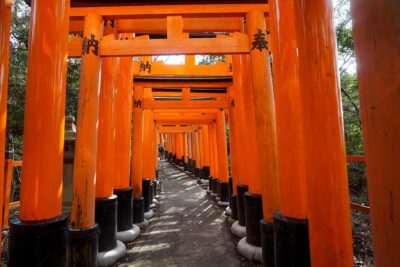
Fushimi Inari Hidden Hiking Tour (Private Option Available)
Read our review →
Kyoto/Osaka: Nara, Fushimi Inari Taisha, Arashiyama Bus Tour
Read our review →
Nijo, Kinkaku-ji, Arashiyama, Kiyomizu & Fushimi Inari
Read our review →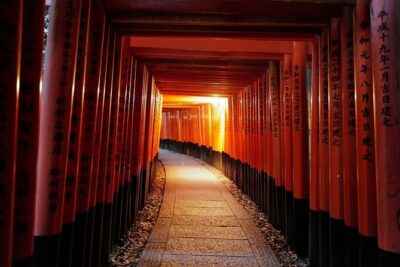
Kyoto Early Bird English Tour: Fushimi-Inari and Arashiyama
Read our review →
Fushimi, Arashiyama – Bamboo, Monkey, Torii & Secrets
Read our review →Browse the lists this tour appears in