
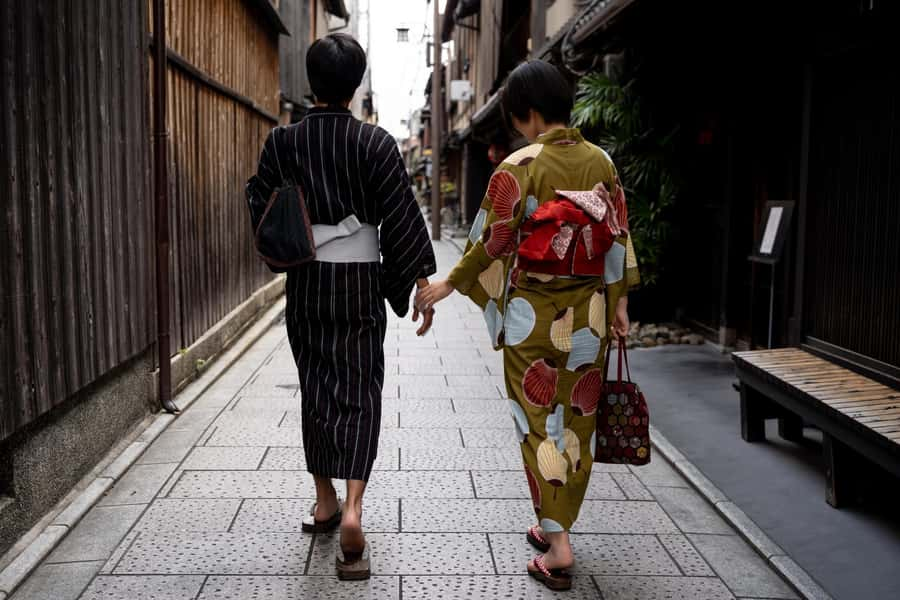
REVIEW · GION GEISHA DISTRICT TOURS
Kyoto: Gion Morning/Night Walking Tour
Gion is at its best when you slow down. On this $40 walking tour, you move through Kyoto’s old entertainment district on foot, looking closely at wooden houses, teahouses, narrow lanes, and details that are easy to miss when you rush past.
I like two things here: the quiet morning timing, which gives you a calmer look at Gion, and the chance to hear local stories from a guide rather than simply photograph the streets. A night option adds its own appeal, especially in rain, when Gion’s lanes can make striking photos.
The main caution is expectation. This is a walking introduction, not a guaranteed geisha sighting or a ticketed cultural show. One guest found the English difficult to follow and felt disappointed after seeing no geishas, so book this for Gion’s streets and history, not for a celebrity-style encounter.
In This Review
- Key points to know before you book
- Entering Gion before the crowds arrive
- Narrow lanes, wooden houses, and teahouse streets
- What the guide adds to the streets
- Morning calm or nighttime atmosphere
- The geisha question and local respect
- Is $40 a sensible price?
- Who will enjoy this walk most?
- Practical preparation for the Gion streets
- Should you book the Gion morning or night walk?
- FAQ
- Where does the Gion walking tour start?
- Where does the tour finish?
- Is the tour available in the morning and at night?
- What language is the tour offered in?
- Does the tour include hotel pickup and drop-off?
- Are meals and drinks included?
- Does the tour include entrance to any attractions?
- What should I bring?
- Can I cancel for a full refund?
Key points to know before you book
- Morning Gion is the quietest choice: You walk before the area fills with crowds, making it easier to notice the houses and enjoy the calm.
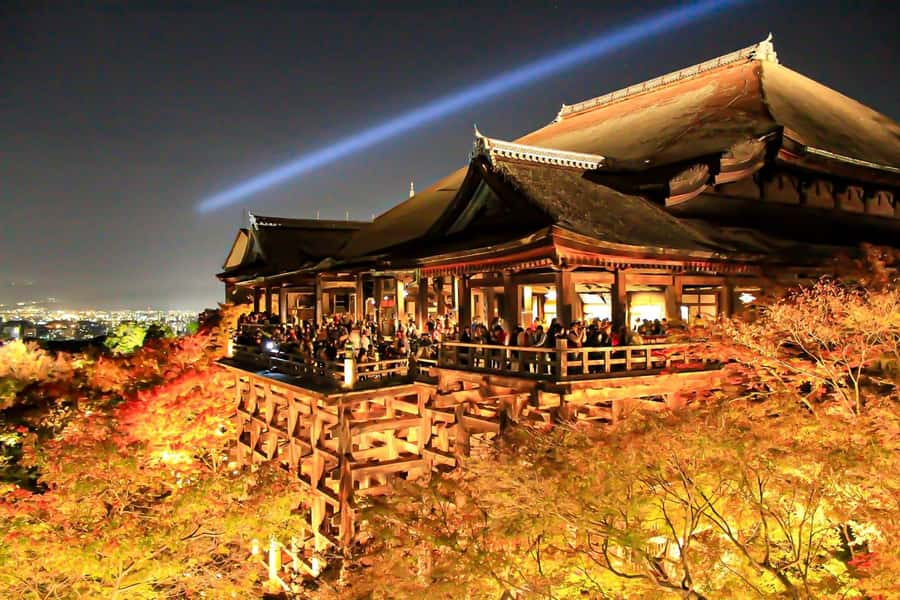
- Night tours have a different mood: Rain, evening light, and empty lanes can create memorable photos, though visibility and weather will vary.
- Kimu is one named guide: A past guest praised Kimu’s polite manner and ability to adjust the walk to personal needs, but guide assignment may vary.
- This is a street-level cultural tour: You see traditional architecture and hear about Gion’s past and present, with no specific attraction entrance included.
- The price can be fair for personal context: At $40 per person, the value rests mainly on the guide’s explanations and the quality of the walk.
- Come prepared to walk: Comfortable shoes, water, a camera, and clothing suited to changing weather will make the outing easier.
Entering Gion before the crowds arrive
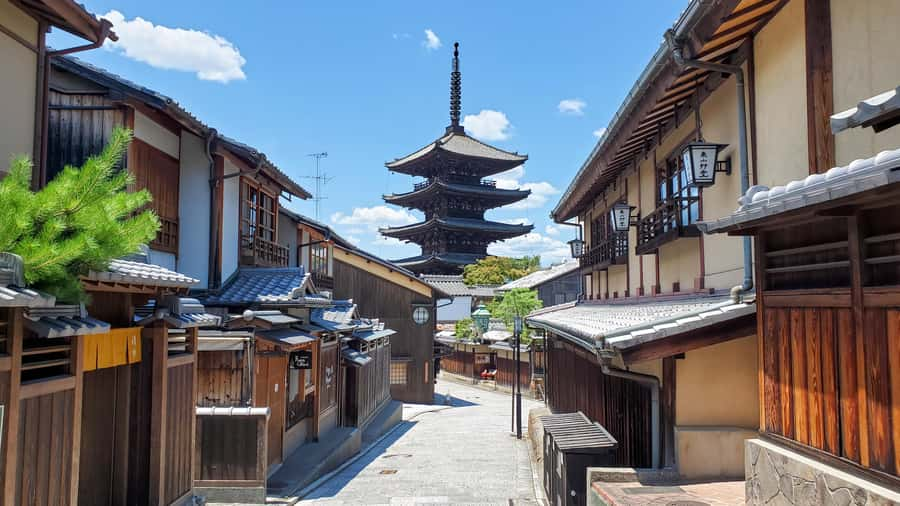
Gion is one of Kyoto’s most recognizable districts, but its fame can work against it. Later in the day, narrow streets may feel crowded, and it becomes harder to appreciate the careful design of the old wooden buildings.
The morning tour addresses that problem directly. You meet your guide at Exit 4 on the ground and set out on foot while Gion is still relatively peaceful. I like this timing because it lets you look up at the architecture, pause for explanations, and take photographs without constantly stepping aside for passing groups.
The word exclusive here refers to morning access to Gion rather than entry into a private building or a special performance. You should expect a guided walk through public streets, not access to a closed teahouse.
That distinction matters. Gion is a working district, not an open-air museum built only for sightseeing. The quiet start gives you a better chance to observe respectfully, but you still need to follow your guide’s advice and treat local homes and businesses as private places.
More evenings in Gion:
- Kyoto Geisha Walking Tour: Gion District & Hidden Gems
★ 4.7 · 3,273 reviews - Kyoto: Gion Magical Night Walking Tour with Geisha Trivia
★ 4.9 · 2,393 reviews - Kyoto: Gion Geisha District Walking Tour – Stories of Geisha
★ 4.7 · 2,187 reviews
Narrow lanes, wooden houses, and teahouse streets
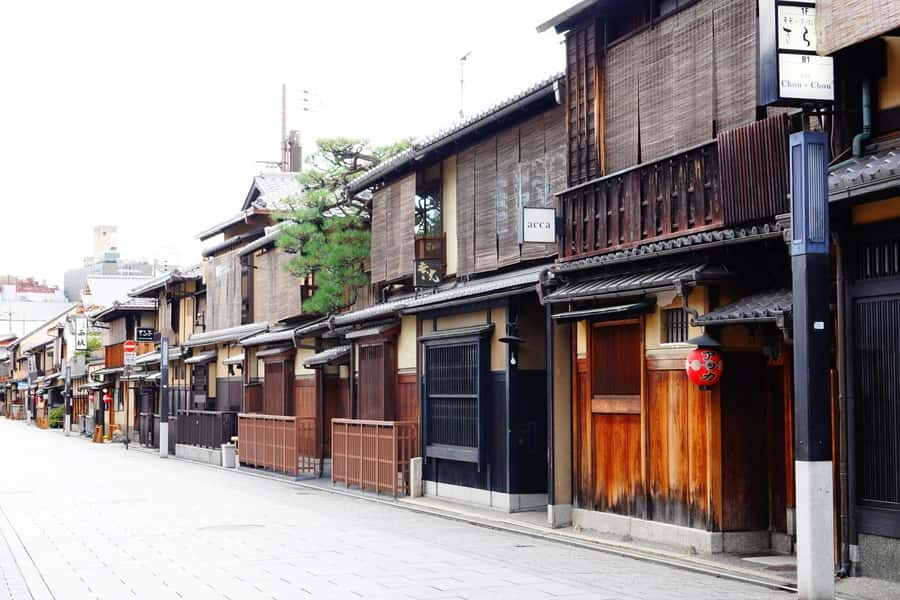
The heart of the experience is the walk itself. You follow the guide through Gion’s narrow streets and see traditional wooden houses and teahouses along the way.
These buildings are the reason a guide can add real value. At a glance, a row of dark wooden facades may look like a pleasant old street. With context, you can begin to understand how the district developed, what role teahouses played, and why the area still matters to Kyoto’s local culture.
Do not expect a fixed list of famous monuments. No particular temple, shrine, museum, or indoor attraction is included in the tour description. That may disappoint you if you want a checklist of major sights, but it suits travelers who prefer to notice smaller details and hear the story behind ordinary-looking corners.
One morning walk was shaped around a guest’s personal itinerary and included lesser-known spots, along with early cherry blossoms. That suggests the guide may be able to adapt the route when asked, though you should not assume every booking includes a custom plan. If you have specific interests, tell the guide at the start.
The walk also gives you a useful first look at Gion before exploring it alone. Afterward, you may feel more comfortable returning to a lane, teahouse street, or photo location that caught your eye.
What the guide adds to the streets
Without a guide, Gion can be beautiful but puzzling. You see the old houses, yet you may not know which details reflect traditional design, how the district functions today, or how to behave around residents and businesses.
The tour promises explanations of Gion’s history and local culture as you walk. That is the central service you are paying for. The best version of this experience is not a long lecture. It is a series of short explanations at the right places, linked to what you can see in front of you.
Kimu is specifically praised for being kind, polite, and able to adjust a tour to personal needs. Another guest described a morning walk with a local guide who explained the stories behind less familiar places. Those comments point to the tour’s strongest potential: a flexible walk shaped by conversation rather than a rigid march from one photo stop to the next.
Still, the English experience may vary. One guest found it hard to understand everything and considered the tour less informative than expected. Since the listed language is English, you can book with that expectation, but clear communication is worth confirming when you meet. Ask questions early, and if you want more detail on architecture, geisha culture, or local customs, say so.
Morning calm or nighttime atmosphere
The choice between morning and night changes the character of the walk.
Morning is the practical pick if you want clear views, a quieter pace, and a gentle start to your Kyoto day. The tour description specifically emphasizes the peaceful feeling before crowds arrive. This is also the better option if you want to study the wooden facades or take photographs without relying on evening light.
Night has a more atmospheric feel. Gion’s narrow streets, traditional buildings, and teahouse fronts can look very different after dark. Rain may make the experience especially photogenic. Kimu’s walk with one guest took place in the rain and produced memorable photos, which shows how weather can add mood rather than simply spoil the outing.
But night also brings tradeoffs. You may see less architectural detail, and the experience can depend more on the weather and the guide’s storytelling. If you are hoping to see geishas, do not treat the nighttime option as a promise. Sightings are not included, and respectful behavior is essential.
I would choose morning for orientation and local context. I would choose night if you already know Kyoto and want a slower, more visual walk through Gion after dark.
More walking tours in Kyoto:
- Night Walk in Gion: Kyoto’s Geisha District
★ 4.5 · 2,003 reviews - Kyoto Gion Geisha District Walking Tour – The Stories of Geisha
★ 5.0 · 1,441 reviews - Nishiki Market Brunch Walking Tour (7 Tastings + Brunch)
★ 5.0 · 1,355 reviews - Kyoto Arashiyama Walking Tour: Bamboo, Monkeys, Gardens & Secrets
★ 5.0 · 1,216 reviews
The geisha question and local respect
Gion is closely linked with geisha culture, but this tour does not promise sightings. That point deserves plain treatment because it can shape your whole experience.
You may pass through an area associated with geisha and traditional entertainment, but there is no guarantee that you will see a geisha, maiko, or any performer. One guest booked with that hope and left disappointed. If that is your main goal, this is the wrong reason to book.
The better reason is to understand the setting. Your guide can explain the district’s cultural role and help you view it as a living neighborhood rather than a stage set. You can take photographs of streets and buildings, but you should respect local customs, avoid blocking lanes, and follow instructions about where photography is appropriate.
Smoking is not allowed during the activity. You should also bring patience and keep your voice low around homes and businesses. A quiet morning walk works best when visitors help preserve the quiet.
Is $40 a sensible price?
At $40 per person, the tour sits in a reasonable range for a short guided walk, but its value depends heavily on the guide.
You are not paying for transport, food, drinks, or entry to a specific attraction. You are paying for an English-language explanation, a planned route, and help noticing the meaning behind Gion’s streets. If your guide gives useful local context and responds to your questions, the price can be worthwhile.
The value is strongest for a first visit to Kyoto. You get a compact introduction without spending half a day indoors, and the meeting point is simple: Exit 4, on the ground. The tour also ends back at that same meeting point, so you do not need to arrange a separate pickup.
For independent walkers who already understand Gion, $40 may feel less attractive. You can walk public streets without paying, and the tour does not include a private house visit or formal performance. In that case, book only if you want a local guide’s stories and a more directed route.
The reserve-now, pay-later option can help if your Kyoto plans are still moving around. Cancellation is allowed up to 24 hours before the activity for a full refund. Last-minute bookings may be canceled, so avoid leaving this one until the final hours.
Who will enjoy this walk most?
I would recommend the tour to several kinds of visitors:
- First-time Kyoto visitors who want a simple introduction to Gion
- Photographers who like traditional streets, wooden facades, and changing light
- People who prefer a small-area walking tour over a long city excursion
- Visitors interested in local customs and the history of entertainment districts
- Anyone who wants a calm morning activity before a busier day
It may suit families and older visitors if everyone is comfortable walking, but the available information does not give a route length, duration, group size, or accessibility details. If those points matter to you, ask before booking.
It is less suitable if you want guaranteed geisha sightings, a formal cultural performance, a meal, or entry to a famous attraction. It is also not ideal if you dislike walking or have trouble following spoken English.
Practical preparation for the Gion streets
Wear comfortable walking shoes. Gion’s appeal comes from moving through its lanes, and flimsy footwear will make the experience less pleasant.
Bring water, especially in warm weather, and carry a camera if you want to capture the houses and changing light. A morning can feel cool while an evening walk may bring rain, so prepare for varying conditions rather than relying on one type of weather.
Meet the guide at Exit 4 on the ground. The activity ends at the same meeting point, and hotel pickup and drop-off are not included. Meals and drinks are also your responsibility.
The tour is offered in English. If you have a strong interest in architecture, geisha culture, photography, or local etiquette, mention it at the beginning. The walk may be more useful when the guide knows what you want to understand.
Should you book the Gion morning or night walk?
Book it if you want a guided look at Gion’s streets, especially on a quiet morning before the crowds arrive. The strongest reasons are the peaceful timing, the traditional wooden architecture, and the chance to hear stories connected to places you might otherwise pass without understanding.
Choose the night option if mood and photography matter more to you than seeing every architectural detail. Rain can make the walk especially memorable, but weather and evening visibility are part of the gamble.
Skip it if your main aim is to see geishas, enter a teahouse, attend a show, or visit a paid attraction. At $40, the tour earns its price through the guide’s explanations, so your decision should turn on how much local context you want. For a first visit, I think that added context can make Gion feel less like a photo stop and more like a real Kyoto neighborhood.
FAQ
Where does the Gion walking tour start?
Meet your guide at Exit 4 on the ground.
Where does the tour finish?
The activity ends back at the meeting point.
Is the tour available in the morning and at night?
Yes. You can choose a morning or nighttime walking tour.
What language is the tour offered in?
The listed tour language is English.
Does the tour include hotel pickup and drop-off?
No. Hotel pickup and drop-off are not included.
Are meals and drinks included?
No. You need to arrange your own meals and drinks.
Does the tour include entrance to any attractions?
No. Entrance fees to specific attractions are not included.
What should I bring?
Bring comfortable walking shoes, water, and a camera. You should also prepare for changing weather.
Can I cancel for a full refund?
Yes. You can cancel up to 24 hours in advance for a full refund. Last-minute bookings may have to be canceled.
More Morning in Kyoto
- Kyoto Early Morning Tour with English-Speaking Guide
★ 5.0 · 1,427 reviews - Kyoto: Early Morning Tour with English-Speaking Guide
★ 4.9 · 1,128 reviews - Nara Early Morning Tour (Kyoto or Osaka Departure Available)
★ 5.0 · 676 reviews - From Kyoto: Nara Guided Morning Tour
★ 4.6 · 335 reviews
More Kyoto Evenings
- Kyoto Night Foodie Tour in Gion (9+ dishes + 6 Sake tastings)
★ 5.0 · 1,762 reviews - Kyoto Gion Night Walk & Geisha District Guided Tour
★ 5.0 · 786 reviews - Kyoto Ghost Tour: Dark Tales, Urban Legends, Bamboo Forest Night
★ 5.0 · 625 reviews - Kyoto Bar Hopping Night Tour
★ 5.0 · 613 reviews
Recently added around Kyoto
- Higashiyama | Kyoto: Sakura Season Private Rickshaw Tour★ 5.0 · 3 reviews
- Kyoto Kimono Rental CHAMATSU|Kimono/Yukata Rental FamilyPlan★ 5.0 · 3 reviews
- Kyoto: Half-Day Private Guided Tour to the Old Town of Gion★ 4.4 · 3 reviews
- Nara Private Customizable Half Day Tour★ 5.0 · 3 reviews
- Kansai Region Hiking Adventure in Nara Kobe Kyoto and More★ 5.0 · 3 reviews
- Full Day Nara Deer, Temple, Shrine, Activities & Tea Ceremony★ 5.0 · 3 reviews
- Nara: Essential Private Tour with Deer Park and Temples★ 5.0 · 3 reviews
- Hiking Tour for Sacred Sites in Kyoto with a Guide★ 5.0 · 3 reviews
Gion Geisha District Tours, compared.
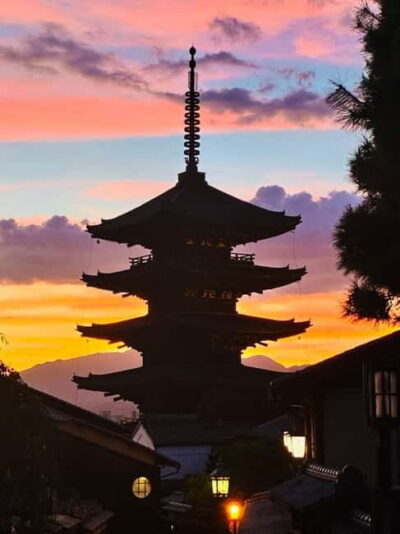
Kyoto Geisha Walking Tour: Gion District & Hidden Gems
Read our review →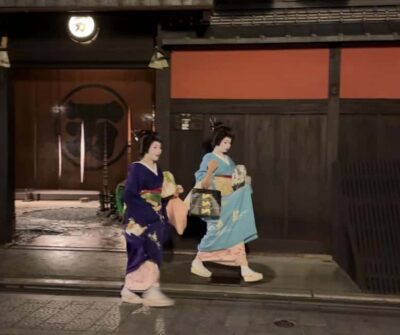
Gion Magical Night Walking Tour with Geisha Trivia
Read our review →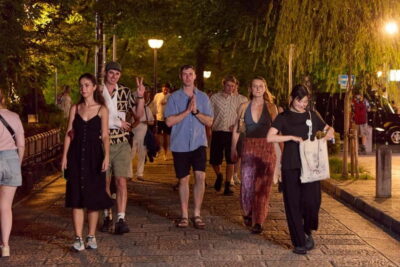
Gion Geisha District Walking Tour – Stories of Geisha
Read our review →
Best of Kyoto: Gion, Geisha, Pagodas & Cobblestones
Read our review →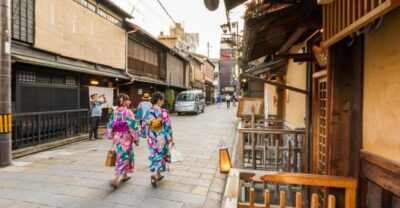

Kyoto Night Foodie Tour in Gion (9+ dishes + 6 Sake tastings)
Read our review →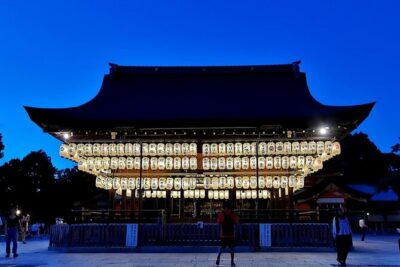
Kyoto Gion Geisha District Walking Tour – The Stories of Geisha
Read our review →
Kyoto Gion: 2-Hour Geisha Culture & History Walking Tour
Read our review →Browse the lists this tour appears in