
REVIEW · FUSHIMI INARI SHRINE TOURS
Kyoto: Fushimi Inari Shrine Walking Tour
Fushimi Inari’s famous tunnel of red torii gates is only the beginning. On this two-hour walk, a local guide explains why the gates, fox statues, offerings, and shrine rituals matter, then leads you along quieter mountain paths above Kyoto. The experience is less about collecting photos and more about understanding the place.
I especially like the small group limit of 10, which gives you a better chance to ask questions and keep pace with the guide. I also like the mix of cultural explanation and practical sightseeing, including hidden trails and views over Kyoto. The main caution is simple: this is a mountain walk, not a flat shrine visit, and it is not suitable for wheelchair users, visually impaired people, or baby strollers.
In This Review
- Key points
- Why Fushimi Inari is more than a torii-gate photo stop
- Meeting at Fukakusa Inarionmaecho
- Entering Fushimi Inari Taisha with a guide
- Reading the fox statues and torii gates
- Leaving the main route for quieter trails
- Climbing for views over Kyoto
- What the small group changes
- Is $38 a fair price?
- Who should book this walk
- Practical tips for a smoother visit
- Should you book the Fushimi Inari walking tour?
- FAQ
- Where does the Fushimi Inari walking tour begin?
- Where can I wait if the convenience store is crowded?
- How long does the tour last?
- What language is the tour offered in?
- How large is the group?
- What will I learn about Fushimi Inari?
- Does the route include mountain trails?
- Should I wear special clothing?
- Is the tour suitable for wheelchair users or baby strollers?
- Can I cancel for a full refund?
Key points
- Fox statues with a story: Learn why foxes serve as messengers of Inari and how they fit into shrine beliefs.
- Quiet mountain trails: Go beyond the busiest torii section with a guide who points out less-used paths.
- Two hours with a small group: The group is limited to 10 people, making the walk more personal.
- Views over Kyoto: Climbing brings wider views and a different sense of the shrine complex.
- A strong sunset option: A September outing with guide Nayeen was timed well for sunset and light foot traffic.
- A real uphill walk: Comfortable shoes are essential, and the route is not suitable for every mobility level.
Why Fushimi Inari is more than a torii-gate photo stop
Fushimi Inari Taisha is one of Kyoto’s most recognizable sights. The rows of orange-red torii gates make an easy picture, but the sight can feel puzzling if you do not know what you are seeing. Who placed the gates? Why are foxes everywhere? What is Inari, and why does this mountain shrine matter?
This tour gives you a framework for those questions. Your guide explains Inari worship, the traditions tied to the shrine, and the role of foxes as messengers. That context changes the way you look at the site. Instead of seeing a long corridor of gates, you begin to notice the relationship between worship, offerings, mountain paths, and the people who come here to pray.
I like this approach because Fushimi Inari rewards patience. The first section is famous and often draws the most attention, but the mountain continues upward. The farther you walk, the more the setting shifts from a major Kyoto attraction to a quieter religious site with small paths and viewpoints.
The tour does not promise a private shrine experience. Fushimi Inari remains a major destination, and conditions can change by time of day. Still, a guide can help you use the two hours well and show you more than the most photographed stretch.
More ways to walk Fushimi Inari:
- Kyoto: Fushimi Inari, Kinkakuji, Bamboo Grove 1 Day Bus Tour
★ 4.8 · 4,316 reviews - Fushimi Inari Hidden Hiking Tour (Private Option Available)
★ 5.0 · 1,750 reviews - Kyoto/Osaka: Nara, Fushimi Inari Taisha, Arashiyama Bus Tour
★ 4.7 · 1,275 reviews
Meeting at Fukakusa Inarionmaecho
The tour begins at 93 Fukakusa Inarionmaecho, in front of the Daily Yamazaki convenience store. If the store entrance is crowded, you can wait beside the fox statue across the road. That is a useful detail, since a clear meeting point matters at a popular site with plenty of foot traffic.
Give yourself enough time to find the exact spot before the start. The supplied information does not include a transportation plan or hotel pickup, so you should arrange your own way to the meeting point and arrive ready to walk. The convenience store can be handy for a last drink or small snack, but the key is to look for the guide at the stated location rather than assuming the tour begins at the main shrine gate.
Because the group has a maximum of 10 people, you should be able to identify the guide without dealing with a large crowd. Guide Nayeen is associated with a particularly well-timed September outing, when sunset and lighter foot traffic added to the experience. Guide assignments can vary, so do not assume Nayeen will lead every departure unless your booking confirms it.
Entering Fushimi Inari Taisha with a guide
Once the walk begins, the focus turns to Fushimi Inari Taisha and its religious meaning. You will spend the full two hours on a guided visit rather than simply arriving, taking pictures, and leaving. The guide explains Shinto beliefs and Kyoto traditions as you move through the shrine grounds.
That timing is useful. Two hours is long enough for more than a quick look, but short enough to fit into a busy Kyoto day. You can pair it with other sightseeing without giving up half a day, although the mountain climb means you should not schedule something physically demanding immediately afterward.
The guide’s explanations are the main reason to book instead of visiting alone. The shrine contains symbols that are easy to miss if you are unfamiliar with Shinto customs. You will hear about shrine rituals, the deity Inari, and the fox messengers connected with Inari worship.
I find this kind of explanation most valuable when it stays tied to what you can see. A fox statue is no longer just a decorative figure. A torii gate becomes more than a bright frame for a photograph. The place begins to make sense as an active religious site, not only as a famous Kyoto backdrop.
Reading the fox statues and torii gates
The fox statues are one of the most distinctive parts of Fushimi Inari. On this tour, you learn why foxes are linked with Inari and what their role as messengers means within the shrine’s traditions. That is a small detail with a big payoff, since fox images appear throughout the visit.
The torii gates also gain more meaning when you know how to look at them. Their repeated forms create the visual effect that brings people here, but the guide’s job is to connect that beauty with the beliefs and customs behind it. You can still take your photographs, but you will have more to think about than color and composition.
This is where the experience suits curious first-time visitors. If you already have a strong background in Shinto traditions, some explanations may cover familiar ground. For most people, though, the cultural context makes the shrine feel less like a checklist stop.
Remember that this is a working religious site. The tour information emphasizes rituals and beliefs, so you should expect guidance about the place’s spiritual character rather than a purely historical lecture. Keep your voice respectful, follow the guide’s instructions, and give people space when they are praying.
More Kyoto shrines:
- KYOTO Tea Ceremony with kimono near by Imamiya Jinjya Shrine
★ 5.0 · 343 reviews - Kyoto: 3-Hour Fushimi Inari Shrine Hidden Hiking Tour
★ 4.9 · 270 reviews - E-Bike Nara Highlights – Todaiji, Knives, Deer, Shrine
★ 4.8 · 186 reviews - Kyoto Magical Night English Tour: Gion & Fushimi Inari Shrine
★ 5.0 · 97 reviews
Leaving the main route for quieter trails
A major benefit of this walk is the chance to explore less-used mountain trails. Fushimi Inari is famous for its gate-lined path, but a guide can direct your attention toward quieter sections that many people miss when they turn around after the first photo stop.
The word quiet is relative. This is still a well-known Kyoto attraction, and no tour can guarantee an empty trail. Conditions depend on the departure time and the number of people at the shrine. The useful point is that you are not limited to the most crowded section.
The change in atmosphere is likely to be noticeable as you climb. The tour description specifically includes ascending mountain trails, so the route offers more than a flat walk around the entrance area. That climb is part of the reward, but it is also the main physical demand.
Wear comfortable shoes with reliable support. Sandals, stiff footwear, or shoes that work only for city streets can make the uphill sections less pleasant. Bring only what you want to carry for two hours, since the walk is easier when your hands and shoulders are free.
Climbing for views over Kyoto
The higher sections provide views over Kyoto, giving the tour a useful change of pace. The shrine is not only about looking inward at gates and religious objects. From the mountain, you also get a broader view of the city below.
The exact view and light will depend on weather and departure time. Sunset can be especially appealing. A September outing led by Nayeen benefited from a beautiful sunset and fewer people, showing why a later start may add something special when available.
You should not book this activity solely for a guaranteed sunset. Starting times vary, and the information provided does not promise a particular departure hour or weather condition. Think of the view as an added reward for making the climb, not the only reason to go.
The uphill route also helps you understand the shrine’s scale. From the lower area, Fushimi Inari can seem like a single famous path. The climb reveals a wider religious setting spread across the mountain, with trails and points of interest beyond the first red gates.
What the small group changes
A group capped at 10 people is a practical advantage. You can hear the English-speaking guide more easily than you might in a large tour, and questions are less likely to get lost. A smaller group also makes it easier to stop briefly without blocking the path.
That does not mean the tour will feel private. Ten people is still a group, and the route takes place in a public shrine. You will need to stay with the guide and share time at the main points of interest.
I would choose this format over a large coach-style group for Fushimi Inari. The site is made for walking, and a compact group fits the setting better. You have a better chance of hearing explanations about the fox statues and rituals while still moving at a reasonable pace.
The live tour is offered in English. If you want cultural information in another language, this activity may not be the right match, since English is the stated language.
Is $38 a fair price?
At $38 per person, the cost is reasonable if you want interpretation rather than a self-guided walk. Entry to a famous shrine is not the whole value here. You are paying for a local guide, a planned route, cultural explanations, and help finding quieter trails during a two-hour visit.
The price is less compelling if you only want to see the first torii gates and take a few pictures. You can visit the shrine on your own, so the tour makes the most sense when you care about the meaning behind what you see or want someone else to organize your route.
The small group improves the value. With no more than 10 participants, the guide can offer a more direct experience than a large group permits. You also avoid spending your limited Kyoto time guessing which path to take or trying to interpret every statue and ritual by yourself.
The activity includes the local guide, the guided shrine visit, exploration of hidden trails, and cultural insight into Kyoto traditions and Shinto beliefs. The supplied details do not list meals, drinks, transportation, or other extras, so plan to handle those separately.
Who should book this walk
I would recommend this tour to a first-time Kyoto visitor who wants Fushimi Inari to make sense, not just look beautiful. It is also a good fit for anyone interested in Shinto beliefs, local customs, religious symbols, and the stories connected with the shrine.
You should be comfortable walking uphill for part of the two-hour route. This is not a good choice if you need a wheelchair-accessible route, are traveling with a baby stroller, or have a visual impairment. The information provided also makes clear that comfortable shoes are a must.
Photography-minded visitors may enjoy the tour, especially if the timing brings sunset or lighter crowds. Still, the main purpose is cultural understanding. If you want nothing more than a fast photo at the lower torii gates, a guided two-hour climb may feel like too much.
The activity also suits people who like a little flexibility in their plans. You can reserve now and pay later, and cancellation is free up to 24 hours before the start for a full refund. Those policies matter in Kyoto, where weather, energy levels, and changing plans can affect how you arrange each day.
Practical tips for a smoother visit
Arrive at the Daily Yamazaki meeting point with comfortable walking shoes already on. If the convenience store is crowded, use the fox statue across the road as the alternative waiting point.
Keep your belongings light and bring water if you normally need it during an uphill walk. The supplied information does not list refreshments, so do not count on the tour providing drinks or food.
Stay aware of the route. Fushimi Inari combines a well-known shrine area with ascending mountain trails, and the experience works best when you follow the guide rather than wandering ahead for photographs.
If you hope for sunset, check the available starting times before booking. The September outing with Nayeen shows that sunset and fewer people can line up nicely, but neither is guaranteed for every departure.
Should you book the Fushimi Inari walking tour?
Book it if you want meaning, symbols, and mountain views along with the famous torii gates. The strongest reasons are the English-speaking local guide, the 10-person maximum, the fox and Inari explanations, and the chance to see quieter paths beyond the busiest entrance area.
Skip it if you want a flat, fast, self-guided photo stop or if uphill walking is a problem. For the right person, $38 buys useful context and a better-planned visit to one of Kyoto’s most striking religious sites.
FAQ
Where does the Fushimi Inari walking tour begin?
The meeting point is in front of the Daily Yamazaki Convenience Store at 93 Fukakusa Inarionmaecho.
Where can I wait if the convenience store is crowded?
You can wait next to the fox statue across the road from the convenience store.
How long does the tour last?
The guided tour lasts two hours and returns to 93 Fukakusa Inarionmaecho.
What language is the tour offered in?
The live tour guide speaks English.
How large is the group?
The tour is limited to 10 participants.
What will I learn about Fushimi Inari?
You will learn about Inari worship, the significance of fox statues, shrine rituals, Shinto beliefs, and Kyoto traditions.
Does the route include mountain trails?
Yes. The tour includes ascending mountain trails and exploration of quieter trails around Fushimi Inari Taisha.
Should I wear special clothing?
You should wear comfortable shoes because the experience involves walking and climbing mountain trails.
Is the tour suitable for wheelchair users or baby strollers?
No. The activity is not suitable for wheelchair users, visually impaired people, or baby strollers.
Can I cancel for a full refund?
Yes. You can cancel up to 24 hours in advance for a full refund. You can also reserve now and pay later.
More Walking Tours in Kyoto
- Kyoto Geisha Walking Tour: Gion District & Hidden Gems
★ 4.7 · 3,273 reviews - Kyoto: Gion Magical Night Walking Tour with Geisha Trivia
★ 4.9 · 2,393 reviews - Kyoto: Gion Geisha District Walking Tour – Stories of Geisha
★ 4.7 · 2,187 reviews - Night Walk in Gion: Kyoto’s Geisha District
★ 4.5 · 2,003 reviews
Recently added around Kyoto
- Higashiyama | Kyoto: Sakura Season Private Rickshaw Tour★ 5.0 · 3 reviews
- Kyoto Kimono Rental CHAMATSU|Kimono/Yukata Rental FamilyPlan★ 5.0 · 3 reviews
- Kyoto: Half-Day Private Guided Tour to the Old Town of Gion★ 4.4 · 3 reviews
- Nara Private Customizable Half Day Tour★ 5.0 · 3 reviews
- Kansai Region Hiking Adventure in Nara Kobe Kyoto and More★ 5.0 · 3 reviews
- Full Day Nara Deer, Temple, Shrine, Activities & Tea Ceremony★ 5.0 · 3 reviews
- Nara: Essential Private Tour with Deer Park and Temples★ 5.0 · 3 reviews
- Hiking Tour for Sacred Sites in Kyoto with a Guide★ 5.0 · 3 reviews
Fushimi Inari Shrine Tours, compared.
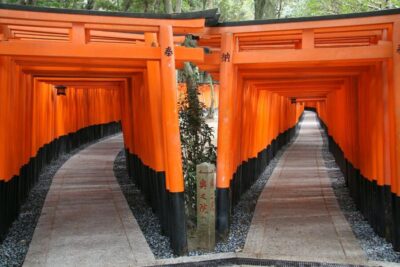
Fushimi Inari, Kinkakuji, Bamboo Grove 1 Day Bus Tour
Read our review →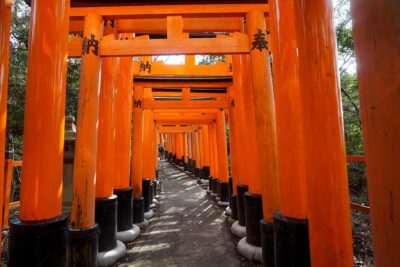
Fushimi Inari Hidden Hiking Tour (Private Option Available)
Read our review →
Kyoto/Osaka: Nara, Fushimi Inari Taisha, Arashiyama Bus Tour
Read our review →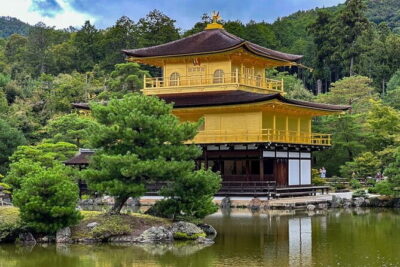
Nijo, Kinkaku-ji, Arashiyama, Kiyomizu & Fushimi Inari
Read our review →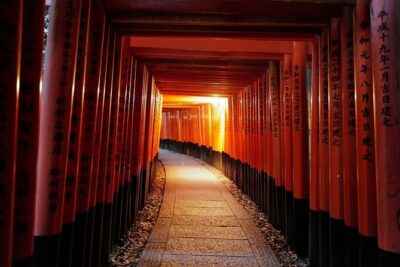

Kyoto Early Bird English Tour: Fushimi-Inari and Arashiyama
Read our review →
Fushimi, Arashiyama – Bamboo, Monkey, Torii & Secrets
Read our review →Browse the lists this tour appears in