
REVIEW · FUSHIMI INARI SHRINE TOURS
Fushimi Inari & Nara Highlights Walking Tour
Thousands of vermilion torii gates lead you into the wooded grounds of Fushimi Inari-taisha, then a private guide takes you onward to Nara for Todai-ji Temple and Kasuga Grand Shrine. It is a smart way to combine two major sights in one day without spending your limited Kyoto time working out train connections and shrine routes.
I like the efficient pairing of Kyoto’s most famous Shinto site with Nara’s Buddhist temples and deer. I also like the guide-led format, since a good explanation turns the gates, lanterns, purification rituals, and temple buildings into more than photo stops. The tradeoff is pace: six hours is enough for highlights, not a leisurely exploration of either destination.
In This Review
- Key points
- Fushimi Inari at 9:00 am: Start beneath the vermilion gates
- The train to Nara: One fare, two very different places
- Todai-ji Temple: Japan’s great wooden interior
- Kasuga Grand Shrine: Lanterns in the forest
- Deer, walking, and the rhythm of the day
- What the private guide adds
- Is $106.10 a fair price?
- Who should book this six-hour route?
- My verdict: book it for orientation, not slow discovery
- FAQ
- Where does the tour begin?
- What time does the tour start?
- Where does the tour end?
- How long does the experience last?
- Is transportation included?
- Is admission to Todai-ji included?
- Are meals included?
- Is this a private tour?
- Can I cancel for a refund?
Key points
- Two major destinations in one morning and afternoon: Start at Fushimi Inari, then continue to Nara.
- A private guide for your group: You do not need to study maps or manage the route alone.
- Fushimi Inari’s famous torii tunnel: The gates were donated by worshippers in thanks for good fortune.
- Todai-ji’s huge wooden hall: The temple’s scale is the main event, with admission charged separately.
- Kasuga Grand Shrine’s thousands of lanterns: More than 3,000 lanterns fill the shrine grounds.
- A practical Kyoto to Nara connection: Public transportation costs ¥1,380 per person and finishes at Nara Station.
Fushimi Inari at 9:00 am: Start beneath the vermilion gates
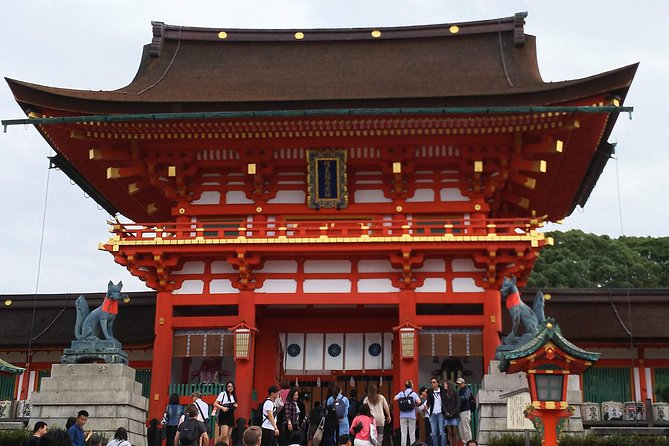
You meet the guide at Kyoto Station at 9:00 am. From there, the first major stop is Fushimi Inari Taisha Otabisho, a convenient entry point for seeing the shrine’s famous torii gates.
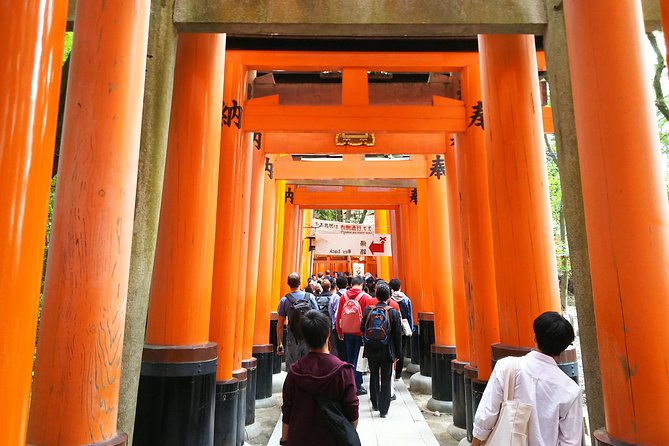
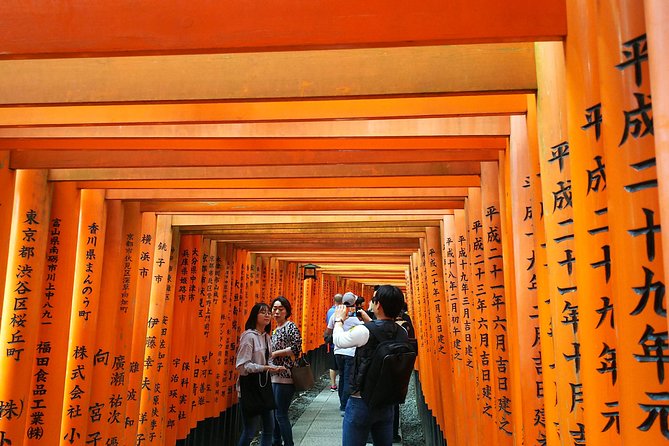
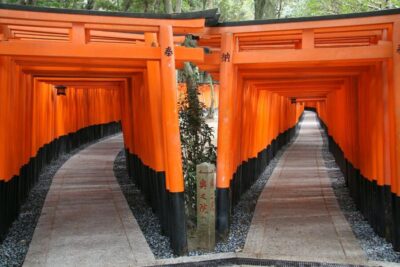
Fushimi Inari is best known for its long passages of orange-red gates. They form a striking tunnel through the hillside, with each gate donated by a worshipper, business, or organization in appreciation for good fortune. The repeated color and tight rows make this one of Kyoto’s strongest photo opportunities, but the place has more meaning than its appearance alone.
Your guide can explain the basic Shinto setting, including why people pass through the gates and how the shrine relates to Inari, the deity associated with rice, prosperity, and commerce. That context helps you read the site instead of simply walking through it, camera in hand.
The scheduled visit here lasts about one hour. That is enough to see the main torii section and get a feel for the shrine, but not enough for a long climb through every part of the mountain complex. If you want the full Fushimi Inari experience, you should understand that the gates continue far beyond the first famous corridor.
The tour format is useful here because Fushimi Inari can feel confusing. Paths branch, the crowds change as you move uphill, and the shrine complex is much larger than the first gate tunnel suggests. A private guide keeps the visit focused and helps you avoid losing time on the wrong path.
Wear shoes suited to walking. The tour is described as a walking experience, and the day includes three substantial sightseeing stops. You should also expect a busy first impression at Fushimi Inari, especially around the most photographed gates. The guide can help with direction, but no guide can make a famous shrine empty.
More ways to walk Fushimi Inari:
- Kyoto: Fushimi Inari, Kinkakuji, Bamboo Grove 1 Day Bus Tour
★ 4.8 · 4,316 reviews - Fushimi Inari Hidden Hiking Tour (Private Option Available)
★ 5.0 · 1,750 reviews - Kyoto/Osaka: Nara, Fushimi Inari Taisha, Arashiyama Bus Tour
★ 4.7 · 1,275 reviews
The train to Nara: One fare, two very different places
After Fushimi Inari, you continue toward Nara by public transportation. The transportation fare is ¥1,380 per person, and it is not included in the tour price. This extra cost is easy to overlook when comparing tours, so add it to your budget from the start.
The trip to Nara takes about an hour by train. That travel time is a real part of the experience, not a flaw in the plan. Kyoto and Nara are close enough for a day trip, but they are not next-door stops. You give up some sightseeing time on the train in exchange for seeing two of Japan’s most important cultural areas in one outing.
A private guide makes this transfer simpler. You do not have to work out the route while keeping an eye on the clock, and you can use the journey as a break between the shrine and temple visits. Still, anyone hoping for a relaxed day with long meals, shopping, or extended time in Nara Park should consider booking Nara separately.
The tour ends at Nara Station, not back at Kyoto Station. That is a useful arrangement if Nara is your next base or if you plan to continue exploring after the official tour. It is less convenient if you need to return to Kyoto immediately, since you will need to arrange and pay for that return trip yourself.
Todai-ji Temple: Japan’s great wooden interior
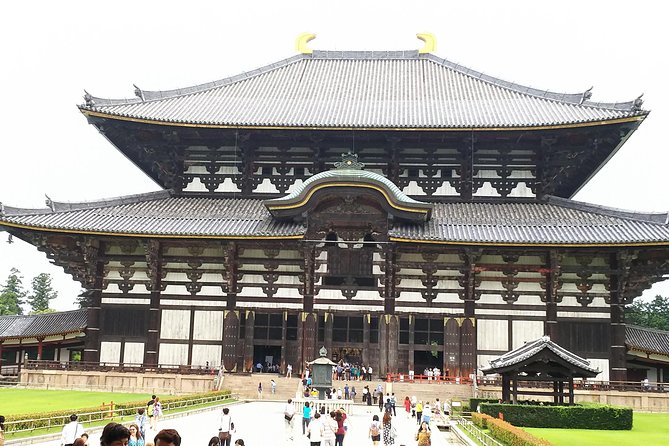
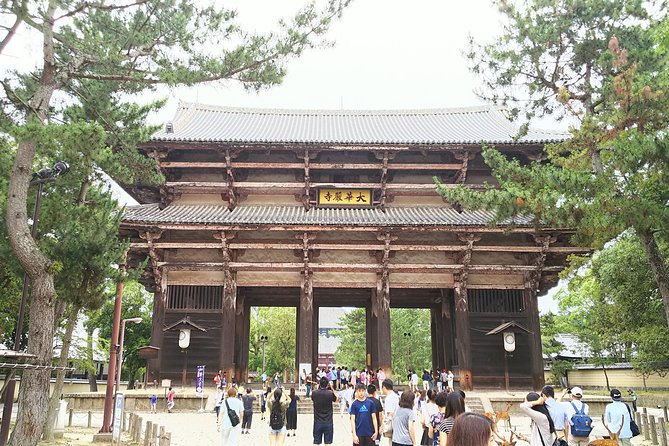
Todai-ji is the architectural high point of the Nara portion. The temple is famous for its enormous wooden main building, described as the largest wooden building in the world. Even before you focus on details, the scale of the structure makes an impression.
You enter through the temple complex and follow the expected Japanese purification practice of cleansing your hands and mouth at a water basin. This small ritual matters because it gives you a better sense of how a temple visit works. You are not simply entering an old building. You are taking part, in a modest way, in the customs that shape the visit.
Inside, the size of the hall is the main story. The building’s huge timbers and open interior give it a weight that photographs cannot fully convey. This is a place where architecture does much of the teaching. You can see how timber construction, religious purpose, and political ambition came together in a building designed to inspire awe.
Admission to Todai-ji costs ¥800 per person and is not included. The separate charge is modest compared with the overall price, but you should carry enough yen or be ready to pay the required admission amount. Meals are also extra.
The scheduled time at Todai-ji is about one hour. That gives you room to see the principal building and listen to the guide’s explanation, but it is not a full Nara temple circuit. If you are especially interested in Buddhist sculpture, temple history, or architectural details, you may wish you had more time.
For most people, though, one focused hour works well. Todai-ji is a clear, powerful stop, and its scale gives the Nara portion a strong center. The guide’s role is especially helpful here because the building can otherwise become a quick photo, a large statue, and a vague memory.
Kasuga Grand Shrine: Lanterns in the forest
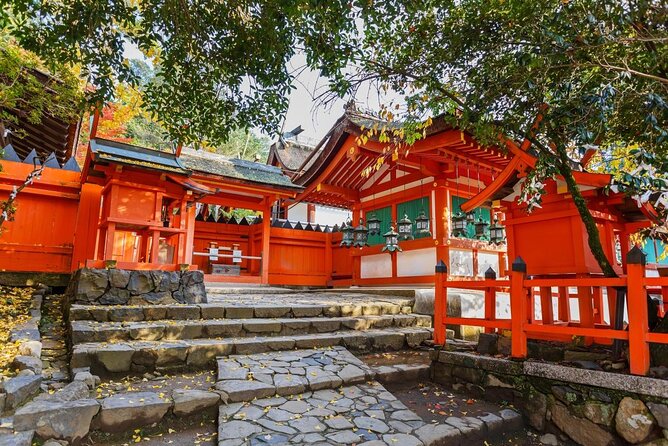
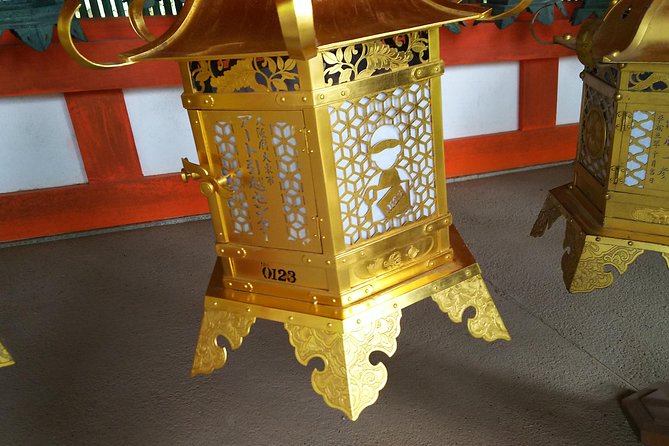
The final scheduled stop is Kasuga Grand Shrine, a Shinto site founded about 1,300 years ago. The shrine has roughly 1,000 branch shrines around Japan, and its grounds contain more than 3,000 lanterns, said to be the largest collection in Japan.
The lanterns are the visual signature here. Stone lanterns line the approaches, while bronze lanterns hang within the shrine buildings. Their shapes and repetition create a different mood from Fushimi Inari’s torii gates. Fushimi feels defined by color and passage. Kasuga feels defined by lanterns, forest paths, and old ritual space.
The contrast between the vermilion shrine structures and the surrounding greenery offers another strong set of photographs. I would pay attention to the approach, not just the central buildings. The walk toward a shrine often tells you as much about its character as the final worship hall.
The planned visit lasts about one hour, which is enough to appreciate the lanterns and hear the shrine’s main story. As with Fushimi Inari, the time limit means you will see highlights rather than every path and building. If quiet shrine walks are your main reason for visiting Nara, the schedule may feel brisk.
Kasuga also adds balance to Todai-ji. In a short visit, you see both major religious traditions in Japan: Shinto shrine architecture and Buddhist temple architecture. That makes the day more useful than a simple checklist of famous buildings.
More day trips to Nara:
- World Heritage Kyoto & Nara Uji Authentic Matcha Experience
★ 5.0 · 1,573 reviews - Nara Half Day Trip Walking Tour (Private Option Available)
★ 5.0 · 937 reviews - Nara Early Morning Tour (Kyoto or Osaka Departure Available)
★ 5.0 · 676 reviews - Kyoto and Nara Day Trip from Kyoto
★ 4.5 · 445 reviews
Deer, walking, and the rhythm of the day
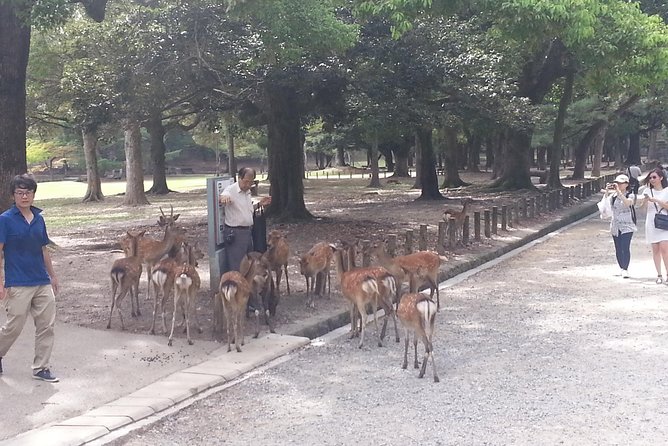
Nara is also known for its deer, and they are part of the appeal of the area around the shrines and temples. You should expect the chance to see deer during the Nara portion, but the tour is built around Fushimi Inari, Todai-ji, and Kasuga Grand Shrine rather than a dedicated deer-feeding activity.
This distinction matters if you are booking for children or for someone whose top priority is wildlife. The deer are a memorable part of Nara, but the official focus remains religious sites, architecture, and history.
The full experience lasts about six hours. That is a compact schedule with three one-hour sightseeing blocks and transportation between Kyoto and Nara. It is a good fit for a first visit when you want orientation and the major sights. It is less suitable if you prefer to pause often, linger over details, or set your own pace.
The walking level should be considered carefully. The activity is described as accessible for people with limited mobility and limited eyesight, and most people can participate. Even so, Fushimi Inari and the shrine and temple grounds involve movement across large sites. If you have specific mobility needs, confirm the practical route with the provider before booking, since accessibility labels do not explain every surface, slope, or walking distance.
What the private guide adds
The guide fare is included, and only your group participates. That private format is the tour’s main advantage over simply taking the train to Nara on your own.
A guide can keep the day moving, explain the difference between shrine and temple customs, and point out why the gates, lanterns, purification basins, and wooden halls matter. The strongest feedback about this experience centers on the guide being informative and helpful, with the day described as fun and easy to manage across both Fushimi Inari and Nara.
No guide name is provided, so you cannot request a particular person in advance. The quality of a private tour depends heavily on the individual guide, but the structure gives you a chance to ask questions and adjust the conversation to your interests. That is a better setup than a large group where every explanation must suit the average visitor.
The private arrangement also helps families and small groups. You can ask for clarification, slow down for photographs, or focus more on architecture than general sightseeing. Group discounts may be available, which improves the per-person value for several people booking together.
Is $106.10 a fair price?
The price is $106.10 per person. You must add ¥1,380 for public transportation, ¥800 for Todai-ji admission, and the cost of meals. The advertised price therefore does not cover every expense during the day.
The value comes from the private guide and the route planning. If you would otherwise pay for a private guide, study train connections, and manage the order of the stops yourself, the price can make sense. You are paying for a compact plan that links Kyoto Station, Fushimi Inari, Nara’s major sights, and Nara Station.
The value is weaker for independent visitors who are comfortable with Japanese rail travel and who want to spend several hours at one site. Fushimi Inari can be visited without an admission charge, and Nara’s temple and shrine areas can also be explored independently. The tour earns its cost through explanation, navigation, and time savings rather than through included tickets.
Booking patterns suggest that this experience is often reserved about 90 days ahead. That makes early planning sensible if your Kyoto dates are fixed, especially since the tour is private and has limited availability. You also receive confirmation at booking and can cancel for a full refund up to 24 hours before the start time. Poor weather can lead to a different date or a full refund, and the experience requires good weather.
Who should book this six-hour route?
I would choose this tour if you have limited time in Japan and want both Fushimi Inari and Nara on the same day. It is also a good match if you want cultural explanation without committing to a long, formal full-day tour.
It suits:
- First-time visitors who want help with routes and customs
- Couples, families, and small groups that prefer a private guide
- People who want both Shinto shrines and Buddhist temples
- Photographers looking for torii gates, lanterns, temple architecture, and deer
- Visitors ending their day in Nara, since the tour finishes at Nara Station
I would look elsewhere if you want a slow day, a long Nara Park visit, a substantial meal, or a deep exploration of Fushimi Inari’s mountain paths. The six-hour format is efficient, but efficiency always limits free time.
Animals are listed inconsistently in the practical information: pets are described as allowed in one place and not suitable in another. If that affects your plans, ask KAMNAVI Tours for a clear answer before booking. The tour is near public transportation, though the information also says there is no public transportation nearby, so confirm the exact meeting and transfer details if you need step-free access or very short connections.
My verdict: book it for orientation, not slow discovery
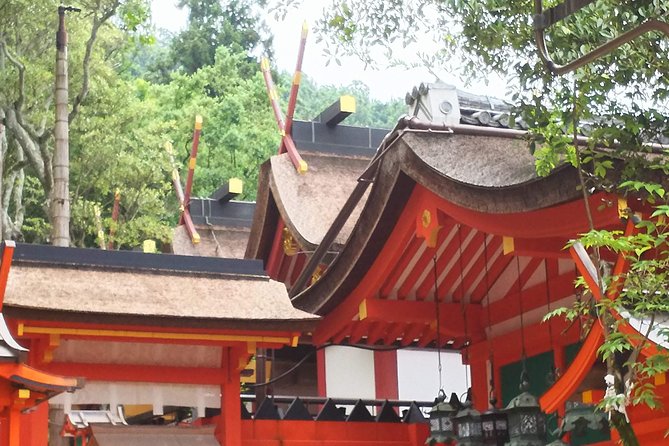
Book this tour if you want a well-organized introduction to Fushimi Inari and Nara, especially when your Japan schedule is tight. The guide, private format, and direct route let you see the famous torii gates, Todai-ji’s huge wooden hall, and Kasuga’s lanterns without spending your day on maps and logistics.
Skip it if you already know Kyoto and Nara well, or if you want to choose your own pace. The extra transport and temple fees also matter when you calculate the final cost.
For a first visit, I like the balance: one colorful Kyoto shrine, one massive Buddhist temple, and one historic lantern-filled shrine. Just arrive ready to walk, budget for the extras, and accept that this is a highlights tour rather than a complete study of either city.
FAQ
Where does the tour begin?
The tour begins at Kyoto Station in Kyoto, Japan.
What time does the tour start?
The scheduled start time is 9:00 am.
Where does the tour end?
The tour ends at Nara Station, at 1 Sanjohonmachi, Nara, 630-8122, Japan.
How long does the experience last?
The tour lasts approximately six hours.
Is transportation included?
No. Public transportation costs ¥1,380 per person and is not included in the tour price.
Is admission to Todai-ji included?
No. Admission to Todai-ji costs ¥800 per person and is paid separately.
Are meals included?
No. Meals are not included.
Is this a private tour?
Yes. Only your group participates in the activity, and a private guide is provided.
Can I cancel for a refund?
You can cancel at least 24 hours before the local start time for a full refund. Cancellations or changes made less than 24 hours before the start time are not accepted for a refund. If poor weather causes the tour to be canceled, you will be offered another date or a full refund.
More Walking Tours in Kyoto
- Kyoto Geisha Walking Tour: Gion District & Hidden Gems
★ 4.7 · 3,273 reviews - Kyoto: Gion Magical Night Walking Tour with Geisha Trivia
★ 4.9 · 2,393 reviews - Kyoto: Gion Geisha District Walking Tour – Stories of Geisha
★ 4.7 · 2,187 reviews - Night Walk in Gion: Kyoto’s Geisha District
★ 4.5 · 2,003 reviews
Recently added around Kyoto
- Higashiyama | Kyoto: Sakura Season Private Rickshaw Tour★ 5.0 · 3 reviews
- Kyoto Kimono Rental CHAMATSU|Kimono/Yukata Rental FamilyPlan★ 5.0 · 3 reviews
- Kyoto: Half-Day Private Guided Tour to the Old Town of Gion★ 4.4 · 3 reviews
- Nara Private Customizable Half Day Tour★ 5.0 · 3 reviews
- Kansai Region Hiking Adventure in Nara Kobe Kyoto and More★ 5.0 · 3 reviews
- Full Day Nara Deer, Temple, Shrine, Activities & Tea Ceremony★ 5.0 · 3 reviews
- Nara: Essential Private Tour with Deer Park and Temples★ 5.0 · 3 reviews
- Hiking Tour for Sacred Sites in Kyoto with a Guide★ 5.0 · 3 reviews
Fushimi Inari Shrine Tours, compared.
Fushimi Inari, Kinkakuji, Bamboo Grove 1 Day Bus Tour
Read our review →
Fushimi Inari Hidden Hiking Tour (Private Option Available)
Read our review →
Kyoto/Osaka: Nara, Fushimi Inari Taisha, Arashiyama Bus Tour
Read our review →
Nijo, Kinkaku-ji, Arashiyama, Kiyomizu & Fushimi Inari
Read our review →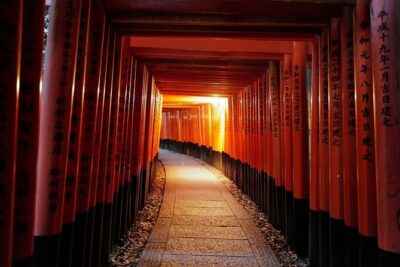
Kyoto Early Bird English Tour: Fushimi-Inari and Arashiyama
Read our review →
Fushimi, Arashiyama – Bamboo, Monkey, Torii & Secrets
Read our review →Browse the lists this tour appears in