
REVIEW · MUSEUMS
Family Mitsui House Museum with green tea admission ticket
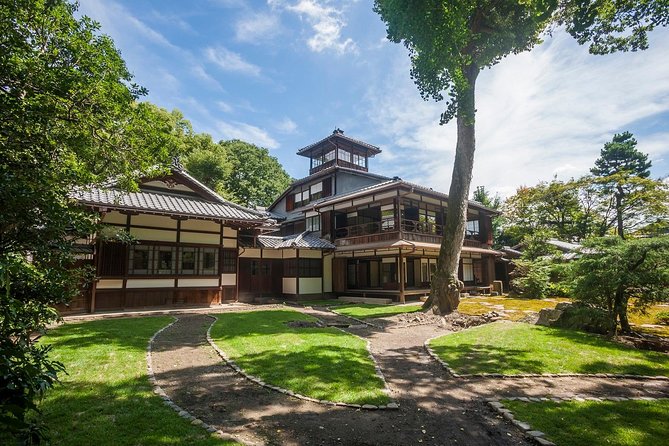
Kyoto has a quieter side at the Old Mitsui Family Shimogamo Villa, where a grand 1880 merchant residence gives you tatami rooms, a garden, birdsong, and the soft sound of a nearby river. I like the way this visit pairs two things that belong together: traditional architecture and a bowl of matcha enjoyed while looking outside. I also like its calm setting beside Shimogamo Shrine, far removed from the city’s louder tourist routes.
The catch is simple: this $15 ticket covers the first floor and garden, but not the second floor, third floor, or tea-room area. If climbing upstairs is important to you, ask on the day whether a different tea ticket is available. One visitor found that an upgraded option allowed access to the second floor when space permitted.
In This Review
- Key points to know before you go
- A preserved Meiji-era house beside Shimogamo Shrine
- What you see on the first floor
- Matcha on tatami, with the garden in view
- The garden changes with the season
- Why the quiet setting matters
- The important limit: upstairs rooms are not included
- Who will get the most from this one-hour visit
- Price, timing, and practical value
- How this compares with a major Kyoto attraction
- Should you book the Family Mitsui House Museum ticket?
- FAQ
- What does the Family Mitsui House Museum ticket include?
- How long does the visit take?
- Is the matcha included in the ticket price?
- Can I visit the second and third floors?
- Is another tea ticket available?
- Is the experience near public transportation?
- Can I cancel for a full refund?
Key points to know before you go
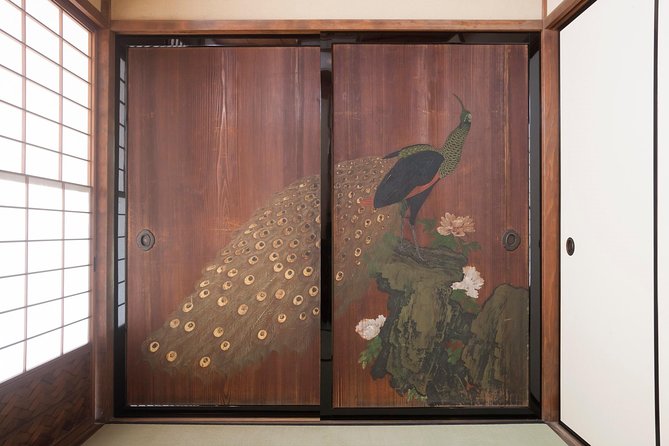
- The house dates to 1880: You enter a carefully preserved Meiji-era residence built for the Mitsui family, one of Kyoto’s major merchant families.
- Matcha is served on tatami: The tea is part of the admission package, not an extra purchase after you arrive.
- The first floor is the main indoor visit: You can see the rooms and traditional details, then walk through the garden.
- Seasonal scenery is a major reason to return: Flowers, lotus, and changing garden views give the villa a different feel across the year.
- The setting is unusually peaceful: It sits in the city, yet the garden and river sounds create a quiet break near Shimogamo Shrine.
- Upstairs access costs attention: The standard ticket does not include the second, third, or tea-room areas.
A preserved Meiji-era house beside Shimogamo Shrine
The Old Mitsui Family Shimogamo Villa was built in 1880, during the Meiji period, and was once part of the Mitsui family property. The large house has been preserved well enough for you to get a clear sense of how an important merchant family lived and received people during that period.
This is not a huge museum packed with objects and displays. Its appeal comes from the building itself: the proportions of the rooms, the tatami flooring, the wooden structure, and the way the house opens toward the garden. You are seeing architecture in its proper setting rather than looking at isolated pieces in glass cases.
The villa is designated an Important Cultural Property because the mansion remains in unusually good condition. That status matters to you as a visitor because the experience is less about reading a long historical account and more about noticing the physical details around you.
A standard leaflet provides some information, but English translation inside the house is limited. I would read the available material before moving from room to room, then give yourself time to look closely. The quieter pace works well here. You do not need a guide-led schedule to appreciate the space, but visitors who want extensive English explanation may find the interpretation too brief.
More museums in Kyoto:
- Kyoto: Tea Museum Tickets and Matcha Grinding Experience
★ 4.9 · 739 reviews - Skip the lines Basic Ticket at SAMURAI NINJA MUSEUM KYOTO
★ 4.5 · 632 reviews - Kyoto : Geiko Maiko Dance of Kyoto & Visits of Gion Museum
★ 4.6 · 415 reviews
What you see on the first floor
The standard admission takes you through the first floor of the villa. You can view the interior, sit on tatami, and see how the rooms connect with the garden outside.
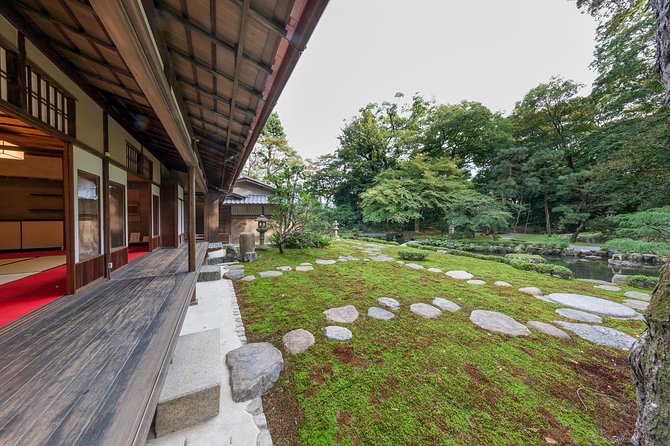
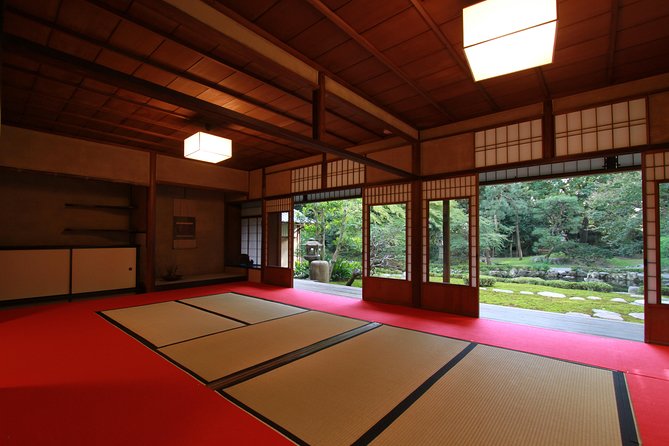
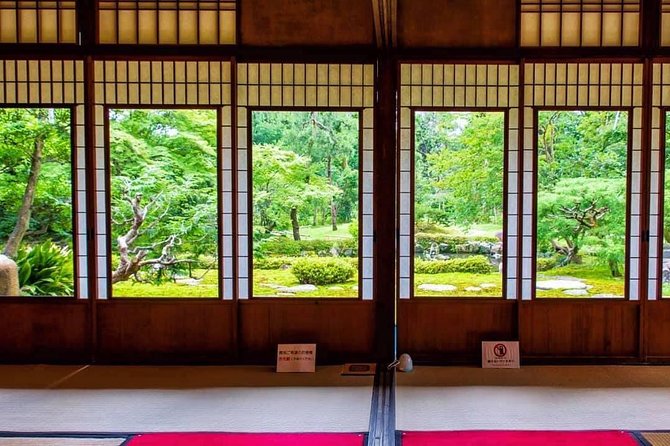
The house is most enjoyable when you pay attention to the relationship between indoors and outdoors. Traditional Japanese residences often frame gardens as part of the room, and this villa makes that idea easy to understand. From the tatami floor, the garden becomes more than scenery. It acts almost like a changing picture, with different colors and shapes depending on the season.
The rooms also give you a feel for the scale of a large private residence. This was not a small country cottage. It was a substantial home, and the broad interior helps explain why its preservation is important.
Do not rush through the building simply because the visit lasts about an hour. The hour is enough for the first floor, garden, and tea, but it leaves little room for a hurried checklist. I would spend time in the rooms first, then walk outside, or take the tea before exploring the garden, depending on the staff’s direction.
Matcha on tatami, with the garden in view
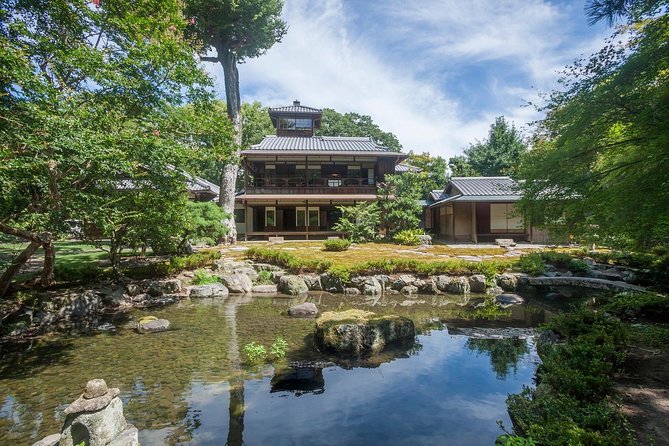
The matcha is the heart of the ticket. You sit on tatami and drink green tea while looking toward the garden, a small ritual that makes the architecture feel lived in rather than merely displayed.
The tea is not presented as a long ceremony course. Think of it as a quiet pause within your museum visit. That is good news if you want a simple cultural experience without giving up half a day. You get the traditional setting, the tea, and time to look outward, all within roughly an hour.
The setting adds much of the value. At the tea table, you may hear birds and the murmur of the river rather than traffic. One of the most appealing details is that the room can feel almost private when the villa is calm, allowing you to sit with the view and imagine the house in daily use.
If you have never had matcha in a tatami room, this is an easy introduction. You do not need to book a separate tea ceremony. If you already have experience with formal tea events, you may find this offering modest, but the garden setting still gives it character.
The ticket includes both admission and matcha, which makes the $15 price sensible for a short Kyoto stop. You are paying for access to a protected historic house, a garden visit, and a traditional tea moment. It is not the cheapest cup of tea in Kyoto, of course, but the surroundings are the point.
The garden changes with the season
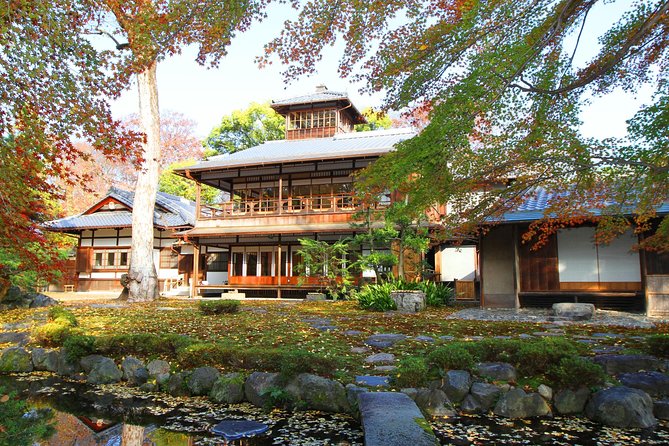
The villa’s garden is not a one-season attraction. Its appearance shifts through the year, and that is one reason this place suits repeat visits.
A visit described flowering bellflowers and lotus, with the scenery changing as you moved through the garden. The exact display will depend on the date, but the broader lesson is useful: do not treat the garden as a quick path between the entrance and the tea room. Walk slowly and look down as well as across the garden.
The seasonal quality also makes this stop a good companion to more famous Kyoto sights. You can visit the same house at different times of year and notice different plants, light, and colors. The architecture remains steady, while the garden keeps changing.
The grounds are not presented as a giant park. Their appeal is their connection to the house and their quiet mood. If you want a large garden with many paths and major viewpoints, this may feel limited. If you prefer a contained garden viewed from traditional rooms, it delivers more.
A few more Kyoto experiences worth comparing
- Kyoto: Hop-on Hop-off Sightseeing Bus Ticket
★ 3.9 · 2,034 reviews - Kyoto: Ninnaji Temple Entry Ticket
★ 4.2 · 650 reviews - Kyoto: Nidec Kyoto Tower Observation Deck Admission Ticket
★ 4.5 · 273 reviews - Kyoto: Non-Verbal Theatre Show Tickets at GEAR
★ 4.9 · 198 reviews
Why the quiet setting matters
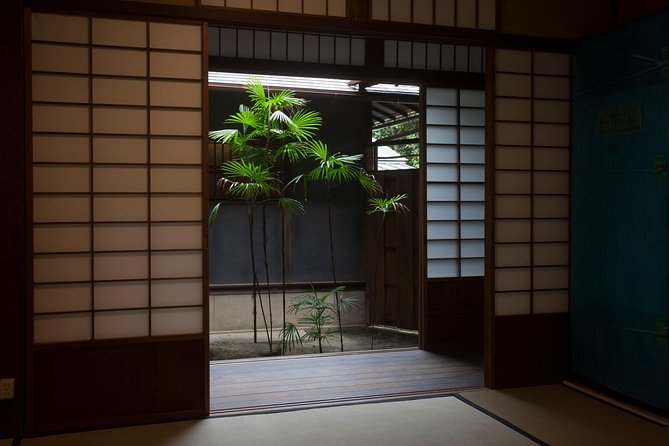
The villa sits near Shimogamo Shrine, in an area that can give you a break from Kyoto’s busiest visitor zones. You remain in the city, close to public transportation, yet the sound inside the property can shift quickly toward birds and water.
That contrast is one of the strongest reasons to add this visit to your day. Kyoto sightseeing can involve crowded streets, packed temples, and constant movement. Here, you sit down. The house asks you to notice small details rather than chase one dramatic view after another.
The calm atmosphere also suits people who enjoy old homes and traditional Japanese interiors. You can take in the house without needing to understand every historical detail. The building, tatami, garden, and tea work together to create a clear sense of place.
Staff members are described as polite and willing to explain things. Since the English material is limited, you may want to ask questions directly if you need clarification. The available information does not provide staff names or identify a named guide, so this is a self-guided style of visit with help from the on-site team rather than a named guided tour.
The important limit: upstairs rooms are not included
Before you buy, check your expectations about access. The $15 admission and tea package includes the first floor and garden. The second floor, third floor, and tea-room area are excluded.
That limit has affected how some people judge the ticket. One person found an upgraded tea ticket available on the day and wished they had chosen it. Access may depend on availability, so ask at the property if seeing the second floor matters to you. Do not assume that the standard matcha ticket includes every part of the villa.
For many people, the first floor is enough. It contains the main traditional rooms, and the garden view is central to the tea experience. Still, the excluded areas are worth knowing about because the villa’s size can make you expect a wider visit.
I would choose the standard ticket if you want a short, quiet stop focused on the house, garden, and matcha. I would investigate the other tea option if your main goal is a fuller look at the building or a longer cultural visit.
Who will get the most from this one-hour visit
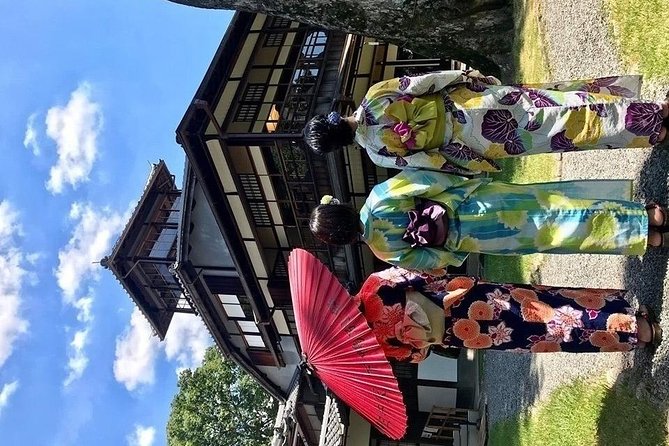
I think this experience fits you best if you enjoy architecture, old houses, gardens, or small cultural activities that do not require a full-day commitment. It also works well for a first-time matcha experience because the tea comes within a larger visit instead of being the entire event.
It may suit you after visiting Shimogamo Shrine, since the villa is nearby. You can shift from a religious site to a preserved family residence and see two different sides of the same part of Kyoto.
Families and older visitors may appreciate the short duration, though the tatami setting and traditional house may involve sitting on the floor. The supplied information says most people can participate, and service animals are allowed. It also notes that the property is near public transportation.
I would be more cautious if you need extensive English interpretation, dislike sitting on tatami, or want access to every floor. The visit is peaceful, but it is not built around a long guided explanation or a large collection of exhibits.
Price, timing, and practical value
At $15, the package is priced for a compact cultural stop rather than a major full-day attraction. The ticket covers admission and matcha, so there is no need to budget separately for the tea once you enter.
The listed duration is about one hour. That makes it easy to fit between nearby sights, but you should not expect a leisurely half-day outing. The first floor, garden, and tea fit the time well. Add extra time only if the staff permits access to another area or if you want to sit quietly in the garden.
A mobile ticket makes entry convenient. Confirmation is provided at booking, and the experience is near public transportation. The listed opening information shows Monday hours of 9:00 AM to 5:00 PM for January 5 through March 31, 2026. Check the operating details for your exact date before setting out, since the information supplied here only specifies that date range and Monday schedule.
Free cancellation is available if you cancel at least 24 hours before the start time. Cancellations made within 24 hours are not refundable, and late changes are not accepted.
How this compares with a major Kyoto attraction
This villa will not replace Kyoto’s major temple and shrine visits. It offers fewer grand monuments and less extensive public space. Its strength is the close-up scale: a house, a tatami room, a garden, and tea.
I like it as a counterpoint to a packed sightseeing schedule. After a morning of moving from one famous site to another, an hour here can reset your pace. The experience asks you to sit and look, which is often exactly what a busy Kyoto itinerary lacks.
The limited translation is the main issue for independent visitors who want historical detail. You can still understand the basic character of the house through its rooms and garden, but you may need to rely on the leaflet and staff explanations.
Should you book the Family Mitsui House Museum ticket?
Book it if you want a quiet, affordable Kyoto experience built around a preserved Meiji-era house, traditional tatami rooms, seasonal garden views, and matcha. It is especially useful near Shimogamo Shrine, when you have about an hour and want something more reflective than another crowded landmark.
Skip it if you need a fully guided English tour, broad access to the villa, or a long tea ceremony. The second and third floors are not included, and English interpretation is limited.
For most people who value atmosphere over spectacle, the standard ticket offers fair value. Ask about the optional second-floor tea ticket if it is available on your visit, then settle in, take your tea, and let the garden do the talking.
FAQ
What does the Family Mitsui House Museum ticket include?
It includes admission to the Old Mitsui Family Shimogamo Villa, access to the first floor and garden, and matcha green tea.
How long does the visit take?
The experience lasts approximately one hour.
Is the matcha included in the ticket price?
Yes. The ticket combines admission with matcha green tea.
Can I visit the second and third floors?
The standard ticket does not include the second floor, third floor, or tea-room area.
Is another tea ticket available?
If space is available on the day, a different tea ticket may allow access to the second floor. Ask the staff before entering if this matters to you.
Is the experience near public transportation?
Yes. The property is near public transportation and is located beside Shimogamo Shrine in Kyoto.
Can I cancel for a full refund?
Yes, if you cancel at least 24 hours before the experience start time. Cancellations within 24 hours are not refunded, and late changes are not accepted.
Recently added around Kyoto
- Higashiyama | Kyoto: Sakura Season Private Rickshaw Tour★ 5.0 · 3 reviews
- Kyoto Kimono Rental CHAMATSU|Kimono/Yukata Rental FamilyPlan★ 5.0 · 3 reviews
- Kyoto: Half-Day Private Guided Tour to the Old Town of Gion★ 4.4 · 3 reviews
- Nara Private Customizable Half Day Tour★ 5.0 · 3 reviews
- Kansai Region Hiking Adventure in Nara Kobe Kyoto and More★ 5.0 · 3 reviews
- Full Day Nara Deer, Temple, Shrine, Activities & Tea Ceremony★ 5.0 · 3 reviews
- Nara: Essential Private Tour with Deer Park and Temples★ 5.0 · 3 reviews
- Hiking Tour for Sacred Sites in Kyoto with a Guide★ 5.0 · 3 reviews
Museums, compared.
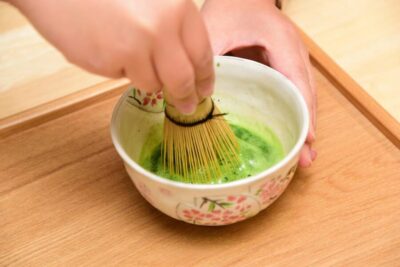
Tea Museum Tickets and Matcha Grinding Experience
Read our review →
Skip the lines Basic Ticket at SAMURAI NINJA MUSEUM KYOTO
Read our review →
Geiko Maiko Dance of Kyoto & Visits of Gion Museum
Read our review →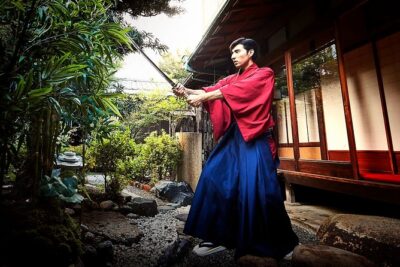
Kyoto Sword Experience – includes Museum Ticket/Ninja Experience
Read our review →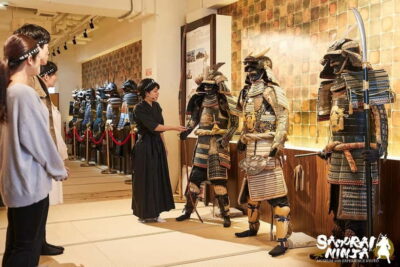

Ninja Experience (Family Friendly) at Samurai Ninja Museum KYOTO
Read our review →
Kyomai Dance by Maiko Geiko and Visits of Gion Art Museum Kyoto
Read our review →
Samurai Sword Experience (Family Friendly)at SAMURAI MUSEUM KYOTO
Read our review →Browse the lists this tour appears in